You might imagine bobcats as deep-forest ghosts, slipping through remote mountains far from people. But as suburbs sprawl and natural habitat shrinks, these wild cats are quietly learning to live right alongside you, often without you noticing. You could be walking your dog, taking out the trash, or sipping coffee on your patio with a bobcat watching from the shadows only a backyard or two away.
That sounds dramatic, but it is becoming more common in many parts of North America. The good news is that bobcats usually want nothing to do with you; they’re shy, stealthy, and mostly active when you are not. Still, it helps to know the clues. Once you start paying attention, you may realize the signs have been there all along. Here are nine key things to watch for if you suspect a bobcat might be closer to your neighborhood than you think.
1. Distinctive Paw Prints in Soft Soil, Sand, or Snow
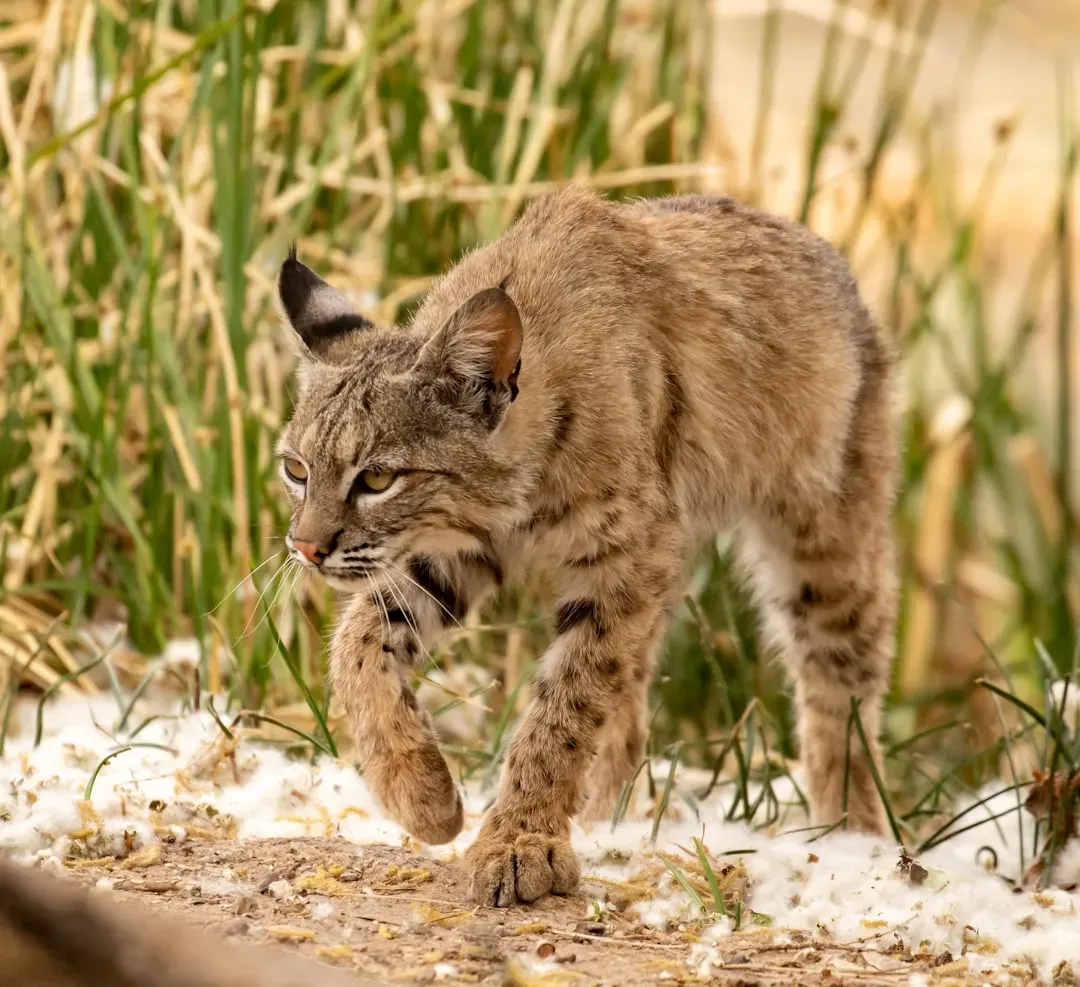
One of the most telling signs you may have a bobcat nearby is in the dirt right under your feet. If you look closely at soft soil, dusty driveways, garden beds, or patches of snow, you might notice roundish paw prints about the size of a small orange, with four toe marks and no claw imprints. Because bobcats have retractable claws like house cats, you usually will not see those sharp points unless the animal was running or pouncing.
You can compare these tracks to dogs or coyotes, which almost always show claw marks and have more oval-shaped prints. If you see a straight line of neat, round tracks that seem too big for a normal house cat but too small for a large dog, you may be looking at bobcat evidence. You might spot them crossing a dry creek bed behind your house, skimming along a fence line, or weaving between yards in early morning frost before anyone else is awake.
2. Strange “Cat-Like” Scat with Fur and Bones
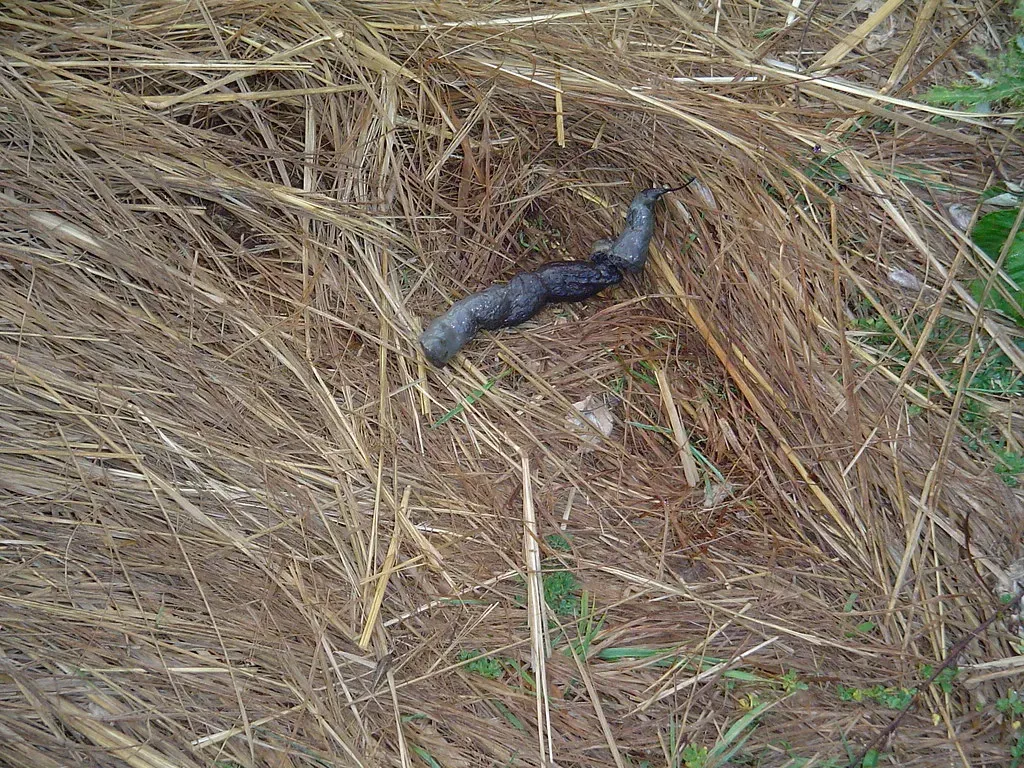
Another unglamorous but important clue shows up when you are gardening or walking a trail: scat. Bobcat scat often looks like that of a large domestic cat, but thicker and more segmented, sometimes about the length of your hand. If you take a careful look (without touching it), you may see bits of fur, tiny bone fragments, or feathers, clear hints that the animal has been eating small mammals or birds.
Unlike domestic cats that tend to bury their waste in loose soil or litter-like surfaces, bobcats sometimes leave scat in more noticeable spots such as trail intersections, logs, or the edges of pathways. This can act like a calling card to other bobcats, marking territory. If you consistently notice this kind of scat along the same paths behind your house, in an overgrown lot, or at the edge of a greenbelt, it is a strong sign a bobcat is using that route regularly.
3. Sudden Disappearances of Rabbits, Rodents, or Feral Cats
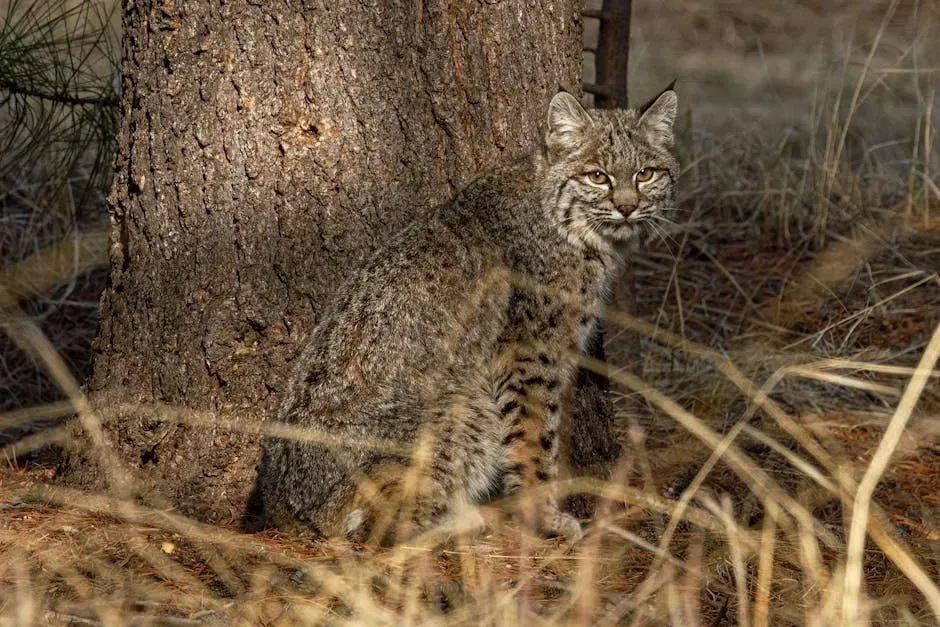
You may not see the predator, but you might notice the prey vanishing. If your neighborhood used to be overrun with rabbits munching on lawns at dusk, or you often saw squirrels and chipmunks everywhere, and then suddenly their numbers drop, a bobcat could be at work. Bobcats are skilled ambush hunters and love exactly those kinds of animals, along with rats, mice, and voles that you hardly see but definitely do not mind losing.
You might even notice feral cats becoming scarce, or one or two showing up with mysterious injuries. While bobcats prefer wild prey, they can see outdoor cats as competition or, in some situations, as potential prey. If you pay attention over a few months and realize that the small-animal soundtrack of your street has gone strangely quiet, it is possible a silent feline hunter has moved in.
4. Brief, Ghost-Like Sightings at Dawn or Dusk
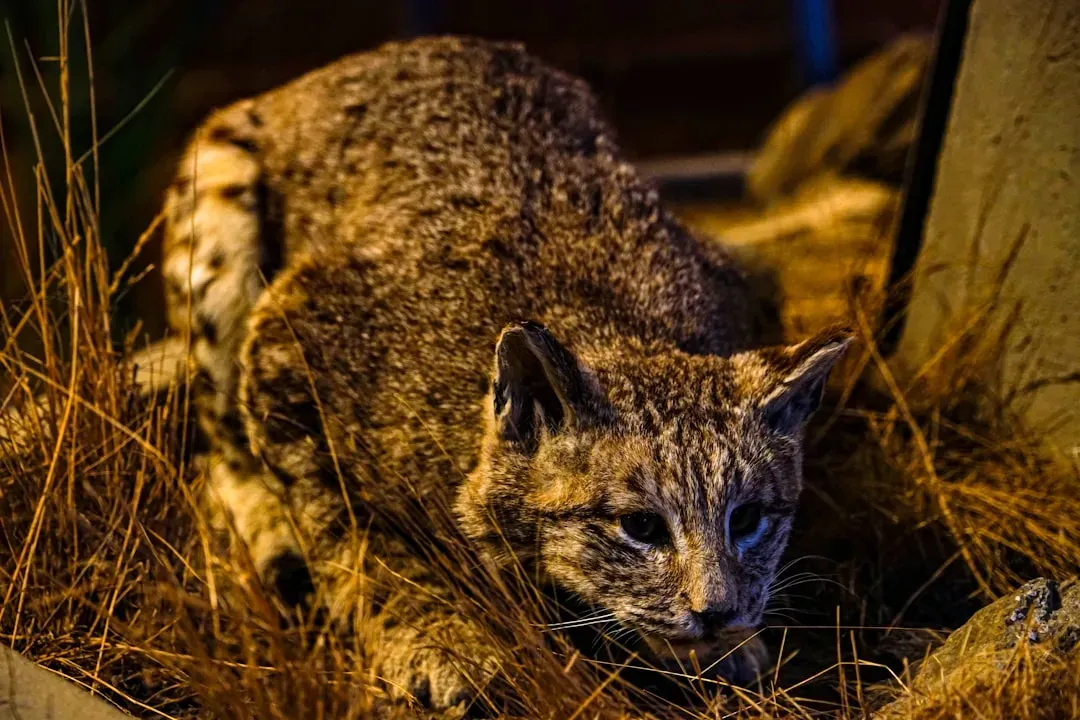
Maybe you have glimpsed something and then convinced yourself you imagined it. A flash of spotted fur slipping behind a shed. A muscular shape trotting along a fence a little too big and thick-bodied to be a normal house cat. Bobcats are masters of staying unseen, but in neighborhoods they sometimes get caught out in the open, especially in the soft light of dawn or dusk when they feel safest.
If you ever see a medium-sized cat with long legs, a short “bobbed” tail with a black tip on top and white underneath, and tufted ears, you are not looking at someone’s pet. You might catch one crossing a quiet road, moving along a drainage ditch, or pausing to look back at you with a calm, unhurried stare before melting into the nearest patch of cover. Those tiny, fleeting sightings are often what neighbors talk about in hushed voices before realizing they are all seeing the same wild visitor.
5. Scratches, Scent Marks, and “Scrapes” Around Edges of Yards
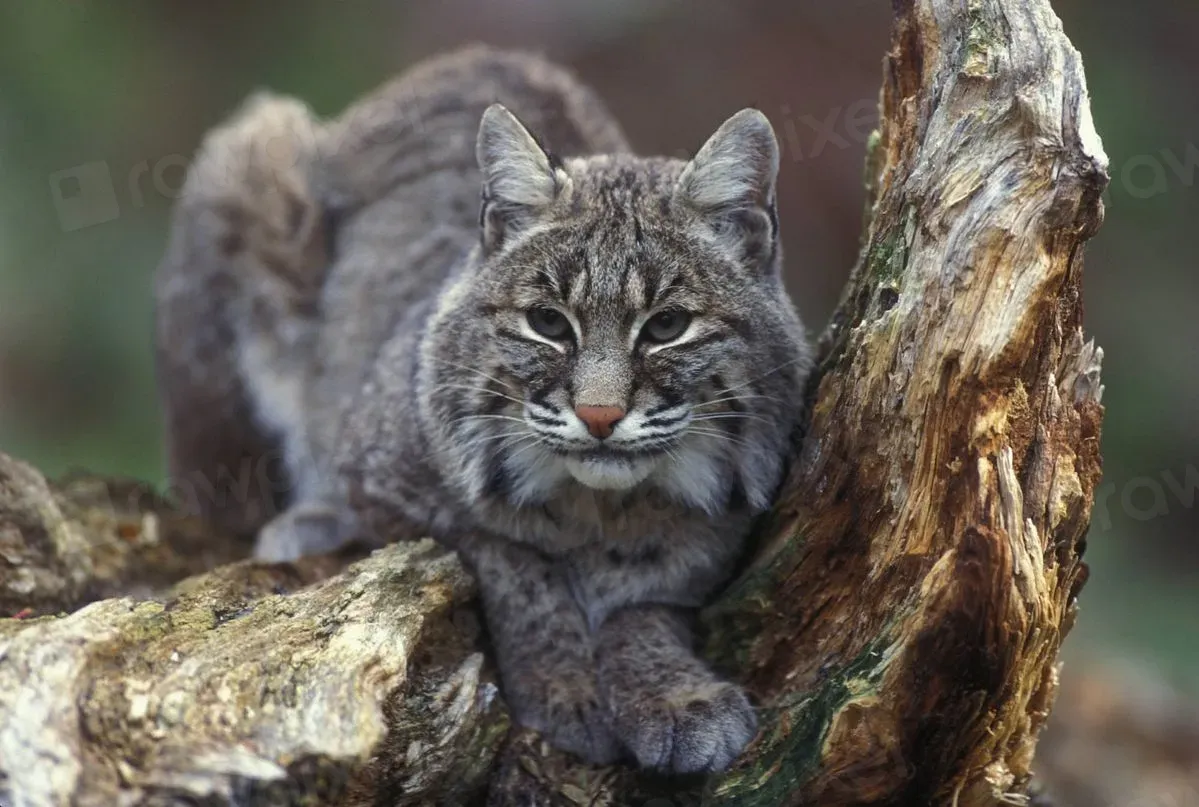
Bobcats are obsessed with boundaries, and they use scent and scratches to mark the edges of their world. If you look near the base of trees, fallen logs, fence posts, or even landscape timbers around your property, you might find scratch marks or small scraped-up patches of soil. These scrapes can look like a shallow dug-out spot or a mini cat-scratching session on the ground, often with a bit of urine or scat nearby.
To you, it might just look like a messy patch in the dirt that you keep raking smooth only for it to reappear a week later. To a bobcat, it is a billboard saying this territory is taken. These marks tend to show up on natural travel routes such as the back edge of a yard bordering woods, the side of a trail, or the corner where a greenbelt meets a subdivision, quietly mapping out the unseen boundaries of your wild neighbor’s home range.
6. Motion-Activated Camera Footage You Were Not Expecting
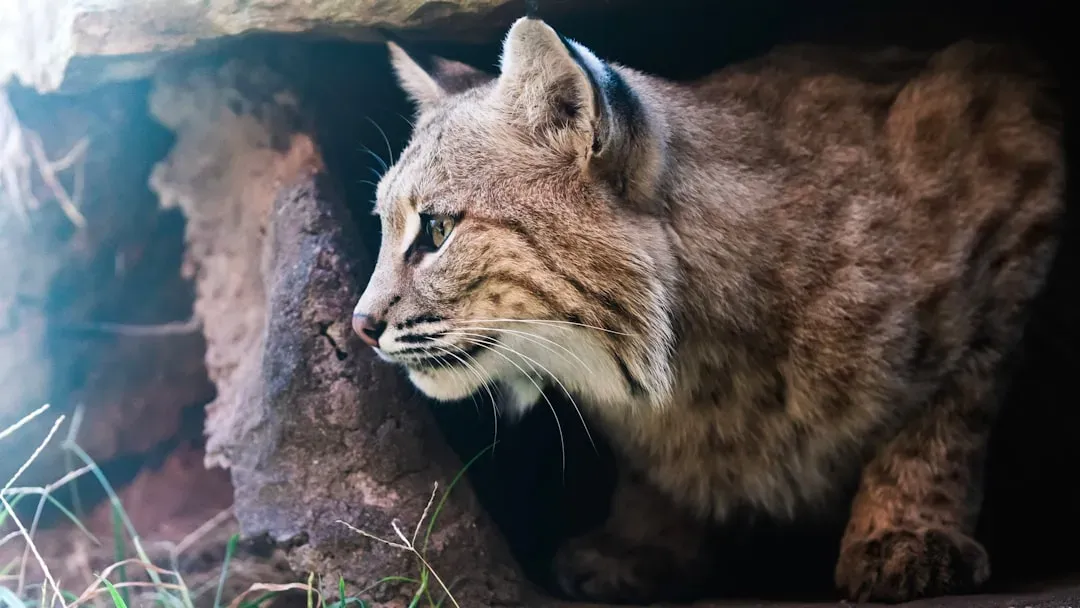
Trail cameras and doorbell cameras have turned a lot of “probably nothing” suspicions into undeniable proof. You might set up a camera to figure out what is eating your tomatoes or knocking over the trash, and instead end up with a crystal clear image of a spotted cat gliding through your yard at 2 a.m. Night-vision footage can be especially revealing, showing reflective eyes, the short bobbed tail, and that unmistakable feline body shape.
If your neighborhood has a shared social media group, you might see someone post a mysterious cat video asking for help identifying it. You can recognize a bobcat by its stocky body, short tail, tufted ears, and the slightly longer hind legs that give it a sloping look from shoulders to hips. When you realize that the same narrow path along your fence appears in multiple videos, you start to see how the bobcat quietly threads through several properties as if they were just trees in a forest.
7. Unusual Sounds at Night: Yowls, Screams, and Growls
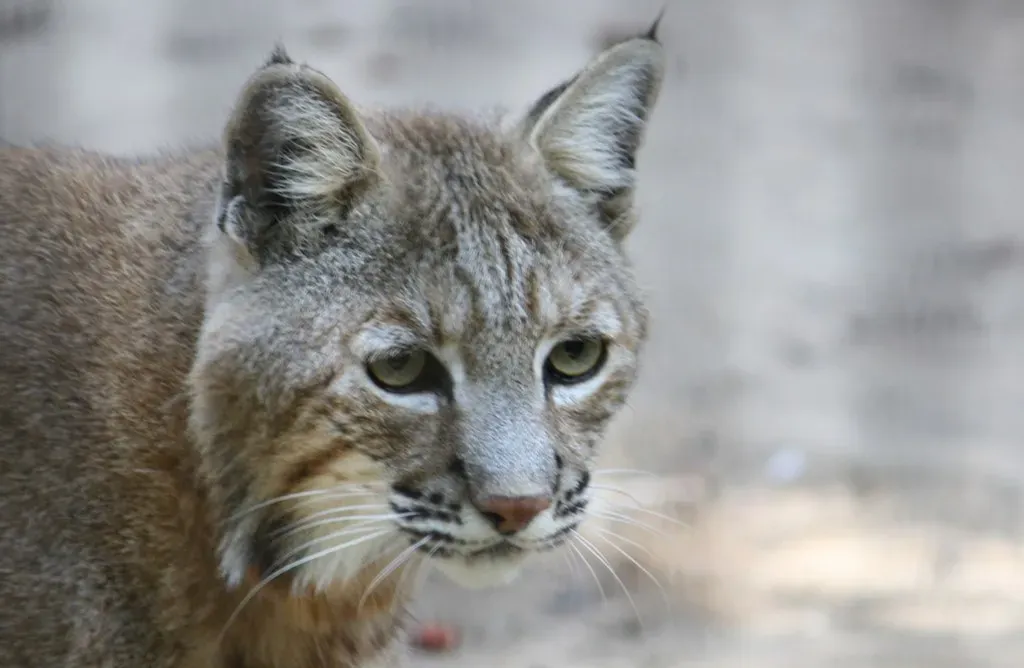
You might hear a bobcat before you ever see one, and the sounds can be unsettling if you are not expecting them. During certain times of year, especially in mating season, bobcats can let out loud yowls, caterwauls, or harsh screams that some people mistake for a person in distress or a fight between large cats. These calls can echo strangely between houses, making it hard to tell exactly where they are coming from.
Of course, not every weird nighttime noise is a bobcat; foxes, raccoons, and even domestic cats can sound alarming in the dark. But if you repeatedly hear deep, rough growls or eerie cries near the ravine behind your backyard, the wooded easement by your street, or the drainage area behind the school, it is worth considering that a bobcat might be part of your after-dark soundscape. When you pair those noises with other signs like tracks or camera footage, the mystery starts to clear up.
8. Pets Acting Nervous or Focused on “Nothing” Outdoors
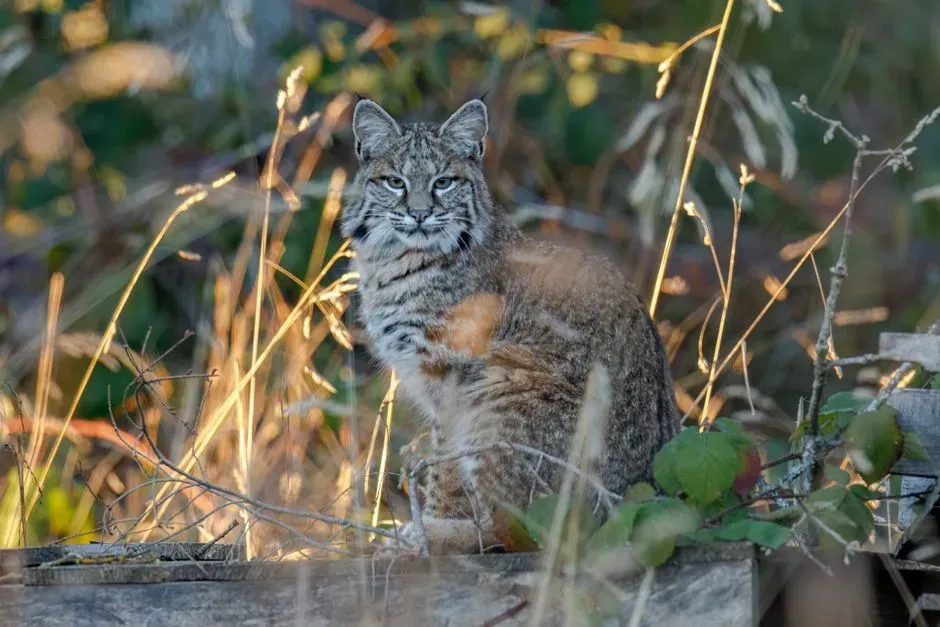
Your dog or cat might notice a bobcat long before you do. If your dog suddenly becomes stiff and silent, staring intensely at a particular section of fence or the dark corner of the yard, there may be more there than you can see. Some dogs will sniff the air, pace, or refuse to use a usual potty spot, especially at night, as if they sense another predator has passed through.
Outdoor cats may become jumpier, spending less time in certain parts of the yard or racing inside faster than usual after dusk. While pets can certainly react to many things, a consistent pattern of nervous behavior focused on the edges of your property, especially where it borders natural cover, can be a subtle sign that a larger, wild cat is occasionally moving through that space. Your animals may be picking up on scent, sound, or movement just beyond your human perception.
9. A Mix of Wild Habitat and Easy Food Sources Right by Your Home
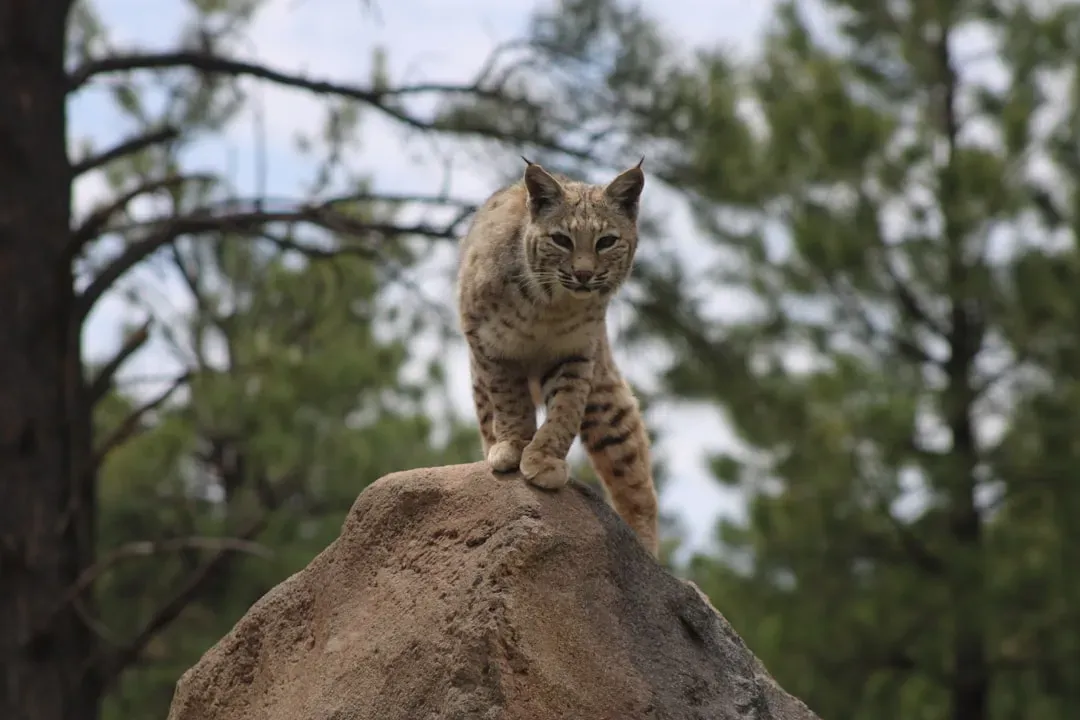
Sometimes the biggest sign of all is not a track or a sound, but the landscape itself. If your neighborhood backs up to a wooded ravine, a creek, a powerline corridor, or an overgrown field, you have created a natural highway for bobcats. Add in some easy food such as rabbits in lush lawns, rodents around bird feeders, or trash that attracts smaller prey, and you have the perfect recipe for a bobcat to quietly set up a route that includes your street.
You may think of your town or suburb as thoroughly human territory, but from a bobcat’s point of view it can look like a patchwork of hunting grounds and hiding spots. If you can stand in your driveway and, within a short walk, reach thick brush, water, and areas where small animals thrive, a bobcat can too. Understanding how your local landscape invites wildlife helps you see their presence as less of a surprise and more of a predictable, if hidden, reality.
Conclusion: Living with an Invisible Neighbor
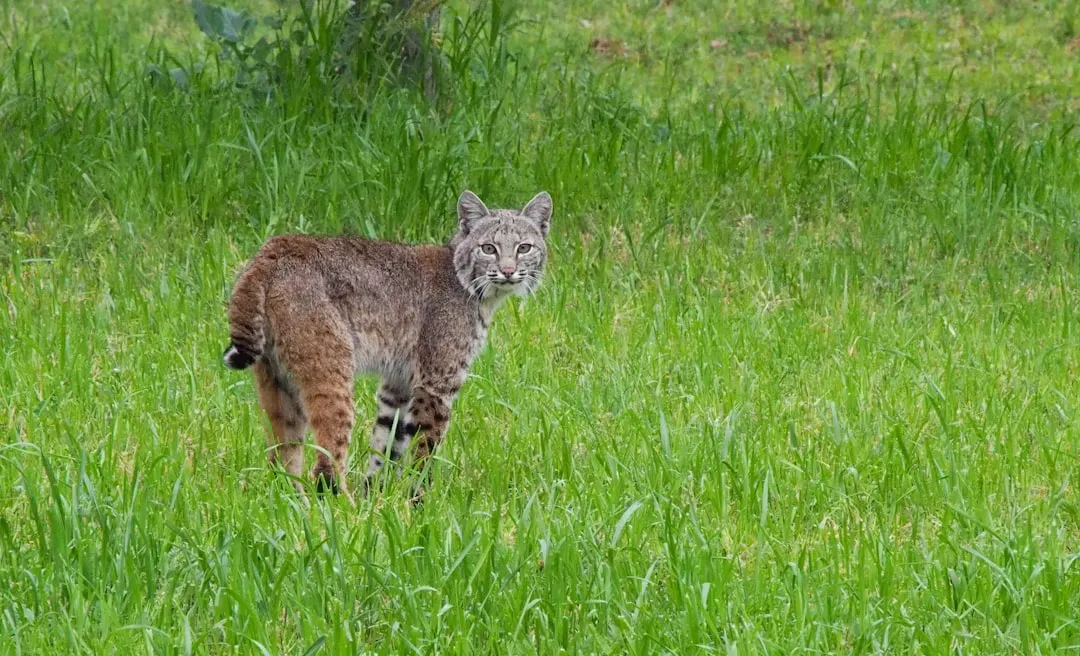
When you put these signs together – tracks in soft ground, strange scat, vanished rabbits, eerie calls, nervous pets, and the right blend of habitat – you start to realize that bobcats are not just remote wilderness animals. They are already adapting to your world, slipping through the gaps you barely notice, living side by side with you while staying almost completely out of sight. Once you see the pattern, it is hard to unsee it.
You do not have to fear this hidden neighbor; in many ways, bobcats quietly help you by controlling rodents and keeping certain prey populations in check. At the same time, it is smart to protect small pets, secure trash, and respect that a wild predator is nearby. The next time you step outside at dawn and feel that odd sensation of being watched, you might wonder: has a bobcat been there all along, just waiting for you to finally notice?
Kristina is a young writer from India. An arts graduate and an avid content creator, Kristina is passionate about animals and wildlife. She enjoys exploring topics related to pet care, animal behavior, conservation, and nature, combining thorough research with engaging storytelling.