You probably tell yourself your cat is totally fine when you walk out the door… and then later you see a video of a dog sprinting into their owner’s arms and start to wonder if your cat ever feels anything close to that. The truth is, cats are much more emotionally attached to you than they let on, but they show it in sneaky, cat-like ways. If you only look for dog-style devotion, you’ll miss half of what your cat is trying to tell you. When you understand how cats think, their “cold” behavior suddenly looks a lot warmer. You start to see patterns: where they sleep when you are gone, how they greet you, even what they do to your stuff. Once you know what to watch for, you can tell whether your cat is just mildly annoyed you left, or genuinely stressed by your absence – and you can actually do something about it.
Attachment: Your Cat Is More Bonded to You Than You Think
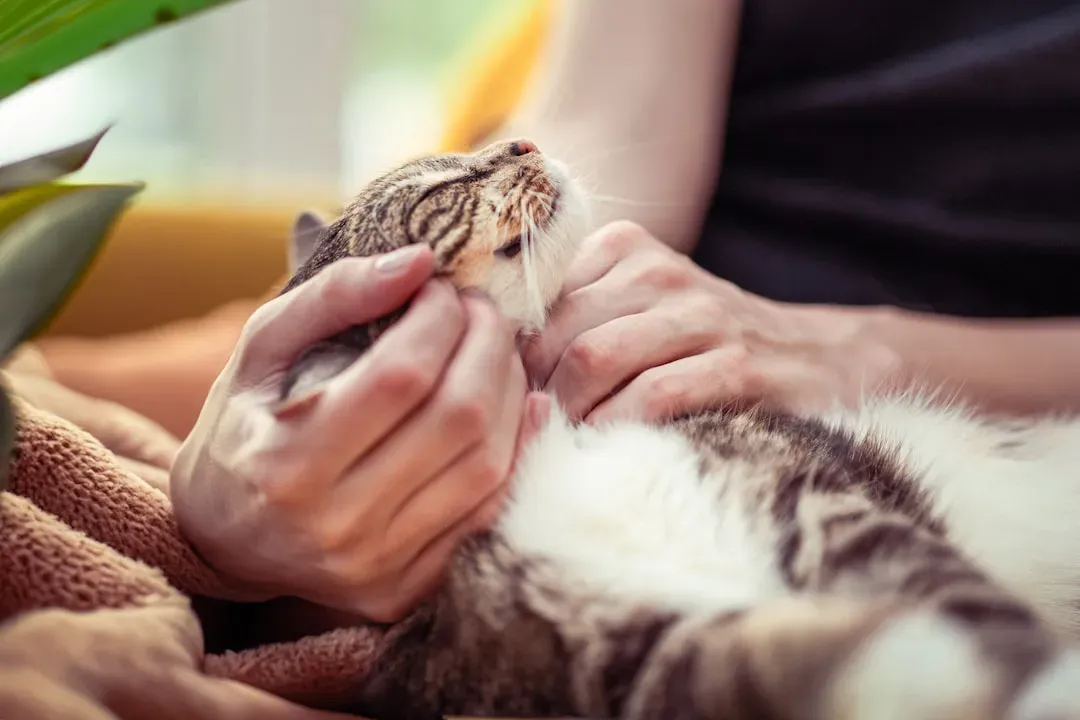
You might have heard that cats are aloof and independent, but modern research paints a different picture: many cats form strong attachment bonds with their humans. When you become your cat’s “secure base,” they rely on you for safety, comfort, and predictability, even if they act like they own the place. That attachment does not disappear the moment you shut the door behind you. You see this bond in how your cat behaves when you are nearby versus when you are not. They may relax more deeply when you are home, nap in the same room, or follow you from place to place like a shadow in a fur coat. When you leave, they might cope, but that does not mean they are indifferent; it usually means they trust that you come back, the way a child calms down when they know a parent will return.
How Cats Show They Miss You (Without Making It Obvious)
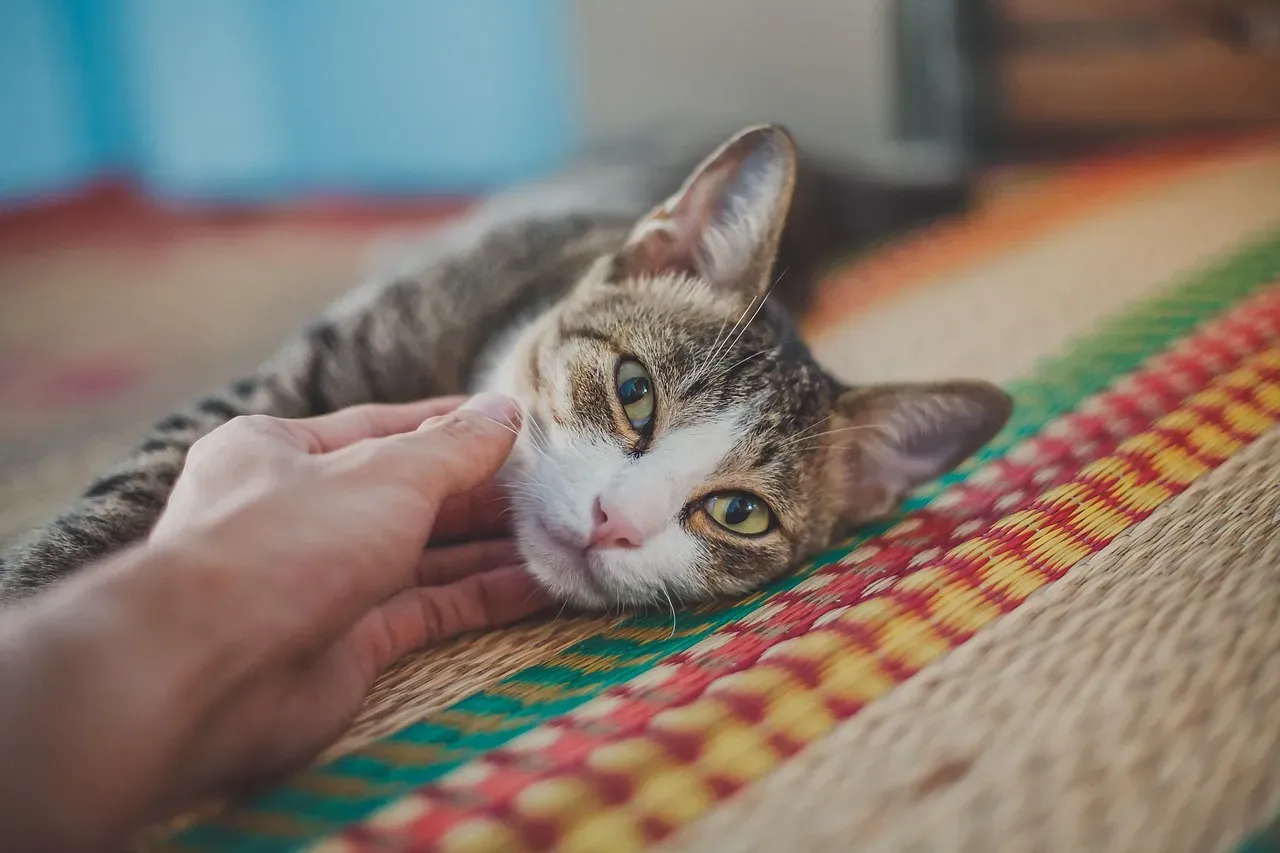
If you are waiting for your cat to burst into tears or howl at the window, you are using the wrong emotional dictionary. Cats can miss you and still stay mostly quiet about it. You are more likely to see subtle signs: appearing at the door right when you come home, weaving around your legs, chirping, or leading you straight to the food bowl or a favorite toy. You may also notice that your cat becomes extra “sticky” after you have been gone for a while. They might sit on your laptop, wedge themselves in your arms, or sleep on your chest the first chance they get. It can feel like they are punishing you, but often they are just topping up their “connection tank,” making sure their world is back to normal by surrounding themselves with your smell, your warmth, and your attention.
Signs Your Cat Is Distressed by Your Absence
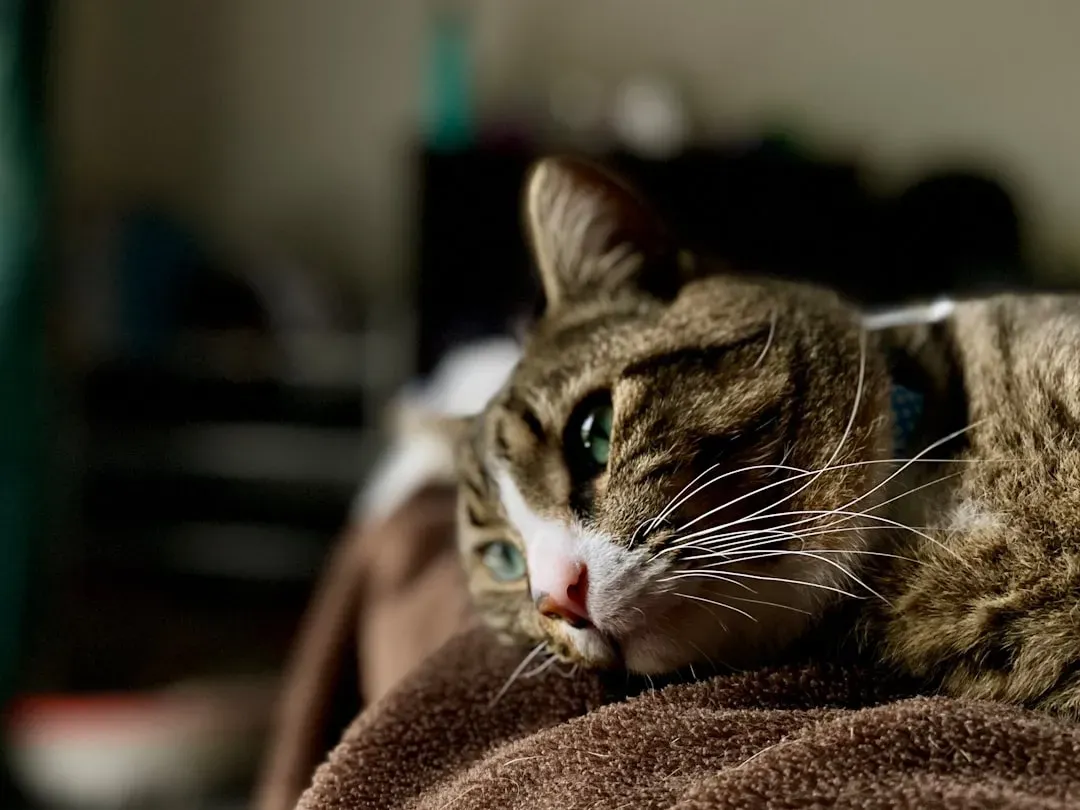
Missing you and being mildly lonely is one thing; being truly distressed is another. If your cat is extremely vocal when you leave or return, eliminates outside the litter box when you are gone, over-grooms to the point of thinning fur, or becomes destructive, you are not just seeing moodiness – you may be seeing separation-related stress. These are red flags that your cat is struggling to cope without you. You might also notice your cat going off their food when you are away, pacing, or becoming jumpier and more easily startled. Sometimes the signs only show up when you review a pet camera or ask a neighbor what they have observed. If your cat goes from relaxed and playful when you are home to restless or withdrawn when you are gone, your absence is probably hitting harder than you realized.
The “Welcome Home” Ritual: What It Really Means
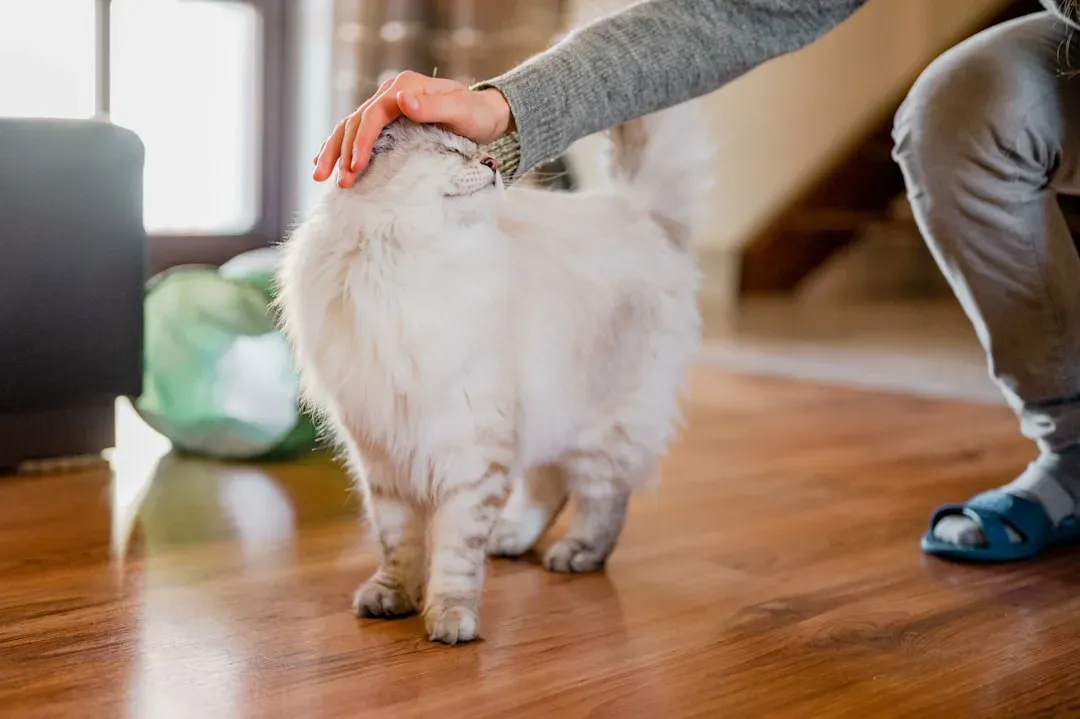
The way your cat greets you can tell you a lot about how they experienced your absence. If you open the door and your cat is already there, tail up like a question mark, that is usually a sign of positive anticipation. They might meow in short bursts, rub their face on your legs, or flop over and expose their belly. They are not just asking for food; they are re-establishing contact with their main source of safety and routine – you. On the flip side, if your cat initially acts distant, it does not always mean they did not miss you. Some cats do a sort of “cool-off period” where they pretend not to care before eventually sidling back over and curling next to you on the couch. You can think of it as a tiny, furry protest: they are letting you know they noticed your absence, but on their own terms and timeline.
Why Your Cat Sleeps on Your Clothes When You Are Gone
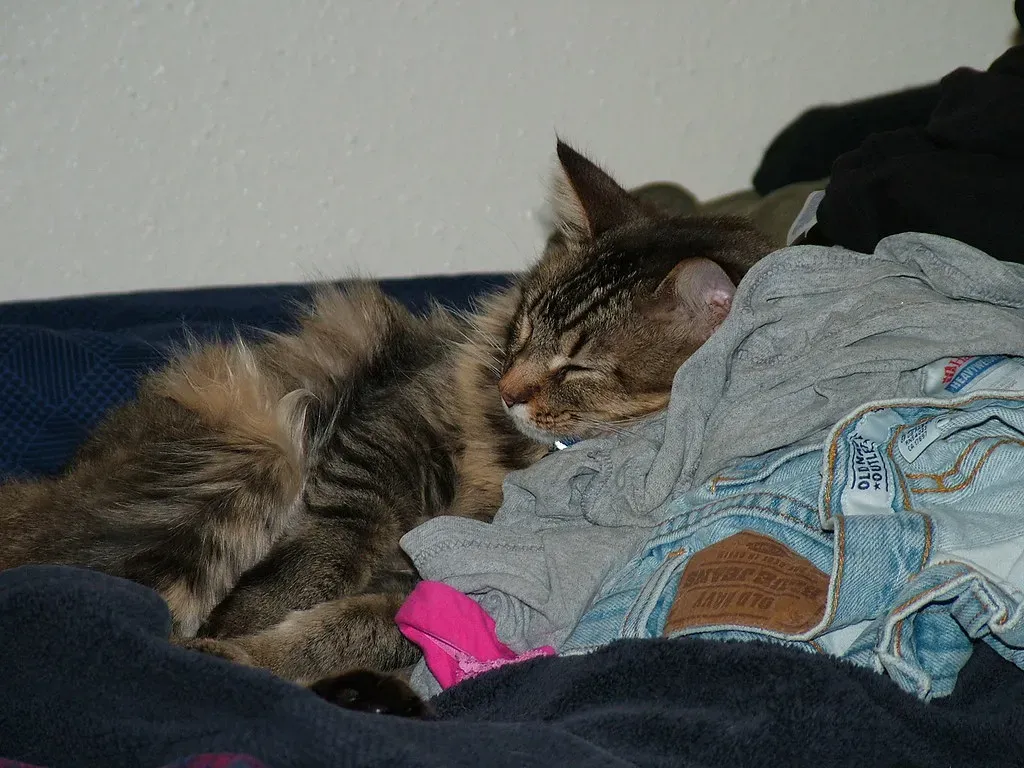
If you ever came home to find your cat curled up on your T-shirt, pillowcase, or laundry pile, you were looking at one of the clearest signs they use your scent for comfort. Your smell is like a portable version of you; when you are gone, your cat may seek out whatever still smells the most like their favorite human. It is not an accident that they choose your sweater over a random blanket. This behavior can look funny or annoying – especially if they pick the one black outfit you were planning to wear – but it is actually an emotional coping strategy. By surrounding themselves with your scent, your cat creates a little “you-zone” that helps them feel safe, much like a child sleeping with a parent’s shirt when that parent travels. If you travel often, intentionally leaving worn items out can be a gentle way to reassure your cat while you are away.
Routine and Predictability: How You Help Your Cat Cope
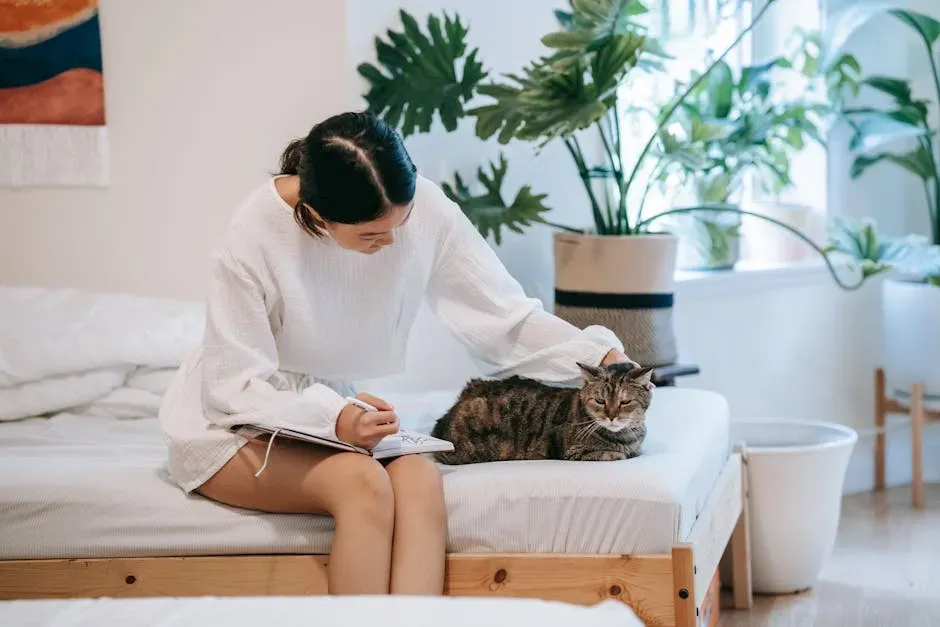
Cats are creatures of habit, and your daily pattern is the backbone of their world. When you leave and come back around the same time each day, your cat learns the rhythm and relaxes into it. They may still miss you, but they are missing you inside a predictable script, which feels a lot safer than random, unexplained disappearances. You can do your cat a huge favor by anchoring your departures and returns to reliable rituals. Maybe you always play for a few minutes in the morning before you leave, and always offer a calm, gentle greeting when you come home. This consistency tells your cat that even though you disappear, the story always ends the same way: you return, and their little universe resets.
Helping an Anxious Cat Feel Less Alone
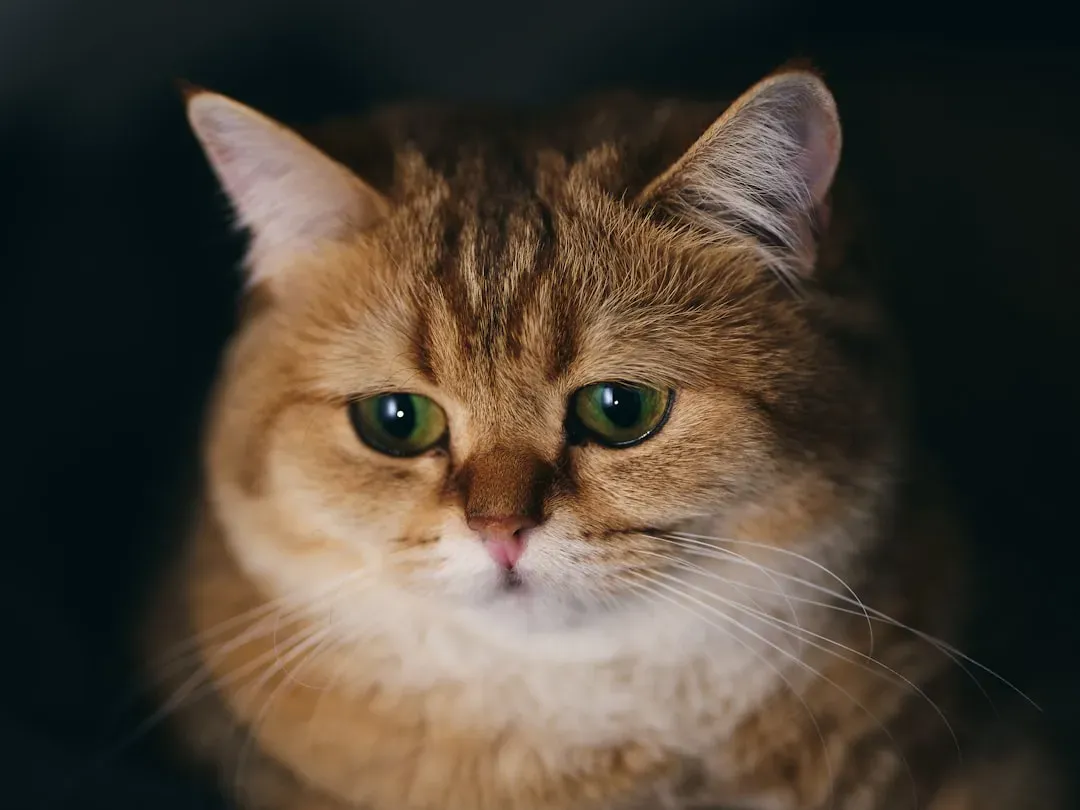
If your cat seems especially stressed when you leave, you are not powerless. You can start by making your departures low-key – no big emotional scenes, just a calm goodbye – and offering engaging activities while you are gone. Food puzzles, window perches, cardboard boxes, and scheduled feeders can give your cat jobs to do instead of sitting around worrying. For some cats, you may want to gradually desensitize them to your absence by doing very short departures and slowly increasing the time away, so they learn that you leaving does not equal disaster. If your cat shows extreme stress, it is worth talking with a veterinarian or behavior professional; sometimes medical issues, pain, or past trauma can make separation harder, and getting to the root can change the entire picture for both of you.
Do Cats Forget You If You Are Gone Too Long?
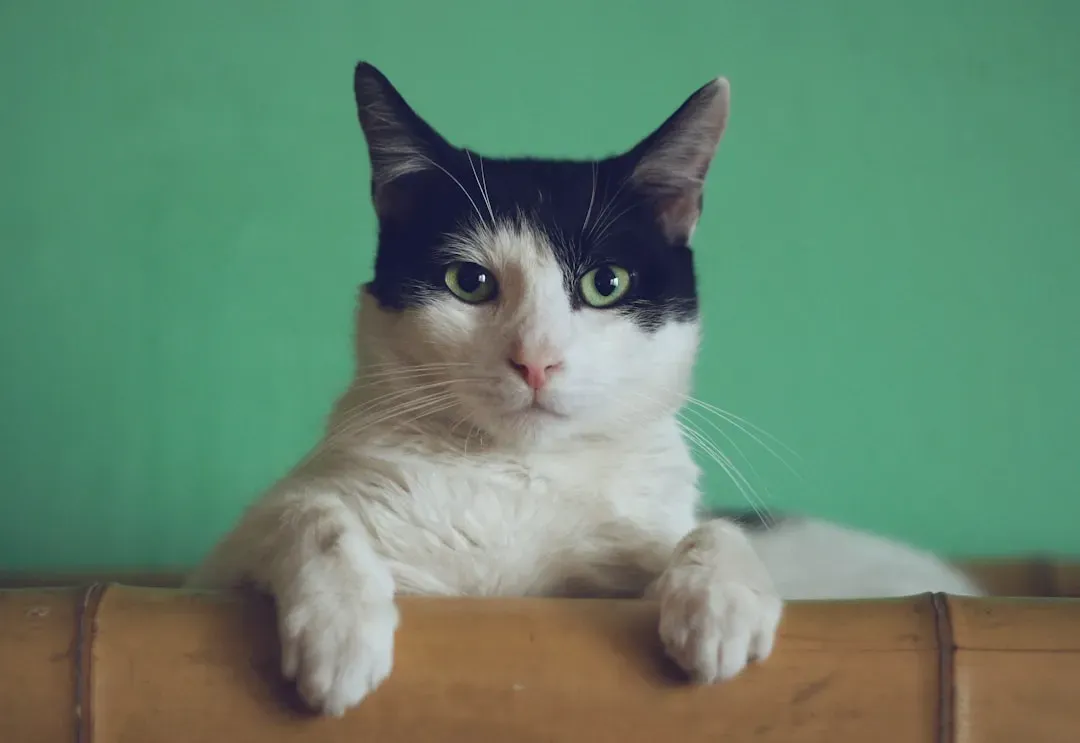
You might wonder if your cat will forget you if you leave for weeks or months. While every cat is different, many recognize familiar people after long gaps, especially through scent and voice. When you return, your cat might hesitate at first, as if they are doing a quick security check, and then gradually relax as they reconnect your smell, sound, and behavior to their stored memories. Your relationship history matters here. If you have built up months or years of positive interactions – feeding, playing, gentle handling – your cat is much more likely to welcome you back as part of their safe circle. Think of it less as them memorizing your face and more as them remembering how it feels to be around you. That emotional memory is surprisingly durable once you have earned it.
What Your Cat’s Personality Has to Do With Missing You
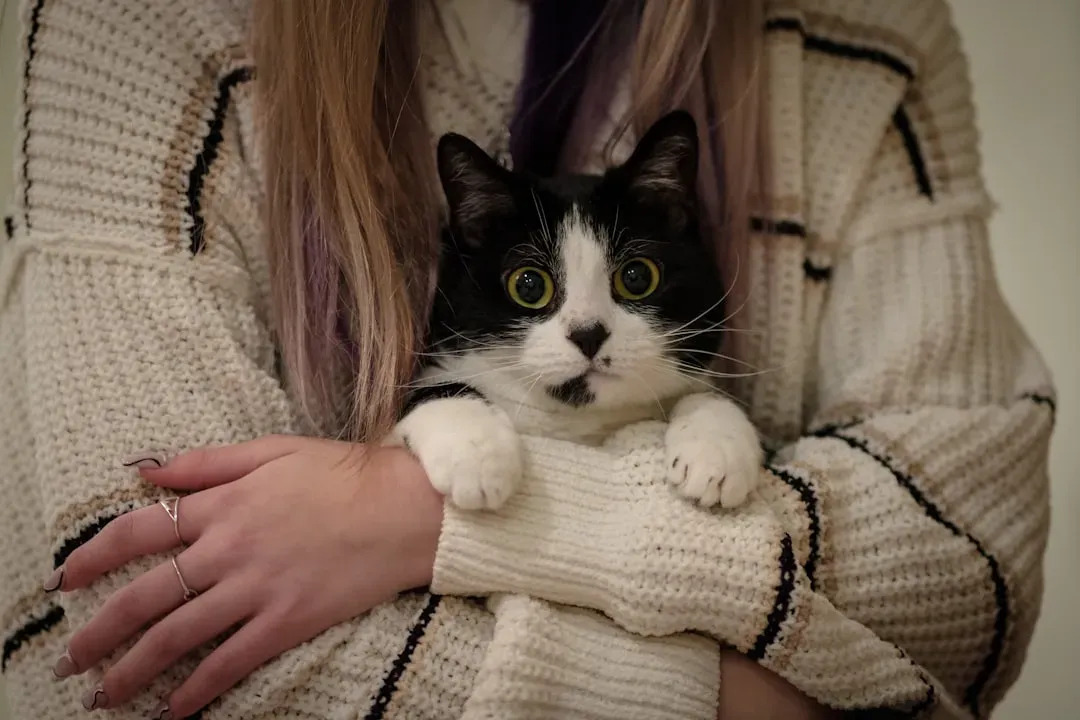
Not every cat will show missing-you behavior in the same way, and that is where personality comes in. A bold, social cat may vocalize, greet you at the door, and demand to be picked up the second you get home. A shy or cautious cat might show what looks like the opposite: hiding at first, then slowly drifting back into your space once the initial alarm of “change” has passed. You also have lifestyle factors in the mix. An indoor-only cat that spends nearly all their time with you may notice and care more about your absence than a cat that splits attention between people, outdoor adventures, and other animals. When you read your own cat, focus less on comparing them to someone else’s pet and more on spotting changes from their usual baseline – that is where the truth about how much they miss you really lives.
Conclusion: Yes, Your Cat Can Miss You – Just in a Very Cat Way
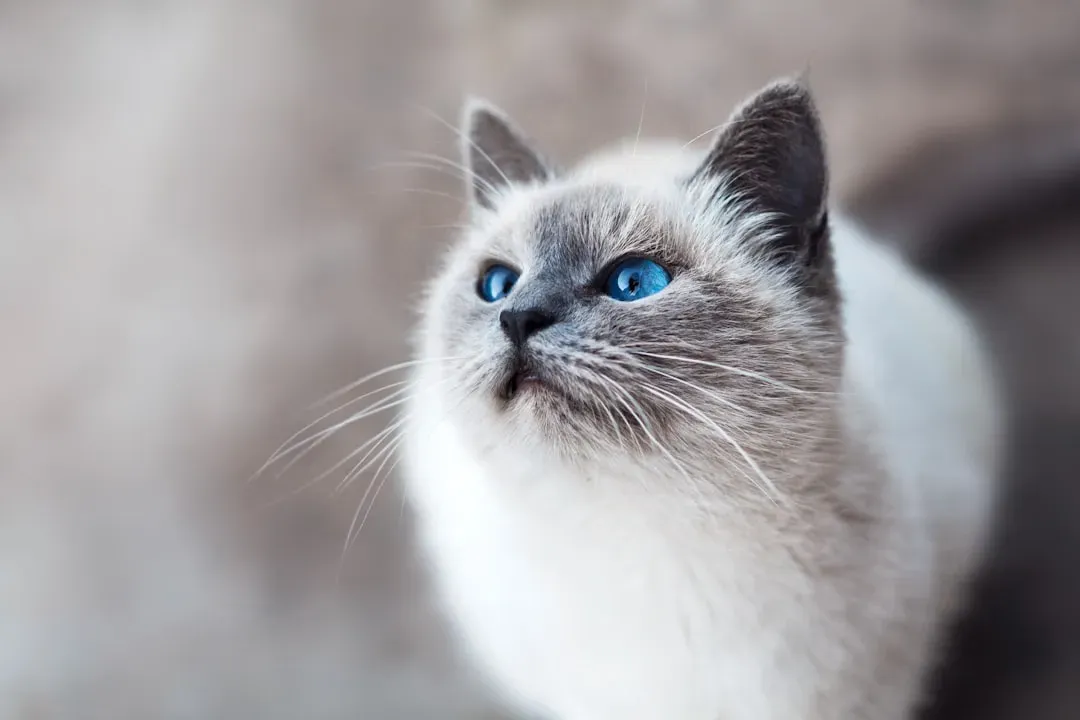
When you put all the pieces together – the attachment, the greetings, the scent-seeking, the stress signals – you can see that your cat is not just a tiny roommate who tolerates you. They build routines around you, look for your smell when you are gone, and react when your comings and goings do not match the story they expect. They do not always advertise it loudly, but the emotional threads are there. The real magic happens when you start responding as if those threads matter: you shape predictable routines, notice signs of distress early, and give your cat safe ways to cope when you are away. In doing that, you turn everyday absences into something your cat can handle instead of something they fear. The next time you reach for your keys and see your cat watching, you will know there is more going on behind those eyes than indifference – does that change how you want to say goodbye?
Kristina is a young writer from India. An arts graduate and an avid content creator, Kristina is passionate about animals and wildlife. She enjoys exploring topics related to pet care, animal behavior, conservation, and nature, combining thorough research with engaging storytelling.