Most cat owners assume a purebred is just about looks and bragging rights. Vets know a darker truth hiding behind those pedigree papers.
The real story isn’t vanity – it’s genetics quietly working against your cat, daily habits nobody warned you about, and a handful of mistakes that separate a long healthy life from an expensive, heartbreaking one. Purebreds aren’t harder to raise, but they’re wired differently, and these 13 truths start with the biggest myth of all.
#13 – Your Breed’s Genetics Are Not a Lottery Ticket
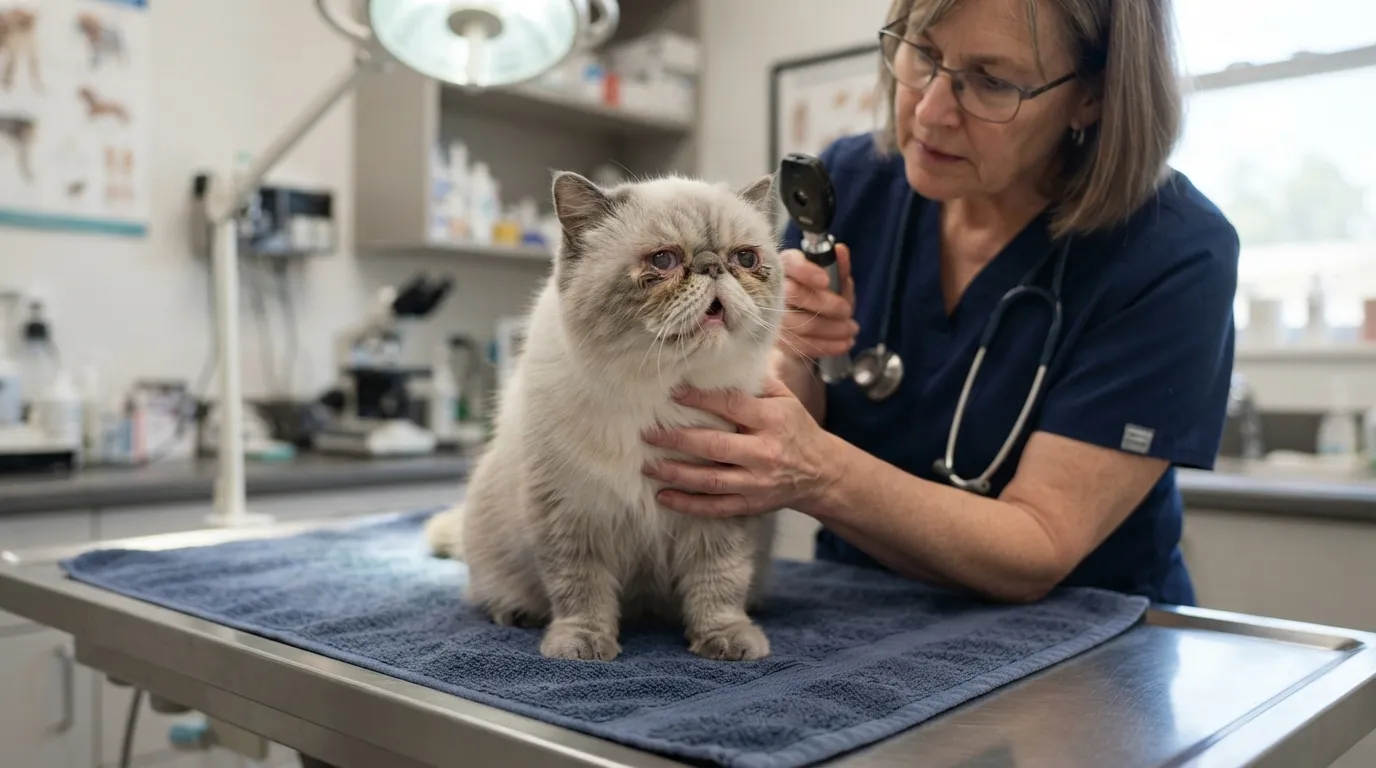
Most owners treat breed health warnings like fine print nobody reads. Vets read them like a roadmap.
Selective breeding sharpened the traits you fell in love with – the face, the build, the personality. It also concentrated the genetic weaknesses hiding right behind them.
Knowing those risks before symptoms appear is the single biggest advantage a breed cat owner has. Don’t wait for a problem to walk through the vet’s door – bring the knowledge with you.
That’s nothing compared to what’s happening every time your flat-faced cat takes a breath…
#12 – Flat-Faced Breeds Are Fighting to Breathe Every Day
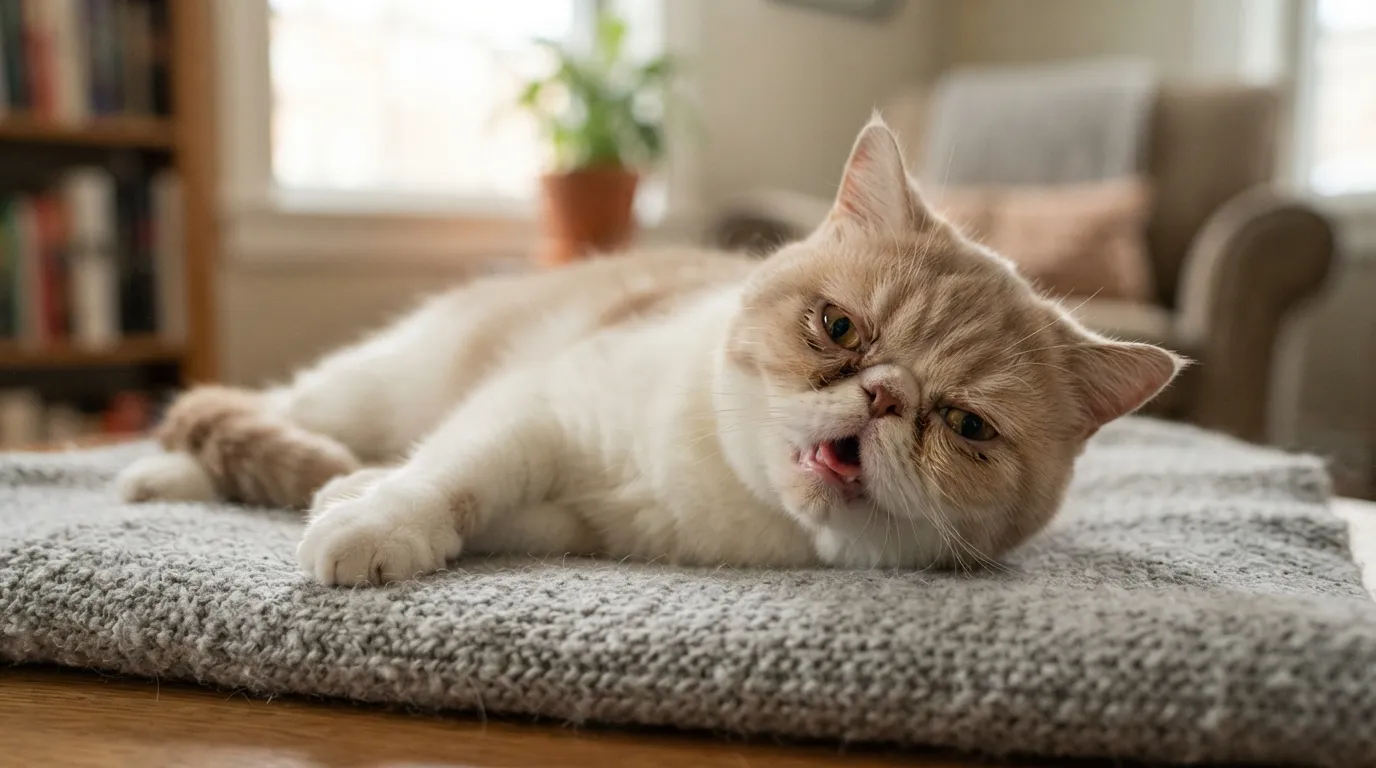
Owners of Persians, Himalayans, and Exotic Shorthairs love to call them “relaxed.” Vets call it something closer to labored.
Their shortened airways make breathing genuinely difficult, especially in heat or after play. That same flattened face also brings tear duct problems and chronic eye infections.
That “squished face” look isn’t just cosmetic – it’s a structural challenge your cat lives with 24/7. Keep their environment cool and watch their breathing rate closer than you think you need to.
But breathing trouble is nothing next to what’s quietly happening inside their chest…
#11 – HCM Is the Silent Killer Hiding in Popular Breeds
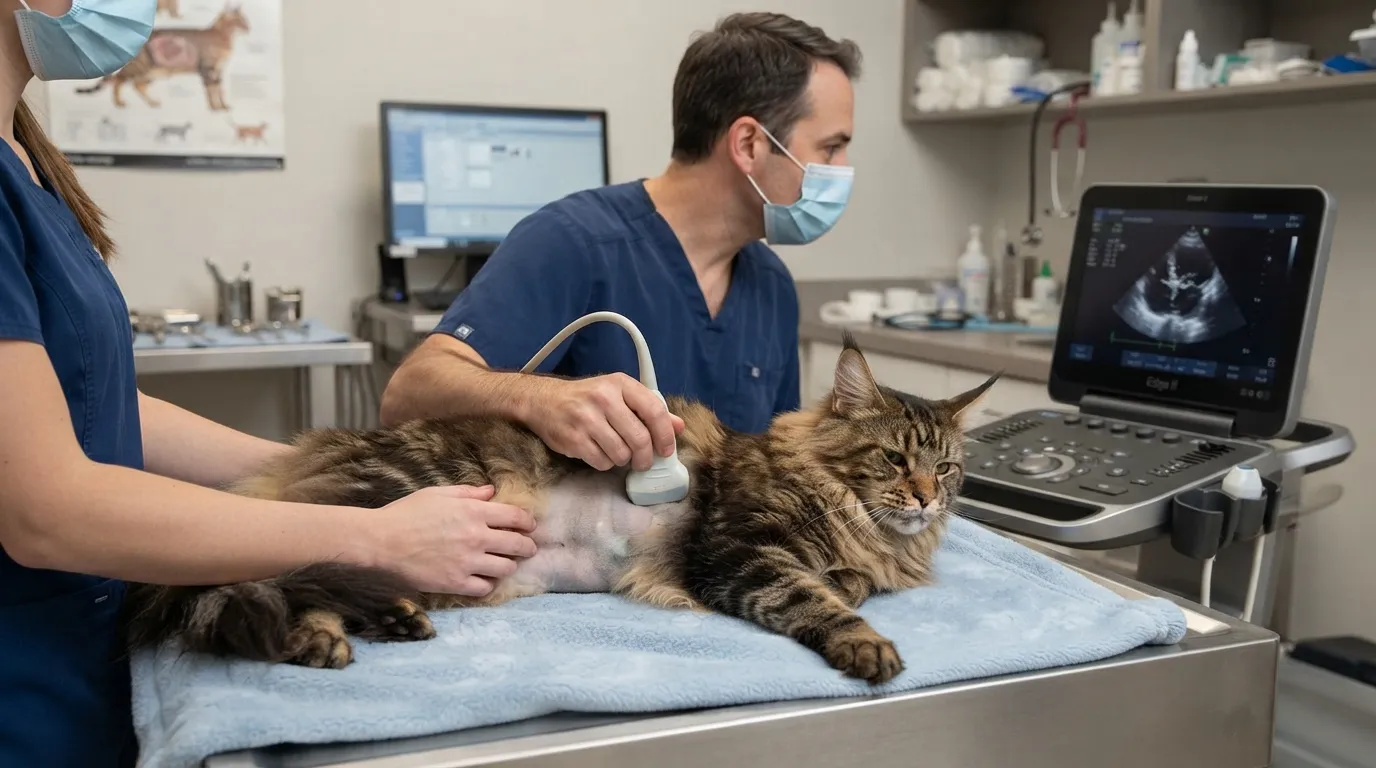
Hypertrophic Cardiomyopathy sounds like a clinical footnote. It’s actually the most common heart disease in cats, according to the Cornell Feline Health Center.
It’s an inherited condition that thickens the heart muscle until, left untreated, the heart simply starts failing. Maine Coons, Ragdolls, and British Shorthairs carry some of the highest genetic risk.
Fast Facts
- Hypertrophic cardiomyopathy is the most common feline cardiac disease, affecting 1 in 7 cats.
- Breed-specific genetic mutations have been identified in Maine Coons and Ragdolls and genetic testing is available in these breeds.
- Left untreated, the thickened heart muscle can progress toward congestive heart failure or sudden cardiac events.
- Echocardiograms remain the standard way to catch it before symptoms show up.
Ask your vet if they monitor genetic markers or run echocardiograms. Most owners never think to ask, and that silence costs lives.
The heart is just one organ at risk. Here’s what’s happening further down the body…
#10 – Kidney Disease Doesn’t Announce Itself Until It’s Late
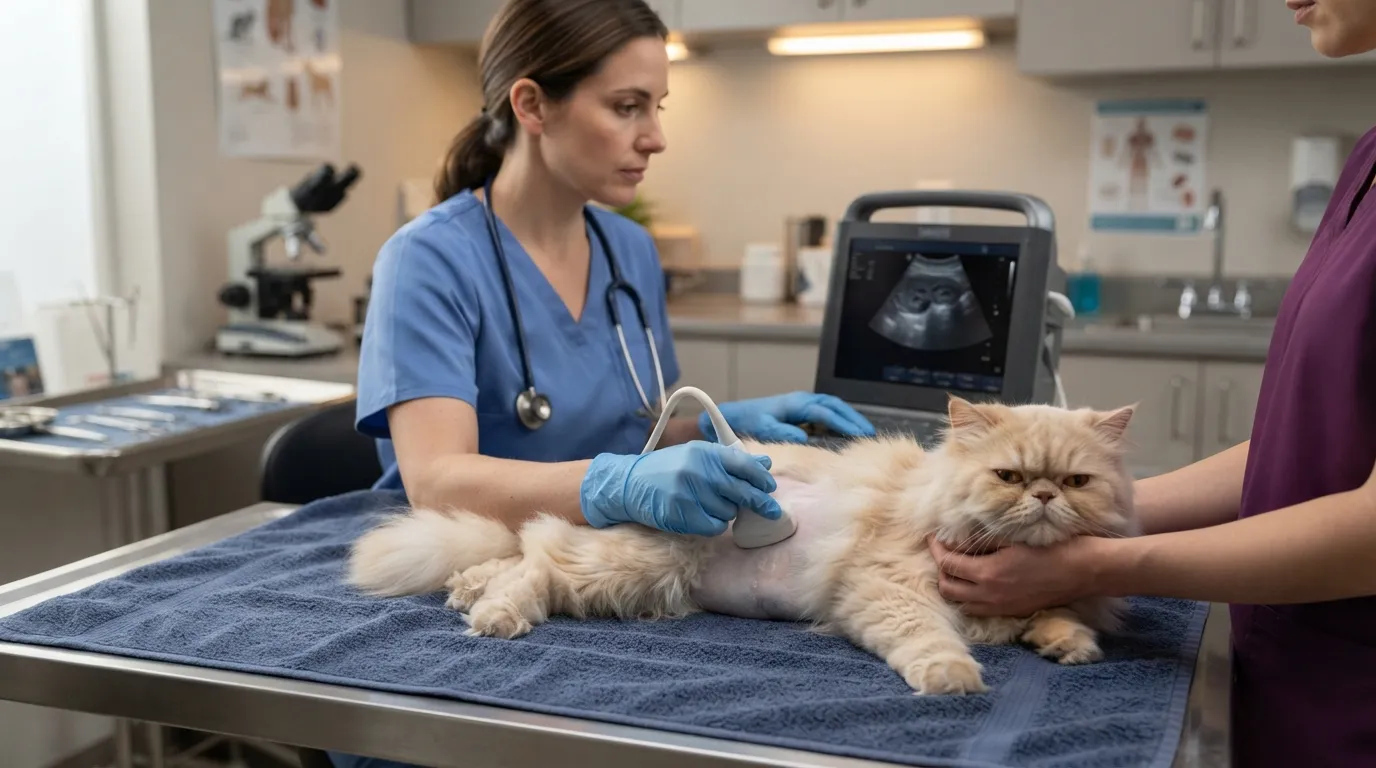
Persians and Abyssinians get praised for their looks. They should be getting watched for their kidneys.
Polycystic Kidney Disease is a known genetic risk in Persians, and symptoms often don’t appear until 70% of kidney function is already gone.
Annual kidney ultrasounds or genetic testing for PKD can catch it while there’s still something left to save.
Early screening is cheap. Late-stage treatment is not – and that leads straight into the next truth…
#9 – Pet Insurance for Breed Cats Is Not Optional
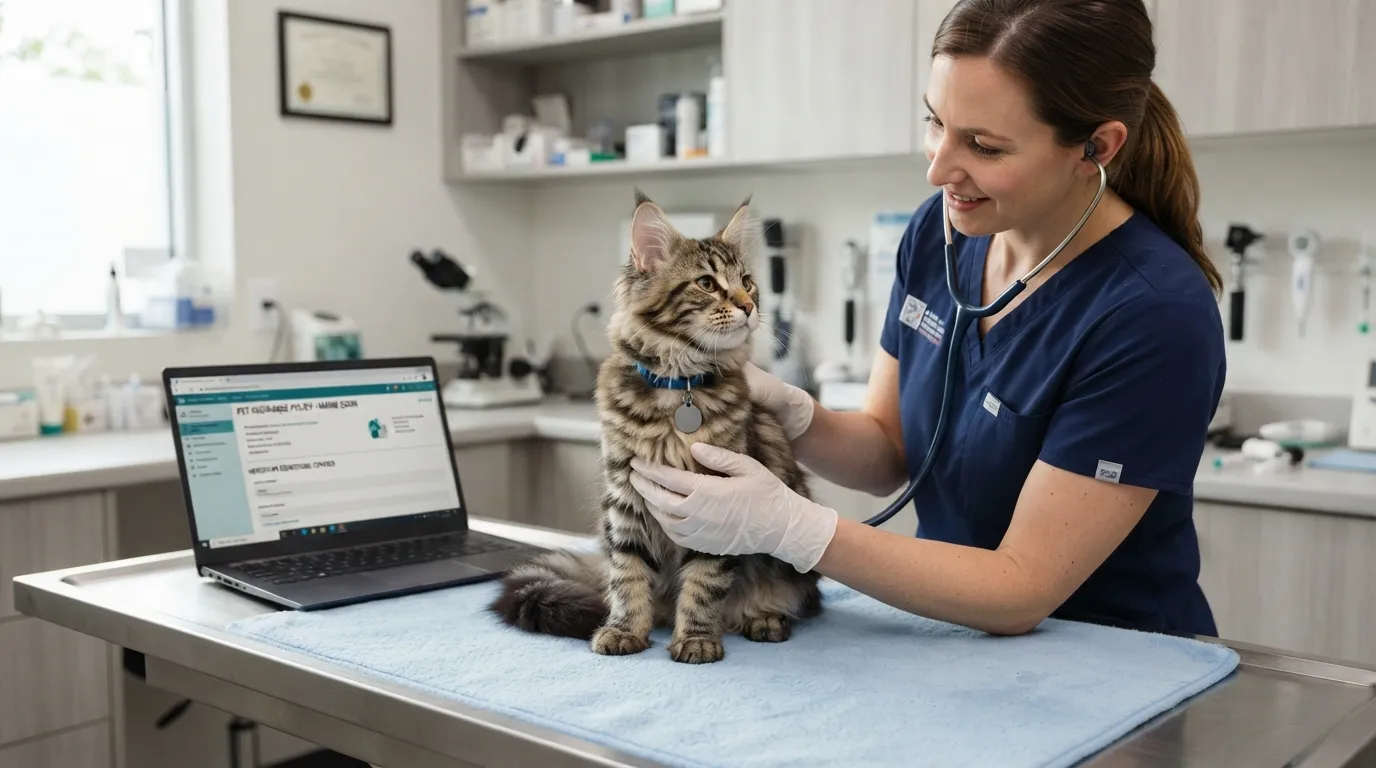
Here’s a truth most new breed cat owners learn the hard way: the purchase price is the smallest expense.
Food, litter, enrichment, sitters – it all adds up before you even factor in veterinary care for breed-specific conditions. Waiting until your cat is sick to get insurance is the most expensive mistake a breed owner makes.
Enroll while your cat is young and healthy, and look for a plan that actually covers hereditary conditions – pre-existing ones never will be.
Speaking of expenses you can avoid entirely – the next one barely costs anything…
#8 – Brushing Daily Isn’t About Looks. It’s About Survival.
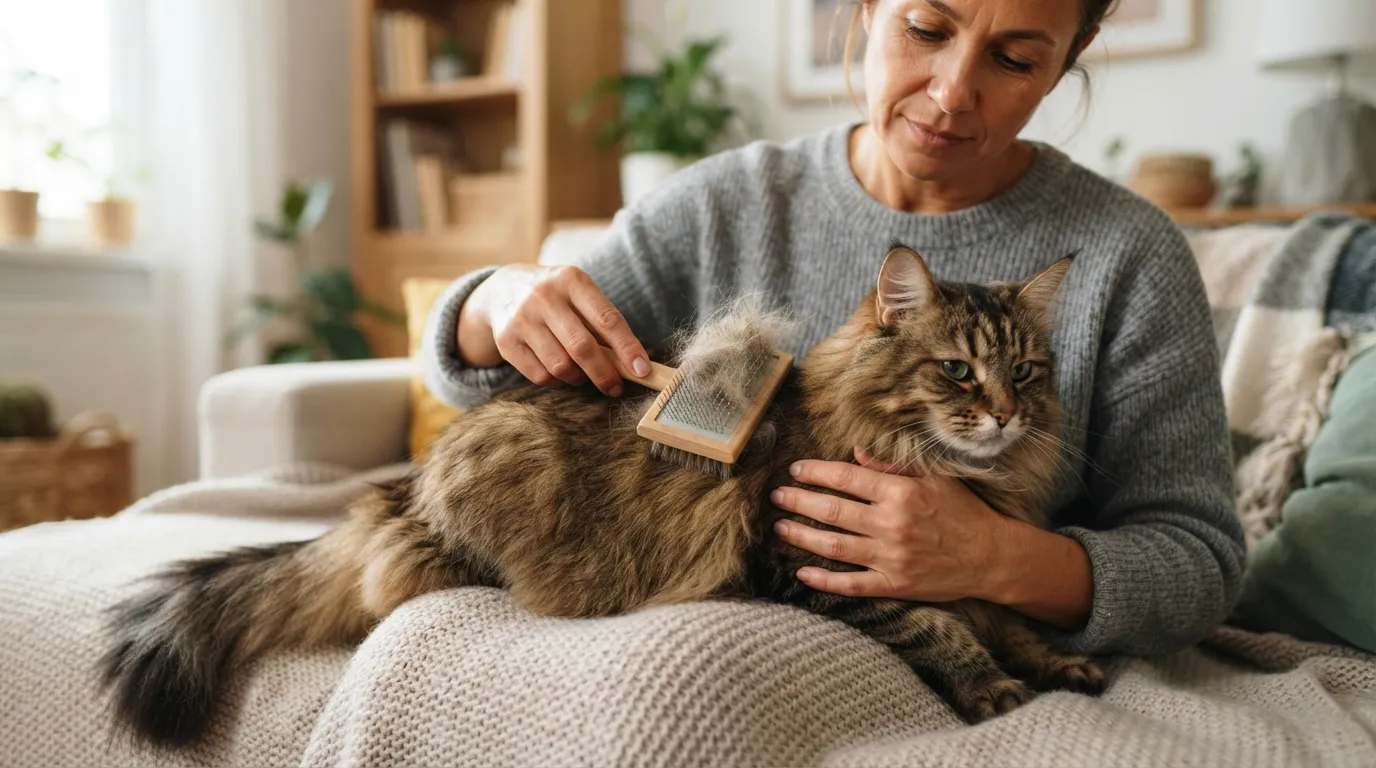
Long-haired breed owners are often shocked when a hairball turns into a veterinary emergency. It doesn’t have to.
Even a cat that grooms itself well can’t remove all the loose hair building up inside. Daily brushing does that job for them and lowers the risk of a dangerous blockage.
Start grooming habits in kittenhood, and you’ll have a cooperative cat for life. It also happens to be one of the fastest ways to build trust with a nervous cat.
What you put IN your cat matters just as much as what you brush off. This is where most owners quietly get it wrong…
#7 – Generic Cat Food Is Not Good Enough for a Breed Cat
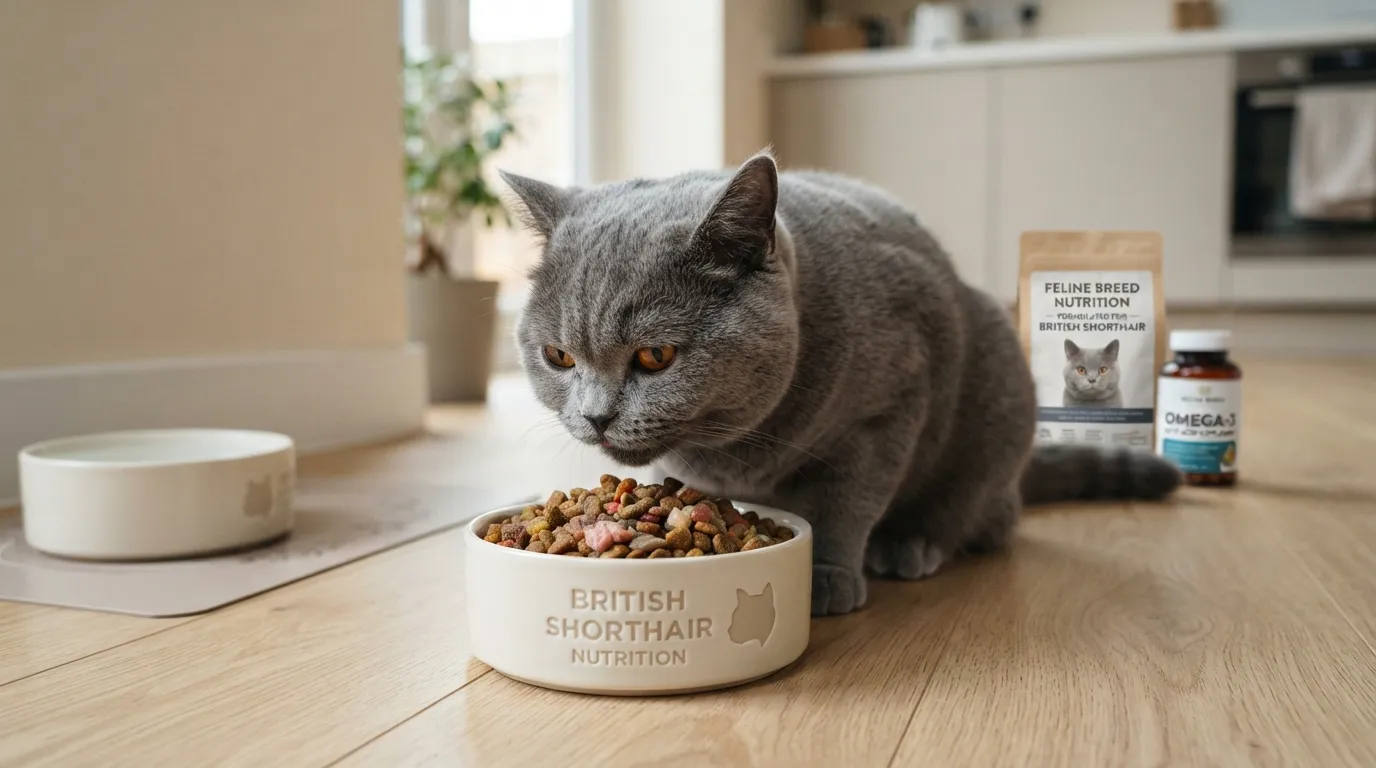
Not all cat food is created equal, and for breed cats, that gap matters more than most people realize.
Look for an AAFCO nutritional adequacy statement – it’s the difference between food that merely fills the bowl and food built to run their body correctly. Some breeds need more, like fatty acid supplements that noticeably improve skin health in British Shorthairs.
Breed-tailored nutrition isn’t a luxury – it’s a targeted health tool.
And water matters just as much as food. Here’s what most owners get wrong next…
#6 – Dehydration Is a Bigger Problem in Breed Cats Than You Think
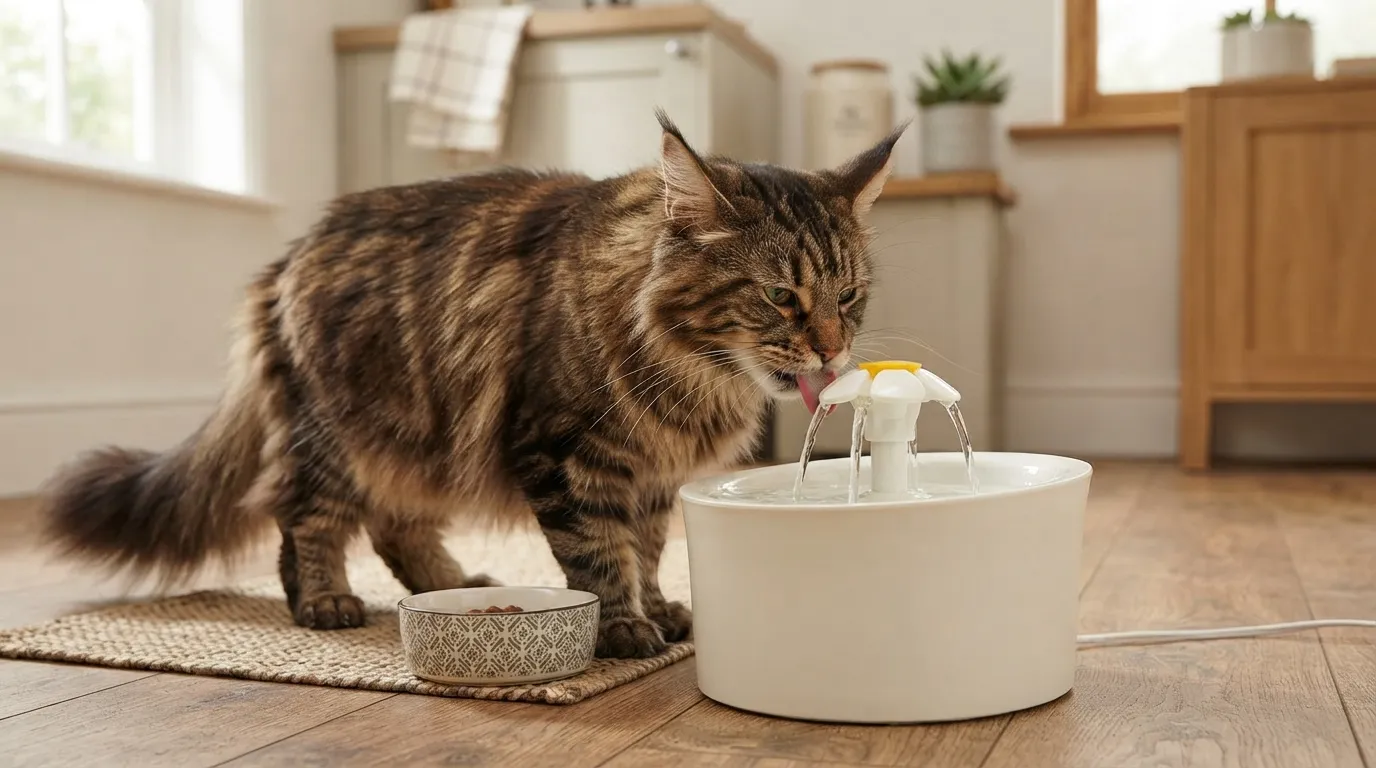
Most cats are chronically under-hydrated, and in breeds already prone to kidney issues, that’s a slow-moving crisis.
A cat water fountain or a switch to wet food can make a bigger difference than most owners expect. Proper hydration also helps prevent PKD from worsening in breeds like Maine Coons.
Switching from dry-only to even partial wet food is one of the simplest, highest-impact changes you can make.
But hydration alone isn’t enough. What’s coming next is something most owners completely overlook…
#5 – Dental Disease in Breed Cats Goes Undetected for Years
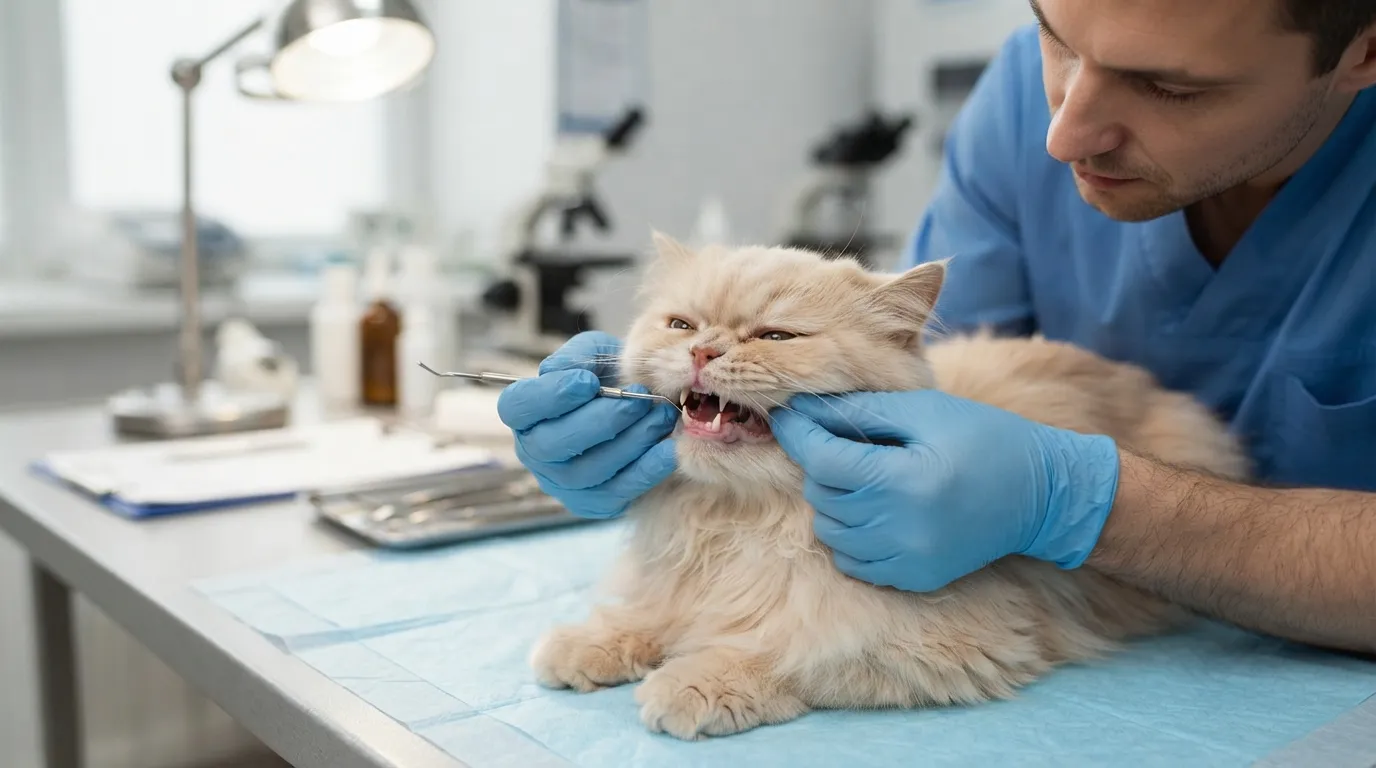
Dental disease isn’t glamorous. In certain breeds, it’s also almost guaranteed without intervention.
Persians in particular are prone to it, and it can progress silently between vet visits. Brushing their teeth and offering dental treats goes a long way toward preventing periodontal disease.
Worth Knowing
- Approximately 70% of all cats will develop periodontal disease by the age of three.
- Genetics push certain breeds higher, including Abyssinians, Maine Coons, Persians, and Somalis.
- Gingivitis is the only reversible stage, and it can be fixed with professional dental treatment from your veterinarian.
- The infection and bacteria in your cat’s mouth can spread throughout their body, reaching organs like the kidneys, liver, and heart.
Untreated dental disease doesn’t just cause bad breath – bacteria from infected gums can reach the heart and kidneys. In a breed cat already predisposed to those organ issues, that’s a risk stacking on a risk.
The next truth might actually make you feel better – but only if you’re doing it right…
#4 – Genetic Testing Gives You Power, Not Just a Diagnosis
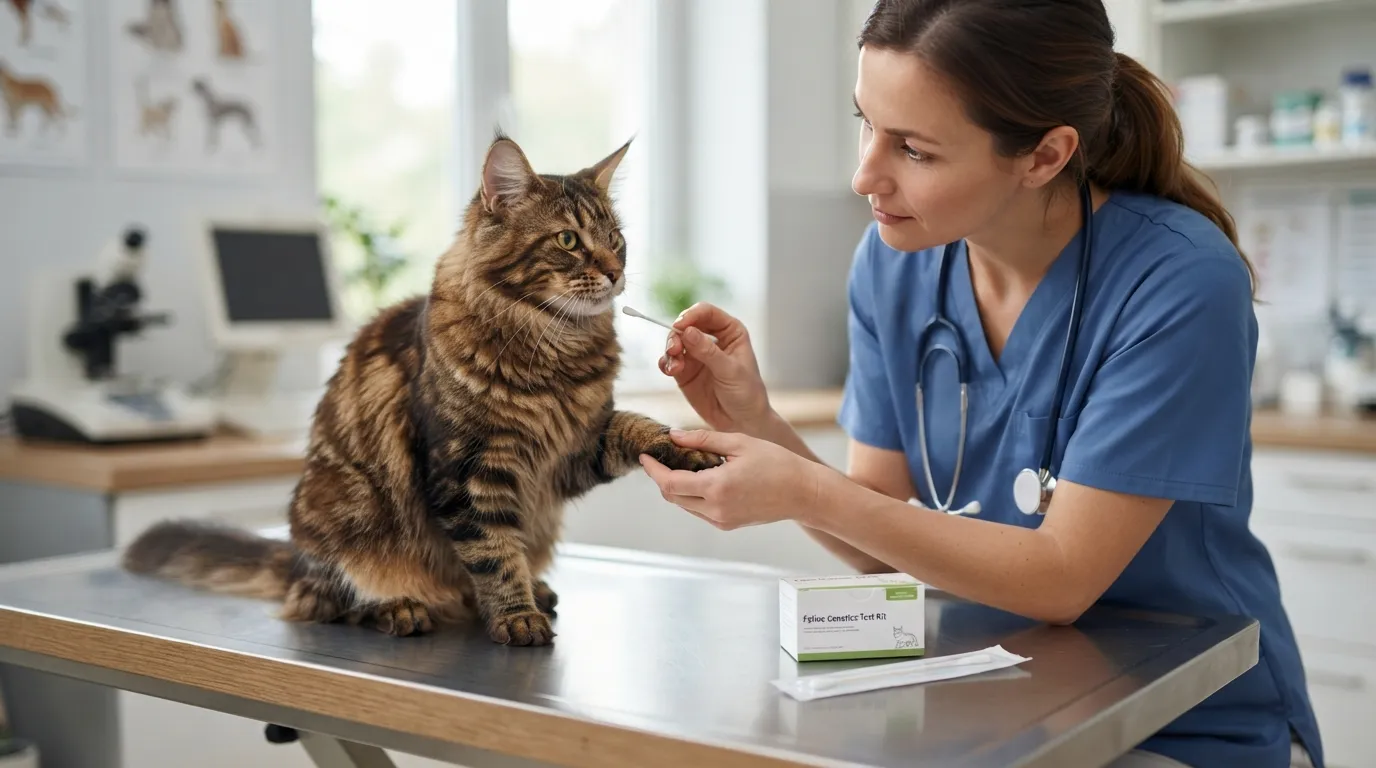
Most people hear “genetic testing” and brace for bad news. Vets hear it and see the best possible advantage.
Testing positive for a marker doesn’t guarantee disease – it flags elevated risk early enough to actually do something about it. From there, owners and vets can adjust nutrition, exercise, and screening schedules around that cat’s specific profile.
Services like Basepaws offer breed identification and screening for common feline genetic diseases – and the earlier you run it, the earlier you can act.
Knowledge is power. But what about the environment you bring your cat home to?
#3 – Your Indoor Breed Cat Is Bored – and That’s Making Them Sick
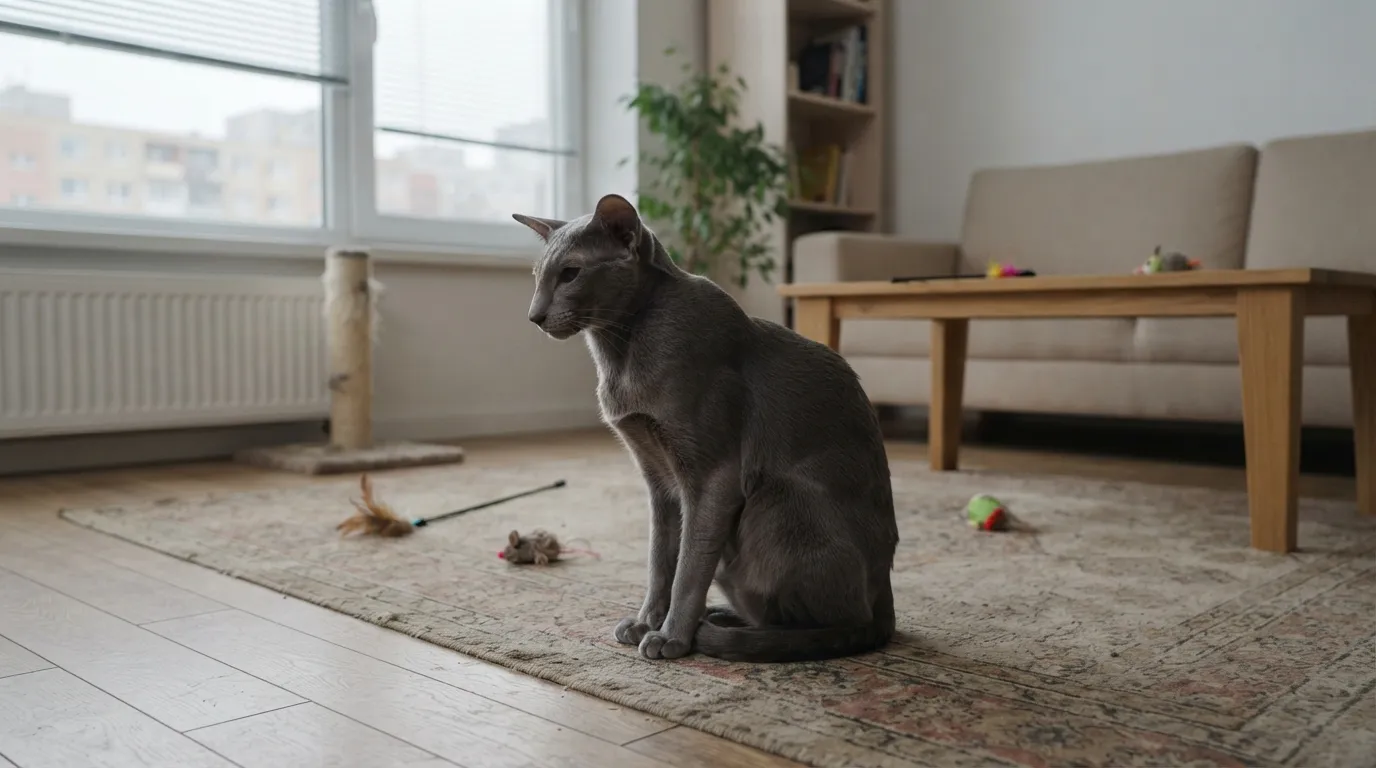
Breed cats were shaped for specific energy levels, intelligence, and social needs. A bare apartment quietly works against all three.
Without outlets for their hunting instincts, indoor cats can spiral into boredom, frustration, or even depression – showing up as aggression, over-grooming, or shredded furniture. Vertical space, rotating toys, and daily interactive play aren’t extras – they’re basic health requirements for a breed cat.
But here’s what most owners get wrong even before enrichment ever comes up…
#2 – Spaying and Neutering Has Real, Documented Health Benefits
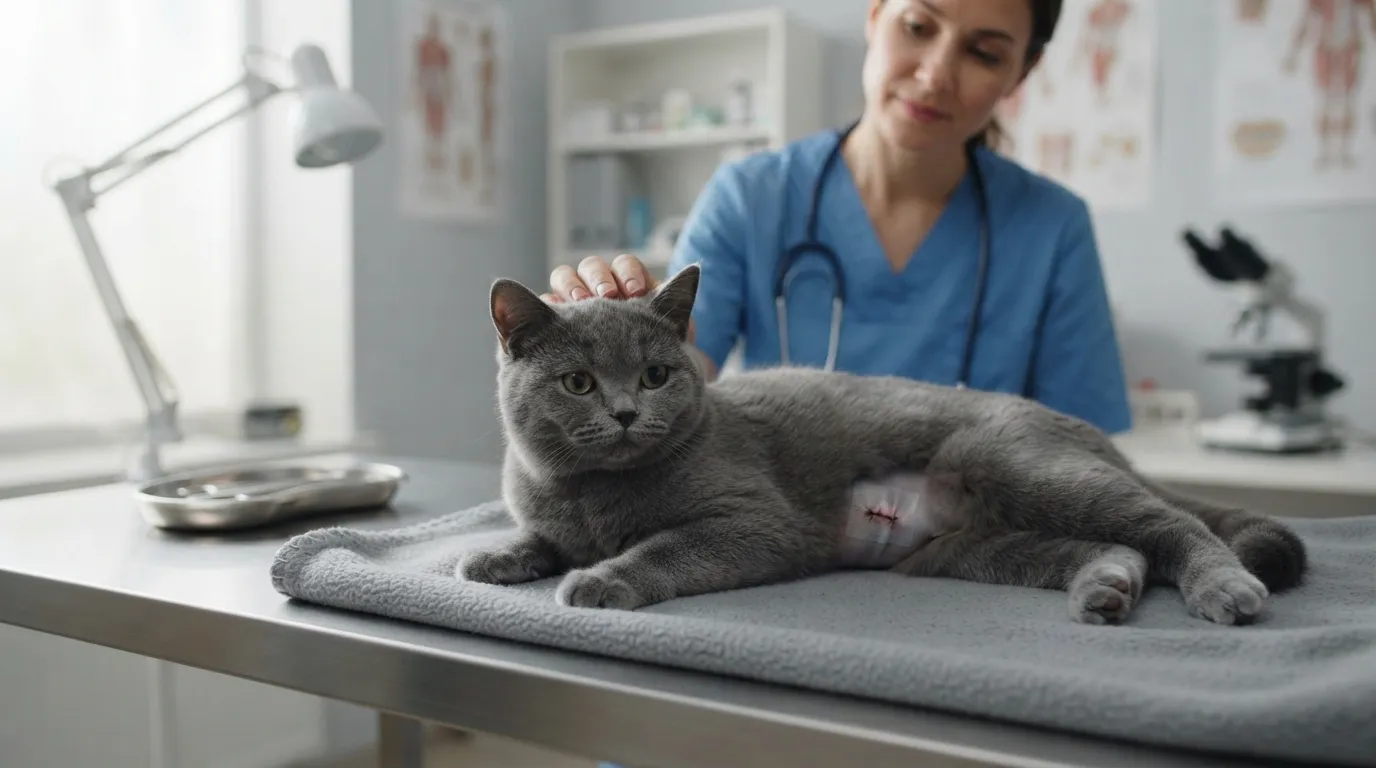
This isn’t just about population control. For breed cats, it’s a genuine health decision with measurable outcomes.
Spayed females have a lower risk of breast cancer and are largely protected from pyometra, a dangerous uterine infection. Intact males, meanwhile, face higher risks from roaming injuries and infection.
Talk to your vet about timing – for some breed cats, the optimal age for the procedure differs from the standard advice.
And now, the truth most breed cat owners are never told at all…
#1 – Your Breeder’s Track Record Is Your Cat’s First Health Check
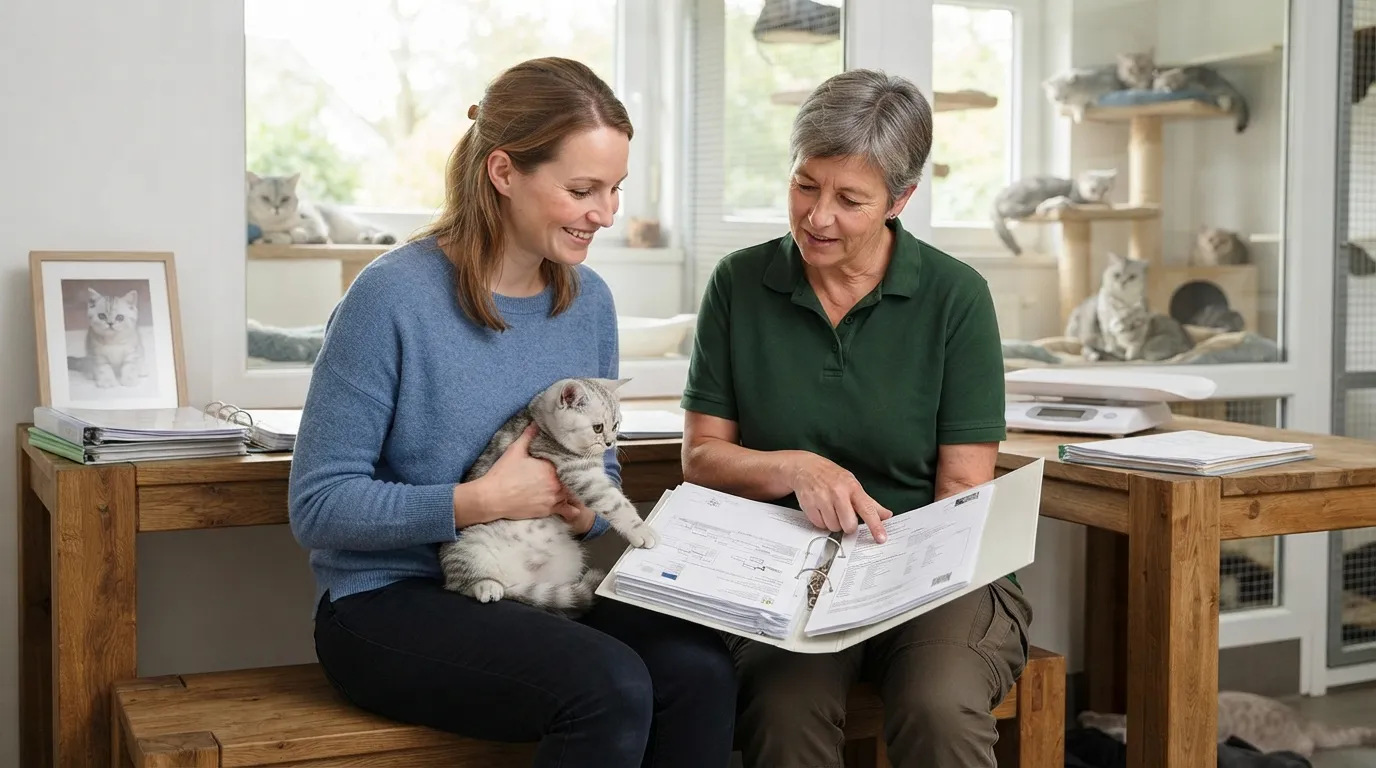
Everything on this list matters. But it all starts before you even bring your cat home.
A reputable breeder can show you health screenings and genetic testing for both parents, no hesitation. If a breeder won’t let you see the facility, the kittens, or the mother and father, that reluctance is the loudest red flag you’ll get.
At a Glance: What to Ask a Breeder
- Request health clearance certificates for both parents, including cardiac and genetic panel results.
- Visit the facility in person whenever possible, not just through photos or video calls.
- Meet the mother cat at minimum, and ideally the father too.
- Get health guarantees and screening results written into your purchase contract.
The breeder’s transparency is your cat’s first vet appointment – and most buyers skip it entirely.
The Bottom Line
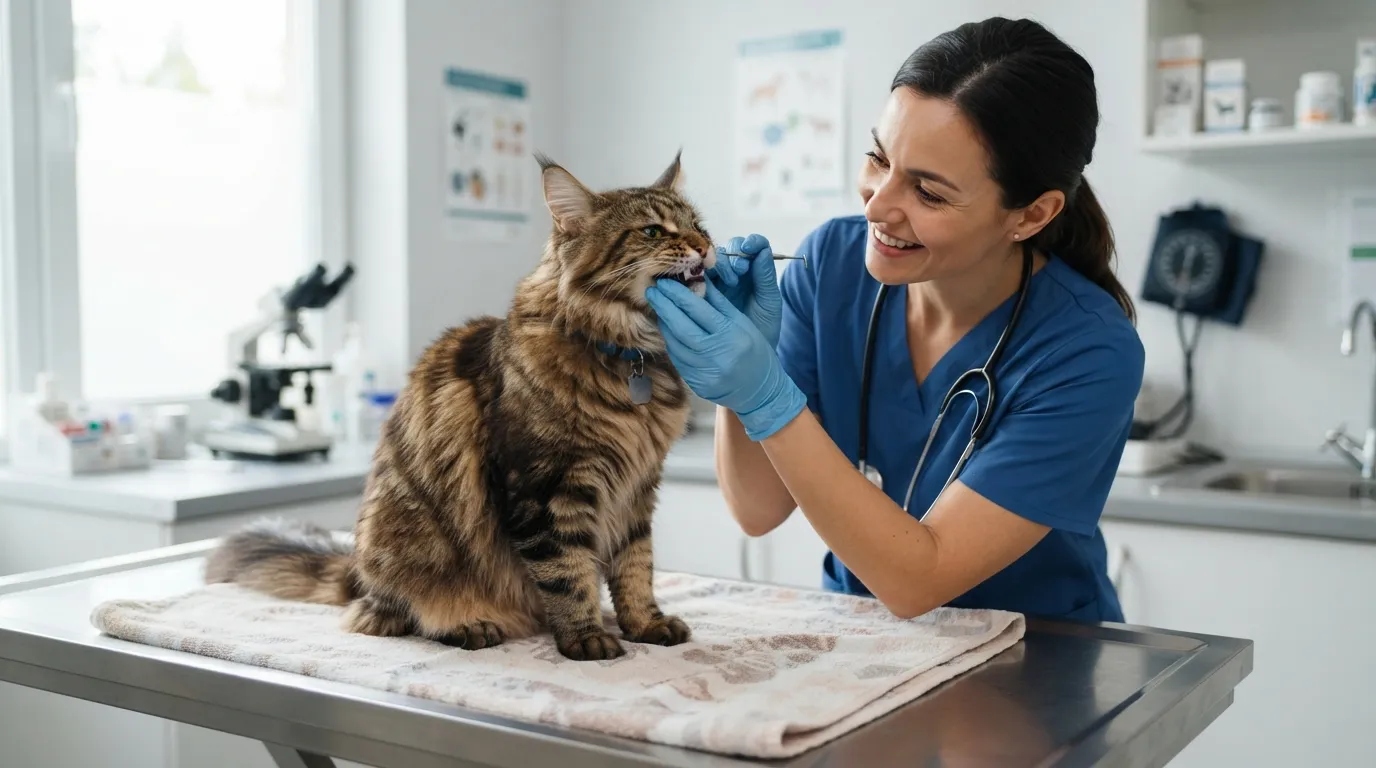
Raising a healthy breed cat isn’t about luck. It’s about information most owners only get after something’s already gone wrong.
Act on genetic risk before symptoms show up. Choose your breeder like your cat’s life depends on it – because it does.
Treat hydration, dental care, and enrichment as medical interventions, not optional extras. With early screening and a close relationship with your vet, most of these risks can be managed or avoided altogether.
Which of these truths surprised you most – or is there one your vet swears by that we missed? Drop it in the comments.