#1 Birds landing and taking off
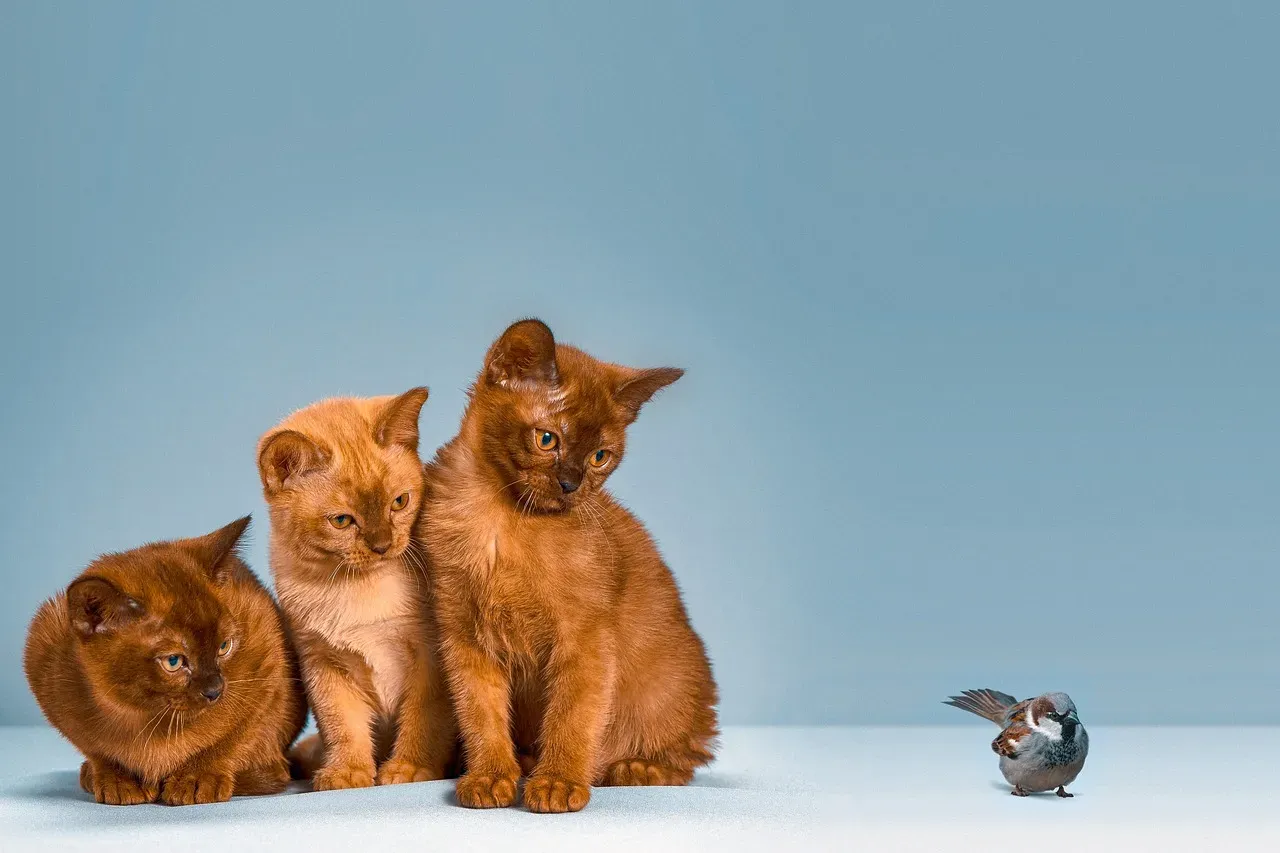
Birds are probably the single biggest draw for a window-watching cat, and it’s not just because they’re pretty to look at. A cat’s visual system is tuned for detecting quick, small movements, which is exactly what a bird does when it hops along a branch or bursts into flight. That sudden motion triggers the same predatory circuitry a cat would use if it were stalking prey in a backyard, even though there’s a pane of glass firmly in the way.
This is also why you’ll often hear cats make that odd chattering or chirping sound while watching birds, sometimes called chittering. Researchers who study cat behavior generally connect it to a mix of excitement and frustration, since the cat’s hunting sequence gets interrupted at the pounce stage. Watching birds essentially lets a cat rehearse its entire predatory instinct set, from the initial freeze to the tail twitch, without ever leaving the sill.
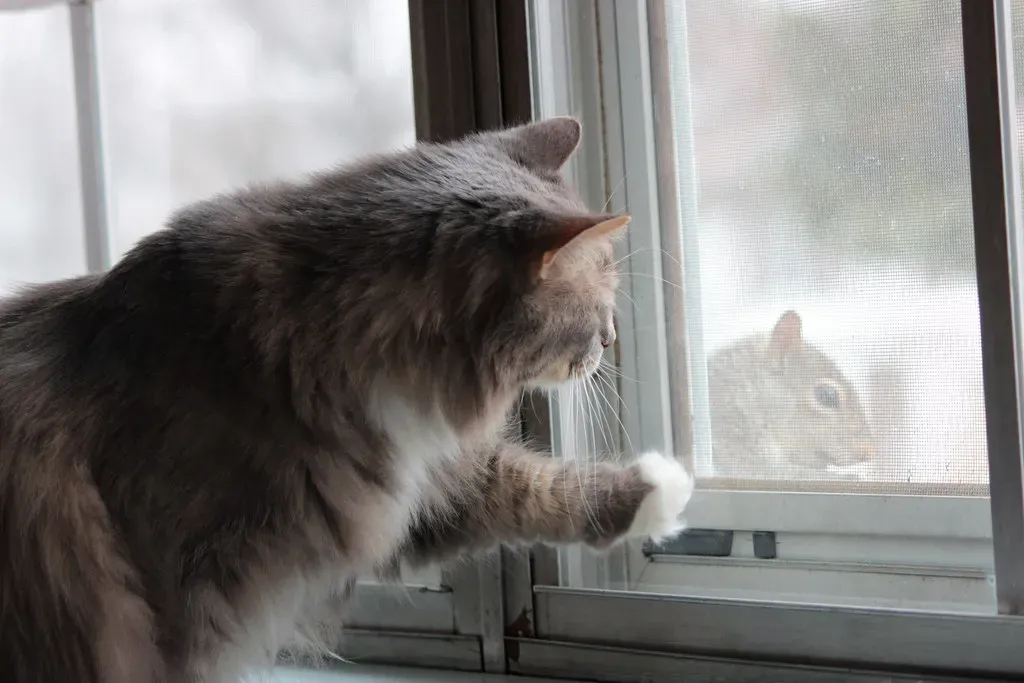
#2 Squirrels and their frantic movement
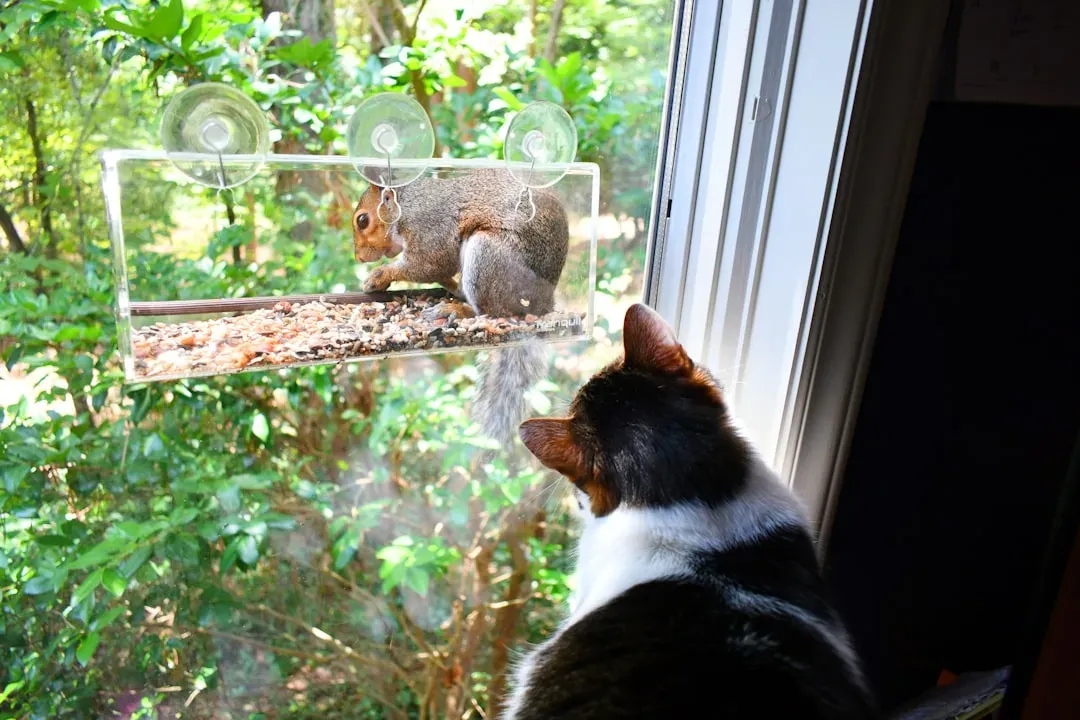
Squirrels bring a different kind of energy than birds do. Their movement is erratic, stop-start, and unpredictable, which keeps a cat’s attention locked in longer than it might for a slower-moving animal. That unpredictability is actually part of what makes it mentally stimulating, since the cat’s brain can’t fully anticipate what happens next and has to keep recalculating.
There’s also a size and proximity factor at play. Squirrels are often close to the ground and closer to window level than birds flying overhead, which puts them squarely in a cat’s most comfortable predatory range. Watching a squirrel dash across a lawn or up a tree trunk gives an indoor cat a low-stakes way to practice tracking a moving target from start to finish.
#3 Falling leaves and blowing debris
Not every window obsession involves something alive. Leaves skittering across a driveway or drifting down from a tree tap into the same movement-detection instincts that birds and squirrels do, just without the added complexity of an actual living creature to read. The randomness of wind-blown debris makes it oddly effective at holding attention, since each gust changes the pattern.
This kind of watching tends to be calmer than the intense stillness that comes with prey animals. It’s less “stalking mode” and more idle curiosity, similar to how a person might get pulled into watching a campfire or ocean waves. Even so, it still counts as visual stimulation, and for cats stuck indoors, that stimulation matters more than it might seem.
#4 Insects and moths near the glass
Bugs that land directly on the window or hover just outside it get an entirely different reaction than distant birds do. Because they’re close and often moving slowly, insects give a cat the chance to track something with precise, deliberate eye movements rather than the wide sweeping glances used for faster animals. That precision tracking is its own kind of mental workout.
Moths at dusk or dawn are a particular favorite, since their fluttering, erratic flight pattern near porch lights or window screens is almost tailor-made to catch a predator’s eye. Some cats will paw at the glass in response, which is a fairly clear sign the hunting instinct has been fully activated, even if the “prey” in question is a half-inch moth on the other side of a window screen.
#5 Rain, snow, and moving water
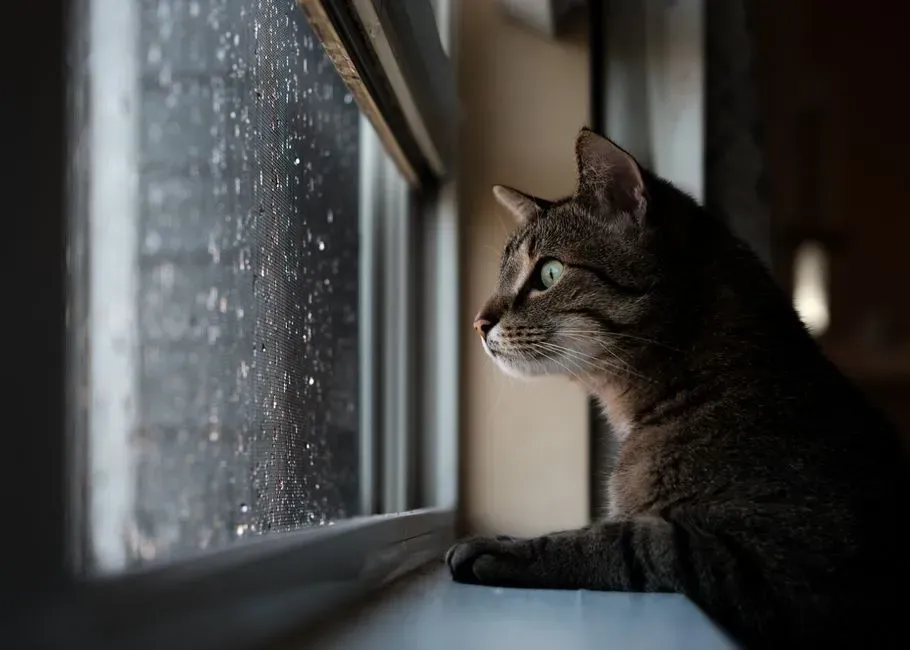
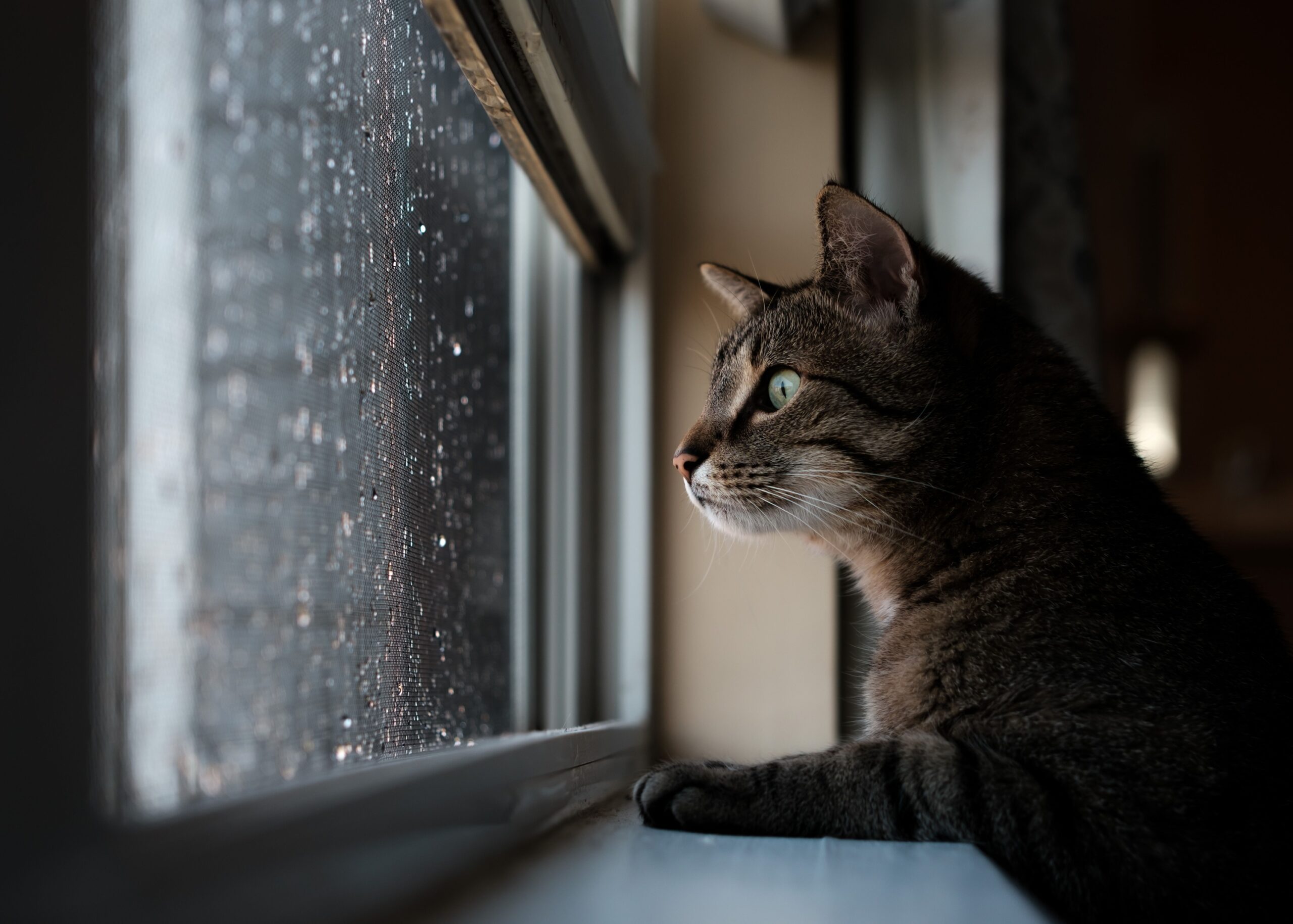
Weather itself can be surprisingly engaging for an indoor cat. Raindrops sliding down glass or snow swirling past a window create a constant, shifting visual field that’s different from the more object-focused watching cats do with animals. It’s less about tracking a specific target and more about processing an environment that never holds still.
Interestingly, some cats seem calmed by rain-watching, while others get restless, possibly reacting to the sound as much as the sight. Either way, changing weather adds variety to what would otherwise be a static view, and variety is a big part of what keeps a housebound cat’s environment from feeling flat and repetitive over time.
#6 Other cats, dogs, or neighborhood animals
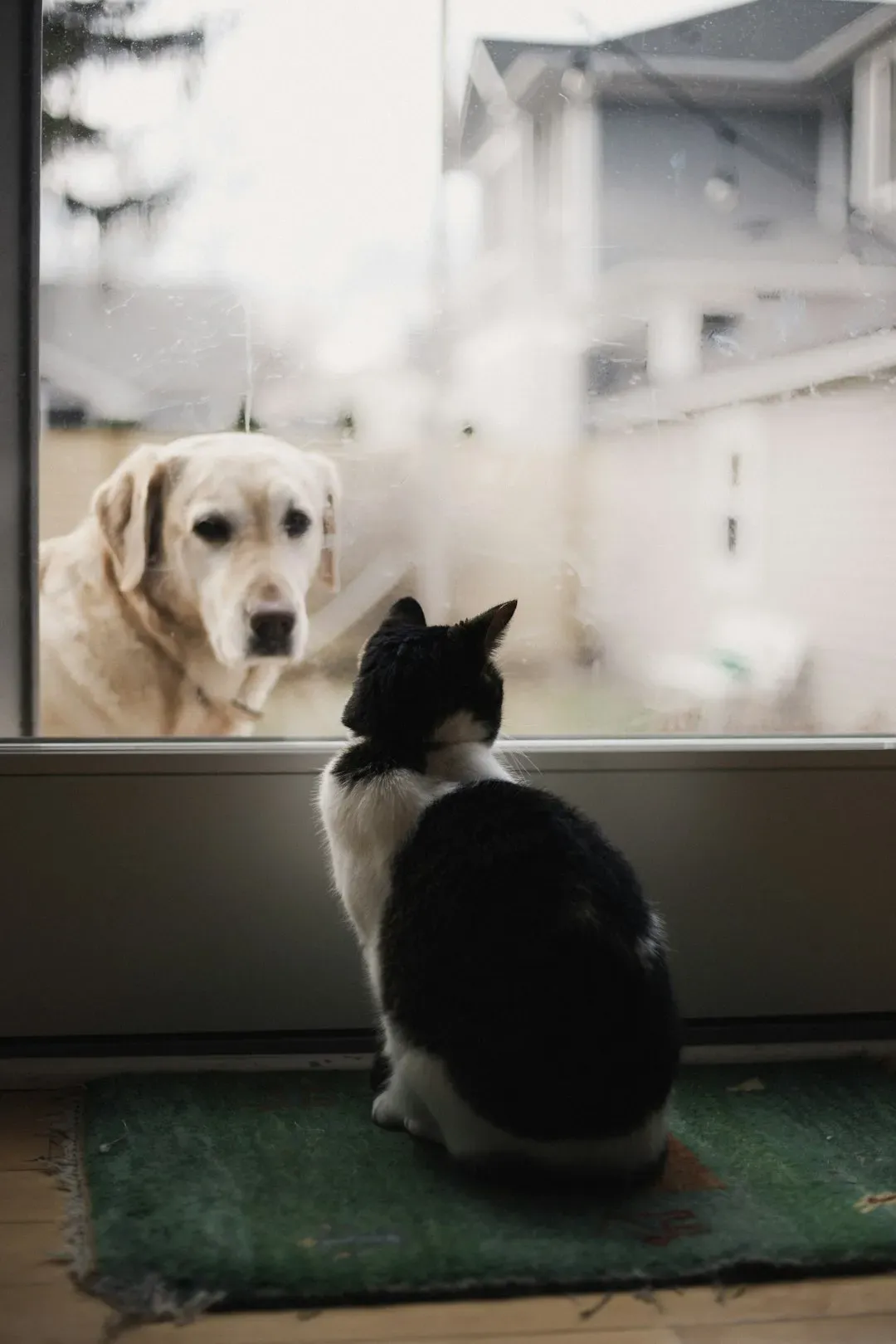
Watching another animal move through the yard is a fundamentally social kind of observation, even if there’s no direct interaction happening. Cats are territorial by nature, and seeing an unfamiliar cat cross into their visual space can trigger alertness, tail puffing, or low growling, all of which indicate the brain is actively assessing a perceived intruder. This is less about entertainment and more about vigilance, though it still counts as mental engagement.
Dogs on leash walks or other neighborhood pets passing by tend to get a similar reaction, though the intensity varies a lot by individual cat. Some cats seem almost bored by passing dogs, while others fixate hard, ears forward, entire body tense. Either response reflects a cat actively processing social information from a safe distance, which is a form of stimulation all its own.
#7 People walking or working outside
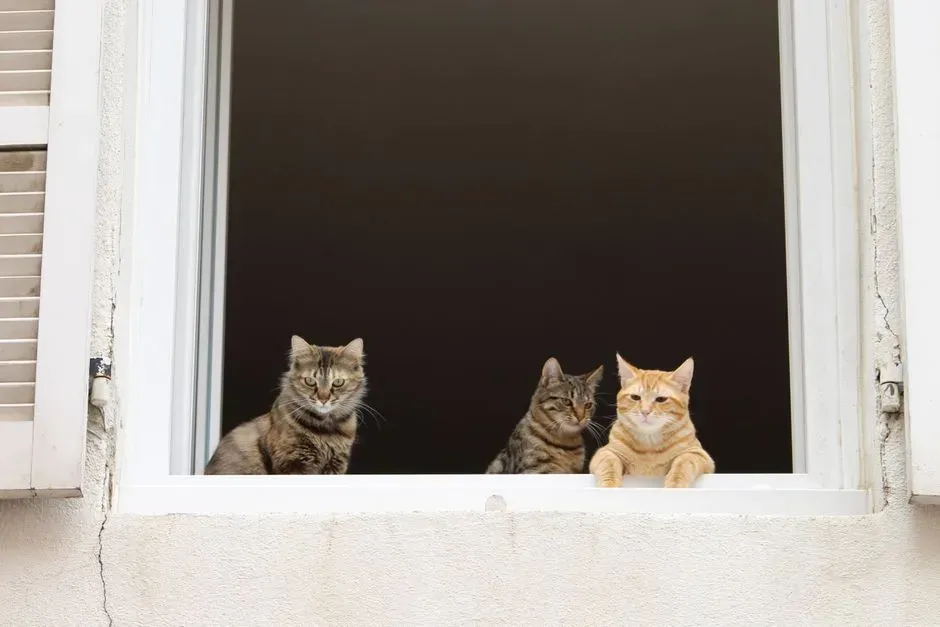
Humans moving around outside a window get watched with real interest, particularly if there’s a routine involved, like a mail carrier or a neighbor doing yard work at the same time each day. Cats are quite good at recognizing patterns and routines, and predictable human activity can become something they anticipate rather than just react to. That anticipation itself is a subtle form of cognitive engagement.
There’s also a simple novelty factor. Unfamiliar people, especially ones carrying tools, packages, or moving in an unusual way, draw sharper attention than the same familiar neighbor walking their usual route. The window essentially becomes a low-stakes way for an indoor cat to stay tuned into the human world without any of the risk that would come from actually being outside in it.
#8 Cars and other moving vehicles
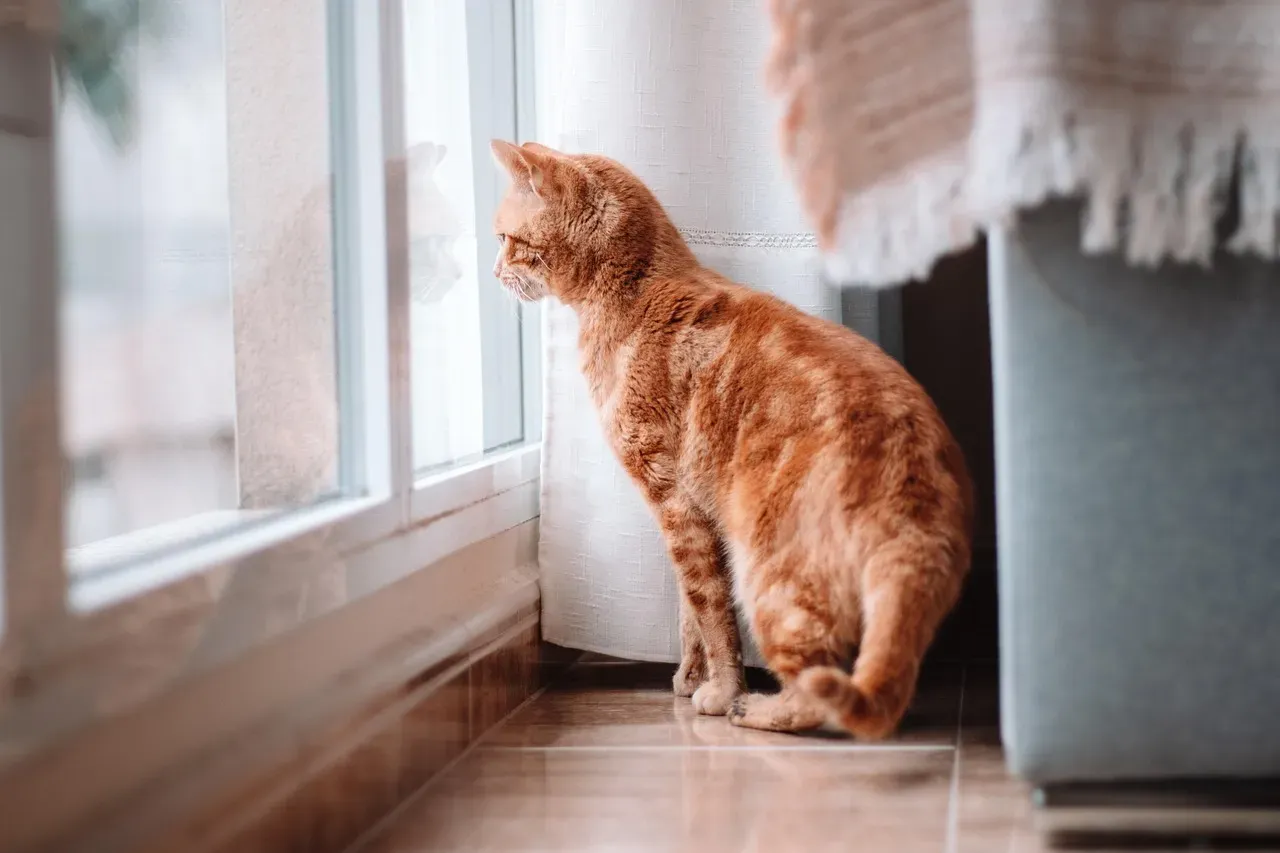
Traffic might seem like an odd thing for a cat to fixate on, but the motion, size, and sound of passing vehicles hits several sensory triggers at once. Larger moving objects require a different kind of visual tracking than small prey animals do, engaging a broader field of vision and forcing a cat to judge speed and distance in a different way. For cats near busier streets, this can become one of the more frequent things they watch throughout the day.
Reactions vary quite a bit here too. Some cats seem indifferent to cars entirely, while others tense up at each pass, particularly if a vehicle is unusually loud or slows down near the house. Either way, it’s another layer of external stimulation that breaks up the sameness of an indoor environment.
#9 Shadows, light patterns, and reflections
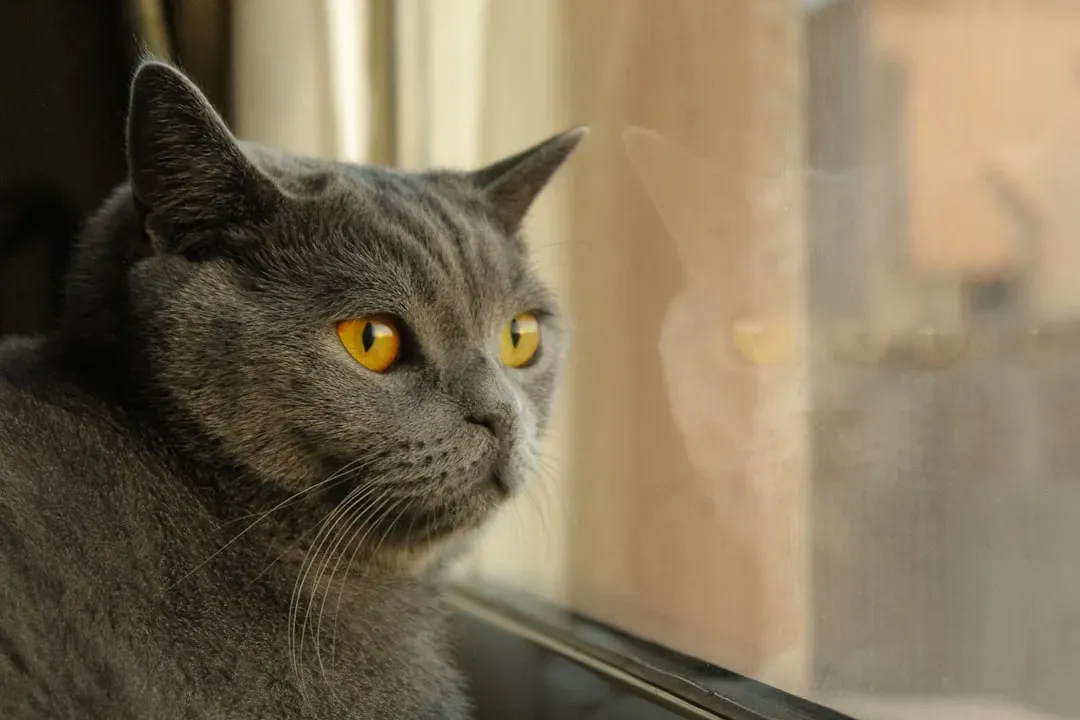
Shifting light is one of the more overlooked triggers for window-watching behavior. As the sun moves across the sky, shadows lengthen, shrink, or shift direction, and cats often track these changes with the same intensity they’d apply to an actual moving object. Light patterns bouncing off nearby cars, wind chimes, or even a neighbor’s window can create movement that mimics prey just enough to catch a cat’s eye.
This kind of watching tends to be more solitary and self-directed than reacting to an animal or person outside. It doesn’t require anything external to keep happening, since a cat can find endless variation just in how sunlight moves through a room over the course of an afternoon. For a cat with limited access to the outdoors, that kind of passive but active watching fills in a lot of otherwise empty hours.
The window as a brain gym
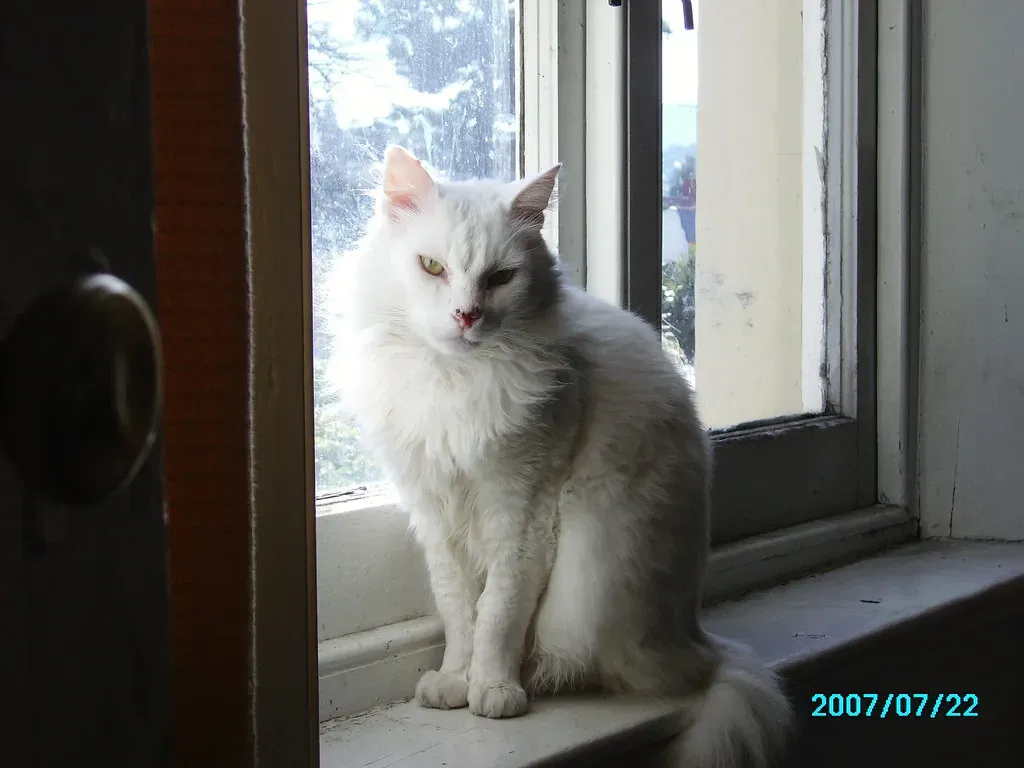
After going through all nine of these, it becomes pretty clear that window-watching isn’t just a cute quirk, it’s closer to a job that indoor cats have given themselves. Every twitch of a tail, every chatter at a bird, every tense stare at a passing dog is a small rehearsal of instincts that would otherwise go completely unused in a house with no outdoor access.
My honest take is that owners undervalue this. A comfortable perch by a window with a decent view isn’t a minor accessory, it’s arguably one of the most effective and least expensive forms of enrichment available for an indoor cat. If you’ve got a window that gets regular traffic from birds, squirrels, or even just shifting light, you’re already giving your cat something most puzzle toys can’t fully replicate: a constantly changing, unpredictable world to study, and that unpredictability might be exactly what keeps an indoor cat’s mind sharp.