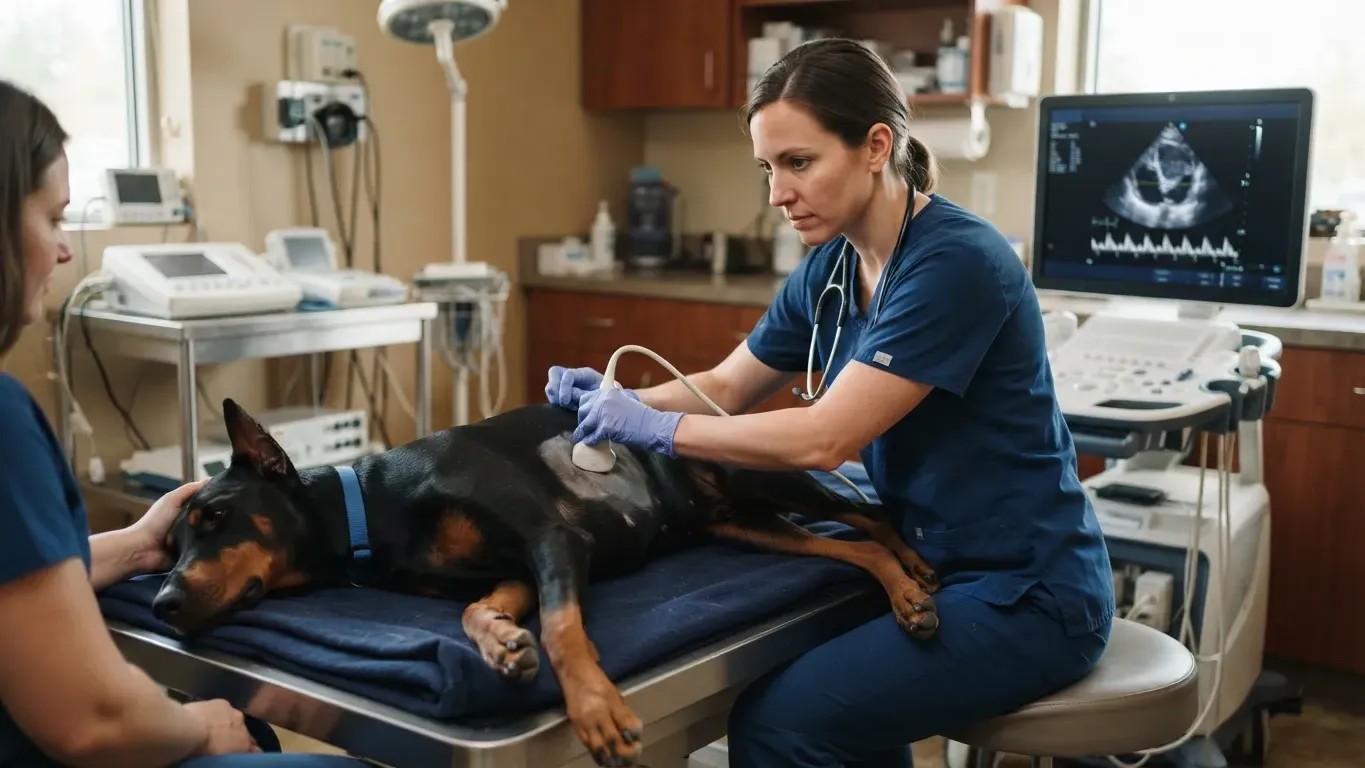
Most purebred owners believe love, good food, and a fancy pedigree certificate are enough to keep a dog healthy. They’re wrong, and the vet bill is usually the one that breaks the news.
An estimated one in four purebred dogs carries a serious genetic problem, and most owners never see it coming until it’s already expensive – or already too late. The secrets vets wish you knew aren’t buried in medical journals. They’re breed-specific, they’re practical, and once you know them, they can add real years to your dog’s life. Here’s what the data actually says, starting with the sign most owners write off as nothing at all.
#14 – Your Dog’s “Normal” Might Be a Red Flag in Disguise
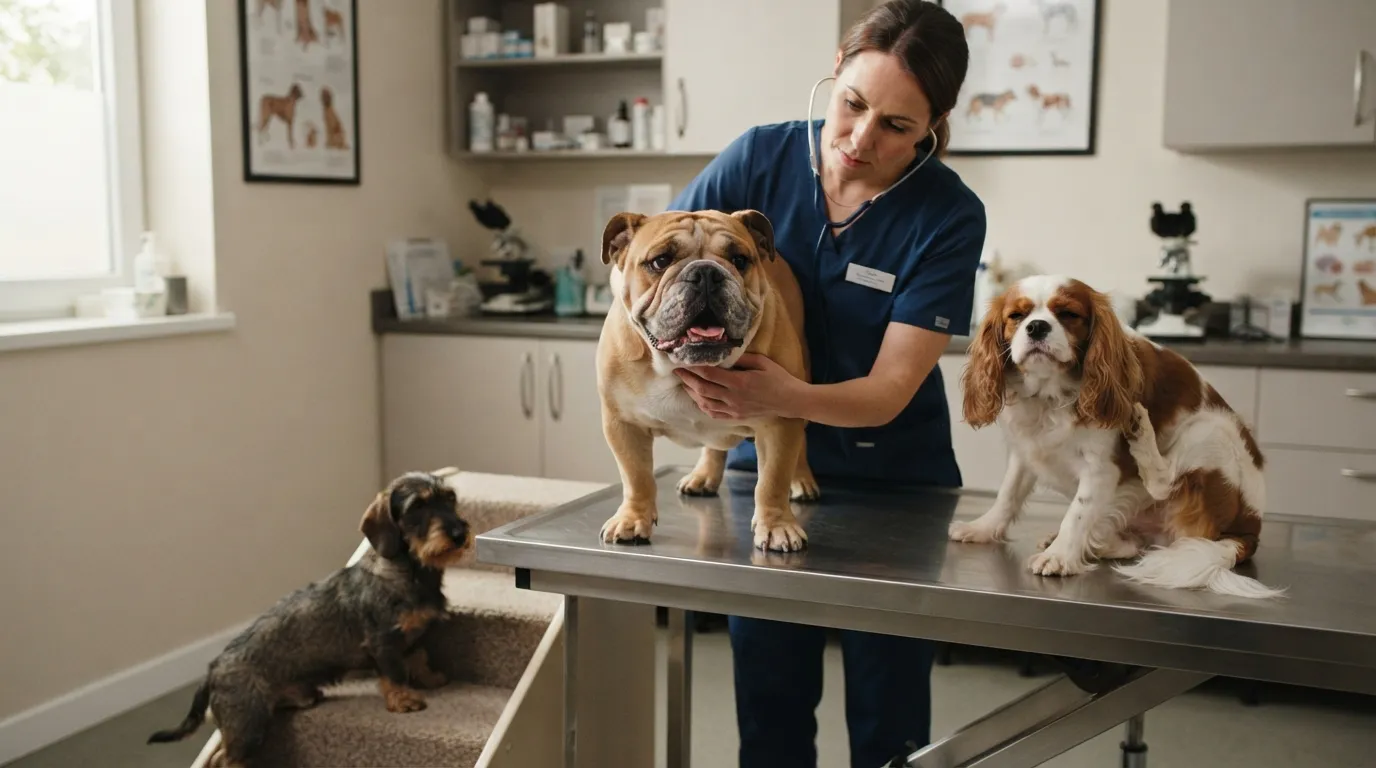
Certain health conditions are so tightly linked to specific breeds that vets screen for them as routine practice. The problem is owners keep mistaking these warning signs for personality.
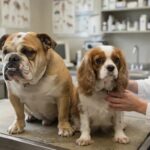
A Bulldog that snorts loudly, a Cavalier that scratches constantly at its neck, or a Dachshund that hesitates on stairs – none of that is just “being that breed.” Dismissing it as quirky behavior can quietly cost precious treatment time.
Preventive care and a quick call to your vet do more for a dog’s lifespan than breed alone ever could. Catching things early changes everything.
But that’s nothing compared to what we found on #13…
#13 – The “Healthy Purebred” Myth That Vets Quietly Disagree With
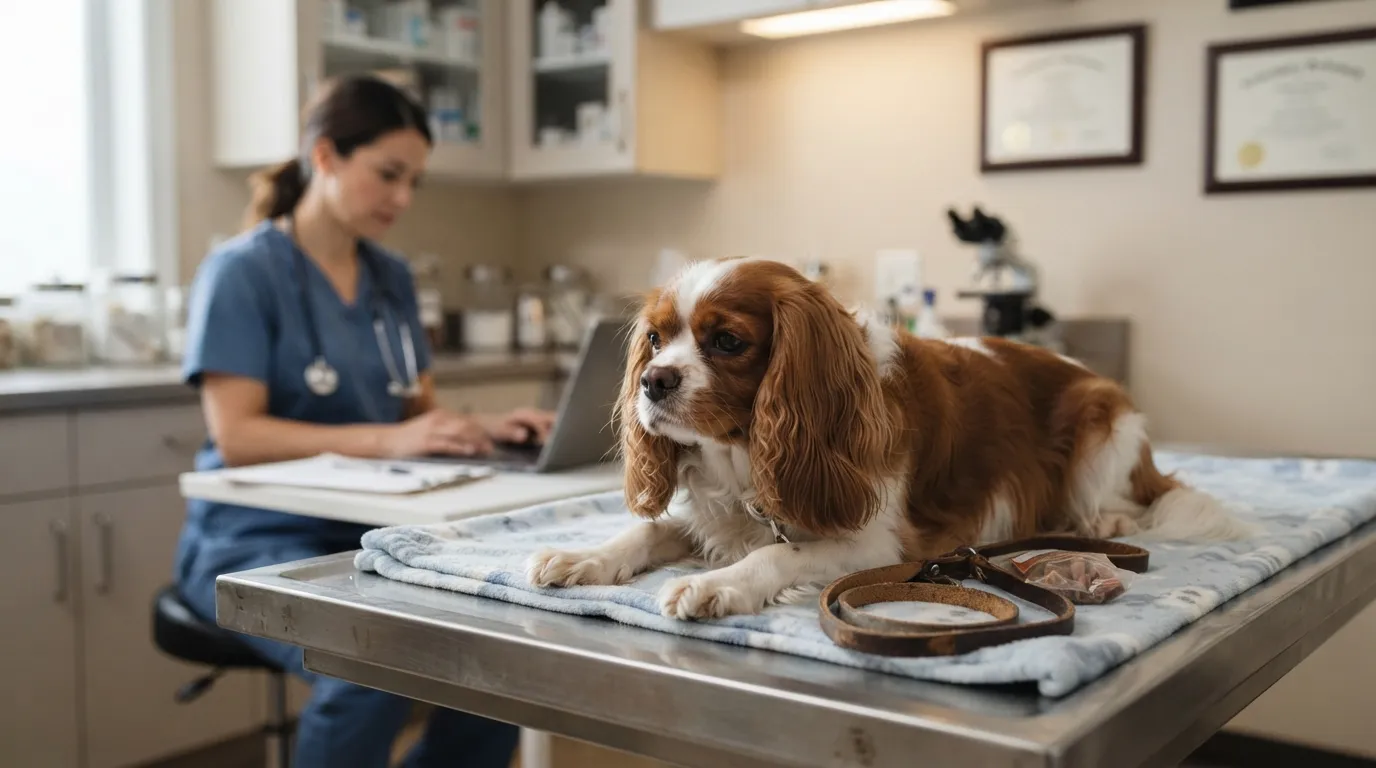
Most owners assume a papered, pedigree dog is the picture of canine health. The data tells a different story.
The problem starts at conception. Creating a purebred puppy means pairing two dogs from the same limited gene pool – sometimes the same family line entirely – and the risk of genetic defects climbs with every generation that pool stays closed.
The resulting risk list includes cancer, heart disease, joint disorders, neurological disease, and epilepsy. That’s not alarmism. It’s the documented cost of closed breeding lines.
But here’s the twist that #12 reveals…
#12 – Purebreds Aren’t Actually Sicker Overall – Their Problems Are Just Predictable
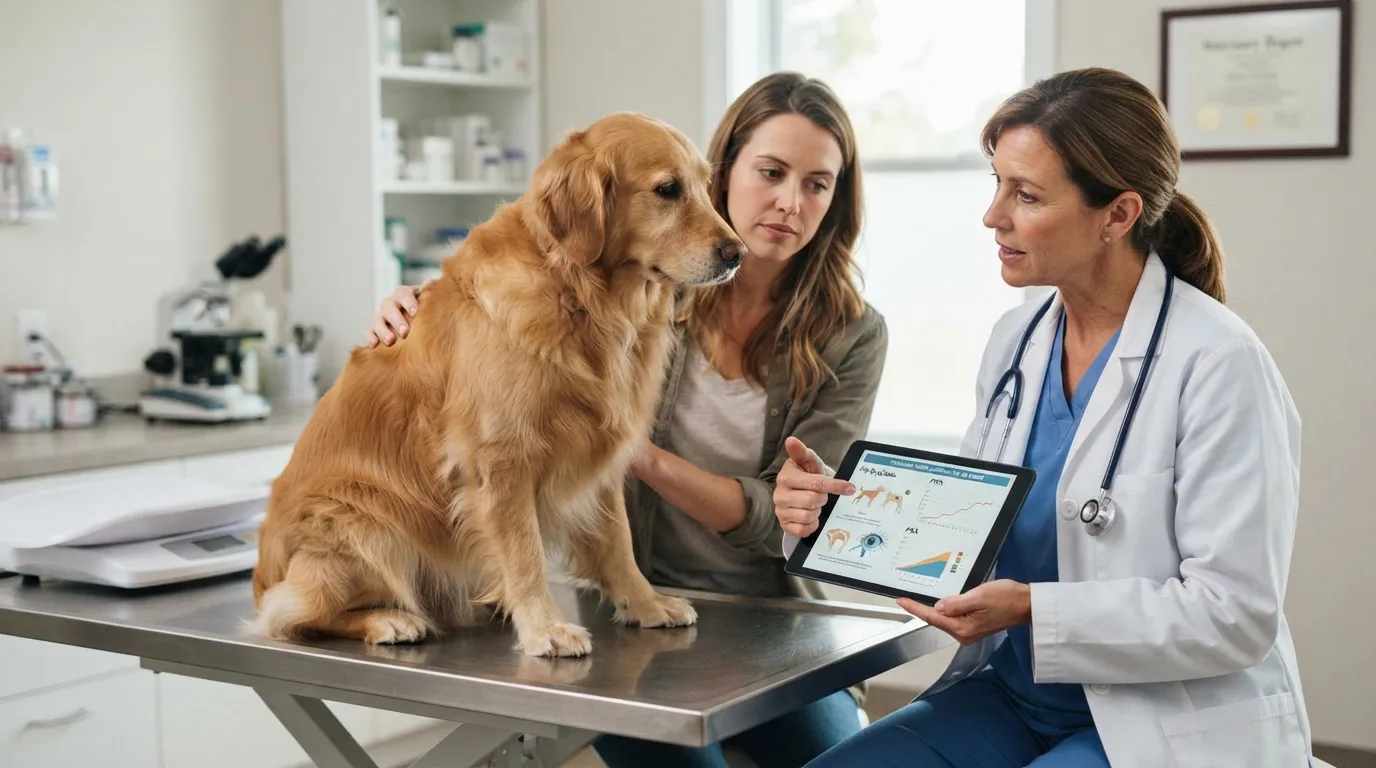
Here’s where it gets interesting, and where most owners get confused.
Purebreds and mixed breeds actually get diagnosed with health conditions at roughly the same overall rate. The real difference isn’t total illness – it’s which illnesses show up.
Certain genetic disorders show up far more often in specific purebred lines, which means you can actually plan for them. That predictability is an advantage, but only if you use it.
Knowing what’s coming is power. Slide #11 shows the first condition most owners never see coming.
#11 – Hip Dysplasia Is Hiding in More Breeds Than You Think
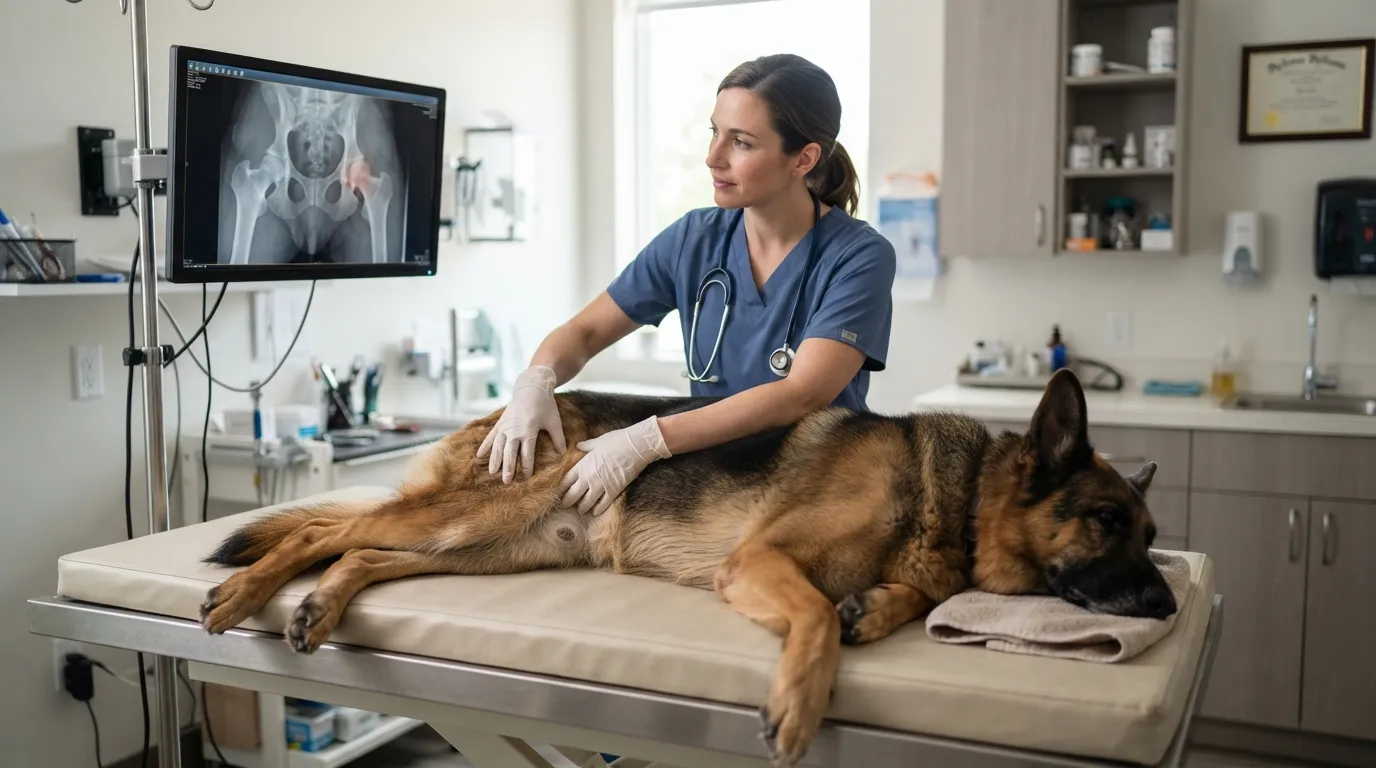
Everyone’s heard of hip dysplasia in German Shepherds. Most owners don’t realize how far that list actually extends.
Large and giant breeds – German Shepherds, Golden Retrievers, Rottweilers, and more – are notoriously prone to it, a developmental disorder where the ball-and-socket joint of the hip never fits together quite right.
Signs often don’t appear until real damage is already done. Early X-ray screening, ideally before age two, is the only way to catch it in time – many vets recommend it as standard protocol, yet most owners never ask.
Fast Facts
- Commonly affects German Shepherds, Golden Retrievers, and Rottweilers
- Caused by a poorly fitting ball-and-socket hip joint
- X-ray screening before age two catches it earliest
- Symptoms often stay hidden until damage is already done
What’s creeping up on small and medium breeds is even more overlooked. Slide #10 has the answer.
#10 – Intervertebral Disc Disease Is the Silent Crippler of Small Breeds

IVDD is one of the most common neurological emergencies vets see, and purebred owners are frequently blindsided by it.
An analysis of over 88,000 dogs identified IVDD as one of ten inherited conditions with notably higher prevalence in purebreds than in mixed breeds. It attacks the disks between the vertebrae, and the resulting nerve damage can affect a dog’s ability to walk and often requires surgery.
Dachshunds, Beagles, Shih Tzus, and French Bulldogs are especially vulnerable. Keeping your dog lean and limiting high-impact jumping can slow it down, but most owners don’t start until symptoms have already appeared.
The heart condition on slide #9 is just as sneaky.
#9 – Dilated Cardiomyopathy Won’t Announce Itself Until It’s Serious
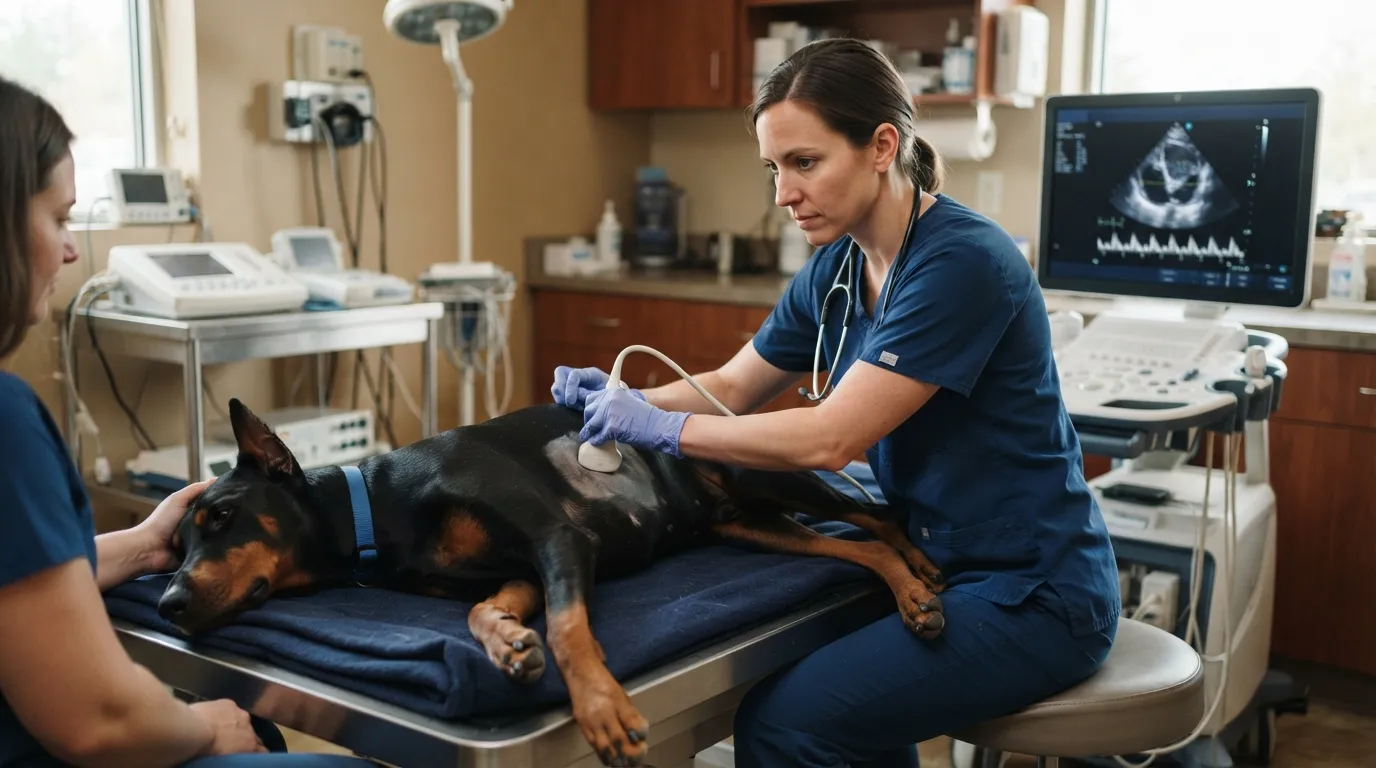
If you own a Doberman, Great Dane, Irish Wolfhound, or Boxer, this one is non-negotiable.
Dilated cardiomyopathy shows up more often in purebreds, and it slowly weakens and enlarges the heart muscle. Most dogs show no outward symptoms until the disease is already advanced.
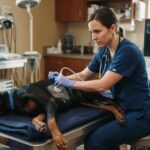
Vets recommend annual cardiac screenings for at-risk breeds starting around age two. DCM is firmly on the list of conditions vets screen for routinely, yet most owners have never had this conversation with their vet.
Slide #8 covers the condition that hides inside your dog’s skull.
#8 – Epilepsy in Purebreds Is Often Genetic – and Owners Miss the Early Signs
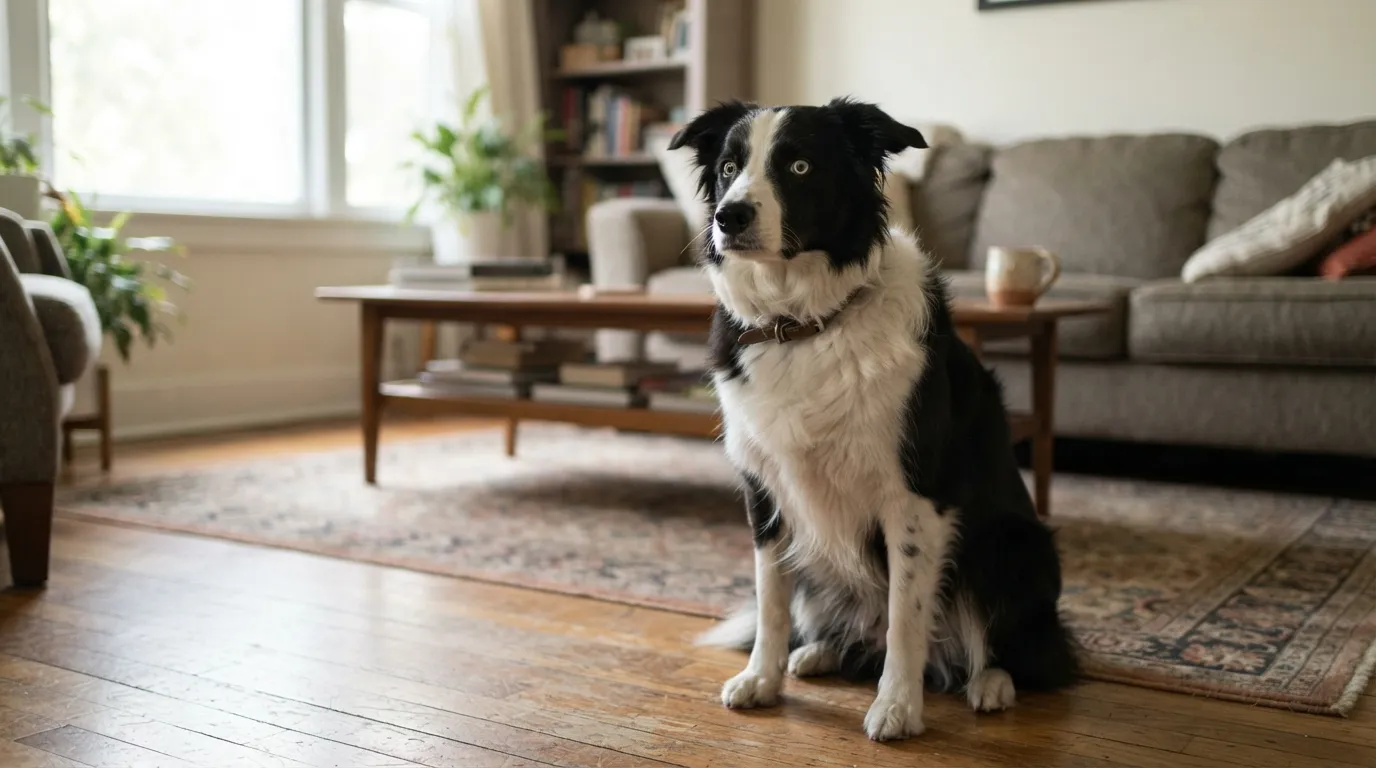
Seizures in dogs are terrifying. What’s worse is that in many purebreds, they’re entirely predictable.
The same UC Davis study of 88,000-plus dogs flagged epilepsy as one of ten inherited conditions with higher prevalence in purebreds. Border Collies, Beagles, Belgian Tervurens, and Labrador Retrievers all carry elevated genetic risk.
Early seizure signs – brief staring spells, sudden loss of balance, strange repetitive behaviors – are routinely mistaken for tiredness or play. Genetic testing can flag carriers before breeding, giving owners a chance to make informed decisions early.
What’s happening with your dog’s skin is on slide #7 – and it costs owners thousands every year.
#7 – Allergic Skin Disease Is the Condition Vets Treat Most in Purebreds
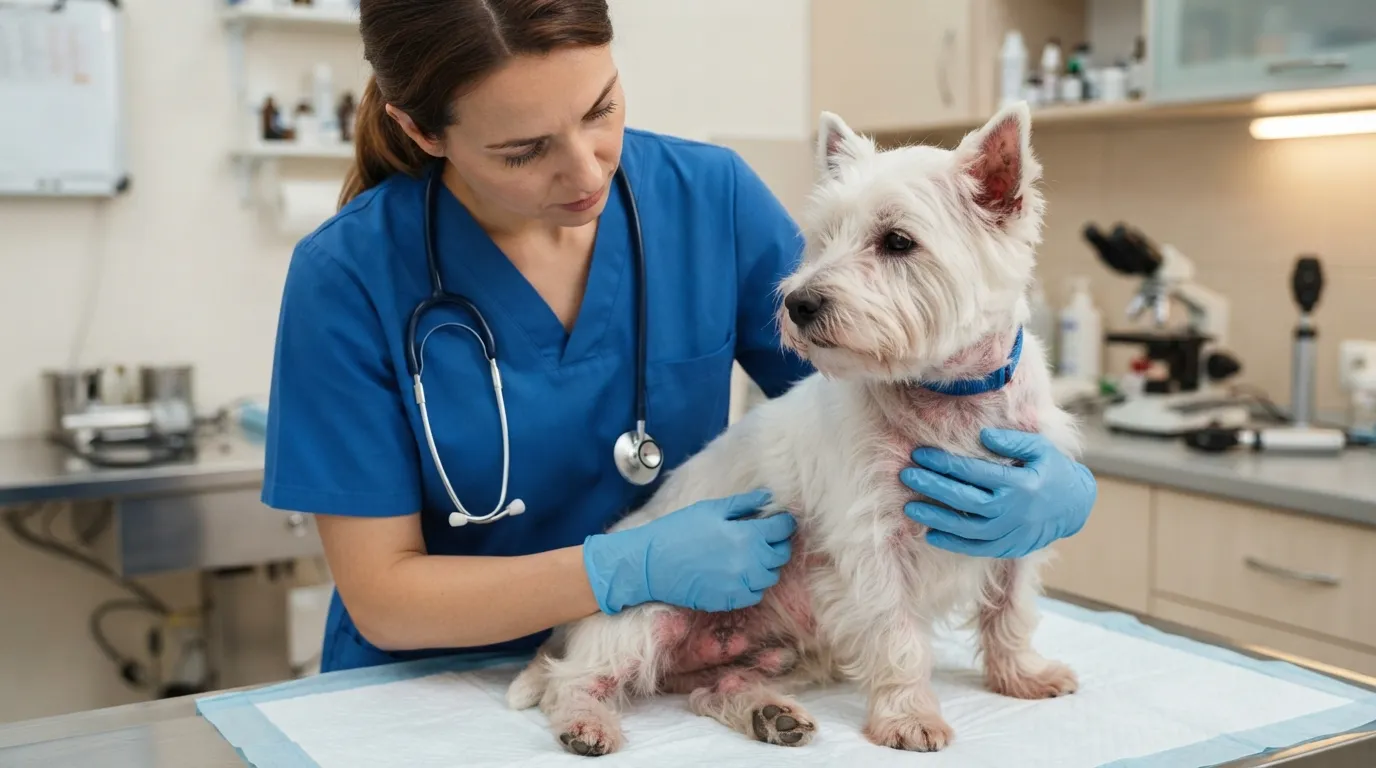
It’s not dramatic. It’s not sudden. But atopic dermatitis quietly wrecks quality of life – and drains wallets.
Allergic dermatitis shows up more across the purebred population, with certain breed groups affected far more than mixed-breed dogs. West Highland White Terriers, Bulldogs, French Bulldogs, and Golden Retrievers are repeat offenders.
Dental disease, allergies and osteoarthritis are among the most common conditions for all dogs.
Dog Aging Project
Chronic itching, ear infections, and paw licking aren’t just annoying habits – they’re symptoms. Managing it early with diet and vet-guided treatment is far cheaper than years of untreated inflammation.
Slide #6 reveals a breed-specific drug danger almost nobody talks about.
#6 – Some Purebreds Can Be Killed by Routine Medications
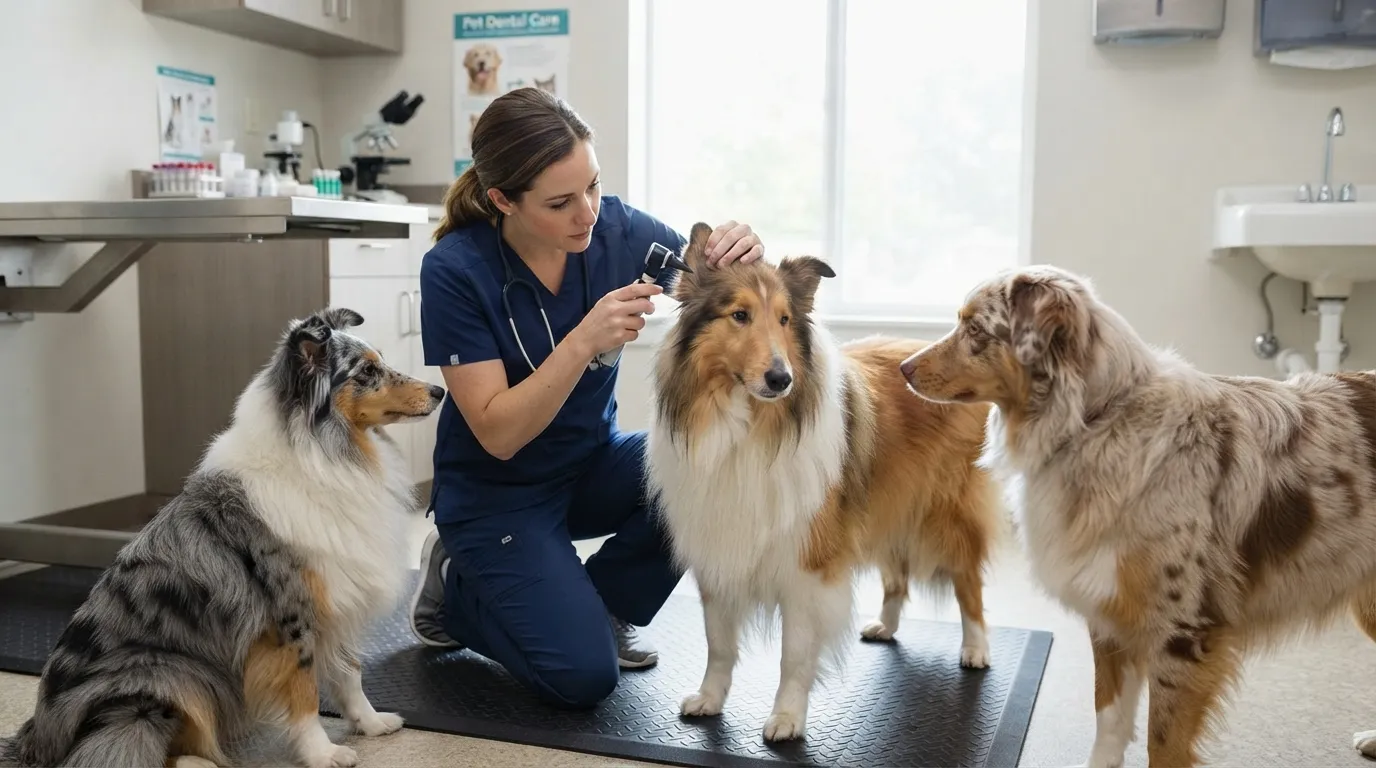
This one could save your dog’s life. Certain breeds carry a gene mutation that turns common drugs lethal.
Vets now recommend MDR1 testing for herding breeds and some sighthounds. The gene regulates how the body handles certain drugs – including ones used for chemotherapy, diarrhea, and deworming – and dogs with the mutation can react dangerously to medications other dogs shrug off.
At a Glance
- Most affected: Collies, Shelties, Australian Shepherds, Long-Haired Whippets
- Mutation disrupts how the body clears certain drugs
- Risky drug classes: some chemo, anti-diarrheal, and deworming medications
- A simple MDR1 test tells your vet before it becomes an emergency
Collies, Shelties, Australian Shepherds, and Long-Haired Whippets are most affected. If your vet doesn’t know your dog’s MDR1 status, a routine dewormer could turn into an emergency room visit.
Slide #5 covers the stomach emergency that strikes without warning.
#5 – Bloat Kills Large Breeds in Hours – and Most Owners Don’t Know the Signs
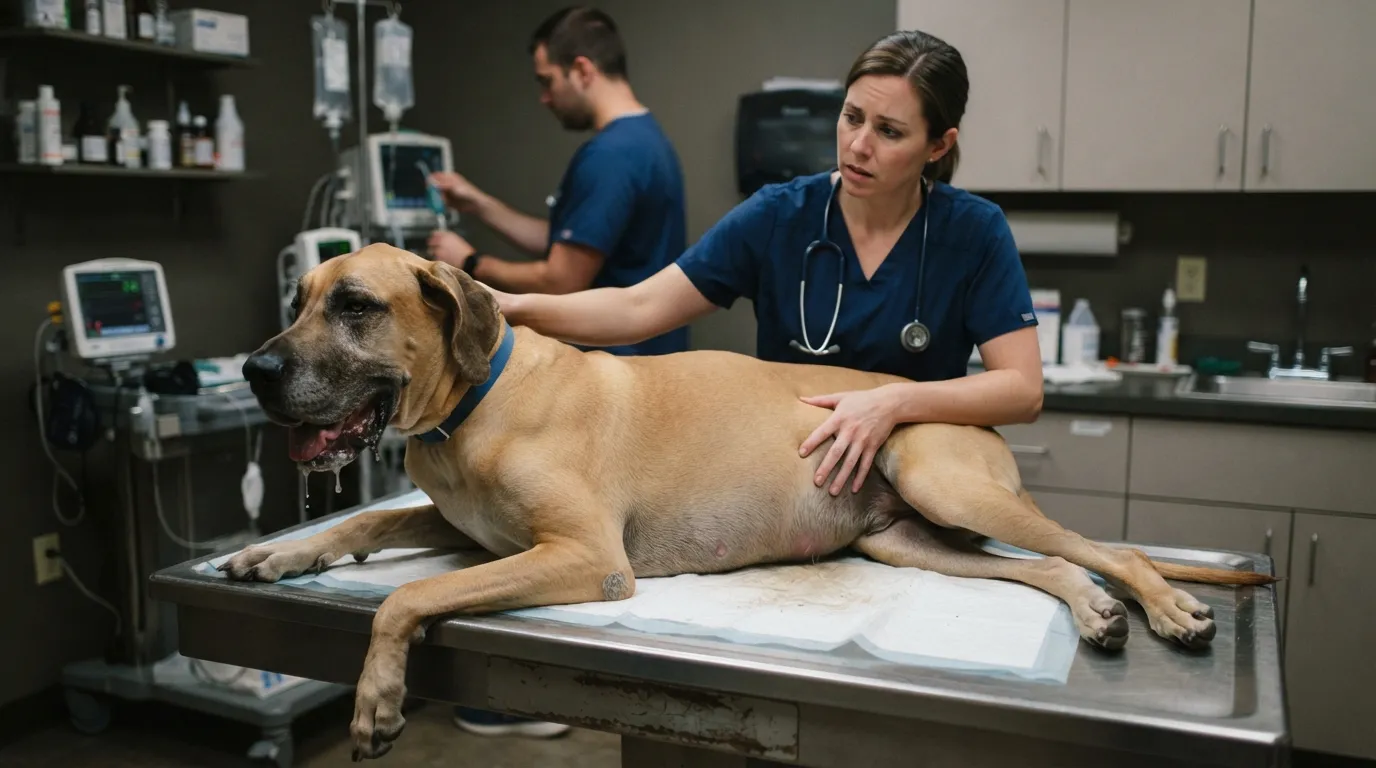
Gastric dilatation volvulus, better known as bloat, is a genuine emergency. It can kill a large dog within hours if left untreated.
It was identified among the ten inherited conditions with significantly greater prevalence in purebreds, and Great Danes, Standard Poodles, German Shepherds, Weimaraners, and Dobermans face the highest risk. A dog that ate an hour ago and is now restless, drooling, and visibly bloated needs emergency care – not a wait-and-see approach.
Worth Knowing
- Highest-risk breeds: Great Danes, Standard Poodles, German Shepherds, Weimaraners, Dobermans
- Warning signs: restlessness, drooling, a visibly swollen belly after eating
- Timeline: can turn fatal within hours without treatment
- Prevention: prophylactic gastropexy can be done during spay or neuter
Prophylactic gastropexy, a surgical stomach tacking, is now routinely offered for high-risk breeds during spay or neuter surgery. Most owners never hear about this option until it’s too late.
The eye issue on slide #4 is one of the most overlooked conditions in purebred puppies.
#4 – Early-Onset Cataracts Are a Purebred Problem, Not Just an Old-Dog Problem
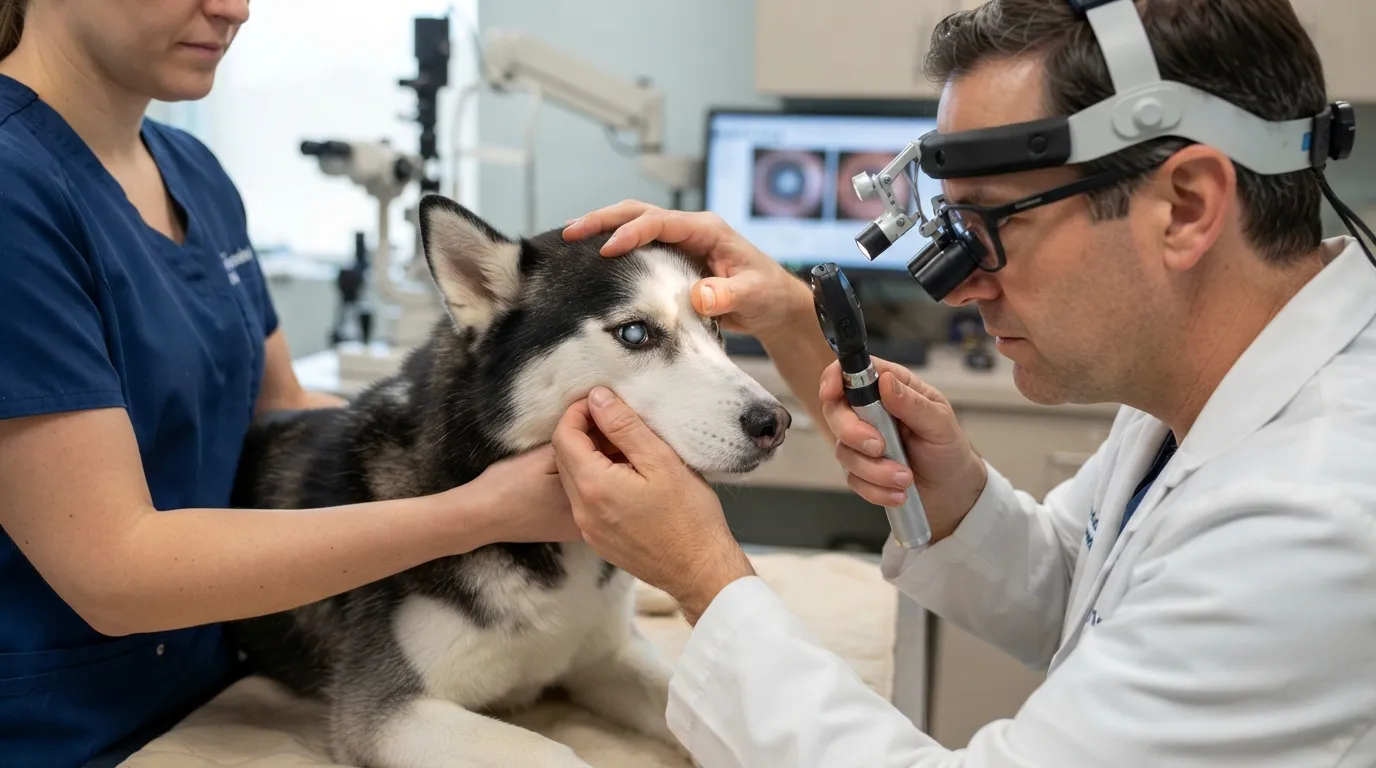
When people picture cataracts, they picture an elderly dog. In certain purebreds, they start forming before age five.
Early-onset cataracts were identified as one of the ten inherited conditions more common in purebreds, with Siberian Huskies, Boston Terriers, and Standard Poodles among the most affected. A study of over 27,000 dogs found cataracts reported far more often by purebred owners than by mixed-breed owners.
Annual eye exams by a board-certified veterinary ophthalmologist are the only reliable way to catch early changes. Most owners skip this entirely and only notice a problem once their dog starts bumping into furniture.
Slide #3 holds a secret about what your breeder may not have disclosed.
#3 – A CHIC Number Doesn’t Mean Your Puppy Is Healthy – It Means Tests Were Done
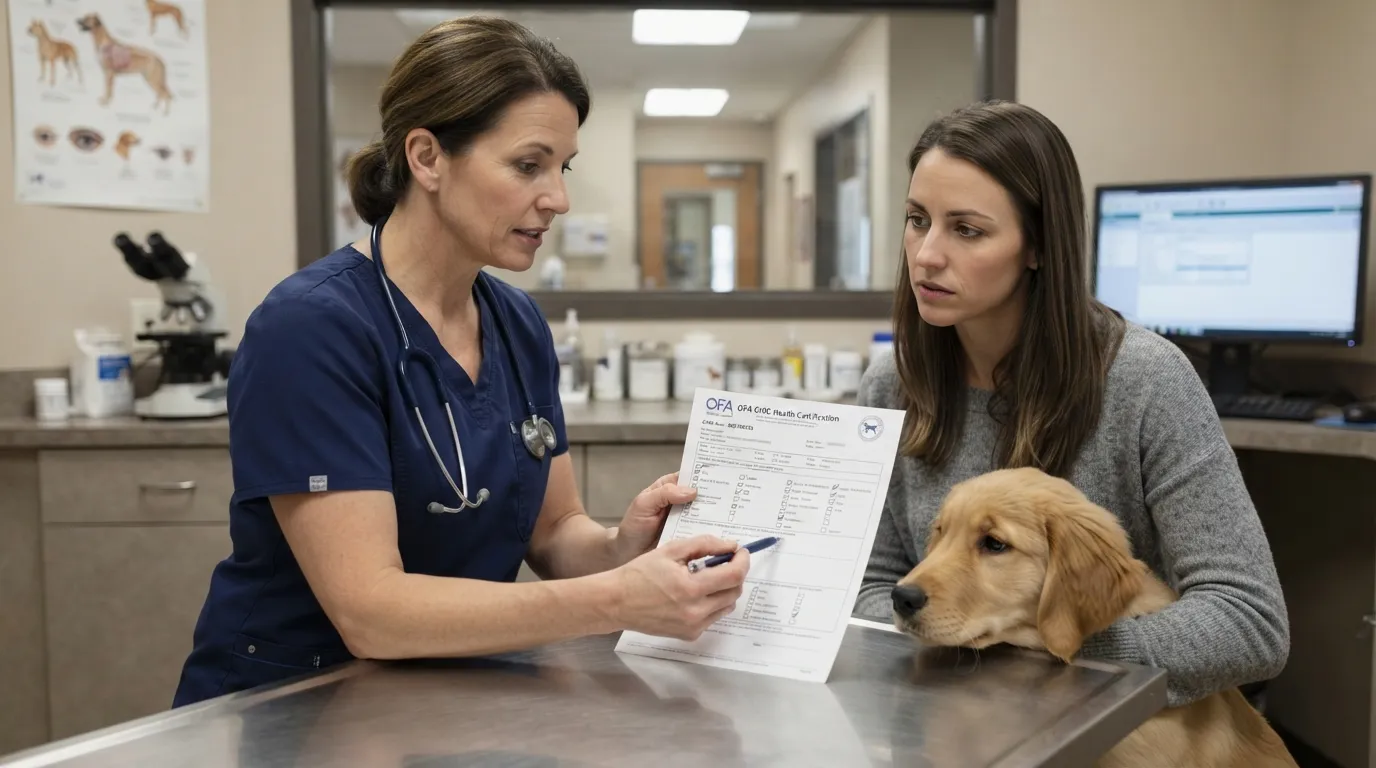
Many owners see a CHIC number in the paperwork and assume it’s a clean bill of health. That’s not what it means.
A CHIC number simply confirms the required health tests were completed for that breed – it says nothing about the results. Worse, abnormal results can be excluded from the public database entirely if the owner requests it.
Quick Compare
- CHIC number: confirms the tests were done, not the outcome
- OFA results: show the actual pass or fail findings
- Public database: abnormal results can be hidden at the owner’s request
- Smart move: ask for OFA numbers and verify both parents at ofa.org
You could be looking at a dog with known health problems and never find out unless you dig. Ask breeders for the actual OFA results, not just CHIC status, and verify them directly at ofa.org for both parents.
Slide #2 is where most owners completely drop the ball after bringing a puppy home.
#2 – A Single Vet Visit Isn’t Enough – Purebreds Need Breed-Specific Screening Plans
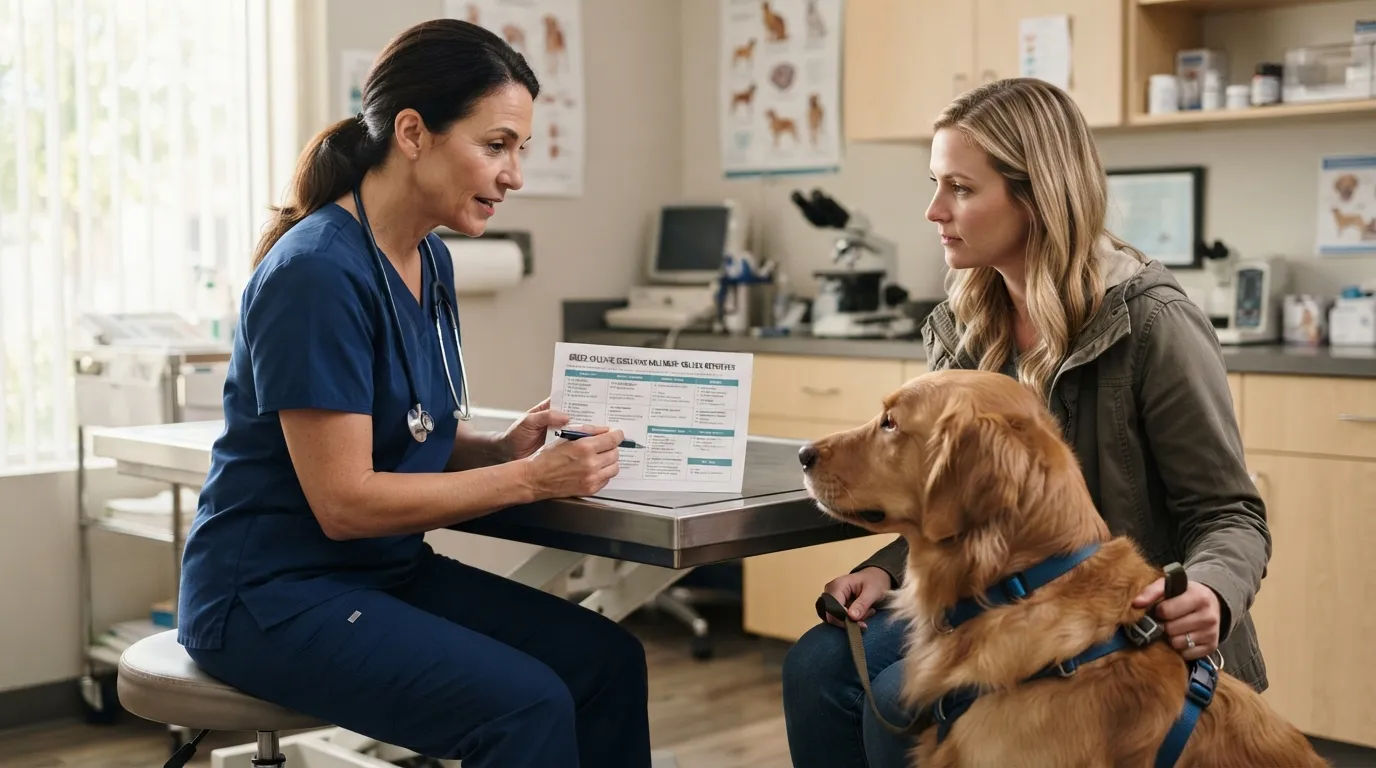
Most owners do one puppy check-up, get the vaccines, and consider the job done. For purebred owners, that’s genuinely risky.
Environment, lifestyle, activity level, and age all factor into a real care plan – and so does breed. Owners should be asking their vet what conditions their dog’s breed, size, and sex make them prone to, not waiting to find out the hard way.
A breed-specific screening calendar – which tests, at what age, for your exact breed – is what separates informed owners from reactive ones. Your vet can build one in a single appointment. Almost nobody asks.
And the #1 secret? It’s the one that changes how you think about everything on this list.
#1 – DNA Health Testing Is the Single Most Powerful Tool Purebred Owners Aren’t Using
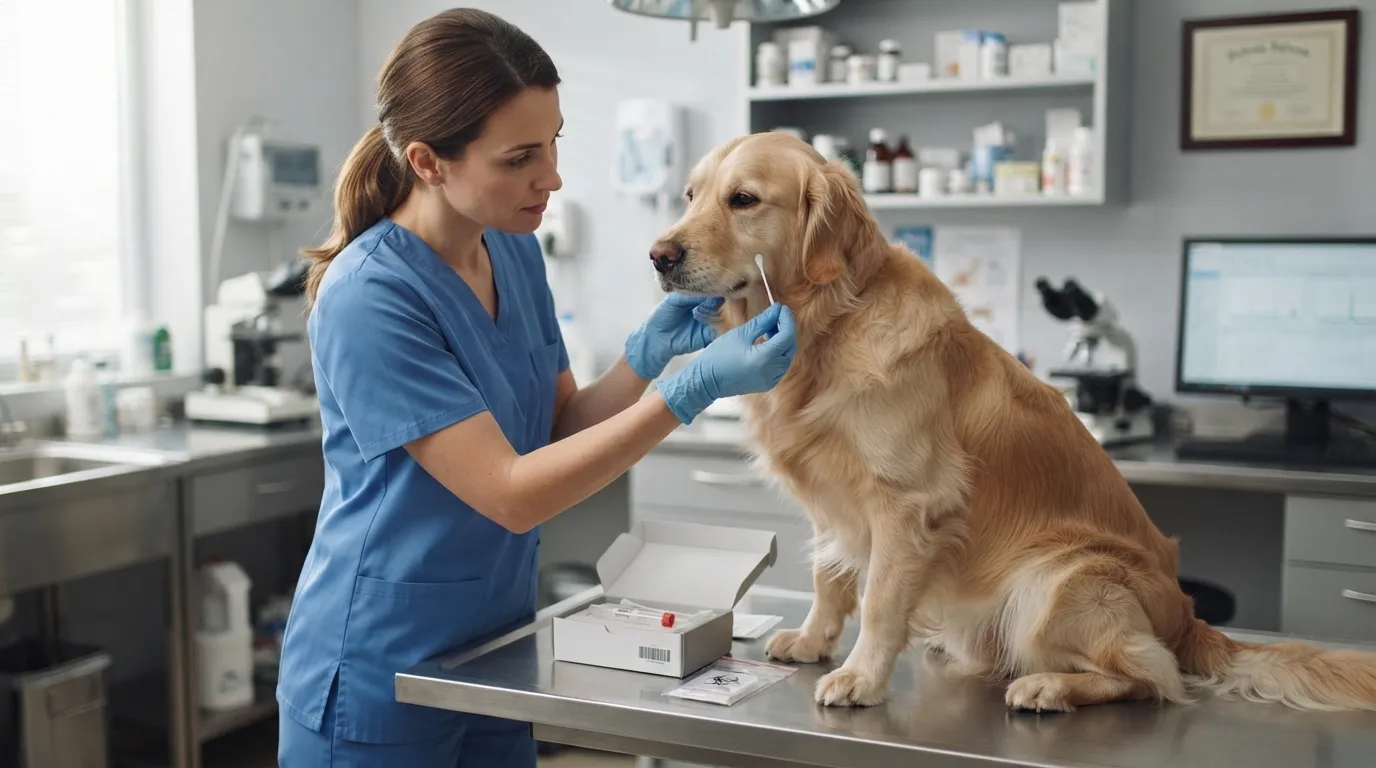
This is the one veterinarians wish every purebred owner would act on immediately – and the one most people ignore.
DNA testing can flag a dog’s risk for specific genetic conditions before those conditions ever become visible. The AKC’s DNA program covers over 328 markers for health and traits, and consumer kits like Embark and Wisdom Panel screen for hundreds of conditions a routine vet visit will never catch.
Knowing your dog carries a gene variant for heart disease, drug sensitivity, or a neurological condition gives you a head start that can genuinely add years to their life. It’s not a luxury purchase – it’s arguably the smartest investment a purebred owner can make.
The Bottom Line
Purebreds aren’t doomed – but they come with a roadmap of predictable risks, and most owners never read it.
A dog’s health is shaped by genetics, diet, and daily care, not breeding alone. The difference between a purebred that thrives and one that suffers usually comes down to informed, proactive ownership – breed-specific screening, DNA testing, honest conversations with your vet, and never dismissing “typical breed behavior” without a second look.
The secrets on this list were never actually hidden. They were just rarely told to the owners who needed to hear them – until now.