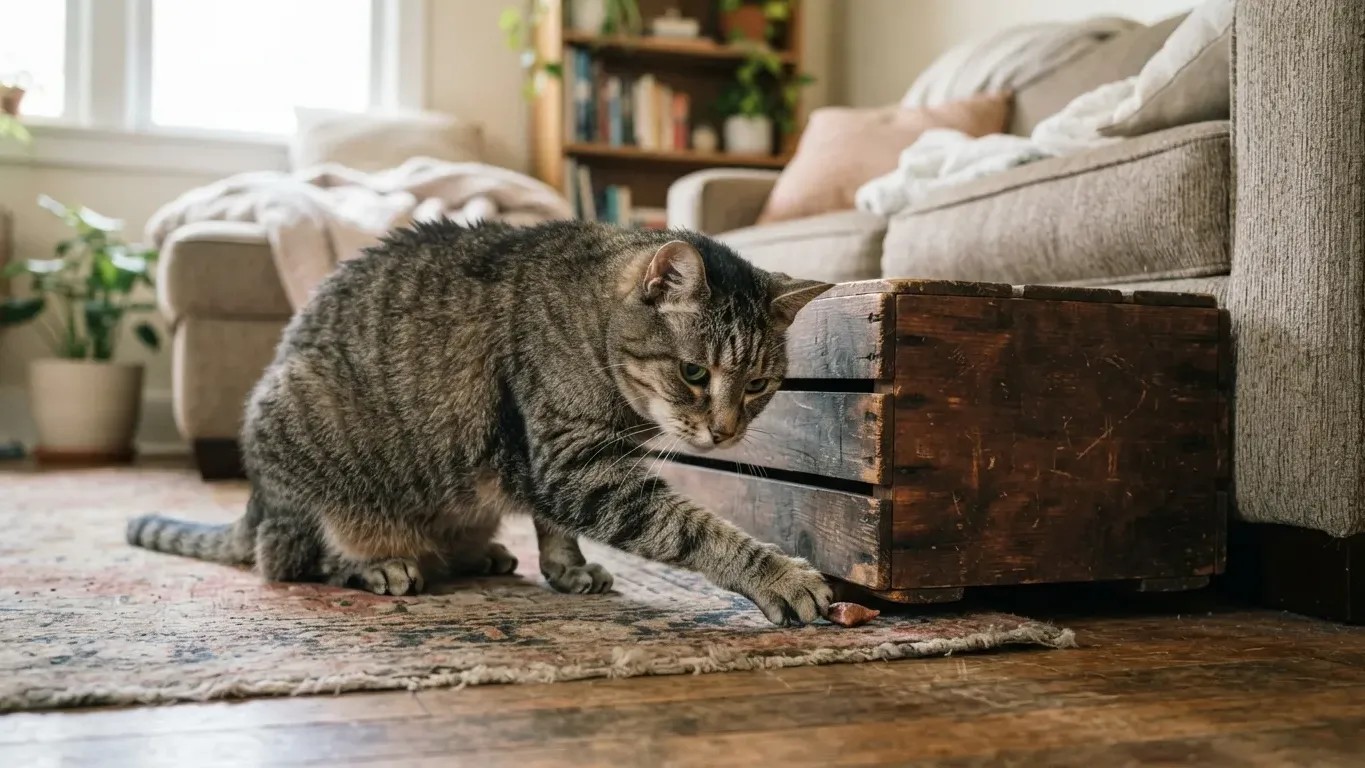
Everyone assumes the kitten is the genius in the room – all wide eyes, quick paws, and endless curiosity. Real feline research says otherwise, and it’s not even close.
Senior cats carry something a kitten literally cannot have yet: years of stored memory, sharpened instinct, and social skills built one quiet observation at a time. Here are 14 ways an older cat’s mind runs circles around a kitten’s, backed by what researchers have actually found.
#14 – They Understand Cause and Effect in Ways Kittens Simply Don’t Yet
A kitten swats at a dangling toy because impulse fires first – no plan, no pause. Your senior cat watches, calculates, then moves with intention.
Kittens learn survival basics by copying their mothers. Adult cats keep refining those instincts for the rest of their lives through trial and error.
Intelligence means something specific here: the ability to learn from an experience, store it, and apply it later in a brand-new situation. Your senior cat has been doing exactly that for over a decade.
A kitten is still building the database. Your old cat is already running searches on it.
And #13 is where things get even more impressive.
#13 – Their Working Memory Outperforms What You’d Expect
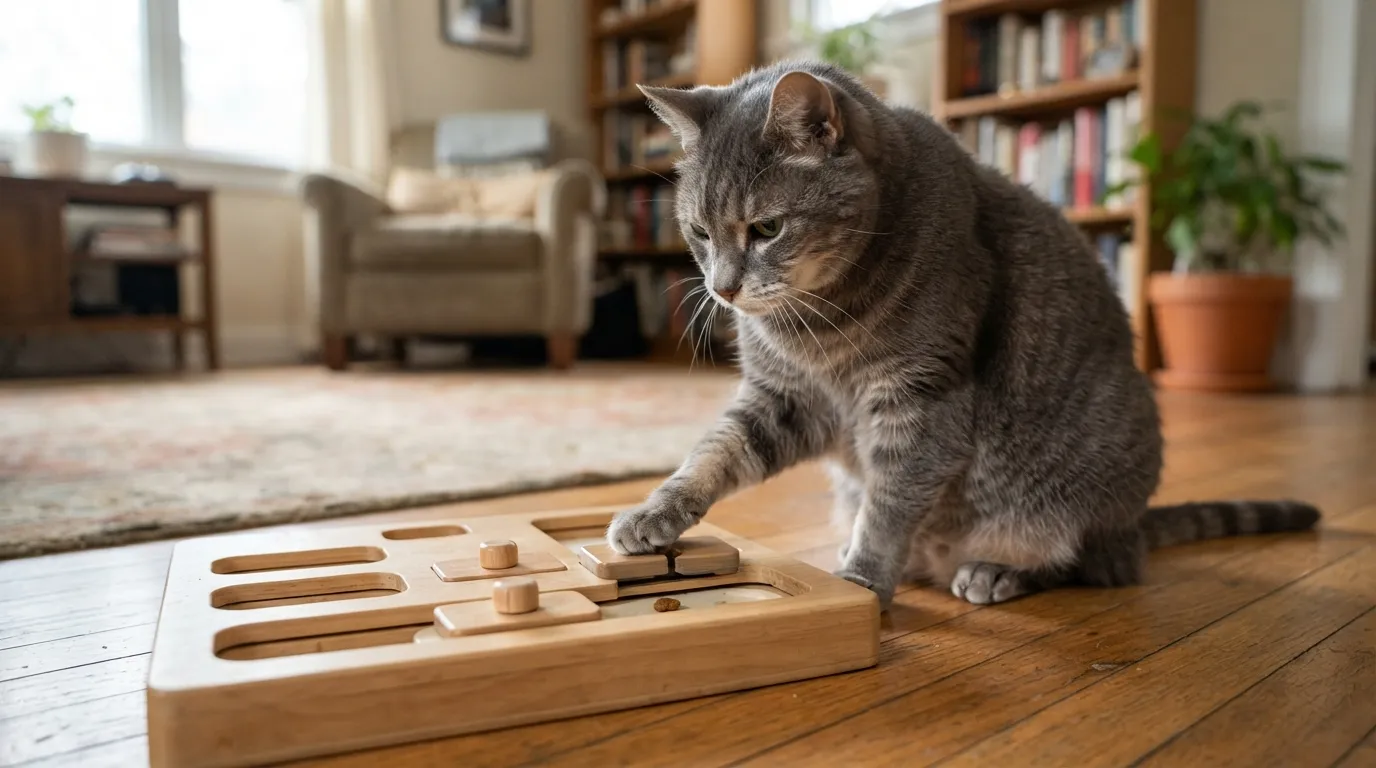
Here’s a fact that might make you look at your elderly cat differently for good.
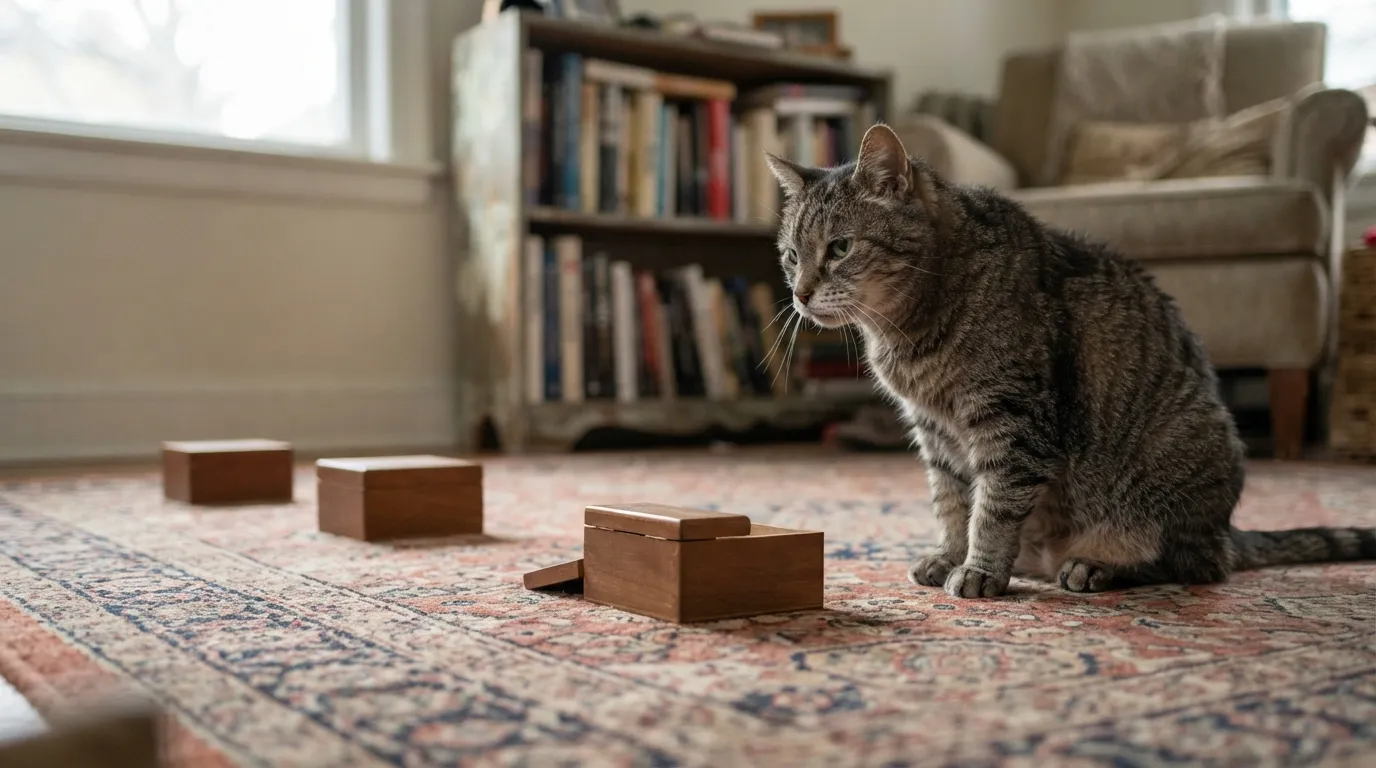
Cats hold information in working memory for roughly 16 hours – compare that to a dog’s five. In recall tests, cats correctly returned to the right box up to 16 hours later, outperforming monkeys and orangutans on the same kind of task.
Fast Facts
- Working memory span: about 16 hours in cats.
- Dogs, by comparison, average roughly 5 hours.
- Long-term feline memories can persist for 10 to 15 years or more.
A kitten hasn’t lived long enough to fill that memory with anything meaningful yet. Your senior cat has been filling it for years, and some of those memories can last a lifetime.
But #12 might be the most surprising one on this entire list.
#12 – Senior Cats Actually Perform Better on Certain Learning Tasks
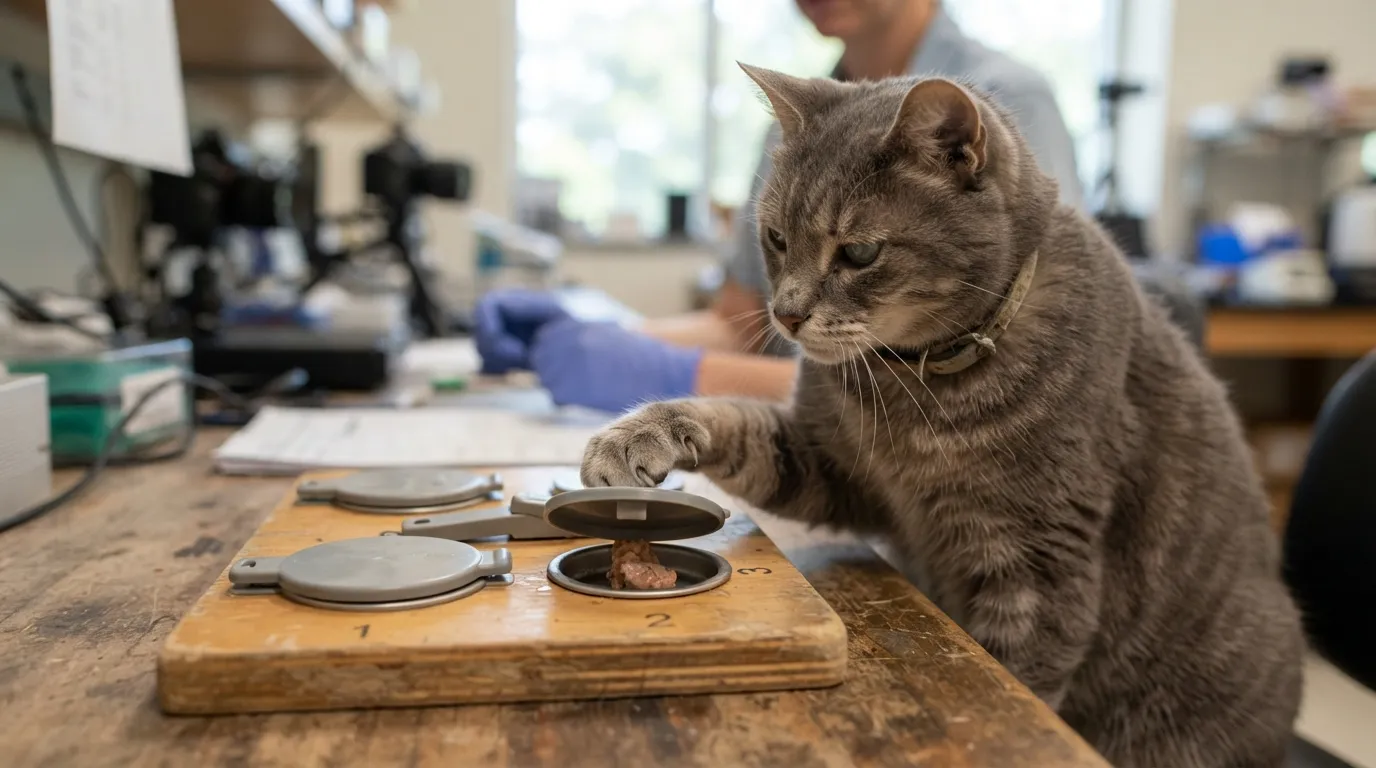
This one reportedly caught the researchers themselves off guard.
In a spatial-reversal learning task, cats aged 11 to 16 made fewer errors and reversed their learned behavior faster than younger cats did. Read that again – the oldest cats won.
A lifetime of problem-solving seems to build cognitive shortcuts that younger brains simply haven’t earned yet. Cats can even form what scientists call “learning sets” – a skill once believed to exist only in primates.
Which makes #11 make a lot more sense.
#11 – They Can Read Your Emotions With Uncanny Accuracy
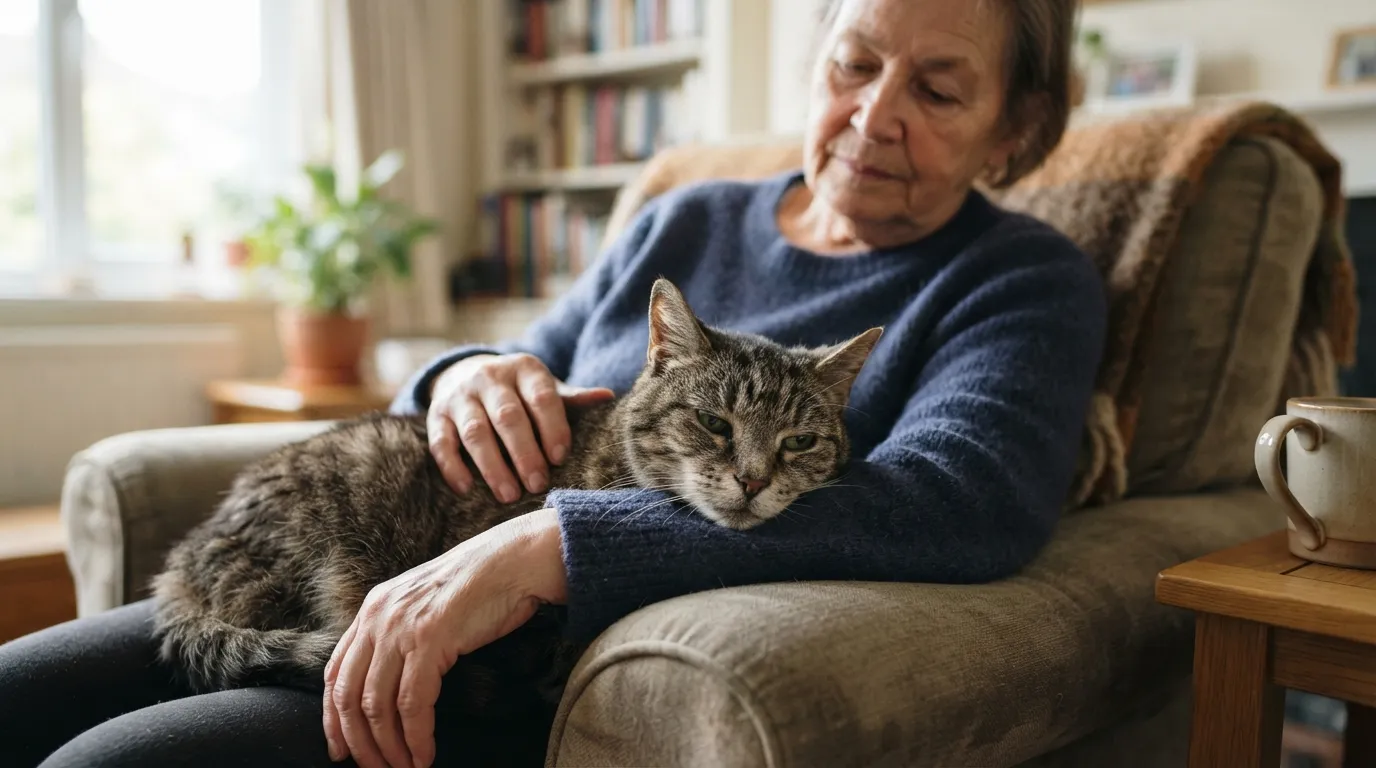
Kittens are chaos agents, all instinct and no filter. Your senior cat reads the room before it even walks in.
Cats get labeled aloof, but that reputation is mostly wrong. They pick up on human moods with real precision – curling up next to you when you’re low, getting extra playful when you’re upbeat.
A senior cat has spent years calibrating that emotional radar on one specific household – yours. A kitten, meanwhile, is still figuring out what a human even is.
Now here’s where it gets personal – #10.
#10 – They Recognize Your Voice – and Know Exactly What It Means
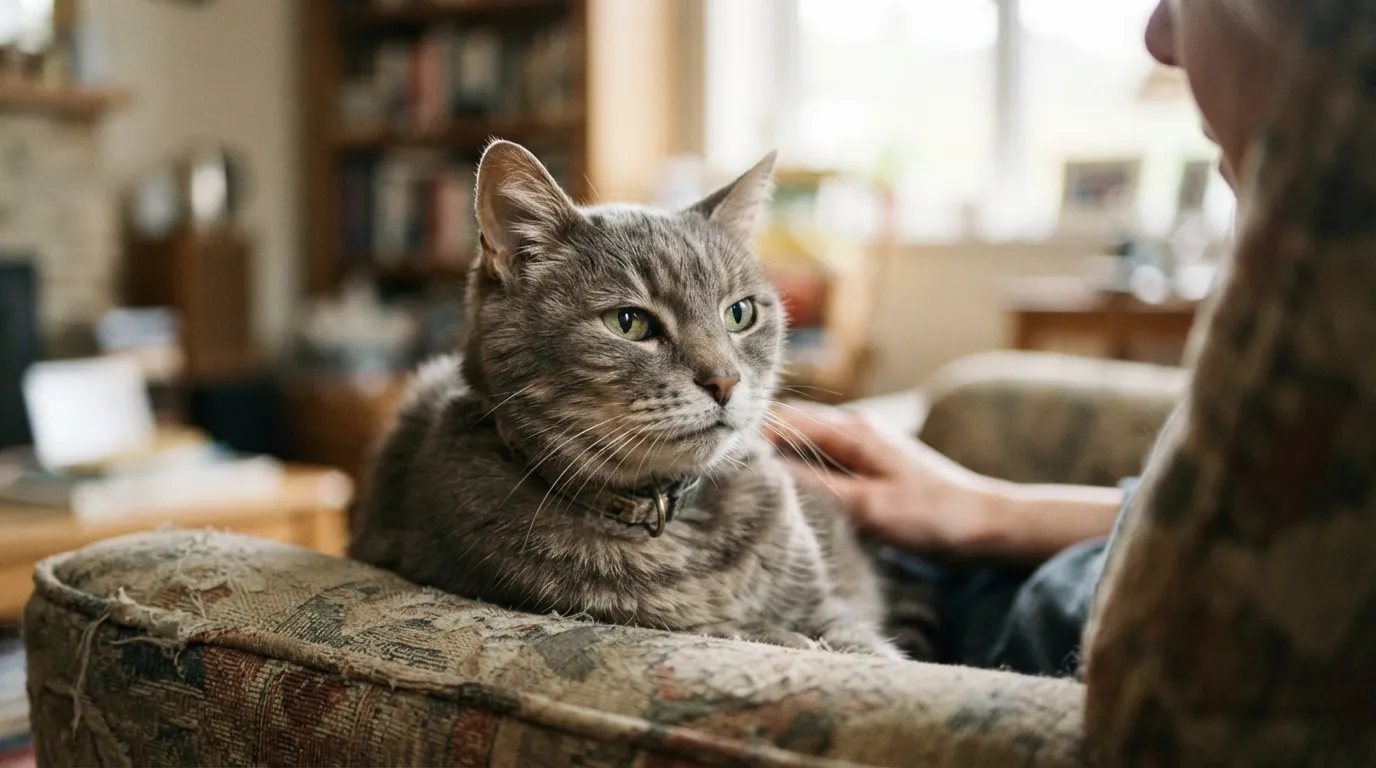
Your senior cat isn’t ignoring you when it seems unbothered by your voice. It’s processing tone with years of built-up context.
Cats can recognize specific human voices and form real attachments. A senior cat takes it further, filing away years of vocal patterns, tone shifts, and the outcomes tied to each one.
That’s not simple recognition – that’s a finely tuned social database built over a decade. No kitten can compete with that kind of depth on day one.
Then there’s #9, and it explains a lot about your cat’s confidence.
#9 – Their Object Permanence Is Fully Developed and Operational
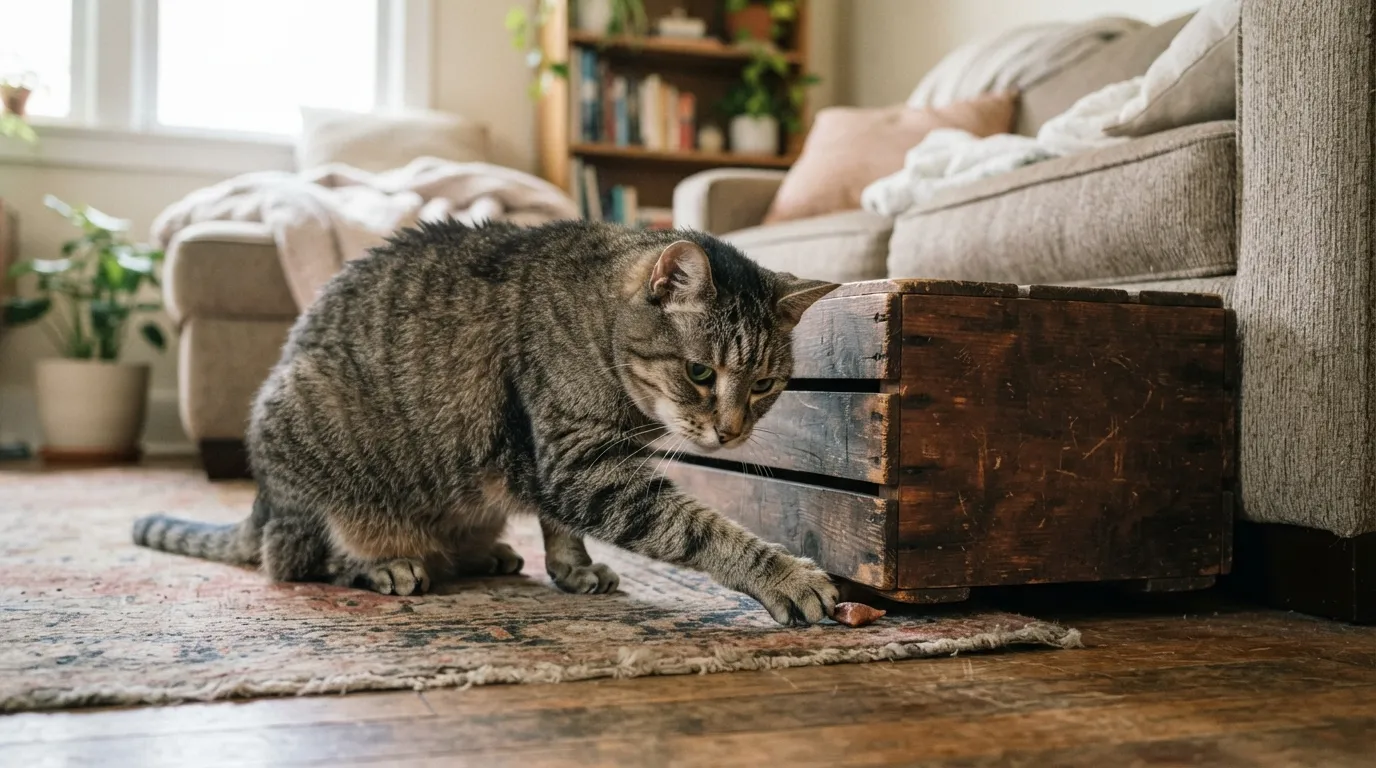
Kittens are genuinely baffled when something disappears. Senior cats are not – not even a little.
Cats understand object permanence. If they see something get hidden, they know it still exists somewhere, like under a box, and they’ll go find it.
This is exactly why your senior cat locates hidden treats while your kitten loses track of its own tail. Years of working memory paired with long-term memory let an older cat get what it wants, even when something tries to stop it.
#8 shows just how strategic that memory really is.
#8 – Senior Cats Use Associative Memory Like a Strategic Tool
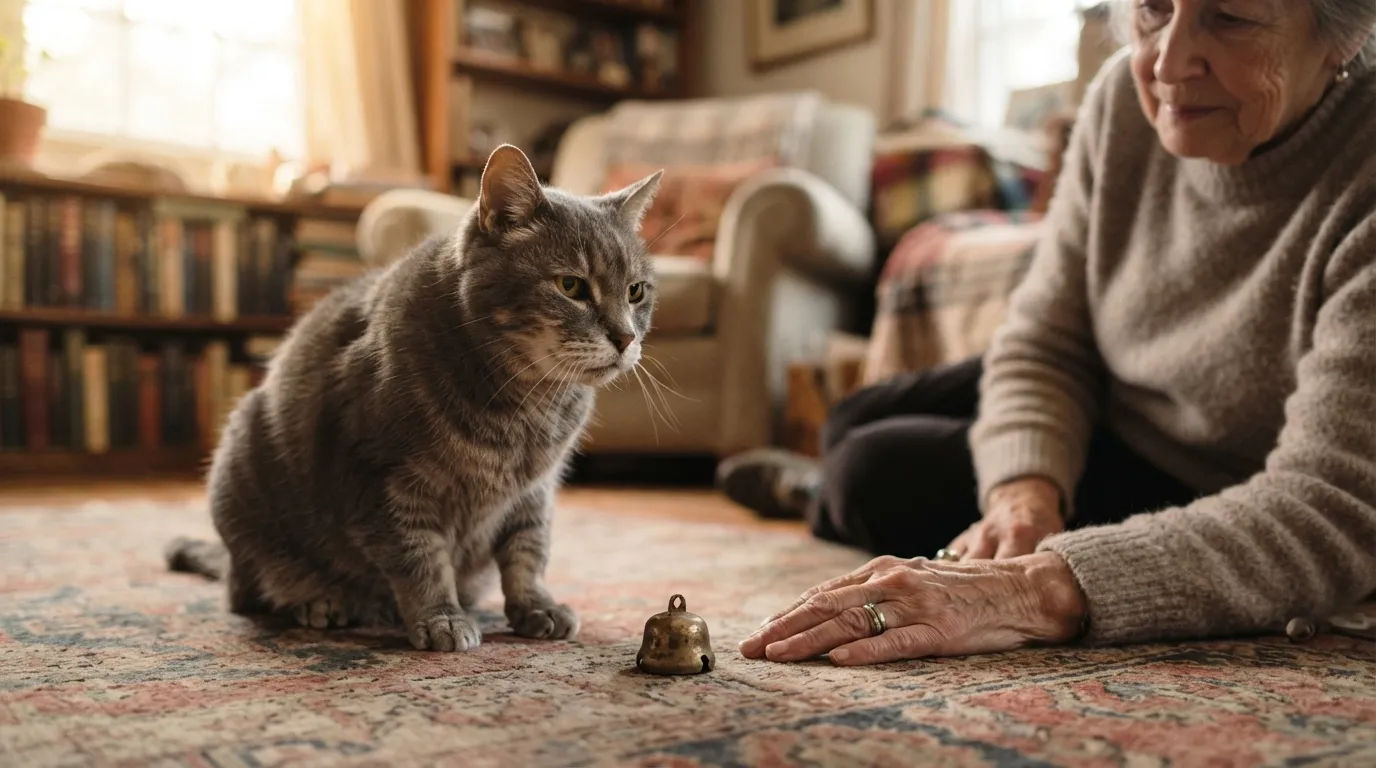
A kitten stumbles into discoveries by accident. Your senior cat remembers every lesson it has ever earned the hard way.
Cats don’t recall events chronologically the way humans do – they rely on associative memory instead. That means people, places, and experiences get filed away by emotional connection, not by timeline.
Quick Compare
- Kitten: reacts in the moment, with little tie to past experience.
- Senior cat: files every event by emotional weight, not by date.
- Payoff: a lifetime map of who’s safe, what works, and which routines deliver.
That kind of layered memory becomes a survival advantage no kitten has built yet. Emotion-tagged memories like these tend to last far longer than random ones ever could.
Which leads straight into #7 – patience as a weapon.
#7 – They Have Mastered the Art of Strategic Patience
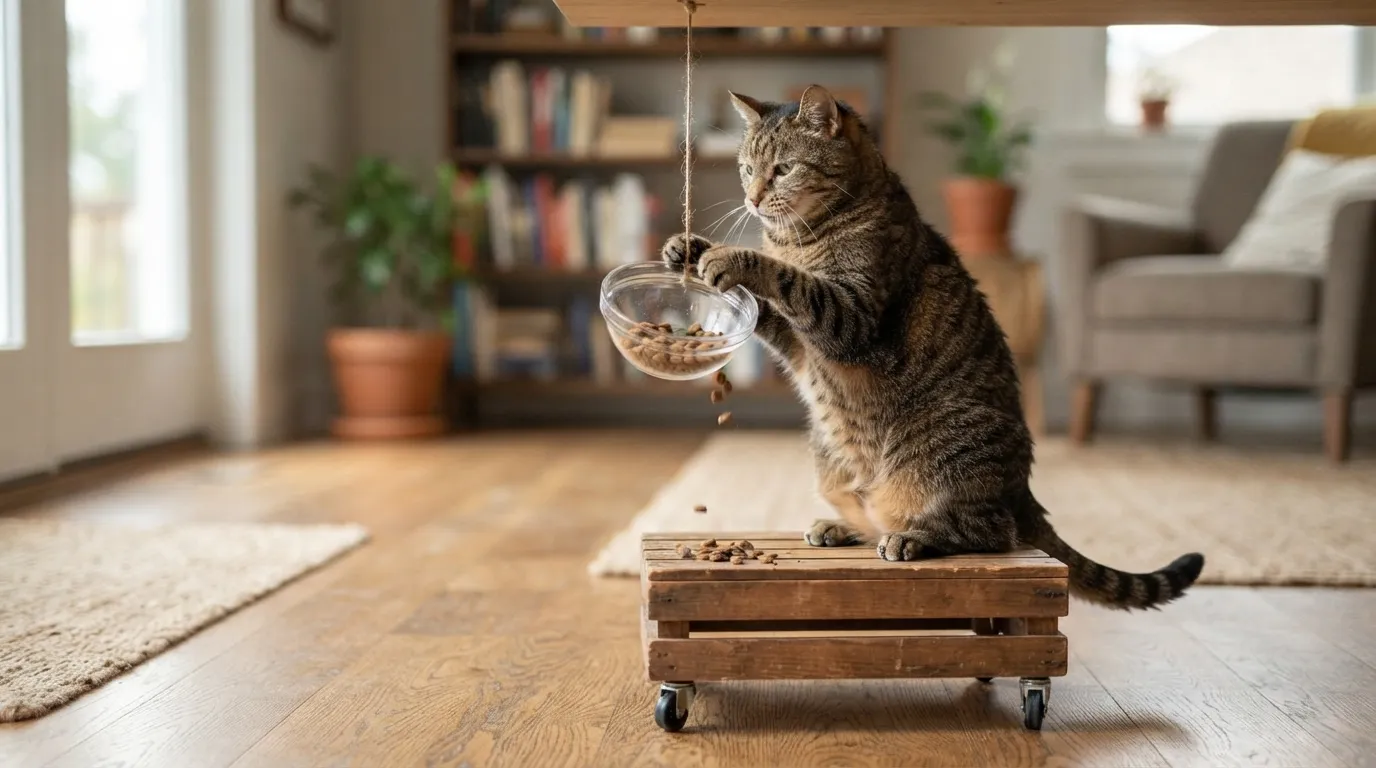
Any kitten owner knows the drill: act first, think never. Senior cats operate in the exact opposite order.
In one documented case, a cat trained to pull a box on wheels combined that skill with its own insight to solve a brand-new problem – pulling the box to a specific spot and using it, step-stool style, to reach food hanging from the ceiling.
That kind of multi-step planning takes accumulated experience, not raw kitten energy. Meanwhile, most kittens are still working on the basics, like not falling off the couch.
#6 is the one that will make you question who’s really in charge.
#6 – They Know How to Train You – Not the Other Way Around
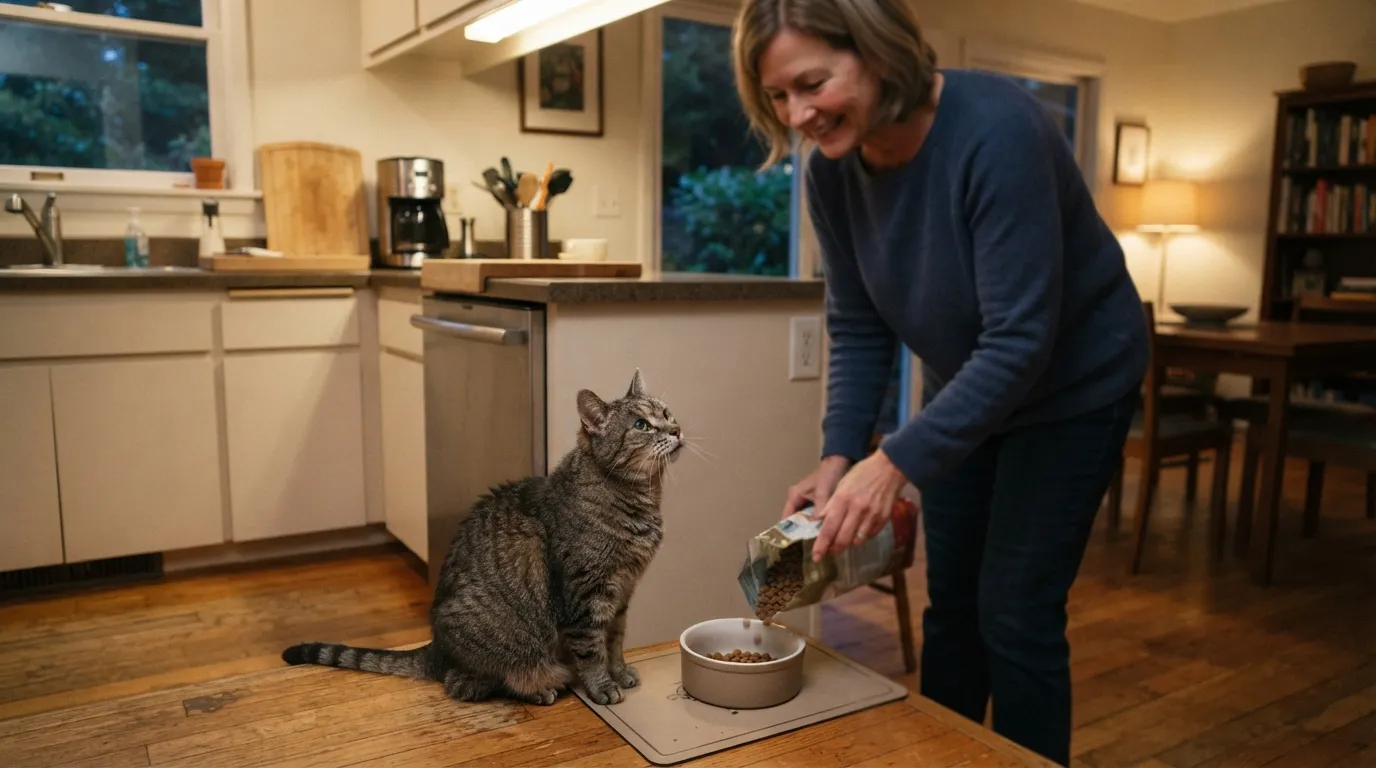
Most owners think they’ve trained their cat. Experts studying feline behavior suggest it’s almost certainly the reverse.
Social intelligence in cats includes reading human emotions and using that information to get exactly what they want. Senior cats have had years to map every soft spot, every habit, and every weak point in your daily routine.
A kitten is still crying randomly and hoping something works. Your senior cat has you running on a schedule it designed.
#5 proves that even their senses have gotten smarter.
#5 – Their Sensory Awareness Is Sharper and More Selective
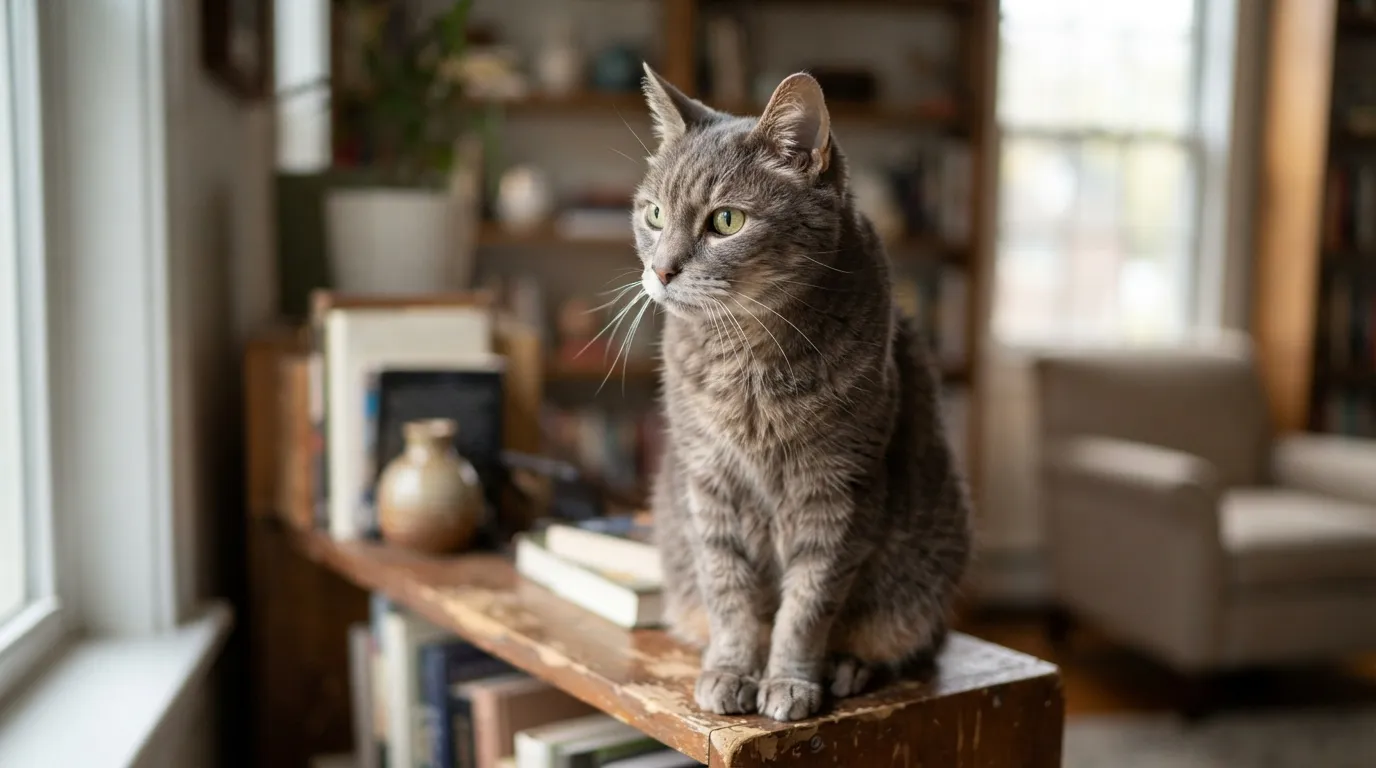
Older doesn’t mean duller, especially when it comes to tuning into what actually matters.
Research shows older cats respond more strongly to sounds than younger cats do, and their reactions last longer. That’s not decline – it’s a form of learned filtering that separates meaningful noise from background static.
Years of sensory experience mean a senior cat isn’t startled by a sound – it’s evaluating it. That’s refined intelligence, not a sign of slowing down.
#4 gets even more personal – because this one is about you specifically.
#4 – They Have Built a Lifetime of Learned Social Bonds
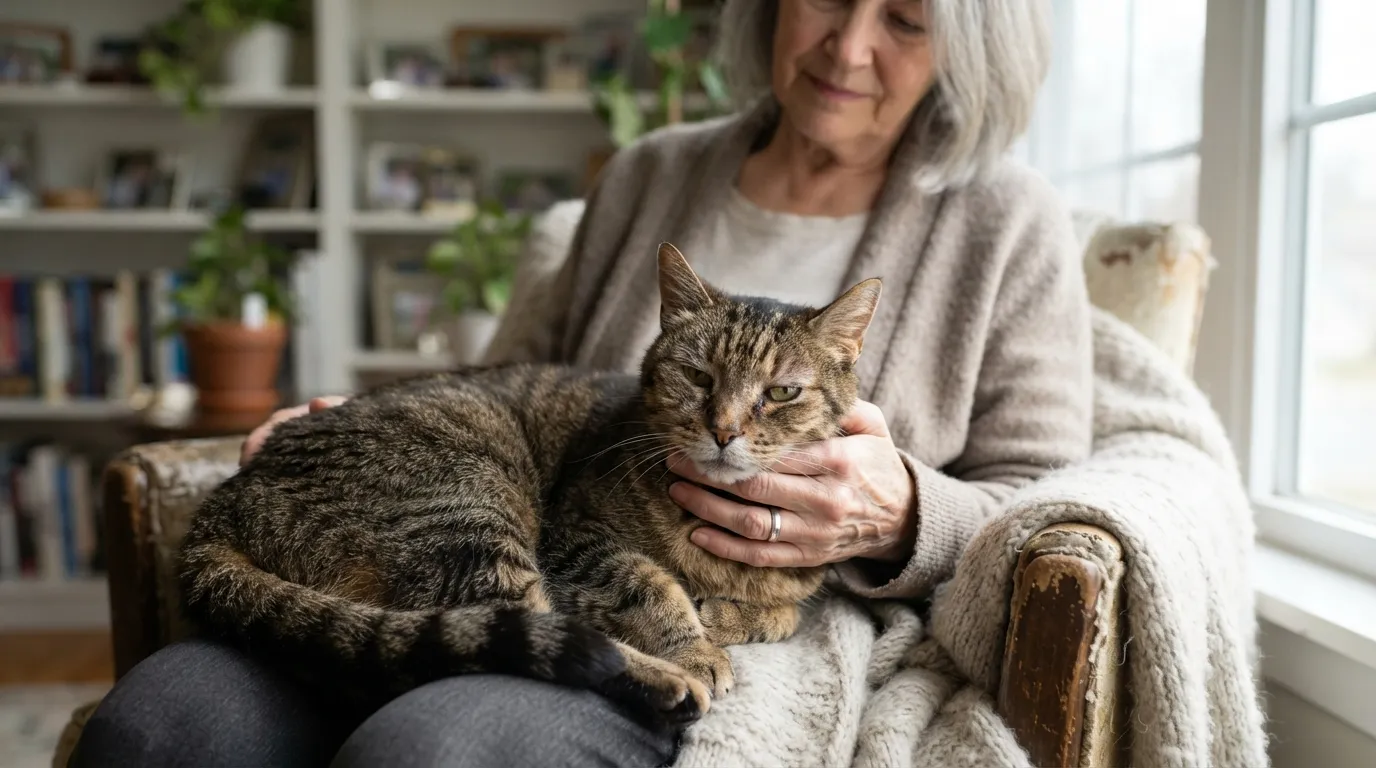
Kittens attach to whoever happens to be holding them. Senior cats have chosen you – repeatedly, deliberately, over years.
A cat’s long-term memory of a person forms through repeated daily interactions across multiple senses at once – scent, voice, and emotional association layered together.
That kind of multi-year, multi-sensory recognition of one specific human is something no kitten can replicate. Senior cats have done the time, and they remember every chapter of your shared story.
#3 is the one most owners never even hear about.
#3 – Their Brains Are a Proven Research Model for Complex Cognition

This is the finding that completely reframes how scientists think about aging cat brains.
Researchers at the University of Edinburgh, working with teams in the UK and California, examined the brains of aging cats using high-resolution confocal microscopy, focused on the regions tied to memory and learning. What they found looked eerily familiar to neurologists who treat human Alzheimer’s patients.
Worth Knowing
- The study examined brain tissue from 25 cats across young, aged, and cognitively affected groups.
- Nearly half of cats over age 15 show at least one sign linked to cognitive decline.
- Unlike lab mice, cats develop these brain changes naturally, with no genetic engineering involved.
“They may also offer a more accurate model of the disease than traditional laboratory animals.”
Dr. Robert McGeachan, University of Edinburgh
Senior cat brains are complex enough to mirror human neurological aging – a level of sophistication no kitten brain has reached yet. That makes them unusually close, naturally occurring models for real human patients.
#2 is a mental skill scientists once thought belonged to primates alone.
#2 – They Have Developed Genuine Conceptual Thinking
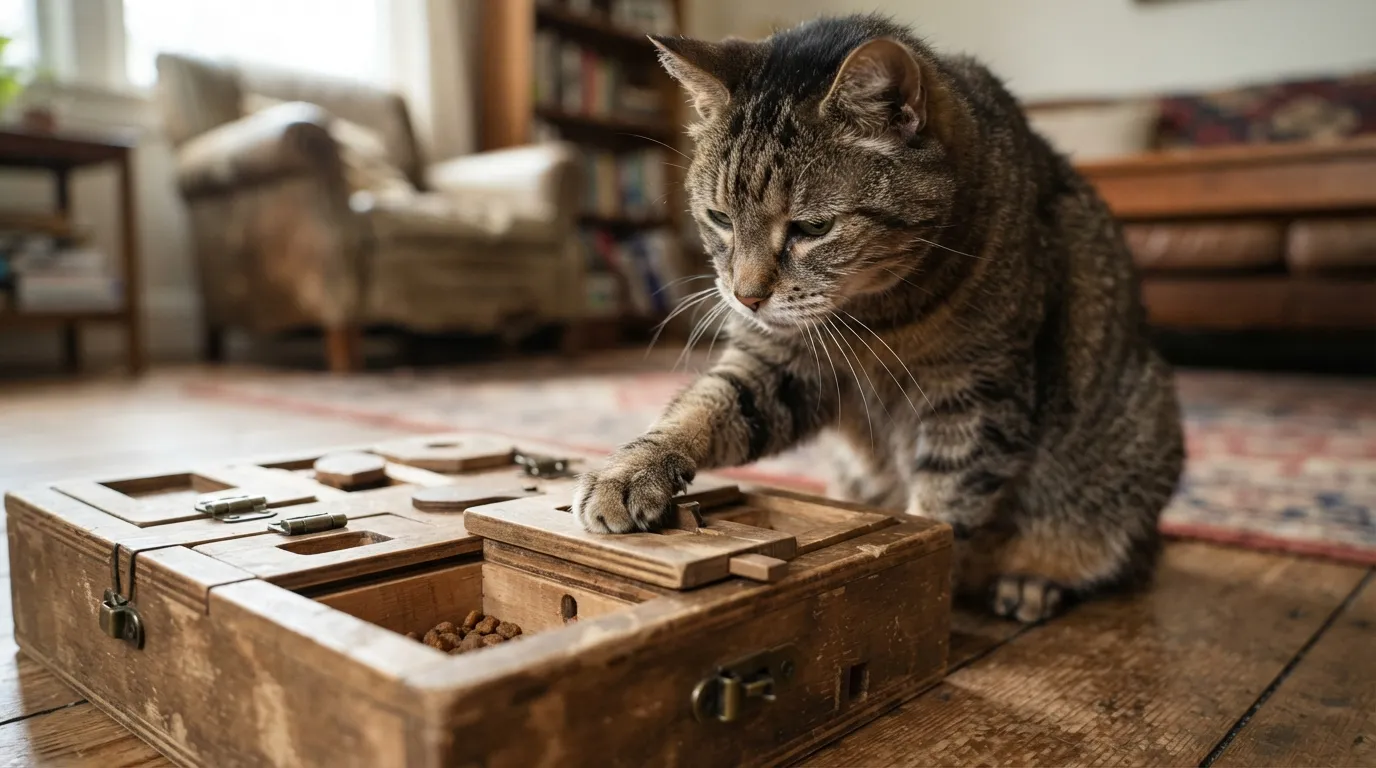
Researchers once believed only primates could do this. Your senior cat has quietly been doing it the whole time.
Cats can form what’s called “learning sets” – a flexible kind of reasoning once thought to be exclusive to primates. In puzzle-box studies, cats adapted their strategies whenever the puzzle changed, proving they could think flexibly rather than rely on a single memorized trick.
A senior cat has applied that same flexible, concept-based thinking across years of new challenges. It’s the kind of cognitive skill that only shows up after a lifetime of practice.
Save the biggest one for last – #1 changes everything.
#1 – Their Memory May Last an Entire Lifetime
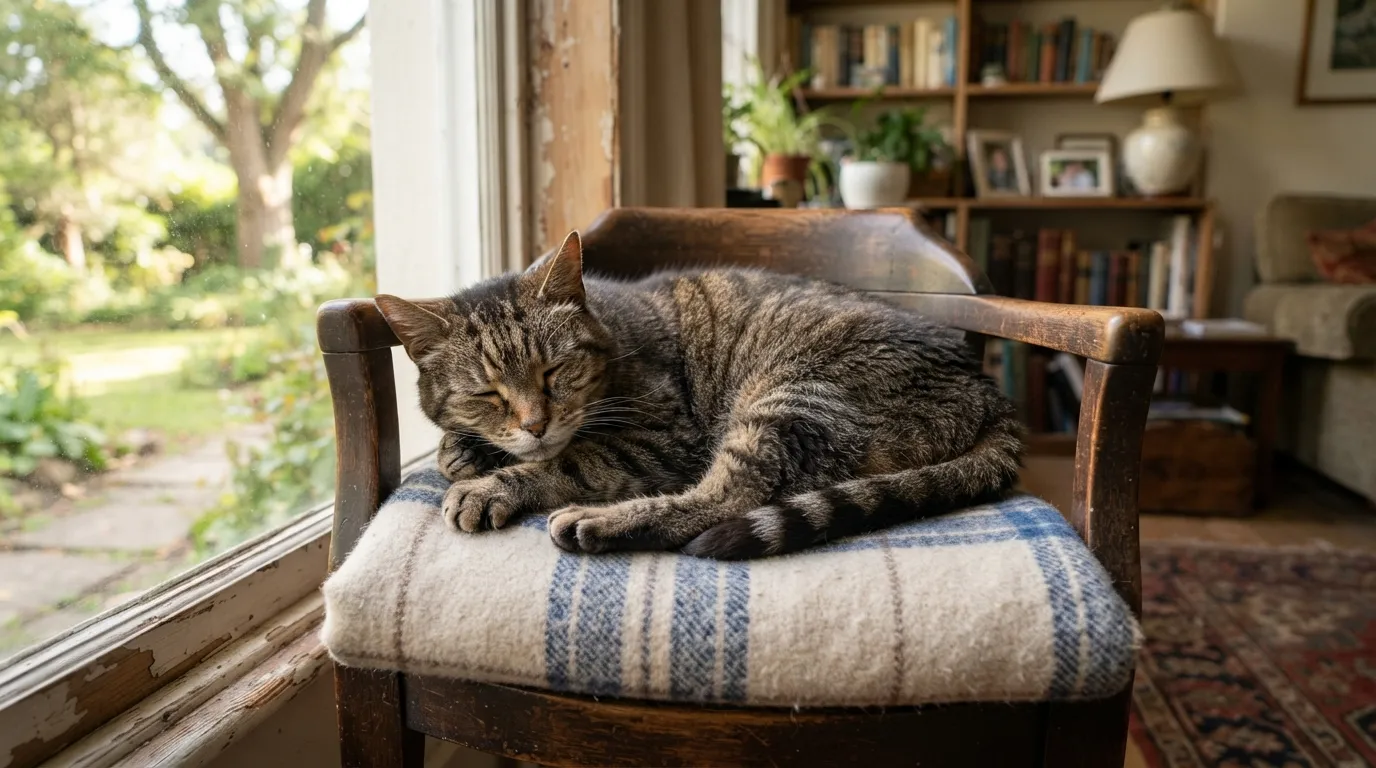
Everything on this list leads here. This is the single most underestimated fact about senior cats.
It’s difficult to measure precisely, but researchers believe cats can retain memories for their entire lives – up to 15 to 20 years in some cases. Memory access seems to last a lifetime too, and it’s sharpest when tied to a strong emotion, like love for a favorite person or excitement over a favorite food.
Your senior cat isn’t just remembering yesterday. It may be carrying a decade or more of emotionally indexed memories about your home, your habits, and you specifically. No kitten, no matter how cute or chaotic, comes anywhere close to that.
The Bottom Line
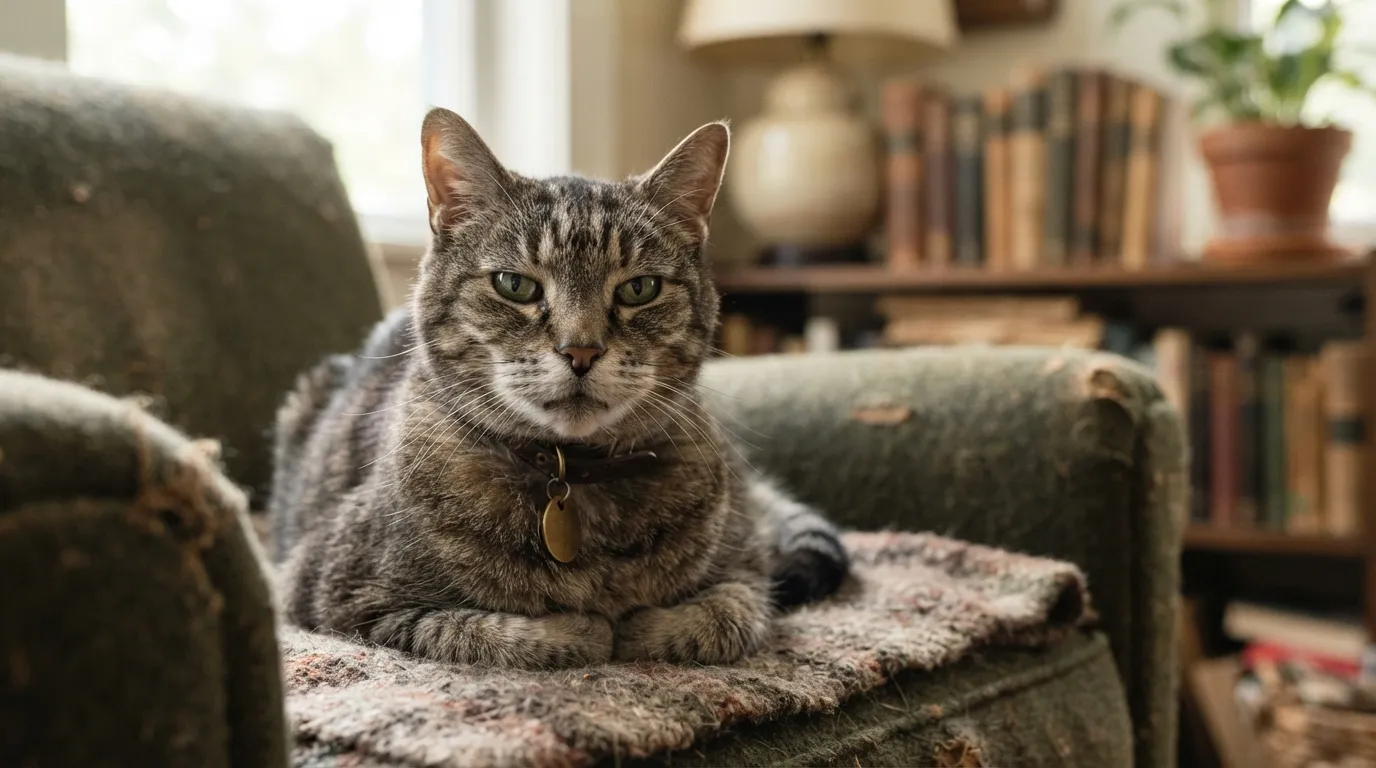
Kittens get all the attention. Senior cats have quietly earned the respect.
The research keeps saying the same thing: older cats carry real, measurable cognitive advantages – sharper emotional intelligence, decade-deep associative memory, and a kind of conceptual thinking once reserved for primates.
A kitten is a beautiful blank slate. A senior cat is a finished masterpiece, one that has spent years quietly learning exactly who you are.
The next time your old cat gives you that long, knowing stare, remember – it probably already knows something about you that you haven’t noticed yet.