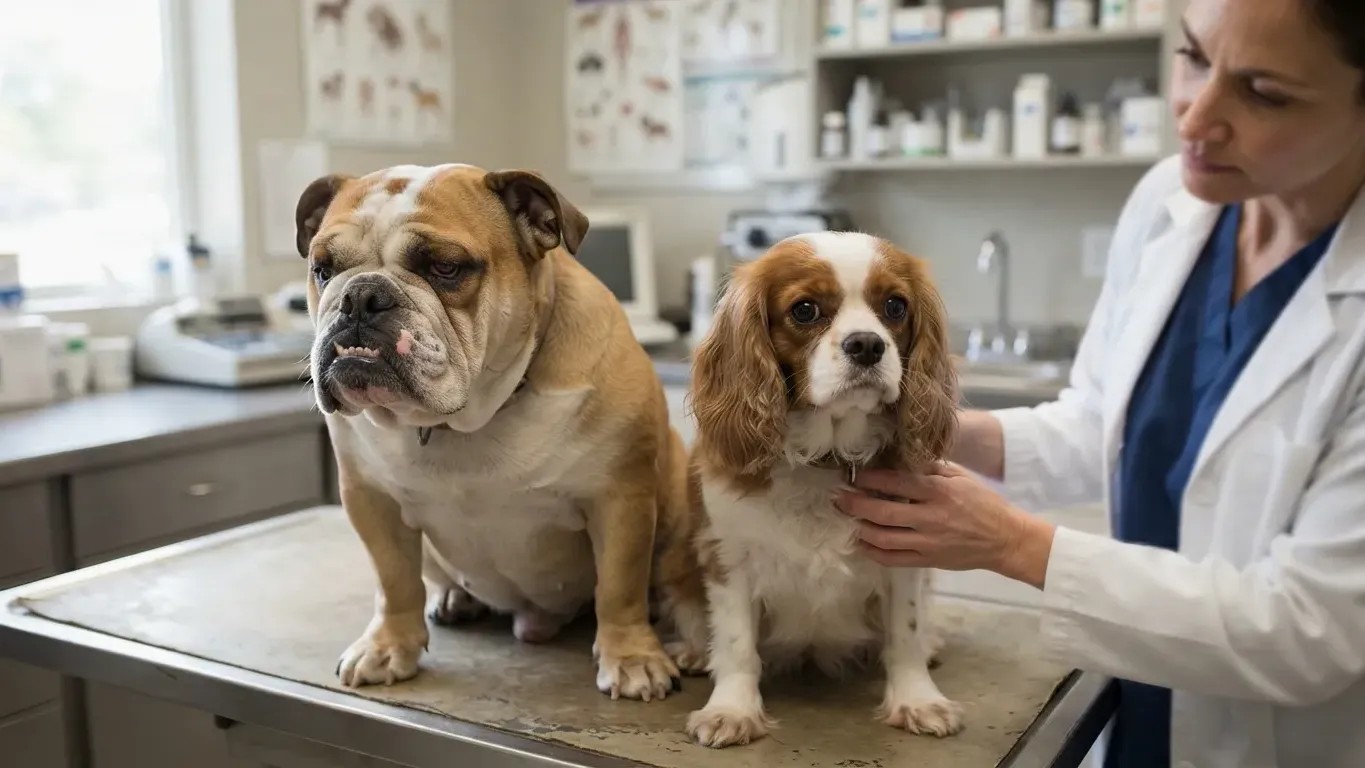
Ask any purebred owner why they picked their dog, and you’ll hear the same word over and over: predictable. Same size, same coat, same temperament, every single time.
What breeders rarely mention is that predictability cuts both ways. Vets have quietly watched the same bloodlines produce the same diseases for decades – and they’re finally willing to say it out loud, on the record, with the data to back it up.
#15 – Inbreeding Depression: The Silent Foundation of It All
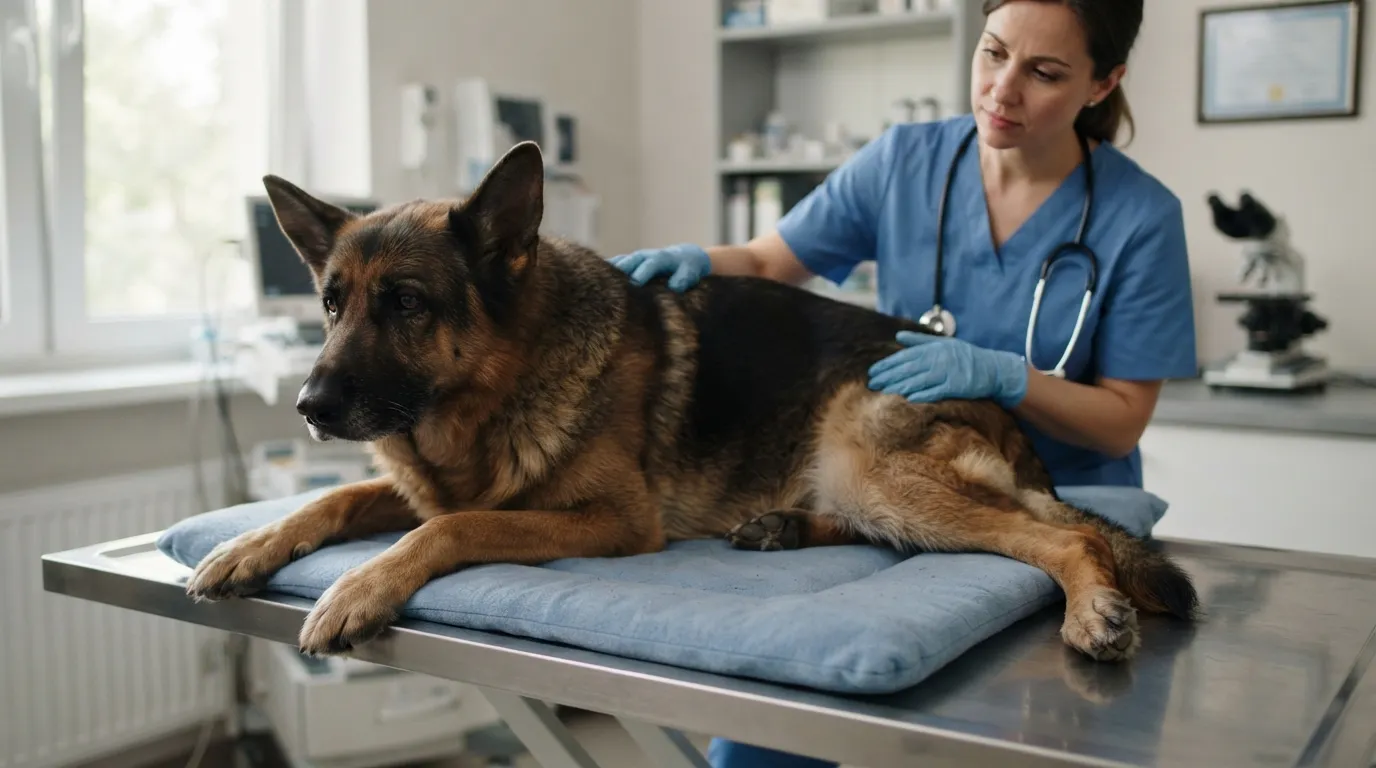
Closed gene pools are the root cause almost nobody talks about. Every disease on this list eventually traces back to one uncomfortable fact.
Selective breeding created over 200 recognized dog breeds – and in the process, it concentrated both desirable traits and harmful mutations in the same tight gene pools. Researchers have directly linked this to conditions like degenerative myelopathy and hip dysplasia.
This isn’t opinion. It’s basic population genetics, quietly compounding for over a century.
Every risk on this list traces back here. Wait until you see what it produces in specific breeds.
#14 – Hip Dysplasia: The Orthopedic Epidemic No One Warned You About
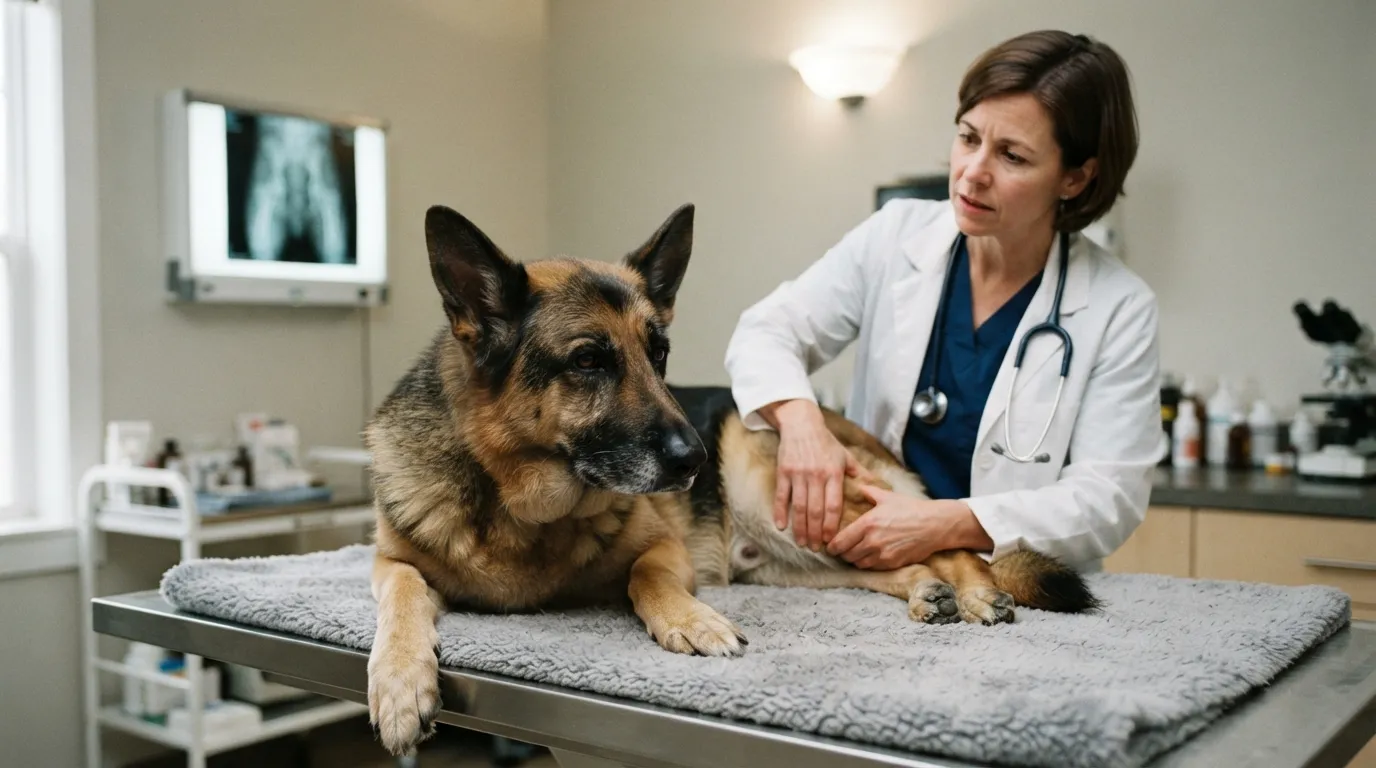
Hip dysplasia is so common in certain breeds that vets now screen for it as routine. German Shepherds are practically synonymous with the condition – a poor fit between the ball and socket of the hip joint that leads straight to arthritis.
Golden Retrievers, Labrador Retrievers, and other large breeds face the same fate. Abnormal hip socket formation triggers lameness, chronic pain, and a slow loss of mobility.
The cruel part? The damage is often irreversible by the time an owner even notices the limp.
Surgery can cost thousands and still doesn’t guarantee a full recovery. But hip dysplasia isn’t the only joint disaster hiding in purebred lines.
#13 – Elbow Dysplasia: The Overlooked Twin
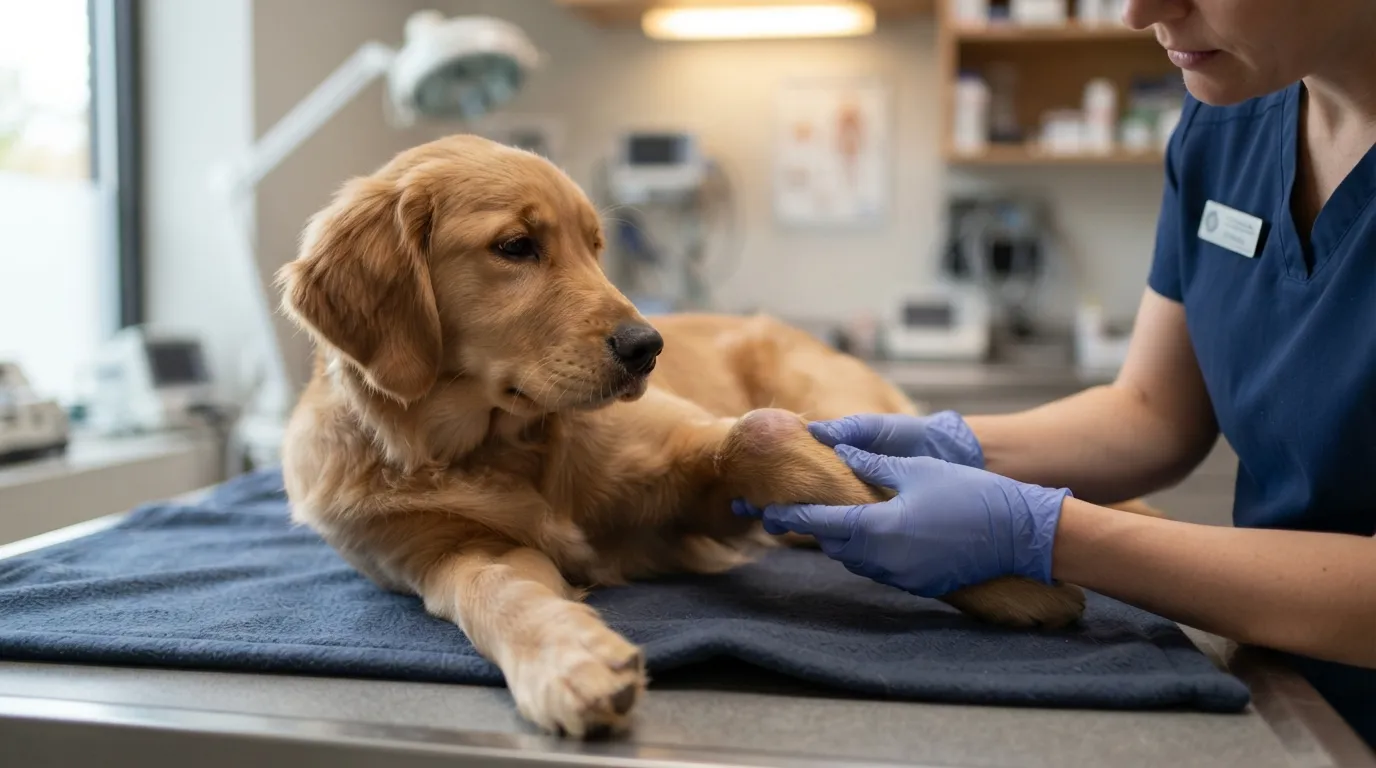
Everyone knows about hip dysplasia. Far fewer realize elbow dysplasia quietly stalks the exact same breeds.
A UC Davis analysis of 88,635 dogs identified elbow dysplasia as one of ten inherited conditions notably more common in purebreds than mixed breeds. It strikes the front leg joints and can appear before a large-breed puppy even turns one.
Fast Facts
- Researchers evaluated records for more than 90,000 purebred and mixed-breed dogs treated at the same UC Davis hospital between 1995 and 2010.
- For 10 of the disorders (42%), purebreds were significantly more likely to be affected than their mixed-breed counterparts.
- Elbow dysplasia and dilated cardiomyopathy, a heart condition, appeared more frequently among purebred dogs than in mixed breeds.
- The one exception: incidence of ruptured cranial cruciate ligament, mixed breed dogs were more affected than purebreds.
Labs and German Shepherds top the affected list, and many cases go undiagnosed until real damage has set in. Surgery exists, but recovery is long and results vary widely.
The next condition on this list can kill a dog without a single warning sign.
#12 – Dilated Cardiomyopathy (DCM): The Heart Condition Hiding in Plain Sight
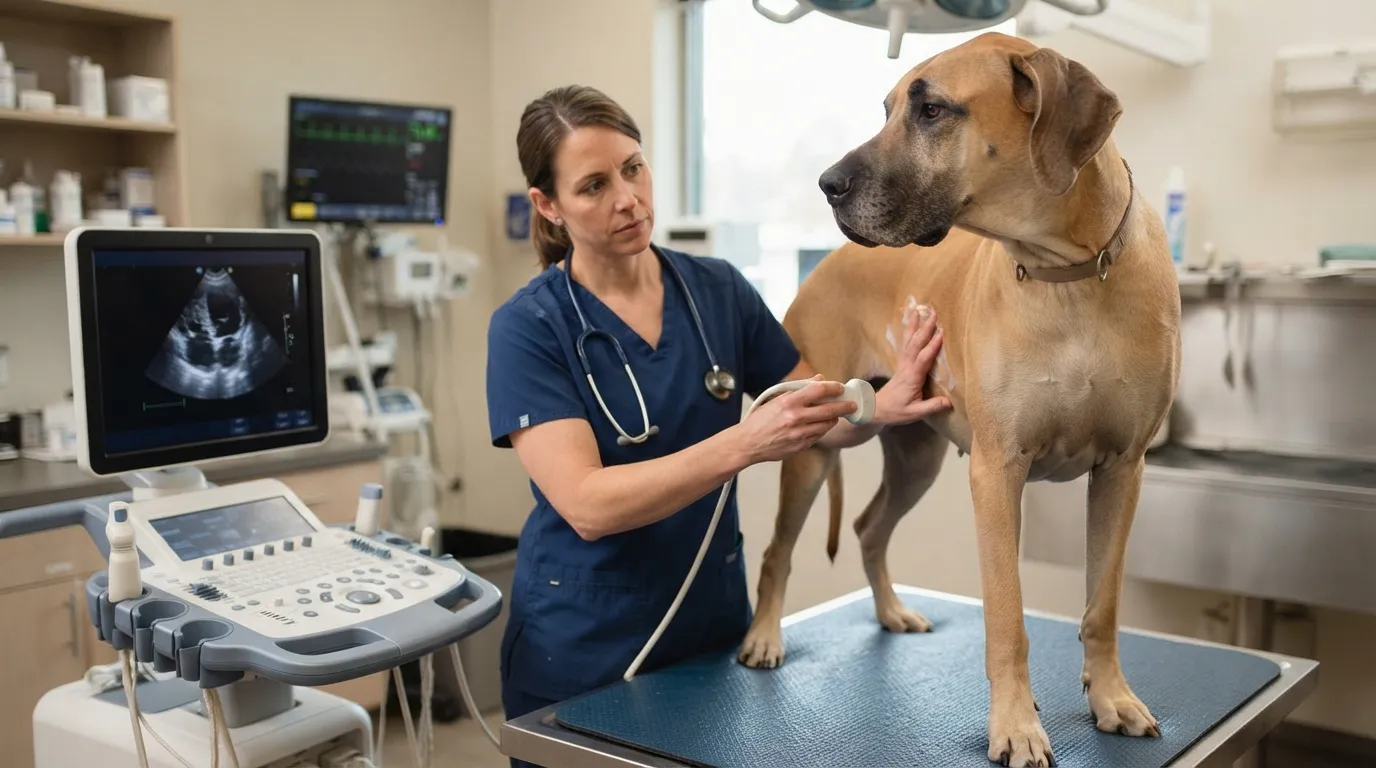
DCM weakens the heart muscle until the organ itself enlarges – and in certain breeds, it’s practically inevitable. It’s considered primarily inherited, with Doberman Pinschers and Great Danes topping the risk list.
Great Danes are so prone to it that the breed has earned a grim nickname: the “heartbreak breed.” Boxers and Cocker Spaniels aren’t far behind.
The scariest part is that many dogs show zero symptoms until the disease is already advanced. Routine cardiac screening isn’t optional in these breeds – it’s often the only thing standing between a normal life and sudden collapse.
The next risk targets arguably the most beloved family dog in America.
#11 – Golden Retriever Cancer: A Statistic That Should Stop You Cold
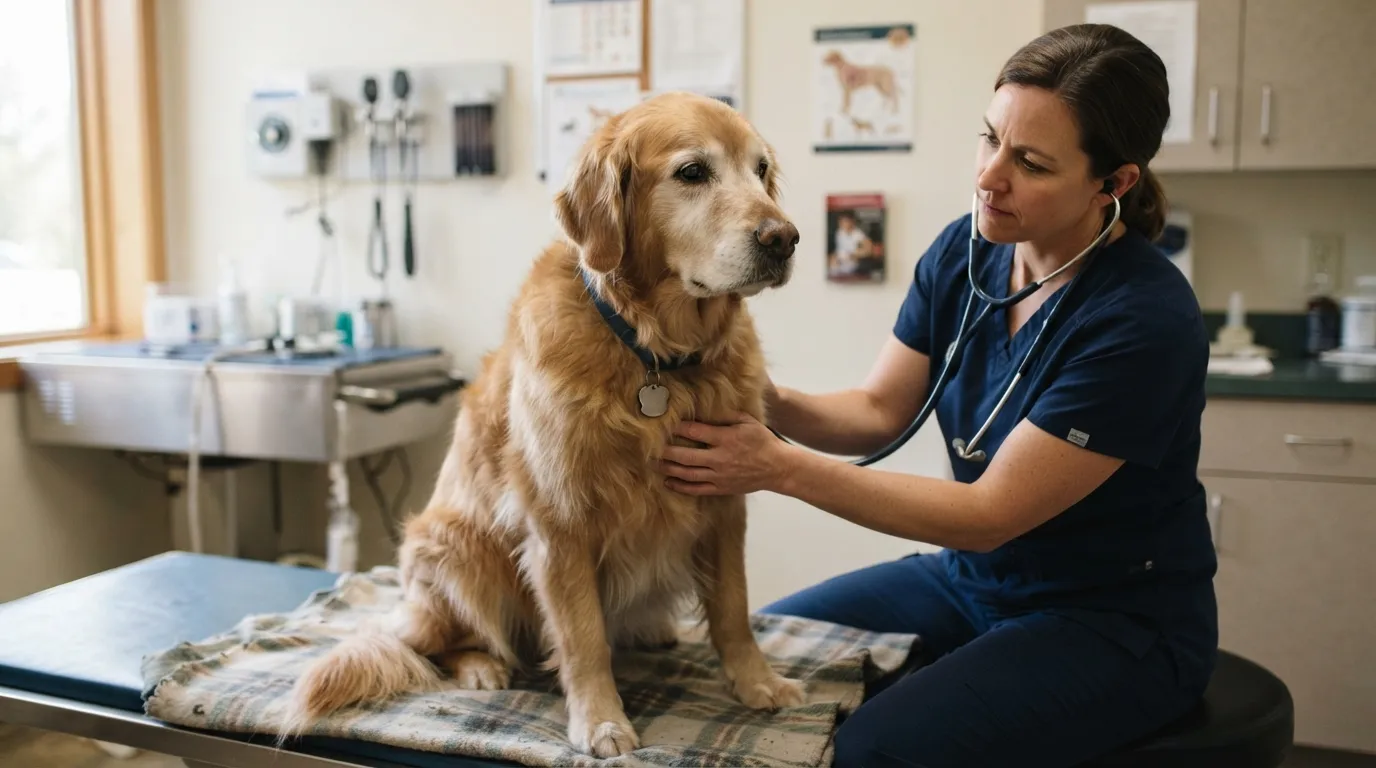
No breed’s cancer story is as alarming as the Golden Retriever’s. Cancer affects roughly 60% of the breed – the highest rate of any recognized dog breed on record.
Hemangiosarcoma and lymphosarcoma are the biggest culprits, and researchers believe the risk is largely baked into the breed’s genetics. That 60% figure isn’t a typo, and it isn’t bad luck.
It’s built into the bloodline, and oncology treatment for dogs is never cheap. The condition coming next is one most owners completely dismiss – until it’s too late.
#10 – Brachycephalic Obstructive Airway Syndrome (BOAS): Breathing Shouldn’t Be a Struggle

Flat-faced dogs are wildly popular right now – and that popularity has quietly become a welfare crisis. French Bulldogs, Pugs, and English Bulldogs all share the short-skull anatomy behind BOAS.
The syndrome brings respiratory distress, exercise intolerance, heat intolerance, and sleep disturbances ranging from mild to life-threatening. Nationwide Insurance confirmed it by analyzing data from more than 50,000 brachycephalic dogs and 450,000 dog-years of claims.
“To our knowledge, this analysis represents the largest single-study cohort of brachycephalic dogs ever conducted.”
Dr. Jules Benson, Nationwide Chief Veterinary Officer
This isn’t anecdotal anymore – it’s industrial-scale evidence. The next section reveals exactly what those flat faces do to a dog’s lifespan.
#9 – Shortened Lifespan in Flat-Faced Breeds: 4 Years Lost

The flat-face aesthetic literally costs years of life. Brachycephalic breeds have a median lifespan of just 8.6 years, compared to 12.7 years for non-brachycephalic dogs.
That’s a four-year gap – almost a third of a dog’s life – lost purely to skull shape. Research consistently shows these breeds carry a heavier total disorder count than their longer-nosed counterparts.
Worth Knowing
- BOAS rarely travels alone – it tends to drag other conditions along with it.
- Dogs with BOAS are twice as likely for spinal disease, 4.5 times more likely for pneumonia than brachycephalic dogs without it.
- Being able to predict the sequence of disease creates the opportunity for early diagnosis or even prevention, according to the same insurance data.
Some vets now call the French Bulldog’s rise to America’s most popular breed one of the biggest public health mistakes in modern pet ownership. The next issue affects a breed people assume is graceful and problem-free.
#8 – Cavalier King Charles Spaniel Heart Disease: It Starts Young
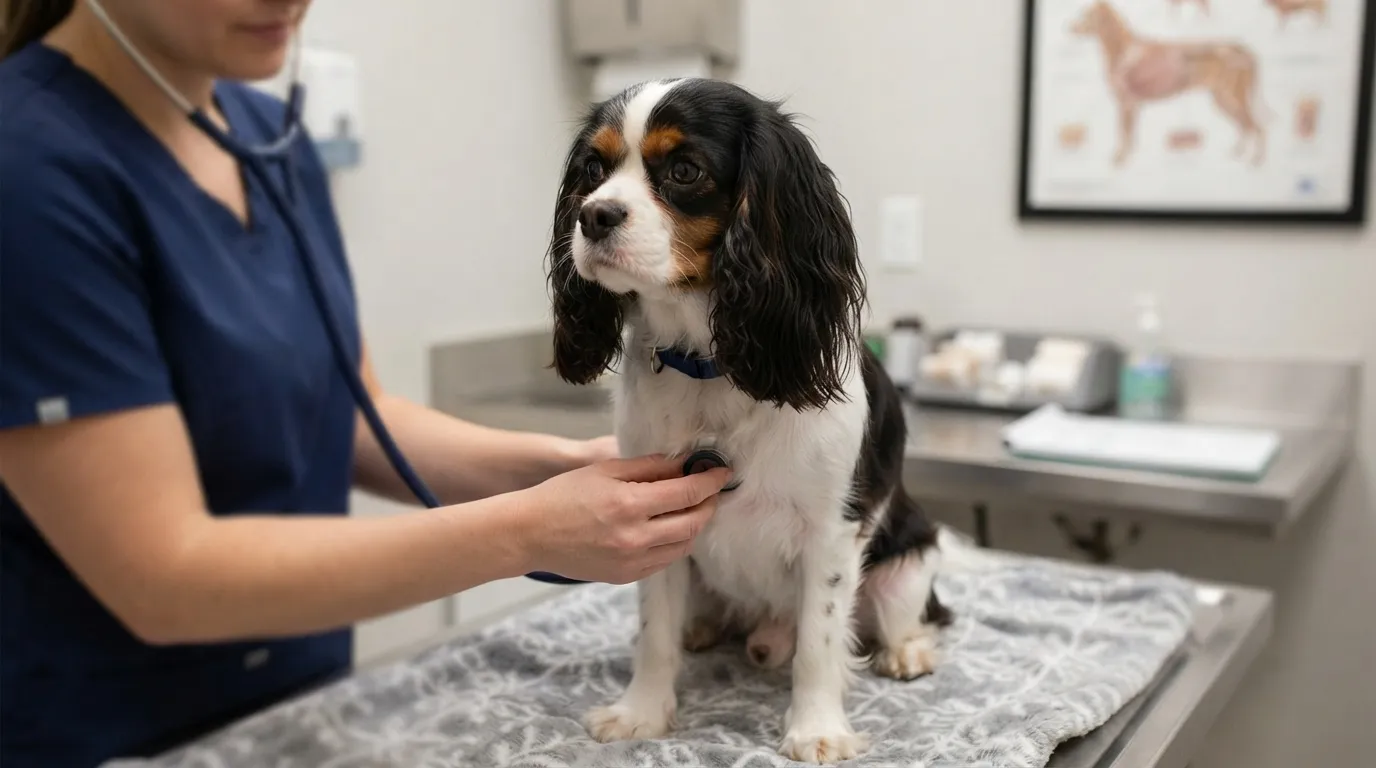
Most dogs develop heart issues in old age. Cavaliers are different, and that difference is heartbreaking.
Degenerative mitral valve disease shows up early in this breed, and heart failure can begin as young as age five. Many Cavaliers also develop syringomyelia – fluid-filled cavities inside the spinal cord that cause chronic, unrelenting pain.
One breed, two devastating conditions, both starting far too soon. The next entry involves a spinal disease most owners have never even heard of.
#7 – Intervertebral Disc Disease (IVDD): When a Dog’s Spine Becomes a Ticking Clock
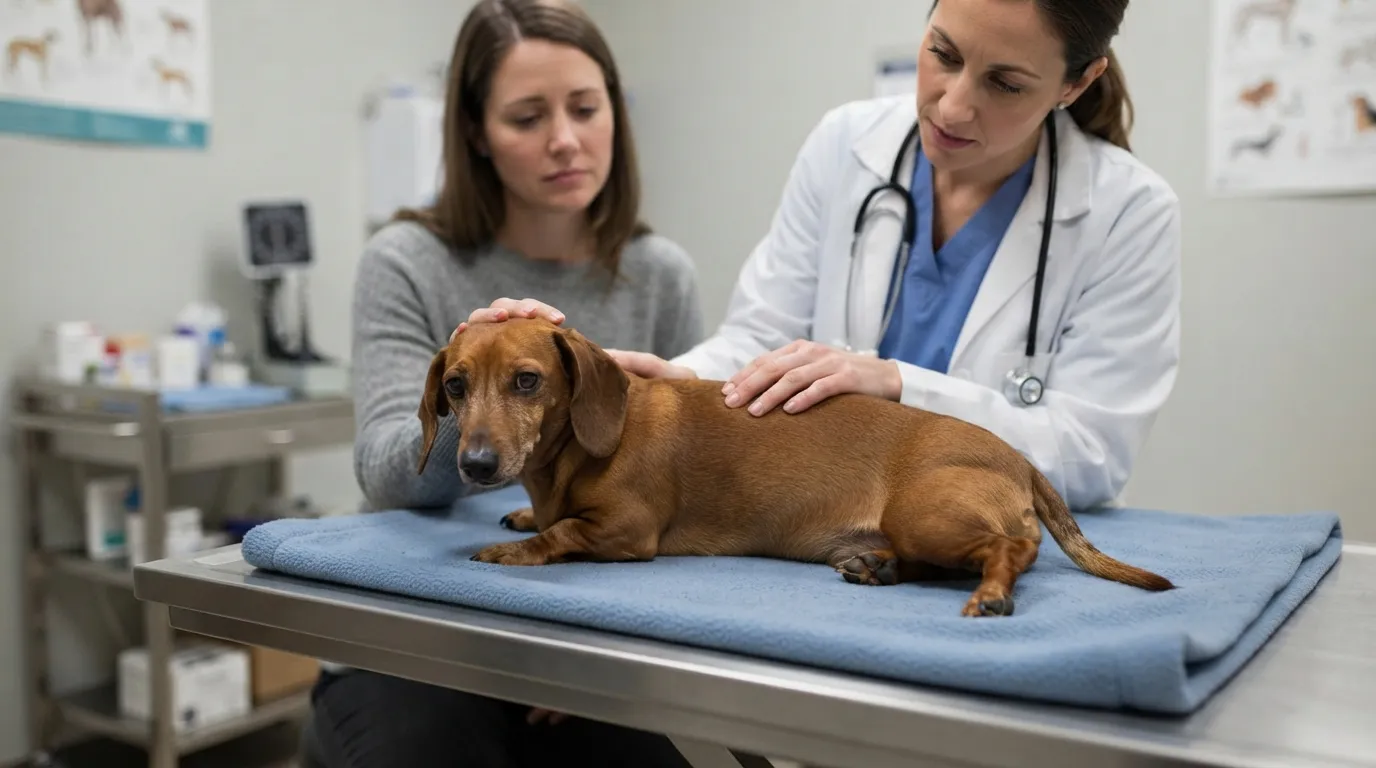
Dachshunds are charming, but their long spine and short legs are essentially an engineering flaw built by breeders. IVDD puts them at risk of sudden, catastrophic paralysis.
A UC Davis analysis of nearly 90,000 dogs flagged IVDD as one of ten inherited conditions far more common in purebreds than in mixed breeds. One wrong jump off a couch is sometimes all it takes to trigger a spinal emergency.
Surgery can run $6,000 or more, with no guarantee of success. The next condition is so widespread that some owners consider it “normal” – which is exactly the problem.
#6 – Chronic Skin Allergies (Atopy): The Itch That Never Stops
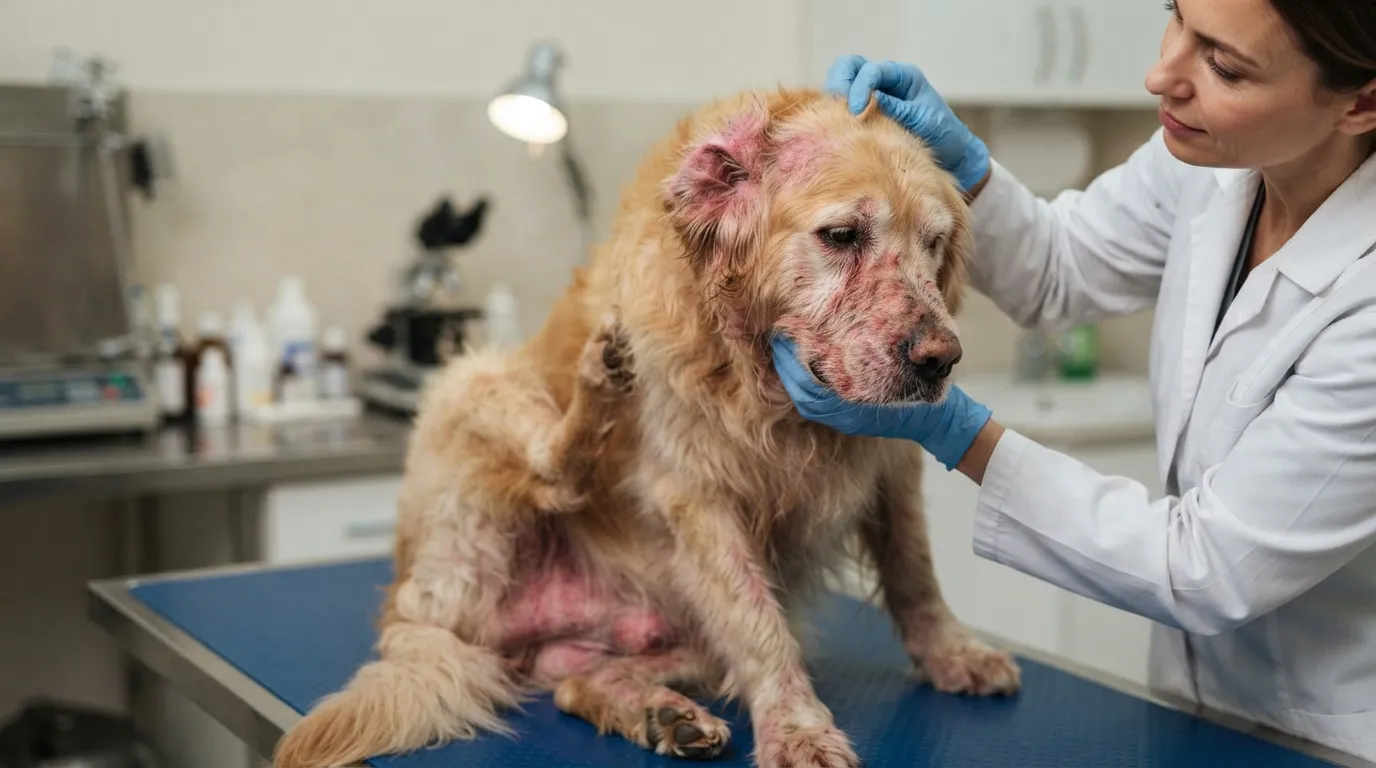
Atopy is one of the most underrated miseries in purebred dogs. This inherited environmental allergy shows up at elevated rates across many purebred groups compared to mixed breeds.
Golden Retrievers, Bulldogs, West Highland Terriers, and Boxers are notorious sufferers. Chronic itching, secondary infections, and a lifetime of medication turn this from a nuisance into a real quality-of-life issue.
Many owners cycle through treatments for years without ever being told the root cause is genetic. The next risk is one of the most dangerous emergencies in all of veterinary medicine.
#5 – Gastric Dilatation-Volvulus (Bloat): A True Life-or-Death Emergency
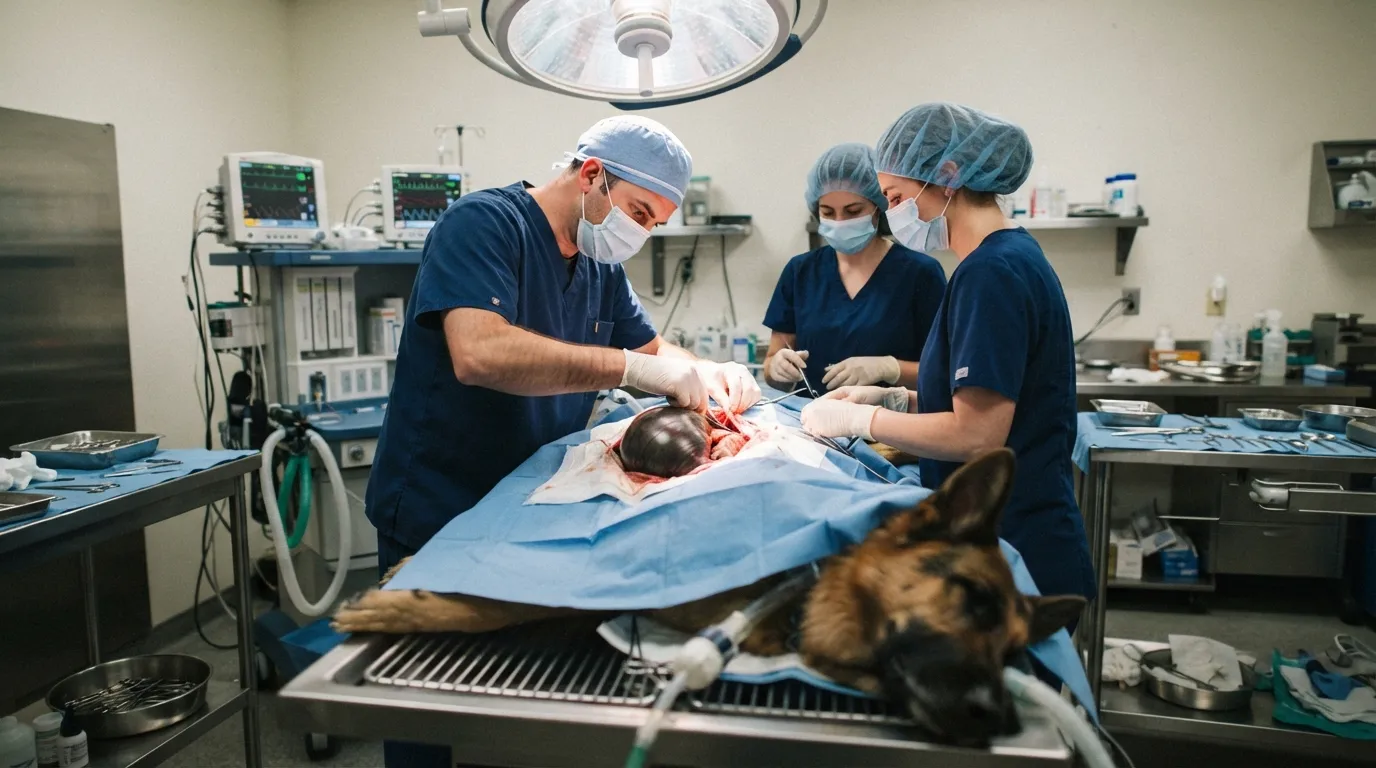
Bloat doesn’t give you much time. In large, deep-chested breeds, the stomach can fill with gas and twist on itself, cutting off blood supply to vital organs within hours.
German Shepherds, Great Danes, Standard Poodles, and Weimaraners carry some of the highest risk of any breeds. It was flagged as one of ten inherited conditions elevated in purebreds in a study of nearly 90,000 dogs.
Without emergency surgery in time, GDV is fatal – and owners often miss the signs until their dog has already collapsed. This is a condition every large-breed purebred owner needs to know by heart before it happens, not after.
The next one is a progressive neurological disease with no cure at all.
#4 – Degenerative Myelopathy: The Disease That Steals Movement
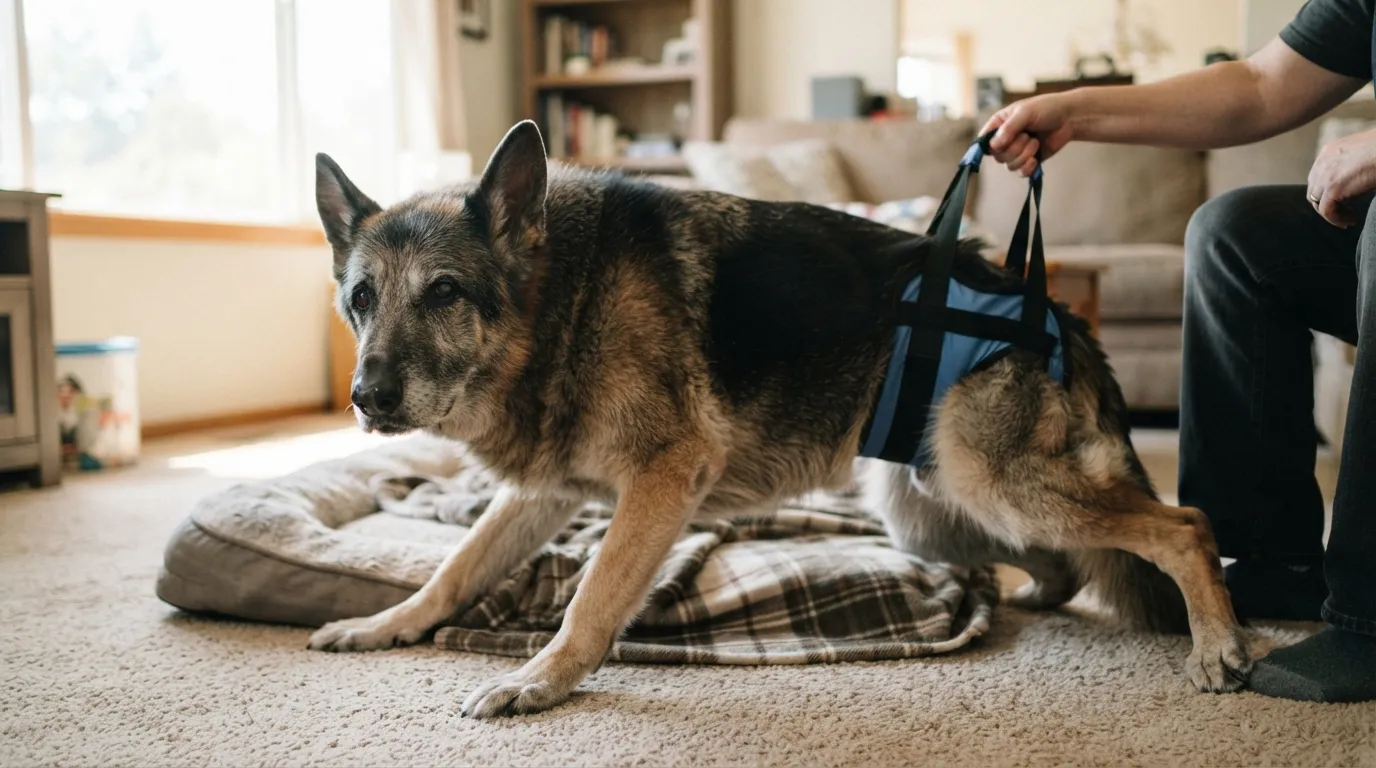
Degenerative myelopathy is sometimes called the canine equivalent of ALS – and nothing stops it once it starts. It’s untreatable, progressive, and shows up commonly in German Shepherds.
The disease takes the hind legs first, then slowly claims the rest of the body, often over 6 to 18 months. Boxers and Pembroke Welsh Corgis are also significantly affected.
There’s no cure – only management, and eventually, loss. The next entry is a condition breeds carry quietly, until it catastrophically isn’t quiet anymore.
#3 – Epilepsy: Seizures Bred Into the Bloodline

Epilepsy in certain purebreds isn’t bad luck – it’s heritable, and vets have known it for decades. A large-scale UC Davis hospital analysis flagged it as one of ten inherited conditions notably more common in purebred dogs.
Beagles are especially susceptible, with most affected dogs having their first seizure between 6 months and 3 years old. Belgian Tervurens, Border Collies, and Labrador Retrievers also carry elevated genetic risk.
Lifelong anticonvulsant medication is often the only option. It’s manageable, but it never truly goes away – and the next two entries are the most confronting findings on this entire list.
#2 – Hypothyroidism: The Hormonal Condition Masquerading as Laziness

Hypothyroidism is chronically underdiagnosed because its symptoms – weight gain, lethargy, coat thinning – are so easy to blame on aging. A UC Davis analysis found it elevated broadly across many purebred groups compared to mixed-breed dogs.
Golden Retrievers, Dobermans, Irish Setters, and Boxers are all heavily represented in thyroid disease statistics. Left untreated, it slowly damages the heart, nerves, and reproductive system.
The good news is that it’s manageable with daily medication. The bad news is that it often goes undetected for years – and the #1 entry on this list is a risk so severe, a Norwegian court actually banned two entire breeds from being bred at all.
#1 – Conformational Suffering: When the Breed Standard Itself Is the Disease
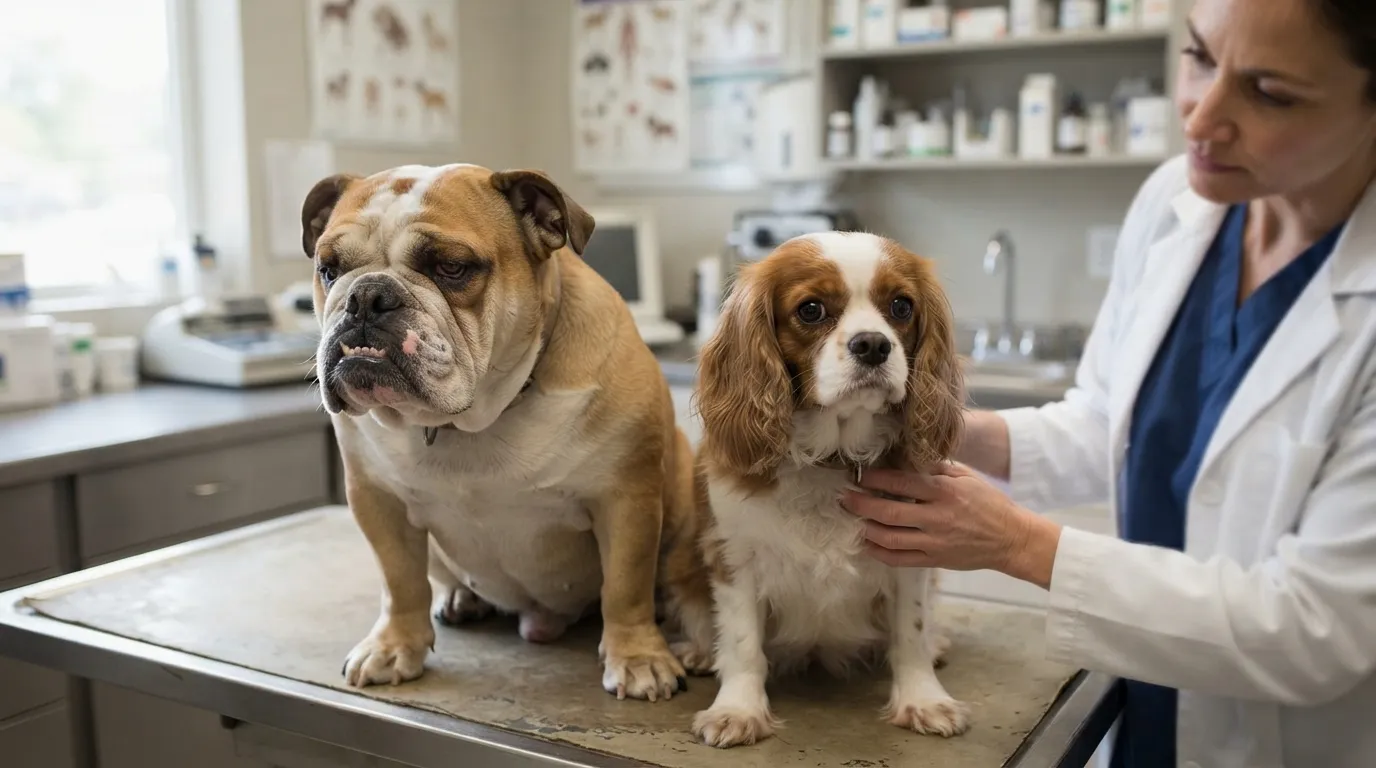
This is the one vets have been most reluctant to say out loud – until now. A court in Norway ruled that British Bulldogs and King Charles Spaniels could never be considered healthy, and the country banned breeding them outright.
At a Glance
- January 2022: the Oslo District Court ruled that breeding English Bulldogs and Cavalier King Charles Spaniels violates Norway’s Animal Welfare Act.
- October 2023: Norway’s Supreme Court upheld the breeding ban on Cavalier King Charles Spaniels, ruling the breed’s genetic health issues are so widespread that ethical breeding is currently not possible.
- The blanket ban on English Bulldogs was eased, but breeding is only permitted under strict health-focused conditions, including outcrossing and measurable improvements in breathing, mobility, and overall function.
- It was the first of its kind worldwide.
Brachycephalic breeds are strongly predisposed to a whole cluster of disorders tied directly to their conformation – respiratory disease, eye disease, dystocia, spinal disease, heat stroke, and pneumonia. The breed standard itself is the health problem.
Real solutions will likely require changing the actual skull shapes bred into these dogs, because many of these problems can’t be solved dog by dog. The dog community is finally having this conversation out loud.
The only question left is whether buyers will listen before they fall in love with a face first and the vet bills second.
The Bottom Line

Certain health conditions are now so tightly linked to specific breeds that vets screen for them as a matter of routine. From a 60% cancer rate in Golden Retrievers to four lost years of life in flat-faced breeds, the data is no longer deniable.
Pet insurers already know it too – purebreds file more expensive hereditary-condition claims, which is exactly why their premiums tend to run higher. Loving a purebred means loving them with open eyes.
Screen early. Don’t wait for a crisis to learn what your dog’s bloodline already knew.