8 Ways Cats Mark Familiar People Without Spraying
#1 Cheek rubbing, also known as bunting
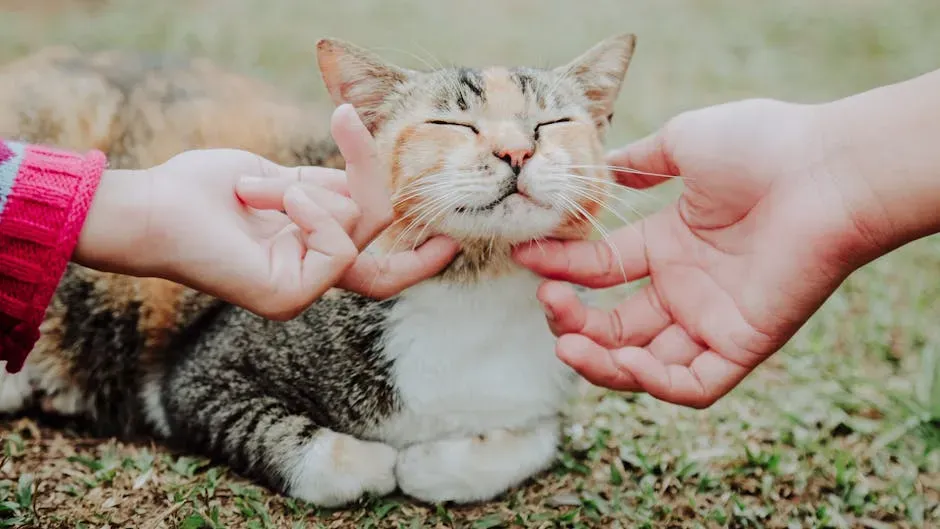
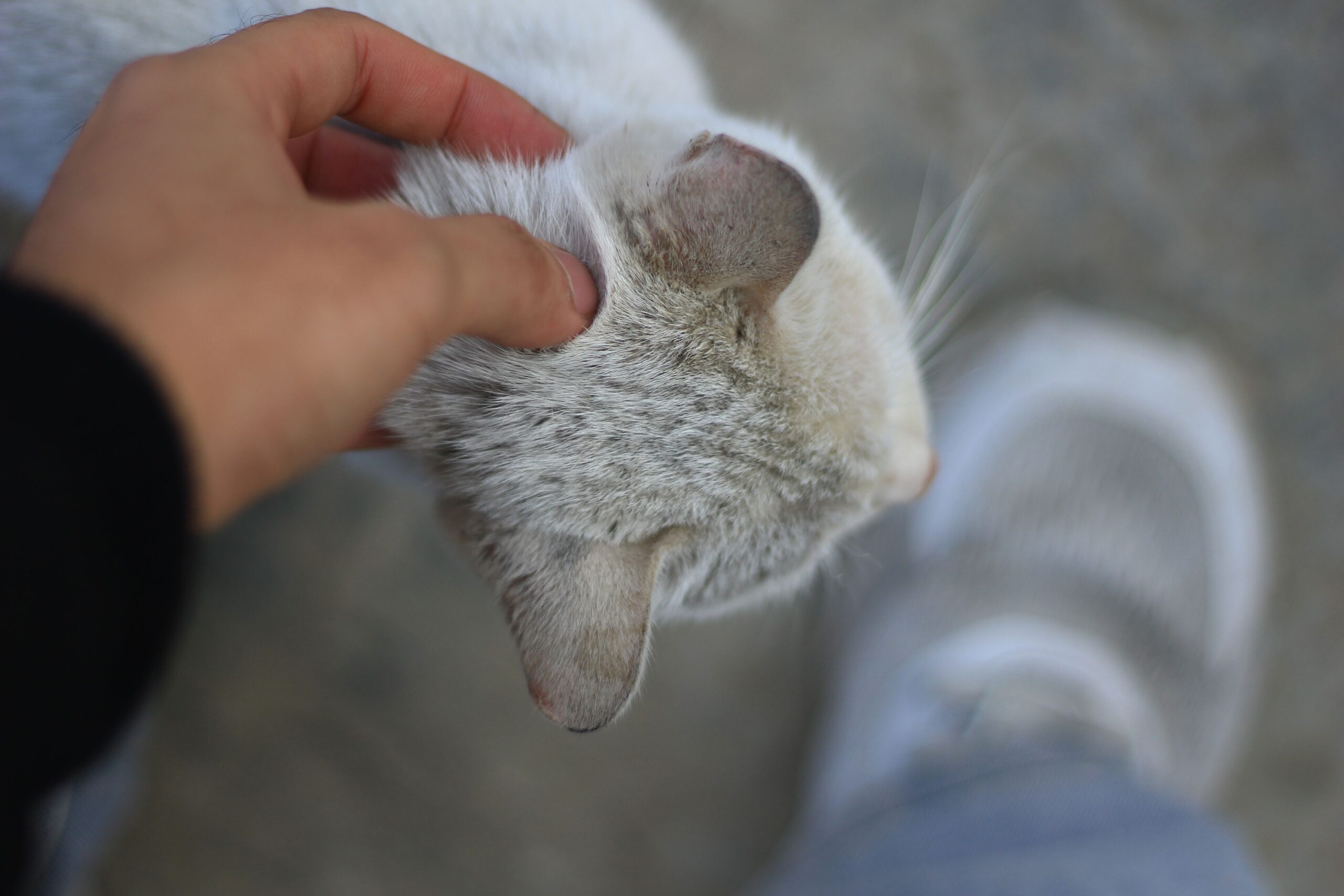
When a cat rubs its cheek against your leg, your hand, or the corner of a book you're holding, it's depositing pheromones from glands located along the jawline. These chemical signals are largely undetectable to humans, but to another cat they read like a name tag. Bunting is one of the gentlest and most frequent marking behaviors, and cats tend to reserve it for people and objects they consider part of their safe zone.
What makes this behavior particularly interesting is its selectivity. Cats don't bunt strangers or unfamiliar furniture nearly as often as they do trusted people and well worn spots on the couch. Researchers who study feline chemical communication believe this scent transfer helps create a shared olfactory identity between the cat and its household, blending everyone's scent into one familiar blend that signals safety rather than threat.
#2 Head butting with real pressure
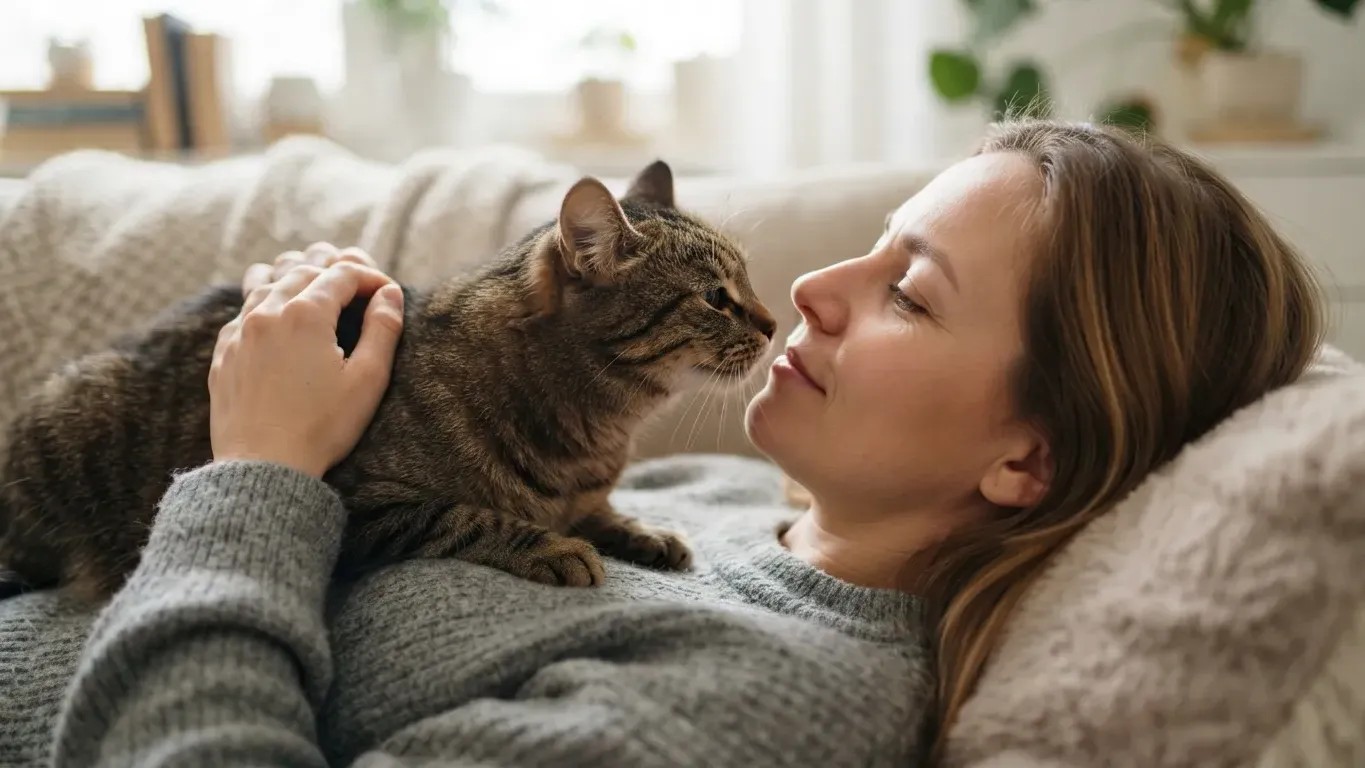
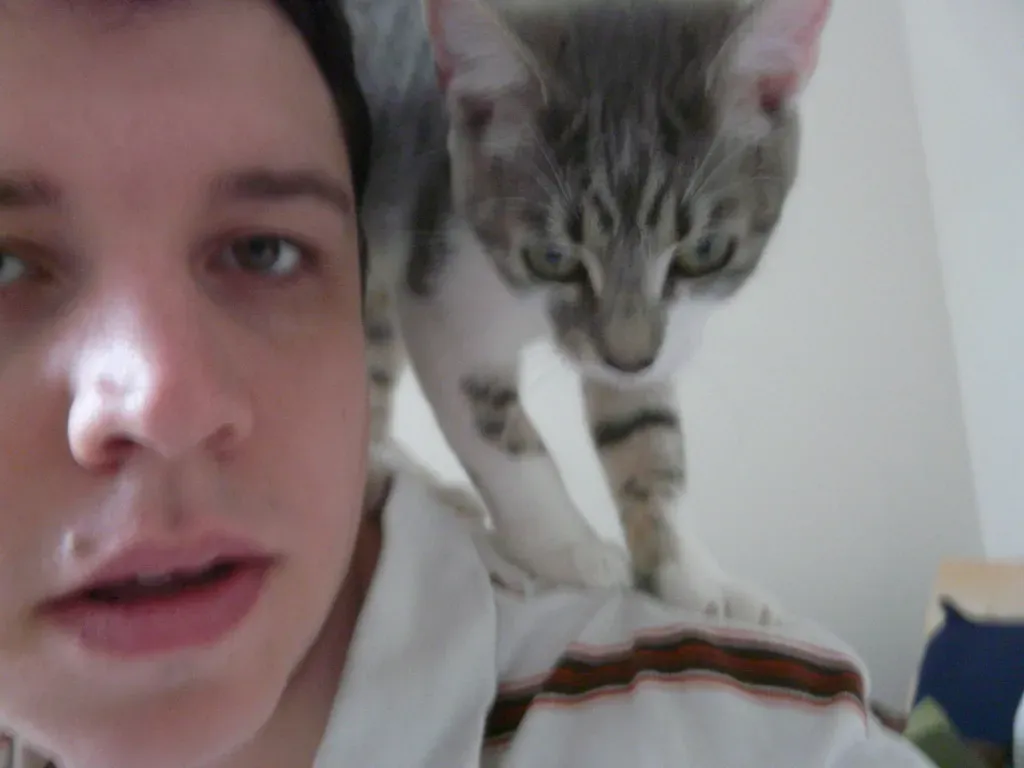
Head butting, sometimes called head bunting, is a step up from a soft cheek rub. This is the deliberate thunk of a cat's skull against your shin or forehead, often delivered with surprising force for such a small animal. The forehead and temples also carry scent glands, so this isn't just an affectionate gesture, it's a firmer, more assertive version of marking territory.
Cats that head butt tend to do it with people they see as equals or trusted companions rather than strangers passing through. It's worth noting that this behavior often escalates when a cat feels its claim on a person is being tested, such as when a new pet or visitor enters the home. In multi cat households, head butting a particular human can also be a subtle way of asserting priority over other animals competing for that person's attention.
#3 Wrapping the tail around your leg or arm
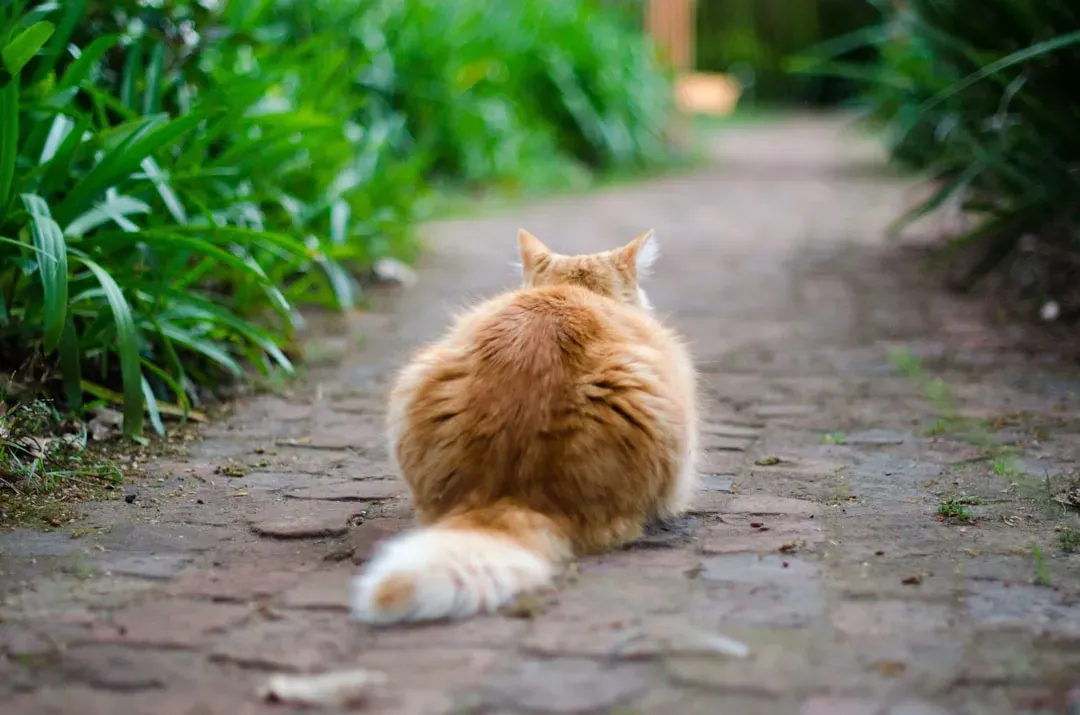
A cat's tail carries its own set of scent glands near the base, and wrapping it around a person's leg or arm is a physical and chemical way of saying this one belongs to me. It's a slower, more deliberate gesture than a quick rub, often accompanied by a slow blink or a soft chirp. This combination of body language suggests the cat isn't just marking passively, it's actively communicating comfort and possession at the same time.
Tail wrapping tends to happen most during greetings, when a cat hasn't seen its person in a few hours and wants to reestablish the connection quickly. Some behaviorists compare it to a handshake crossed with a scent stamp, since it accomplishes both social bonding and territorial marking in one smooth motion. Cats that are more anxious or clingy sometimes wrap their tails more frequently, using the gesture almost like a security check.
#4 Kneading with the front paws
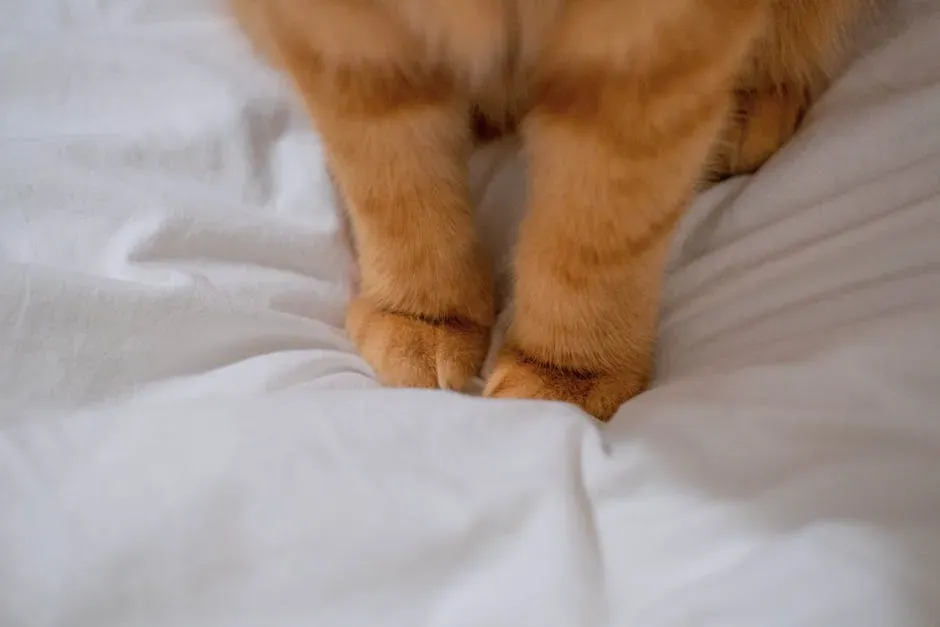
Kneading, that rhythmic pushing motion cats do with their front paws, traces back to nursing behavior in kittens, but adult cats keep the habit for reasons beyond nostalgia. Cats have scent glands between their paw pads, and kneading a lap, blanket, or arm deposits a light layer of their scent onto that surface. It's subtle, but over time it builds up, especially on favorite spots like a specific cushion or a particular person's lap.
The behavior often shows up right before a cat settles in for a nap, which suggests it serves a dual purpose of comfort and claim staking. A cat that kneads a person regularly is essentially saying this spot is mine and safe, two ideas that are deeply linked in feline psychology. Owners sometimes notice their cat kneading only certain people in the household, which usually points to who the cat considers its primary security figure.
#5 Grooming their favorite humans
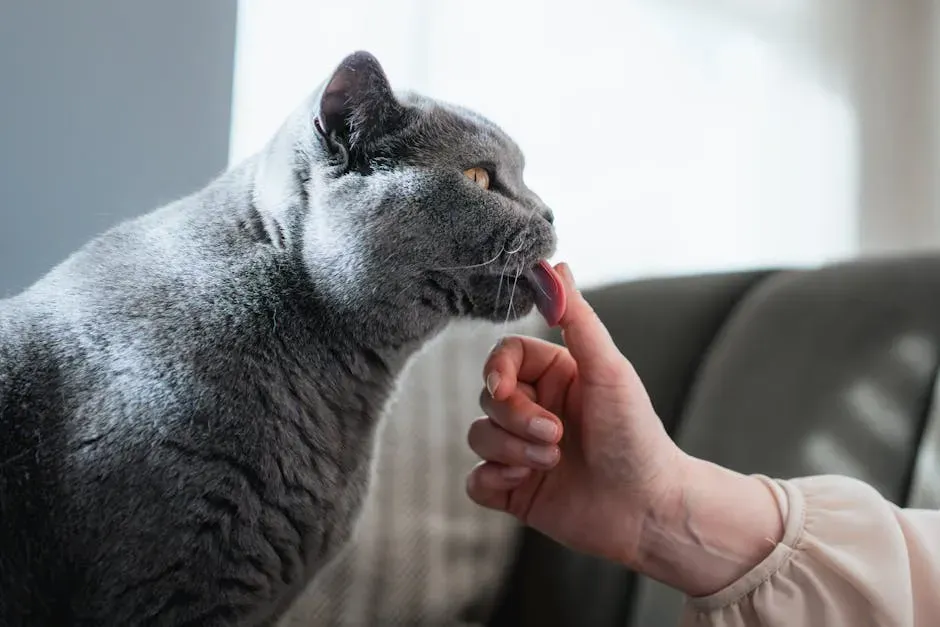
When a cat licks your hand or hair, it's doing more than showing affection, it's transferring saliva that carries its own scent markers. This mutual grooming behavior, called allogrooming in scientific literature, mirrors what cats do with each other in social groups to reinforce bonds and shared scent identity. Being groomed by a cat is generally considered one of the clearest signs that it has accepted you into its inner circle.
Interestingly, cats that groom their owners often do so at specific times, like right after being petted or during quiet moments of rest. This timing suggests the behavior isn't random but tied to moments of heightened trust or relaxation. Some cats even groom in a particular order, working from the hand up the arm, which behaviorists believe mimics the grooming patterns cats use with kittens and close companions in feline colonies.
#6 Rubbing the whole body against legs
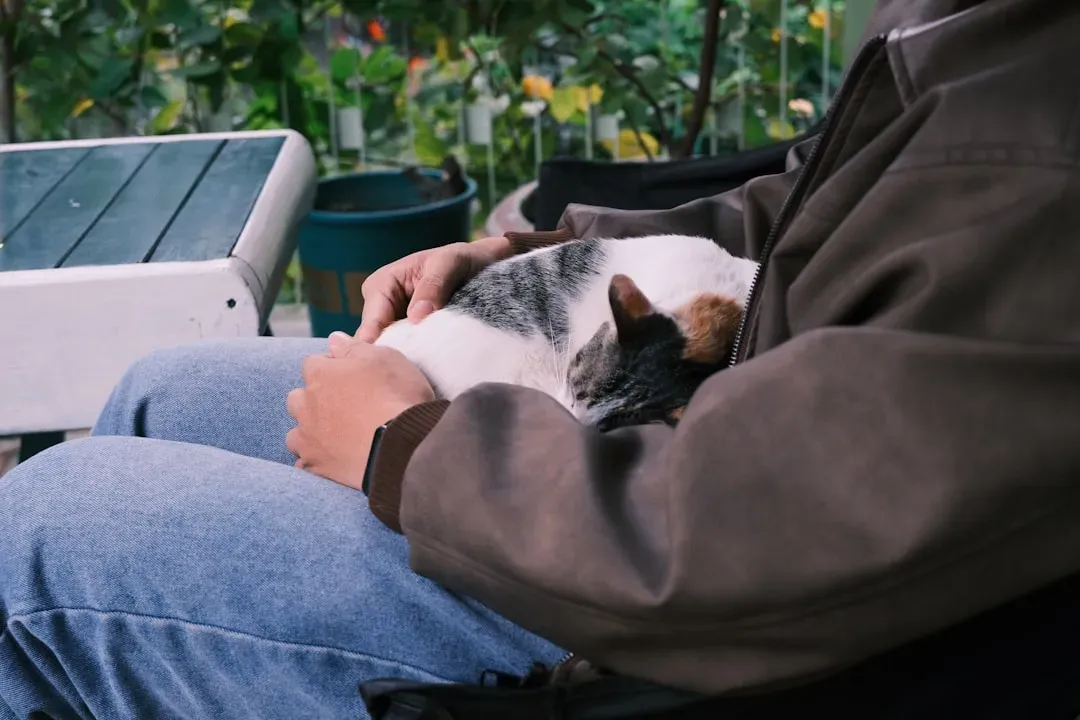
Beyond the cheek and head, cats will rub their entire flank against a person's legs, dragging their body from shoulder to tail in one long motion. This full body rub spreads scent from glands along the sides and back, covering more surface area than a quick cheek bunt. It's often seen when a cat greets someone after an absence or when it wants attention, particularly around mealtime.
This behavior tends to be more insistent than cheek rubbing, sometimes involving the cat weaving figure eights between a person's ankles. While it can look like simple excitement, the scent deposited during this ritual helps the cat reaffirm its territorial map, blending the person's scent back into the household mix after time apart. Cats that do this consistently at the same time each day, such as when an owner returns from work, are also reinforcing a predictable social rhythm alongside the marking itself.
#7 Sleeping on personal belongings
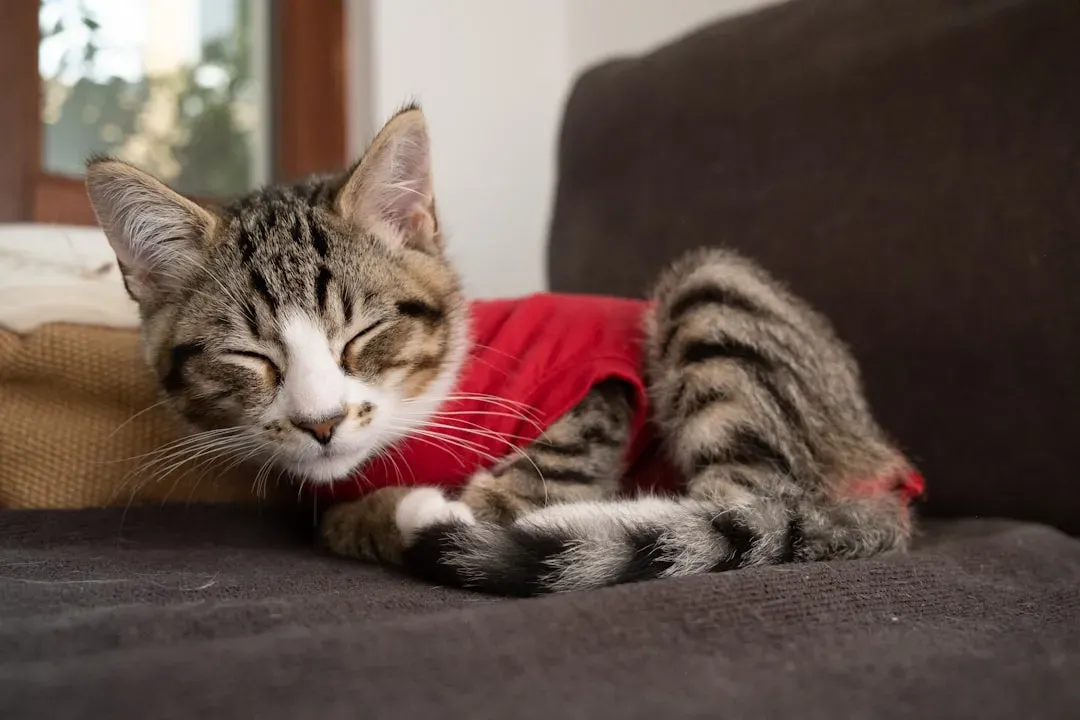
Cats that curl up on a worn sweater, a pillow, or a laptop bag aren't just seeking warmth or comfort, they're often marking that item by leaving fur, skin cells, and traces of scent on it over time. This passive form of marking is less deliberate than bunting or kneading, but it's just as effective at claiming ownership. Items that carry a person's scent are particularly attractive to cats because sleeping there combines comfort with territorial reinforcement.
This behavior explains why cats so often choose the one item of clothing an owner just took off rather than a clean blanket nearby. The mixing of human and feline scent on that object seems to hold particular appeal, possibly because it reinforces the shared identity discussed earlier with cheek rubbing. Owners who travel often notice their cats gravitating toward luggage or worn shoes right before or after a trip, which may be the cat's way of processing a change in the household's scent profile.
#8 Light scratching near a person rather than on them
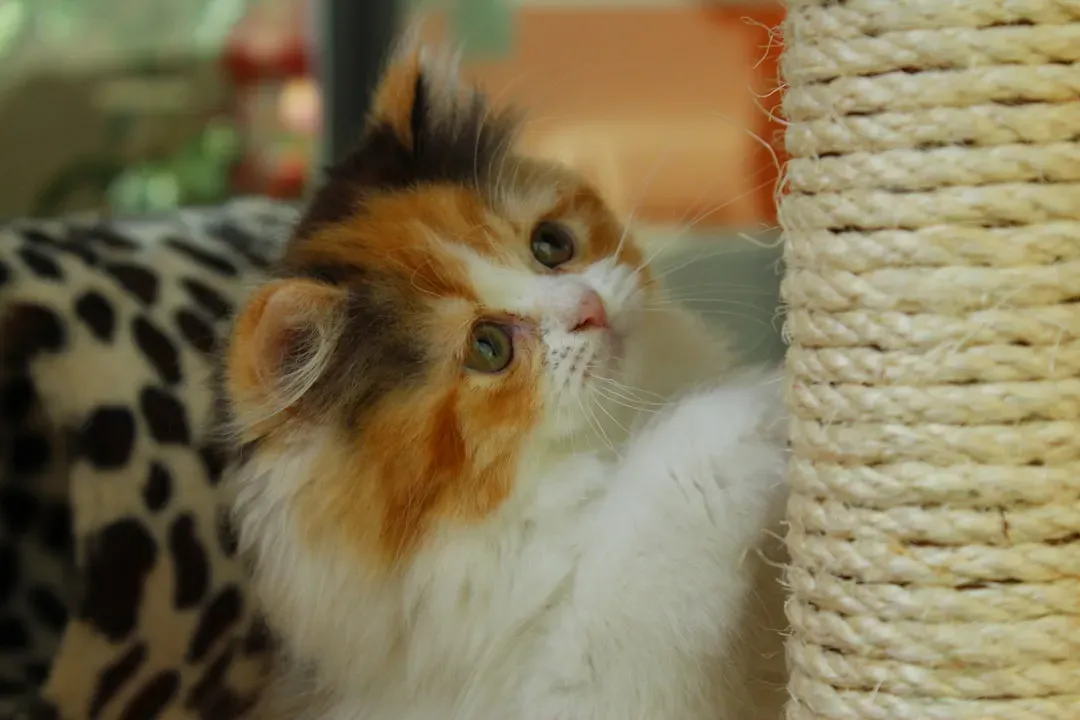
Cats rarely scratch people directly to mark them, but they will often scratch furniture, doorframes, or scratching posts located near a favorite human's usual spot. Scratching releases scent from glands in the paw pads, similar to kneading, but it's typically directed at fixed objects rather than living things. Choosing to scratch near a person, such as a chair arm right beside where someone sits, effectively extends the marking to include that person's territory without physical contact.
This positioning isn't random. Cats are known to prioritize scratching spots that are visible and frequently used by the household, which maximizes both the visual and scent based signal to other animals. When a cat consistently scratches near one particular person's chair, desk, or side of the bed, it's a strong indicator that this individual is central to how the cat maps its territory. It's a quieter, more architectural form of marking, but no less meaningful than the physical rubs and head butts.
The takeaway on quiet feline ownership