10 Tiny Things That Mean the World to Your Cat
#1. A slow blink that says more than words
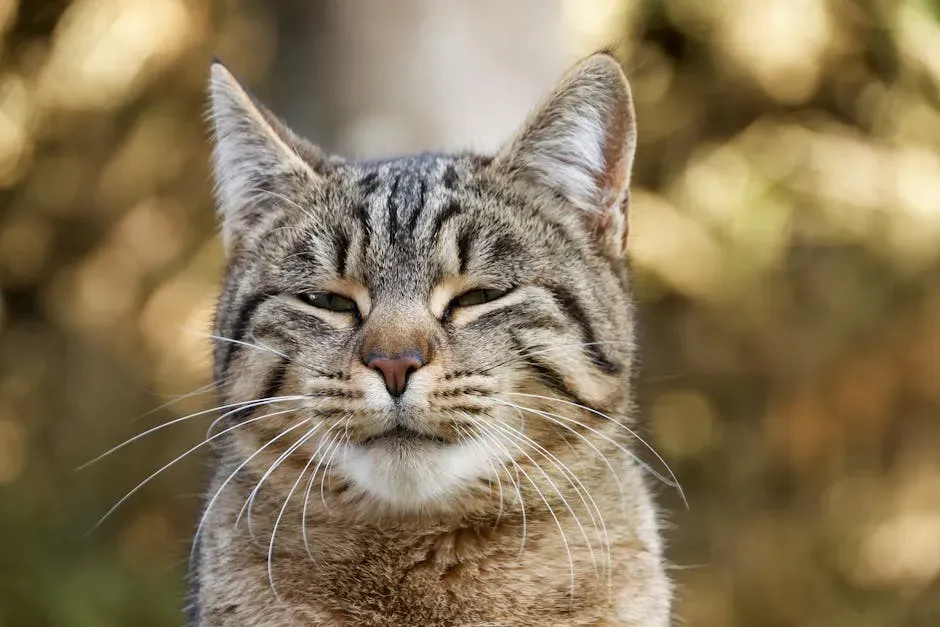
Cats don't have a vocabulary for affection the way dogs seem to, all wagging tails and eager faces. Instead, they communicate trust through something almost imperceptible: a slow, deliberate blink. Researchers at the University of Sussex actually studied this behavior and found that cats blink more slowly at their owners when the owners do it first, and are more likely to approach a stranger who slow blinks at them compared to one with a neutral expression.
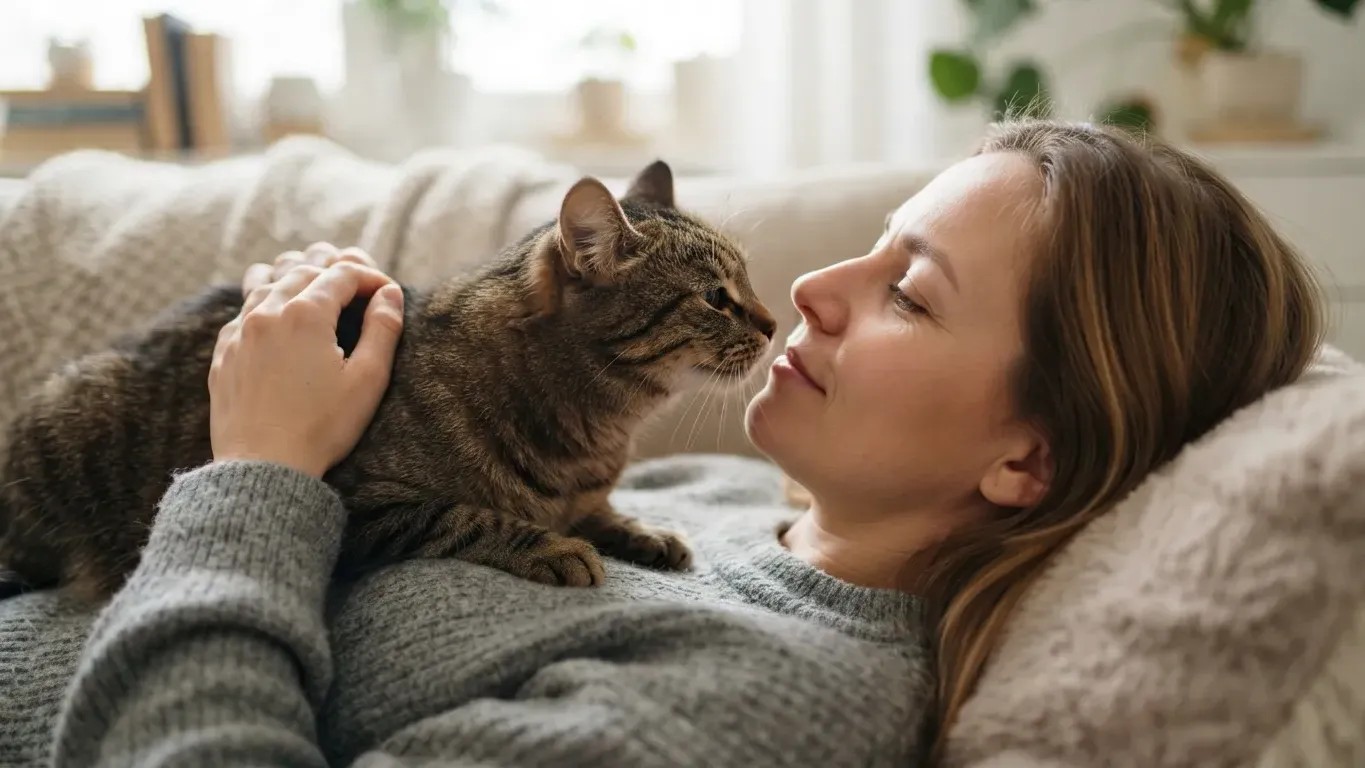
This isn't just a cute party trick, either. In a relaxed, non-threatening context, closing the eyes is a vulnerable act for any animal, so a slow blink essentially tells another creature "I feel safe enough to not watch you right now." Try it the next time your cat is calm and looking at you. Soften your gaze, close your eyes slowly, and open them again. Many cats will return the gesture, and some owners swear it becomes a regular little exchange over time.
#2. A warm patch of sunlight
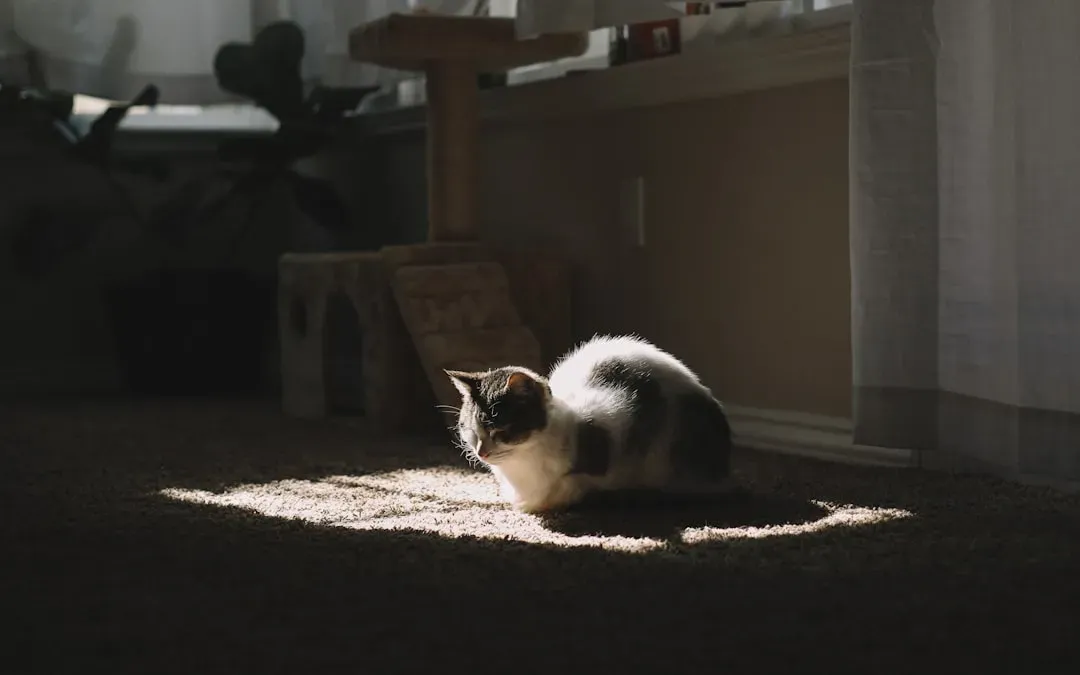
It seems almost too simple to matter, but a sunny windowsill can be one of the most valuable pieces of real estate in a cat's world. Cats are heterothermic to a degree, meaning their body temperature can drift a bit depending on their environment, and their comfortable range sits higher than ours. Basking in sunlight helps them regulate that internal thermostat without expending energy, which is exactly the kind of efficient behavior evolution favors in a species descended from desert-dwelling ancestors.
There's a behavioral layer here too. Sunbathing spots tend to be elevated, visible, and often near a window that offers a view of the outside world, which checks several boxes for a cat's sense of security at once. If your cat has a favorite sunny spot, resist the urge to rearrange the furniture around it. That patch of light might be doing more for their nervous system than any toy on the market.
#3. Being allowed to choose the interaction
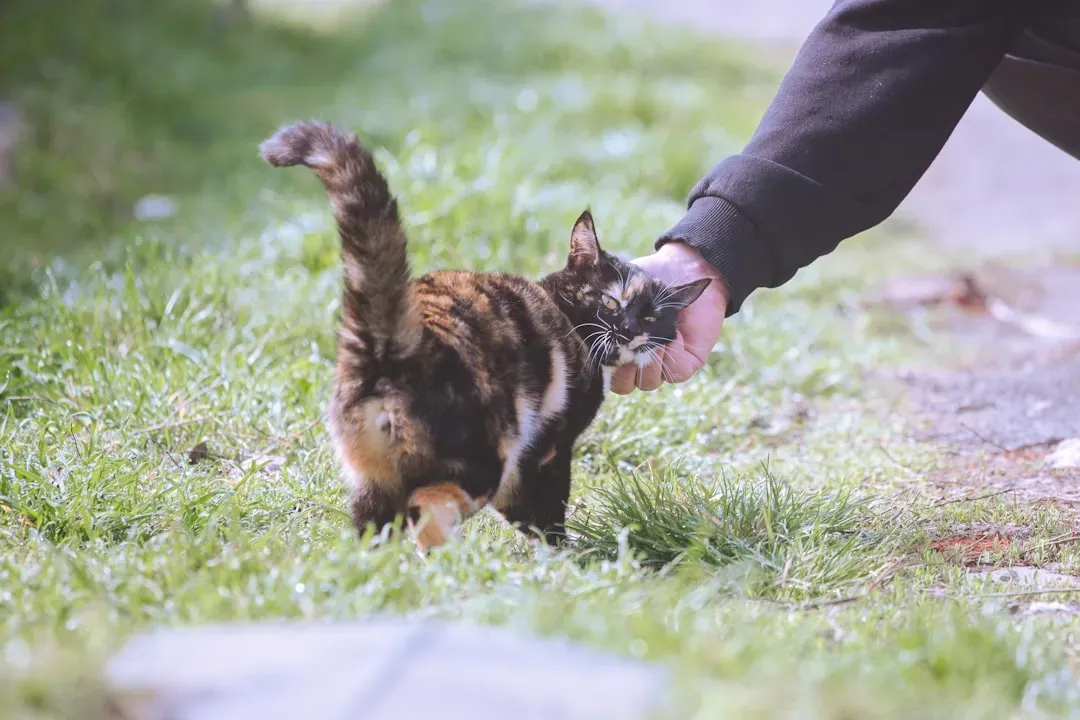
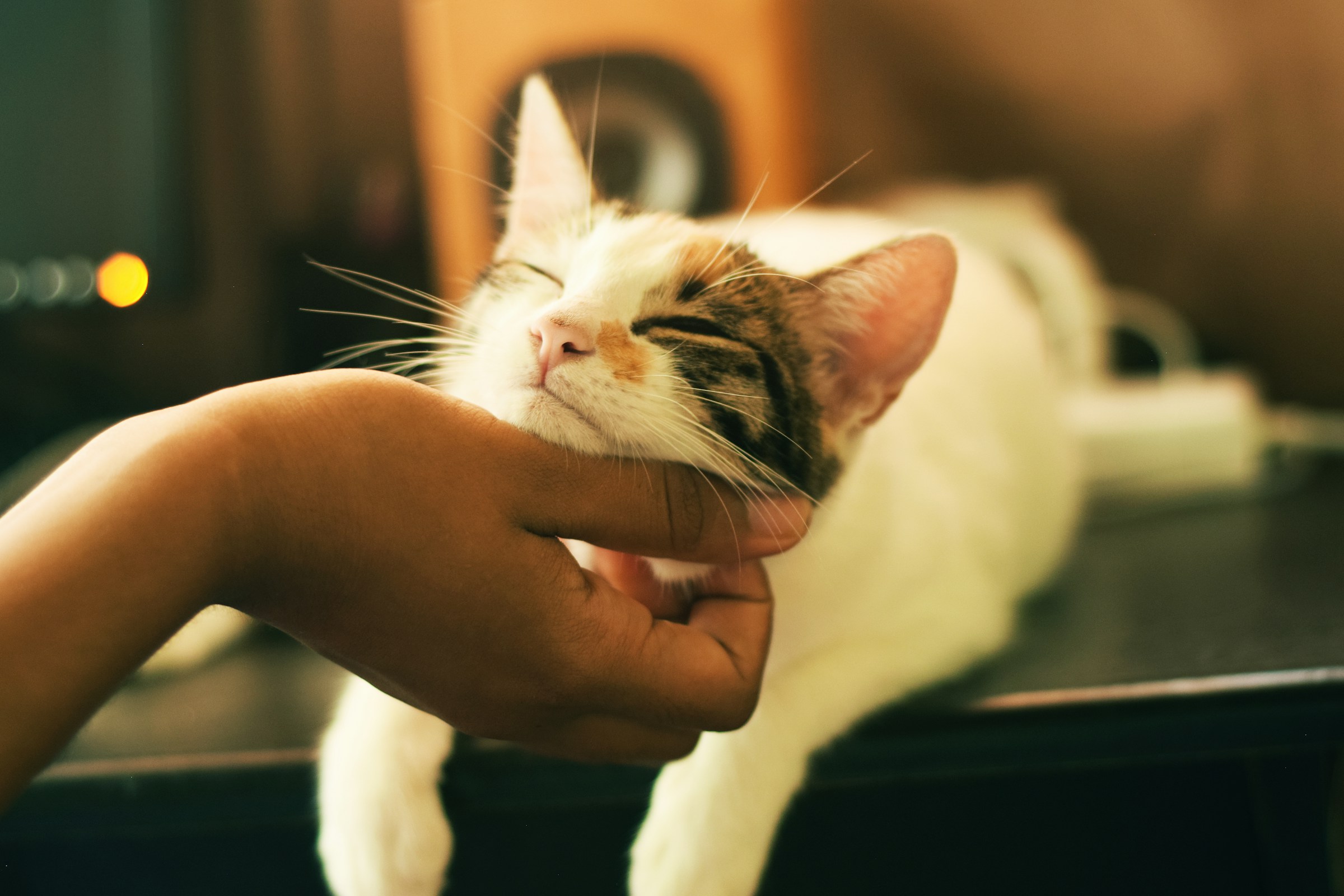
Cats are notorious for walking away from attention, and it's tempting to take this personally. In reality, their preference for choosing when and how contact happens is deeply rooted biology, not moodiness. Unlike dogs, cats didn't evolve as a highly social pack species, so their comfort with touch is shaped much more by individual experience and control over the encounter.
Letting a cat approach you, sniff your hand, and decide whether it wants to be petted respects that wiring instead of fighting it. Studies on cat-human interaction consistently point to the same pattern: cats that get to control the pace of physical contact show fewer stress signals and form stronger attachments over time. It's a small shift in behavior, offering a hand rather than reaching for the cat, but it tends to pay off in a more relaxed, trusting animal.
#4. A consistent daily routine
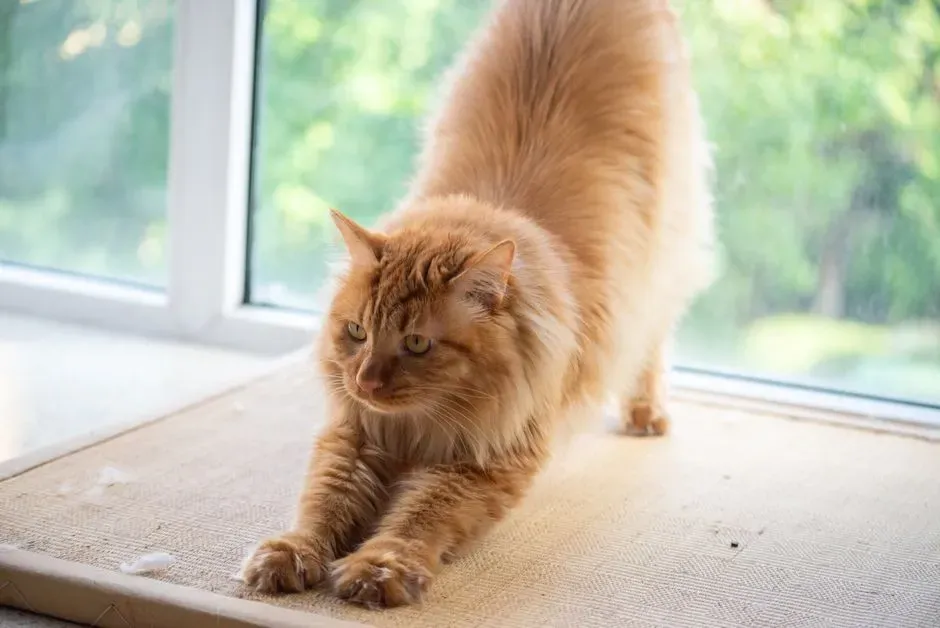
Cats are creatures of habit in a way that can seem almost rigid to us. Feeding times, litter box cleanliness, the location of their bed, all of it forms a predictable structure that reduces anxiety. Because cats rely heavily on environmental consistency to feel secure, sudden changes, even seemingly minor ones like moving a food bowl, can trigger stress responses that show up as changes in appetite or litter box habits.
This doesn't mean a cat's life has to be rigidly scheduled to the minute, but general consistency matters more than most owners realize. Veterinary behaviorists often point to environmental predictability as one of the underrated pillars of feline wellbeing, right alongside diet and exercise. A cat that knows what to expect from its day is, generally speaking, a calmer cat.
#5. Vertical space to climb and observe
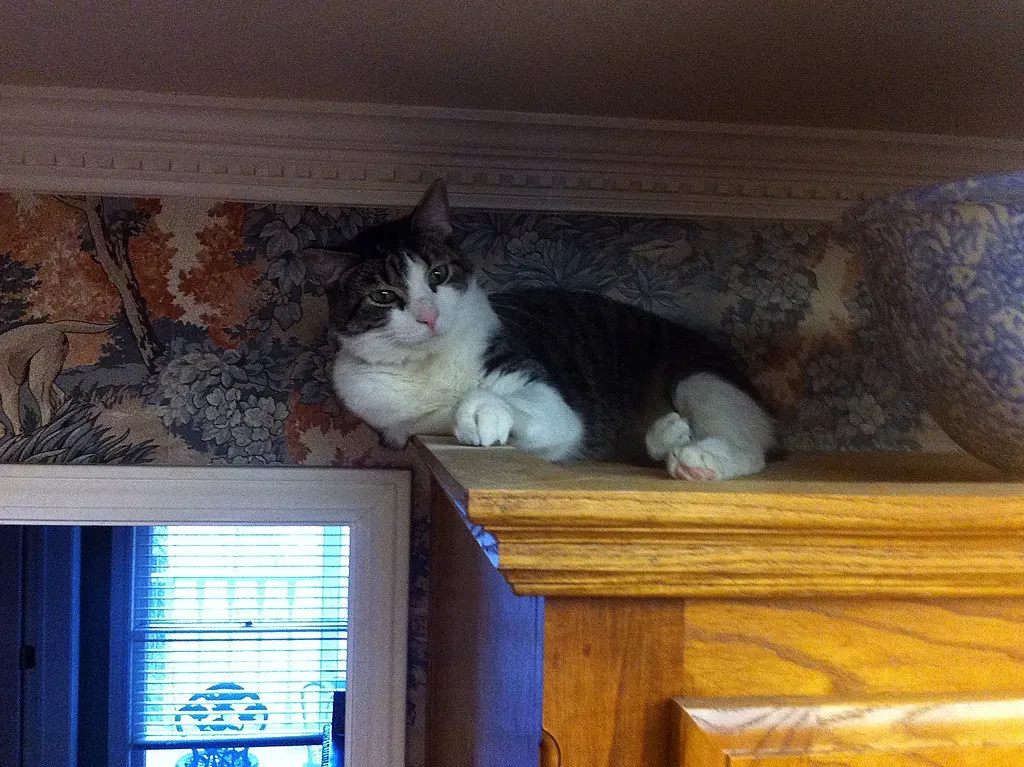
Cats are natural climbers, and that instinct doesn't disappear just because they live indoors now. Height gives them a vantage point to survey their territory, which taps into deep-seated predatory and defensive instincts. A cat perched on top of a bookshelf or cat tree isn't just looking for a nap spot, it's satisfying a genuine behavioral need to feel in control of its surroundings.
Multi-level living spaces also give cats, especially those in multi-cat households, a way to avoid confrontation without needing to leave the room entirely. Simply adding shelving, a tall cat tree, or clearing off the top of a wardrobe can noticeably reduce tension in a home with more than one cat. It's a small environmental tweak with an outsized effect on daily comfort.
#6. Scent that stays familiar
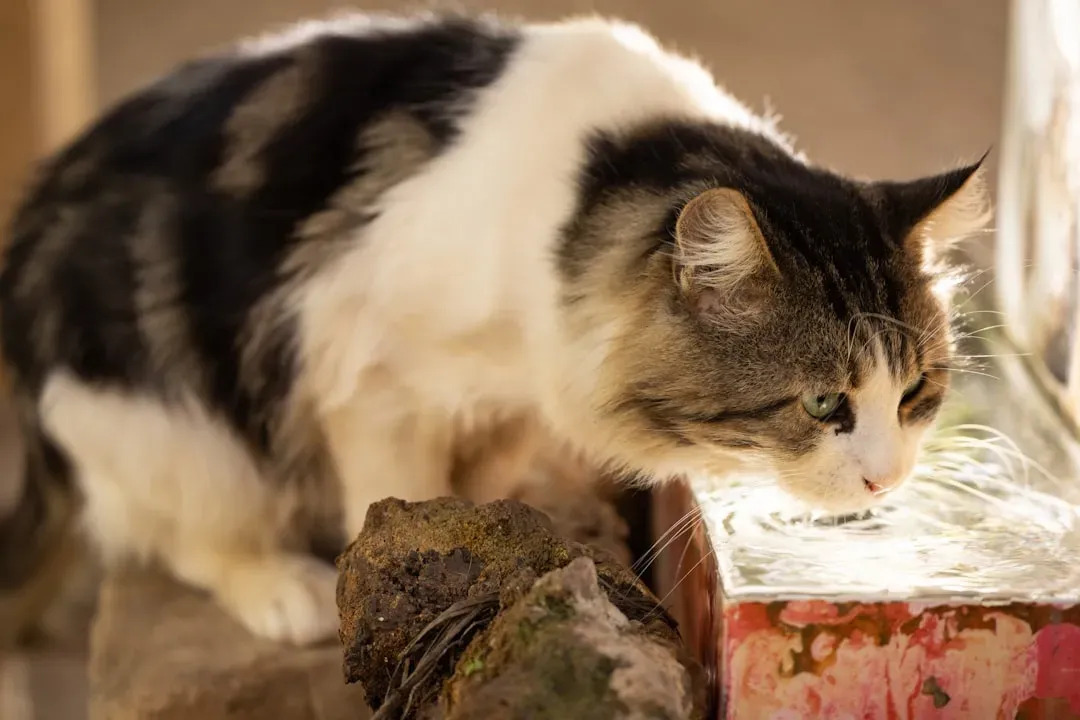
A cat's sense of smell is dramatically more sensitive than ours, and scent plays a central role in how they interpret their environment. When a cat rubs its cheek against furniture, doorframes, or your leg, it's depositing pheromones that mark territory as safe and known. Washing everything a cat has scent-marked all at once, blankets, bedding, favorite toys, can unintentionally erase that sense of familiarity and cause a temporary spike in anxiety.
This is part of why cats often gravitate toward an unwashed sweater or a worn-in blanket rather than a fresh one. It's not about cleanliness preferences so much as chemical reassurance. Rotating laundry schedules so a familiar-smelling item is always available can make transitions, like moving homes or introducing new furniture, noticeably smoother for a sensitive cat.
#7. A quiet, low-traffic litter box location
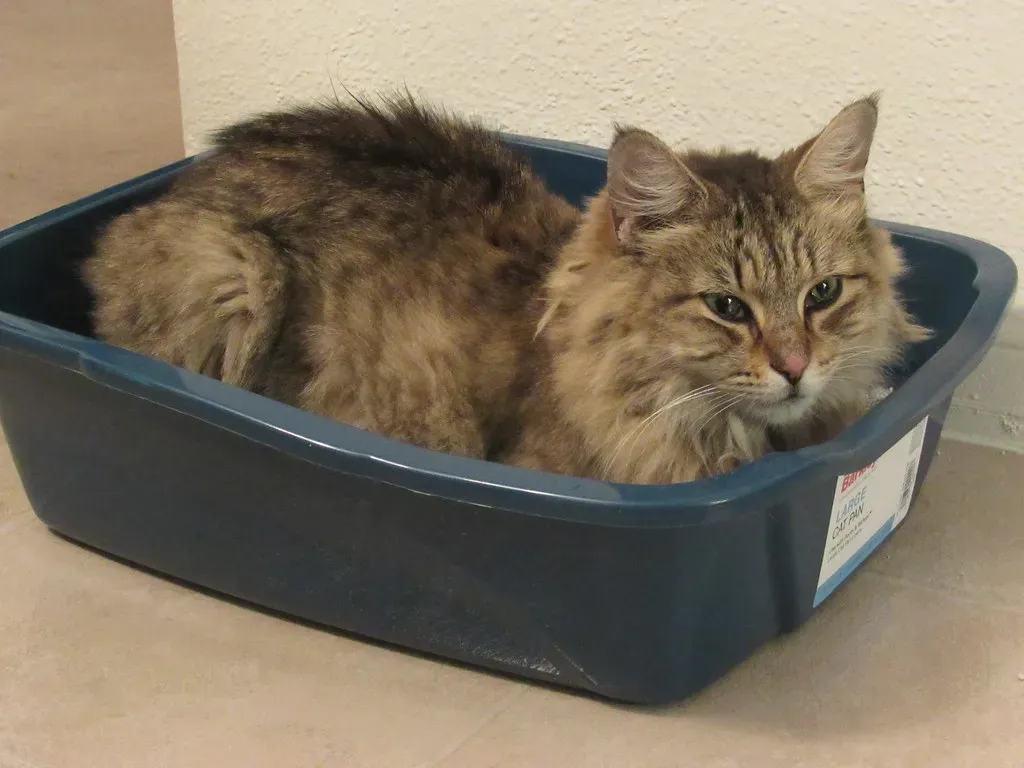
It's easy to underestimate how much the litter box setup affects a cat's overall mood, but veterinary behaviorists rank it as one of the top sources of feline stress when done poorly. A box tucked into a noisy laundry room or high-traffic hallway puts a cat in a vulnerable position during an already vulnerable activity. Cats prefer locations that offer an escape route and some visual privacy, echoing instincts from their wild ancestors who needed to stay alert to predators even while eliminating.
The general guideline from feline specialists is one litter box per cat, plus one extra, placed in quiet, accessible spots throughout the home. It sounds like a small logistical detail, but inadequate litter box placement is a leading cause of house-soiling behavior that gets mistaken for defiance or spite. Getting this right often solves problems owners assumed were behavioral rather than environmental.
#8. Play that mimics real hunting
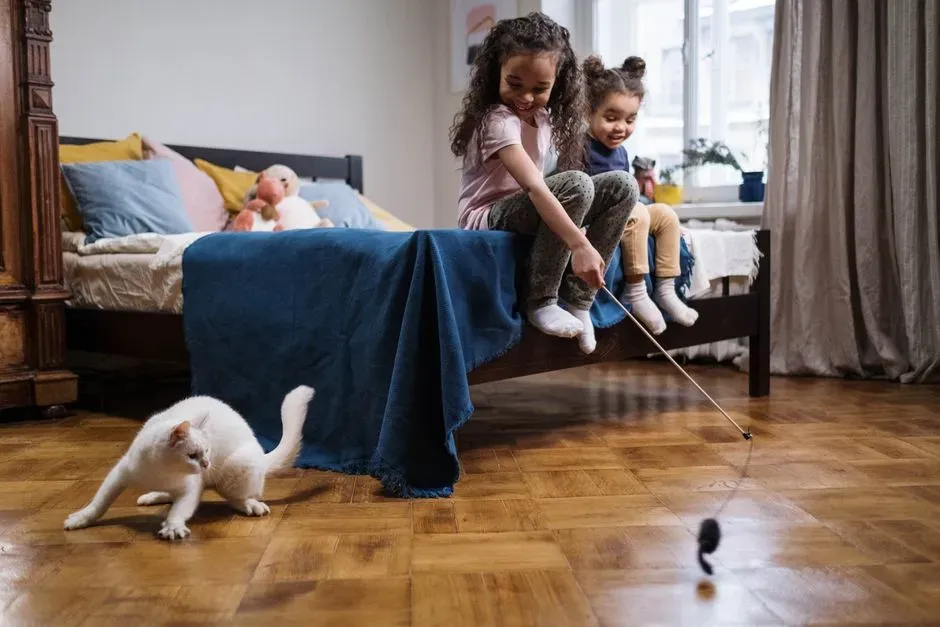
Even the most pampered indoor cat carries the instincts of a predator, and that instinct needs an outlet. Play that involves stalking, chasing, and pouncing, think wand toys dragged along the floor rather than static objects, taps into a hardwired hunting sequence that cats need to express regularly. Skipping this kind of interactive play can leave cats under-stimulated, which sometimes shows up as destructive behavior, overgrooming, or general restlessness.
The most satisfying play sessions for a cat usually end with an actual "catch," letting them pounce on and briefly hold the toy, followed by a small treat that mimics the natural sequence of hunt, catch, and eat. Short sessions of ten to fifteen minutes, done once or twice daily, tend to be far more effective than leaving toys scattered around for a cat to ignore. It's a small time investment that noticeably improves a cat's overall energy and mood.
#9. Being spoken to, even without words that matter
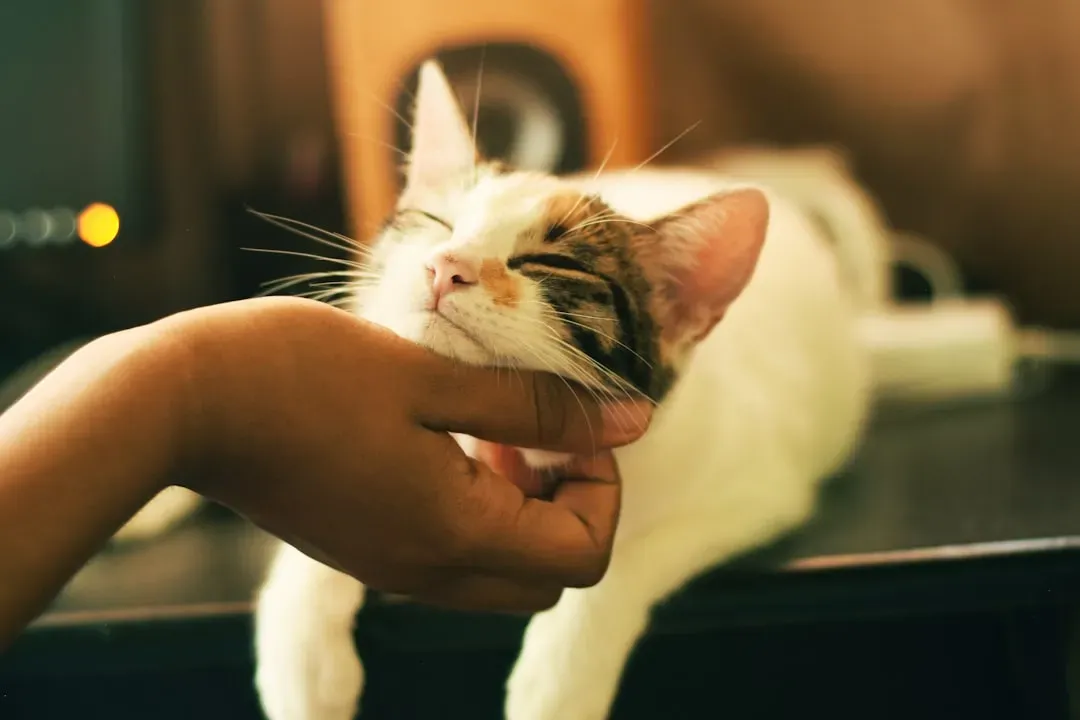
Cats pay closer attention to human voices than they often let on. Studies on feline cognition have found that cats can distinguish their owner's voice from a stranger's and respond differently, even if that response is a subtle ear flick rather than a dramatic reaction. The specific words matter far less than tone, cats are highly attuned to pitch and rhythm, which is why a calm, gentle voice tends to have a visibly soothing effect.
This is part of why talking to a cat during vet visits, grooming, or stressful moments can genuinely help, even though the cat obviously isn't parsing sentence structure. It's less about communication in the traditional sense and more about consistent, familiar auditory cues that signal safety. A cat that hears the same soft, steady voice throughout its life tends to associate that sound with reassurance rather than uncertainty.
#10. Undisturbed, uninterrupted sleep
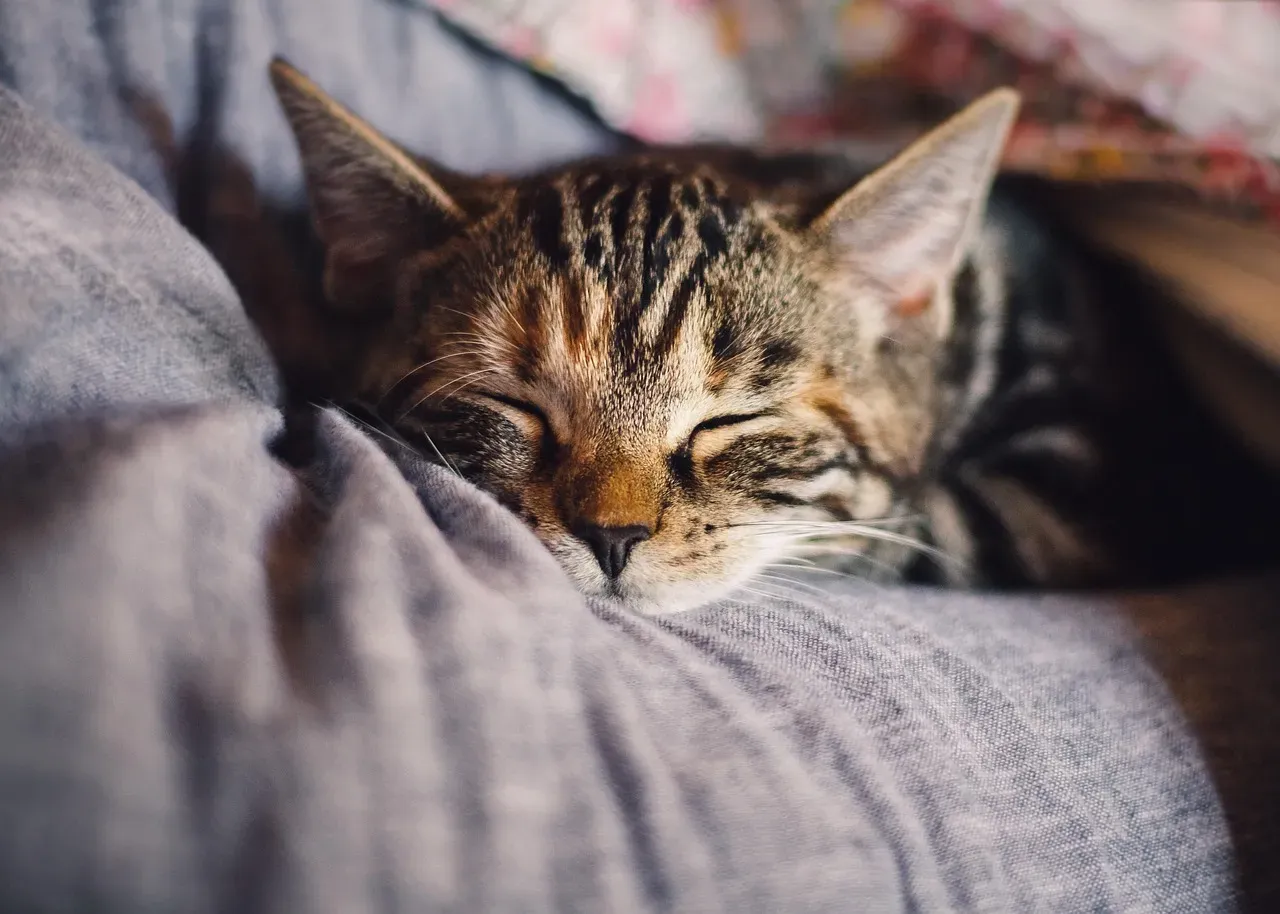
Cats sleep an enormous amount, often between twelve and sixteen hours a day, and that's not laziness so much as evolutionary programming. Their sleep patterns are built around short bursts of intense activity followed by long recovery periods, a rhythm inherited from ancestors who needed energy reserves for hunting rather than sustained activity. Interrupting that rest cycle repeatedly, even with well-meaning affection, can leave a cat chronically under-rested and more irritable than usual.
Respecting a sleeping cat's space, resisting the urge to wake them for cuddles or photos, is a small act that supports their physical and behavioral health more than most owners realize. Quality sleep affects everything from immune function to mood regulation in cats, much as it does in humans. Giving a cat a few reliably undisturbed sleep spots throughout the home is a quiet but meaningful gift.
The Bottom Line