10 Incredible Leopard Facts That Explain How They Survive Where Other Big Cats Cannot
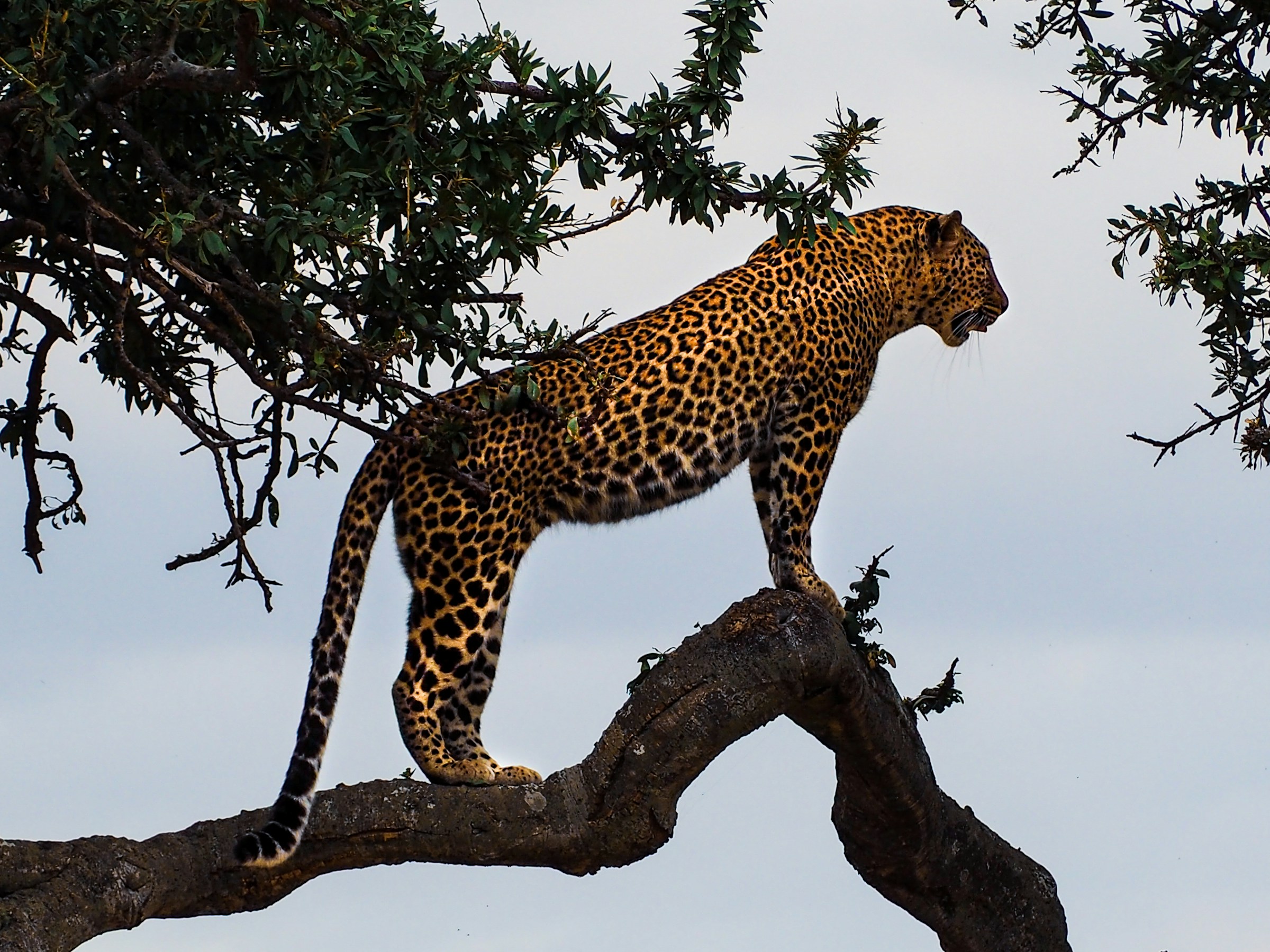
#1. They have the widest range of any big cat on Earth
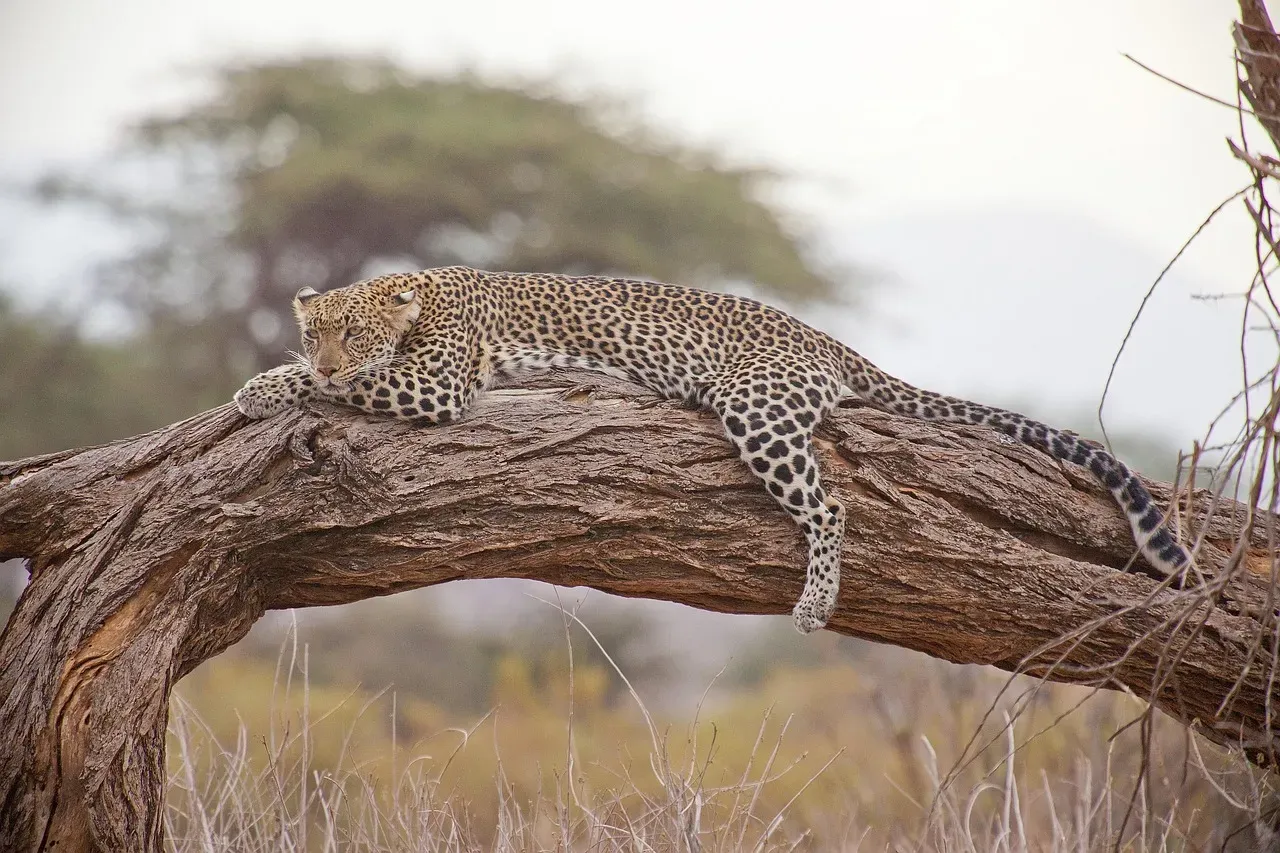
No other wild cat comes close to matching the leopard's geographic spread. Leopards inhabit 62 nations across Africa and Asia, from Senegal's Atlantic coastline to eastern Siberia. That's a staggering footprint for a single species, especially one that isn't the biggest or fastest predator in any given ecosystem.
Historically the range was even larger. Leopards once inhabited a vast range across the globe, from Africa and the Middle East to East Asia, but by 2019, leopards had lost three-quarters of their former range. Even with that contraction, what remains still dwarfs the territory held by lions, tigers, or jaguars, which says a lot about how resilient this cat actually is.
#2. They can live in almost any climate imaginable
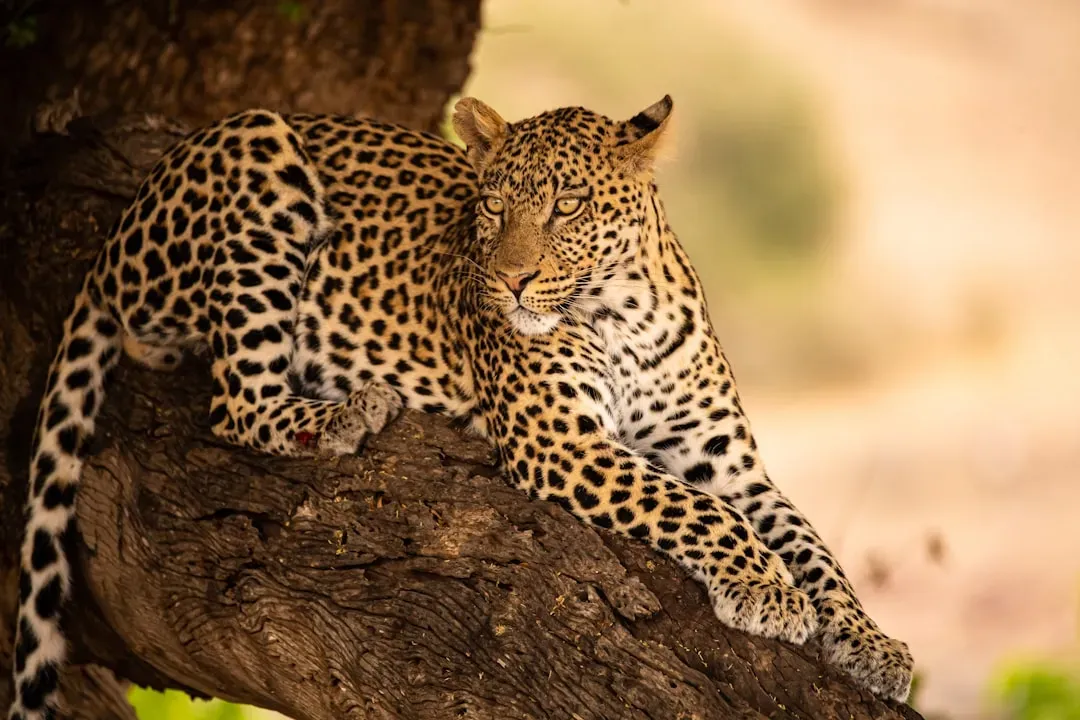
Most big cats are picky about their surroundings. Tigers need forest cover and water, lions need open grassland and social structure, but leopards just don't seem to care where they end up. Leopards easily adapt to a wide variety of habitats, altitudes, and temperatures, from high mountains to deserts to rainforests.
This flexibility even shows up in official comparisons among cat species. Of all the big cat species, leopards are the only known species that live in both desert and rainforest habitats. That single fact tells you almost everything about why leopards keep turning up in places other predators would never attempt to colonize.
#3. They can go days without drinking water
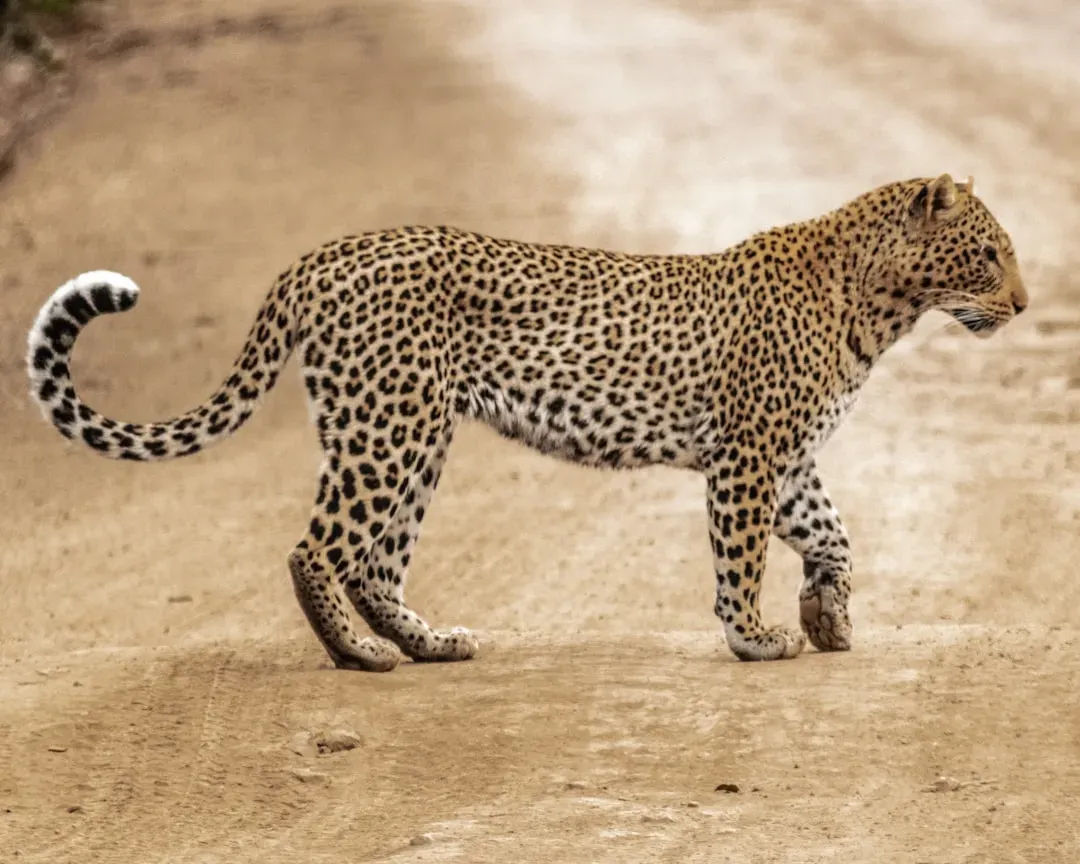
Water scarcity is one of the biggest limiting factors for large predators, particularly in dry regions. Leopards sidestep the problem entirely through a physiological trick most people don't know about. They can live without drinking water for as long as 10 days, getting the moisture they need from their food.
That single adaptation opens up huge stretches of arid land that would otherwise be off limits. Combine it with a body built to hide during the hottest part of the day, and you get a cat that can survive in places where thirst alone would kill most other large mammals within a week.
#4. Their hunting style doesn't rely on speed or numbers
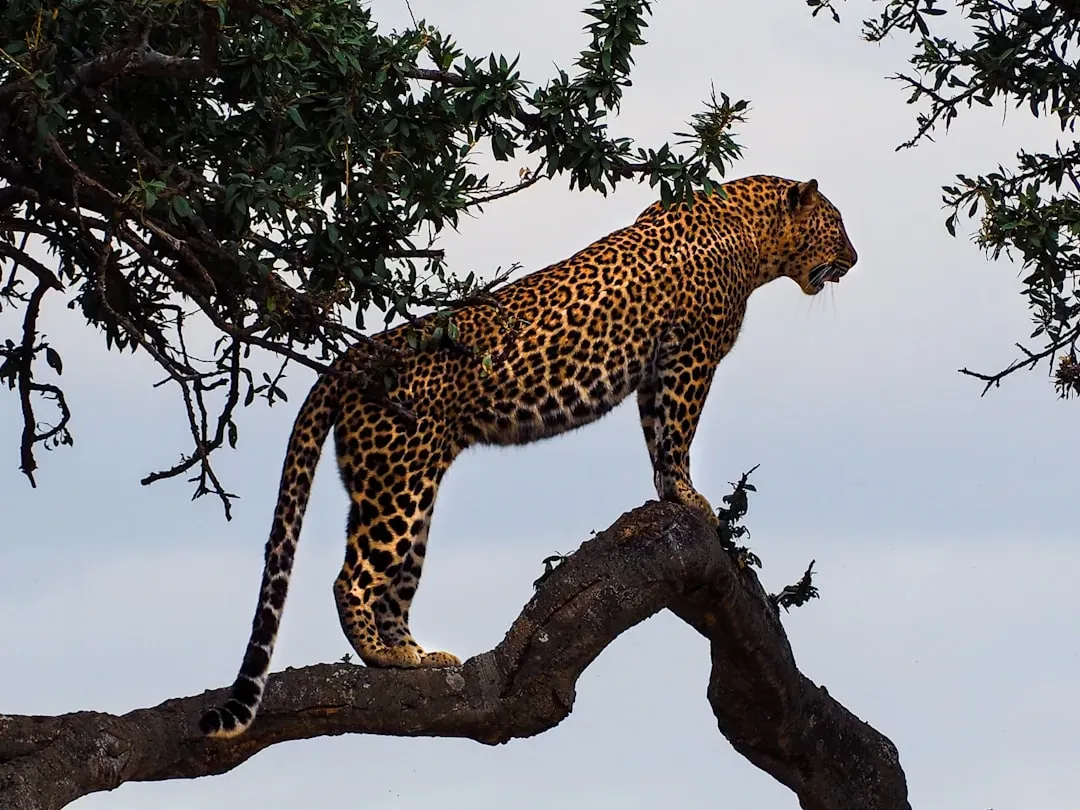
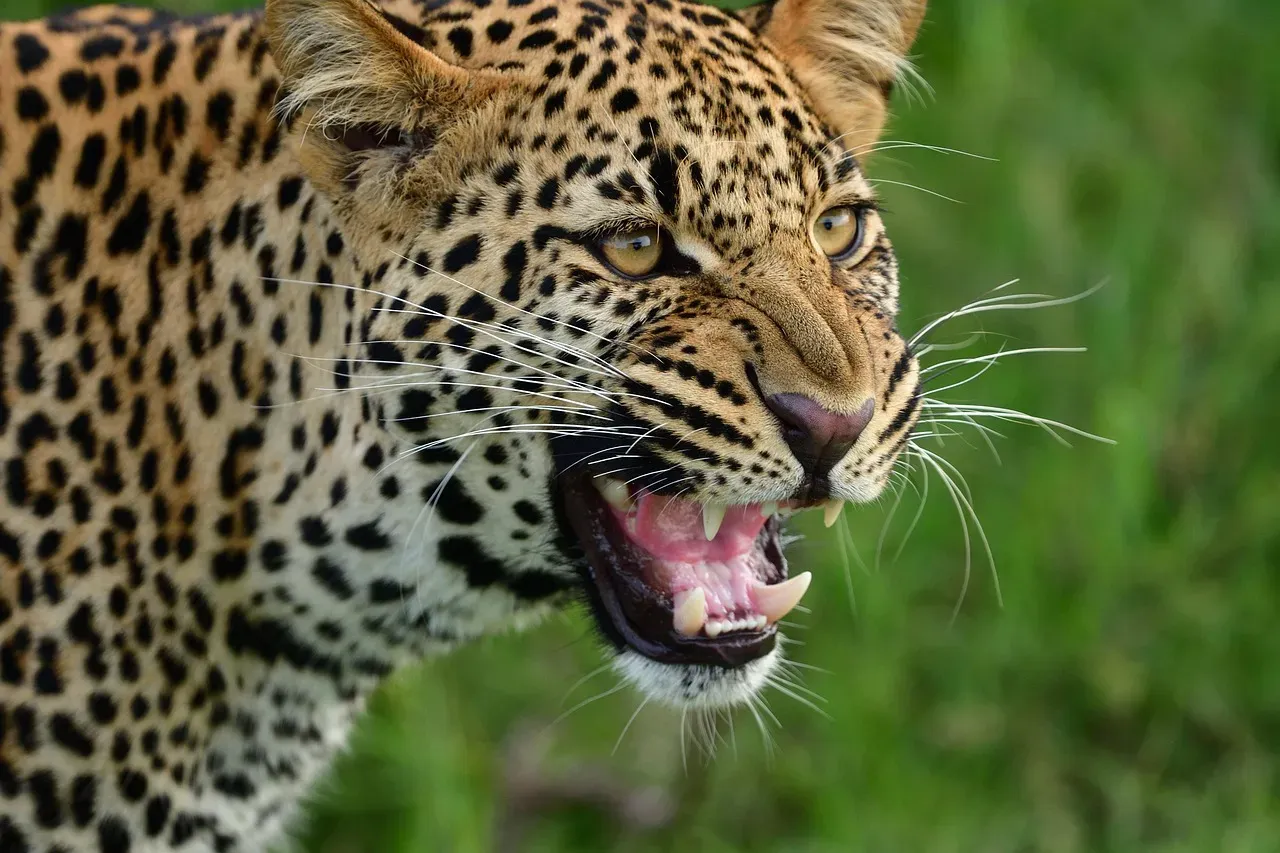
Cheetahs need open ground to outrun prey. Lions need a pride to bring down large animals. Leopards need neither. They are known for their unique hunting behavior, using stealth and patience to ambush their prey before delivering a powerful bite to the throat.
This ambush approach works in thick brush, rocky terrain, forest understory, basically anywhere with enough cover to hide a crouching cat. As apex predators, leopards ambush prey from a perch in the trees, a hunting method that differs from their big cat cousins, who engage prey in high-speed chases. Because the strategy doesn't depend on habitat type, it works nearly everywhere the leopard goes.
#5. They eat almost anything that moves
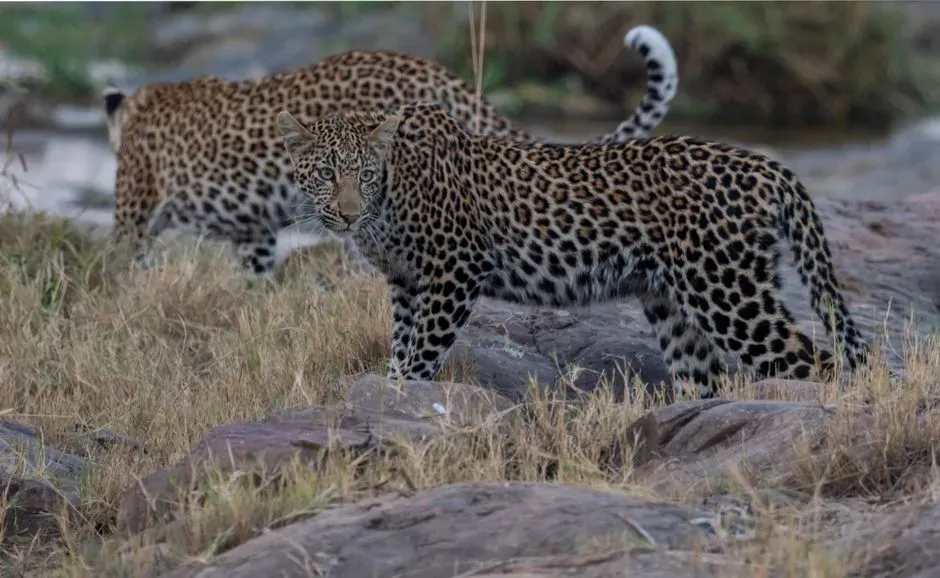
A picky eater doesn't survive in 62 different countries. Leopards aren't picky. This adaptability extends to their diet, since they are opportunistic hunters that feed on anything from antelope and deer to birds, reptiles, and fish.
That dietary flexibility matters more than most people realize. When a preferred prey species disappears from a region due to habitat loss or overhunting, a leopard can simply shift its focus rather than starve or move on, which is exactly the kind of buffer that other, more specialized big cats don't have.
#6. They store their kills out of reach of rivals
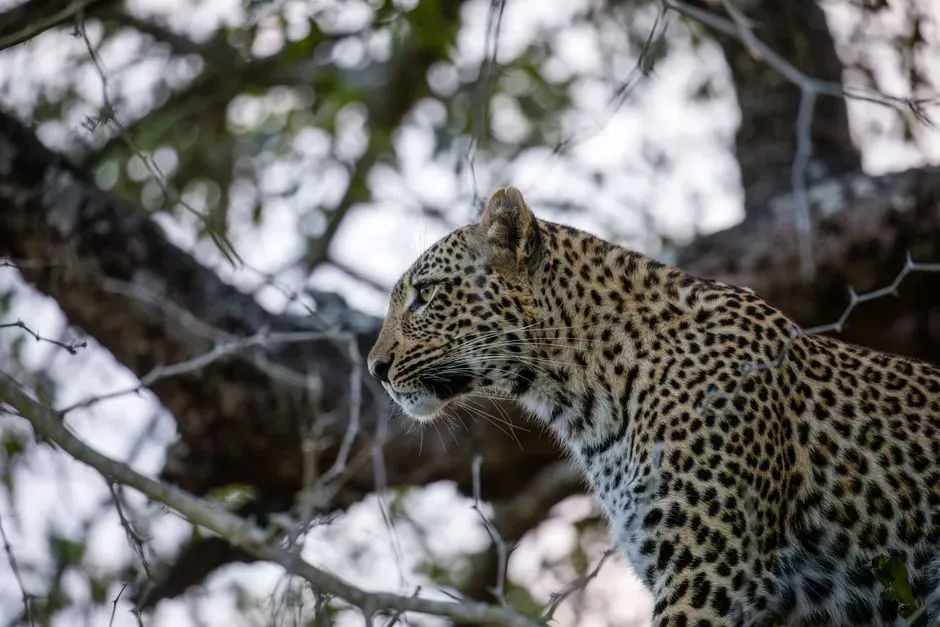
Sharing a landscape with lions and hyenas usually means losing your meal to something bigger or more aggressive. Leopards solve this with a habit that's become almost iconic. They often drag their kills into trees to keep them safe from scavengers like hyenas and lions.
This behavior alone explains why leopards can coexist with dominant competitors that would otherwise outmuscle them at every turn. Instead of fighting for a carcass, the leopard simply removes it from the equation, hauling prey many times its own body weight straight up a trunk where nothing else can follow.
#7. Their coat patterns shift depending on where they live
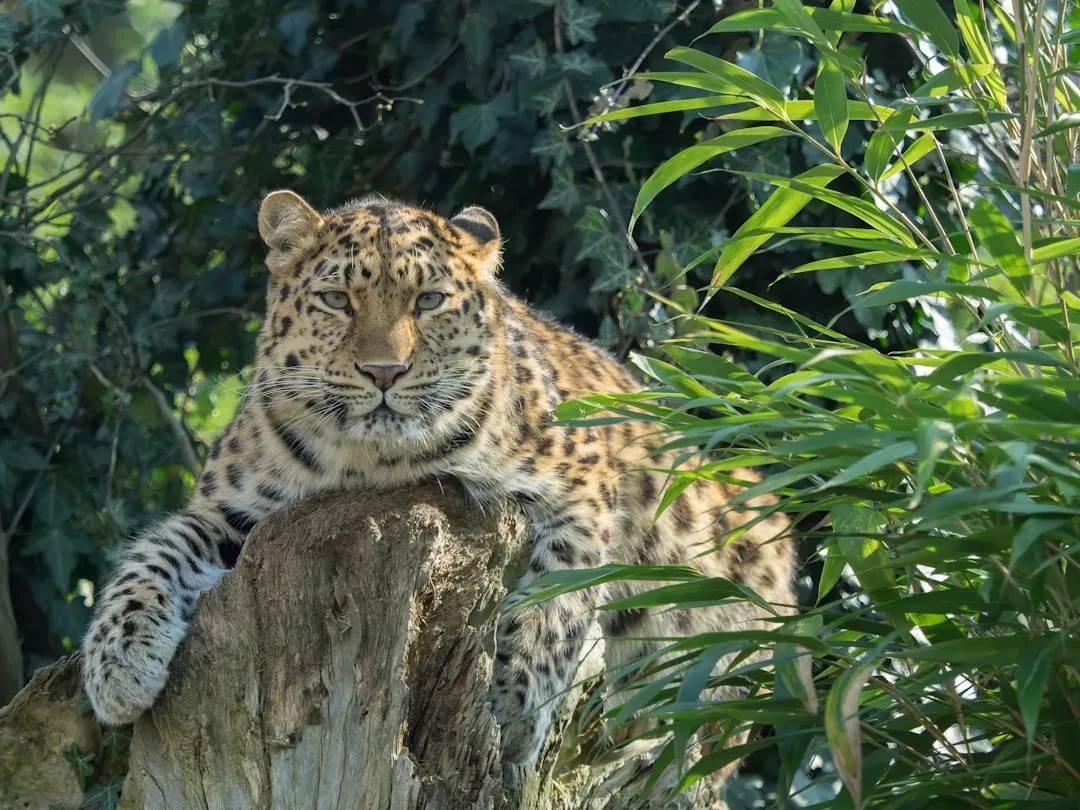
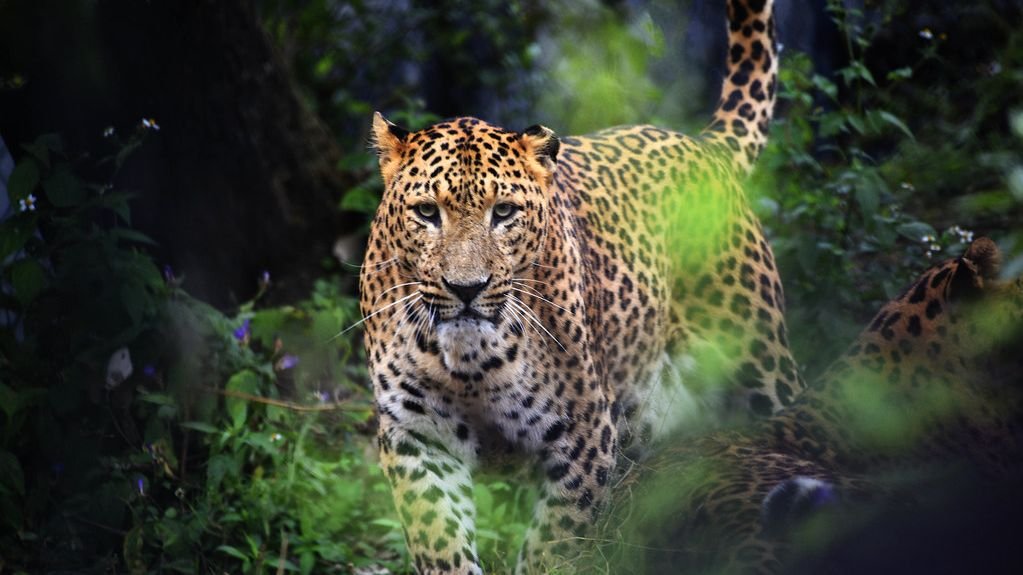
A leopard in the Kalahari doesn't look quite like a leopard in the Russian Far East, and that's not an accident. There are nine subspecies distinguished by the unique characteristics of their coats, which range from tawny or light yellow in warm, dry habitats to reddish-orange in dense forests.
The most dramatic example lives in the snowy forests near the China-Russia border. Amur leopards have thick, pale fur to protect them from harsh winter weather and heavy snow, unlike the gold coats typical of their African relatives. Even the spot shapes change by region, with rounder rosettes in East Africa and more square patterns further south, a subtle reminder that evolution has been fine-tuning this cat for very different environments.
#8. They're solitary by nature, which reduces competition for resources
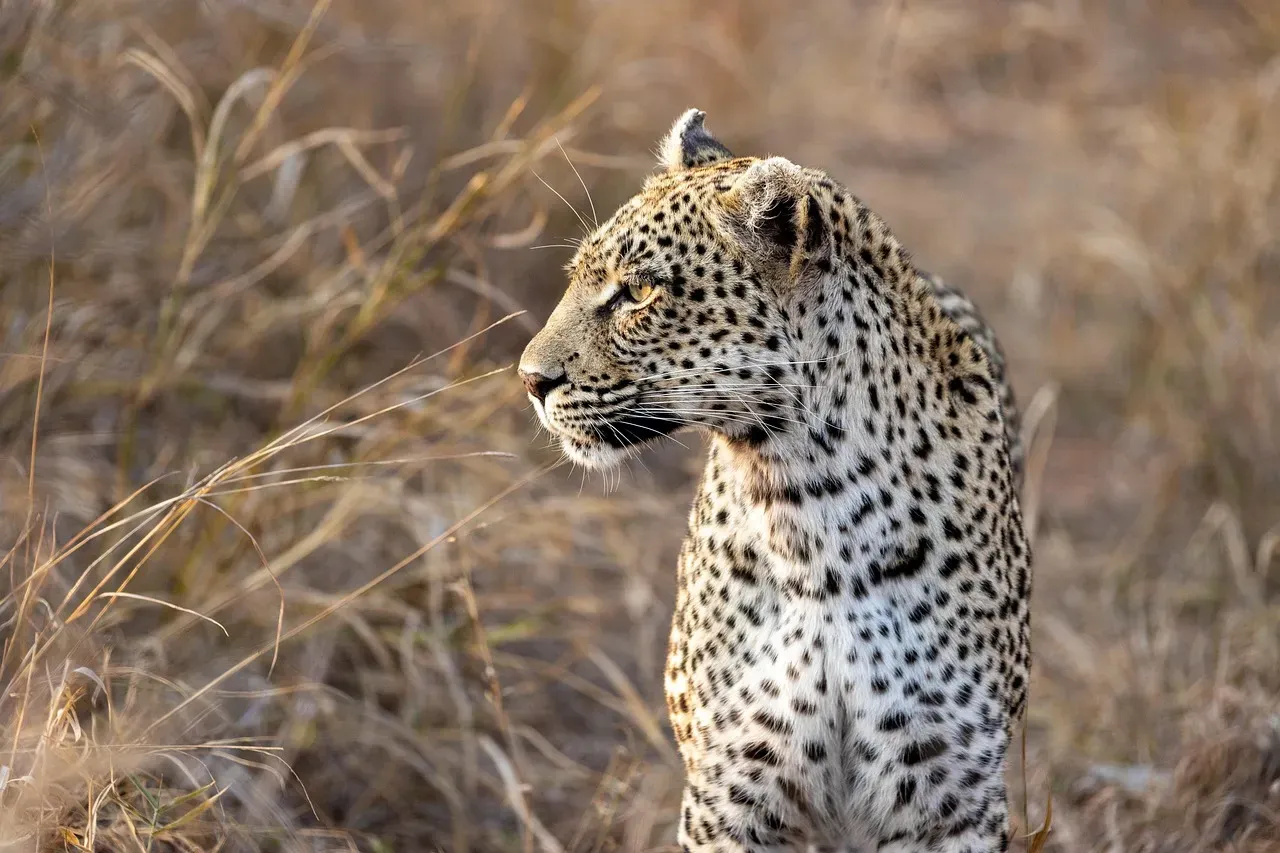
Lions live in prides that need large territories to feed everyone. Leopards go it alone, and that changes the math entirely. Unlike lions, leopards are solitary and prefer to live alone, marking their territories with scent to keep others away.
A solitary lifestyle means a leopard needs far less prey biomass per individual to survive, which lets populations persist in marginal habitats that couldn't support a social predator. Leopards tend to be solitary and rarely interact except to mate or raise cubs, and they are territorial, with males fighting if their territories overlap. That independence turns out to be a quiet survival advantage in landscapes where food is thin and unpredictable.
#9. They're remarkably tolerant of living near people
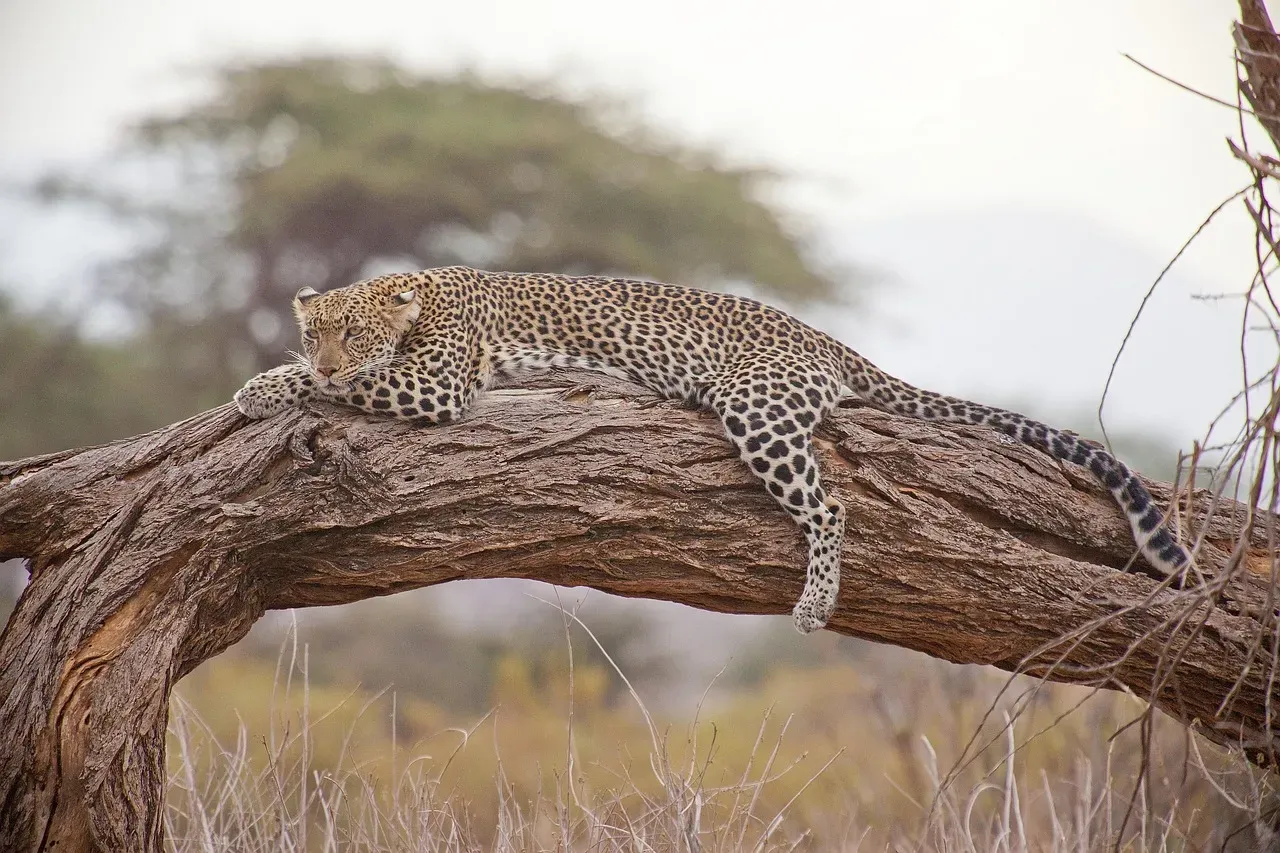
Most large predators retreat as human development expands. Leopards, more often than not, adjust and stay. Experts believe one reason they continue to survive successfully throughout much of their range is that leopards have adapted to the growing presence of people, both living and hunting in areas close to urban activity.
Nowhere illustrates this better than a national park sitting inside one of the world's largest cities. These cats live in every imaginable landscape, from sea level to 17,000 feet, and even Sanjay Gandhi National Park in the center of Mumbai, a city of 21 million people. That kind of tolerance for human proximity, while not without real conflict and risk, is something lions and tigers have rarely managed at the same scale.
#10. Some populations are proving that recovery is possible
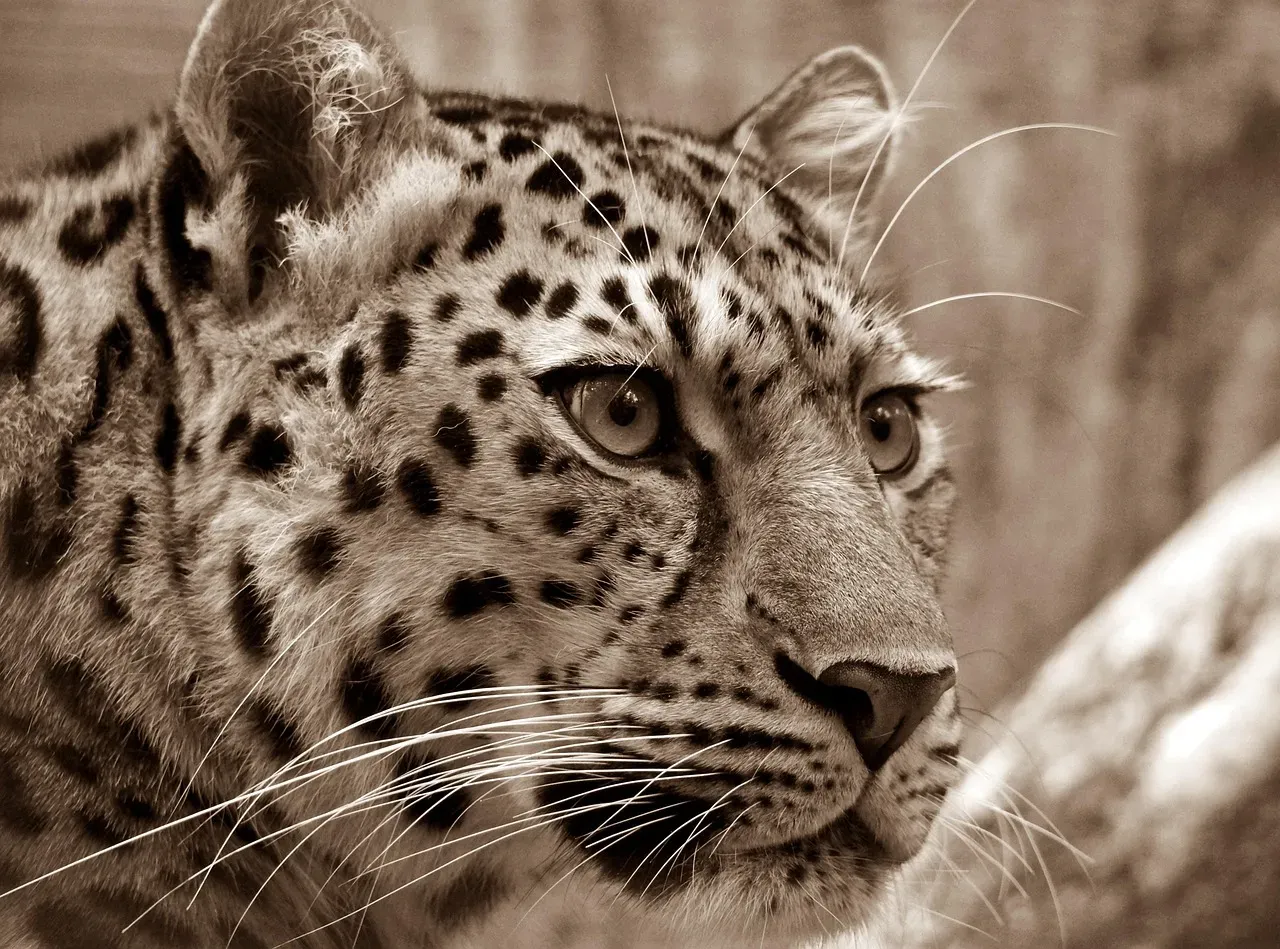
Not every leopard story is one of decline. The Amur leopard, once reduced to a tiny handful of individuals, offers a genuine example of a comeback. In the 2000s researchers estimated between 25 and 35 individuals remained, but the population has rebounded, and by 2022 more than 100 adult leopards roamed Russia.
That said, the overall picture across the species remains mixed and, in places, genuinely alarming. The West African leopard population has declined by 50% over the past two decades, with only about 350 mature individuals left, leading to its reclassification as endangered. The lesson here isn't that leopards are invincible. It's that when given even modest protection and prey recovery, their natural resilience can do the rest.
What their survival really tells us