8 Fascinating Caracal Facts That Go Far Beyond Their Extraordinary Jumping Ability
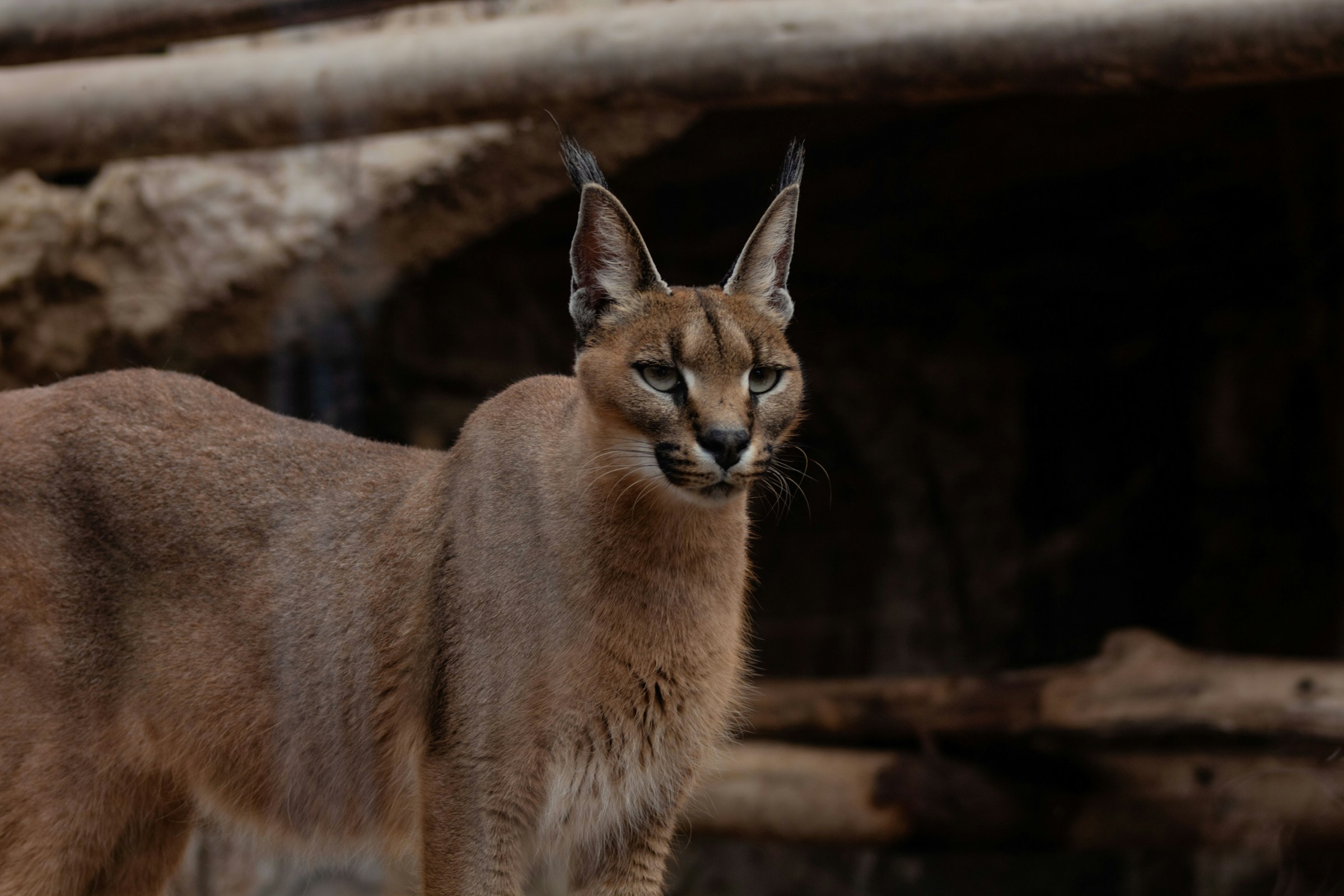
Most people only know caracals as the “jumping cats” from viral videos, launching themselves straight into the air to snatch birds out of the sky. That alone is impressive, but it barely scratches the surface of how strange, elegant, and unexpectedly complicated these wild cats really are. Once you start looking beyond the slow‑motion clips, you discover an animal that lives in the tension between desert and savanna, stealth and speed, myth and harsh reality.
The first time I saw one in real life at a small conservation center, I expected something roughly like a slightly bigger house cat that could jump high. Instead, what I saw was closer to a tiny cougar wearing eyeliner and black ear tassels, radiating this calm, dangerous confidence. The more I learned, the more I realized caracals are one of those species that quietly challenge what we think we know about wild cats. Let’s go way beyond the jump and get into the really fascinating stuff.
#1 Those Dramatic Ear Tufts Are Not Just For Show
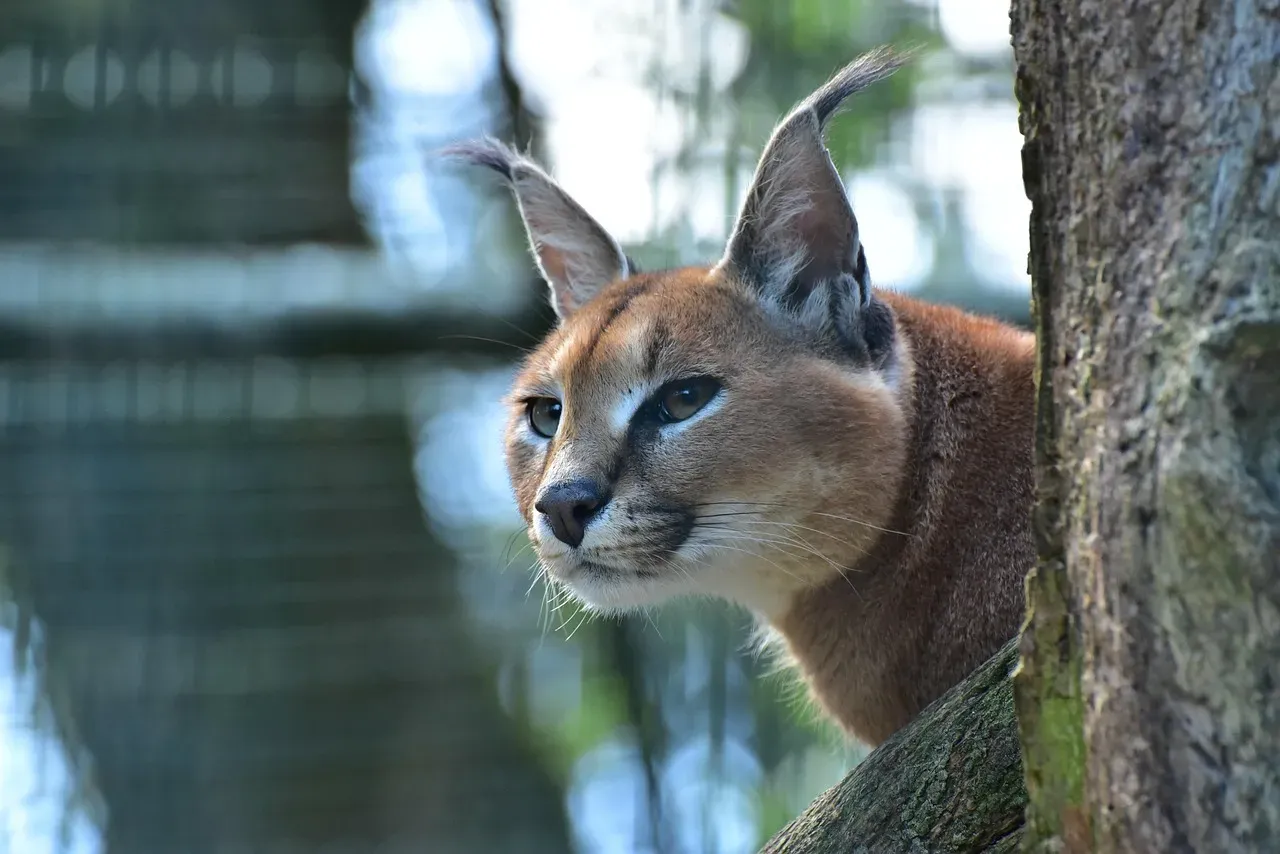
Caracals are instantly recognizable because of those long, black ear tufts that look like exaggerated eyeliner flicks turned upward. They are not just a fashion statement; researchers believe they play an important role in communication and camouflage. The tufts may help break up the outline of the ears in tall grass, making the cat’s head shape less obvious to both prey and predators.
There is also growing evidence that these ear tufts act a bit like visual “exclamation marks” between caracals. When the cat swivels, flattens, or raises its ears, the dark tassels make those movements easier to read from a distance. If you imagine two people signaling each other with flags instead of bare hands, you get the idea. In the low, shimmering light of dusk and dawn where caracals are most active, that extra bit of contrast can make subtle body language much more visible.
#2 Built Like a Sprinter, But Hunts With a Stalker’s Patience
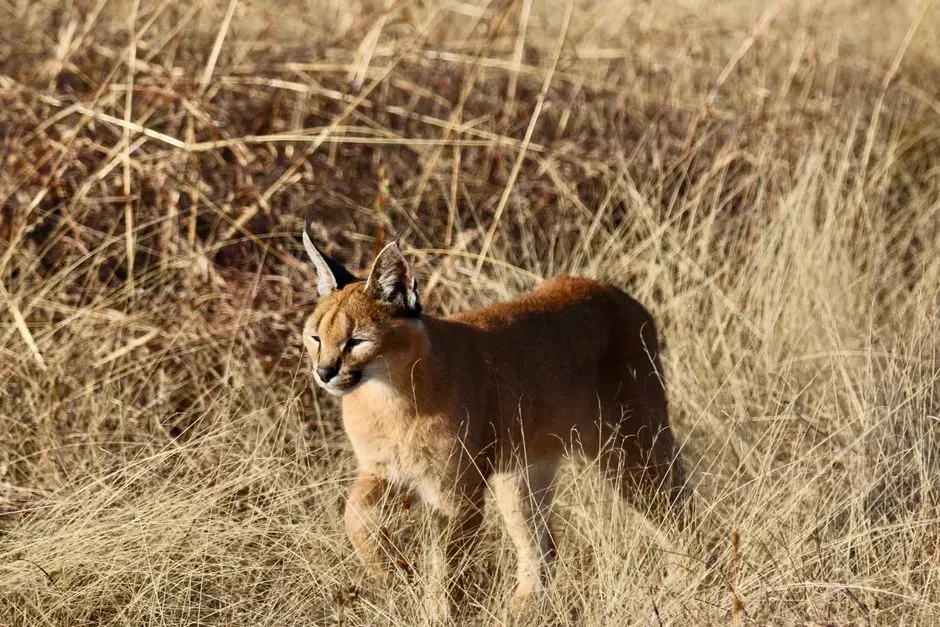
At a glance, the caracal’s body looks made for speed: long, muscular hind legs, lean torso, and a relatively small head. It is the wild‑cat version of a middle‑distance runner rather than a heavyweight fighter. That build helps with the explosive jumps everyone talks about, but it is just as important for short, fast dashes when chasing down small antelope, hares, or birds that do not get quite far enough away.
What people often miss is how patient these cats are before the sprint ever happens. Caracals will spend long stretches stalking slowly, freezing, and then creeping another step closer, using shrubs, termite mounds, or rocks as cover. I once watched tracking footage where a caracal moved so gradually through scrubland that you could barely see its position change from minute to minute. When the moment finally comes, the chase is over quickly - either a clean kill or the prey escapes and the game resets, sometimes dozens of times in a night.
#3 Masters of Edge Habitats, From Semi‑Deserts to Farmlands
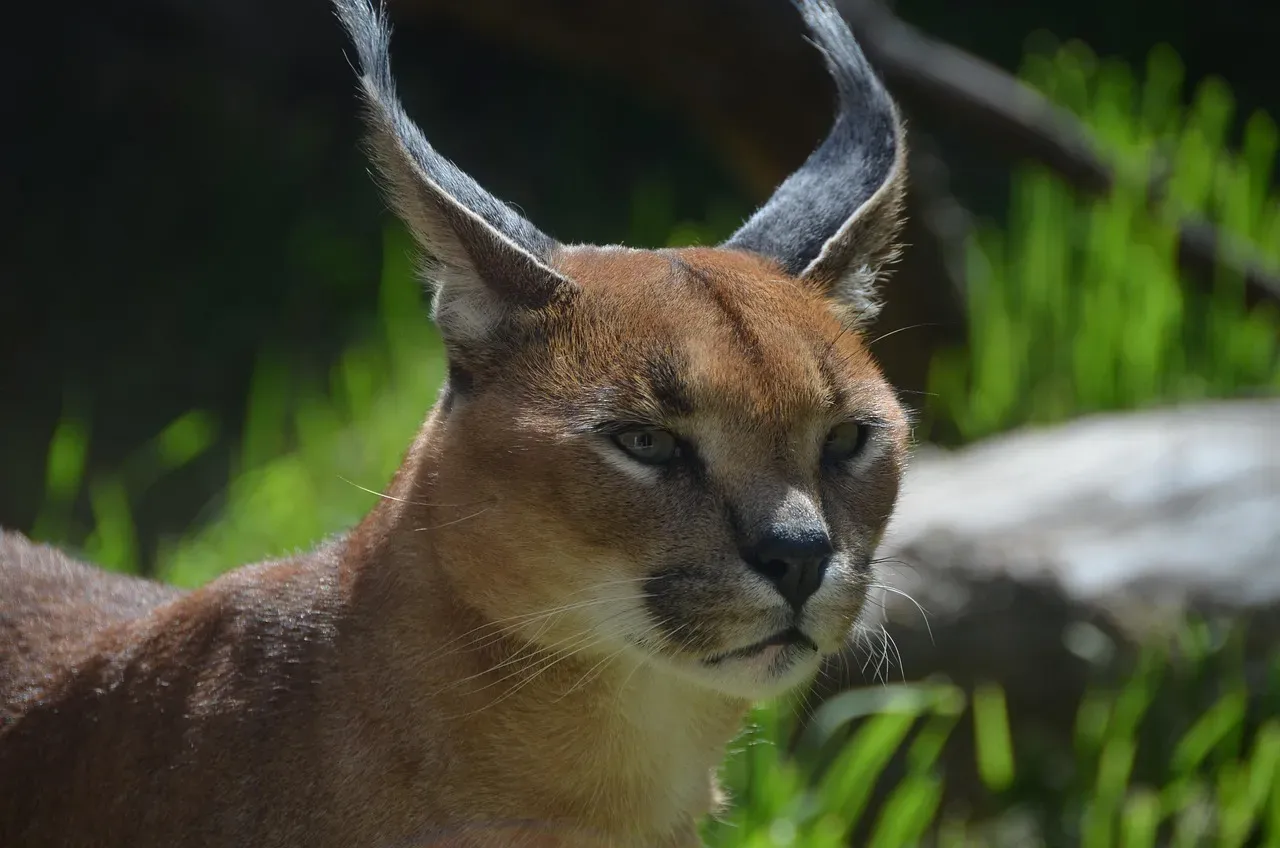
Unlike some big cats that are deeply tied to a specific type of forest or ecosystem, caracals are specialists in surviving on ecological “edges.” They thrive in semi‑deserts, savannas, dry woodlands, and scrub landscapes where open ground meets patches of cover. You find them in parts of Africa, the Middle East, Central Asia, and the Indian subcontinent, adapting to everything from rocky hills to thorny bush country.
What is both impressive and controversial is how well they slip into human‑modified environments. In some regions they now show up around farmlands, plantations, and the fringes of towns, quietly hunting rodents and birds that flourish near people. That adaptability is one of the reasons their global conservation status is still relatively stable, but it also brings them into direct conflict with farmers when livestock or poultry become easy targets. Their success story is not simple; it is a balancing act between resilience and human tolerance.
#4 Caracals Are Surprisingly Vocal, But Mostly After Dark
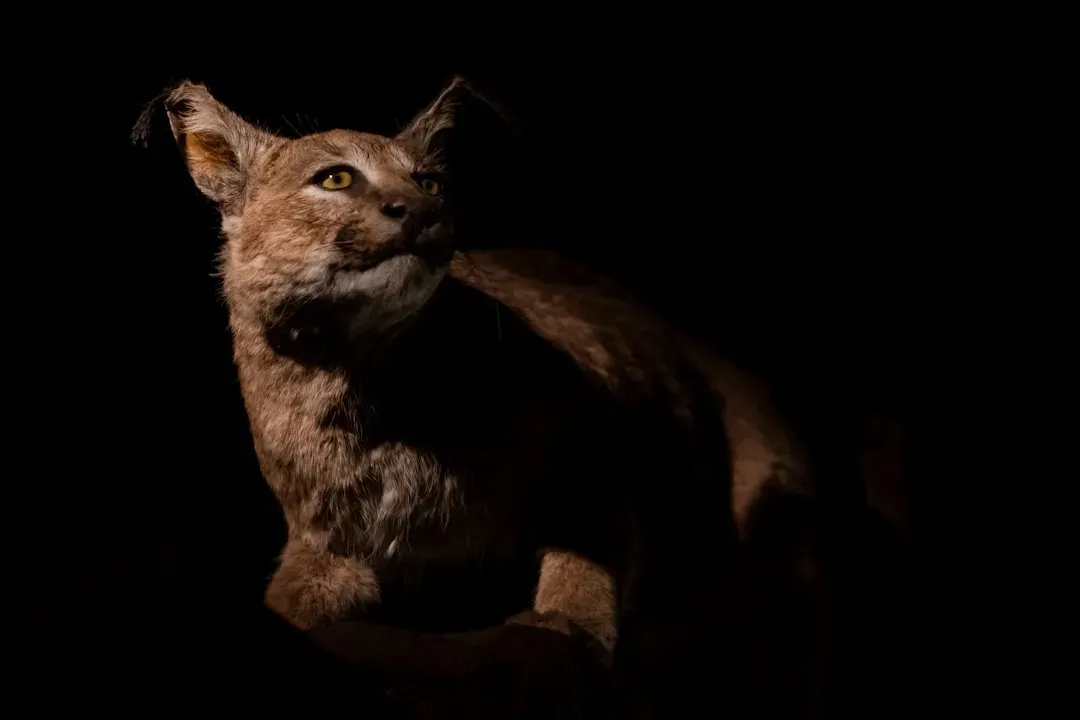
Because caracals tend to be elusive and active at night or in the cool hours of dawn and dusk, many people assume they are almost silent animals. In reality, they have a varied vocal repertoire, just not one that most humans get to hear often. They can growl, hiss, spit, purr, and make short, barking calls that sound almost like a harsh cough mixed with a chirp.
These sounds become especially important during the breeding season and when defending territory. Males can produce loud, rasping calls that carry through the night, a kind of wild soundtrack that most city dwellers never realize is happening out there. In captivity, keepers often report that individual caracals develop their own characteristic “voices” and even use softer, almost mutter‑like sounds in close contact. It reminds you that silent predators are rarely as silent as they seem; we are just not listening at the right time.
#5 A Diet That Ranges From Tiny Rodents to Young Antelope
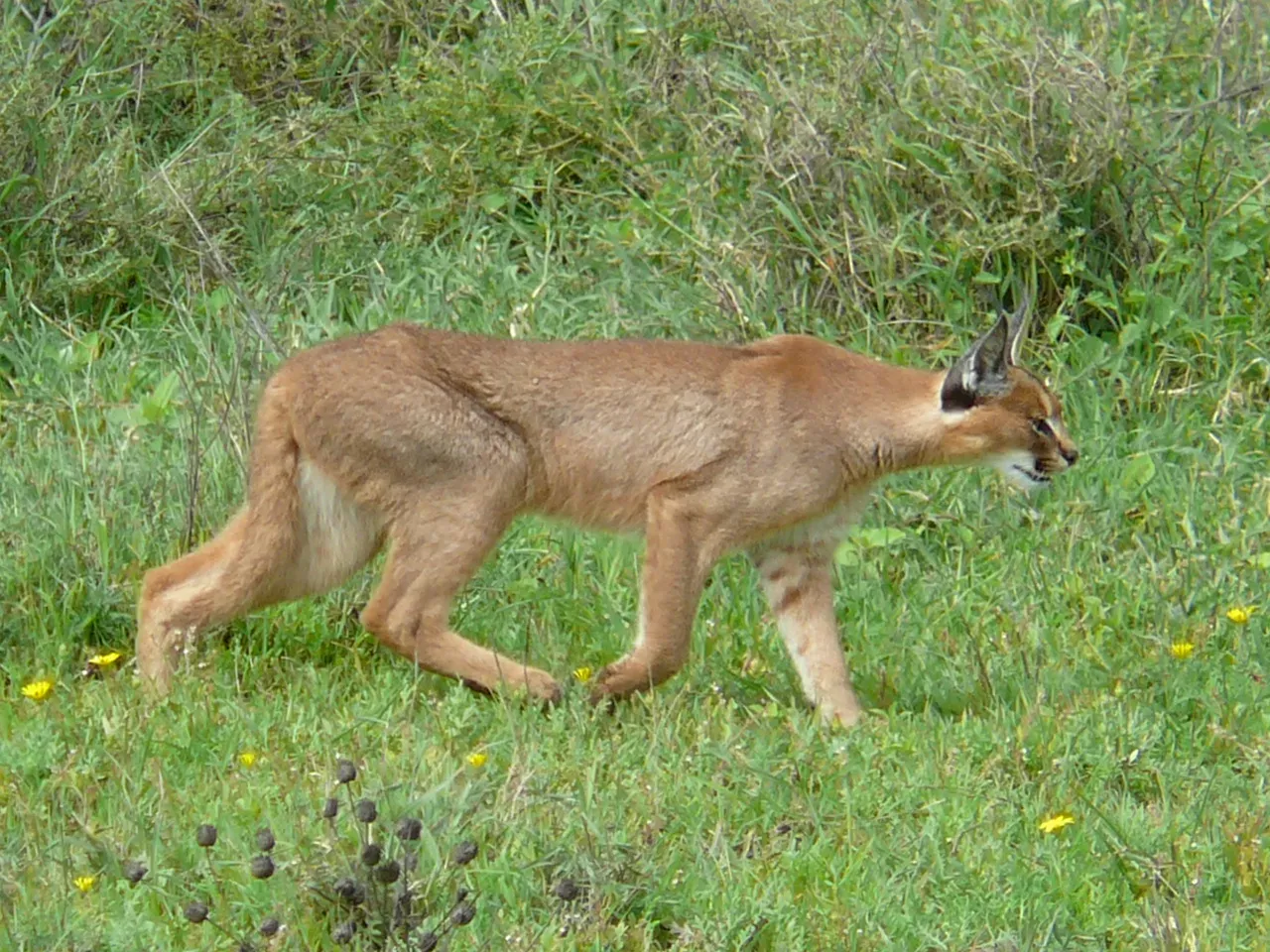
Caracals are classic opportunistic carnivores, meaning they take what is available instead of fixating on one or two favorite prey species. In many parts of their range they feed heavily on rodents, hares, and ground‑nesting birds, which they can catch regularly without burning too much energy. This flexible menu is a big part of why they cope so well in harsh, variable landscapes where food can be unpredictable.
When the opportunity arises, though, they do not hesitate to go bigger. Caracals have been documented taking down prey roughly as large as young antelope or small gazelles, using a throat bite and a rapid, wrestling grip similar to what you would see in larger cats. This ability to switch between many small meals and the occasional large one is a smart survival strategy in dry regions. It is like having the option to snack constantly or sit down to a big feast, depending on what the day offers.
#6 Solitary, But Not Socially Simple
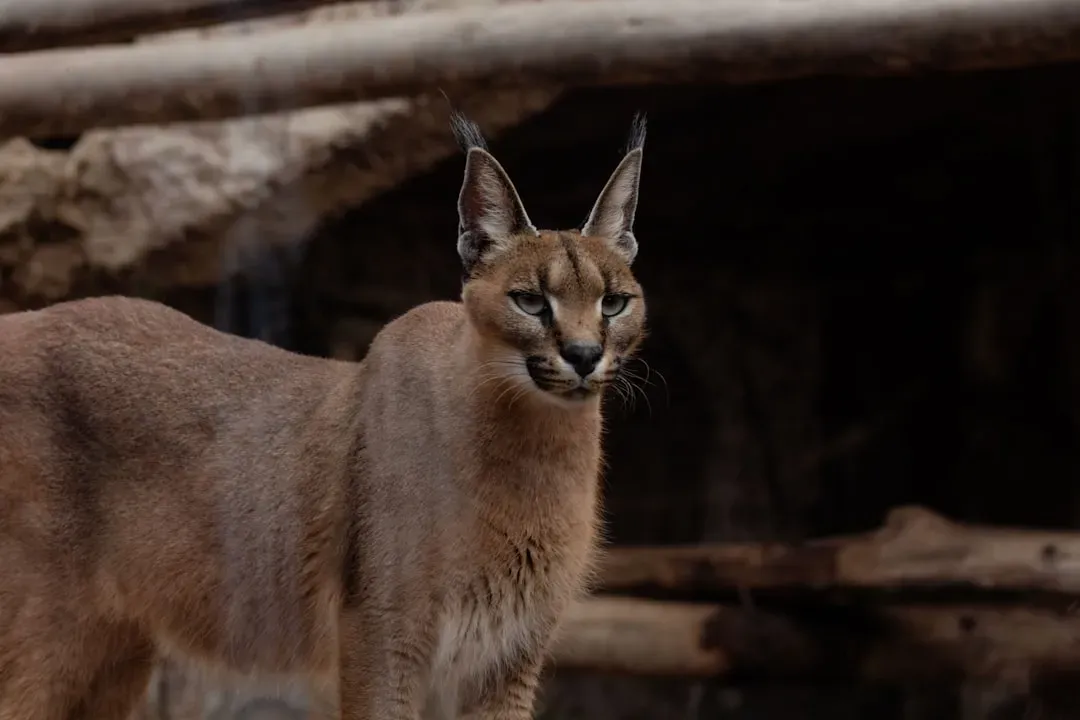
Caracals are generally solitary, and you almost never see groups moving together the way you might with lions or cheetahs. Adult males hold territories that can overlap with those of several females, and they usually avoid each other unless it is mating season or there is a dispute over boundaries. On the surface, it sounds like a simple, “everyone goes their own way” lifestyle.
Dig a little deeper, and there is more social complexity than you might expect from a mostly solitary cat. Caracals use scent marking, scrapes, and subtle vocalizations to coordinate space and timing, reducing risky physical confrontations. Mothers can be intensely devoted to their kittens, relocating them multiple times to fresh dens as they grow and teaching them to hunt through gradual practice. To me, the most striking thing is how much their “invisible” social world depends on cues we easily miss - scents on grass, faint track overlaps, and calls that vanish into the night air seconds after they are made.
#7 Ancient Symbolism and Modern Misunderstandings
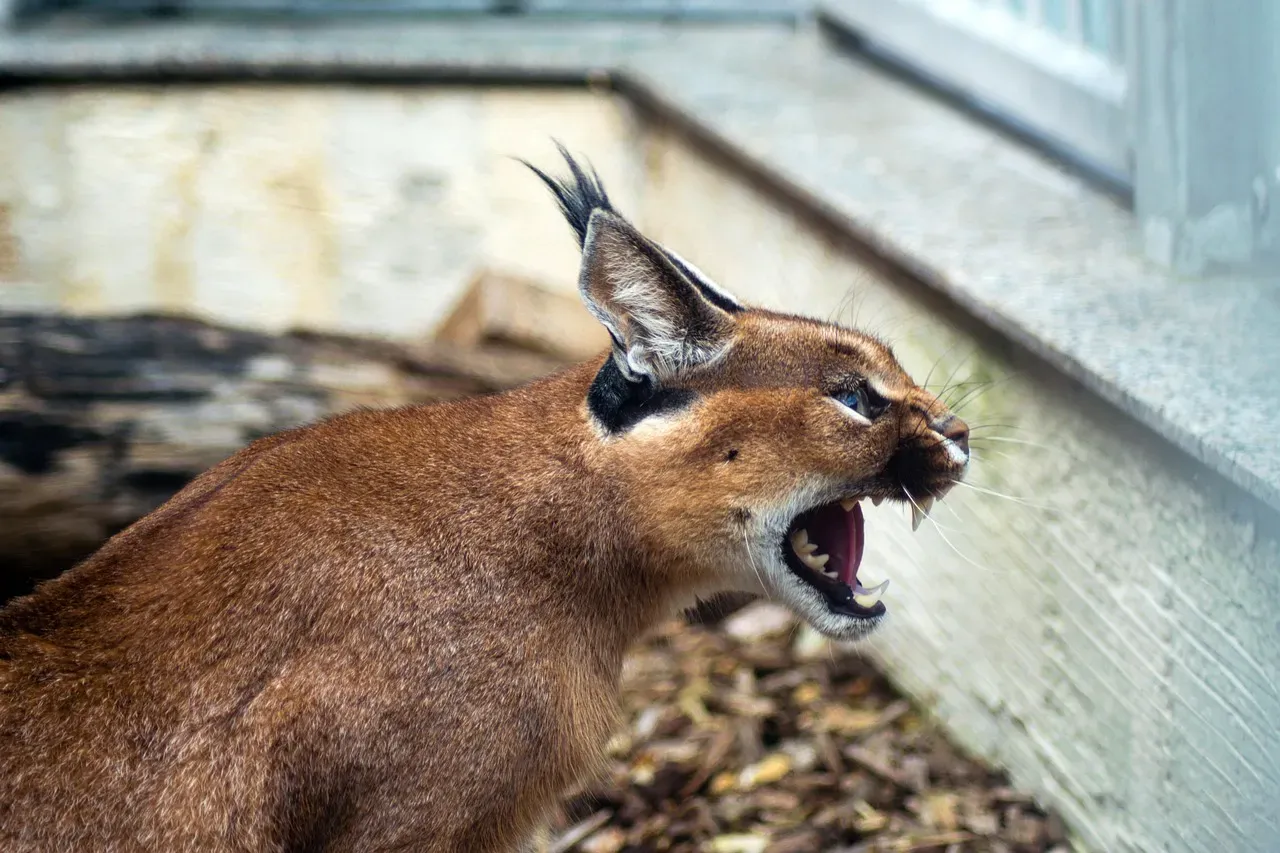
Caracals have lived alongside humans for a very long time, and they show up in ancient art, mythology, and folklore across parts of Africa and Asia. Their sleek profile and dramatic face markings made them a natural subject for artists and storytellers, who often associated them with speed, stealth, and sharp perception. In some historical contexts, they were even trained for hunting, used a bit like feathered, feline falcons to flush or chase small game.
Fast‑forward to the present, and their image is pulled in very different directions. On social media, caracals are sometimes flattened into cute, exotic “aesthetic” animals, while in rural areas they can be labeled as pests or livestock killers. The same cat that inspires awe online may be trapped or shot in real life because it took chickens or small goats. That contrast says more about us than about them; we tend to romanticize wildlife from a distance and oversimplify the messy reality of living side by side with a powerful predator.
#8 Not a House Pet in Disguise, No Matter What Instagram Implies
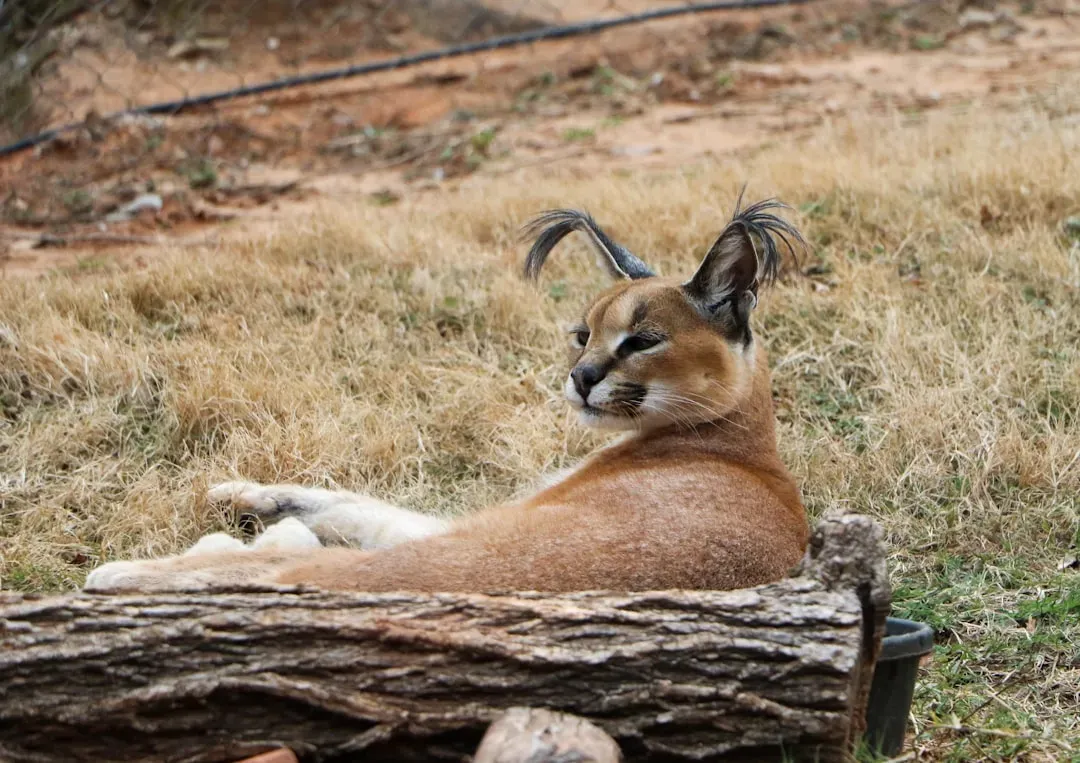
In the last few years, you may have seen photos or videos of people keeping caracals in apartments or houses, treating them almost like oversized domestic cats. The truth is far less glamorous. Caracals are wild predators with strong hunting drives, sharp claws, and a need for space, stimulation, and privacy that is very hard to satisfy in a home environment. Keeping them as pets often leads to stressed animals, injuries, and, eventually, abandonment or confiscation.
From an ethical and practical standpoint, I think this trend is one of the more depressing examples of how internet culture can warp our sense of responsibility. Just because an animal is beautiful and looks calm in a short clip does not mean it is suited to couches and coffee tables. If anything, the more we learn about their finely tuned bodies and behaviors, the more clear it becomes that their place is in well‑protected wild spaces or reputable conservation centers - not as status symbols in someone’s living room.
Opinionated Conclusion: Respect the Mystery More Than the Meme
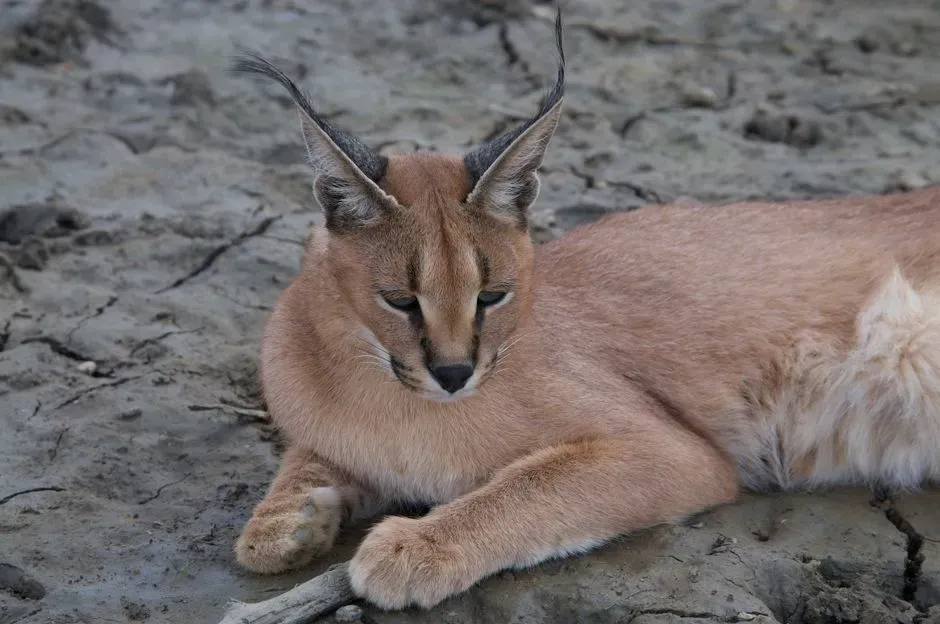
The more you peel back the layers on caracals, the harder it is to see them as just “those cats that jump high.” They are edge‑dwelling survivors, expressive communicators, and predators that walk the thin line between human landscapes and wild terrain. For me, the most fascinating part is not any single superpower, but how all their traits mesh together into a creature that is perfectly tuned to a harsh, unpredictable world.
In an age where wildlife often gets reduced to shareable moments and cute thumbnails, caracals are a good reminder that real animals are more complicated, more difficult, and far more interesting than their online versions. If we are serious about admiring them, we should be just as serious about protecting the places they need and resisting the urge to turn them into collectibles. Next time you see a clip of a caracal soaring through the air, will you think of it as a cool stunt, or as a glimpse into a life that deserves to stay wild - what would you have guessed?
- The Relationship Between Big Cats and Scavengers in the Wild
- 9 Amazing Features That Allow Cheetahs to Turn, Accelerate, and Stop at Incredible Speeds
- 9 Incredible Snow Leopard Facts That Explain How They Survive Where Few Big Predators Can't
- What It Means When a Bobcat Stops and Looks Back Before Disappearing Into Cover