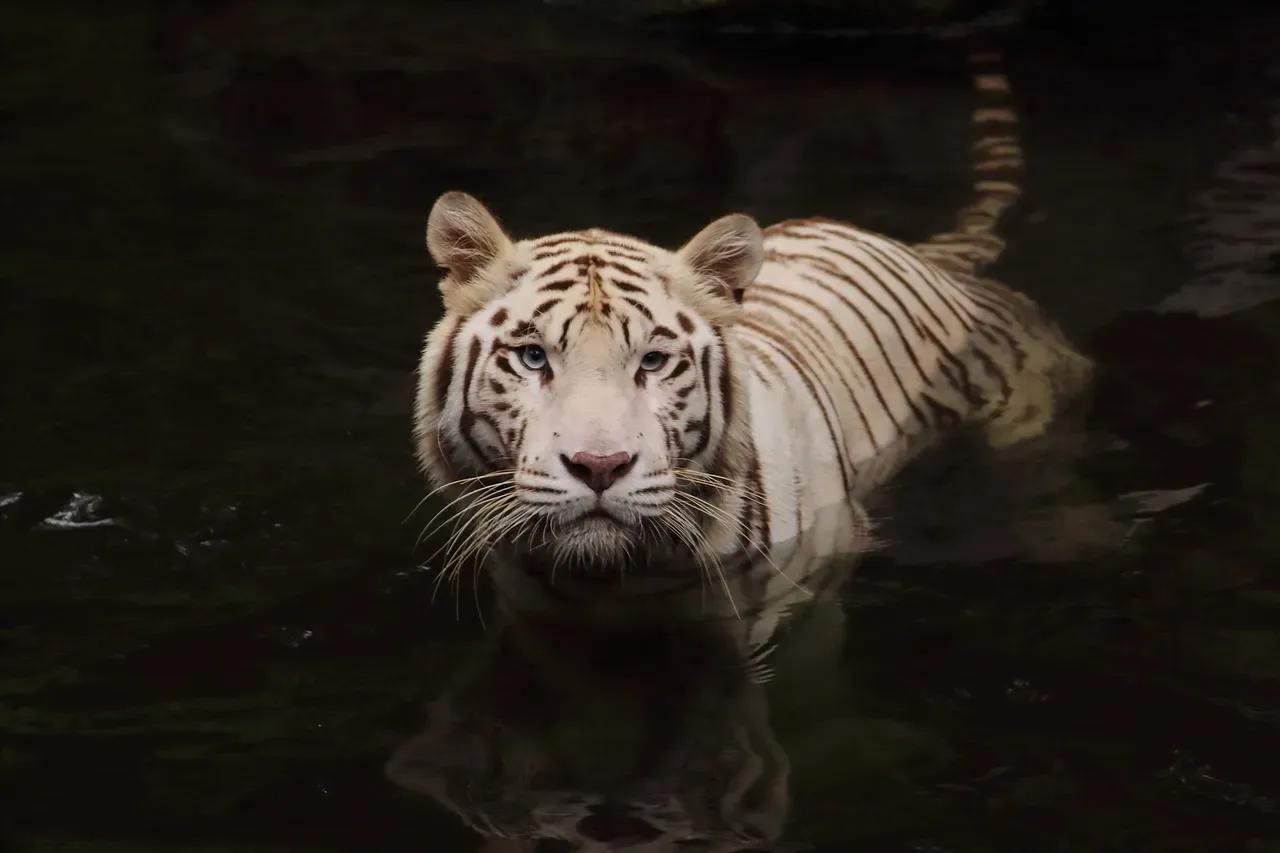
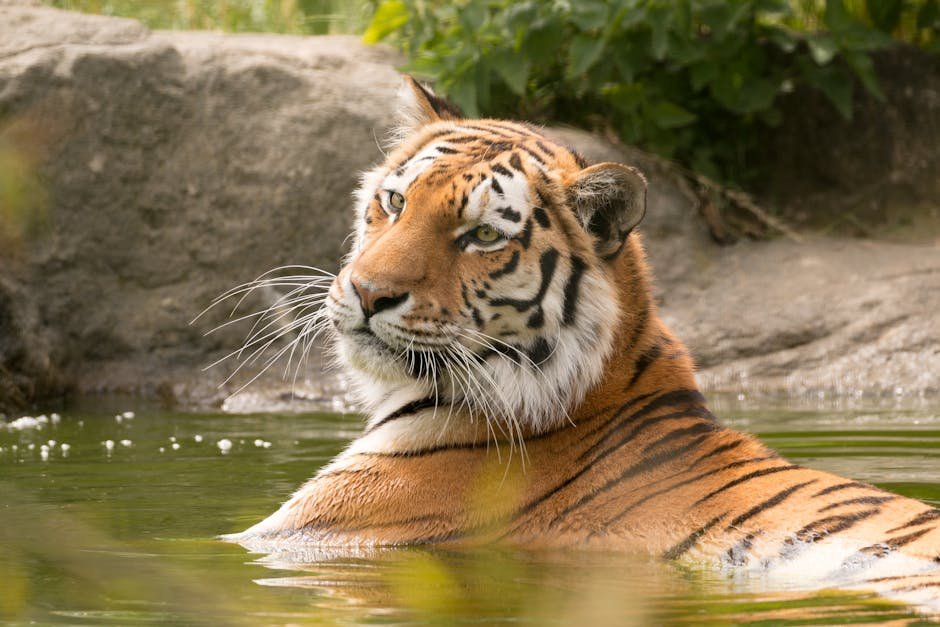
Animal Science Says Tigers Enter Water for Reasons That Go Far Beyond Simply Cooling Down on a Hot Day
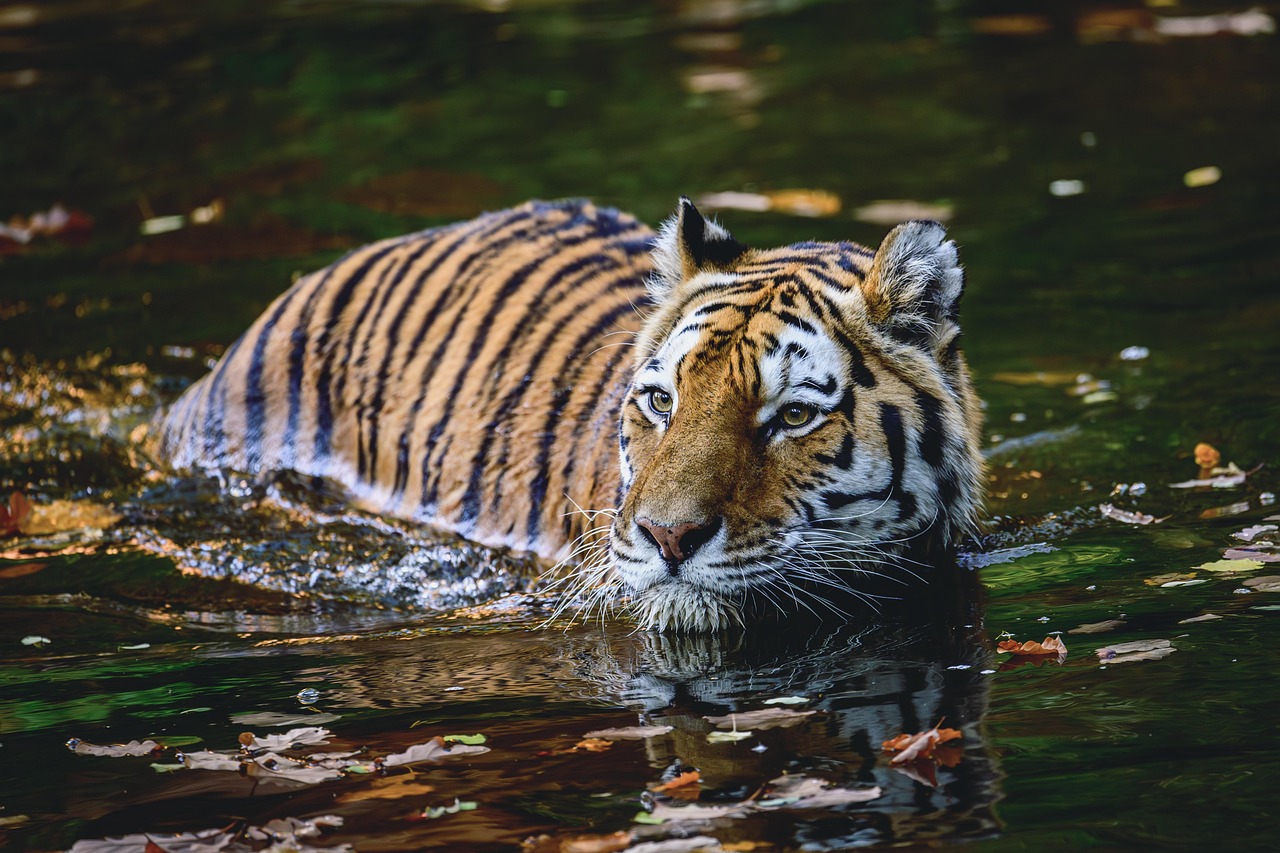
#1 Tigers lack the cooling system most mammals rely on
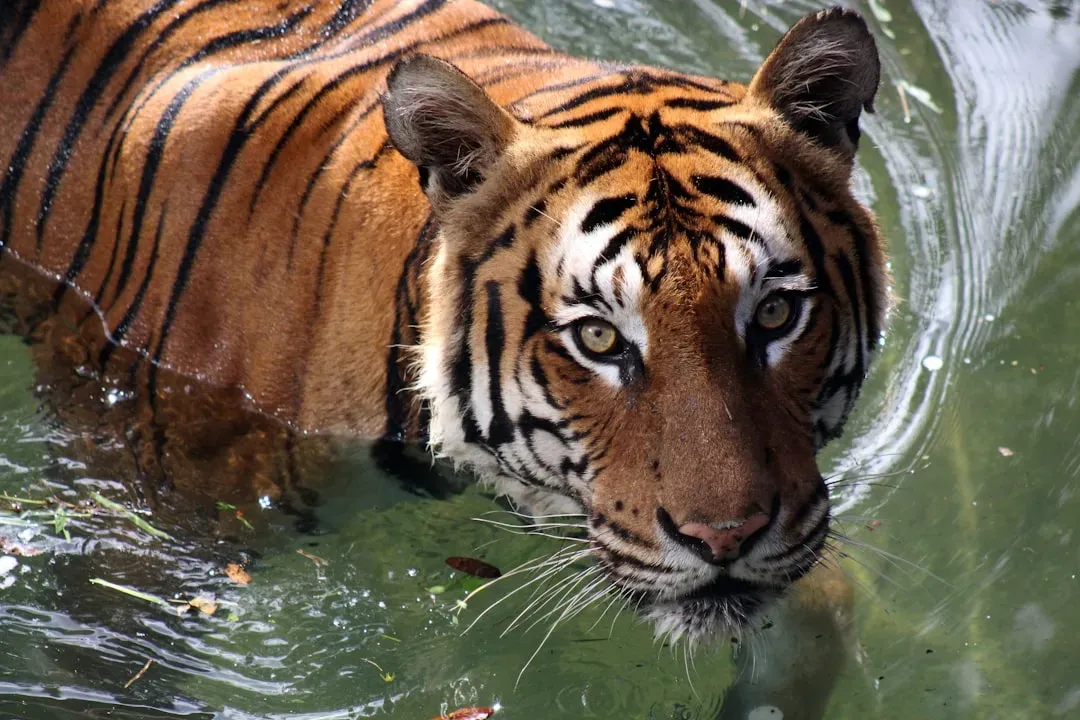
Tigers are unusual among large mammals in how few sweat glands they actually have across their body. Lacking sweat glands over most parts of their bodies, tigers prefer to submerge themselves in waterbodies to get rid of the excess heat in the body. That's a structural limitation, not a preference, and it shapes almost everything else about how tigers use water throughout the day.
This becomes especially pressing given the tiger's size and diet. Their primarily carnivorous diet of fatty proteins like deer, boar, and other large game creates a metabolic furnace, and with thick fur and an average body temperature of 101.3 F, tigers swim out of necessity to cool off. In regions like central India, where dry-season heat can be brutal, water access isn't a lifestyle choice so much as a survival requirement.
#2 Water hides scent and sound during a hunt
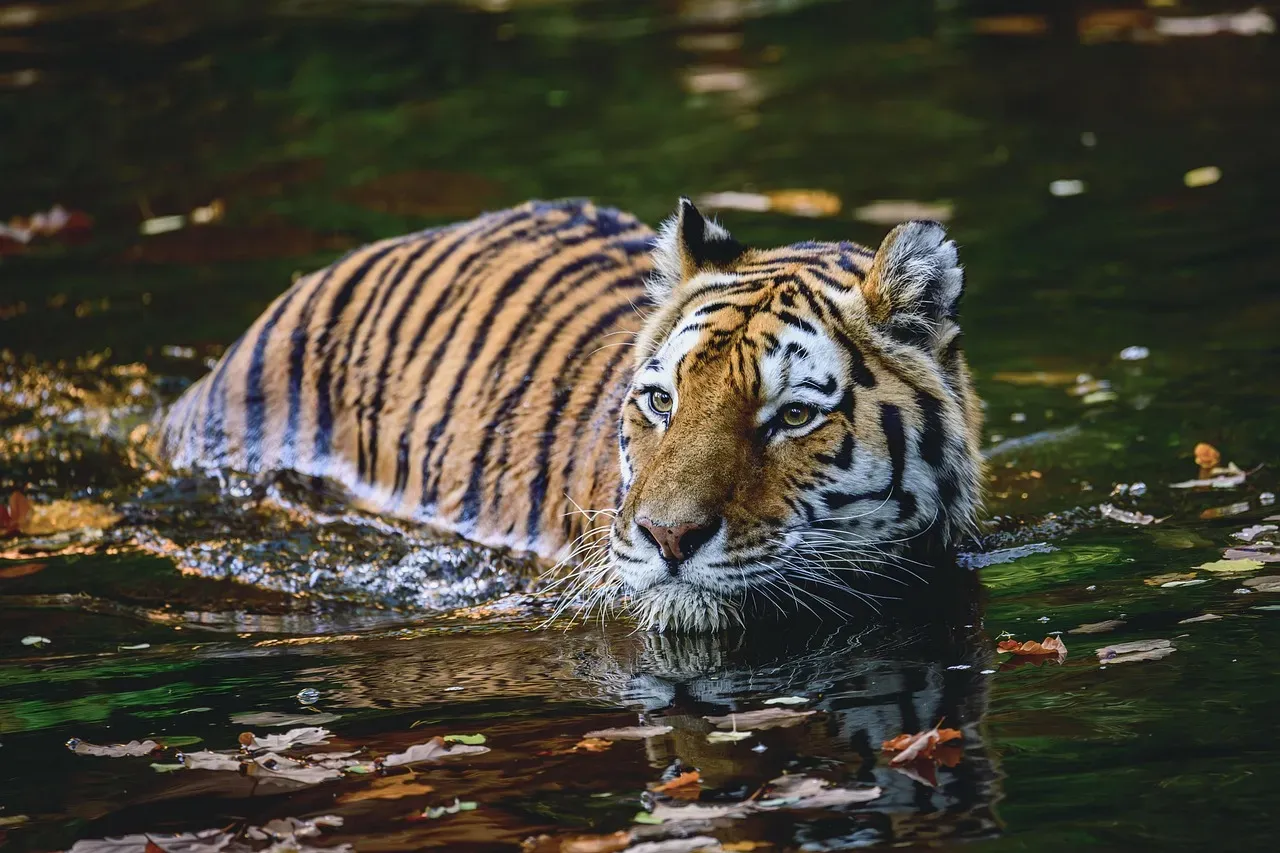
Tigers are ambush predators first and foremost, and water gives them tools that dry land simply doesn't offer. Tigers use water to their advantage when hunting, often ambushing prey by swimming silently and approaching from unexpected angles, which increases their chances of a successful hunt. That silent approach matters enormously against prey animals with sharp hearing and a habit of bolting at the faintest crack of a twig.
The advantage doesn't stop at sound. Water not only hides their presence but also masks their scent, making it difficult for prey to detect them and giving tigers a significant edge in the wild. Combine that with the tiger's already excellent night vision, and a river crossing at dusk becomes less a leisurely swim and more a calculated hunting maneuver.
#3 Prey animals gather at water, and tigers know it
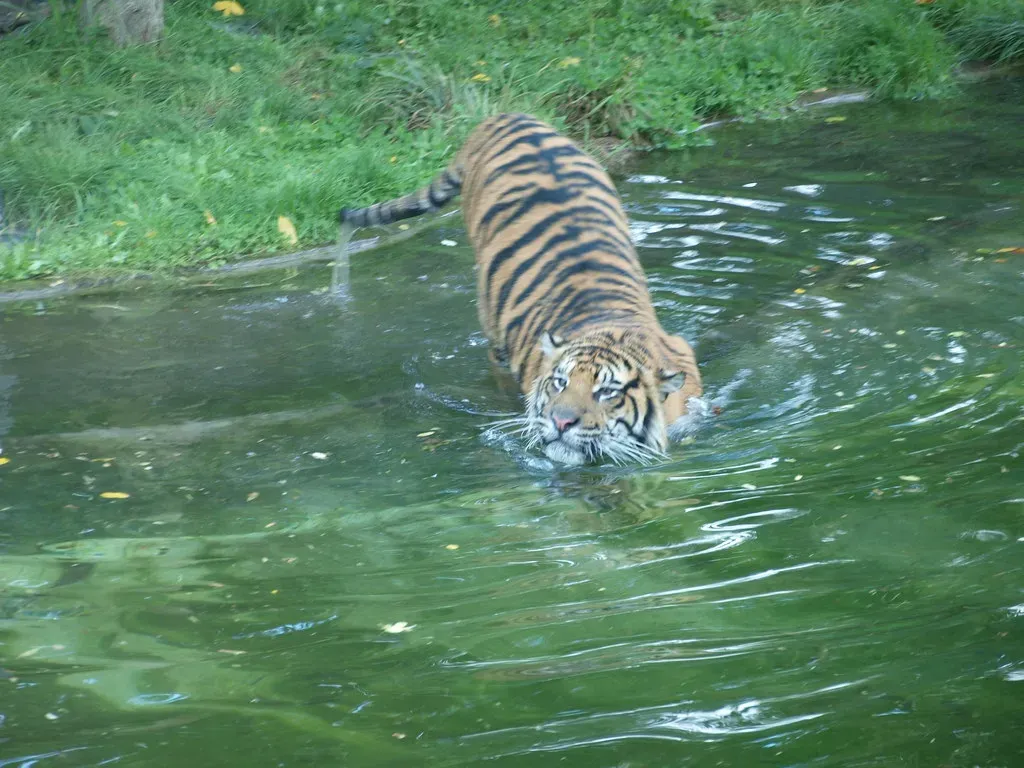
Waterholes aren't just where tigers cool off, they're where dinner shows up on its own schedule. Prey species congregate at waterholes, especially when temperatures soar, making these locations strategic hunting spots for tigers, leopards, and other predators, particularly during dry seasons. A tiger that controls a reliable water source effectively controls a buffet that refreshes itself daily.
This dynamic has ripple effects beyond the individual hunt. The presence or absence of waterholes can influence seasonal movements and distribution of prey species, directly impacting tiger hunting success, and when natural prey is absent, wild tigers are more likely to enter villages in search of food. In other words, the water hole isn't a side feature of tiger territory. It's often the anchor the entire territory is built around.
#4 Water doubles as a territorial marker and a message board
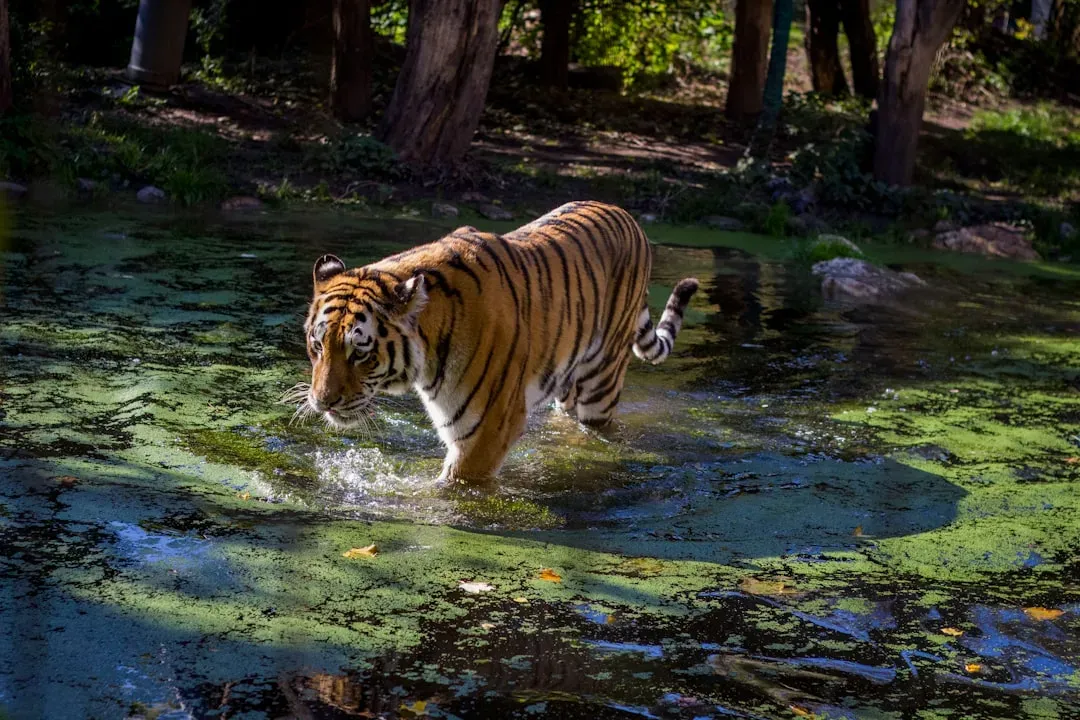
Tigers are famously solitary and famously territorial, and scent is their primary language. Waterholes often serve as territorial markers, with wild tigers patrolling and scent-marking around them to reinforce territorial dominance and reduce conflict. A tiger visiting a pond isn't just drinking or cooling off. It may be checking, and reinforcing, who owns the neighborhood.
The behavior extends even into the water itself. Tigers mark their territories using scent glands located on the tail, and swimming allows them to mark territory along the water's edge, leaving behind a distinctive scent for other tigers to notice. It's a subtle detail, but it reframes a casual swim as something closer to leaving a note pinned to a shared bulletin board.
#5 Water offers an escape route when things go wrong
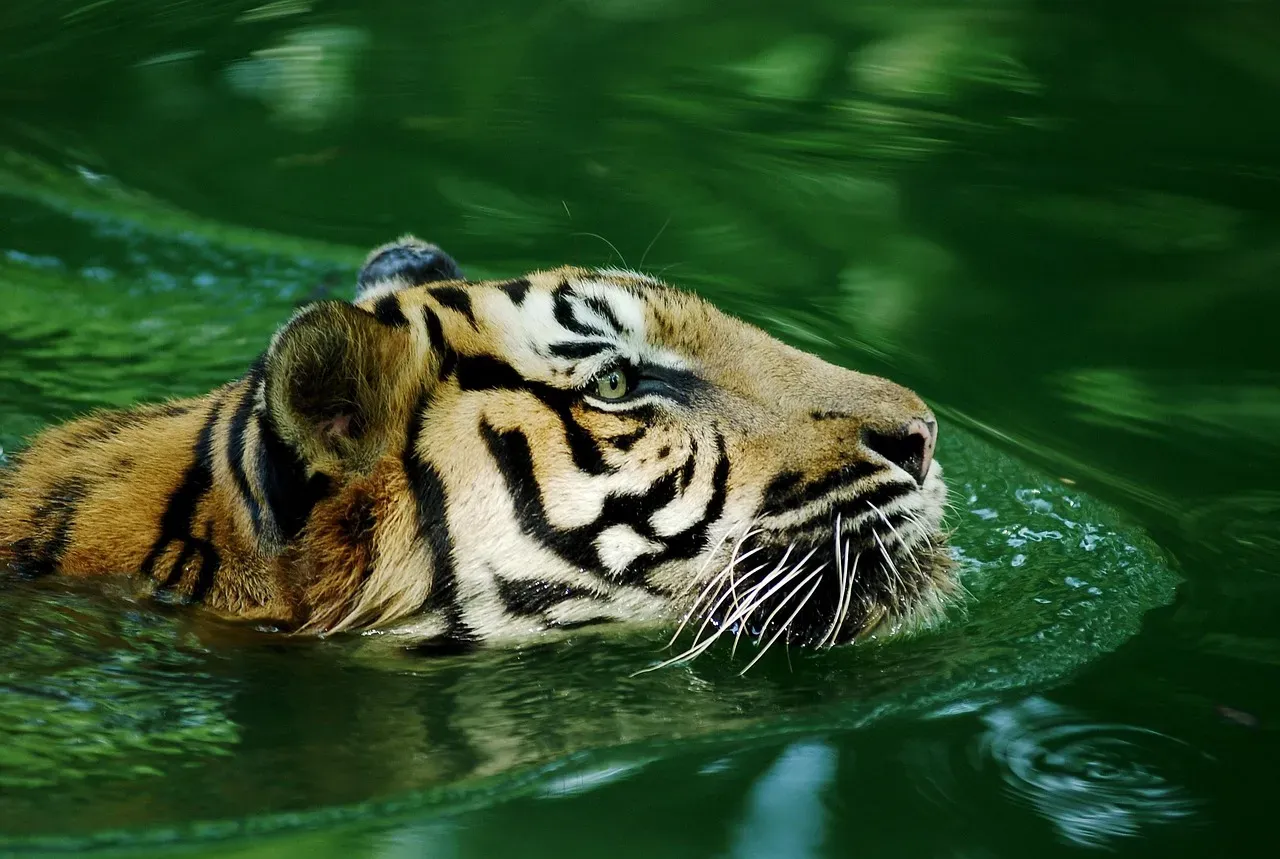
Tigers don't have many natural predators as adults, but conflict does happen, whether with rival tigers, defensive prey like water buffalo, or in rare cases, people. Water offers an escape route for tigers facing threats, since when danger looms, these big cats can quickly take to water, leaving land predators behind. Being genuinely comfortable in deep water gives tigers an exit option that most competing predators simply don't have.
This isn't a minor skill either. Tigers are powerful swimmers that can cross rivers 6 to 8 kilometers wide, and have been recorded as far as 11 kilometers out to sea. That range turns water from a barrier into a corridor, letting tigers move between islands, forest patches, and territories that would otherwise be cut off entirely.
#6 Mothers use water to protect and raise cubs
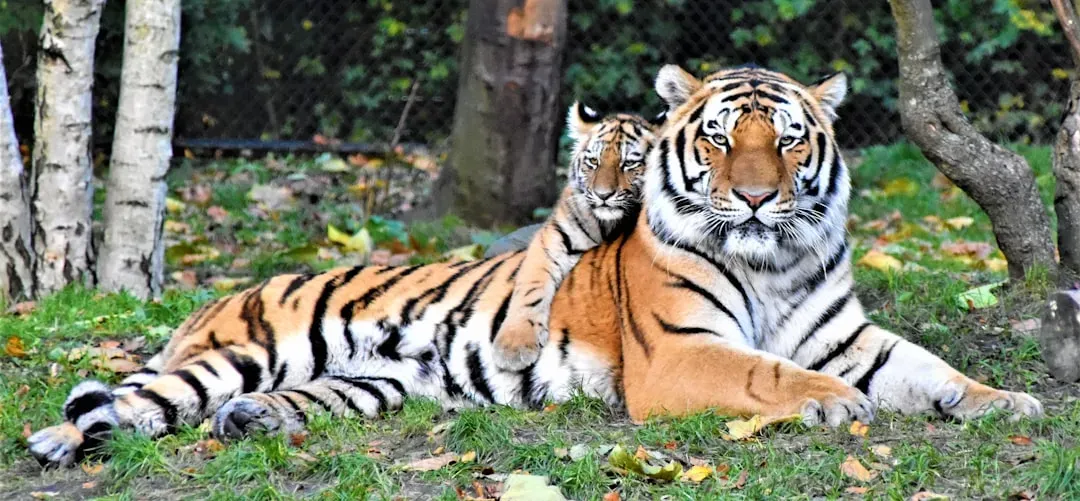
For female tigers raising a litter, water access becomes a matter of survival planning rather than comfort. Females with young cubs will often spend time at waterholes as the cubs play and learn to swim, while mothers take respite from the heat. It's simultaneously a nursery, a swimming lesson, and a break from the heat, all in one location.
The stakes attached to this are higher than they might first appear. Having a permanent source of water in her territory is extremely important for a female tiger raising cubs, and it could mean the difference between the survival or death of her cubs. Field observers have also noted that tiger cubs learn to swim at a very young age, just 10 weeks old, which suggests the behavior isn't something tigers pick up casually later in life. It's built in early, almost as a core survival skill rather than an optional talent.
The takeaway