16 Gentle Ways a Purebred Cat Shows It Trusts You More Than Anyone Else
Most people assume their cat barely tolerates them - independent, aloof, unreadable. Turns out that's almost entirely wrong.
Feline researchers say cats form real, measurable bonds with the humans who make them feel safe. They just don't announce it the way dogs do.
As veterinarian Aimee Warner explains, trust "shows up through consistent and calm behaviors, not necessarily through affectionate displays." Here are the 16 signals - each one quieter and stranger than the last.
#16 - The Slow Blink That Says Everything
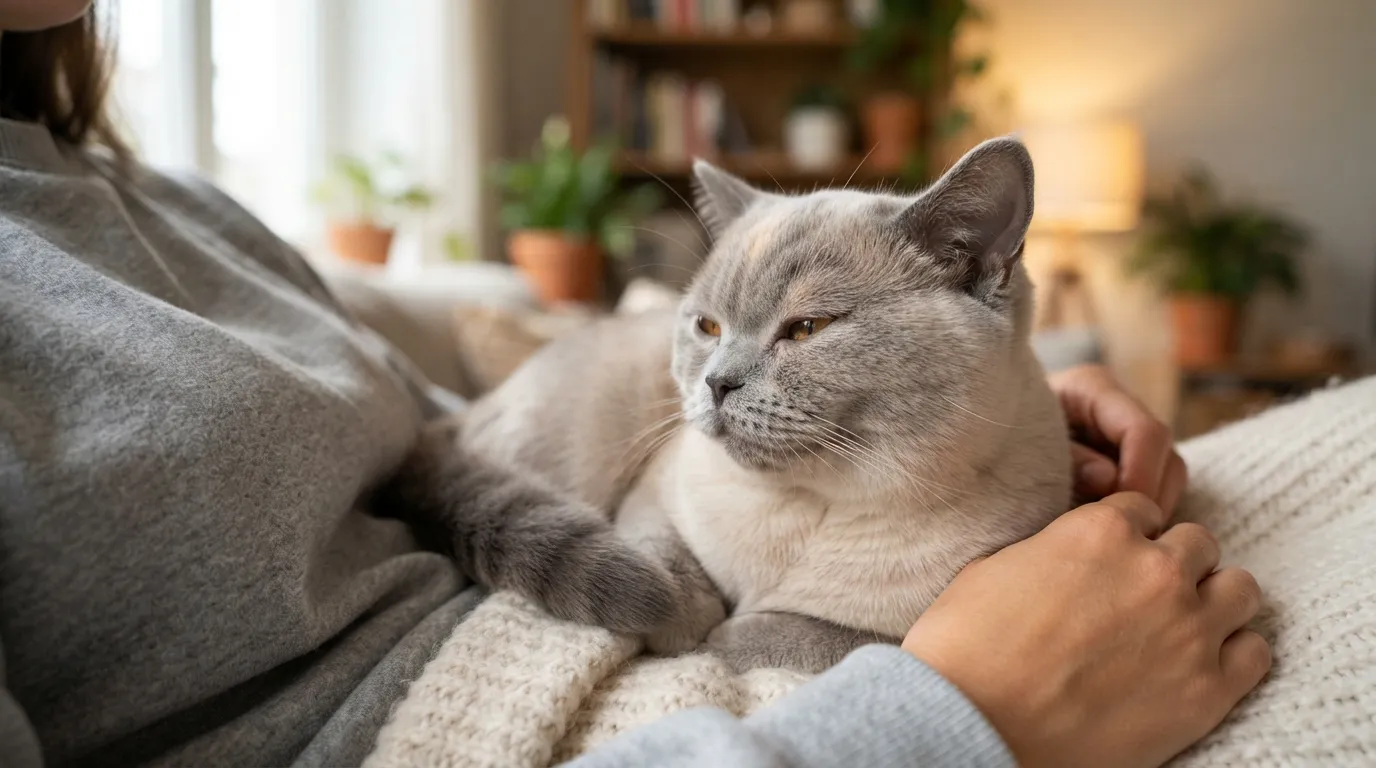
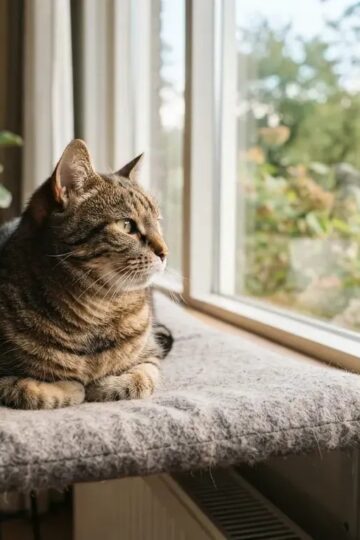
A slow blink sounds too small to mean anything. It's actually one of the clearest trust signals in feline communication.
When your cat softens its gaze and lingers in that half-closed moment, it's telling you it feels safe. Predators avoid limiting their vision near threats - your cat does it anyway, on purpose, for you.
The surprising part? Blink slowly back at your cat and many will blink right back, building trust in a language with no words.
Compared to #15, though, this one barely scratches the surface.
#15 - Turning Their Back to You
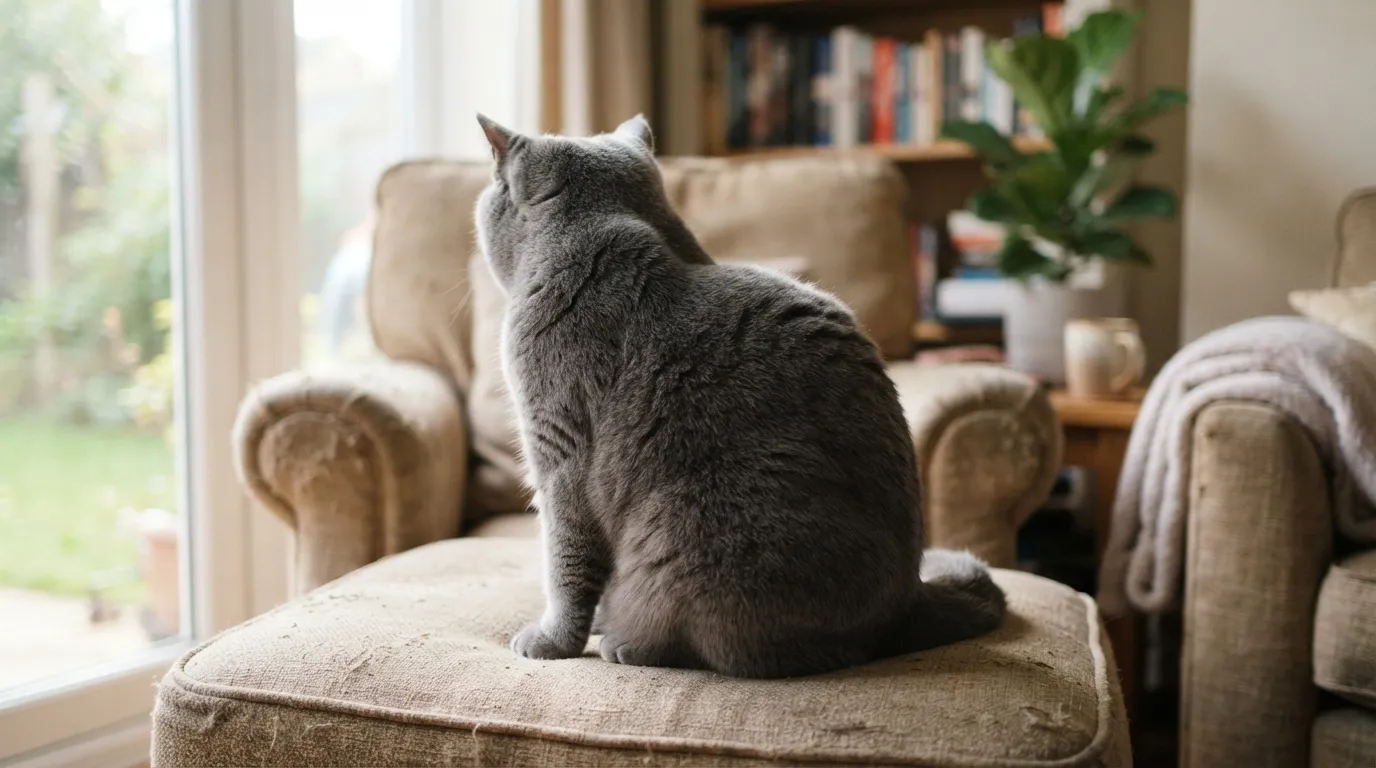
Your cat spins around and gives you its backside. Somehow, that's a compliment.
Cats decide whether to trust you by watching your behavior over time, judging whether you're protection or a threat. Turning away means the verdict is already in - and it's in your favor.
Choosing not to watch you is the ultimate vulnerability. It means your cat has no defense plan ready, because around you, it doesn't need one.
But #14 shows up in under a second - and most owners miss it completely.
#14 - The Upright Quivering Tail Greeting
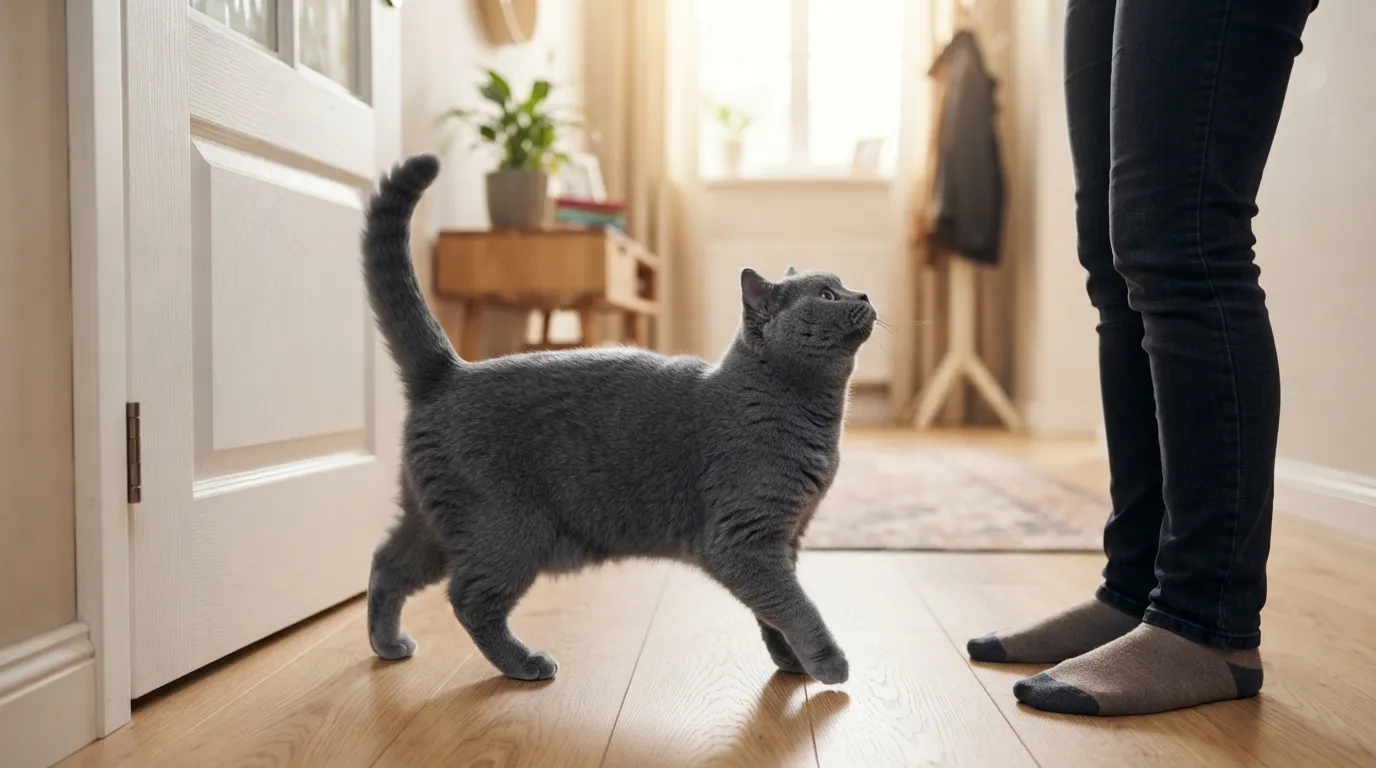
A cat's tail says more than most owners realize. A tall, upright tail means contentment and friendliness.
Add a quiver to that tail as your cat rushes toward you, and you're watching pure joy aimed directly at you.
Most people miss this signal because it lasts only a second. Watch for it the moment you walk through the door - it's your cat's version of a standing ovation.
Fast Facts
- Tail straight up: confident, friendly greeting
- Quivering tip: intense excitement, often reserved for a favorite person
- Tail wrapped around your leg or arm: a direct sign of affection and trust
- Puffed or tucked tail: fear or stress - the opposite of what trust looks like
Now compare that to what happens while your cat sleeps.
#13 - Sleeping in Your Presence (Not Just Near You)
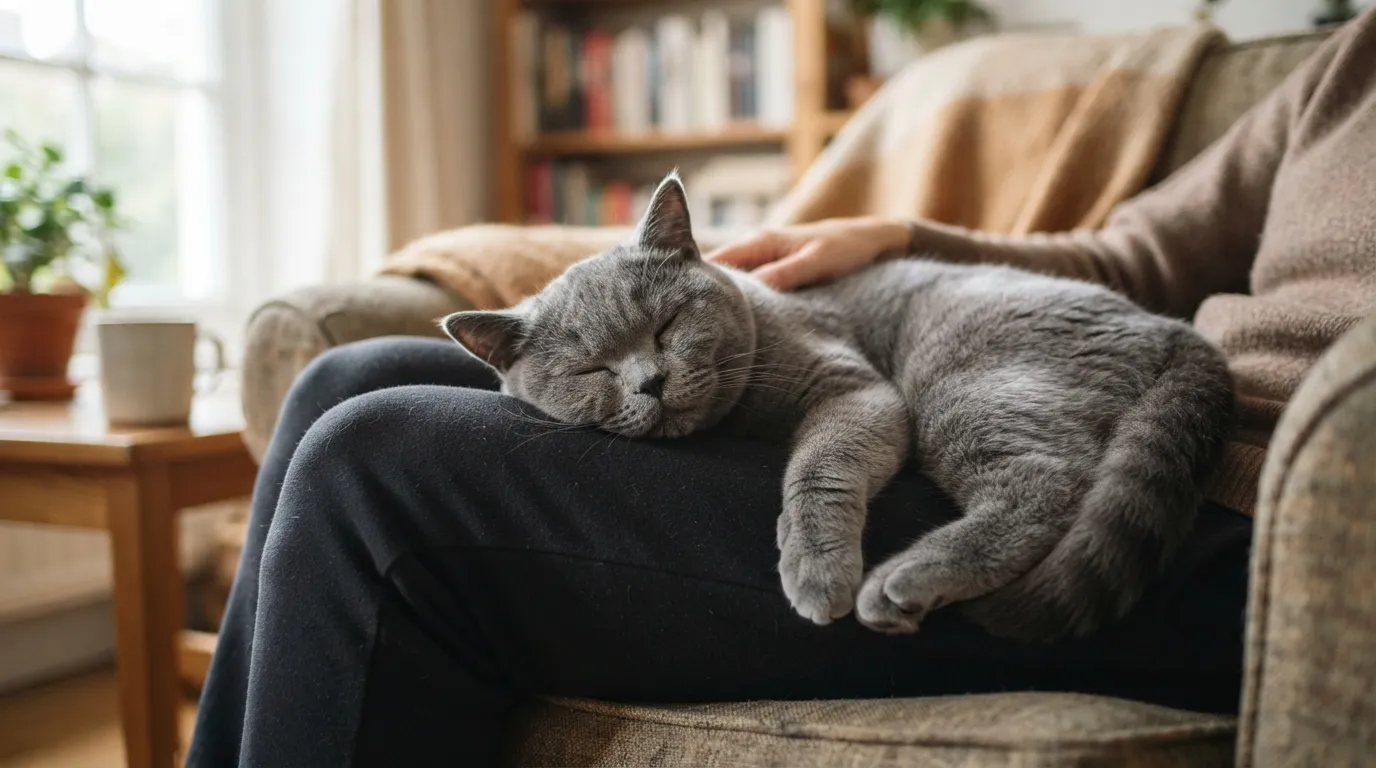
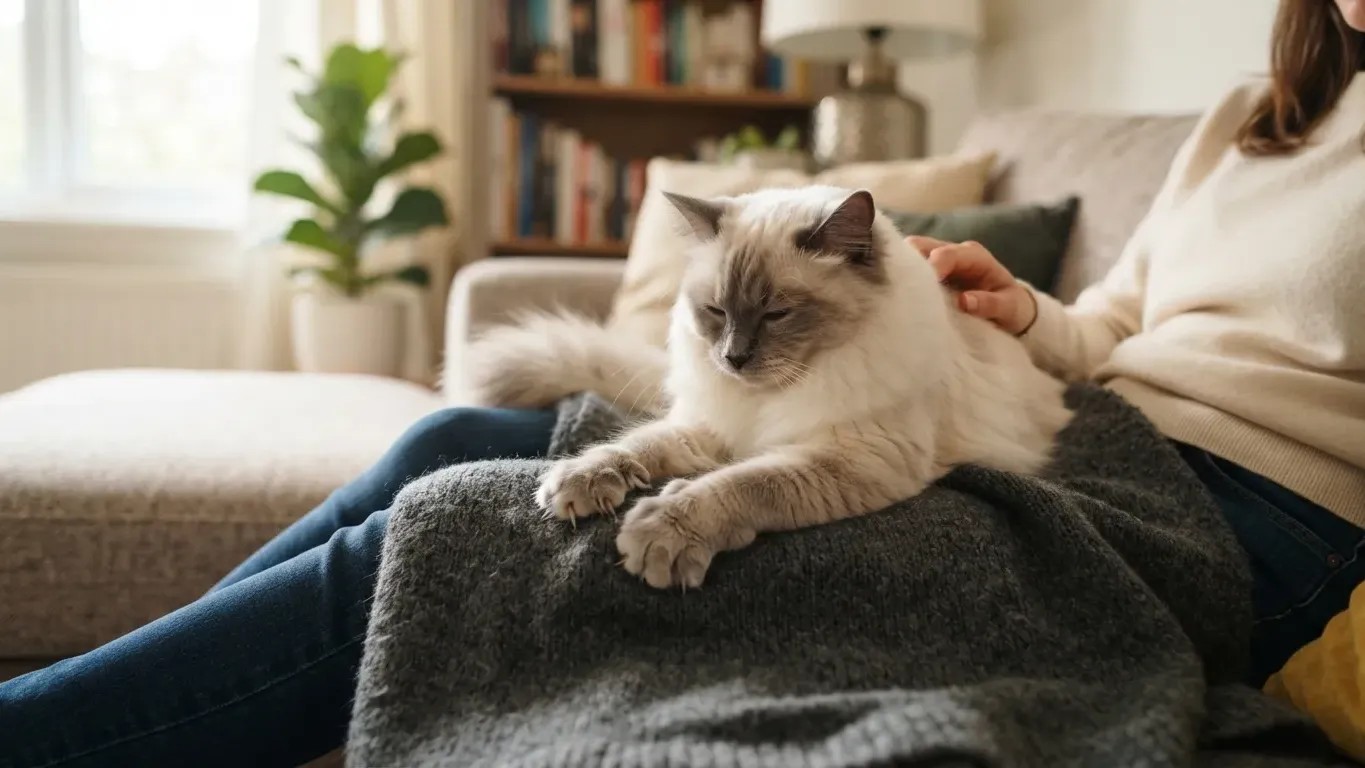
Cats always look for a safe spot to nap. If your lap is that spot, you're already special.
Sleep is when a cat is most vulnerable. Choosing to do it on you or pressed against you is a direct statement about how safe you make them feel.
The closer the sleeping spot, the deeper the trust. A cat pressed against your leg while dozing is saying something entirely different than one sleeping across the room.
The next one looks like affection. It's actually something else.
#12 - Kneading You Like Bread Dough
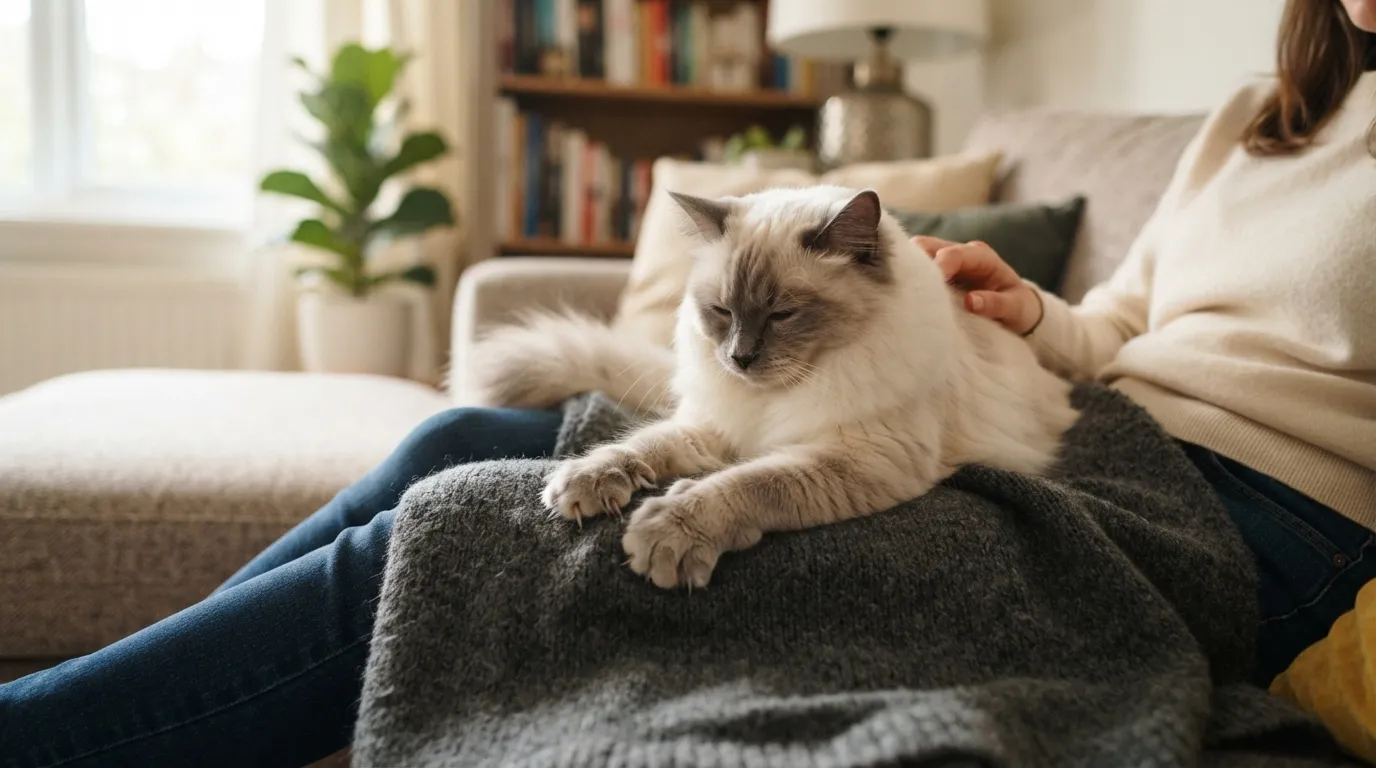
This habit starts in kittenhood, when kneading a mother's belly helped milk flow. Cats never really grow out of it.
It feels like a love letter, but it's mostly a comfort behavior - with trust stitched into every push.
When a purebred kneads specifically on you - not the couch, not a blanket - it's naming you its safe place. Some cats reserve this for exactly one person in the house.
Which brings us to a behavior almost everyone misreads.
#11 - Headbutting and Bunting
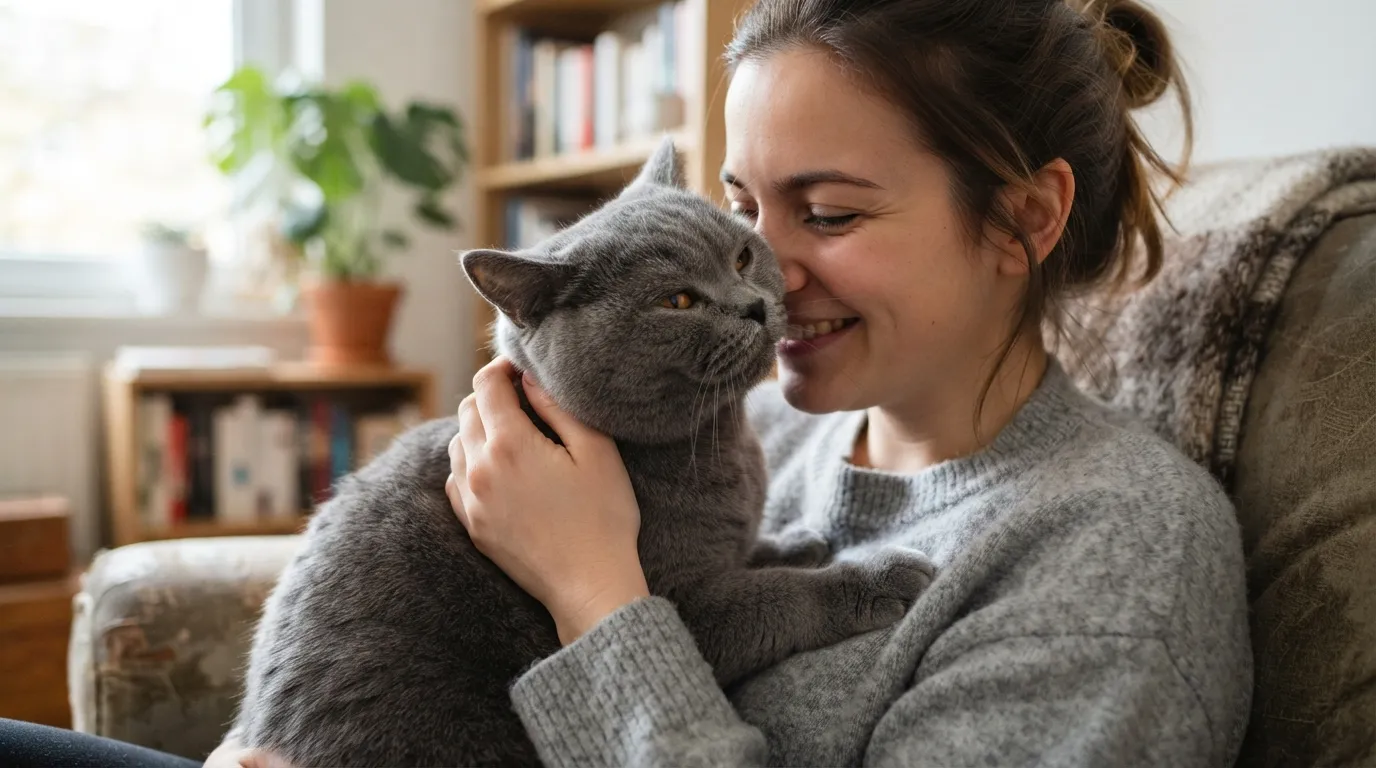
Cats have scent glands along their head, and they don't waste them on strangers. A headbutt is a deliberate claim.
This is called bunting, and it means your cat is marking you as its own - out loud, in cat language.
Being head-bunted by a purebred is basically being claimed. Cats only scent-mark what they consider safe and valuable, so if you're getting headbutts, you made the short list.
#10 flips the script on something most cat owners get completely wrong.
#10 - Exposing the Belly (Without Inviting a Touch)
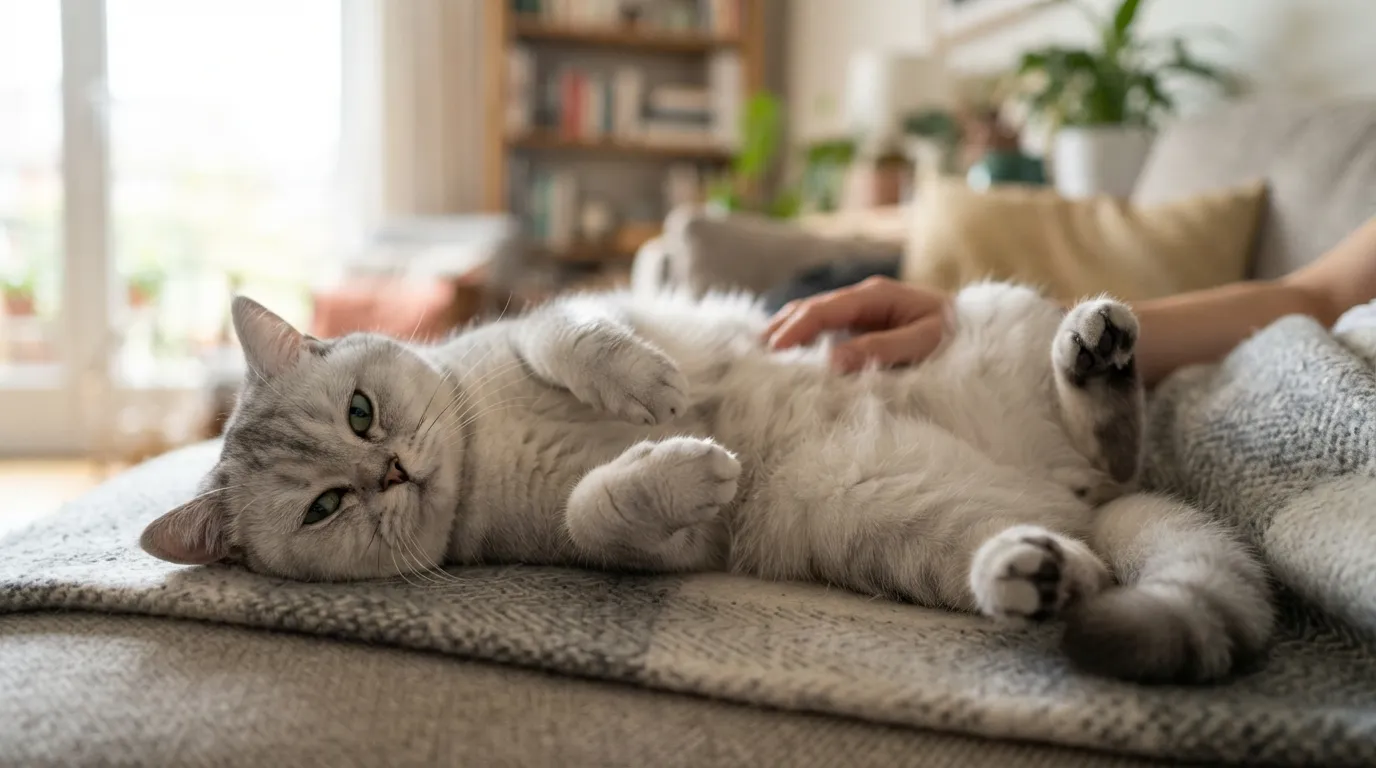
When a cat rolls onto its back, most owners assume it wants a belly rub. It usually doesn't.
The belly is the least protected part of a cat's body, so showing it on purpose is an act of faith, not an invitation.
Reach out to touch it, and you usually break the spell. Appreciate the gesture without grabbing it, and your cat will keep offering it.
Next comes a behavior borrowed straight from cats' closest social circles.
#9 - Grooming You (Allogrooming)
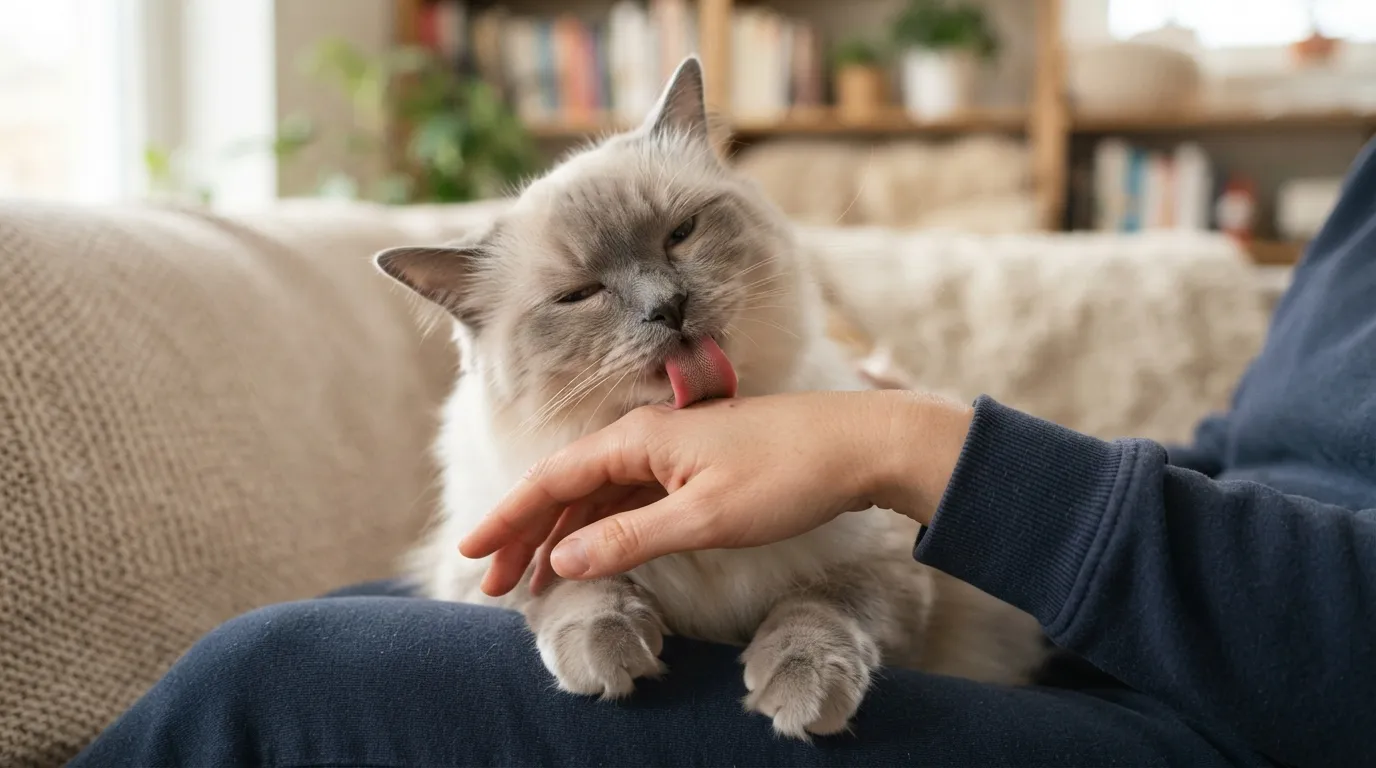
When your cat licks your hand or hair, it's not tasting salt. It's doing something reserved for its inner circle.
Mutual grooming - called allogrooming - only happens between cats in tight social bonds. Doing it to you puts you inside that circle.
A cat that grooms you is treating you like a bonded companion, not a human. That's arguably the highest compliment in feline culture.
Now watch what happens to your cat's entire body language the moment you walk in the room.
#8 - Relaxed Body Language Around You Alone
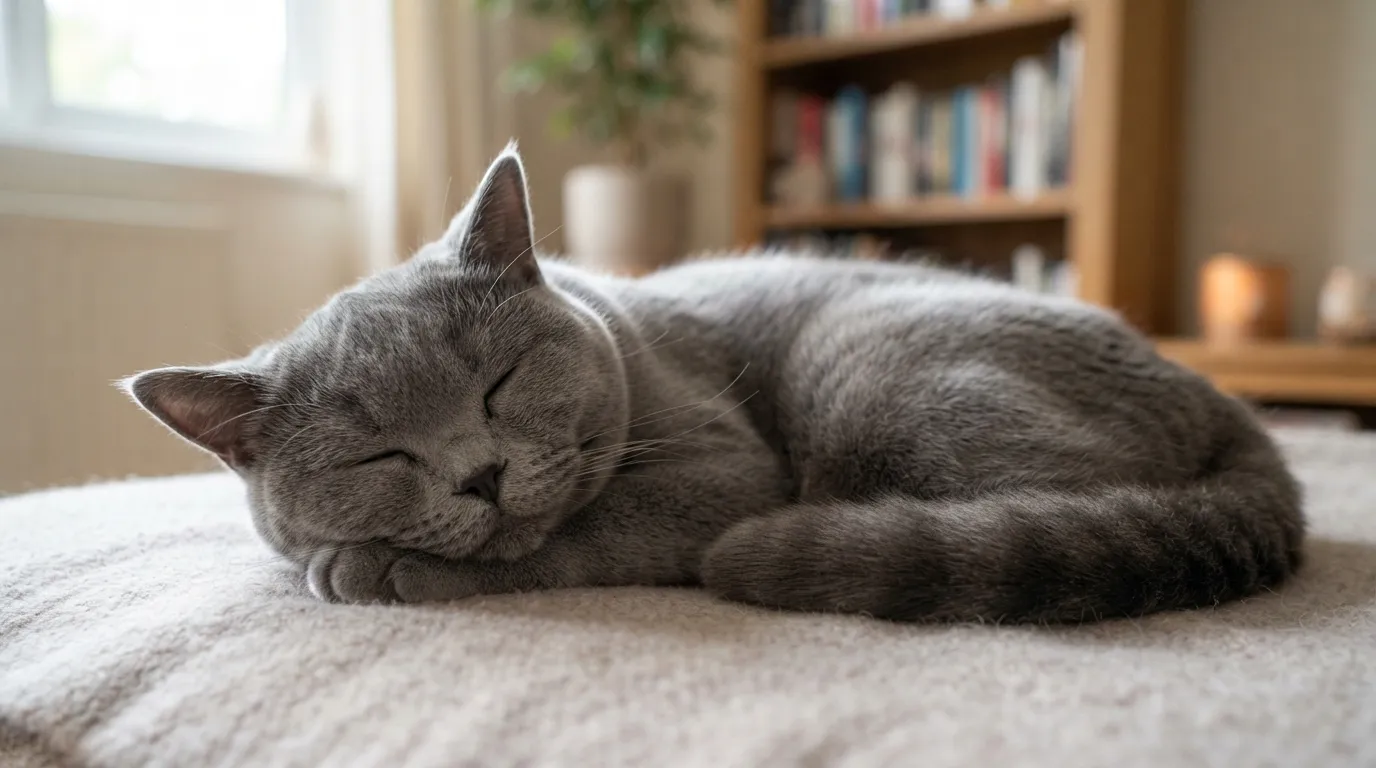
Ears forward, whiskers loose, fur smooth, movements slow - that's a cat with nothing to defend against.
The key detail: this often happens around you alone. Many cats stay tense with strangers and visibly relax the second their trusted person appears.
Quick Compare
- Ears: loose and forward (relaxed) vs. pinned back or swiveling (on alert)
- Tail: soft and still or gently swishing (relaxed) vs. puffed or tucked (stressed)
- Whiskers: fanned out to the sides (relaxed) vs. pulled tight against the face (stressed)
- Body: loose with slow blinking (relaxed) vs. crouched and coiled (stressed)
Trust like this grows from routine and gentle handling, not grand gestures. It shows up in small, repeated moments rather than dramatic ones.
But there's a physical habit that's even harder to fake.
#7 - Following You From Room to Room
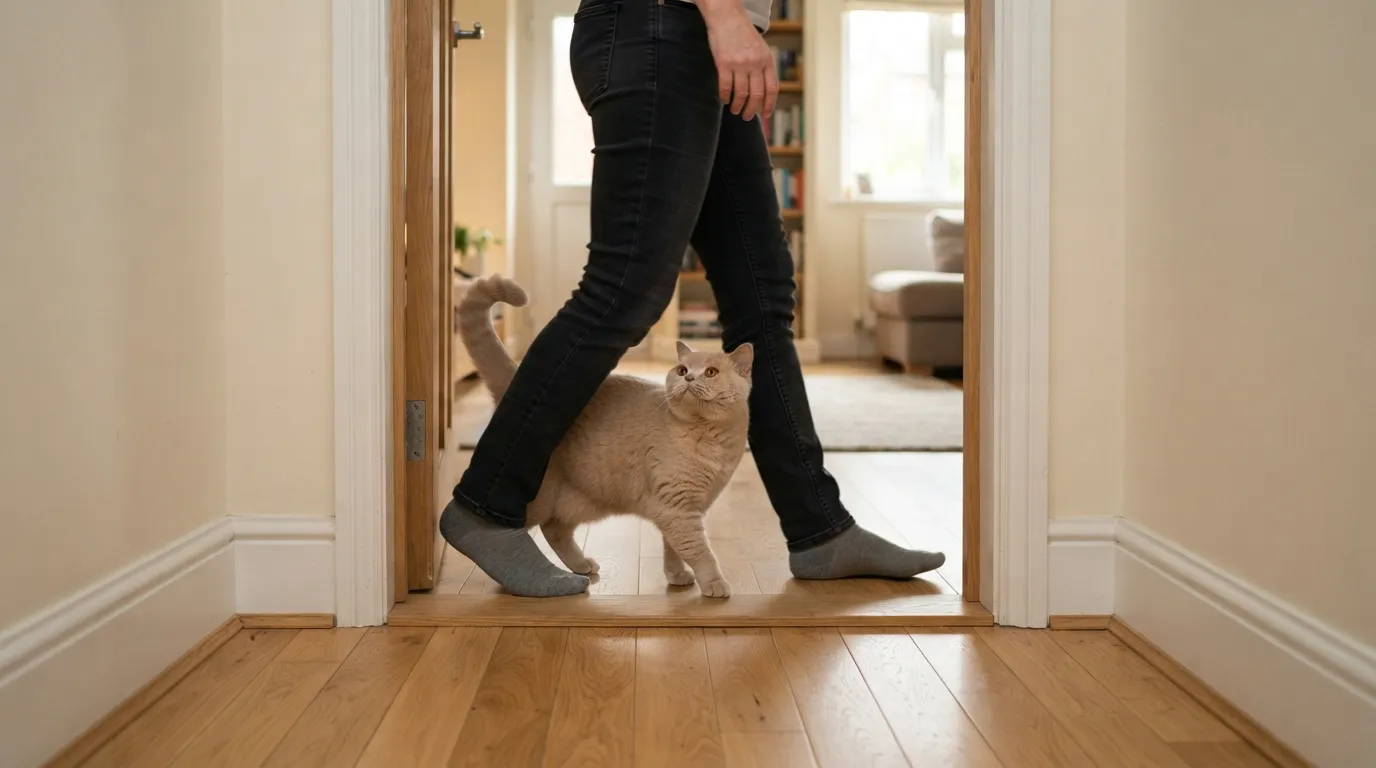
Your cat weaves around your legs, chirps, pauses at doorways to check where you're headed. That's not about food.
This is shadow behavior - your cat choosing proximity over independence. For an animal wired for self-reliance, that's a real choice.
Most people call this clinginess. It's actually attachment. Researchers studying cat-human bonds point to this kind of voluntary closeness as one of the clearest signs of a genuine social bond.
Then there's what happens when your cat gets scared.
#6 - Clinging to You During Stressful Moments
Certified cat behavior consultant Joey Lusvardi puts it plainly.
Trust, to cats, is all about safety.
Joey Lusvardi
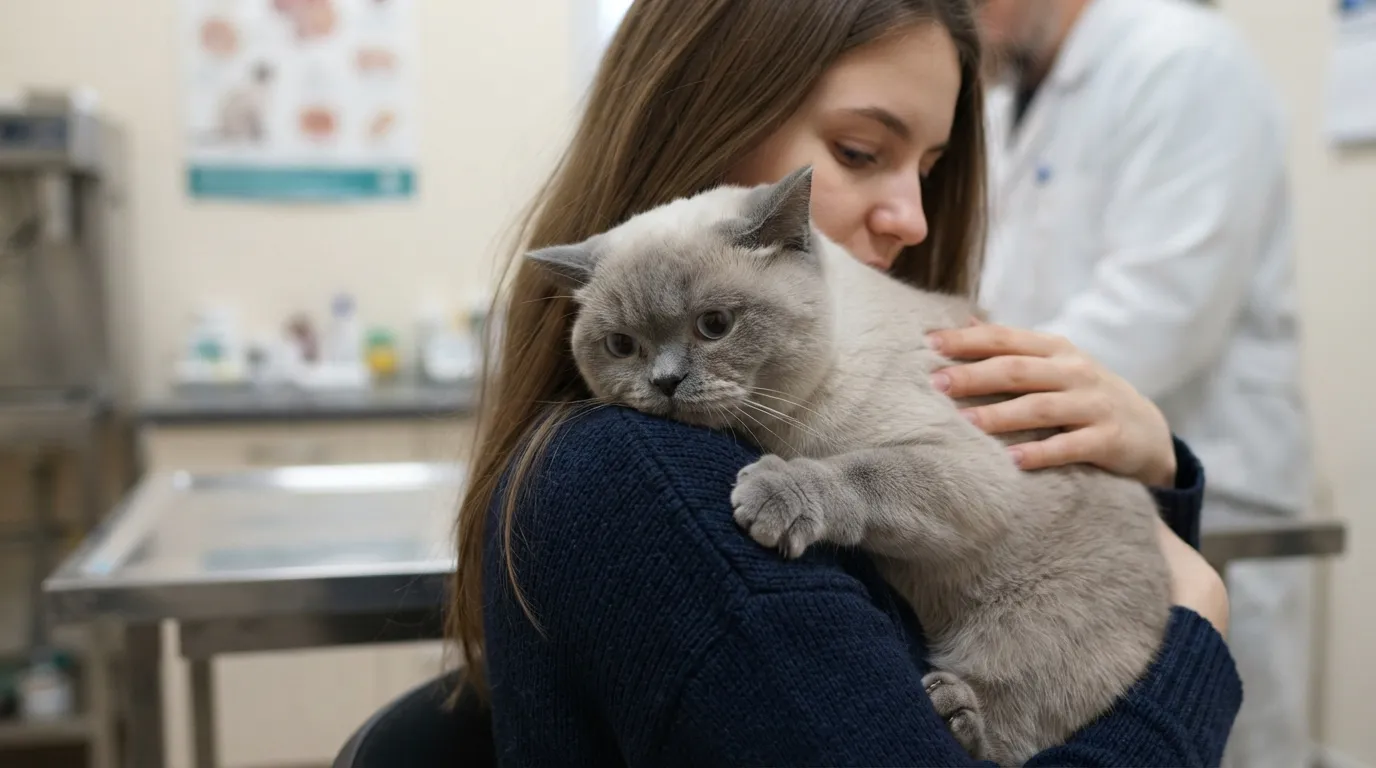
When strangers show up, your cat may hide behind you, keeping you between itself and the unknown. At the vet, it buries its face in your shoulder, trying to disappear into you.
This is the moment that separates a trusted person from everyone else in the room. Guests, other family members, other pets - none of them get this treatment.
Eye contact tells its own story too - and it breaks every rule cats normally live by.
#5 - Making Direct, Soft Eye Contact
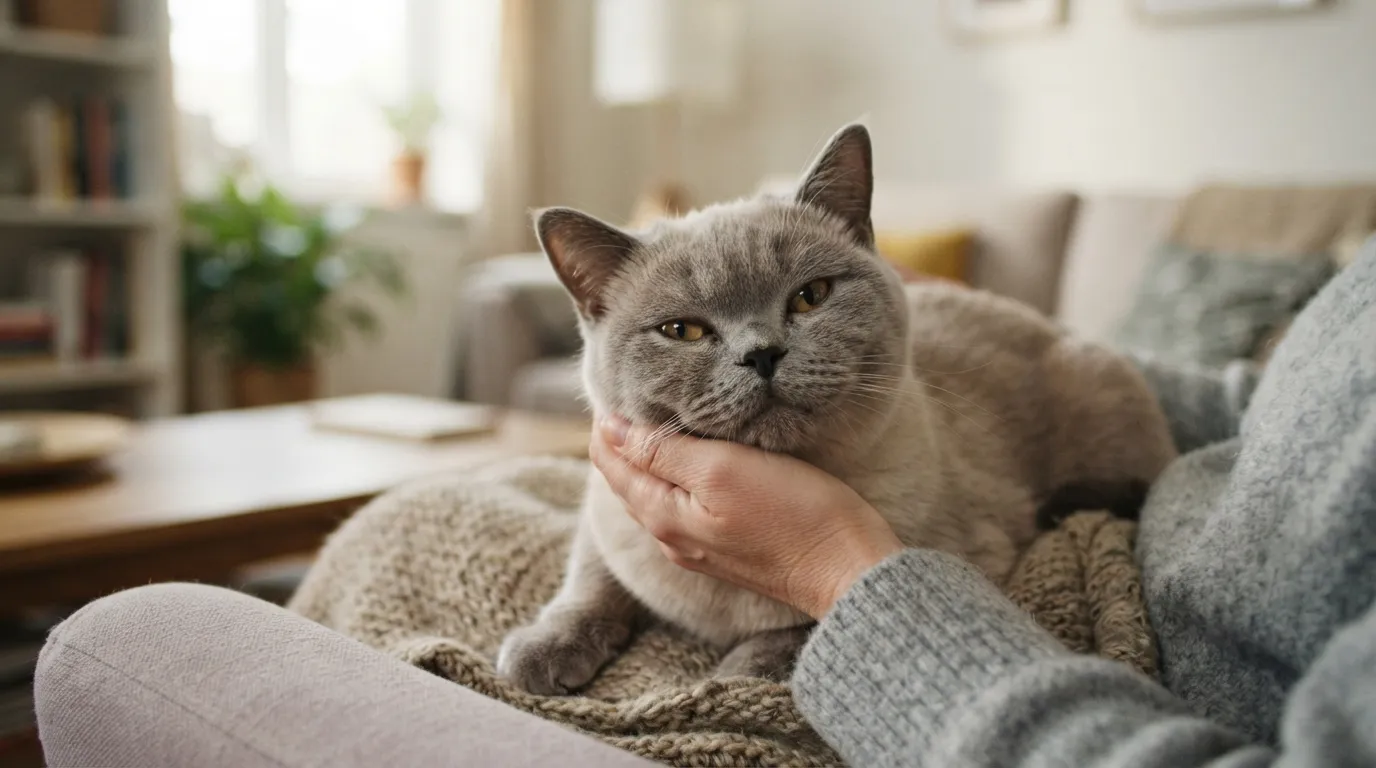
Most animals treat prolonged eye contact as a challenge. Cats are no different - except with the people they trust.
A soft, half-closed gaze held on you deliberately goes against instinct. It's your cat choosing vulnerability over its usual defenses.
Pair that gaze with a slow blink, and your cat is essentially saying, "I see you, and I'm not afraid." Very few beings in a cat's world ever earn that look.
Next: the moments your cat lets you do things nobody else is allowed to do.
#4 - Allowing You to Touch Places Others Cannot
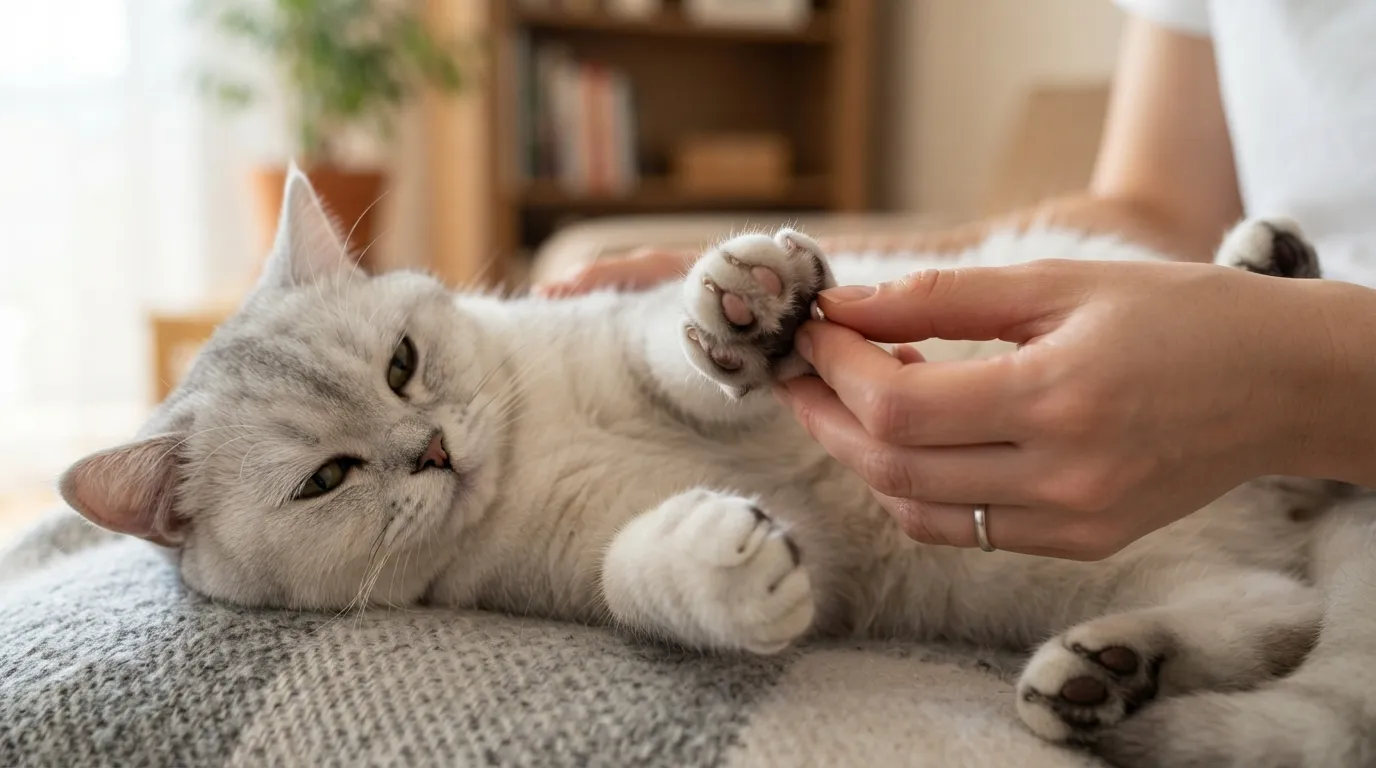
Nail trims. Paw handling. Belly touches. Things that would earn a stranger a swat, your cat lets you do.
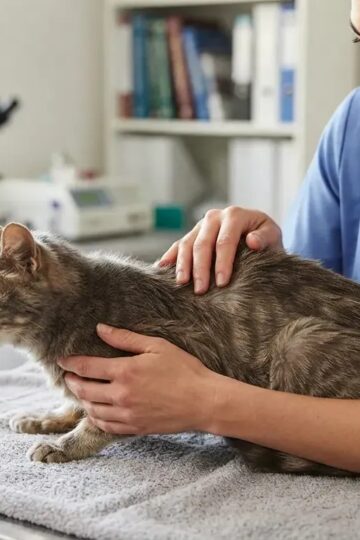
Kittens handled gently between two and seven weeks old tend to grow into adults who trust people easily. That early wiring shapes who they let close for life.
Well-socialized purebreds often reserve this tolerance for one person only. Watch who your cat submits to for grooming or handling - that's who they actually trust.
Now for the behavior that looks the strangest, but means the most.
#3 - Bringing You "Gifts"
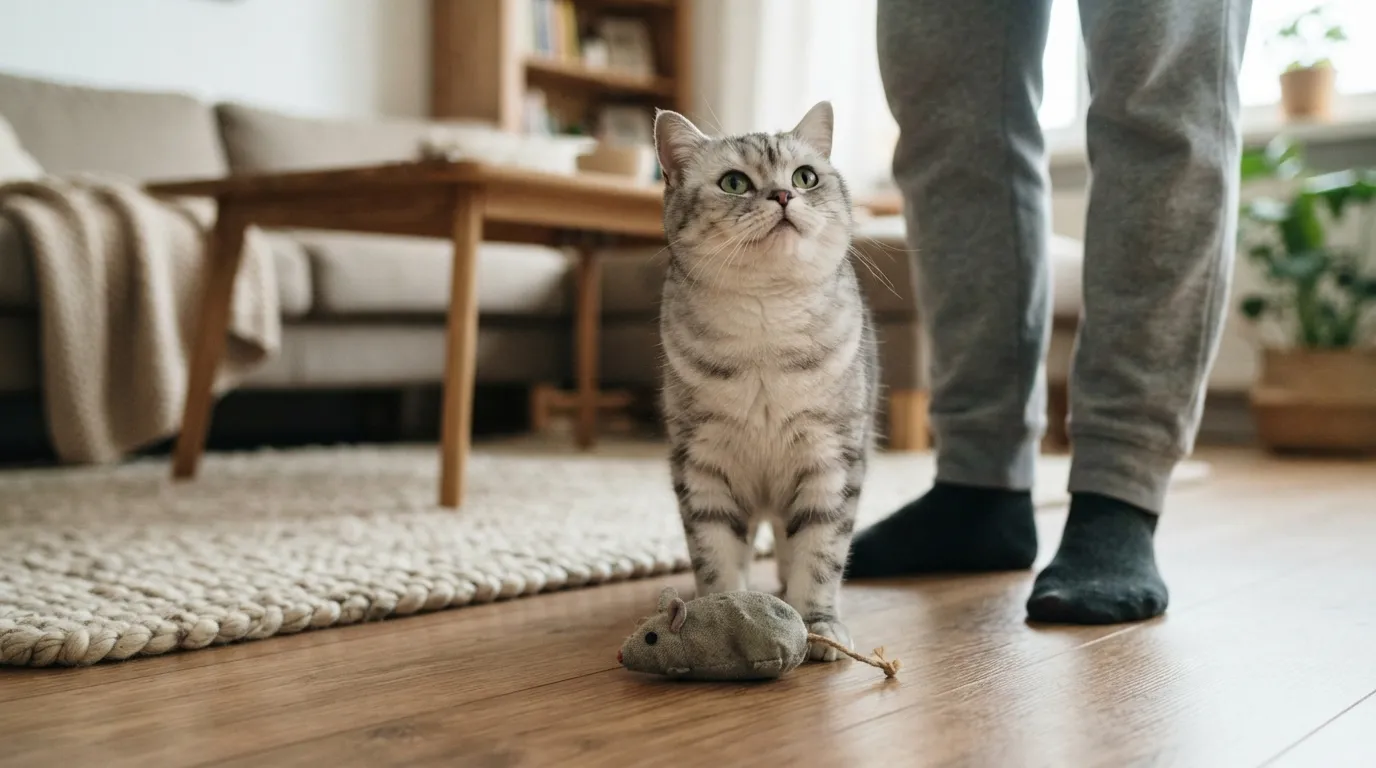
A dead bug. A toy mouse at 2 a.m. As jarring as it looks, it's not random.
Cats share prey - or stand-ins for it - only with the closest members of their social circle. Bringing you one means you're inside that circle.
At a Glance
- Bugs or small insects: often practice hunts, especially common in kittens
- Toy mice or string toys: symbolic prey drop-offs meant just for you
- Live catches indoors: a rare, high-trust invitation to finish the hunt together
- A head bump right after: your cat checking that you noticed the gift
The cat leaving a toy at your feet isn't being annoying. It's including you in its inner circle. If nobody else in the house gets gifts, that tells you something.
There's one sound your cat makes only for you - and it's rarer than you think.
#2 - Meowing Specifically at You
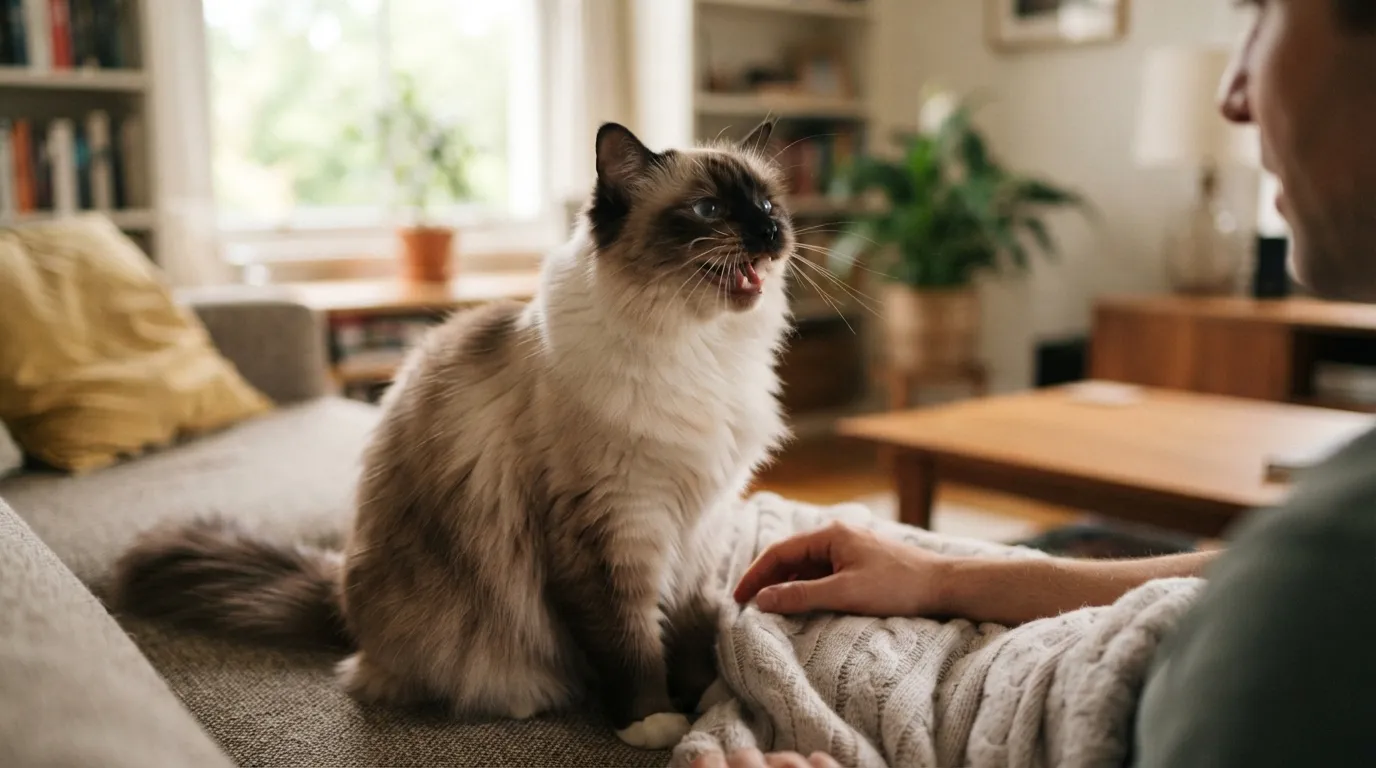
Here's something most people don't know: adult cats barely meow at each other. They developed this sound specifically to talk to humans.
So when your cat meows at you - not at other people, specifically at you - it built that sound just for your relationship.
Vocal breeds like Siamese and Ragdolls often save their most expressive conversations for the one person they trust deepest. If you're the one getting talked to, you've earned something rare.
Everything on this list has been leading here.
#1 - Choosing You as Their Safe Haven During Fear
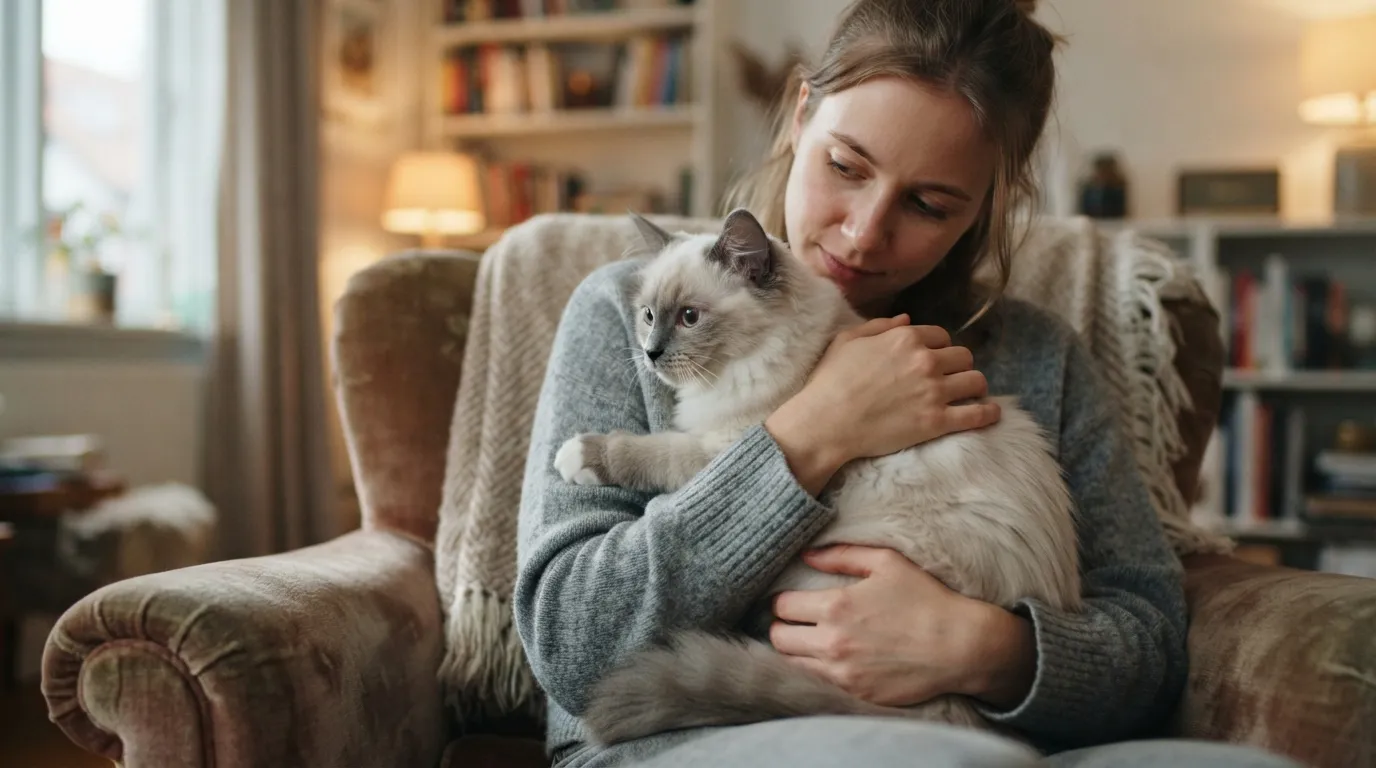
Trust, to cats, is all about safety. Nothing proves that faster than watching where a frightened cat runs.
Purebreds are often closer to their owners and friendlier toward strangers than mixed-breed cats - possibly tied to early handling, possibly to selective breeding. But the real proof shows up the moment something actually scares them.
Worth Knowing
- A widely cited Oregon State University study found roughly 64% of kittens and about 66% of adult cats show "secure attachment" to their owner
- That rate is nearly identical to the 65% secure attachment seen in human infants toward caregivers
- Securely attached cats used their owner as a safe base - checking in, then calmly exploring, rather than staying anxious
- The bond held steady over time, even a year or more later
When a storm hits, a stranger arrives, or the world turns loud and unfamiliar, the cat that finds you, presses against you, and only settles once you're there has already made its decision. Every quiet signal before this one was a whisper. This is the declaration.
The Bottom Line
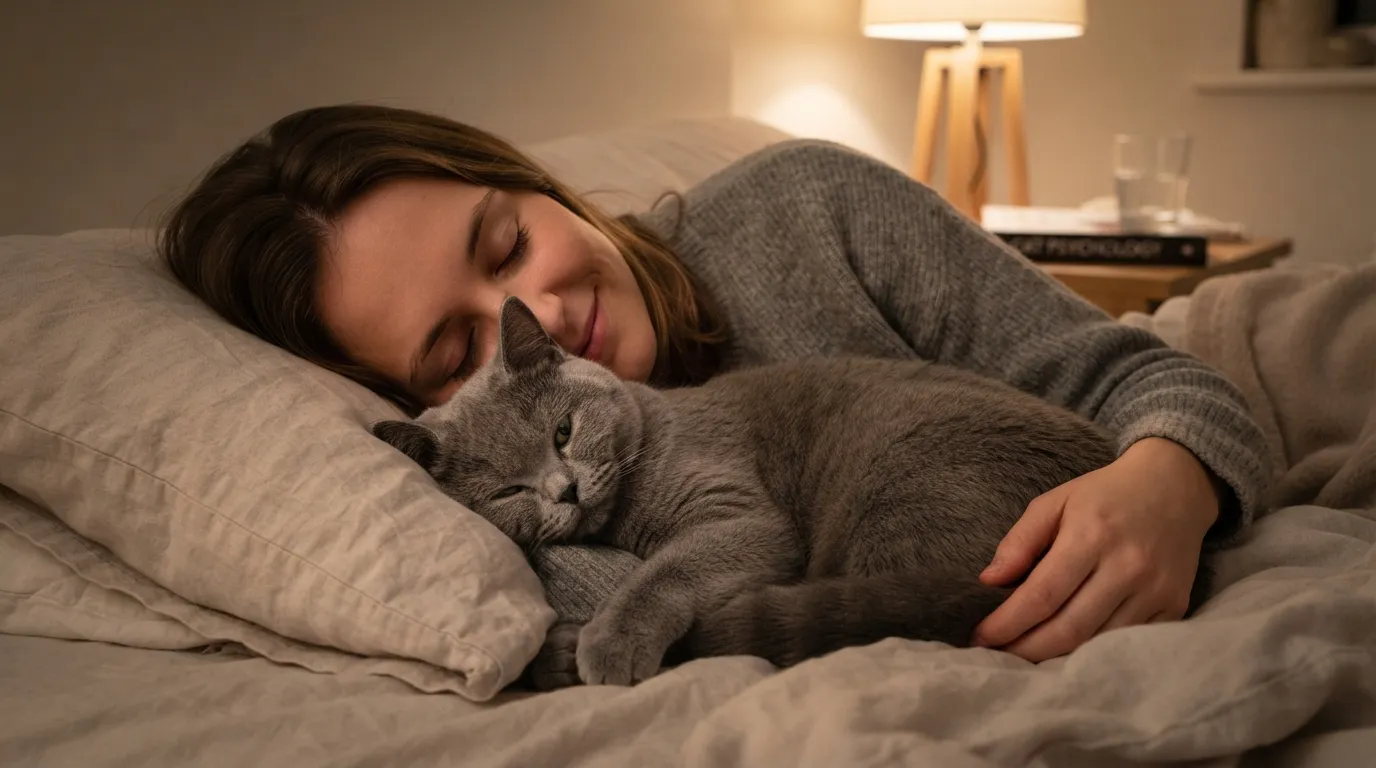
Cats get called distant so often that people stop looking for the truth underneath it. The truth is they're constantly telling you where you stand - just never loudly.
The slow blink, the belly flash, the 2 a.m. gift on your pillow - none of it is accidental. Every one of these behaviors is a decision, made by an animal that watched you carefully and decided you were safe.
So look again at your cat tonight. How many of these 16 signals have been sitting in plain sight the whole time?
Drop your cat's most surprising trust signal in the comments - we'd love to know which one caught you off guard.