9 Things Cats Do With Their Tail When They Are Deciding Whether to Approach
#1 The Slow, Low Sweep
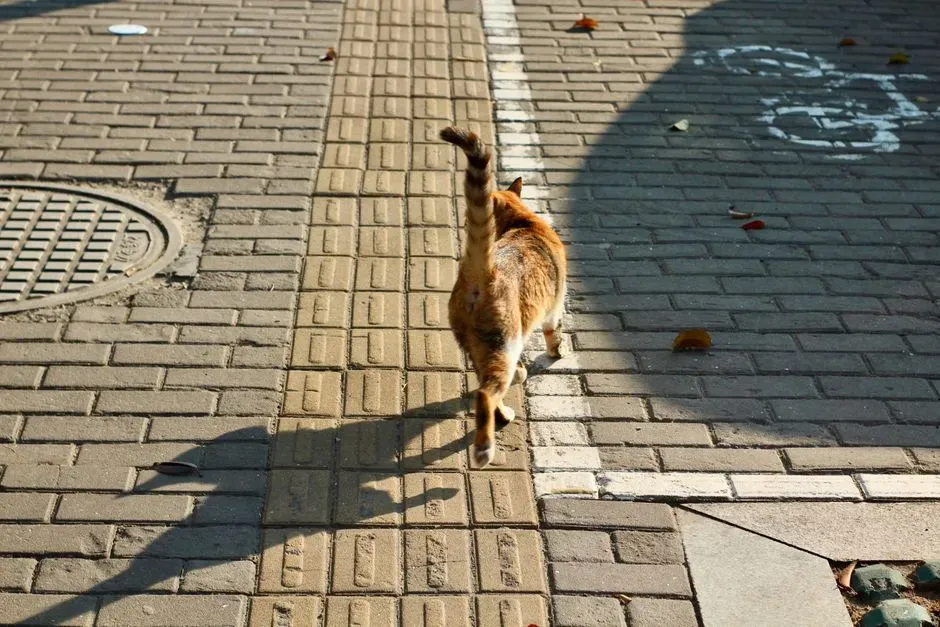
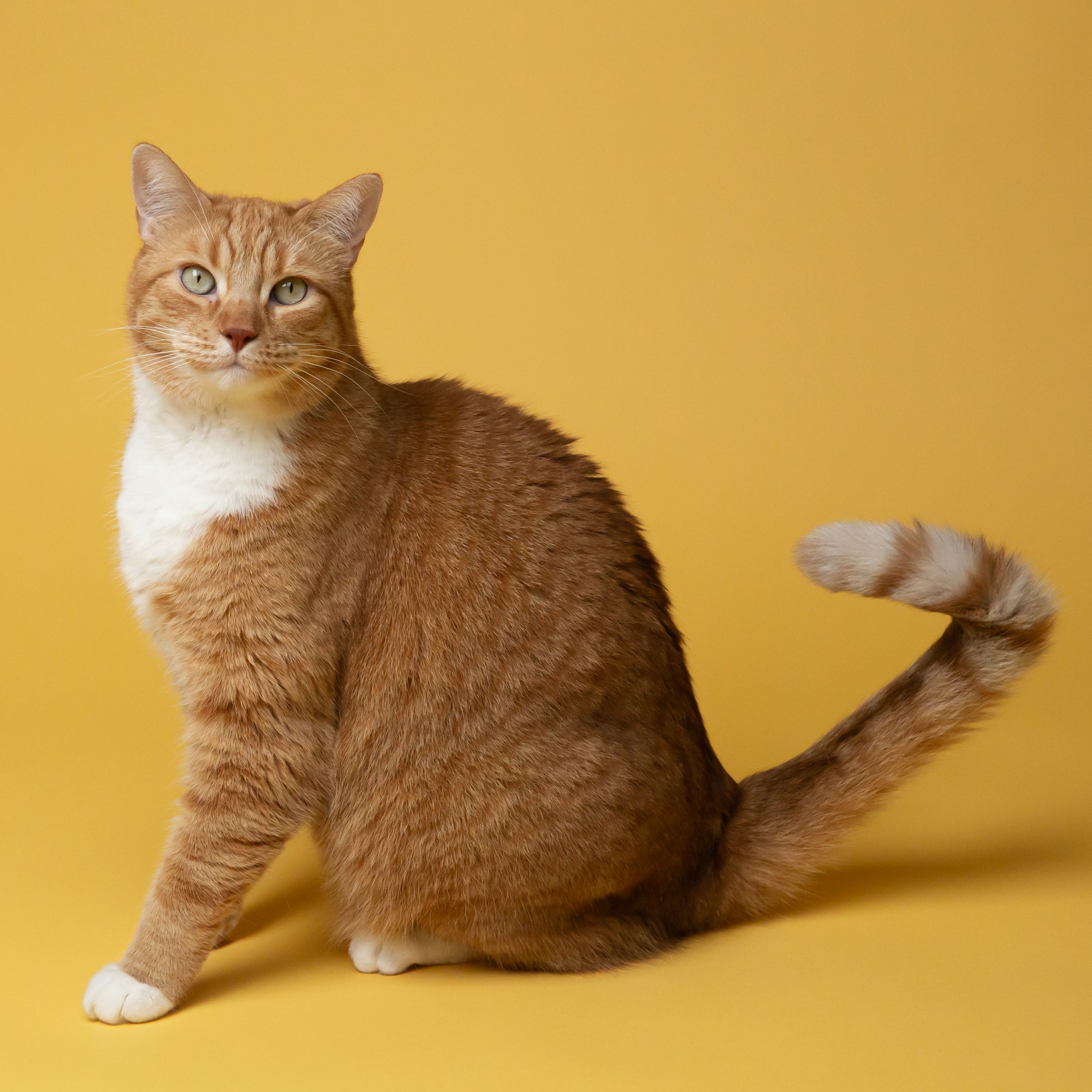
When a cat is weighing whether to approach a person or another animal, one of the earliest signs is a slow, low sweep of the tail near the ground. This isn't the sharp, agitated lashing associated with irritation. It is measured and deliberate, almost like the cat is testing the air currents around it while it processes the situation.
Behaviorists who study feline communication often note that this movement reflects active decision making rather than fear or aggression. The cat isn't retreating, but it isn't fully committed either. It's a physical pause button, a way for the animal to buy itself a few more seconds before choosing whether to close the distance.
#2 The Slight Upward Curl at the Tip
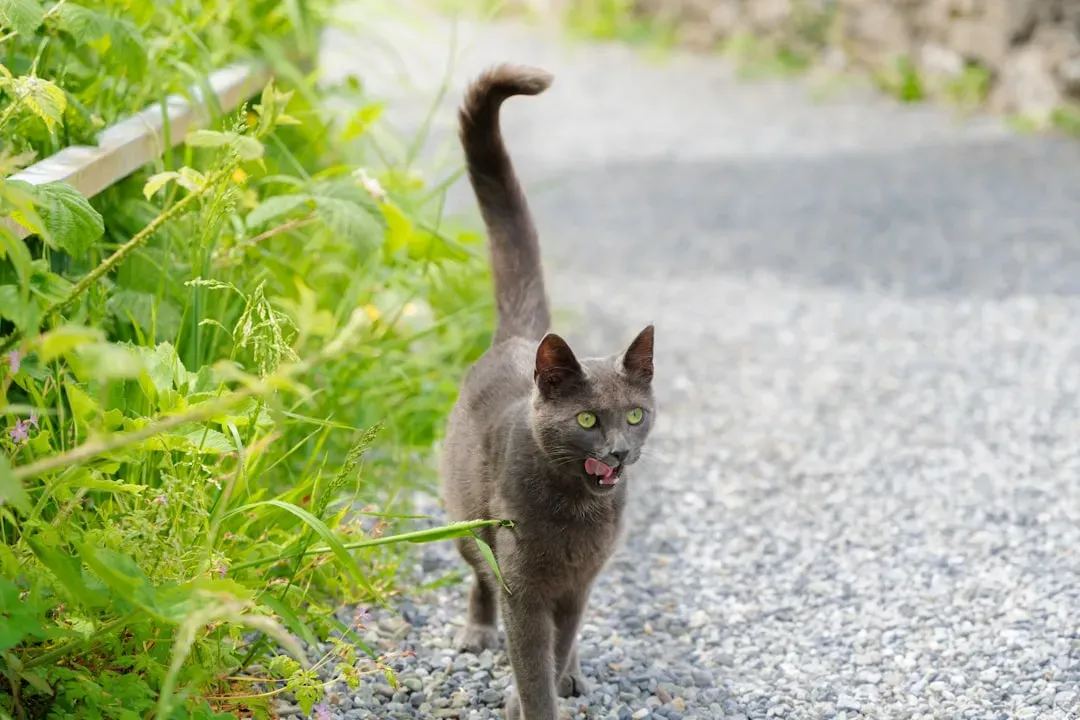
A tail held mostly still but with just the tip curling upward is a subtle tell that curiosity is starting to outweigh caution. The rest of the tail may remain low or neutral, but that small upward flick signals a shift in internal calculus. It often shows up right before a cat takes its first tentative step toward something new.
This partial curl tends to appear alongside forward-facing ears and a softened gaze, reinforcing that the cat is leaning toward engagement rather than avoidance. It's a small movement, easy to miss if you're not watching closely, but it often precedes a cat inching closer rather than backing away.
#3 The Puffed but Not Fully Erect Tail
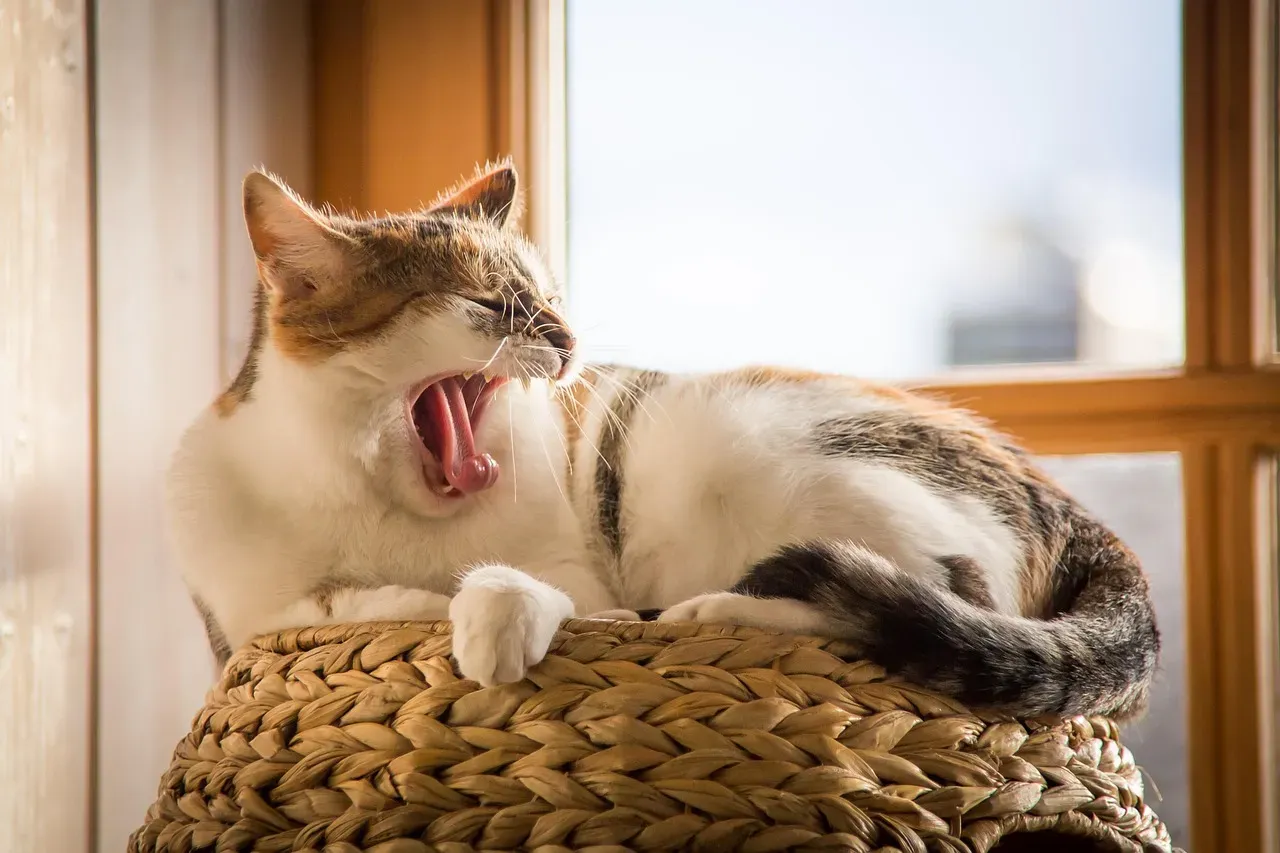
Piloerection, the puffing of fur along the tail, is commonly associated with fear or threat displays, but there is a middle version worth noting. Sometimes a cat's tail will puff only partially, not into the classic bottle brush shape, but enough to show mild unease without full alarm. This often happens when the cat is unsure whether an approaching person or animal is safe.
In these moments, the cat is essentially hedging its bets, preparing its body for a fast reaction while still leaving the door open to relax. If the situation resolves calmly, the fur typically settles back down within moments, and the cat may proceed toward the source of its uncertainty. If not, the partial puff can escalate quickly into a full defensive posture.
#4 The Twitching Tip While the Rest Stays Still
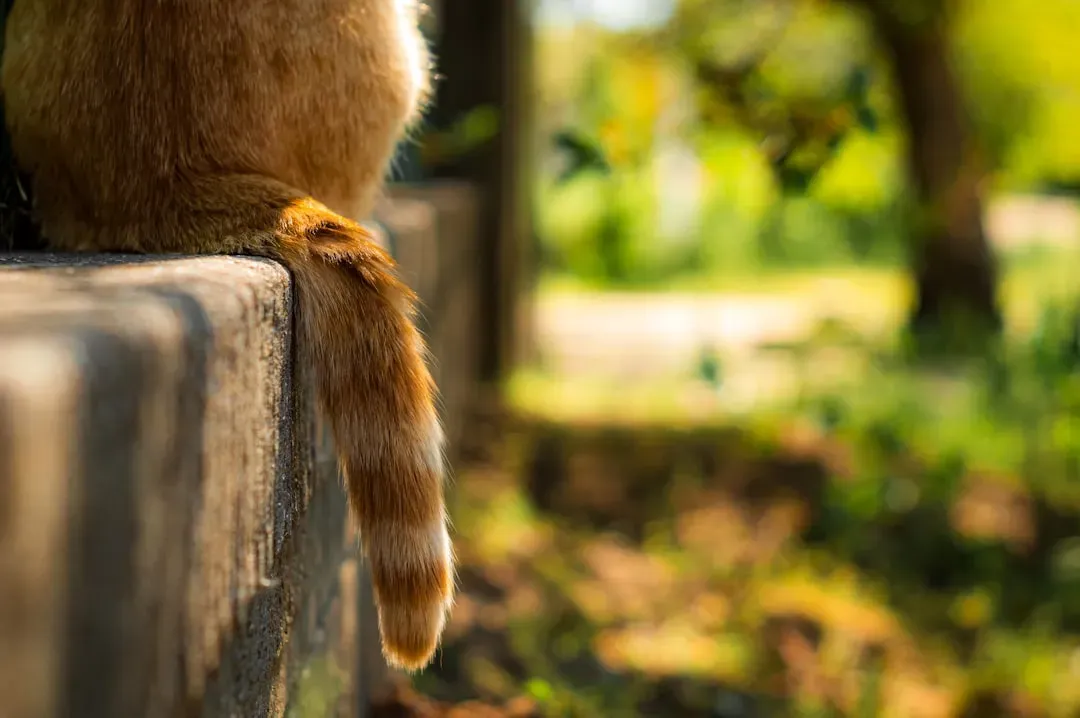
A cat sitting with a mostly motionless tail except for a twitching tip is often in an evaluative state, gathering sensory information before making a move. This is different from the twitching that accompanies focused hunting behavior, since the surrounding posture tends to be more relaxed and less crouched. The twitch reflects mental activity rather than physical readiness to pounce.
Owners often see this right before a cat decides whether to approach a new visitor in the home. The cat may be sitting a few feet away, watching intently, tail tip flicking in small increments as it processes scent, sound, and movement cues. Once the twitching slows or stops entirely, that's frequently the moment the cat chooses to close the gap.
#5 The Gentle Wrap Around the Body
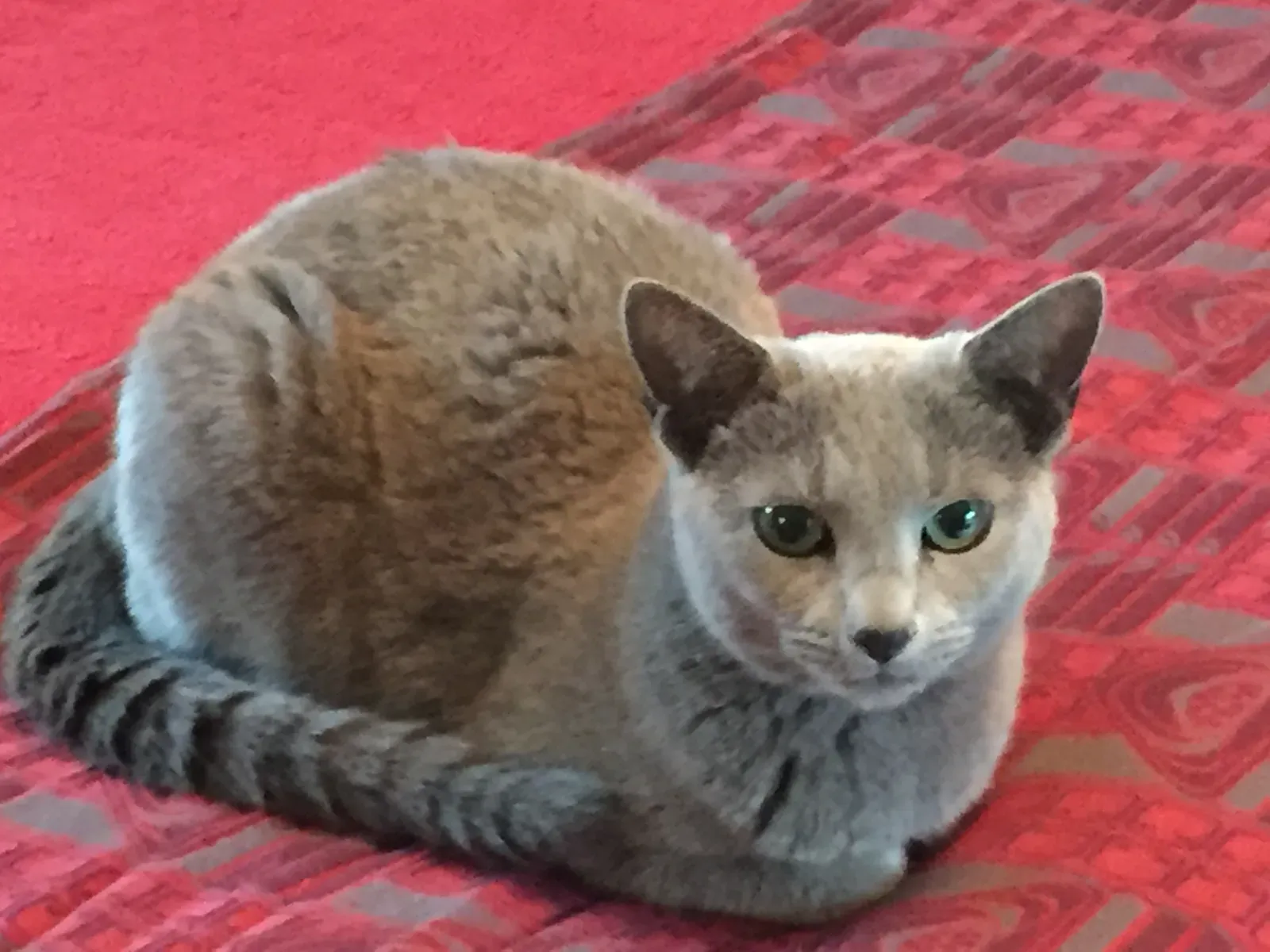
When a cat wraps its tail loosely around its own body while observing a person or situation, it's generally signaling a calm, self-contained state rather than active alarm. This posture is common in cats that are undecided but not particularly stressed, more curious than cautious. The tail acts almost like a security blanket, giving the cat a sense of physical containment while it studies its options.
This wrapped position often appears in cats sitting at a comfortable distance, neither approaching nor retreating, simply watching. It's a fairly neutral signal on its own, but combined with other cues like relaxed whiskers or half-closed eyes, it usually points toward eventual approach rather than avoidance.
#6 The Low, Still Tail With Slight Tension
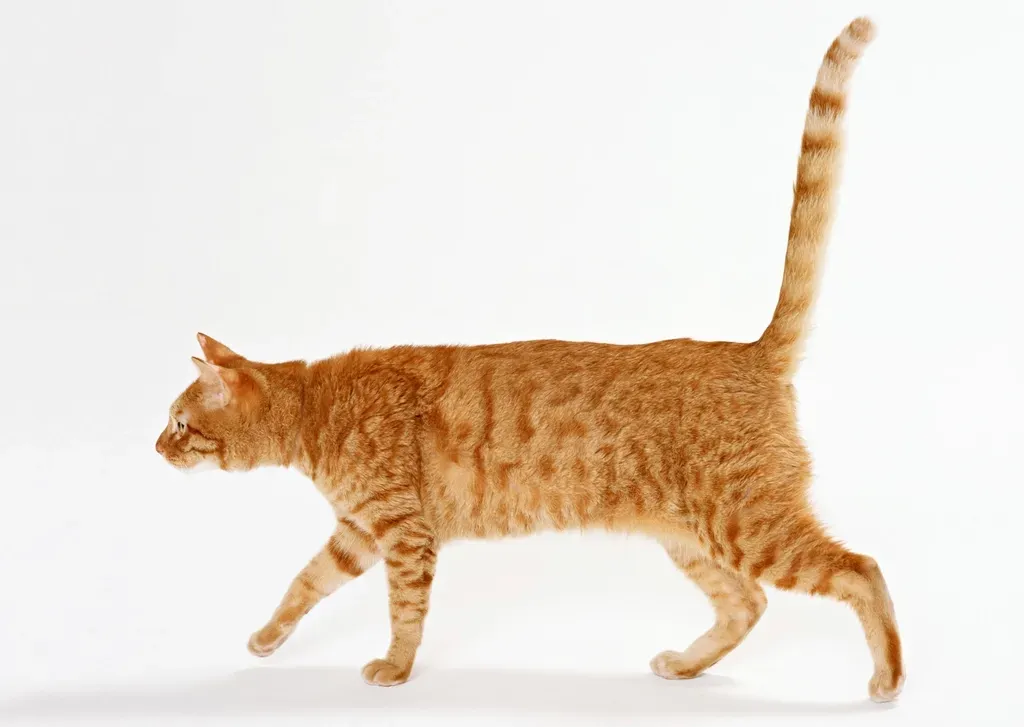
A tail held low and mostly still, but with a faint stiffness rather than looseness, can indicate that a cat is uncertain and assessing risk before deciding how to proceed. This differs from a fully tucked tail, which usually signals fear, and from a relaxed low tail, which suggests comfort. The subtle tension is the tell, a body caught between confidence and caution.
Cats displaying this posture are often in the early stages of sizing up an unfamiliar animal or person. The stillness allows them to conserve energy and stay alert without committing to fight or flight. Depending on how the other party responds, whether calmly or with sudden movement, the tail's tension can either ease into approach or stiffen further into retreat.
#7 The Intermittent Question Mark Curve
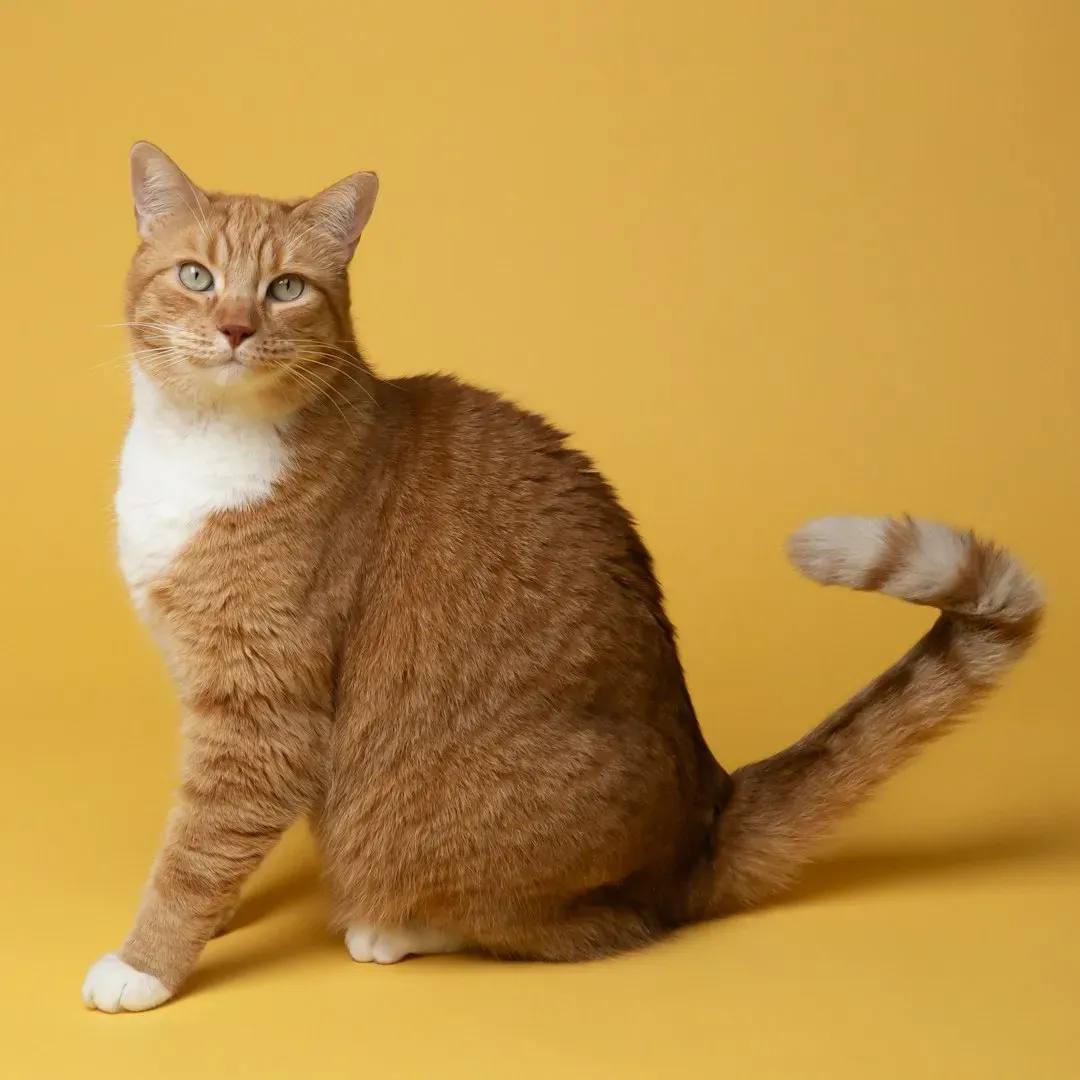
The classic question mark shape, where the tail curves gently at the top, is widely recognized as a friendly, inviting signal. What's less commonly discussed is how this shape can appear intermittently in a cat still deciding whether to approach, flickering in and out as the animal reconsiders its confidence level. It's not a fixed posture but a fluctuating one.
This on-again, off-again curve often shows up when a cat likes what it sees but hasn't fully convinced itself the situation is safe. The tail might curve invitingly for a moment, straighten as the cat pauses, then curve again as it takes another step forward. It's essentially a visual back-and-forth mirroring the cat's internal debate.
#8 The Wide, Slow Arc From Side to Side
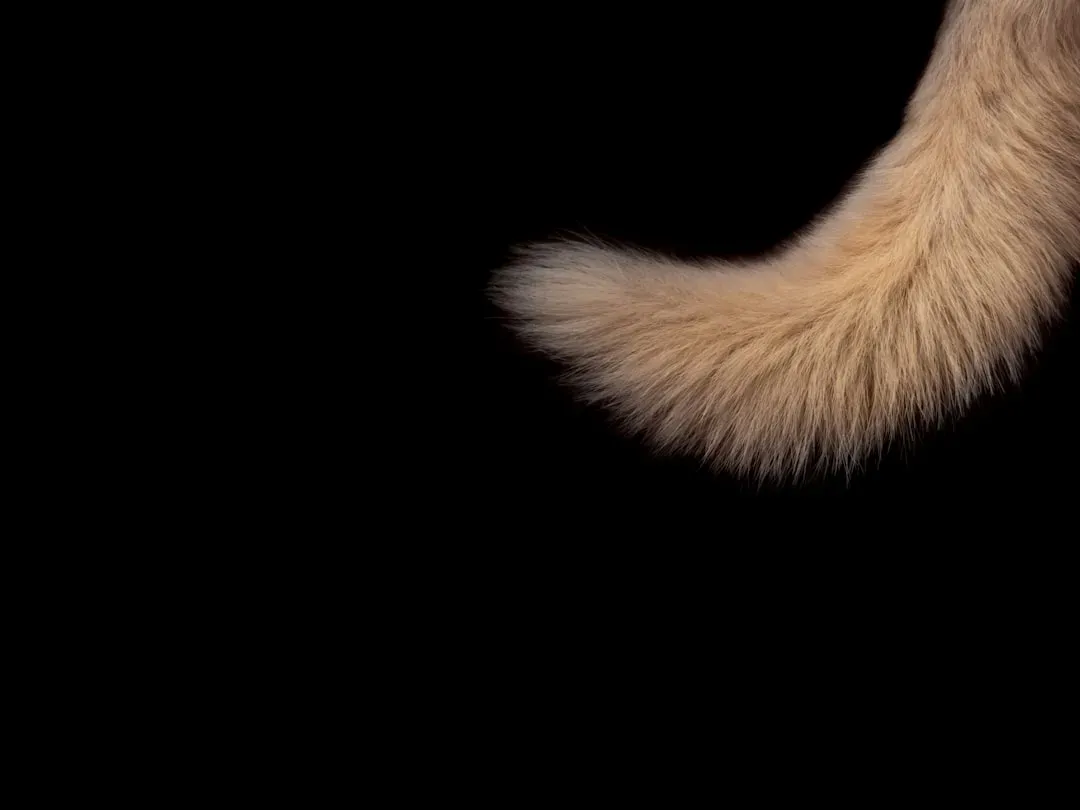
A wide, unhurried arc of the tail moving from one side to the other, distinct from rapid lashing, often shows up when a cat is balancing curiosity against mild wariness. The movement is broader and slower than the tight flicking associated with irritation, giving it a more contemplative quality. It's the tail equivalent of someone tapping a finger while thinking something over.
This kind of arc is frequently observed in cats meeting an unfamiliar animal for the first time, particularly in multi-cat households introducing a newcomer. The slow sweep allows the cat to maintain a non-threatening posture while still processing the new presence. If the arc gradually narrows and slows further, it often precedes a calm, cautious approach rather than a retreat.
#9 The Sudden Stillness After Movement
Perhaps one of the most telling signs is when an actively moving tail suddenly goes completely still. This abrupt stop often marks a decision point, the moment a cat has gathered enough information and is about to act, whether that means approaching, freezing longer, or backing away. The stillness carries more weight precisely because it follows motion.
This pattern shows up frequently in cats watching birds outside a window or evaluating a new object in a room, situations that mirror the same evaluative process at play with social approach decisions. The sudden pause tends to be brief, often just a second or two, before the cat's body language resolves one way or the other. Watching what happens immediately after this stillness, a step forward or a retreat, usually reveals the outcome of the internal debate that just played out.
Final Thoughts
Tails are honest in a way that the rest of a cat's body sometimes isn't, and paying attention to these small movements gives a much clearer picture of what's actually going on than simply watching whether a cat walks toward you or not. If there's one thing worth taking from all this, it's that patience pays off. Rushing a cat past its own tail-driven deliberation almost always backfires, while waiting out the sweep, the curl, or the sudden stillness tends to earn trust that lasts far longer than a forced interaction ever could.
- 8 Cat Breeds That Seek Constant Interaction (And 8 That Are Perfectly Content Alone)
- A Cat's Purr: More Than Just Happiness, It's a Symphony of Well-being
- Animal Behavior Says Cats Who Groom Themselves After Being Petted May Be Responding to More Than a Messed-Up Coat
- 9 Reasons Cats Investigate a Bag or Box the Moment It Enters the House