25 Tiny Habits That Prove Your Cat Chose You Years Ago
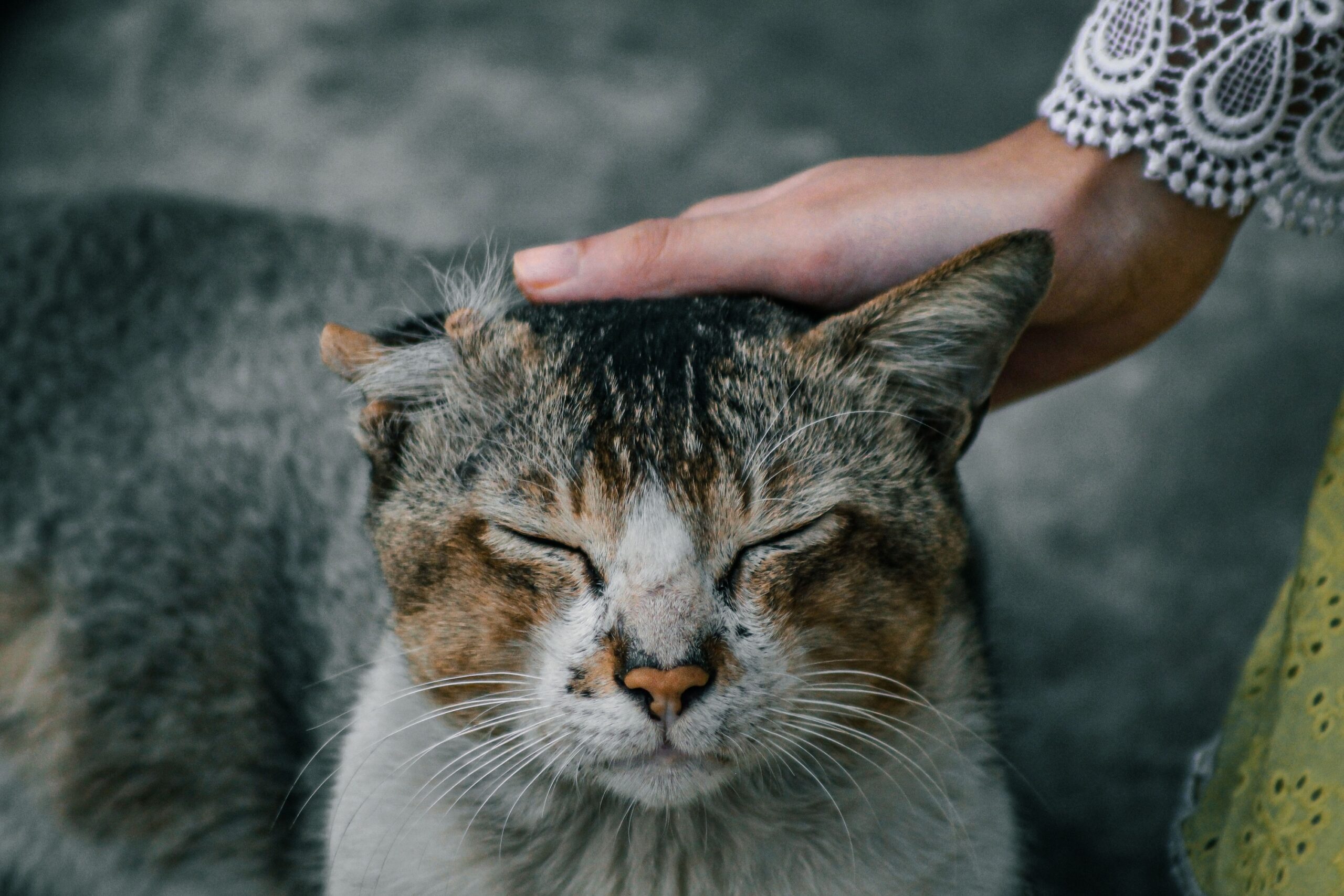
Most people think their cat "settled" for them after a shelter visit, or that a stray just wandered into the yard at the right time and decided to stay. That's not how it actually works. Animal behaviorists who study feline attachment say the real story is stranger and more deliberate: your cat picked you out long before you ever noticed anything special happening.
The proof isn't in some dramatic gesture. It's in the small stuff - a blink, a head-butt, a paw resting on your arm while you scroll your phone. Most owners walk right past these signals every single day without realizing they're staring at devotion. Here are the 25 tiny habits that give it away.
#1 - The Slow Blink Isn't Random, It's a Declaration
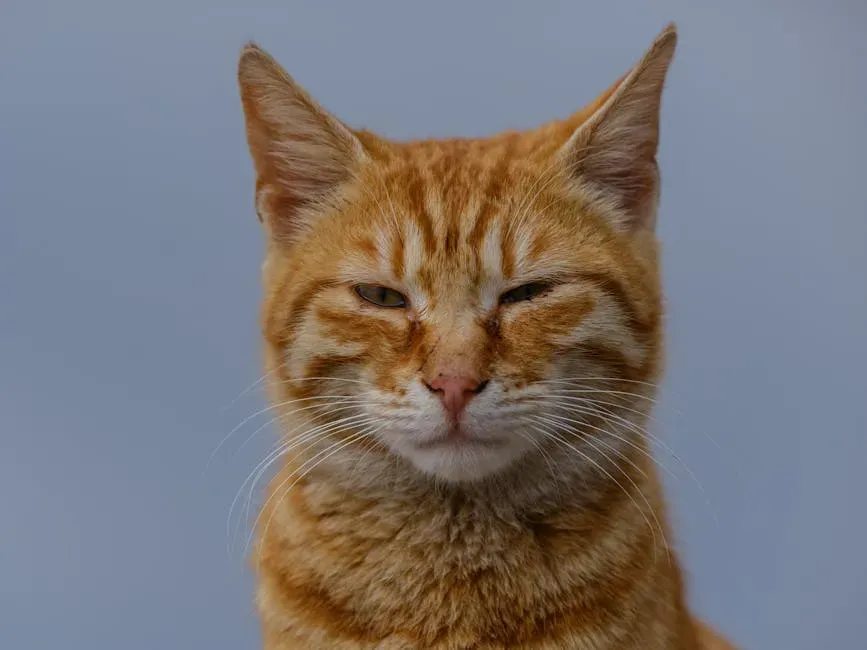
A slow blink from a cat is one of the most studied gestures in feline communication, and it's not a coincidence when it happens near you specifically.
Cats don't slow-blink at strangers, furniture, or other pets they tolerate rather than love. They reserve it for the humans they feel genuinely safe around, because closing their eyes in front of another creature is a vulnerability signal. A cat that repeatedly slow-blinks at you is telling you, in the only language it has, that it trusts you completely. Try blinking back slowly next time - most cats will do it again immediately, almost like a conversation. That's not trained behavior. That's chosen behavior.
Fast Facts
- Psychologists at the University of Sussex and University of Portsmouth published a study showing it is possible to build rapport with a cat by using an eye narrowing technique with them, in the journal Scientific Reports.
- Psychologists at the Universities of Sussex and Portsmouth conducted an experiment with 21 cats and 14 cat owners and found the cats did more slow blinking when their owners blinked at them than when owners were present but didn't blink.
- Cats in the study were more willing to approach a person who slow blinked compared to a person who kept a neutral face.
- Eye narrowing movements in cats have some parallels with the genuine smile in humans, the Duchenne smile.
#2 - Following You From Room to Room Isn't Neediness
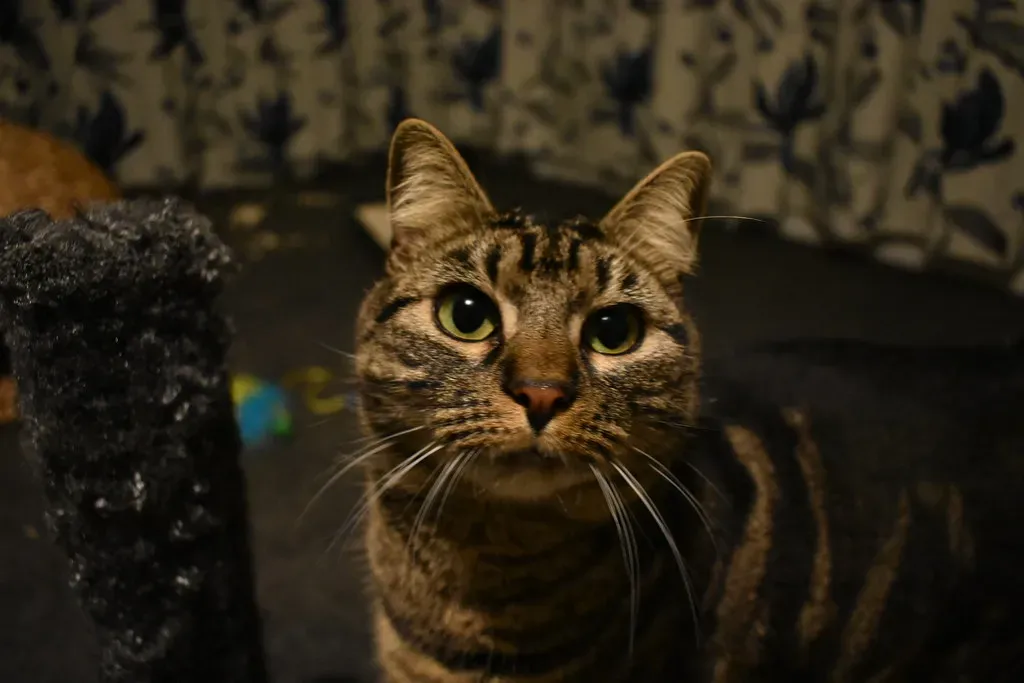
Cats are famously independent, so when one starts shadowing you around the house, it's actually a bigger deal than it looks.
This isn't about food or boredom - cats that follow one person specifically, ignoring others in the same household, are displaying a documented attachment pattern similar to what's seen in dogs. Some behaviorists now compare this to "secure base" behavior, the same term used to describe how toddlers stay near a trusted caregiver while exploring. If your cat trails you to the kitchen, the laundry room, and back again, it's not annoyance - it's proximity-seeking, and it's deliberate.
#3 - Sleeping Near Your Head Is a Trust Test
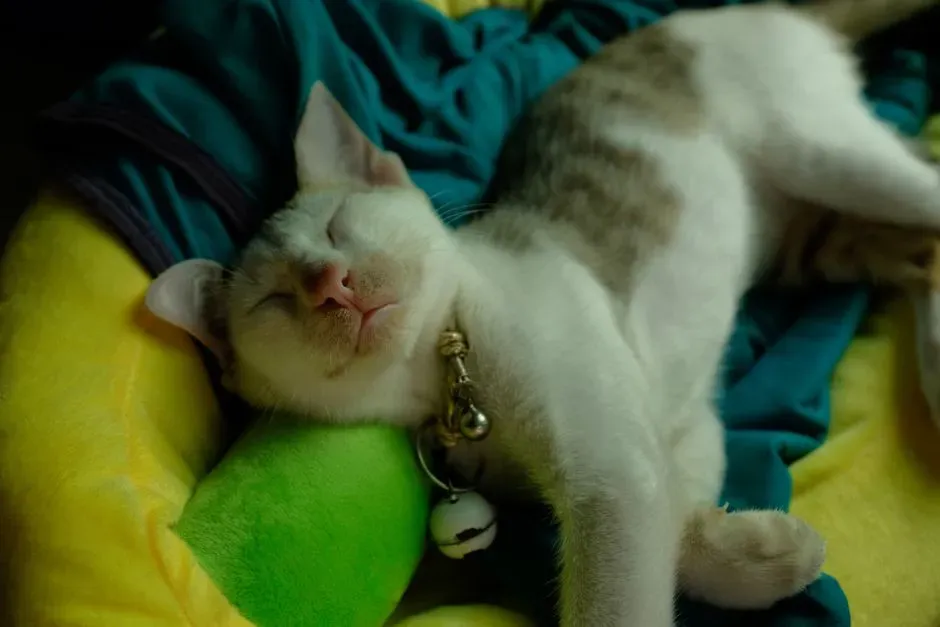
Cats are hardwired to protect their most vulnerable body parts during sleep, so where they choose to nap matters enormously.
Sleeping on your pillow or curled against your neck puts a cat in a position where it can't easily flee or defend itself if something goes wrong. That's an enormous risk for an animal built around self-preservation instincts. Choosing to take that risk next to your face, night after night, isn't convenience - it's a long-term trust decision. Cats that sleep elsewhere in the house but drift toward your pillow specifically at 3 a.m. are making a very deliberate move.
#4 - Head-Butting You Is Basically a Signature
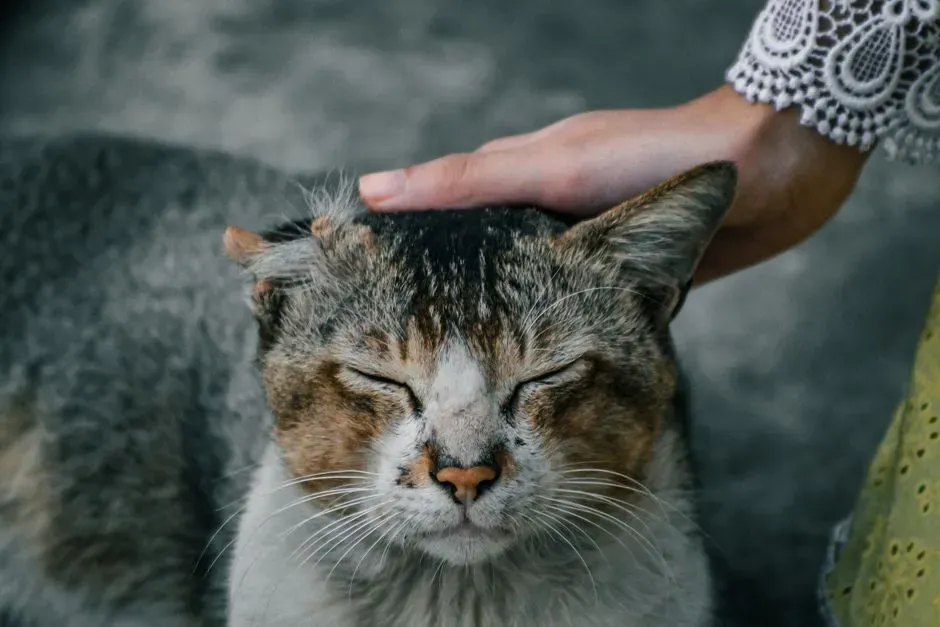
That head-bump your cat gives your shin or hand has an actual name - bunting - and it's loaded with meaning.
Cats have scent glands concentrated around their cheeks and forehead, and bunting deposits their scent directly onto you. In feline terms, this is closer to marking you as family than anything else they do. Cats don't bunt objects or people they're indifferent to; they reserve it for trusted members of their social circle. If your cat greets you with a forehead bump every single time you walk in the door, it's reaffirming a bond it already considers permanent.
#5 - The "Gifts" Are Actually a Compliment
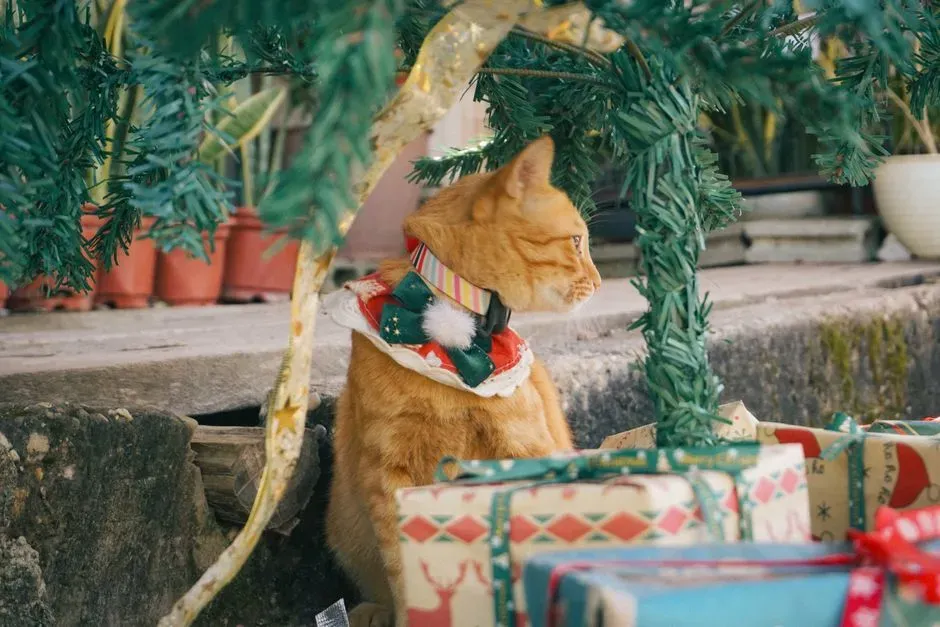
Finding a dead bug, a sock, or a toy mouse on your pillow isn't your cat being gross - it's your cat trying to provide for you.
This behavior traces back to mother cats teaching kittens to hunt by bringing back prey. When an adult cat brings you an object, it's treating you the way it would treat a member of its own litter - someone worth sharing resources with. Most cats don't do this for every human in the house; they tend to single out the person they feel most connected to. It's not glamorous, but it's one of the clearest compliments a cat can give.
#6 - Kneading You Is a Leftover Kitten Habit They Never Grew Out Of
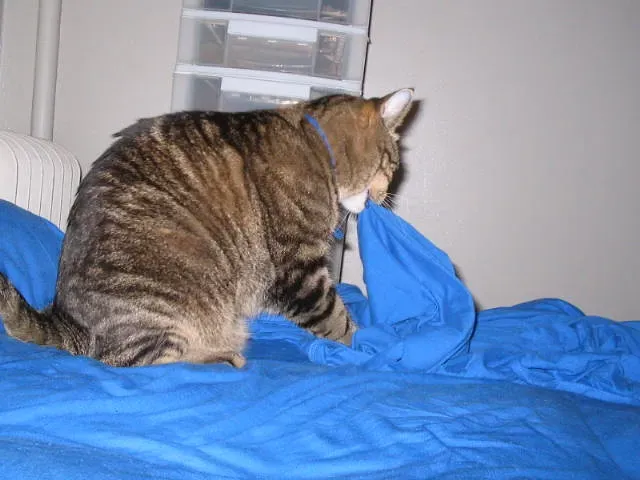
That rhythmic paw-pressing your cat does on your lap, blanket, or stomach dates back to nursing behavior from kittenhood.
Kittens knead their mother's belly to stimulate milk flow, and cats that keep doing this into adulthood are unconsciously associating you with the safety and comfort of that early bond. Behaviorists consider adult kneading one of the strongest signs of comfort and attachment a cat can display. Some cats only knead one specific person in a household, which narrows it down even further - they're not just comfortable in general, they're comfortable with you.
#7 - Showing Their Belly Isn't Always an Invitation, But It's Always a Statement

A cat exposing its stomach is showing you its most physically vulnerable area, no matter what happens next.
This isn't necessarily a request for a belly rub - plenty of cats will swat a hand that goes in for one. The gesture itself, regardless of what follows, is the real message: this cat feels safe enough around you to be defenseless. Cats rarely do this around people they don't fully trust, because in the wild, an exposed belly is an invitation for danger. If your cat flops over in front of you specifically, that's a security clearance most people in its life never receive.
#8 - Sitting on Your Laptop Isn't Sabotage, It's Strategy
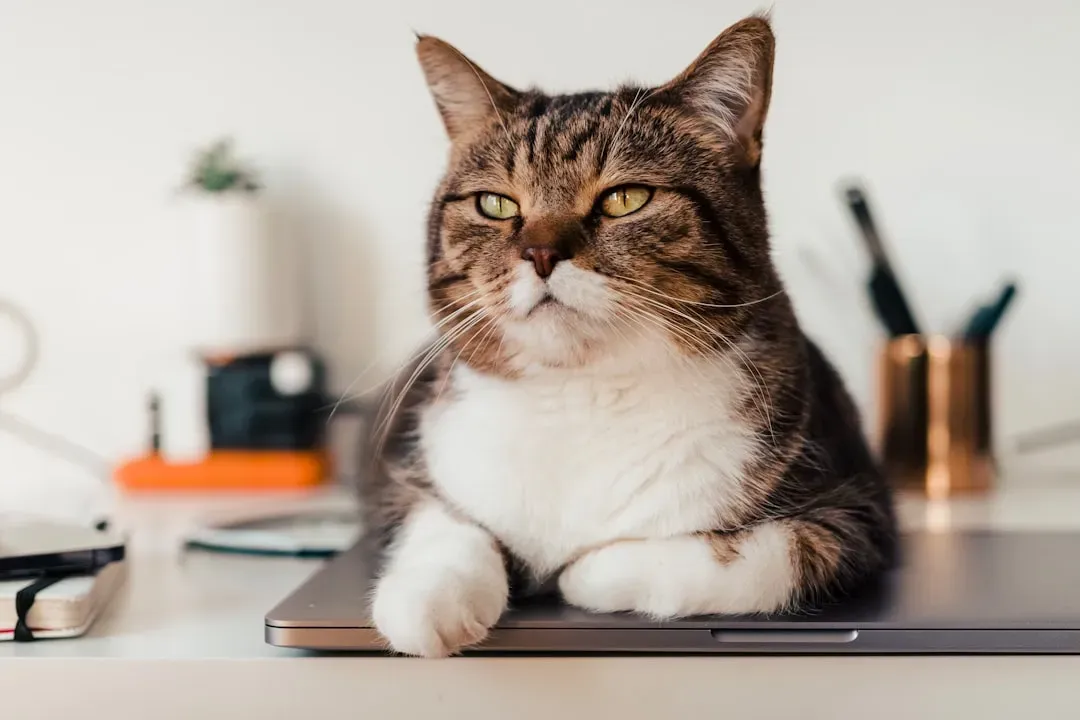
Cats parking themselves directly on your keyboard the moment you start working looks like chaos, but there's a pattern behind it.
Cats are drawn to warmth, but they're also drawn to whatever is currently holding your attention. Sitting on the exact object you're focused on is a documented way cats compete for - and reclaim - your attention span. It's not random mischief; it's a targeted move toward the thing you're prioritizing over them in that moment. Cats that do this consistently, rather than sitting on any warm surface in the house, are making a statement about wanting you specifically.
#9 - Grooming Your Hair Is an Honor, Not a Habit
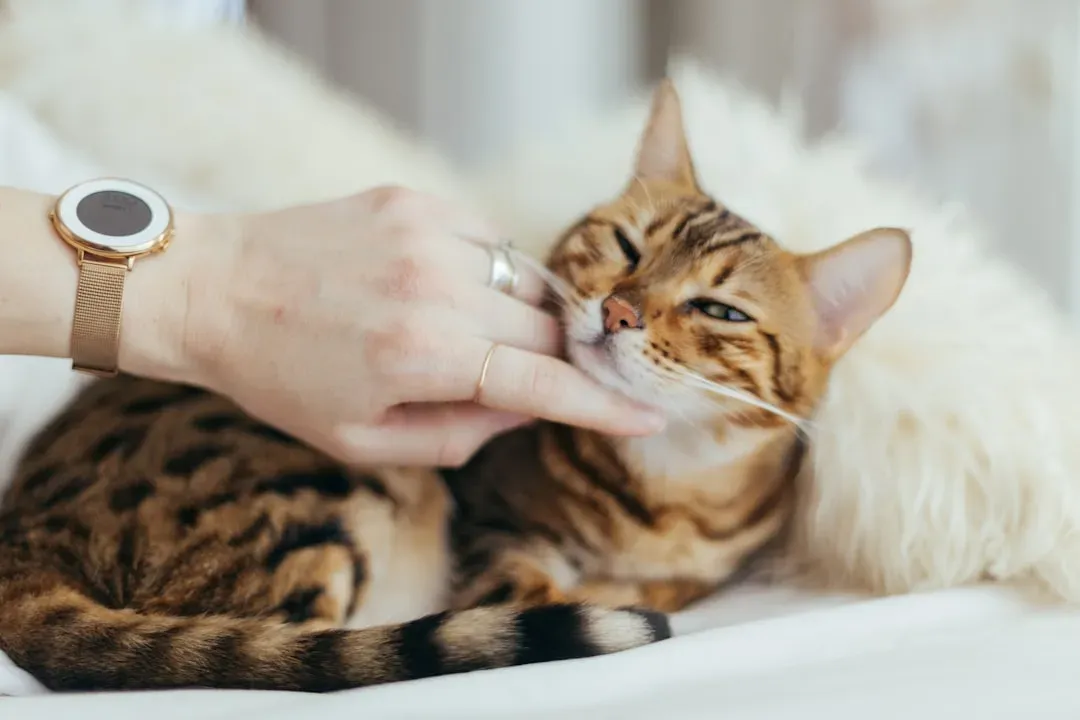
When a cat licks your hair or hands, it's performing the exact same behavior it uses to bond with other cats in its social group.
Allogrooming - grooming between animals rather than self-grooming - is reserved for close companions in feline social structures. Cats do not groom animals or people they consider outsiders; the behavior is exclusive to trusted relationships. If your cat has ever spent several minutes licking your hand or hair with total focus, it was treating you as a full member of its inner circle, not a passing acquaintance.
#10 - That Chirping Sound Is Reserved Just for You
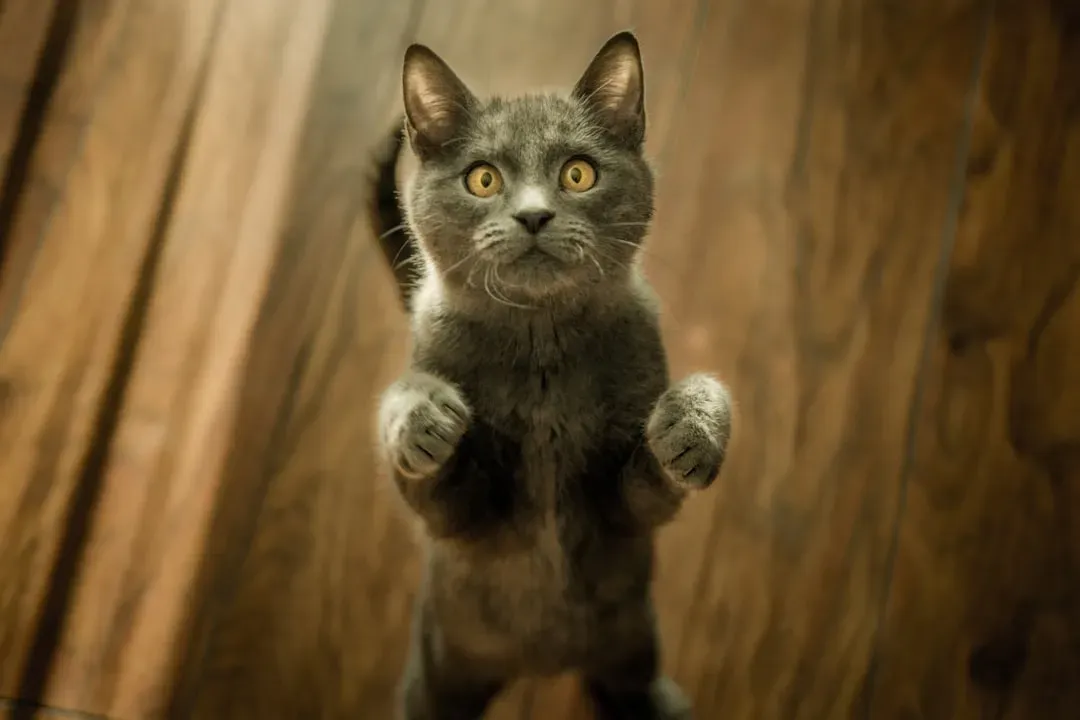
Cats have an entire vocal range most owners never fully notice, and the chirp or trill is one of the most telling sounds in it.
This particular noise is different from a meow or a purr - it's a greeting sound, most associated with mother cats calling their kittens. When an adult cat trills at a specific person walking through the door, it's using kitten-to-mother language on a human it considers a caregiver. Most cats don't trill at strangers or houseguests; they save it for the one or two people they consider closest. If your cat greets you with this sound daily, that's not habit - that's recognition.
Quick Compare
- Meow: Rarely used cat-to-cat in adulthood; a sound largely reserved for talking to people.
- Trill or chirp: A greeting rooted in mother-to-kitten calls, saved for trusted humans.
- Purr: Can mean contentment or self-soothing, depending entirely on context.
- Yowl: Usually an urgent demand - hunger, discomfort, or attention - not a bonding sound.
#11 - A High, Curled Tail Is Their Version of a Smile
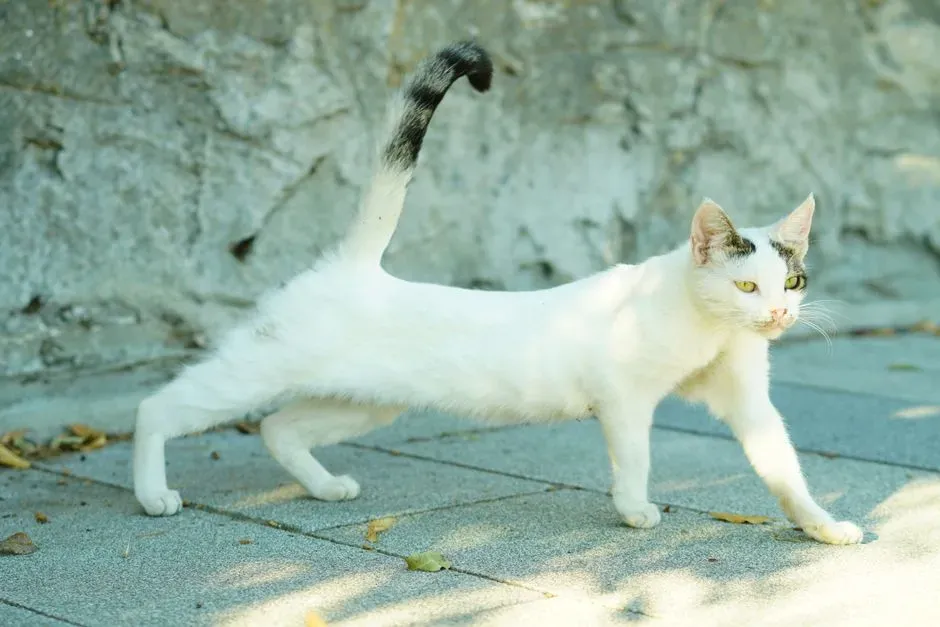
Tail position is one of the clearest windows into a cat's emotional state, and a tail held straight up with a slight curl at the tip has a very specific meaning.
This posture signals confidence, comfort, and friendliness, and cats typically only display it around individuals they feel positive about. Some behaviorists describe this exact tail shape as the feline equivalent of a genuine smile of recognition. If your cat's tail shoots up the second it sees you walk into a room - but stays lower or flicks with tension around others - that's a direct, visible measure of where you rank in its world.
#12 - Waiting by the Door Isn't About Food Timing
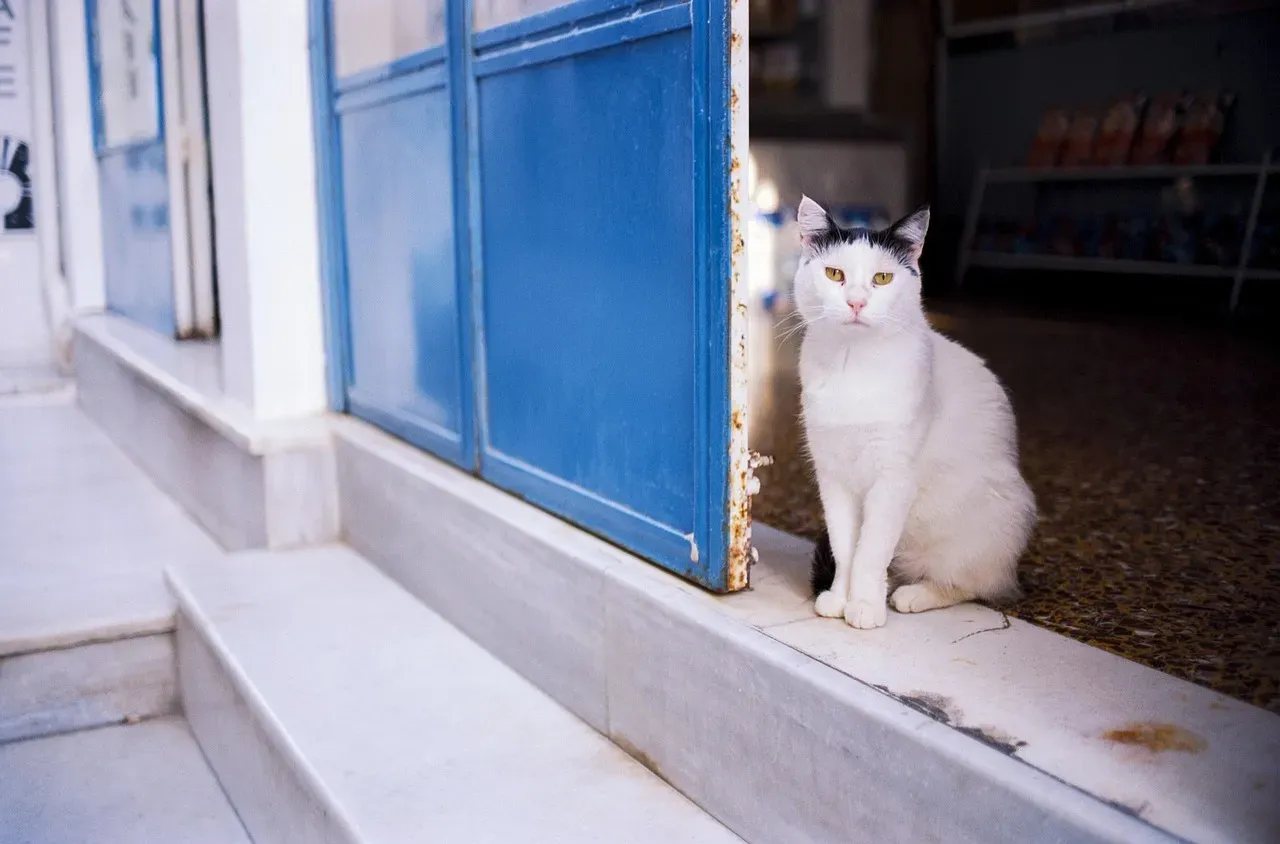
Plenty of owners assume their cat waits by the door purely because it's close to dinnertime, but the timing often doesn't add up.
Cats have been observed anticipating a specific person's arrival based on routine and scent cues, gathering near entry points well before any feeding schedule would explain it. This anticipatory waiting behavior mirrors patterns seen in dogs and is considered a strong indicator of attachment to an individual, not just a location. If your cat is reliably at the door minutes before you personally get home - regardless of who else is in the house - it's tracking you specifically.
#13 - Following You Into the Bathroom Is About Access, Not Curiosity
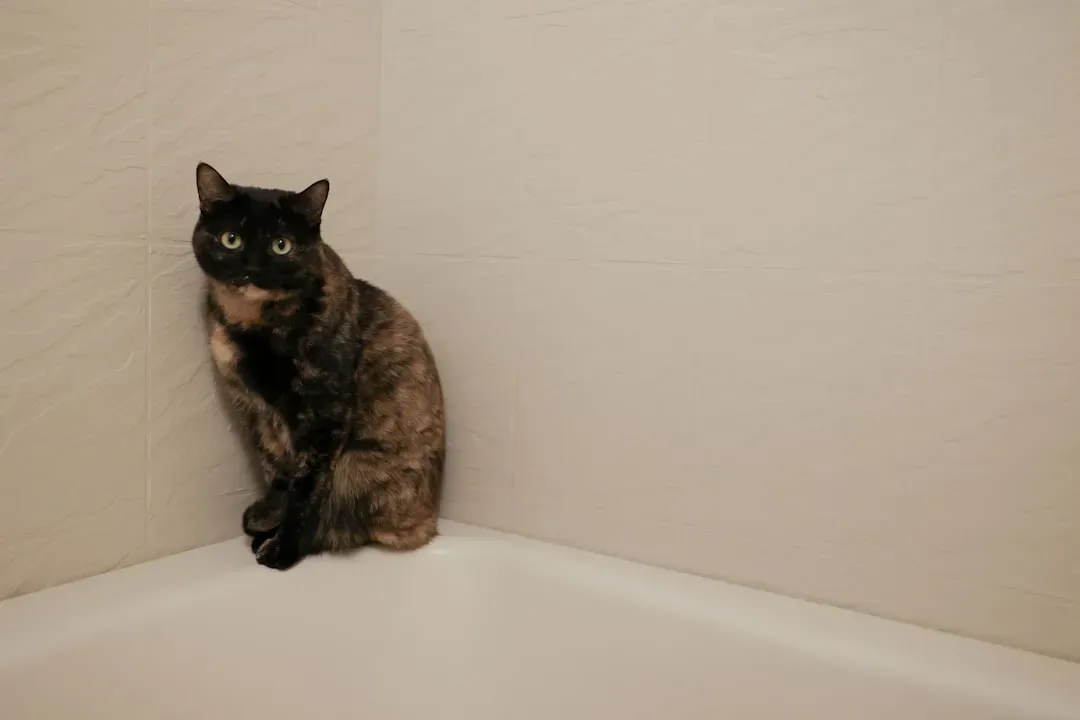
The bathroom-follow is one of the most universally reported cat behaviors, and it's rarely about the bathroom itself.
Cats often treat closed doors as a threat to access - a barrier between them and the person they've chosen to monitor. This is less about nosiness and more about not wanting to lose track of their preferred human, even for a few minutes. Cats that don't follow other family members into private spaces but consistently trail one specific person are showing a clear, if slightly invasive, form of attachment. It's one of the more controversial habits owners either find endearing or exhausting - there's rarely an in-between.
#14 - Sleeping Belly-Up Beside You Is the Ultimate Vulnerability Flex
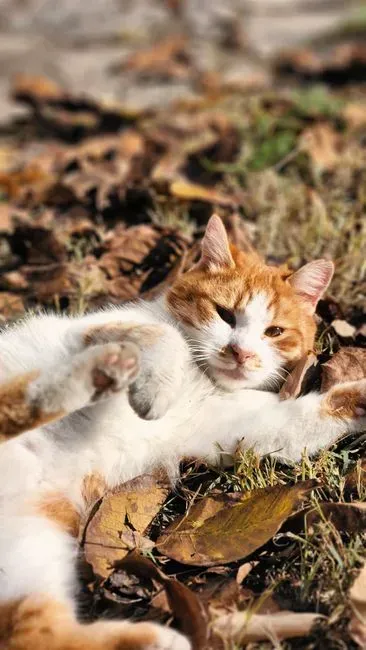
There's a difference between a cat curling up nearby and a cat sprawling out belly-up in deep sleep next to you.
This position leaves every vital organ exposed, and cats only enter it in environments where their nervous system has fully relaxed. Sleep researchers who study animal behavior note that this posture requires a level of perceived safety that most cats reserve for one or two trusted individuals. If your cat sleeps curled defensively around others but stretches out completely relaxed next to you, that's a physiological trust signal, not a coincidence of comfort.
#15 - Resting a Paw or Head on You Is a Physical Anchor
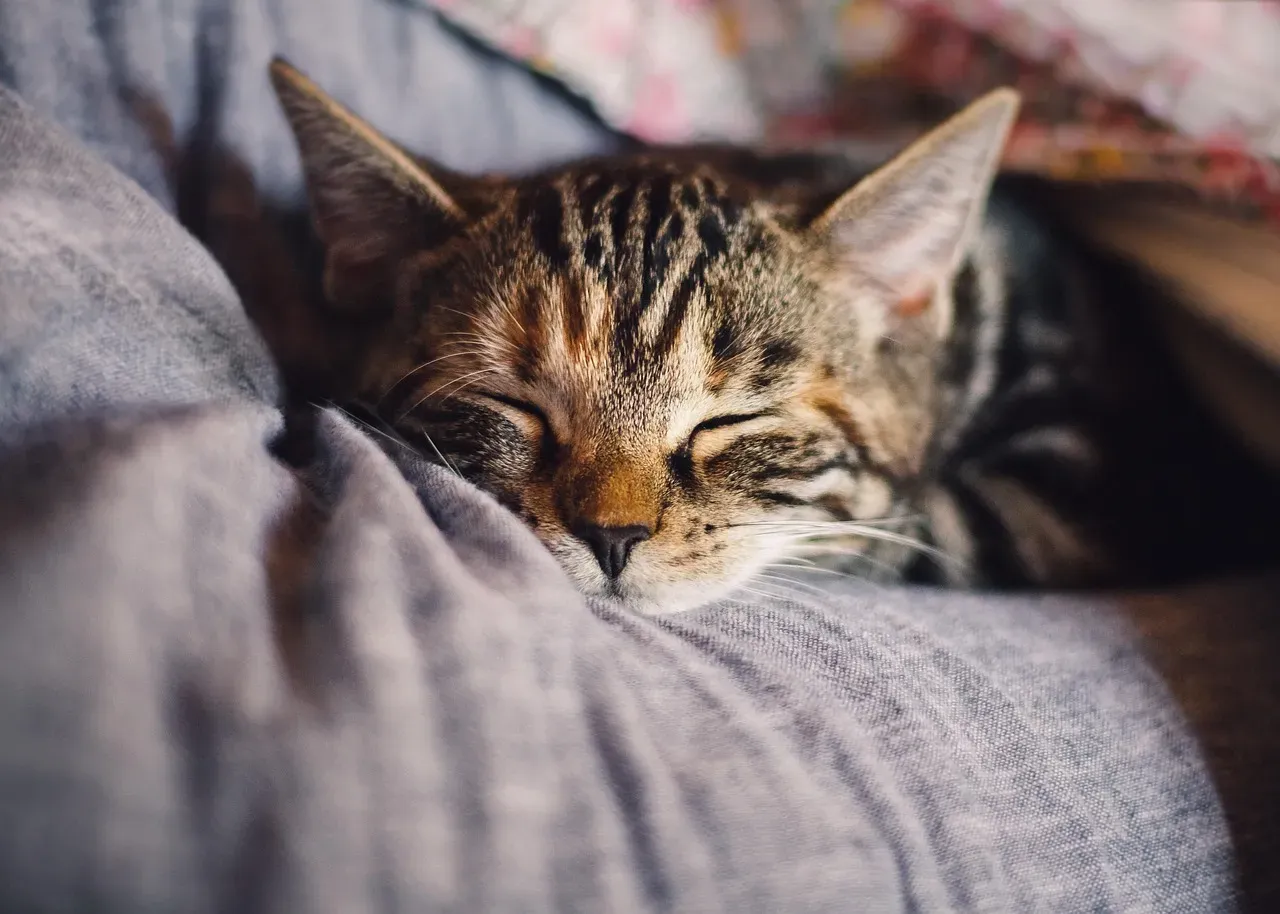
Some cats take contact a step further than simply sitting nearby - they place a paw on your arm or rest their head against your leg while you're doing something else entirely.
This kind of light, deliberate contact is a way cats maintain a physical connection without demanding full attention. It's essentially a cat's version of holding hands - present, quiet, and only offered to someone they feel close to. Cats that do this during everyday moments, like watching TV or reading, are choosing ongoing physical closeness over independence, which runs against the "aloof cat" stereotype most people still believe.
#16 - Waking You Up Gently Is Different From Waking You Up for Food
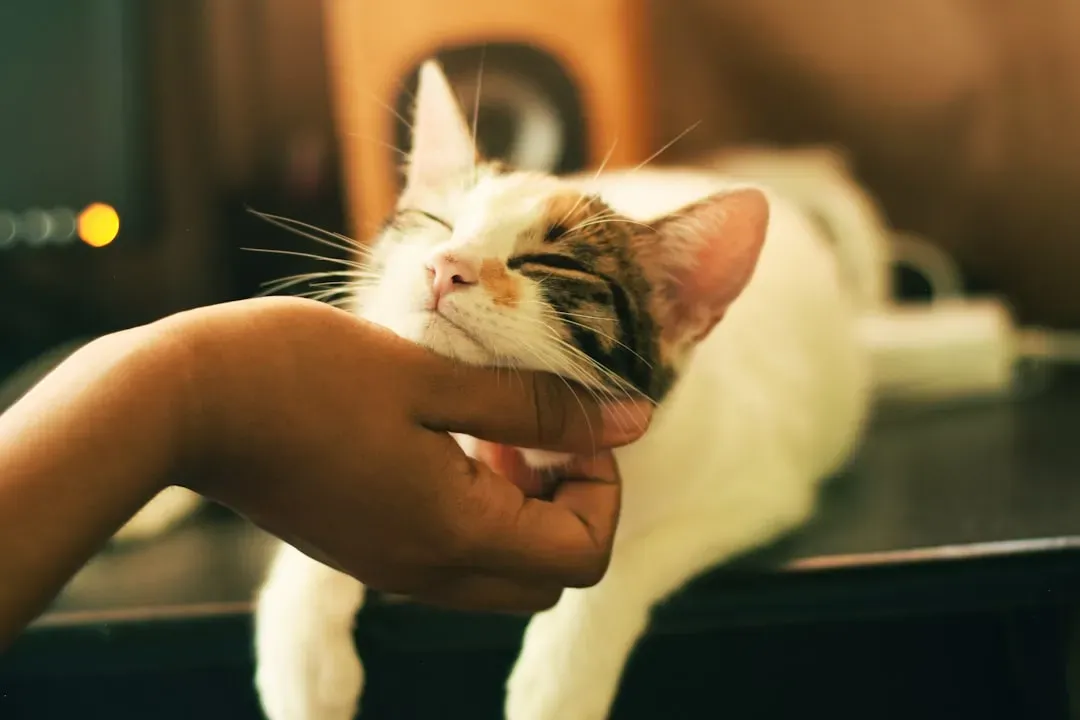
There's a clear difference between a cat that yowls for breakfast and one that nudges your hand or taps your face softly before settling back down.
The gentle version - a light paw tap, a quiet nose bump, a soft nuzzle - is often more about checking in than demanding anything. Behaviorists note that soft, low-intensity wake-up behaviors are typically reserved for bonded relationships, while food-driven waking tends to be louder and more insistent. If your cat wakes you gently and doesn't immediately dash to the food bowl, it may simply be confirming you're still there. That distinction matters more than most owners realize.
#17 - Cats Sync Their Schedule to Yours, Not the Other Way Around
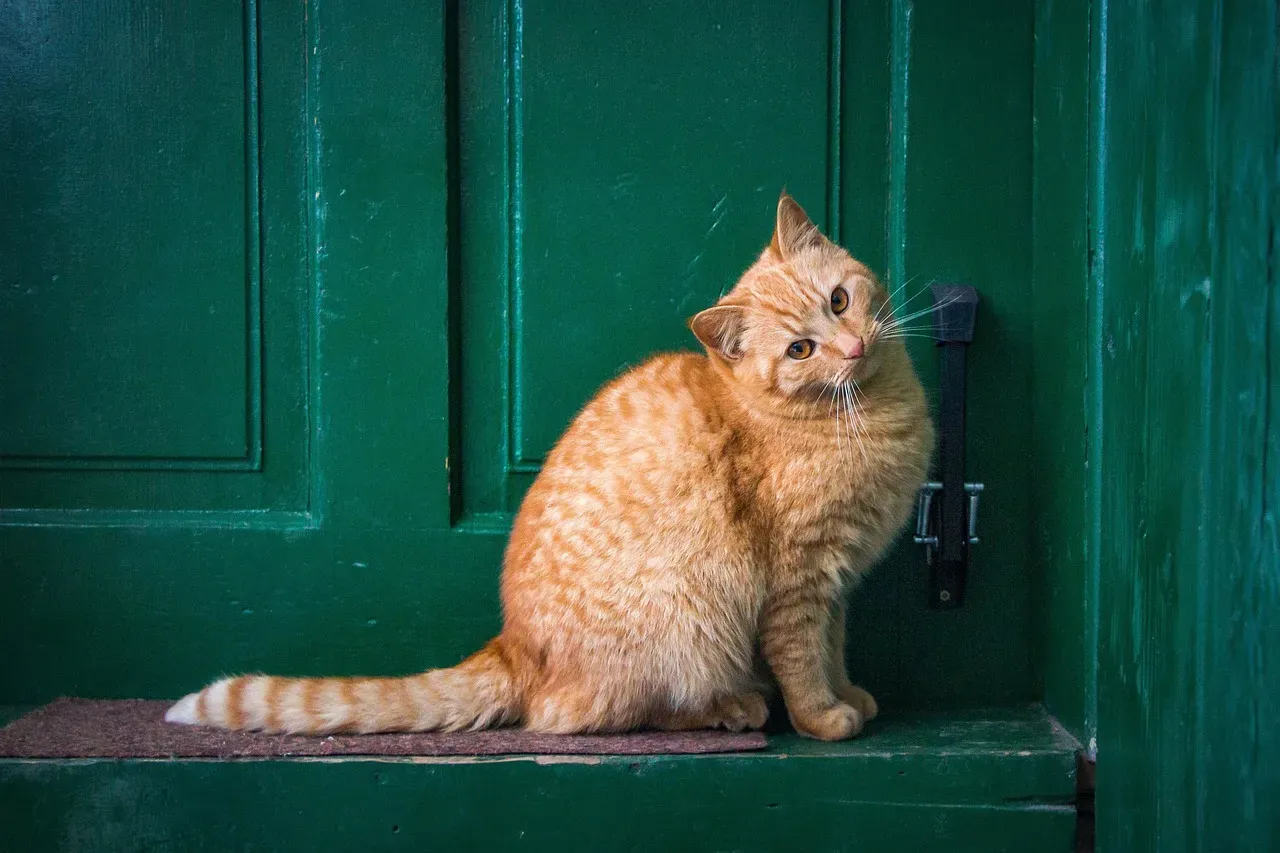
Cats are often assumed to run entirely on their own internal clock, but many adjust their daily rhythms around a specific person's habits.
Cats have been observed waiting near the door before a person's usual arrival time and settling into rest right around a preferred human's bedtime. This kind of schedule-matching behavior suggests cats are tracking individual humans, not just the household as a whole. It's a subtle habit because it looks like coincidence day to day - but stacked over months, it becomes an obvious pattern of orienting life around one specific person.
Worth Knowing
- Cats generally sleep between 12 and 16 hours a day, but bonded cats often shape their waking hours around one person's routine.
- Many cats develop a near-precise internal sense of a household schedule, picking up on scent, sound, and light cues.
- In multi-cat homes, it's common for one cat to sync closely with a single person while other cats stay more independent.
#18 - Cats Reserve Meowing Almost Entirely for Humans
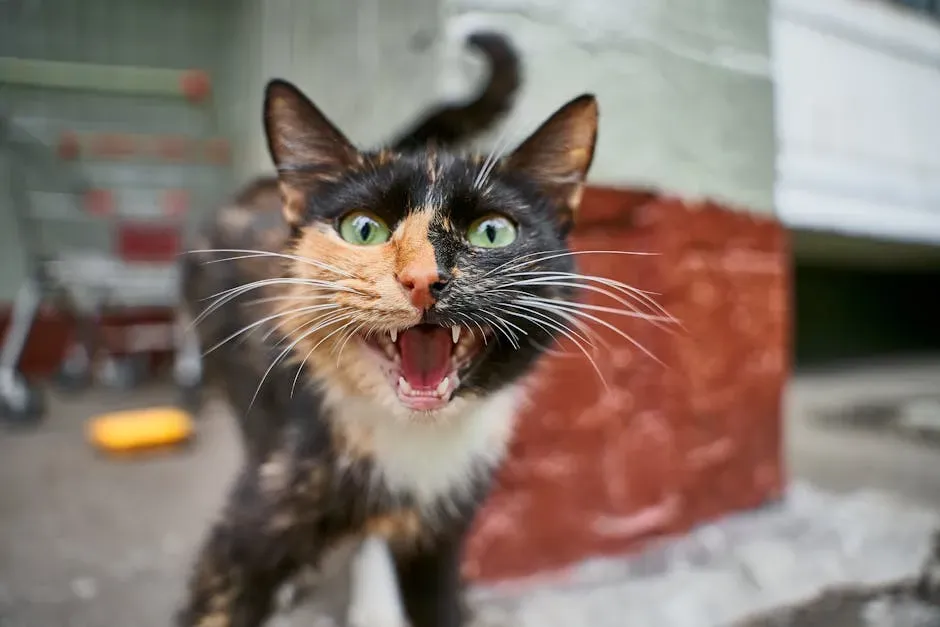
Here's a fact that surprises most cat owners: adult cats rarely meow at each other in the wild or in multi-cat households.
Meowing is largely a behavior cats developed specifically to communicate with humans, not with other cats. This means every meow directed at you is, in a very real sense, a language your cat built just for your relationship. Cats that meow more frequently at one person in the household than another are showing a preference in the only vocal system they've designed for that purpose. It's one of the more surprising facts in feline research, and it flips the "cats are just quiet all the time" assumption on its head.
#19 - Purring the Second You Sit Down Is a Conditioned Response Built on Trust
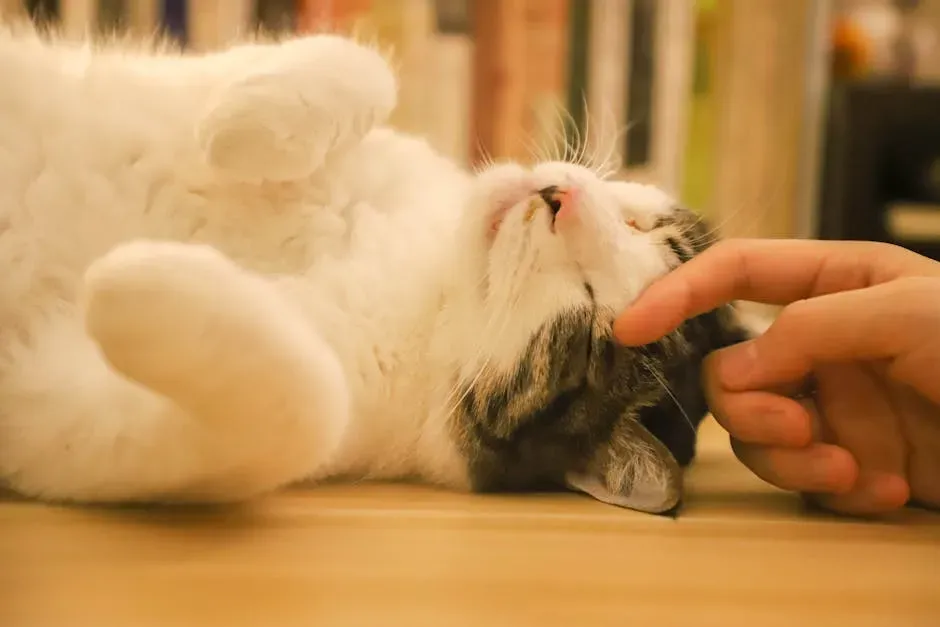
Purring isn't purely a happiness signal - cats also purr during stress or self-soothing - but context matters enormously here.
A cat that purrs specifically when a certain person sits nearby has built an association between that individual and calm, safety, and comfort. This kind of conditioned emotional response takes time to develop and doesn't happen with people the cat feels neutral or anxious around. If your cat starts purring the instant you settle onto the couch, before any petting even happens, that's an emotional reflex years in the making, not a random noise.
Anyone who says a cat cannot understand or return affection has never watched one wait by a window for the right person to come home.
Roger Caras
#20 - Choosing Your Lap Over a Heated Bed Is a Real Sacrifice
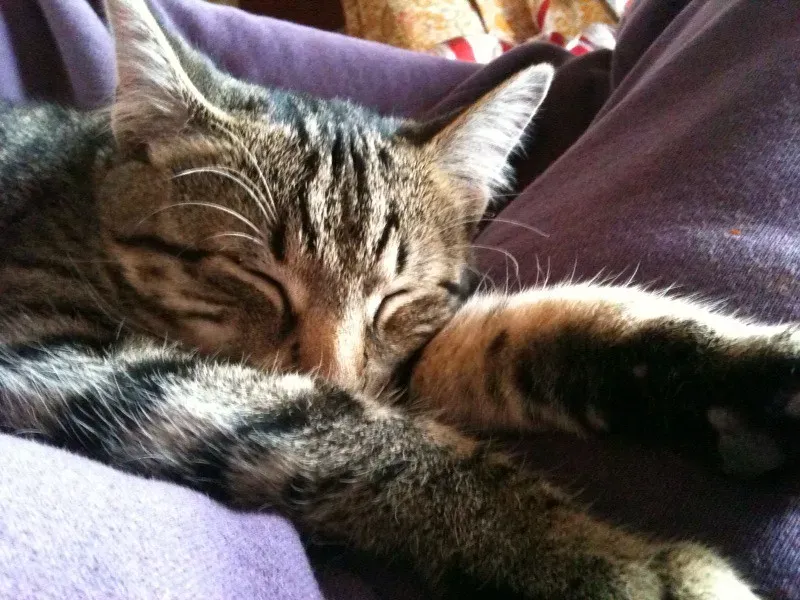
Cats are notorious heat-seekers, which makes it especially telling when one skips a sunny windowsill or heated bed to sit on you instead.
Warmth is one of the strongest physical draws for cats, so overriding that instinct in favor of a person's lap is a meaningful trade-off. Choosing a slightly less comfortable option purely for proximity to a specific human is considered a strong behavioral signal of preference. This is one of those small daily choices that's easy to overlook but genuinely reveals where a cat's priorities sit - comfort matters, but you apparently matter more.
#21 - Bringing Toys to You Mid-Play Is a Cooperative Hunting Signal
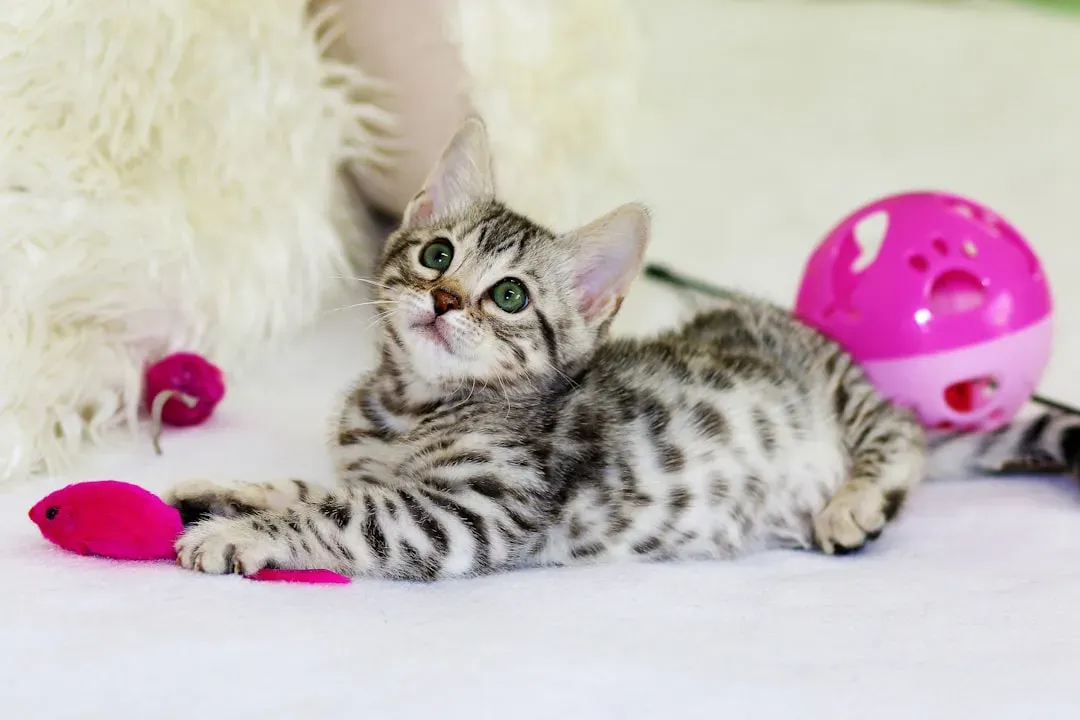
Some cats will grab a toy mid-play and drop it directly at your feet instead of continuing to bat it around alone.
This mimics cooperative hunting and sharing behavior seen in social carnivores, where prey or objects are brought back to a group member. Cats that consistently involve one person in play, rather than playing solo or with other pets, are extending a form of social invitation reserved for trusted companions. It's easy to dismiss as "just fetch," but the underlying instinct behind it is much older and more socially loaded than a simple game.
#22 - Sitting With Their Back to You Is a Bigger Compliment Than Facing You
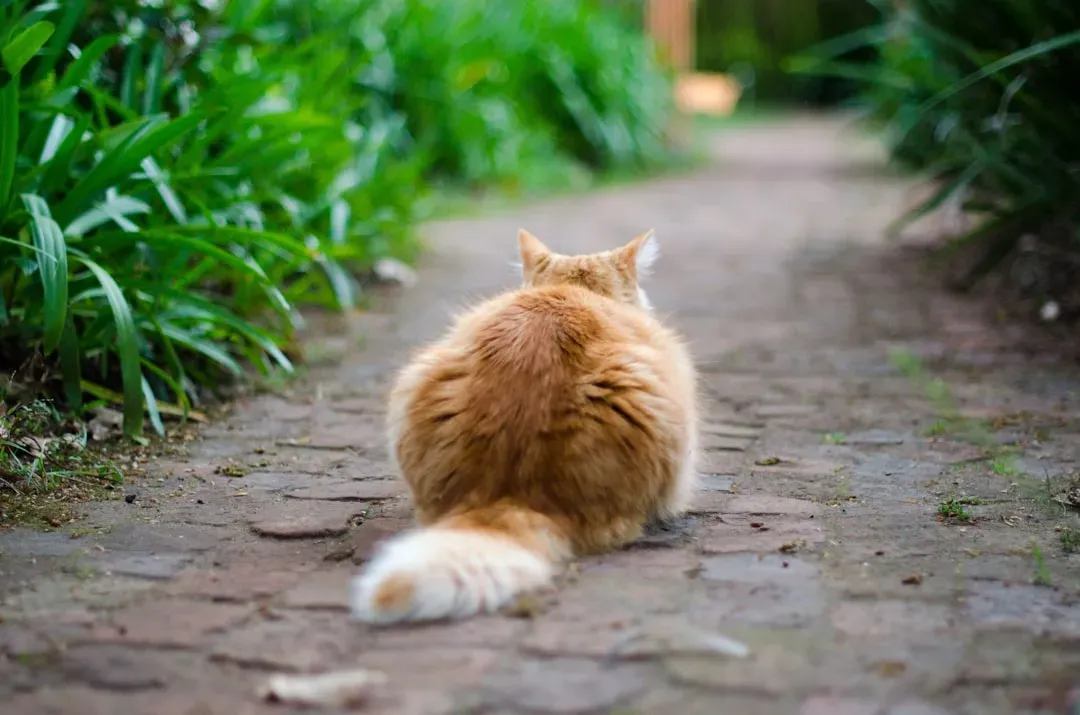
It seems backwards, but a cat turning its back on you while sitting nearby is actually a significant trust gesture.
In the wild, turning away from anything means giving up the ability to react to a threat instantly. Cats reserve this posture almost exclusively for environments and individuals they consider completely non-threatening. If your cat regularly sits with its back to you rather than facing you defensively, it's not being distant - it's demonstrating a level of comfort that outranks even direct eye contact. It's a subtle habit, but once you notice it, you'll see it everywhere.
#23 - The "Question Mark" Tail Approach Is a Direct Greeting

Watch closely the next time your cat walks toward you specifically, rather than just moving through a room, and you'll likely see a distinct tail shape.
A tail held upright with a soft curve or hook at the very top - resembling a question mark - is widely recognized by behaviorists as a friendly, intentional greeting posture. This specific approach style is typically directed at trusted individuals rather than used as a general walking posture. Cats that consistently approach one person this way, and not others, are essentially broadcasting "I'm glad to see you" every single time.
At a Glance
- Tail straight up, slight curl: Confidence and friendly recognition.
- Tail shaped like a question mark: A direct, intentional greeting toward someone trusted.
- Tail low and flicking: Tension, irritation, or uncertainty.
- Tail wrapped around your leg or arm: A close-contact version of the same affectionate signal.
#24 - Cats Mirror the Mood of the Person They're Closest To
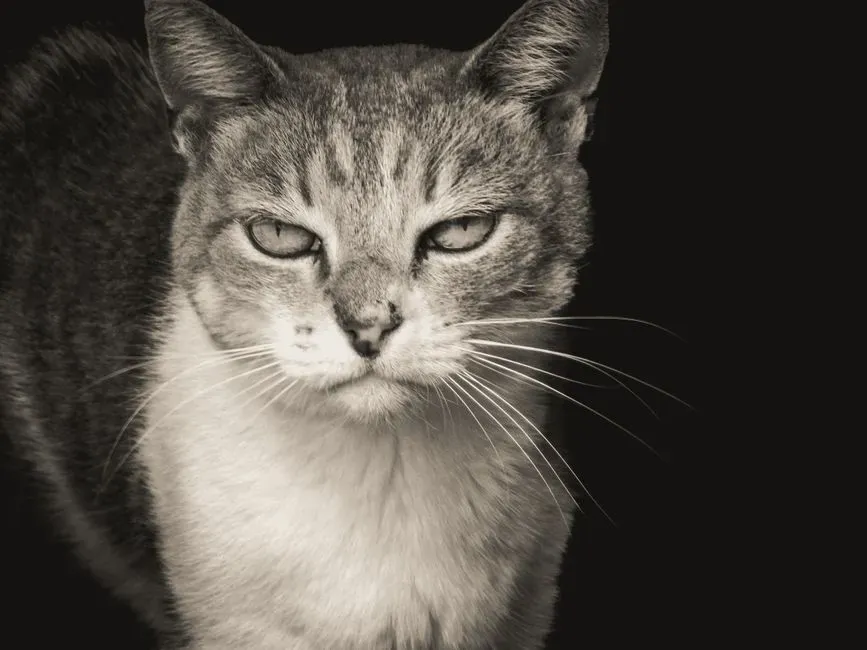
This one surprises even longtime cat owners: cats are sensitive to human emotional states and often adjust their own behavior in response.
Cats bonded closely to one person have been observed becoming more subdued when that person is stressed or upset, and more playful when that person is relaxed or happy. This kind of emotional mirroring requires a level of social attunement most people don't associate with cats at all. It's a controversial claim among some traditional pet owners who still view cats as emotionally detached, but the behavioral pattern shows up consistently enough that it's hard to dismiss as coincidence.
#25 - Sustained Eye Contact Followed by a Blink Is the Clearest Sign of All
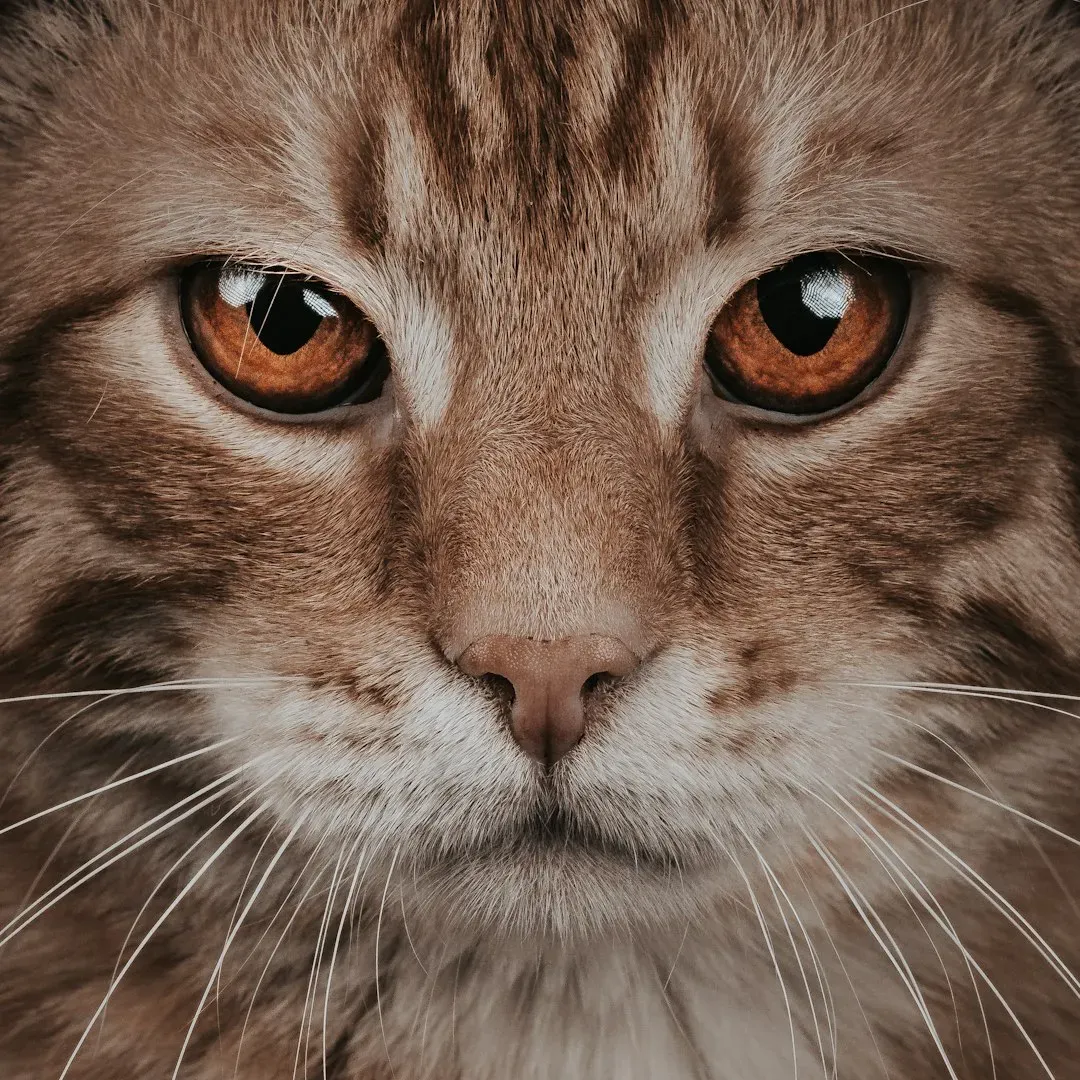
Saved for last because it's the most telling: a cat that holds eye contact with you longer than a passing glance, then slowly blinks, is performing one of the clearest bonding sequences in its entire behavioral repertoire.
This combination - direct attention followed by a vulnerability signal - doesn't happen accidentally, and it almost never happens with strangers or unfamiliar people in the room. When a cat does this specifically and repeatedly with one person, it's essentially confirming everything the other 24 habits already suggested. This isn't a cat being polite or tolerant. This is a cat that made its choice a long time ago and has been quietly reminding you of it ever since, one small gesture at a time.
The Bottom Line
Here's the truth most cat owners never fully accept: your cat didn't "warm up" to you over time out of convenience - it selected you, and it's been proving that choice every single day through habits most people never learn to read. The slow blinks, the bunting, the belly-up sleep, the meows built specifically for human ears - none of it is random, and none of it is owed to everyone in the house equally.
Cats are far more deliberate about attachment than their independent reputation suggests, and that reputation has done them a disservice for decades. The next time your cat head-butts your shin or plants itself directly on your keyboard mid-email, don't wave it off as an inconvenience. That's not annoyance. That's a signature - the same one it's been quietly leaving on you since the day it decided you were the one worth keeping.