The Small Kindnesses Your Cat Notices Every Single Day
You probably think your cat barely notices you're alive. It stares out the window, ignores you when you call its name, and treats your lap like a hotel room it checks into and out of on its own schedule. So the idea that it's silently keeping score of every gentle thing you do sounds almost absurd.
Except it's not absurd - it's exactly what animal behaviorists say is happening. Your cat isn't tuning you out; it's running a quiet audit of your every move, deciding minute by minute whether you're safe or just tolerable. And the habits that tip that scale in your favor are so small, so easy to miss, that most owners go years without ever doing a single one on purpose. Here's what actually lands.
#1 - Talking to Them in a Calm, Low Voice
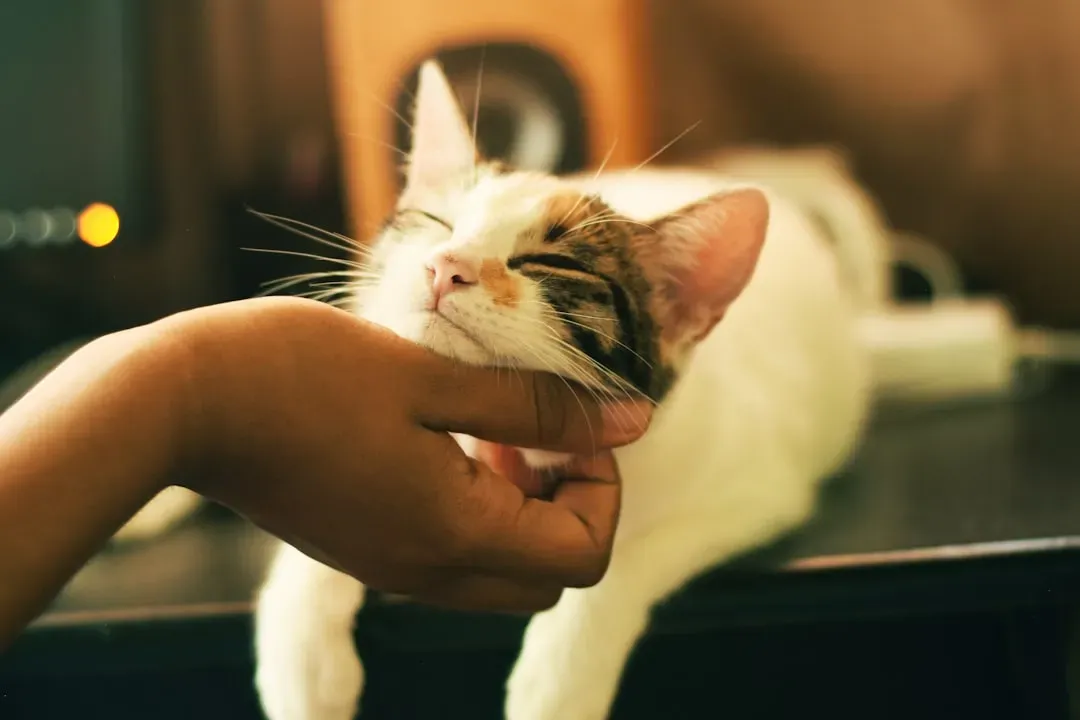
Cats are far more tuned into tone than most owners assume. Your cat can't understand English, but it absolutely understands pitch.
A soft, low, slow voice signals safety, while a sharp or loud tone reads as a threat, even if you're just excited to see it. Cats process human speech patterns the same way they process the calls of their own species - through rhythm and tone, not vocabulary. That's why a gentle "hey buddy" lands completely differently than a rushed, high-pitched greeting.
Owners who consistently use a calm voice around their cats often notice the animal approaches more freely and hides less during stressful moments, like guests arriving or thunder rattling the windows. It's a small kindness that costs nothing but quietly changes how safe your entire home feels to them. But that's nothing compared to what we found about #2.
#2 - Slow Blinking Instead of Staring
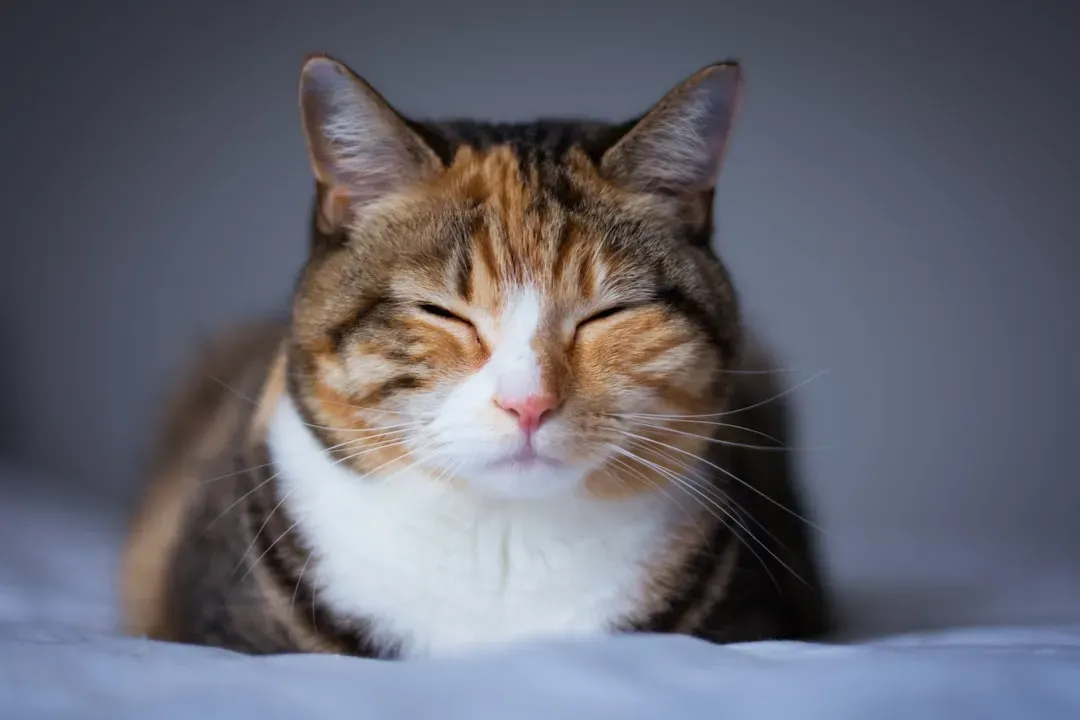
A slow blink is basically a cat's version of saying "I trust you," and most owners have no idea they can speak this language back.
Direct, unblinking eye contact is intimidating in the cat world - it's how predators lock onto prey right before they strike. So when you soften your eyes and blink slowly at your cat, you're erasing that predatory signal entirely. Cats that receive slow blinks from their owners have been observed slow-blinking back and even approaching afterward, essentially returning the gesture of goodwill.
Fast Facts
- The first experimental study on slow blinking was led by Dr Tasmin Humphrey and Professor Karen McComb, animal behaviour scientists at the University of Sussex, who undertook two experiments in 2020.
- In the first experiment, cats were more likely to slow blink at their owners after their owners had slow blinked at them, compared to when they didn't interact at all.
- In a second experiment with an unfamiliar person, cats were more likely to approach the experimenter's outstretched hand after they'd slow blinked at the cat, compared to when they had adopted a neutral expression.
- The effect held up even with cats meeting a stranger for the very first time.
It's a two-second act that costs you nothing, yet it's one of the clearest ways to tell a cat "I'm not a threat" in a language it has understood for thousands of years. Most people never try it because it feels a little silly. But the cats that get this daily reassurance tend to be noticeably calmer around their humans - wait until you see what #3 reveals about touch.
#3 - Letting Them Choose When to Be Touched
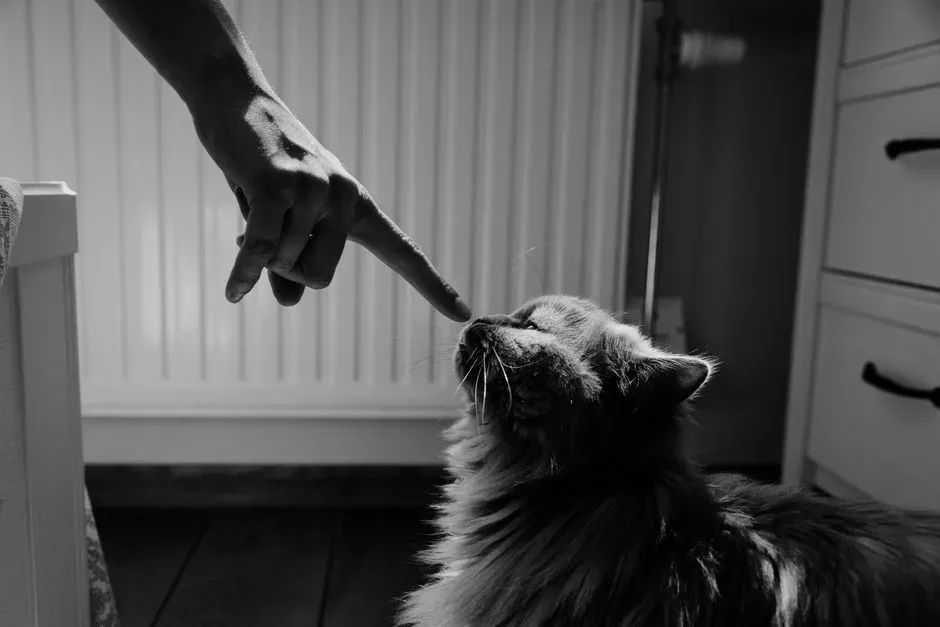
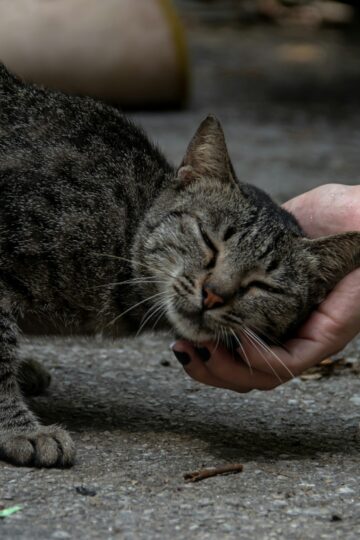
Most people think affection means initiating contact whenever they feel like it. For a cat, that's actually one of the fastest ways to break trust.
Cats are famously particular about consent-based touch. When a human waits for the cat to approach, rub against a hand, or climb into a lap on its own terms, it reinforces that touch is safe and predictable, not something forced onto them. Forcing pets or scooping a cat up against its will can erode trust in seconds, even when the intention is purely loving.
This is exactly why cats that seem "standoffish" with certain visitors will often warm up instantly to the one person in the room who simply waits and lets the cat make the first move. It's not personality - it's respect, and cats notice exactly who gives it to them. Next up, a habit involving temperature that most owners have never once considered.
#4 - Serving Food and Water at Room Temperature
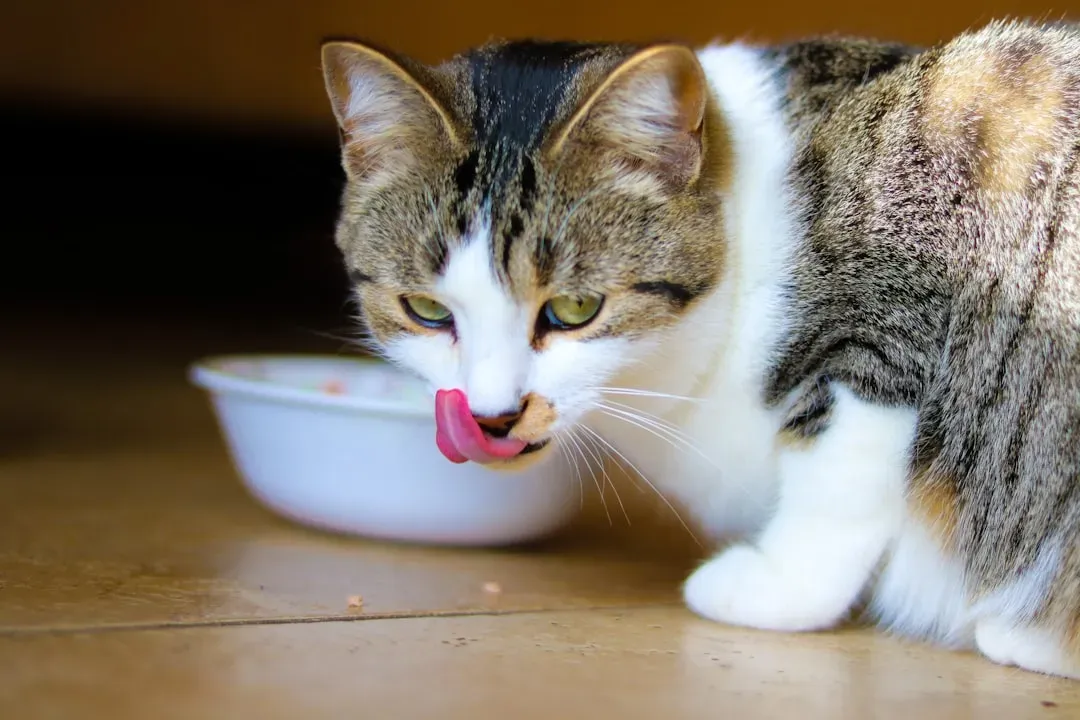
Ice-cold water straight from the fridge or a freezing bowl of wet food might seem harmless. It's actually a small discomfort your cat feels every single time it eats.
In the wild, prey animals are body-temperature when consumed, so cats have a biological preference for food that isn't stone cold. Warming refrigerated wet food slightly, or letting water sit out until it reaches room temperature, can make meals noticeably more appealing to a cat's sensitive palate. It sounds trivial, but it directly affects appetite, especially in older cats and picky eaters.
Owners who take the extra fifteen seconds to warm a meal often notice their cat eats faster and with more enthusiasm, without ever realizing why. It's one of those invisible kindnesses that goes completely unnoticed by humans but registers instantly with a cat's senses. The next habit is one that many owners are guilty of breaking constantly.
#5 - Keeping a Predictable Daily Routine
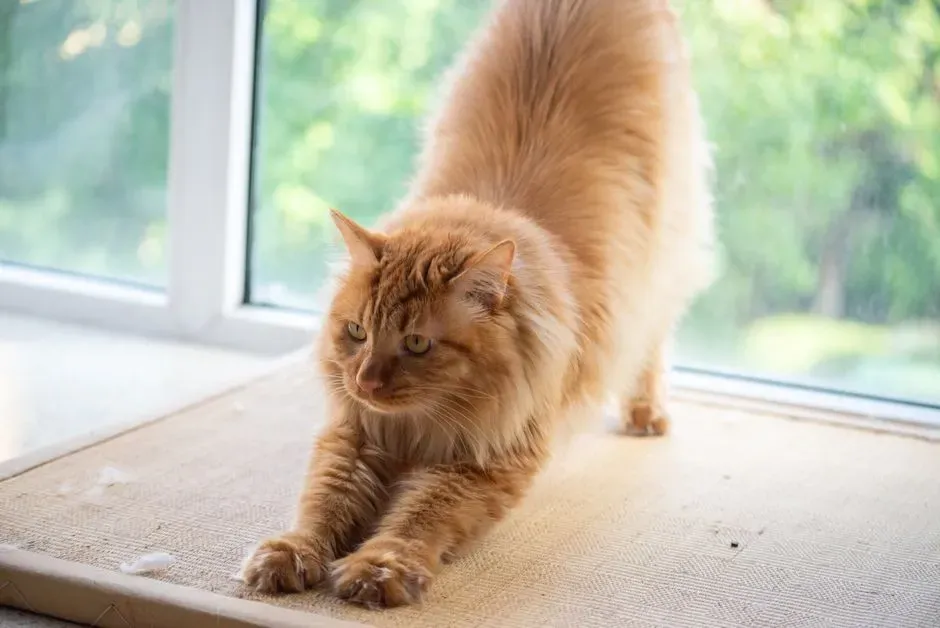
Unpredictability is one of the most stressful things you can introduce into a cat's world, even if you think you're just "keeping things spontaneous."
Cats thrive on routine because it gives them a sense of control in an environment they don't otherwise manage. Feeding at the same times, keeping play sessions consistent, and sticking to a general daily rhythm tells your cat that the world is stable and safe. Sudden schedule changes, even well-intentioned ones like feeding early as a treat, can actually increase anxiety in cats who rely on predictability to feel secure.
This one tends to spark arguments, because plenty of owners think spontaneity is a form of love. But most feline behaviorists argue predictability is the real kindness - cats don't want surprises, they want certainty. Coming up next, a scent-related detail almost nobody thinks about.
#6 - Not Washing Their Favorite Blanket Too Often
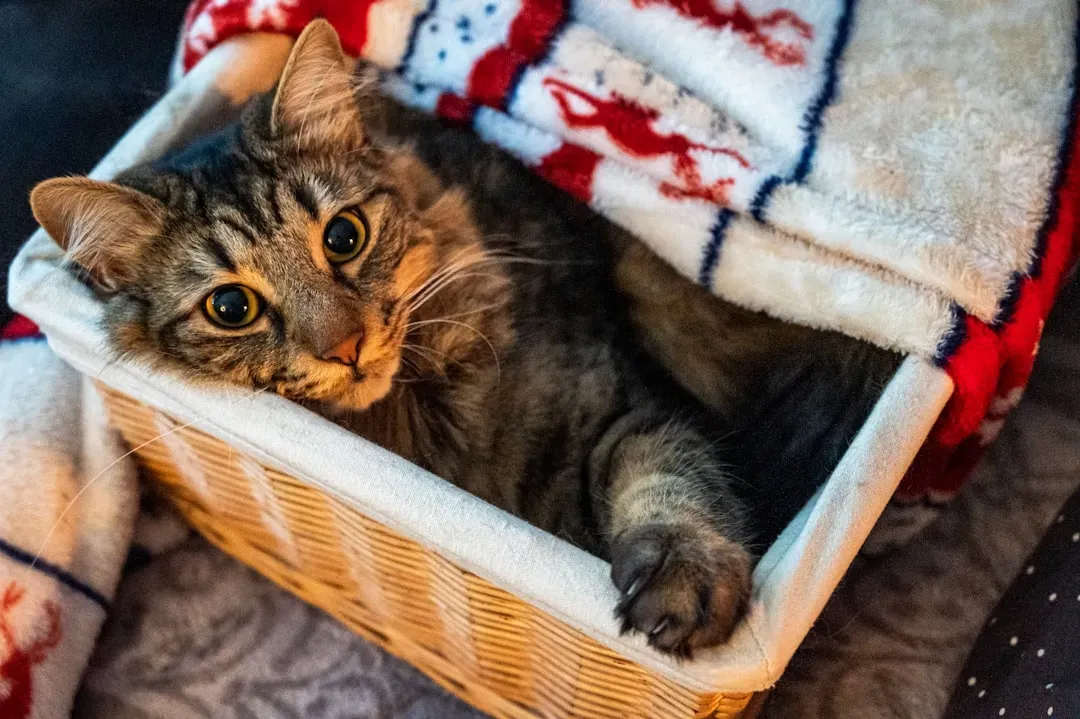
That worn-out, slightly stinky blanket your cat refuses to leave? Washing it constantly might actually be undoing your bond with it.
Cats build scent territories, and their favorite bedding often carries a mix of their own scent and yours, which creates a comforting, familiar environment. Over-washing a cat's favorite blanket or bed strips away the scent markers that make the space feel safe, essentially resetting their sense of ownership over that spot. It's a strange kindness, but leaving that item slightly "lived-in" is often more comforting to a cat than a fresh, clean version.
This doesn't mean ignoring hygiene altogether. But many owners over-launder bedding out of habit rather than necessity, not realizing they're erasing the very thing their cat finds comforting. Cats notice the difference immediately when their spot smells "wrong." Here's a habit involving hiding spots that catches most owners completely off guard.
#7 - Respecting Hiding Spots Instead of Pulling Them Out
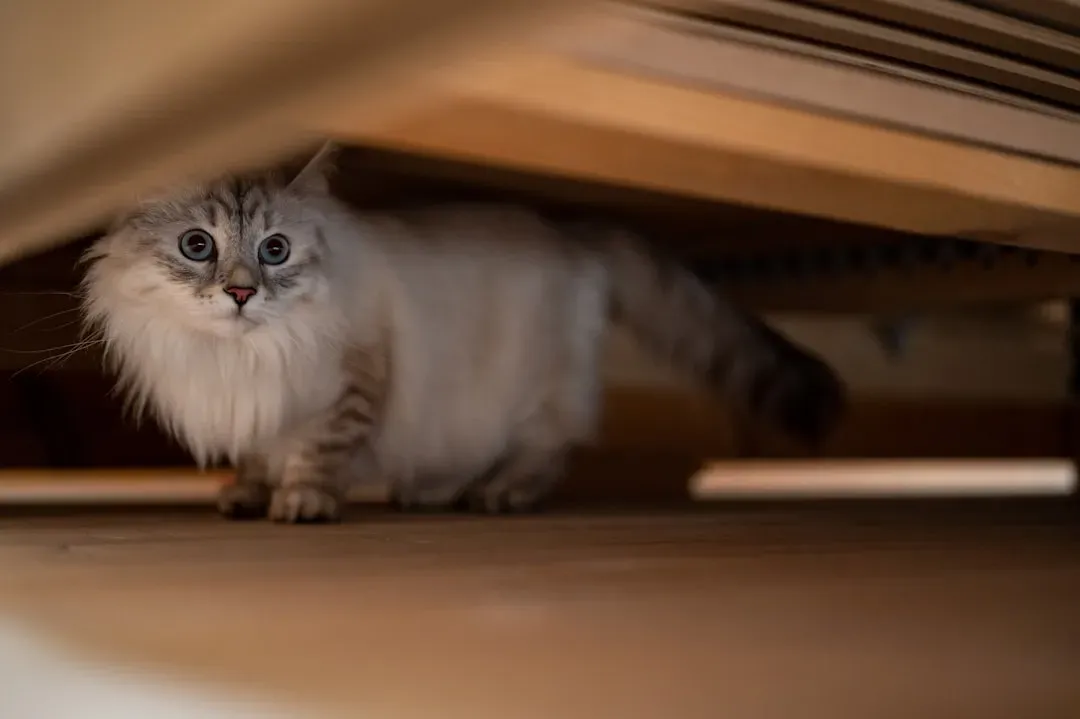
When a cat retreats under the bed or into a closet, the instinct for most owners is to coax or physically pull them out. That's exactly the wrong move.
Hiding is a natural stress response, not a behavioral problem to be corrected. Letting a cat stay hidden until it chooses to come out on its own reinforces that it has control over its environment, even during stressful moments like vet visits, thunderstorms, or new visitors. Repeatedly forcing a cat out of a hiding spot teaches it that its safe zones aren't actually safe, which can increase long-term anxiety and hiding frequency.
Worth Knowing
- Hiding is a coping mechanism, not defiance - it's how a cat regulates its own stress in real time.
- A cat that isn't cornered or chased will usually re-emerge on its own, often within minutes of feeling calm again.
- Placing food, water, and a litter box near - not inside - the hiding spot reduces the urge to bolt even further away.
- Repeated forced removals can teach a cat that no space in the home is truly safe.
Owners who instead leave food, water, and a litter box nearby and simply wait tend to see their cats emerge faster and with less fear. It's one of the clearest examples of kindness through restraint rather than action. What we found about #8 might change how you brush your cat forever.
#8 - Brushing With the Grain, Not Against It
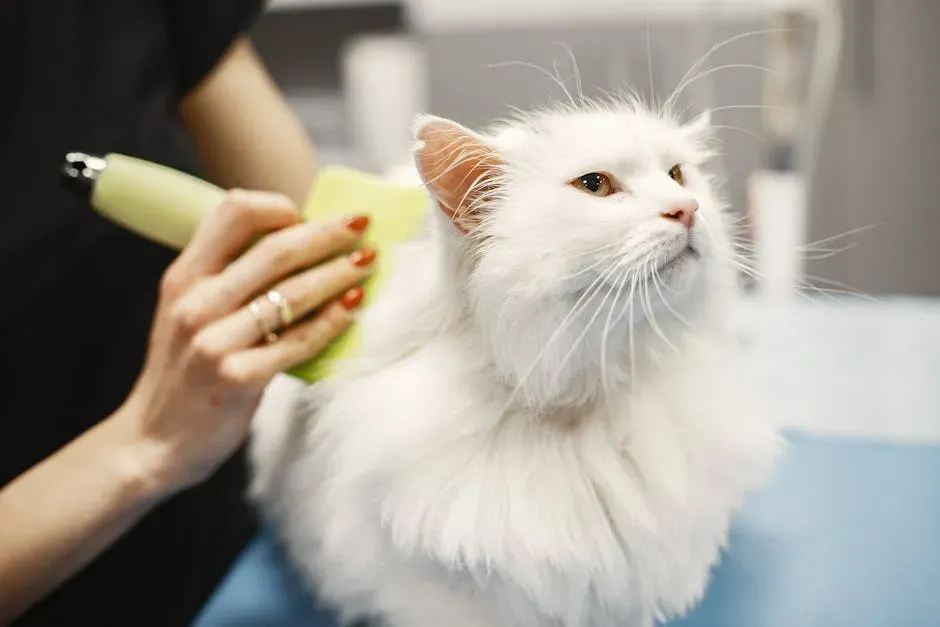
Brushing feels like an obvious act of care, but doing it wrong can quietly make your cat dread grooming sessions altogether.
Cat fur and skin are sensitive to direction - brushing against the grain can pull on the skin and feel abrasive, even with the softest brush. Grooming in the direction the fur naturally grows mimics the sensation of another cat licking them, which triggers the same calming, bonding response cats get from mutual grooming in the wild. Done correctly, brushing can lower a cat's stress hormones and strengthen trust between pet and owner.
Most owners brush quickly and inconsistently, but slow, direction-correct grooming sessions are one of the most underrated bonding tools available. Cats that get this regularly tend to seek out grooming time rather than avoid it. The next one is about something as simple as a windowsill.
#9 - Giving Them Access to a Sunny Window Spot
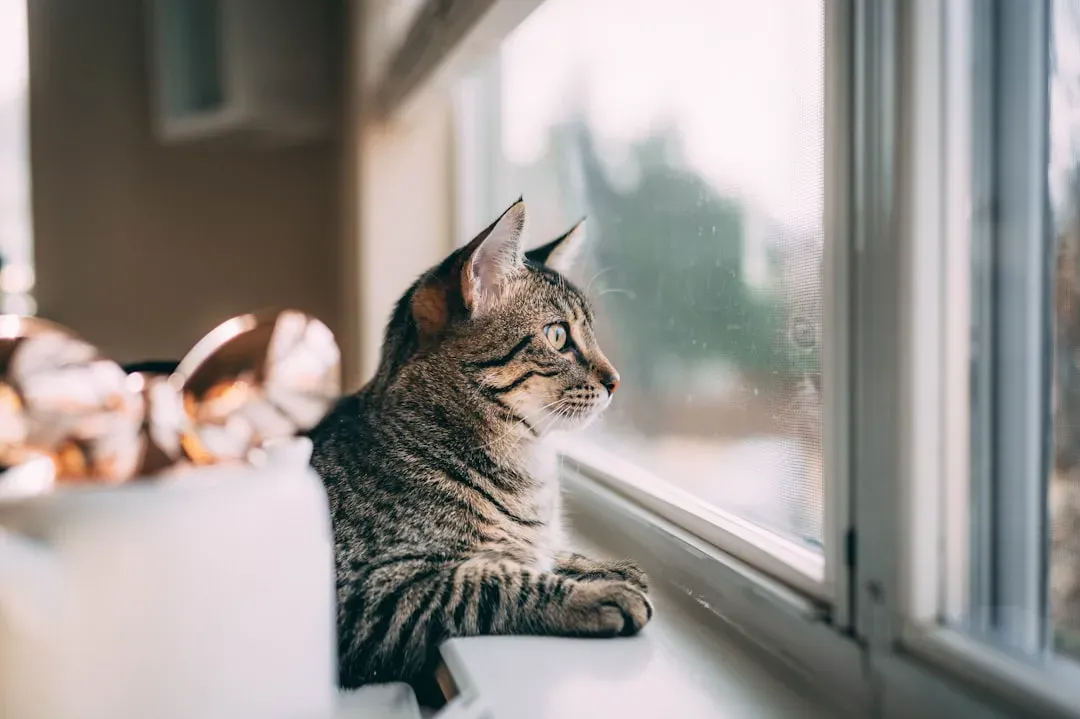
A patch of sunlight might seem like a minor luxury. To a cat, it's closer to a daily necessity.
Cats regulate their body temperature and mood partly through sunbathing, and access to a warm, safe window perch provides both physical comfort and mental stimulation from watching the outside world. Cats deprived of window access or elevated perches often show more signs of boredom and stress, including increased vocalization and destructive scratching. Something as small as clearing a windowsill or adding a perch can meaningfully improve a cat's day-to-day contentment.
At a Glance
- Sunlit perches support natural temperature regulation, especially in older or short-haired cats.
- Window access offers visual enrichment - birds, cars, and passersby function like a built-in nature channel.
- Cats denied elevated, sunny spots more often show boredom-related behaviors like over-grooming or scratching furniture.
- Even a repositioned cat tree or a cleared sill can make a noticeable difference within days.
It's an easy kindness to overlook because it requires no direct interaction, but cats absolutely register when their favorite sunny spot is available versus blocked by clutter. Up next, a surprisingly divisive topic among cat owners: litter box timing.
#10 - Cleaning the Litter Box Promptly
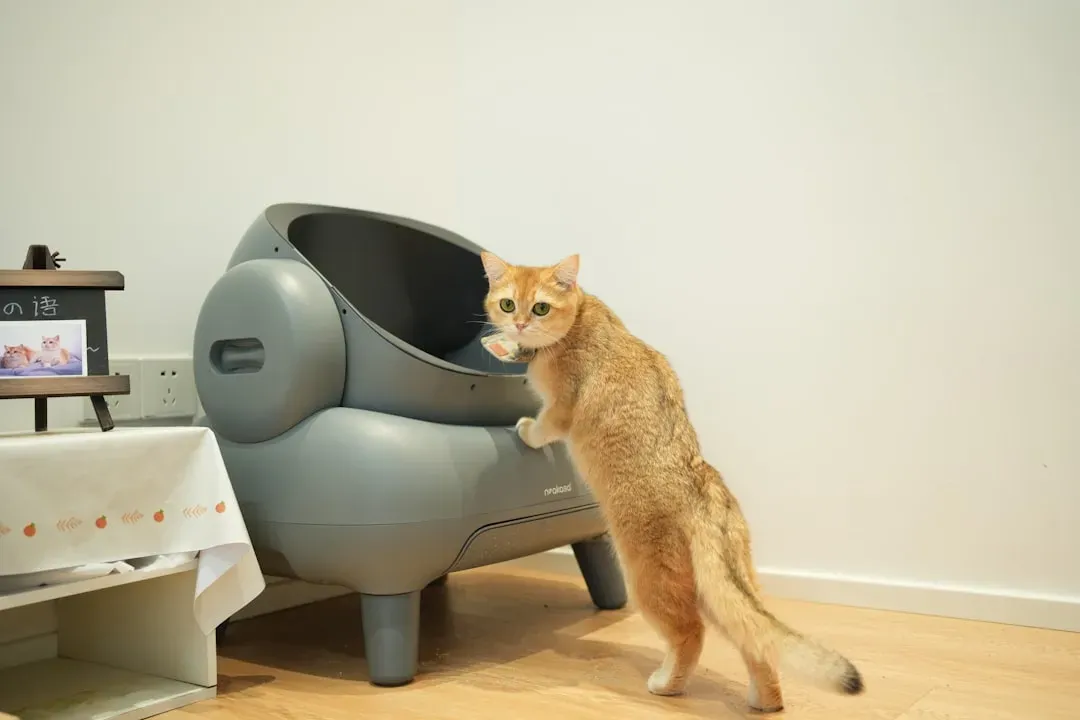
This one triggers more arguments between cat owners than almost anything else on this list, but the science really isn't up for debate.
Cats are naturally clean animals, and a dirty litter box is one of the fastest ways to cause stress, avoidance, or even inappropriate elimination elsewhere in the home. Scooping waste at least once daily, rather than every few days, is one of the simplest and most impactful kindnesses an owner can offer, according to most feline behavior specialists. Cats notice the difference between a fresh box and a neglected one almost immediately.
Some owners argue cats "get used to it," but most experts push back hard on that idea - tolerance isn't the same as comfort. A consistently clean box is a daily signal that their environment is being cared for. Next, a play-related habit most owners get completely backwards.
#11 - Ending Play Sessions With a "Catch"
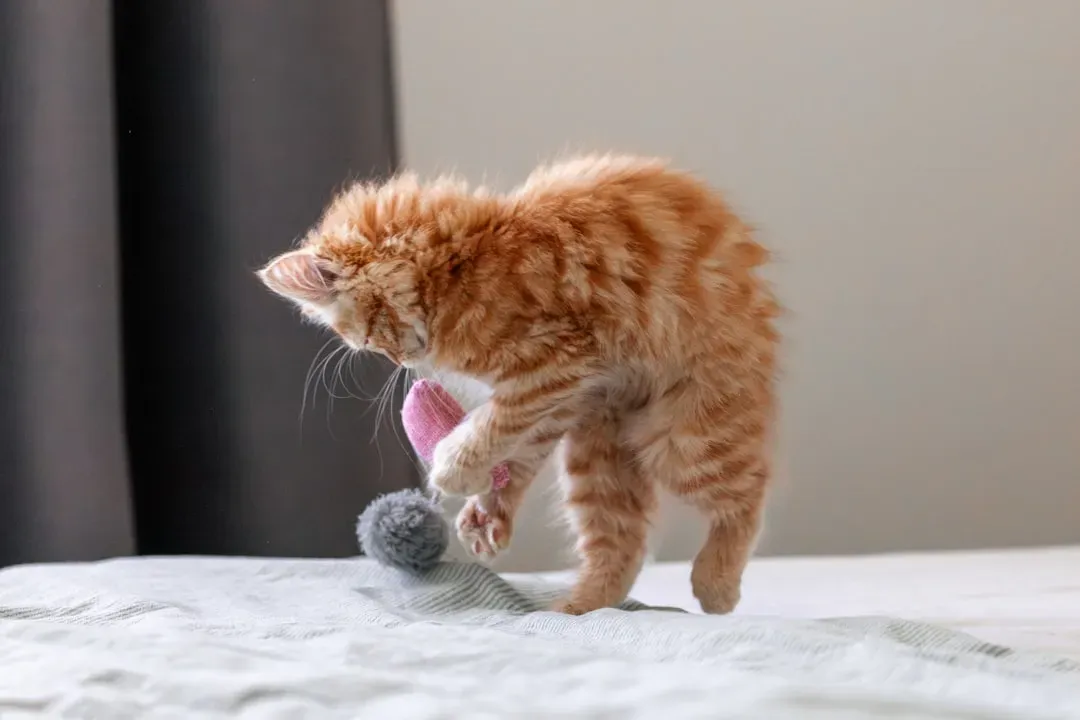
Play time might feel like simple entertainment, but ending it the wrong way can leave your cat stuck in an unfinished predatory loop that causes real frustration.
Cats are hardwired to complete a hunting sequence: stalk, chase, catch, and consume. Ending a play session by letting the cat actually "catch" the toy - rather than yanking it away right before contact - closes out that instinctual sequence and leaves the cat feeling satisfied rather than wound up. Many owners stop play abruptly the moment they're bored, without realizing this can leave cats agitated or overstimulated.
Quick Compare
- Stalk - low crouch, twitching tail, eyes locked on the toy.
- Chase - quick bursts of movement mimicking real pursuit.
- Catch - the toy is finally captured and held, not pulled away.
- Consume - a small treat right after signals the sequence is truly finished.
A quick treat right after the "catch" mimics the natural next step of consuming prey, reinforcing a sense of completion. It's a small sequencing detail that most owners never think about, yet it dramatically changes how a cat feels after playtime. Finally, one last kindness ties everything on this list together.
#12 - Learning Their Specific Warning Signals
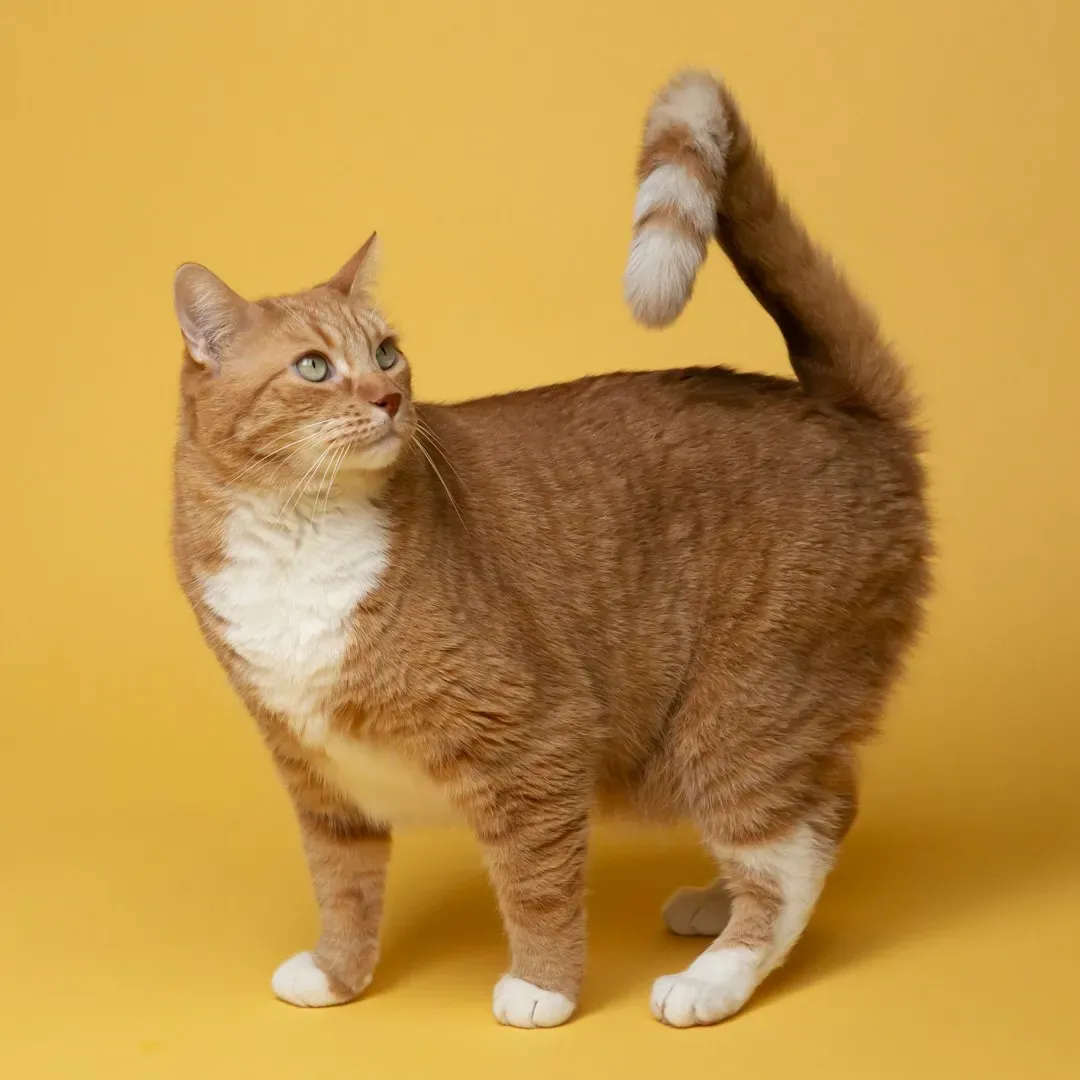
Every cat has its own subtle language for "I've had enough," and learning it is one of the deepest forms of respect you can offer.
Tail flicks, ear positions, and skin twitches often appear well before a hiss or scratch, but most owners miss these early signals entirely. Recognizing and immediately backing off at the first sign of tail-thumping or flattened ears prevents a cat from having to escalate to more dramatic warnings just to be heard. This teaches the cat that communication works - that it doesn't need to bite to get space.
You are your cat's environment.
Jackson Galaxy
Cats with owners who respect these early cues tend to show fewer aggressive behaviors overall, simply because they've learned their signals actually work. It's the ultimate small kindness: proving to your cat, every single day, that its voice matters before things ever escalate.
The Bottom Line
None of these habits require money, training classes, or fancy gadgets - just attention. Cats aren't reading affection the way humans do; they're reading consistency, respect, and small sensory details most owners never think twice about.
Honestly, the litter box and hiding-spot habits are the two most people get wrong, and they're also the ones that do the most damage to trust over time. If you're only going to fix one thing today, skip the toys and treats - clean the box and stop pulling your cat out of hiding. Which one of these are you guilty of ignoring? Drop it in the comments.