18 Cat Breeds Known for Following Their Owners Everywhere
Cats have a reputation for being cold, independent little roommates who tolerate you at best. But that reputation is largely a myth built on a handful of aloof breeds. Certain cats form attachments so intense they'll trail you to the bathroom, wait by the door for your car, and melt into a puddle the second you pick them up.
Most people assume "loyal pet" means dog. Turns out, an entire category of felines was basically bred to prove that wrong. Here's what breed experts actually say about the 18 cats that refuse to let you out of their sight - and why leaving a few of them alone for too long might actually backfire.
#1 - The Birman's Quiet Devotion
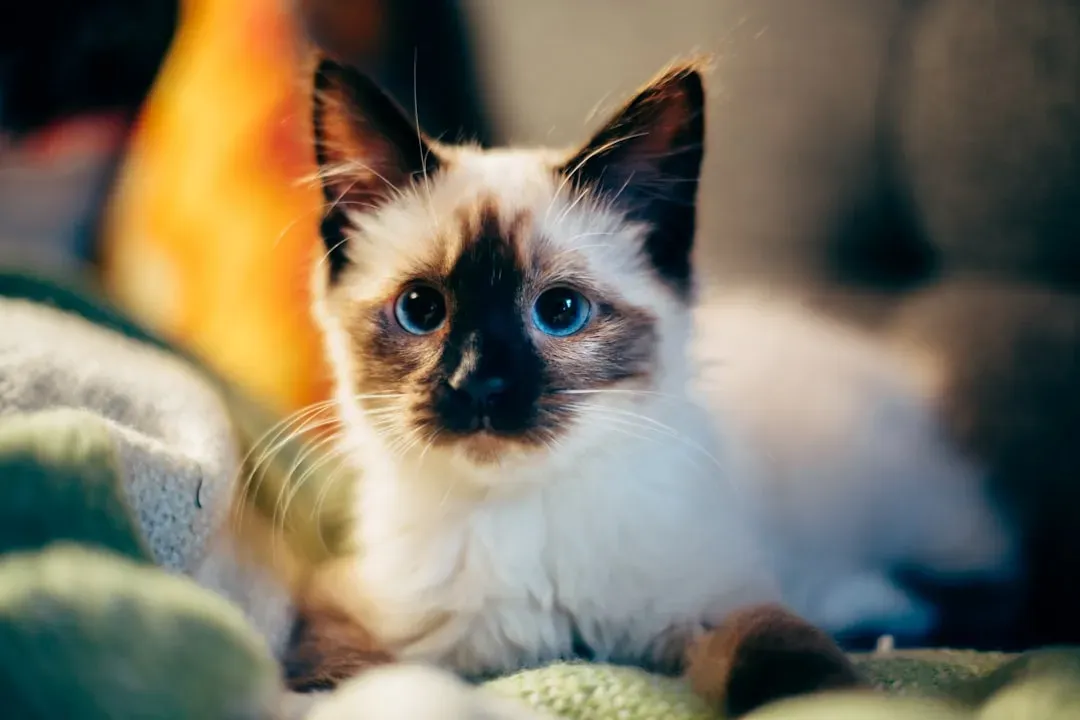
Birmans don't announce their loyalty with meowing or dramatic displays - they just show up, every time, without being asked.
This breed developed a noticeably calmer social style than many of the demanding companion breeds on this list. They stay nearby without asking for constant attention, content just to exist in your orbit. That's the twist most people miss: clinginess isn't always loud. Some of the most devoted cats are the ones who never make a scene about it.
A Birman will settle in the next room over, follow you into the kitchen, and post up near your desk chair - not because it wants a treat, but because that's simply where it wants to be. It's presence over performance. Most owners assume a quiet cat is a distant cat. With Birmans, that assumption falls apart almost immediately. But that's nothing compared to what we found about #2...
#2 - Turkish Angoras Won't Let You Do Anything Alone
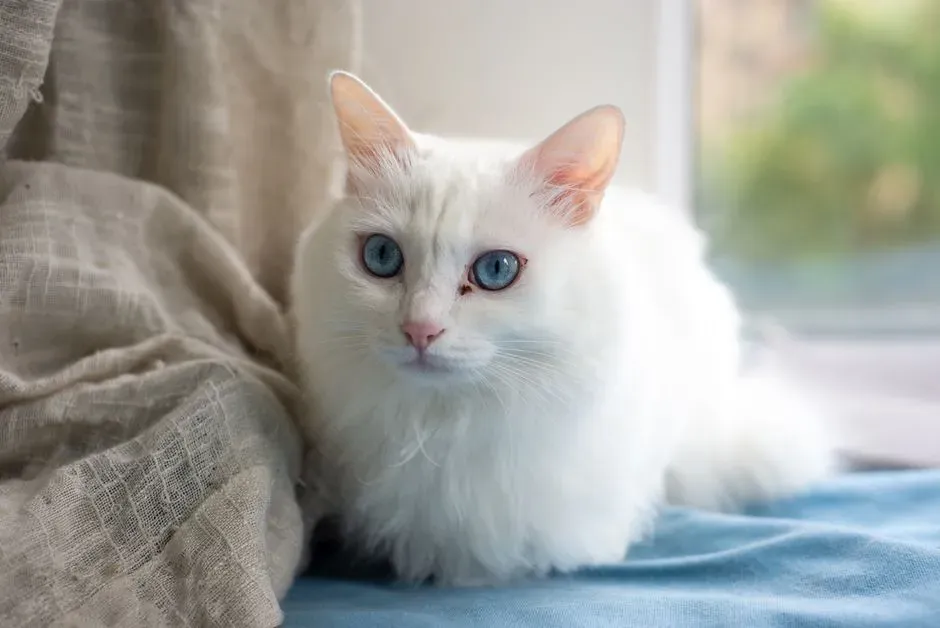
Turkish Angoras have a reputation for being "helpers" whether you asked for help or not.
Intelligent, loyal, and vocal, Turkish Angoras are devoted to their families and love being involved in whatever you're doing. They're playful, mischievous, and determined, making them well suited for a home with lots of activity. They're not background pets - they're active participants in laundry folding, cooking, and even paperwork.
The surprising detail? The breed is also known for its swimming skills and may even take a dip every now and again on their own terms. That's not typical cat behavior - that's a breed that actively seeks out whatever its human is doing, water included. Owners often joke that Angoras treat "alone time" as a personal insult. But #3 takes that same energy and adds serious size to it...
#3 - Norwegian Forest Cats Are Gentle Giants With Separation Issues
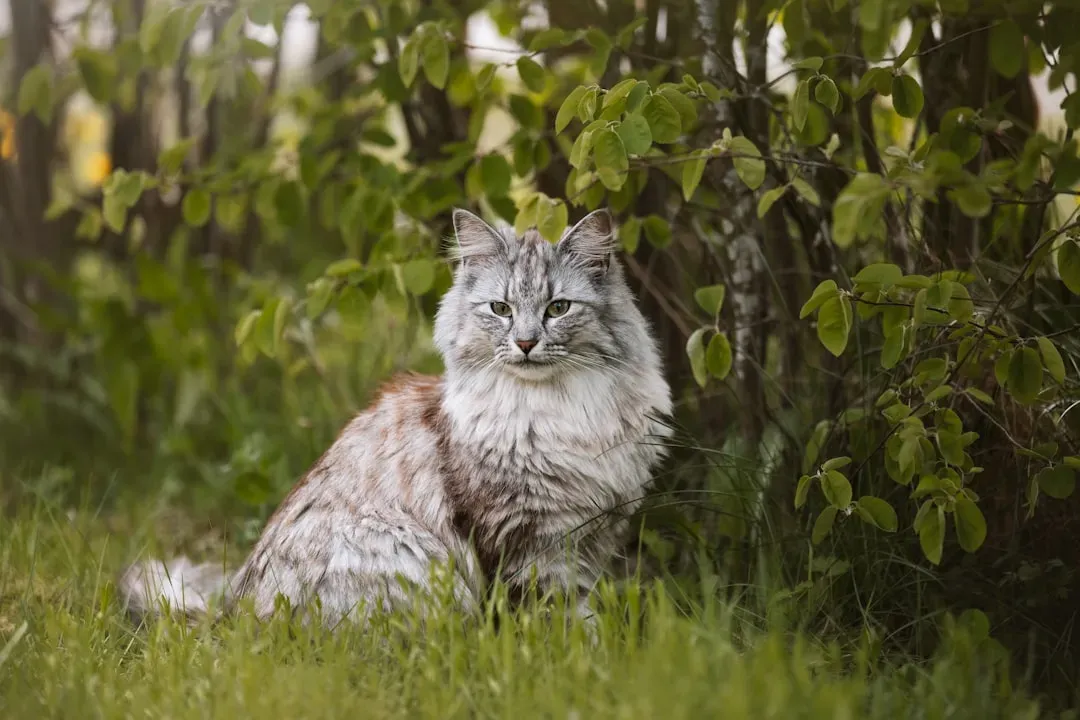
Don't let the wild, rugged look fool you - this breed wants to be exactly where you are, all the time.
Friendly, confident, and people-oriented, Norwegian Forest Cats often follow their humans around and enjoy being part of household activity. Despite their large, forest-adapted bodies, they're not solitary hunters at home - they're shadows. They're a large cat breed that's playful and adaptable, making them a great fit for pet parents who want a loyal, dog-like companion.
Quick Compare
- Weight: Norwegian Forest Cats typically weigh 8-20 pounds, while Maine Coons range from roughly 8-25 pounds.
- Coat: Both breeds grow thick, water-resistant double coats built to survive freezing climates.
- Lifespan: Wegies often live 14-16 years, while Maine Coons typically average 12-15 years.
- Spotlight: Maine Coons dominate popularity rankings despite nearly identical devotion levels.
Here's the controversial part: many breed enthusiasts argue Norwegian Forest Cats are wildly underrated compared to Maine Coons, despite showing nearly identical devotion. They rarely get the same spotlight, yet the following behavior is just as strong. But #4 proves that even small, curious cats can be just as obsessive about their humans...
#4 - American Curls Investigate Everything You Do
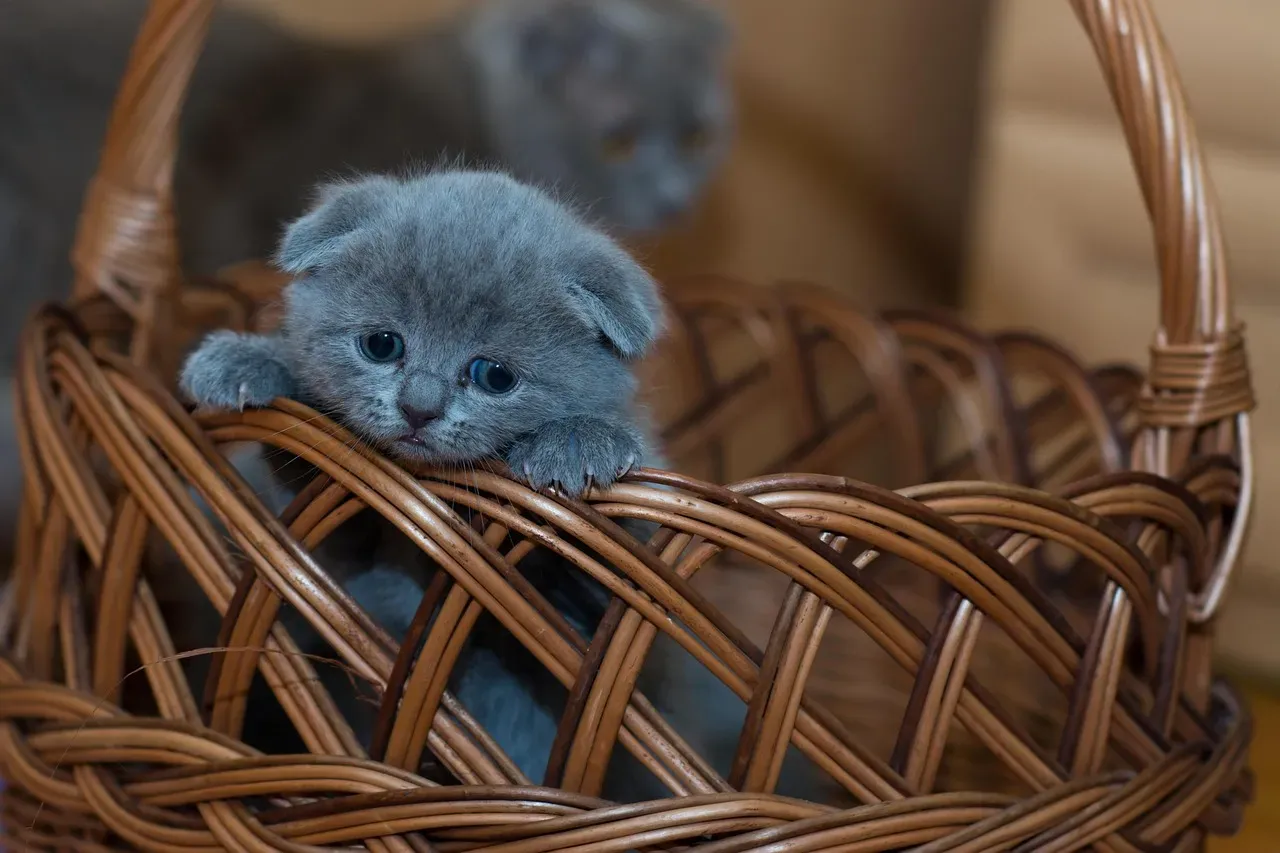
Those signature curled-back ears aren't just for show - they're practically radar for tracking your every move.
American Curls are smart and curious, so they will follow you around from room to room to figure out what you are doing. This isn't passive companionship - it's active curiosity, and it rarely stops. They will want to play games with you and learn tricks to impress you.
The surprising fact most people miss: this breed treats trick-learning almost like a bid for approval, which is far more dog-like than most cat owners expect. American Curls don't just tolerate training sessions - they seem to seek them out. That constant need to "figure out what you're doing" means privacy in a Curl household is basically nonexistent. But #5 takes that people-focus even further, with a breed practically famous for puppy comparisons...
#5 - Havana Browns Get Lonely Without You
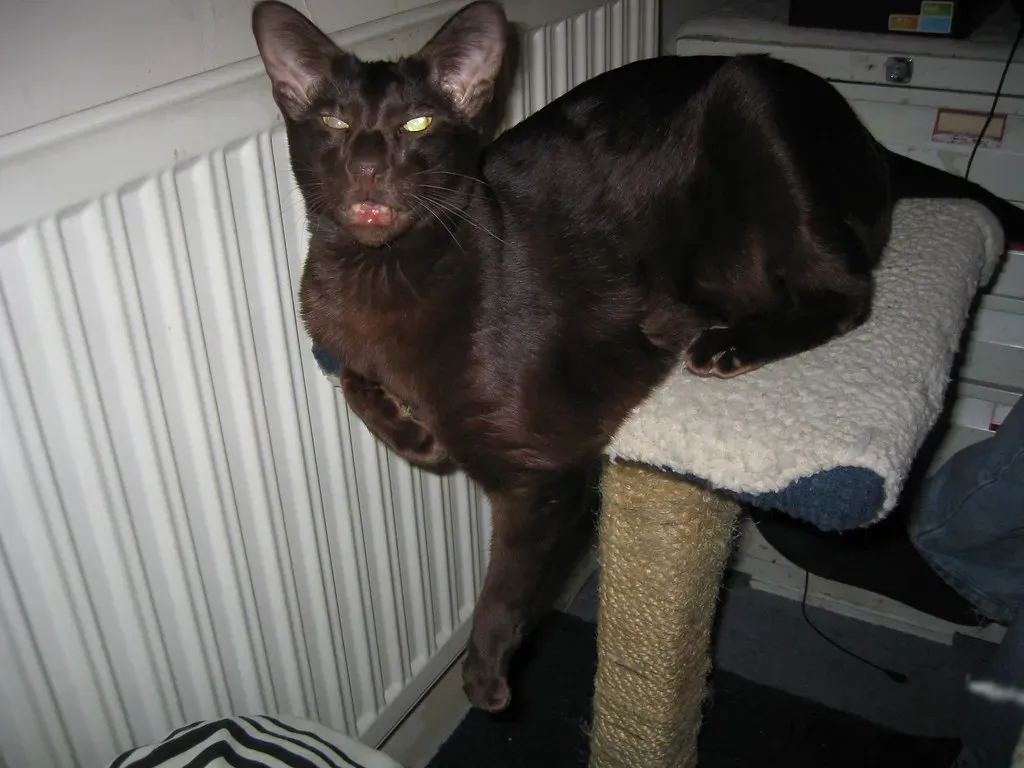
This is one of the few breeds where the "acts like a dog" comparison gets used almost every single time.
The striking Havana Brown cat is often compared to a puppy, since it loves to follow its family around, and being sociable, playful, and intelligent, "Brownies" are easily trained to fetch. That's not a stray comparison - it's the defining trait of the breed.
Here's the part that surprises new owners: these cats are notably people-oriented and can get lonely easily, preferring to have some sort of companion in the house with them, whether it's another cat, a dog, or someone in the family. Havana Browns genuinely struggle with extended solitude, though they're highly adaptable and can make themselves at home almost anywhere, especially if their favorite human is with them. But #6 brings water into the equation, in a breed that follows you on land and in the pool...
#6 - Turkish Vans Follow You Into the Shower
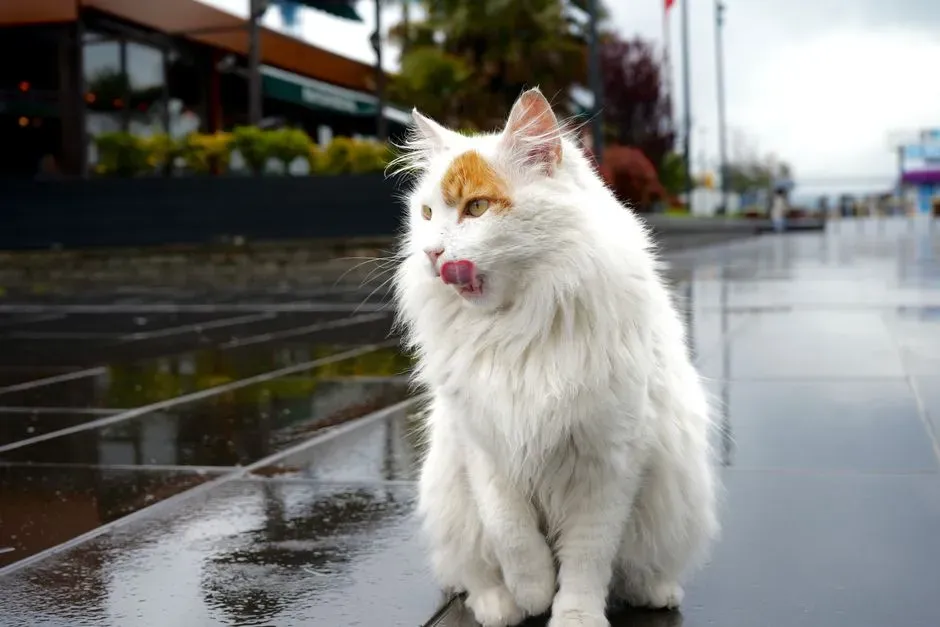
Most cats avoid water like it's lava. This breed treats it like a bonding opportunity.
Turkish Vans bond deeply with their favorite humans, greet you at the door, follow you around the house, and even enjoy interactive games like fetch, with some able to be leash-trained and happy to go for walks outdoors. That's an unusually athletic, engaged version of "velcro cat."
What makes this breed genuinely rare: it's highly energetic, athletic, and intelligent, with a strong sense of loyalty often compared to that of a dog. Unlike most lap-loving Velcro breeds, the Turkish Van isn't typically a lap cat - it prefers active engagement, play, climbing, and swimming, which makes it one of the most dog-like cats in the feline world. The controversial opinion here: some experts argue this breed's high energy makes it a poor fit for calm households, despite its intense loyalty. But #7 is proof that even small, quirky breeds can out-dog the dogs...
#7 - Japanese Bobtails Actually Play Fetch
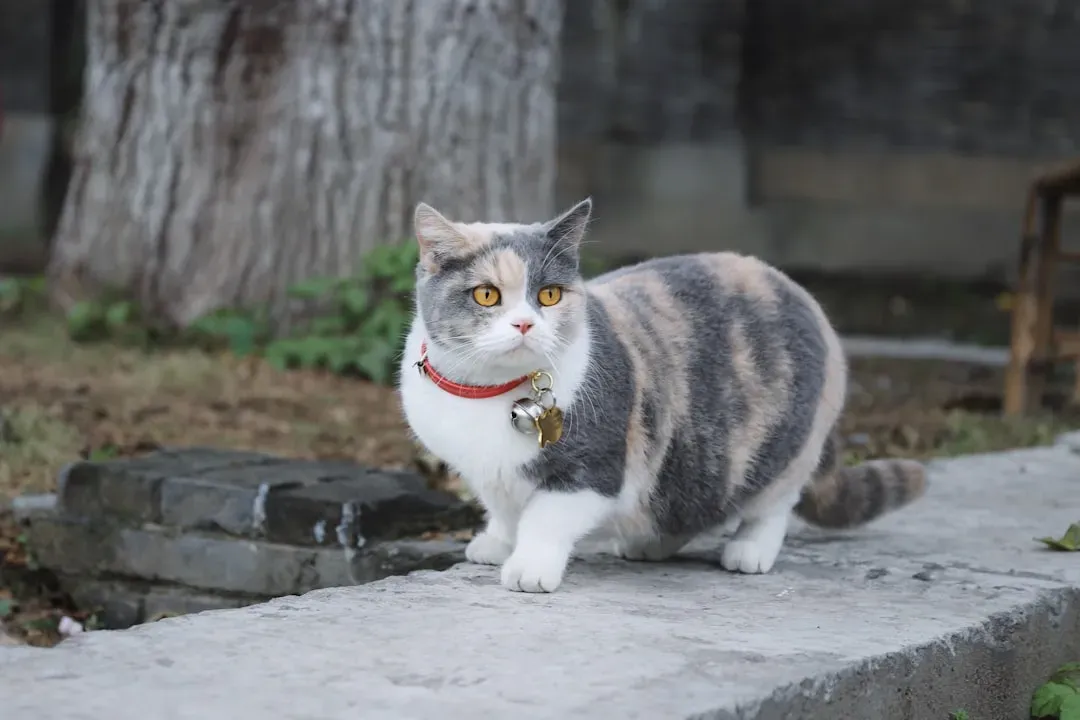
If you've ever wished your cat would just bring the toy back, this is the breed that will.
Energetic and social, Japanese Bobtails love interactive play and are especially known for enjoying fetch, bonding closely with their humans, learning tricks easily, and thriving on engagement. That gives them a cheerful, dog-like presence in the home that most cat breeds simply don't share.
The surprising twist: fetch isn't a fluke behavior in this breed - it's a documented, consistent trait tied directly to their engagement-seeking personality. Japanese Bobtails don't just tolerate interactive play, they actively initiate it, following owners around until a game starts. That combination of physical closeness and game-seeking behavior puts them firmly in Velcro territory. But #8 brings a gentler, shaggier version of that same devotion...
#8 - Ragamuffins Are Eager to Please, Just Like a Puppy
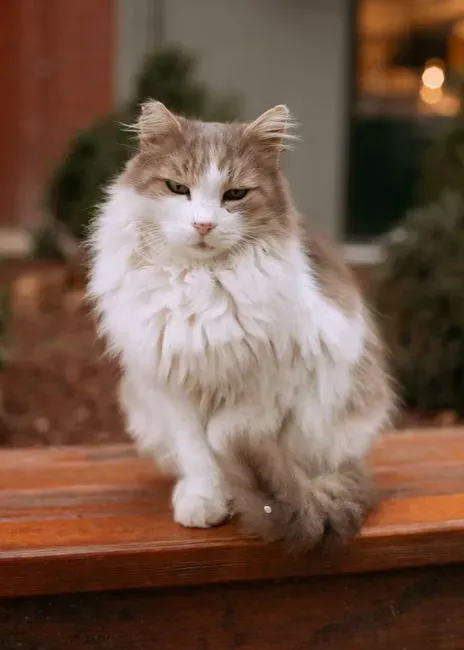
This relatively new breed built its entire reputation around not wanting to leave your side.
As one of the newest cat breeds, the Ragamuffin is a large, shaggy kitty with a sweet and mellow temperament, calm and loyal, and bonds closely with their family. That closeness isn't occasional - it's constant. Ragamuffins are happy to cuddle but ready to play when the mood strikes, and like many dogs, they're eager to please and can learn tricks and how to walk on a leash.
The most surprising fact here: leash-walking is genuinely common in this breed, something almost unheard of among most household cats. This breed is extremely tolerant, making them lovely companions for children. Combine that patience with a genuine desire to please, and you get a cat that essentially shadows its family by choice, not habit. But #9 introduces a tailless breed with an oddly canine skill set...
#9 - Manx Cats Respond to Commands Like Dogs
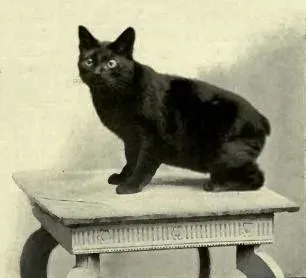
Ask any Manx owner and they'll tell you: this breed genuinely listens.
An affectionate, friendly breed, the Manx loves to be around people and is known for following their owners all around the house. That alone puts it firmly in Velcro territory, but the real surprise is what comes next.
Worth Knowing
- Manx cats originated on the Isle of Man and carry a natural genetic mutation that shortens or removes the tail entirely.
- The breed comes in four recognized tail types: rumpy, rumpy riser, stumpy, and longy.
- Their powerful hind legs give them a distinctive hopping gait, earning them the nickname "rabbit cat."
- Responsible breeders avoid pairing two tailless Manx cats due to a serious spinal condition known as Manx Syndrome.
Most people don't realize the Manx also enjoys a good game of fetch and can even be trained to learn the command "no" and come when you call its name, just like a well-behaved pup. That's a command-response level most cat breeds never reach. Manx cats aren't just physically present - they're responsive, trainable, and tuned into verbal cues in a way that genuinely resembles canine obedience. But #10 takes devotion to an almost obsessive level...
#10 - Devon Rex Cats Demand Constant Attention
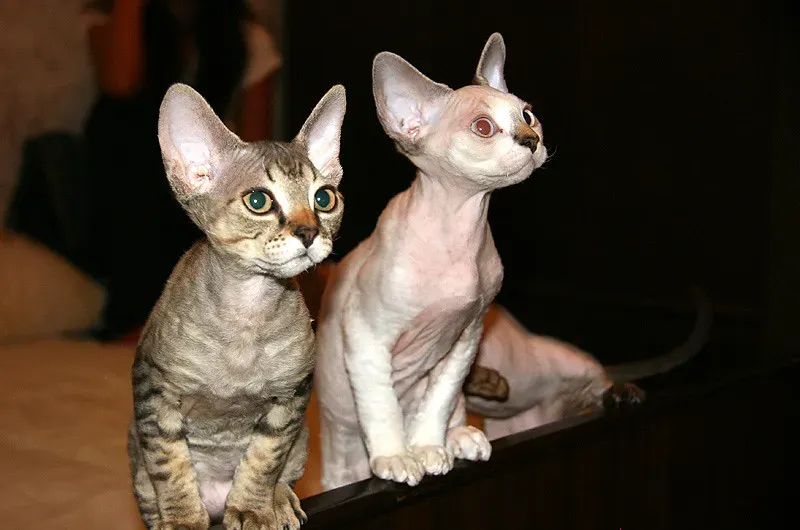
This breed doesn't just enjoy your company - it insists on it, often loudly.
With their elfin features and curly coats, Devon Rex cats are as loving as they are unique, forming intense bonds with their humans and often following them everywhere while demanding constant attention. That word "demanding" isn't an exaggeration - Devon Rex owners describe near-constant shadowing.
The bold, slightly controversial take: many experts argue Devon Rexes are actually too clingy for first-time owners, since their attention demands can border on overwhelming for people used to independent pets. Devon Rexes are also known for their playful, clownish behavior, always finding ways to make you laugh. That combination of neediness and comic timing makes them beloved, but not necessarily easy. But #11 proves that even "wild-looking" breeds can be secretly needy...
#11 - Abyssinians Get Depressed Without Company
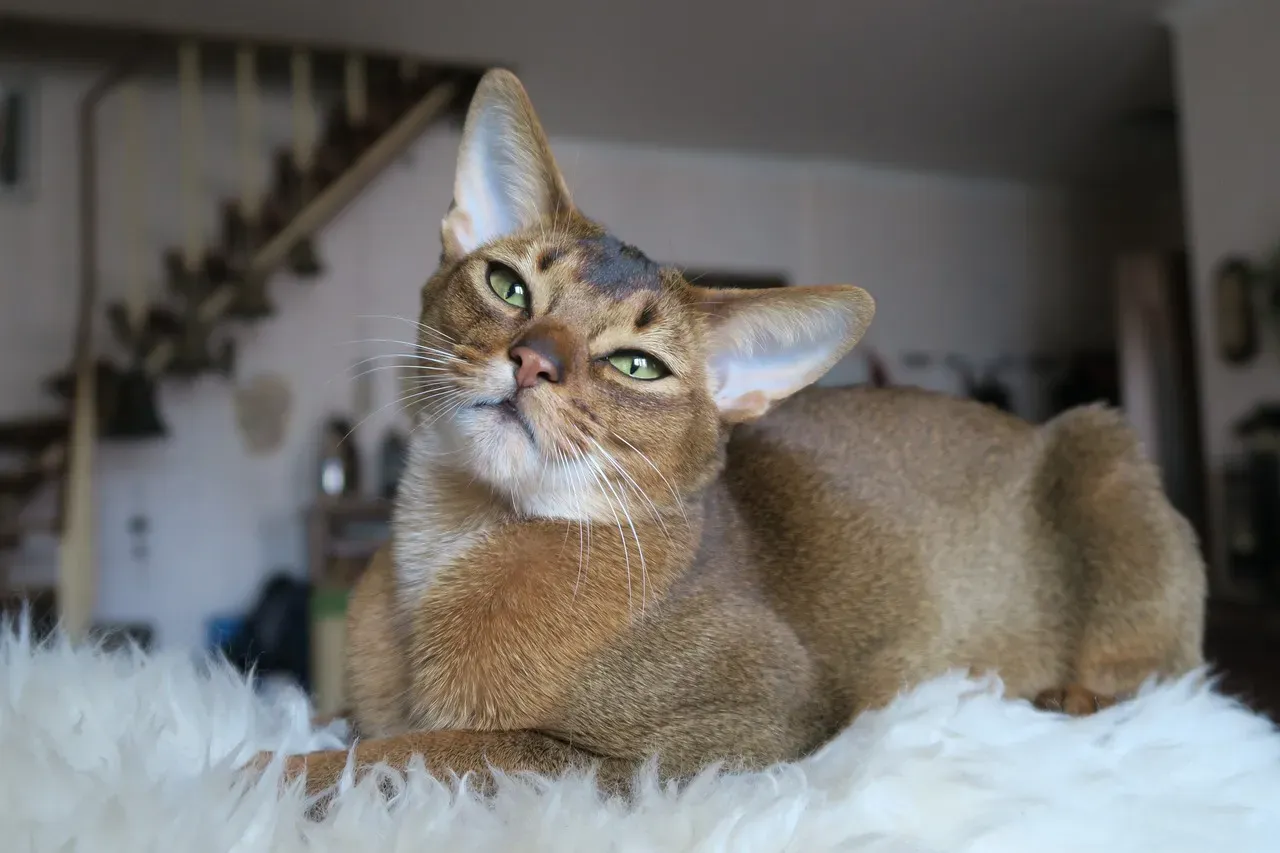
This breed looks like a miniature wildcat but behaves like a velvet-pawed shadow.
Abyssinians have a tendency to follow their owners around the house and, just like a dog, can respond to leash training. Because of their friendly, social nature, they require more attention than other breeds and may become depressed if left alone too often. That's a serious behavioral consequence, not just a cute quirk.
The surprising insight most people miss: Abyssinians are energetic, curious, and highly people-oriented cats known for wanting to be involved in everything happening around them, often following their owners from room to room, watching and participating in daily routines. This isn't a breed that tolerates being ignored - it actively seeks inclusion. But #12 shows that even "calm" cats can secretly crave zero personal space...
#12 - Scottish Folds Treat Personal Space as Optional
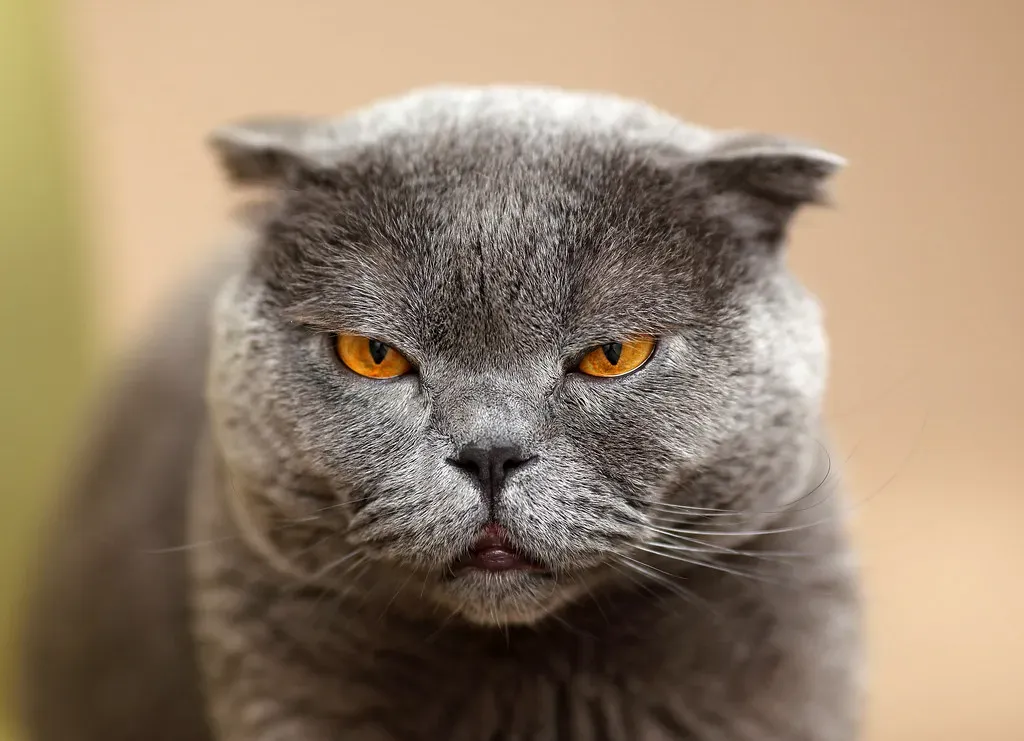
Those famous folded ears hide a personality that's shockingly attached.
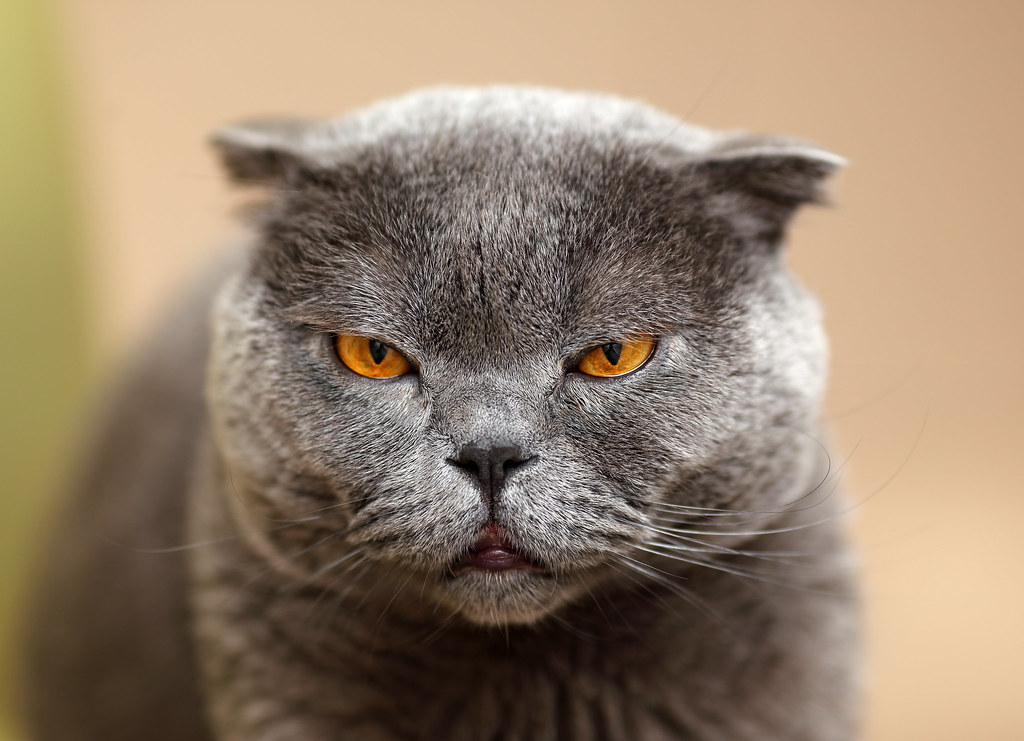
Scottish Folds are known for their cute appearance and strong bond with their owners, sitting beside you, leaning against you, and quietly following just to keep you company. They may appear calm, but they strongly prefer close contact - that quiet, constant proximity is easy to underestimate.
Here's the surprising line that sums it up: for them, personal space is optional. Unlike louder Velcro breeds, Scottish Folds don't demand attention through noise - they simply install themselves next to you and stay there. Some experts even call this breed one of the most famously affectionate personalities among household cats. But #13 brings a genuinely dramatic reaction to being shut out of a room...
#13 - Tonkinese Cats Hate Closed Doors
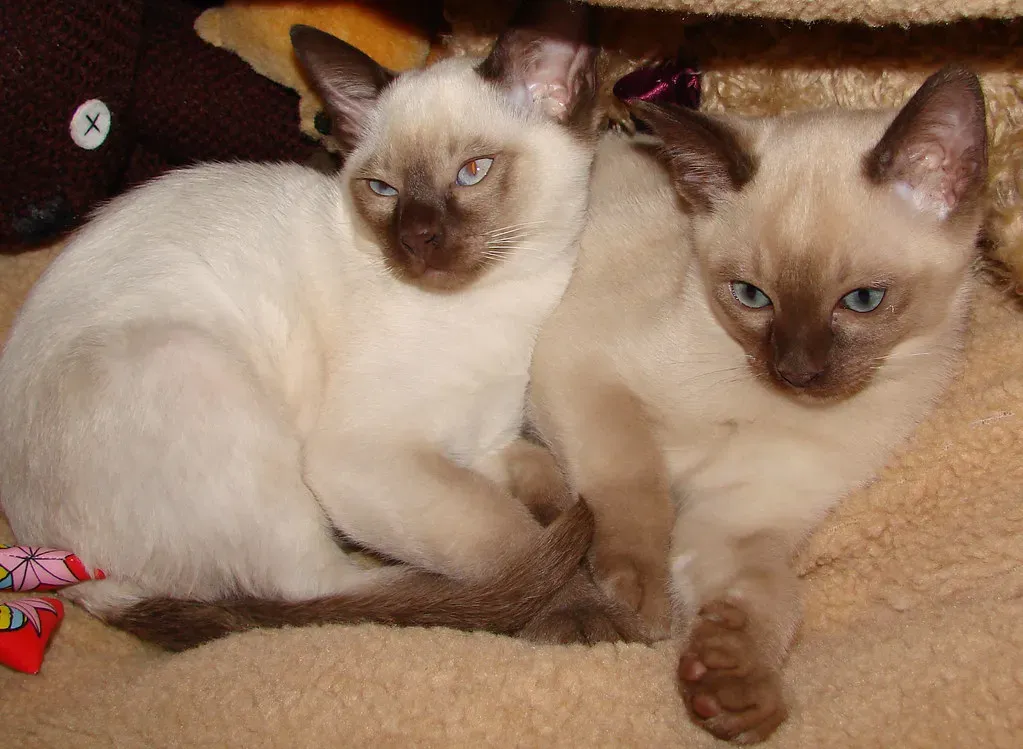
This breed doesn't just dislike being excluded - it reacts to it, loudly and immediately.
The Tonkinese is a blend of Siamese and Burmese, inheriting the best qualities of both breeds. These cats are famously affectionate, always seeking out attention and cuddles. That combination of two already-clingy breeds produces something even more intense.
Fast Facts
- Developed in the mid-20th century by crossing Siamese and Burmese lines.
- Comes in three distinct coat patterns: solid, mink, and pointed.
- Often recognized by striking aqua or blue-green eyes, especially in the mink pattern.
- Medium-sized and muscular, frequently described as surprisingly heavy for their build.
The most surprising detail: Tonkinese cats also dislike being excluded from activity and may react loudly to closed doors or prolonged isolation. This isn't subtle behavior - it's a documented, breed-specific response. Tonkinese cats are happiest when they're the center of your world, following you from room to room, and they love to play, interact, and even talk to their humans. But #14 might be the single most "dog-brained" breed on this entire list...
#14 - Burmese Cats Act Like They Run the House
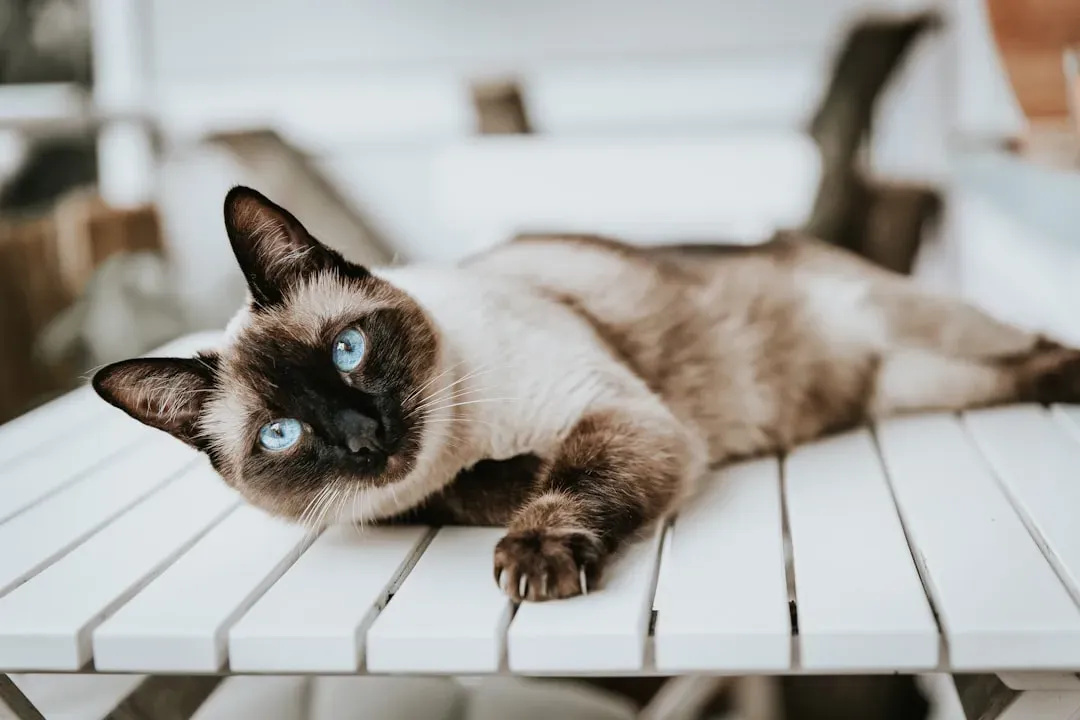
Most people think of cats as passive observers of household life. Burmese cats disagree, loudly.
The Burmese cat fully expects to be in charge of the house and will become involved in whatever you happen to be doing. Brave, playful, and loving, the Burmese typically follows its owners around and loves to be cuddled and petted. That's an assertive, almost bossy version of Velcro behavior.
The wildly specific, slightly funny fact: unlike many other breeds, Burmese cats are a lot more vocal, often heard trying to have a meowing debate with their owner over why they deserve treats, again. This isn't quiet companionship - it's a running negotiation. Burmese cats develop a genuine dependency on their owners, so much so that experts recommend finding a cat-loving sitter for when you're away. But #15 is arguably the most vocal, most emotionally intense breed of them all...
#15 - Siamese Cats Will Talk You Into Staying Home
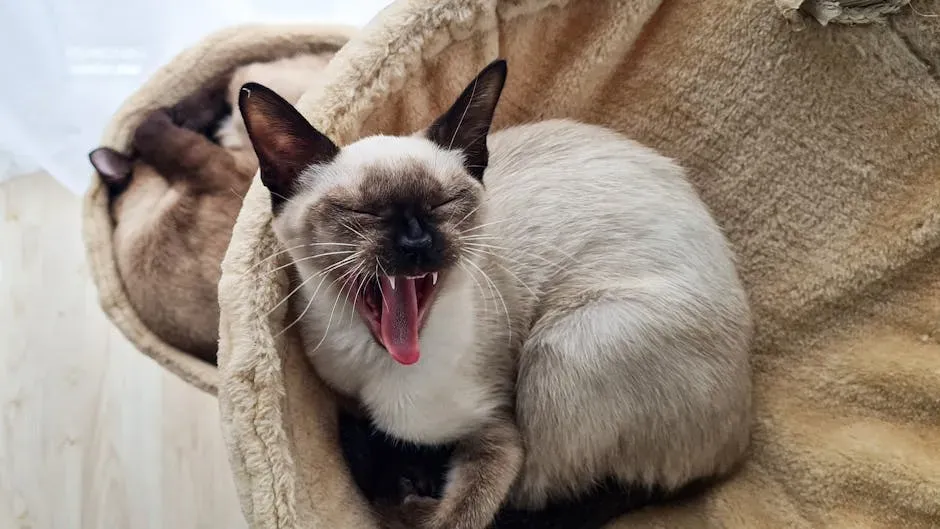
If you've ever heard a cat that sounds like it's genuinely arguing with you, it was probably a Siamese.
The Siamese is perhaps the most well-known "talkative" breed, famous for its vocalizations and deep devotion to its human. That devotion isn't passive - it's demanding, constant, and impossible to ignore.
The Siamese cat is not for everyone. It is for people who want an actively engaged companion, not a decorative one.
Common description among Siamese breed clubs
Here's the slightly controversial opinion many vets share: Siamese cats are often too intense for owners who simply want a quiet pet, since this breed is deeply attached to its people and actively seeks out interaction throughout the day. Siamese cats thrive in environments where they receive plenty of interaction and stimulation, and their curious, playful nature makes them fantastic companions for active households. But #16 proves that Velcro behavior doesn't require fur at all...
#16 - Sphynx Cats Are Basically Furless Heat-Seekers
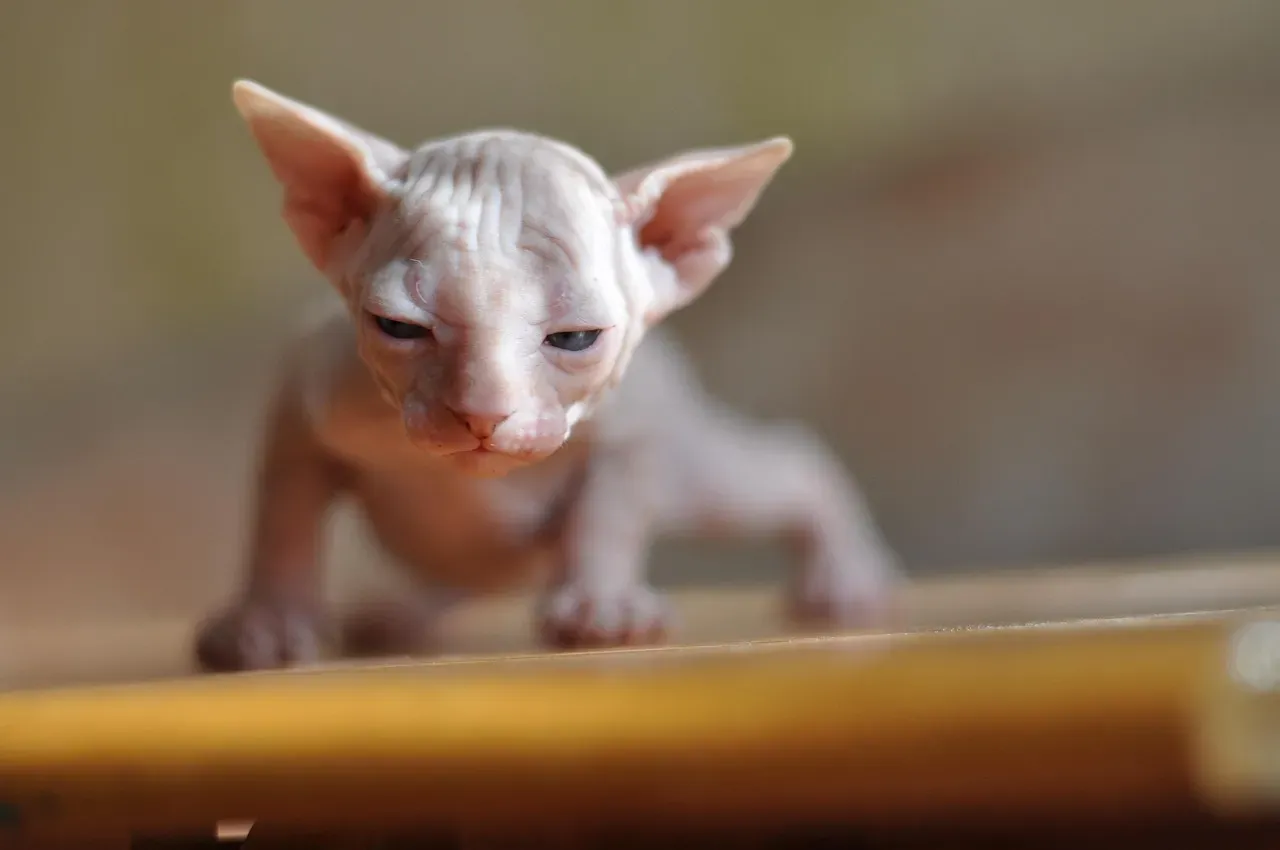
This breed is frequently named the single clingiest cat alive, and the reasoning makes total sense once you know it.
The Sphynx is often called the clingiest breed among all domestic cats, and the reason is almost biological. Without fur, your body heat becomes genuinely valuable to them, driving an intense need for warmth and closeness that goes beyond ordinary affection.
The surprising, oddly practical fact: Sphynx cats are among the most affectionate of all breeds, craving constant contact with their humans, and will snuggle under blankets, perch on your shoulder, or curl up in your lap to keep warm and close. This is a breed whose neediness is literally biological, not just behavioral. If you want a cat that will stick to you like Velcro, the Sphynx is an unforgettable choice. But #17 brings raw size into the equation, with a breed that somehow still tries to sit on your lap...
#17 - Maine Coons Try to Fit on Your Lap Anyway
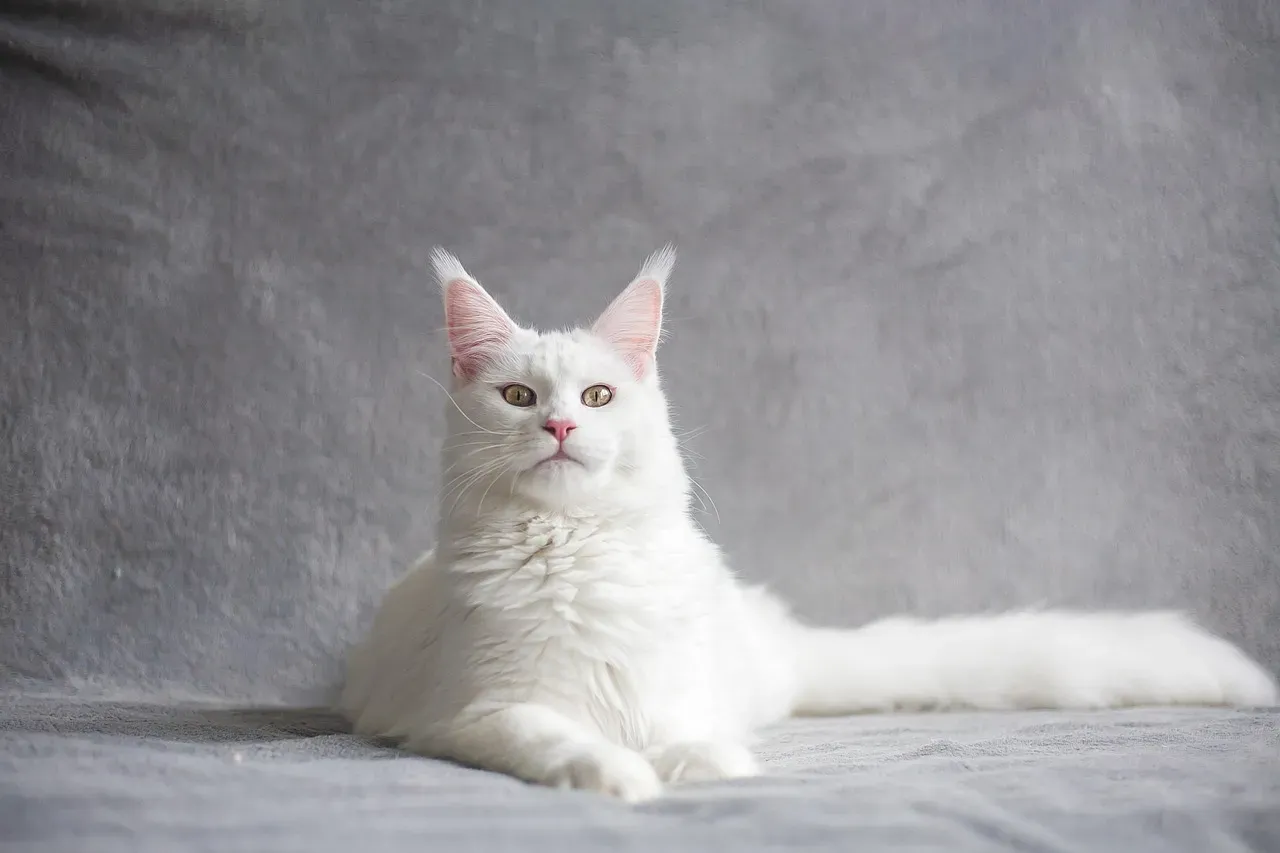
This is the largest domesticated cat breed in North America, and it still hasn't gotten the memo that it doesn't fit in laps.
Maine Coons are big, friendly cats that love their owners and are exceptionally loyal to them, following their people everywhere while chirping, trilling, and trying to sit on their laps, even when they barely fit. That specific, oddly hilarious detail is one of the most consistent traits reported across owners.
At a Glance
- Weight: Typically 8-25 pounds, with some males exceeding that range.
- Lifespan: Usually 12-15 years with proper care.
- Coat: Long, shaggy, and water-resistant, built for harsh New England winters.
- Claim to fame: Widely regarded as the largest domesticated cat breed, with some individuals stretching to nearly 40 inches nose to tail.
A genuinely wild fact: roughly 32% of the cats tested by Wisdom Panel have Maine Coon in their DNA, meaning this breed's dog-like devotion is quietly baked into a huge portion of "random" house cats. These cats might try to join you in the shower or help you with your work, always wanting to be near you. But #18 on this list isn't just clingy - it's practically designed for total devotion...
#18 - Ragdolls Are the Undisputed Kings of Velcro Behavior
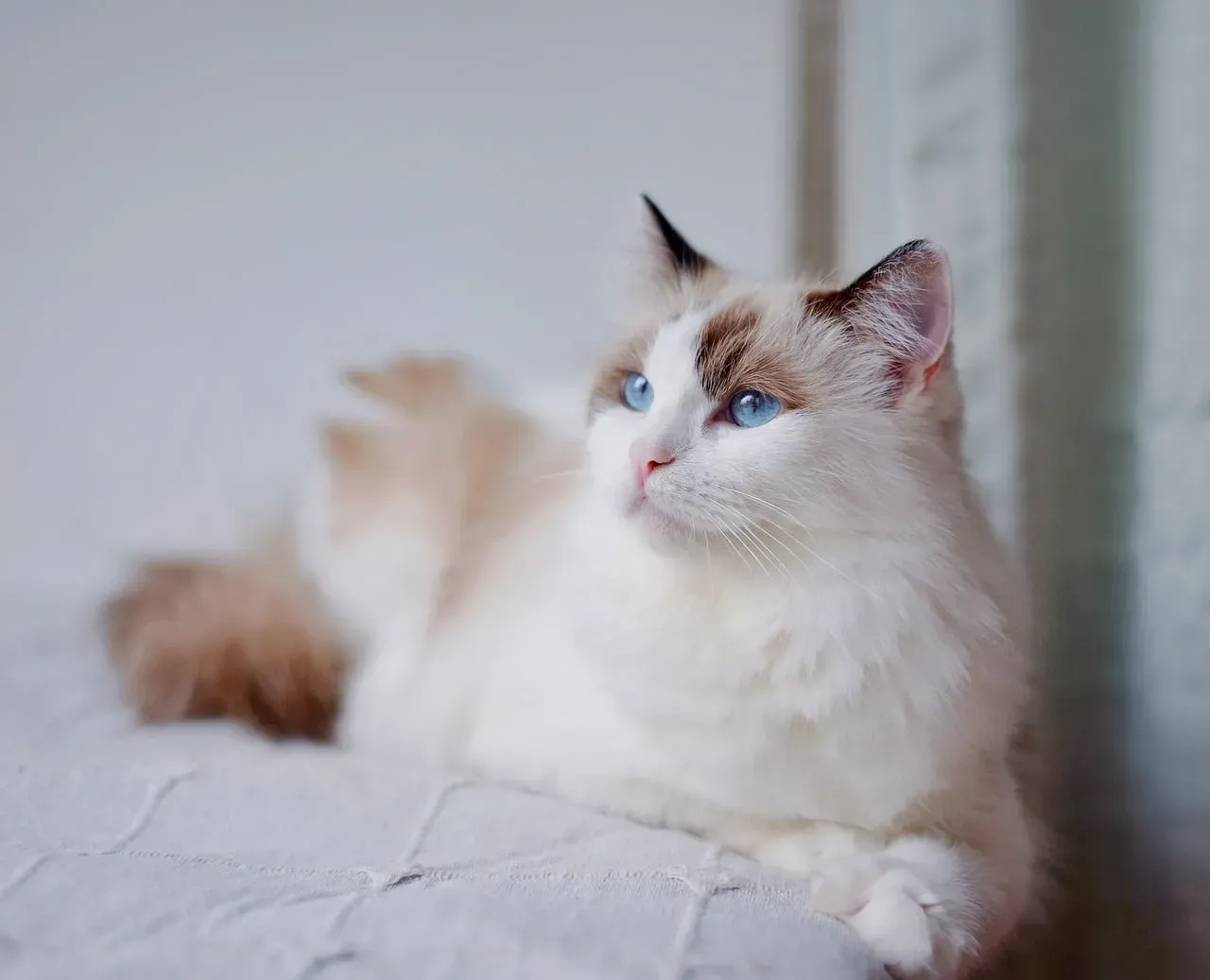
If one breed built its entire identity around following owners everywhere, it's this one.
Ragdoll cats are famously devoted to their owners, following them from room to room, even into the bathroom. Often called "puppy cats," Ragdolls are famous for going limp when held and following their owners like loyal dogs. That signature limpness isn't just cute - it's a defining physical trait tied to their trust in humans.
The most surprising fact of the entire list: known for their striking blue eyes and plush coats, Ragdolls are the epitome of a Velcro cat, loving to be involved in whatever their humans are doing, whether it's a walk in the garden or a cozy evening on the couch. Their gentle nature means they're more likely to follow than to flee when something new happens, and they're indoor-oriented cats that thrive on regular attention and interaction. No other breed on this list combines size, affection, and sheer follow-you-everywhere consistency quite like this one.
The Bottom Line

The biggest myth about cats just collapsed. Independence isn't universal - it's breed-specific, and an entire category of felines was practically built for devotion instead of distance. From Sphynx cats craving body heat to Ragdolls going limp in your arms, these 18 breeds prove that "dog-like loyalty" isn't a stretch - it's documented behavior.
The most controversial truth here? Several of these breeds genuinely struggle when left alone, meaning a Velcro cat isn't just affectionate, it's a real commitment. Choose one of these breeds and you're not getting a roommate who tolerates you - you're getting a shadow for life. Which breed on this list surprised you the most? Drop your pick in the comments.