Animal Behavior Says Cats Who Regularly Meet You at the Door May Be Responding to More Than the Sound of You Arriving
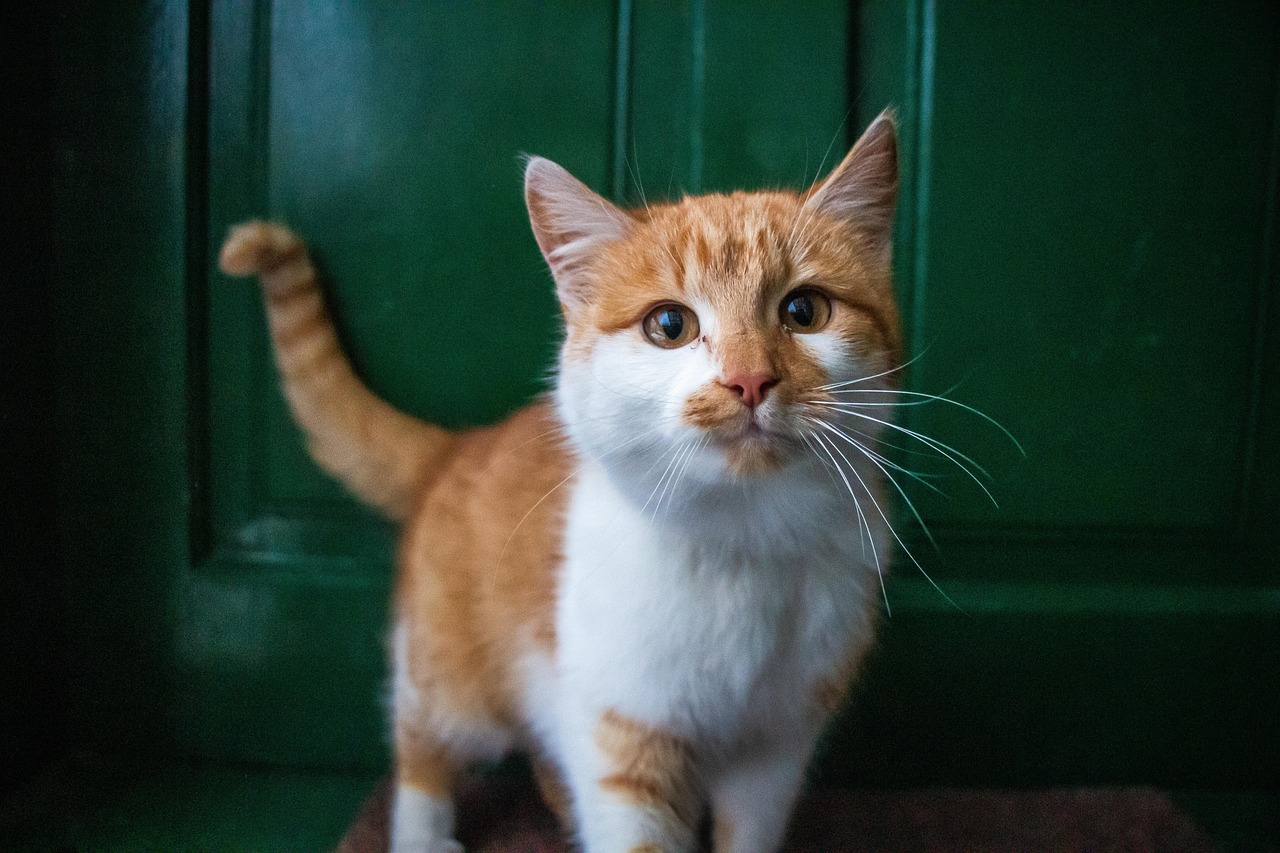
You probably assume your cat hears your car in the driveway or recognizes your footsteps on the porch, and that's the whole story behind the little welcoming committee waiting for you at the door. It's a tidy explanation, and it's not wrong exactly, but it also isn't complete. Once you start looking at what researchers have actually found about feline senses and social behavior, the door greeting starts to look like a much richer event than a simple sound-triggered reflex.
Your cat may be tracking scent, not just sound
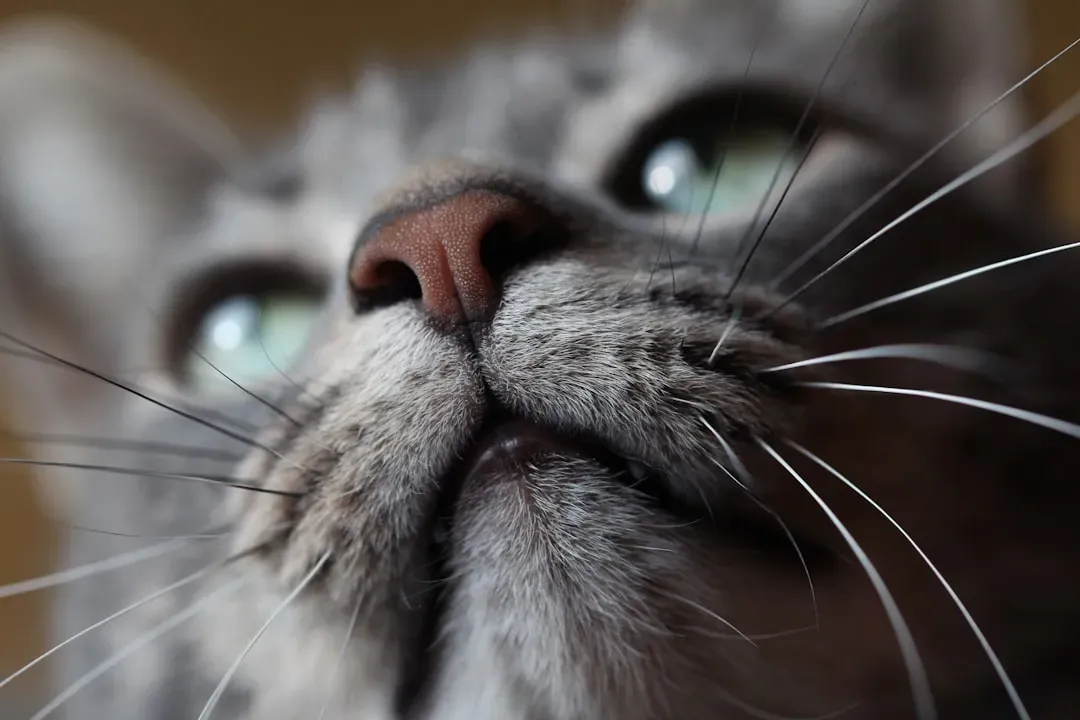
You might think your cat's ears do all the work here, but its nose is arguably the more sophisticated instrument. A 2025 study out of Tokyo University of Agriculture, published in PLOS One, found that domestic cats can tell the difference between your scent and a stranger's using smell alone. Researchers gave thirty domestic cats plastic tubes containing swabs that had been rubbed under the armpit, behind the ear, and between the toes of either their owner or a human they had never met.
What the cats did next is telling. The cats spent significantly longer sniffing unknown odors than those of their owner or an empty tube. That pattern suggests your scent has already been filed away as familiar territory long before you turn the doorknob, which means the greeting at the door might start forming the moment your smell drifts in ahead of you, not just when your voice or footsteps become audible.
The nostril switch that hints at deeper recognition
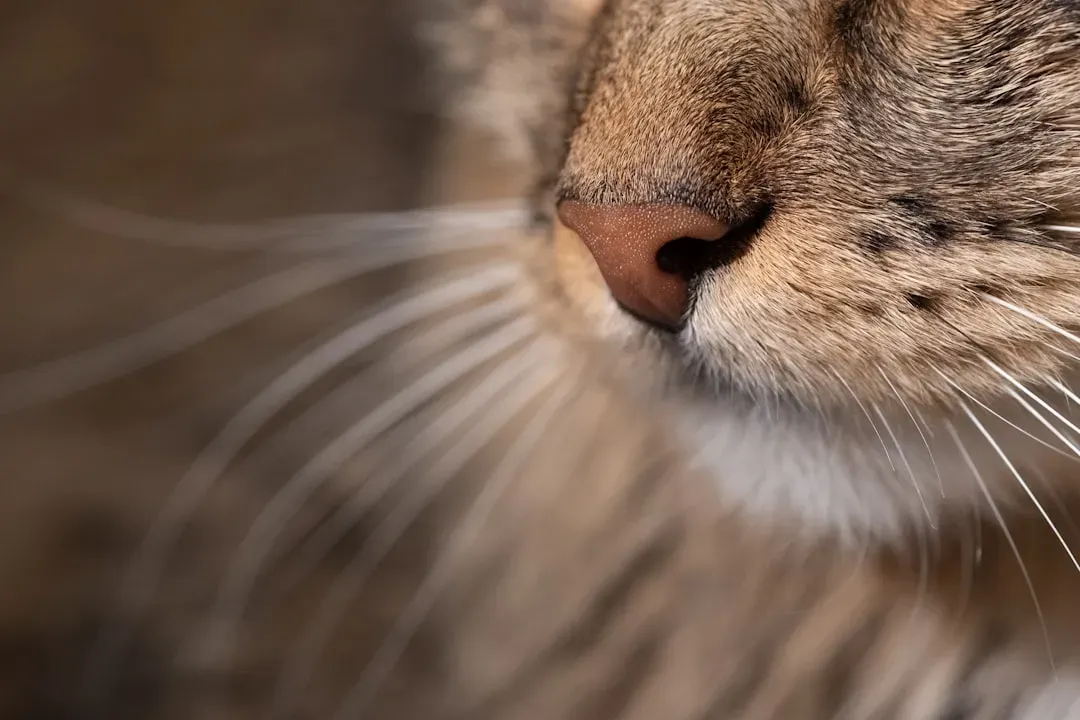
One of the more unusual findings from that same study involves which nostril your cat uses first. Researchers found that cats were initially more likely to sniff unknown odors with their right nostril but later switched to their left nostril as they became more familiar with the smell. That's not a random quirk. It mirrors a pattern seen in other mammals where the right side of the brain handles new or unfamiliar stimuli, while the left side takes over once something becomes recognized and routine.
You won't spot this nostril shift with the naked eye during a quick greeting, but it tells you something important about how your cat's brain is built to process you specifically. If your cat has sorted your scent into the "known and safe" category well enough to trigger left-nostril processing, that's a form of recognition running well beneath the surface behaviors you actually witness, like the rubbing, the chirping, or the parked-by-the-door posture.
Your cat's whiskers and ears are doing early detection
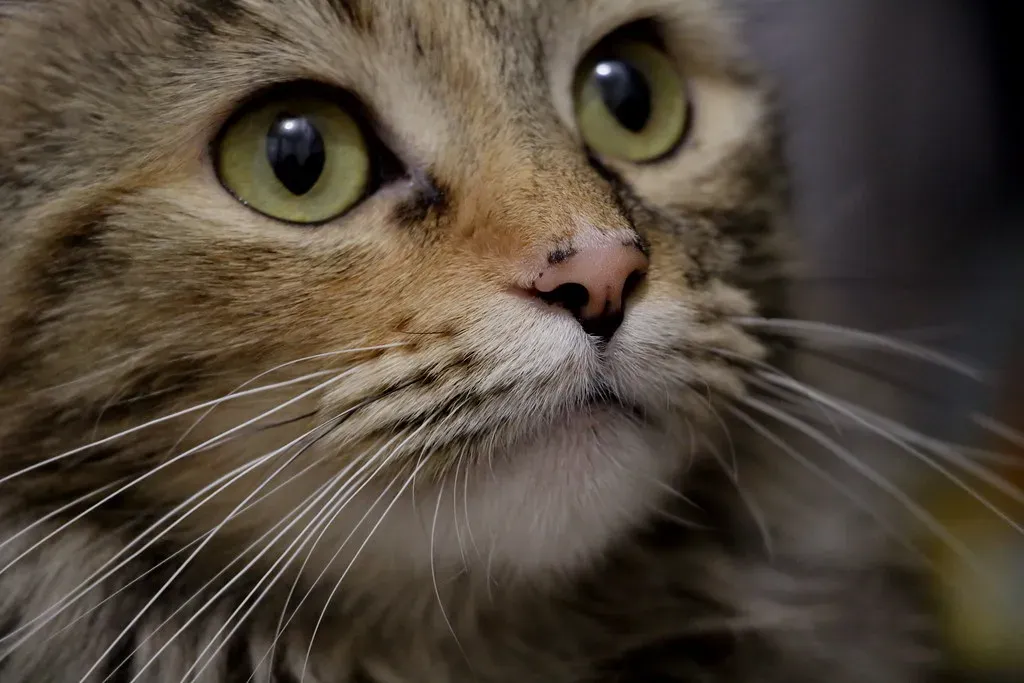
Long before scent confirmation happens, your cat's ears are picking up cues you'd never notice yourself. They pick up on subtle cues, such as the sound of your car, the jingle of your keys, or even the way you walk. These auditory cues act as an early warning system, and these cues act as signals, triggering the greeting behavior well before you even open the door.
So by the time you're actually standing at the threshold, your cat has often already processed multiple layers of information about your return, sound first, then scent as you get closer. It's less like a single trigger and more like a chain of confirmations, each one adding certainty that this arrival really is you and not, say, a delivery driver or a curious raccoon on the porch.
Attachment style shapes how enthusiastically they show up
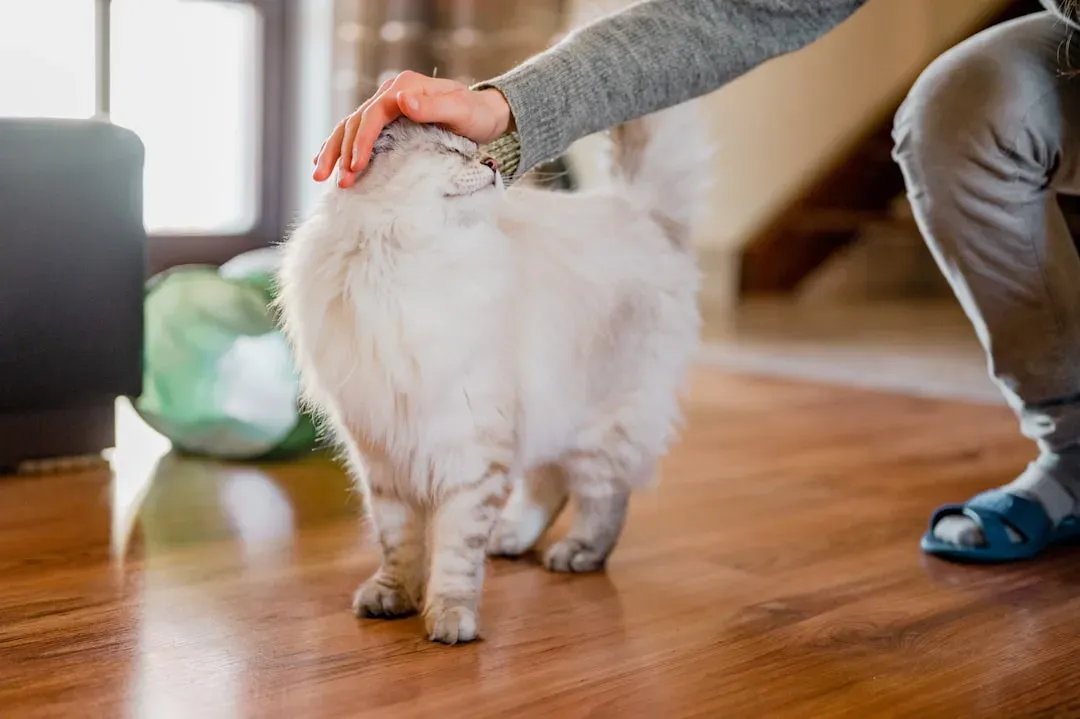
Not every cat sprints to the door, and that's not necessarily a sign of indifference. Research suggests many cats form secure attachment styles with their caregivers, although feline attachment differs from that seen in dogs and human infants. Studies in feline behavior suggest that many cats view their primary caregivers as a "secure base," meaning they use their owners for comfort and confidence in unfamiliar situations.
This attachment framework helps explain why greeting styles vary so much between cats living in the same household, let alone between different homes. Although every cat has its own personality, many develop predictable greeting rituals with the people they trust most, some running to the entrance while others quietly wait nearby or announce your arrival with soft chirps. Your cat's particular version of the greeting says more about its individual temperament and its specific bond with you than about how much it "loves" you compared to a more demonstrative cat down the street.
The rubbing that follows is a scent-marking ritual
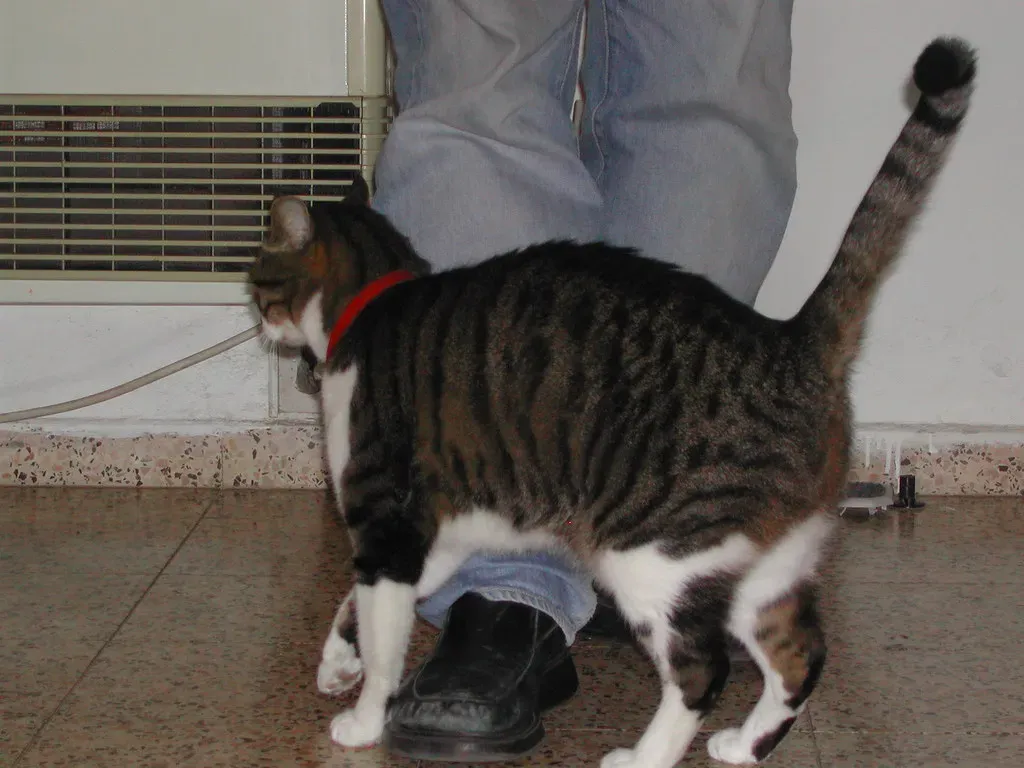
If your cat winds around your ankles right after you walk in, it's not purely affection, though affection is part of it. That same Tokyo University study noticed something interesting after the sniffing phase. Many of the cats rubbed their faces against the tubes after sniffing, a classic behavior associated with scent marking, suggesting that sniffing might not just be about identification but may also signal the start of territorial behavior.
Applied to a real greeting, this means your cat may be doing double duty when it rubs against your legs at the door. It's confirming who you are through smell, and it's also reapplying its own scent onto you after your absence, essentially resetting the shared scent profile between you two. Veterinarian Chris Vanderhoof, commenting on the research, noted that it makes sense that cats spend more time sniffing an unfamiliar odor compared to an owner's, since many animals with a strong sense of smell pick apart unfamiliar odors to figure out what to do with them.
Territory and routine reinforce the ritual over time
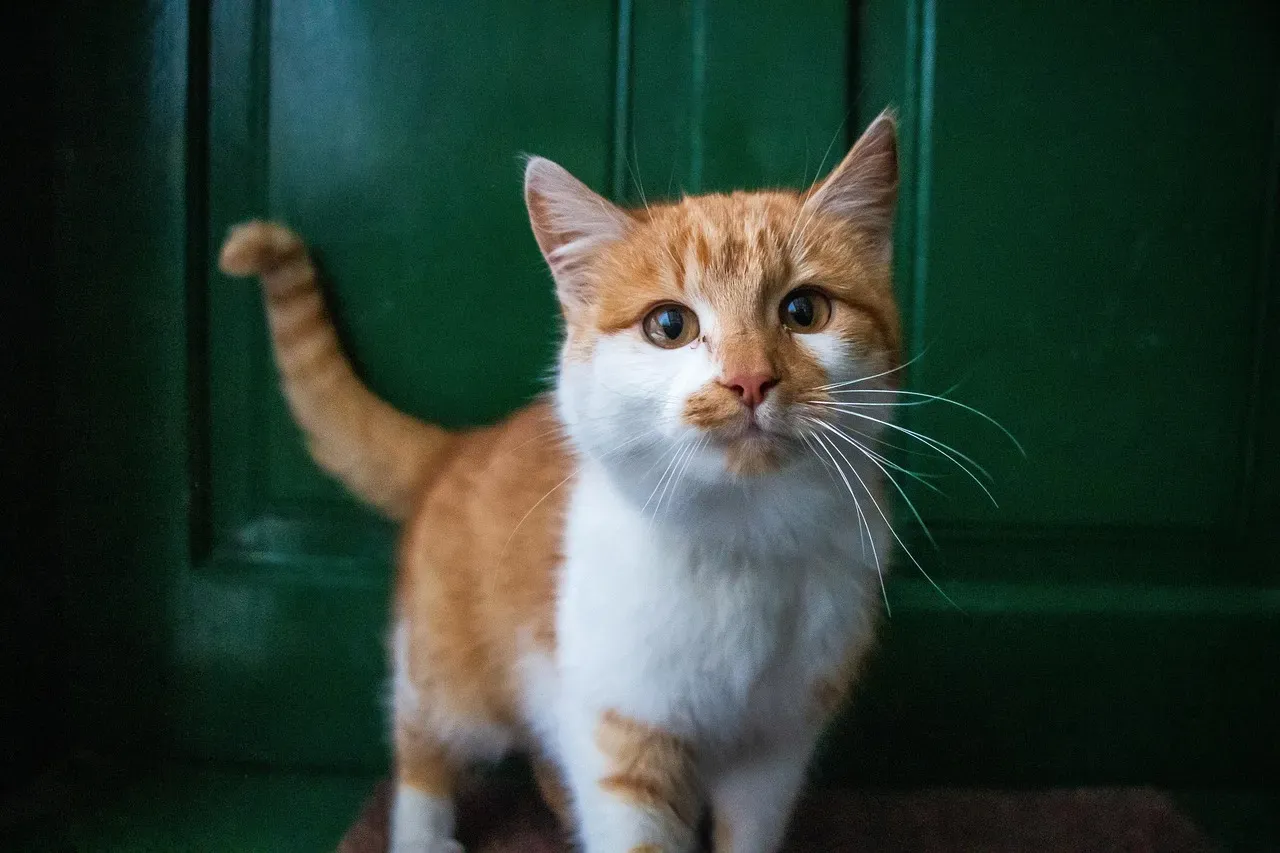
Your cat's sense of territory extends further than the walls of your home, it extends to you specifically. By greeting you at the door, your cat reinforces that you belong to their domain and are part of their claimed space. Over weeks and months, this reinforcement turns into a genuine habit, one that's shaped as much by repetition as by any single sensory trigger.
This is also where routine tracking comes into play. Cats are remarkably good at noticing patterns in your schedule, whether that's a regular commute time or the sound of a particular door in the building. The greeting behavior you see every evening isn't just a reaction to a single stimulus in the moment, it's the product of a learned expectation your cat has built around when you typically return.
Curiosity about where you've been plays a role too
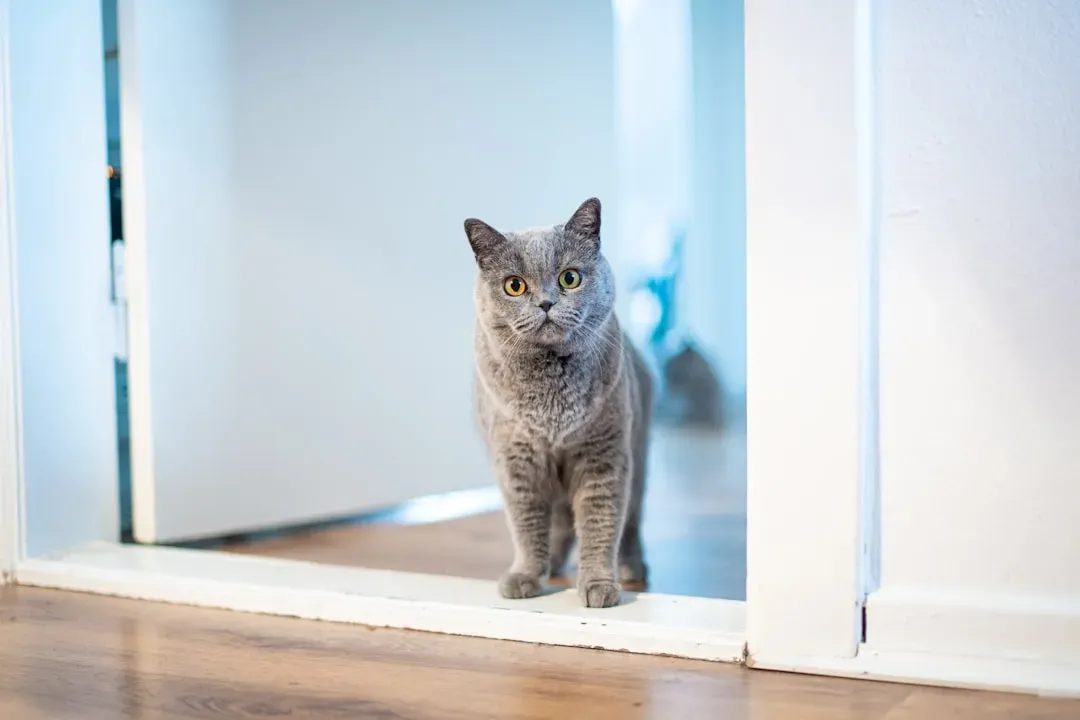
Part of what draws your cat to the door isn't just about you, it's about everything you're carrying in on your clothes and shoes. You bring fascinating new scents from the outside world on your clothes and shoes, and your cat greets you partly to investigate these mysterious smells, sniffing your legs, bags, or hands to gather information about where you've been. That inquisitiveness is a big piece of the greeting ritual that often gets overshadowed by the more emotionally satisfying "they missed me" interpretation.
Think of it as your cat running a quick audit of your day. Other animals you've touched, new environments, different foods, all of it registers as data worth investigating. This curiosity-driven sniffing typically happens seconds after the initial greeting, once the excitement of your arrival has settled slightly and your cat shifts into information-gathering mode.
Separation and reunion carry a small emotional weight
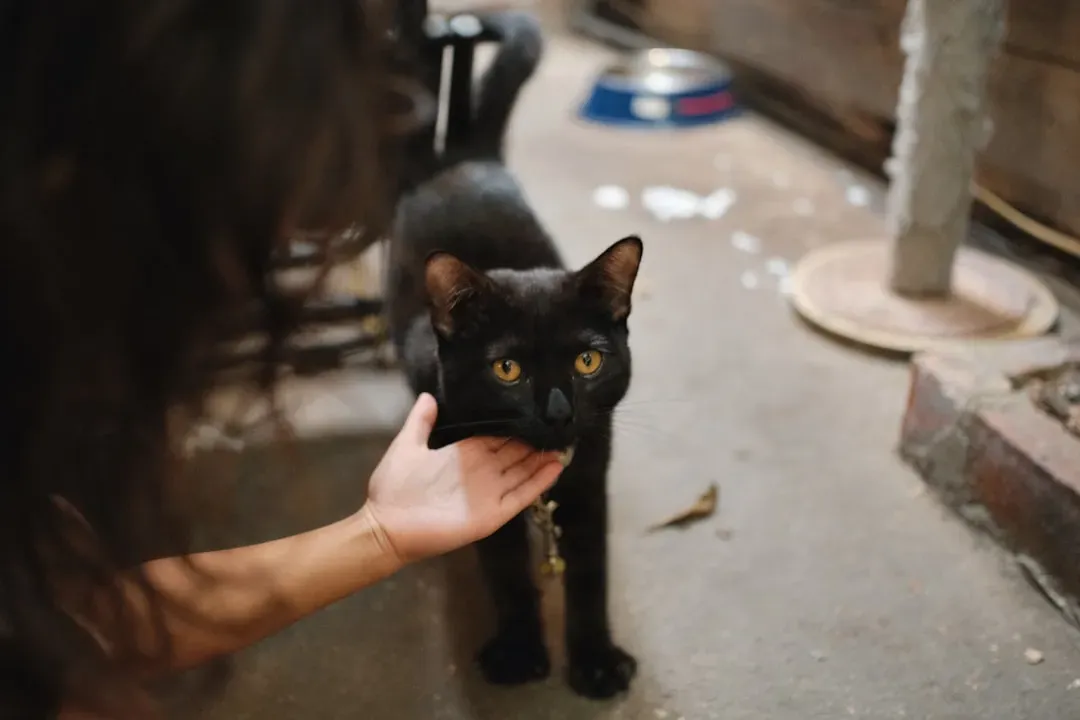
There's also a simpler explanation sitting underneath all the sensory science, and it shouldn't be dismissed just because it's less exotic. Research consistently shows that cats form attachments and emotional bonds with their owners, and when you are away, your cat may experience a sense of loss and may exhibit behaviors associated with missing you. The door greeting, in this light, functions partly as a reunion behavior, a brief but genuine response to your return after a period of separation.
This doesn't mean every cat is pining dramatically while you're at work. It does mean that the absence registers in some form, and your return closes a small gap that your cat noticed. Combined with the scent confirmation and the territorial rubbing, the emotional component rounds out what is clearly a layered, multi-sensory behavior rather than a single simple reflex.
Final thoughts
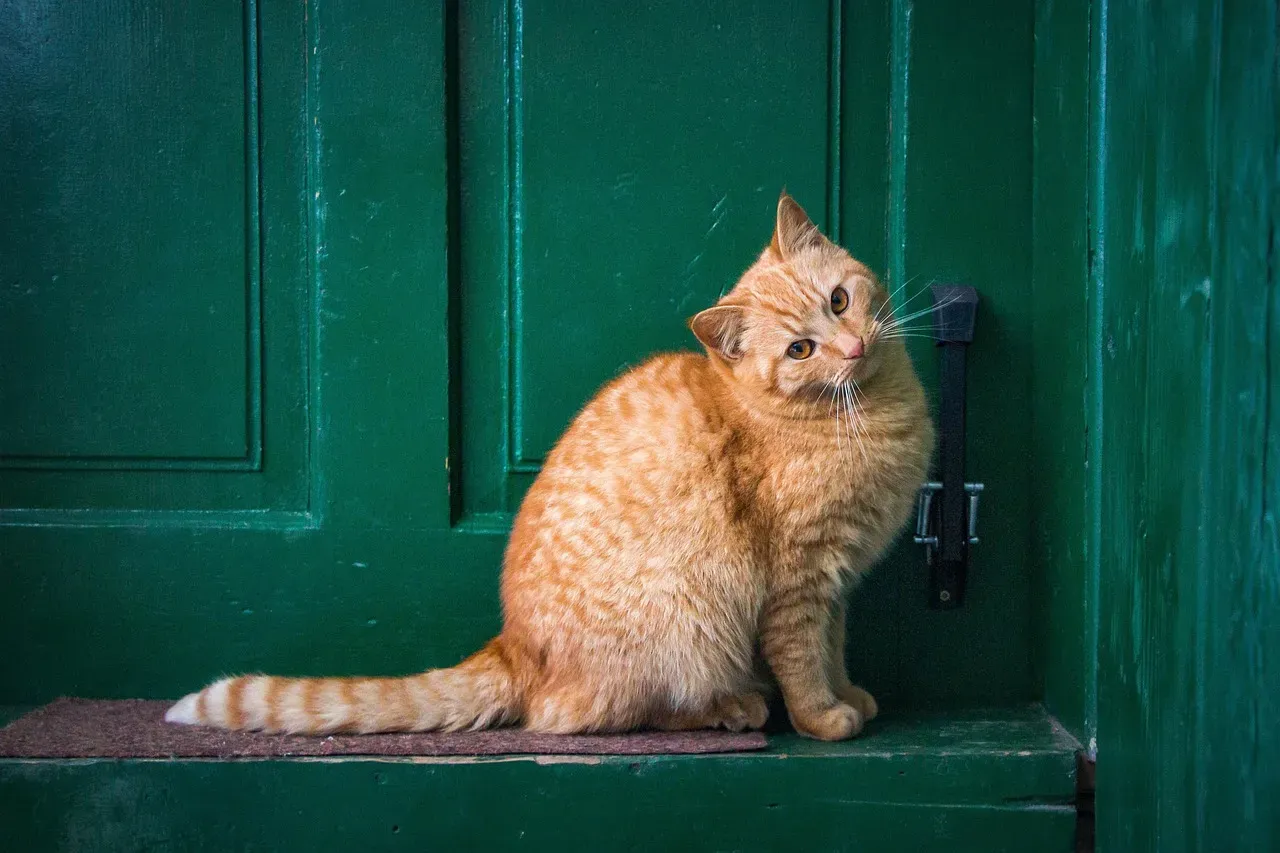
The next time your cat meets you at the door, it's worth remembering that a lot is happening in those first few seconds that you'll never directly observe. Sound gets things started, scent confirms your identity at a level your cat can trust, and a mix of territorial instinct, learned routine, and genuine attachment fills in the rest. None of this diminishes the moment, if anything it makes that small daily ritual feel a bit more remarkable once you know how much sensory and emotional processing is actually packed into it.