Few animals fire the imagination quite like the jaguar. Powerful, stealthy, and deeply enigmatic, this big cat has roamed the Americas for hundreds of thousands of years, slipping through rainforests and wetlands with an ease that makes observation extraordinarily difficult. For a long time, the accepted wisdom was simple: jaguars live alone, hunt alone, and want nothing to do with others of their kind.
That story turns out to be more complicated. Recent research has begun peeling back the layers on jaguar social life, revealing behaviors that contradict the long-held portrait of an animal in permanent solitude. The more scientists look, the more nuance they find. What follows is a thorough look at everything we actually know about how jaguars hunt, live, and occasionally surprise us.
The Solitary Label: Where It Comes From
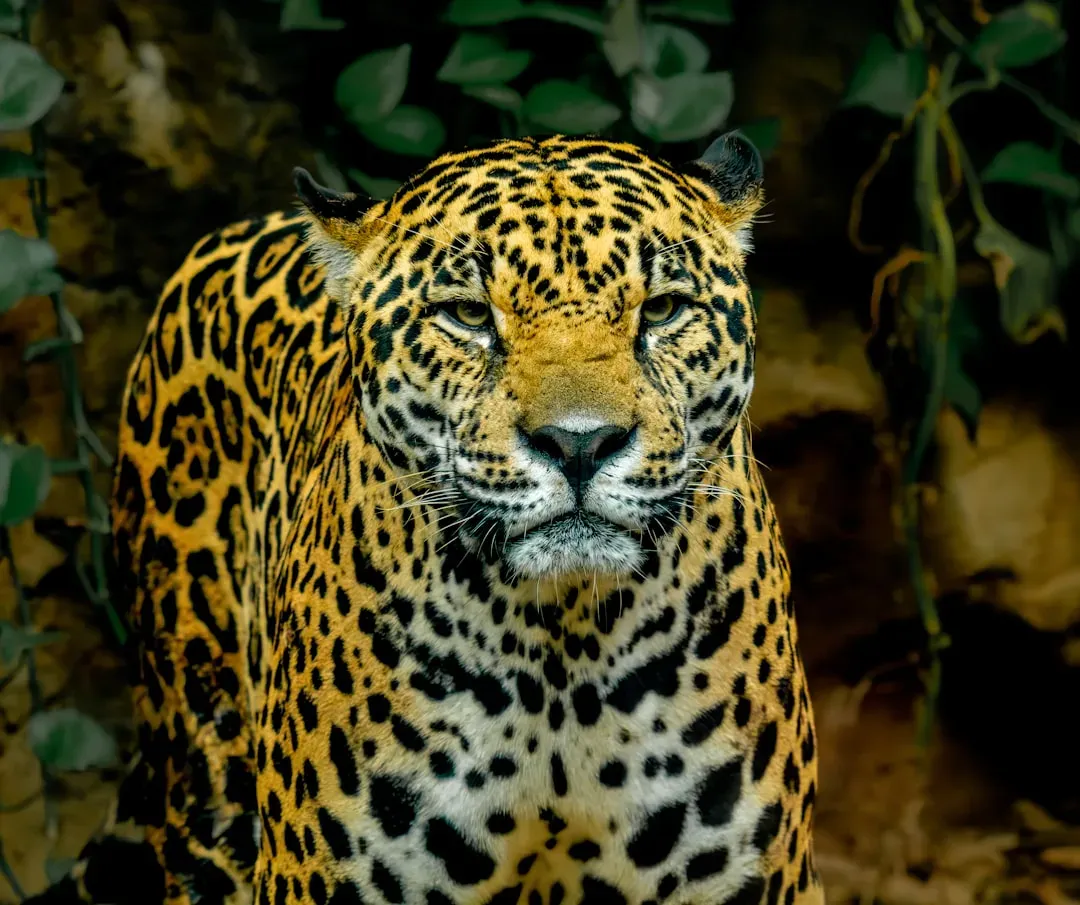
The jaguar is generally solitary except for females with cubs. This is the baseline understanding that field biologists have worked with for decades, and for good reason. Unlike lions, which live in coordinated social groups called prides, jaguars have never been observed forming anything like a permanent community. You generally don’t find two adults sharing a den or coordinating a hunt the way wolves do.
Jaguars are predominantly solitary animals who, unlike lions that thrive in pride groups, prefer to live alone, with males and females coming together only during the mating season. This solitary lifestyle helps reduce competition for food resources, allowing them to cover vast territories to hunt efficiently. The logic is straightforward: a single predator, operating alone in dense forest, can be remarkably effective without the complications of shared resources.
How Territory Works for a Jaguar
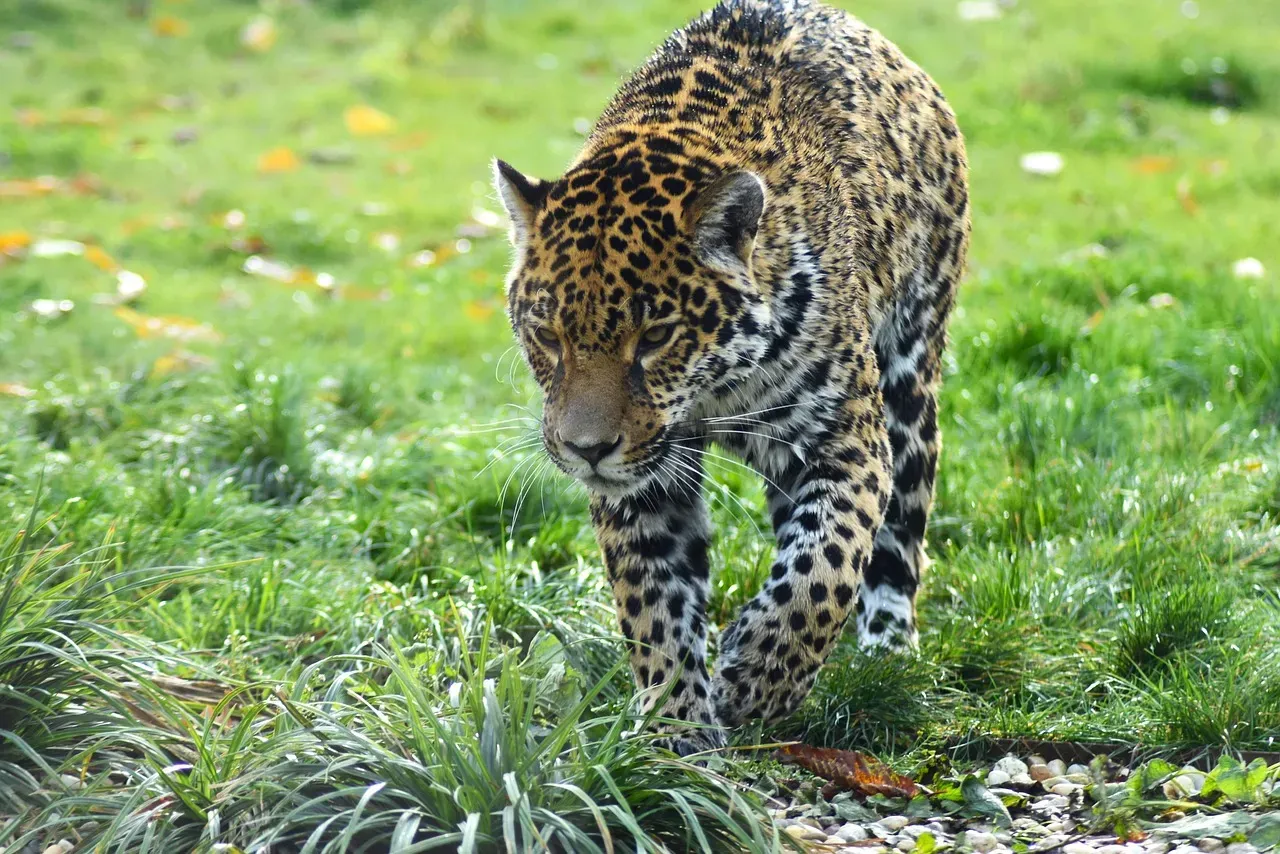
Jaguars, both males and females, have a solitary lifestyle and can be quite territorial. They actively mark their home ranges by spraying urine, clawing trees, and leaving behind feces. These aren’t random acts. Each mark is a deliberate communication to any other jaguar passing through: this space is taken.
Other than during mating periods, adults live solitary lives, patrolling their own distinctly marked territories. Jaguar hunting ranges vary in size from five square miles, where prey is abundant, to two hundred square miles, where it is scarce. Male territories usually overlap the smaller ranges of several females. That territorial flexibility says a lot about the animal’s intelligence. Rather than holding a fixed patch of land regardless of conditions, jaguars adjust the size of their range to match what’s actually available to eat.
The Stalk-and-Ambush: Perfected Over Millennia
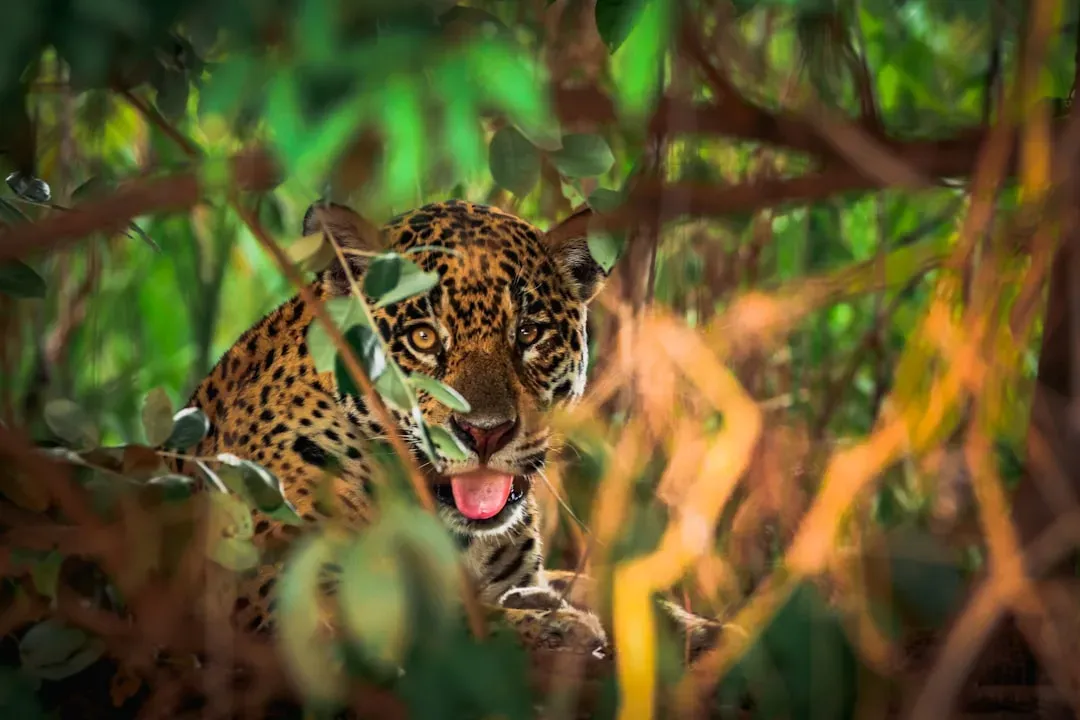
The jaguar uses a stalk-and-ambush strategy when hunting rather than chasing prey, slowly walking down forest paths, listening for and stalking prey before rushing or ambushing. This is fundamentally different from the pursuit hunting you see in cheetahs or African wild dogs. Speed matters less here than patience and precision.
The jaguar attacks from cover and usually from a target’s blind spot with a quick pounce; the species’ ambushing abilities are considered nearly peerless in the animal kingdom by both indigenous people and field researchers, and are probably a product of its role as an apex predator in several different environments. That assessment isn’t hyperbole. When you study how a jaguar sets up an ambush, it’s clear this is a skill refined through countless generations of evolutionary pressure.
The Killing Bite: A Technique Unlike Any Other Cat
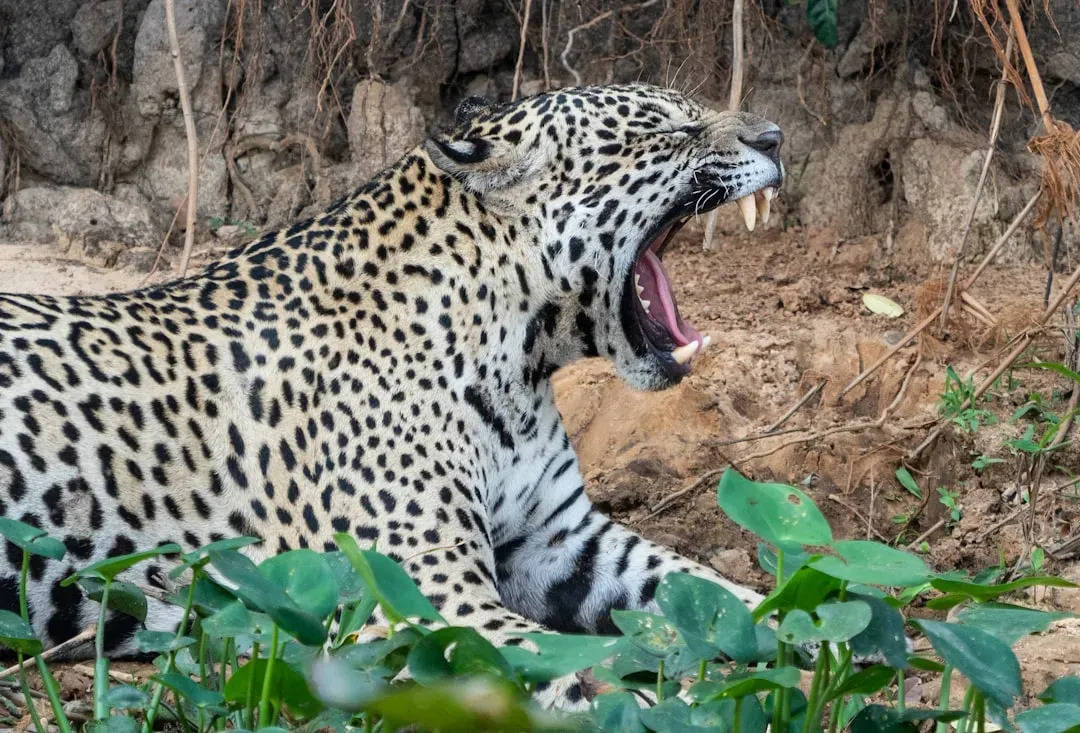
Jaguars are not average hunters. They have a stronger bite than any other big cat, targeting the back of the skull of their prey with a swift, fatal grip, and this lethal bite enables them to puncture the skull and pierce directly into the brain, a hunting technique unique among cats. It’s a remarkable piece of natural engineering. Most cats kill by suffocation, gripping the throat or muzzle. The jaguar bypasses that entirely.
They possess the strongest bite of any big cat, allowing them to penetrate the shells of turtles or the thick hides of caimans. This capability directly expands the range of prey available to them. Hard-shelled reptiles that other large cats can’t efficiently exploit become a viable food source, which gives jaguars a meaningful edge in riverine and wetland environments.
A Surprising Relationship With Water
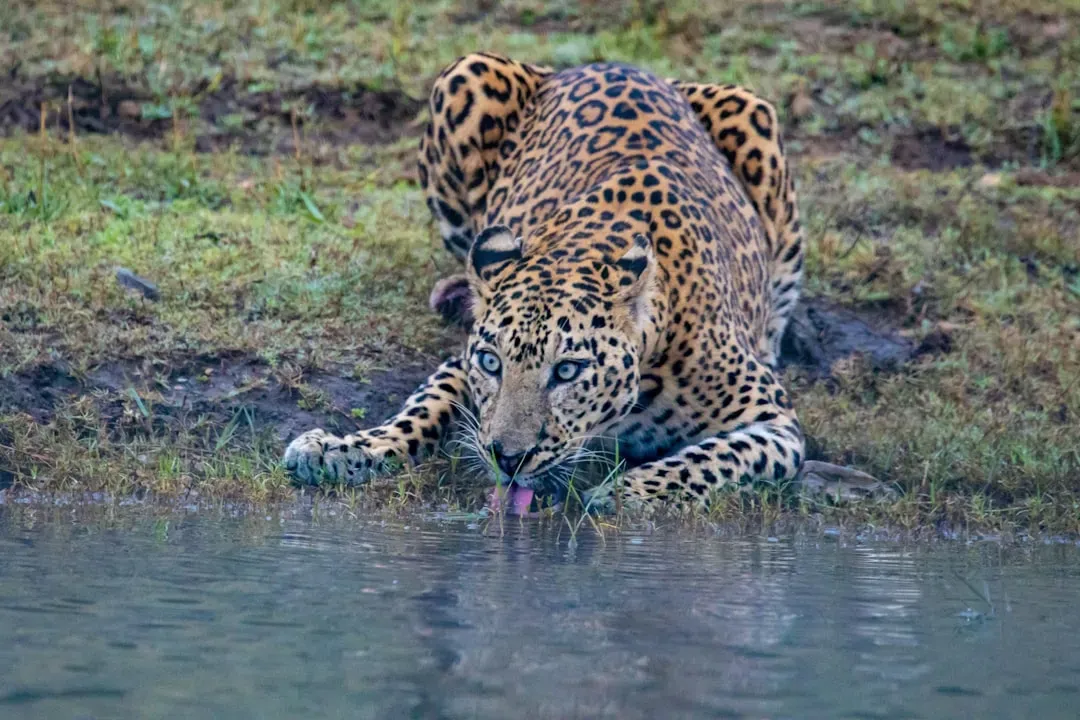
Unlike most big cats, jaguars love the water. This is one of those facts that genuinely surprises people hearing it for the first time. Cats avoiding water is one of those assumptions so common it has almost become folklore, but jaguars reject it entirely.
Jaguars are exceptional swimmers and often take to water with ease. Unlike many other big cats that avoid water, they even hunt aquatic animals such as caimans and fish. Their strong limbs and powerful jaws allow them to catch slippery prey effortlessly, showcasing their unique adaptability. Their swimming ability also means their effective hunting territory is not simply a patch of dry land. Rivers and wetlands become extensions of the hunt rather than barriers to it.
What Jaguars Actually Eat
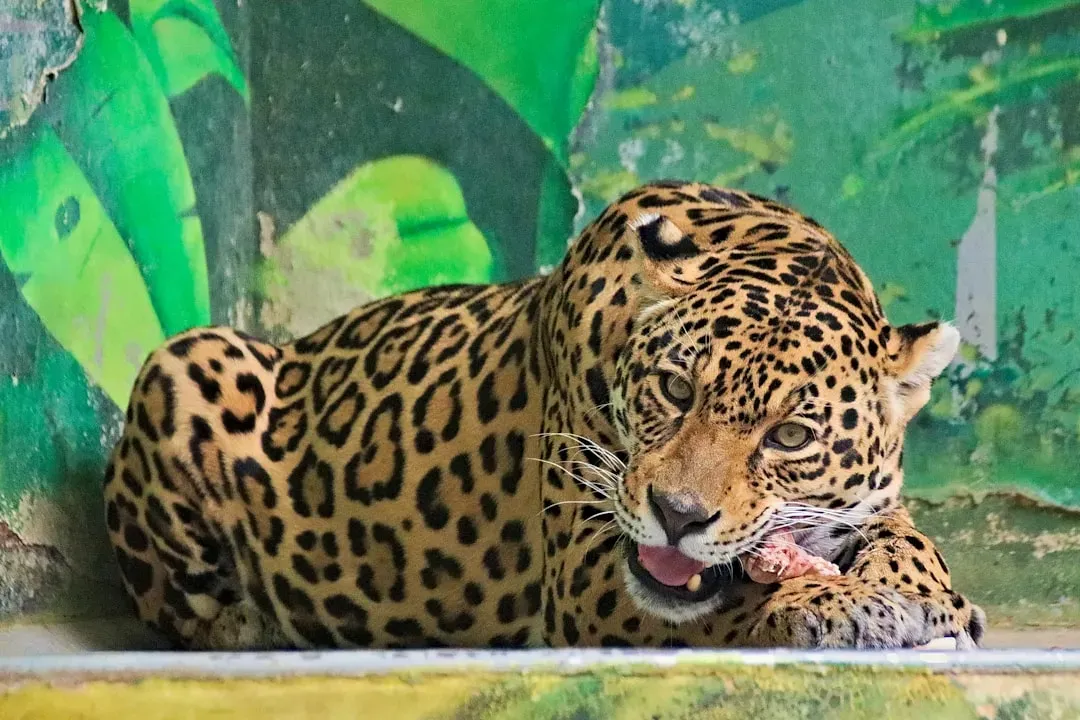
The jaguar is an opportunistic hunter, preying on roughly 85 different mammal species. With deer, capybaras, peccaries, and tapirs forming a bulk of their diet, jaguars are also known to eat monkeys and even ranchers’ livestock when prey is scarce, a behavior that often precipitates conflict with humans. That breadth of diet is part of what makes jaguars such effective survivors across such different habitats.
The ambush may include leaping into water after prey, as a jaguar is capable of carrying a large kill while swimming; it is strong enough to haul carcasses as large as a heifer up a tree to avoid flood levels. After killing the prey, it drags the carcass to a thicket or other secluded spot. That image of a jaguar hauling a carcass through floodwater is a useful reminder of the sheer physical power packed into this animal’s frame.
Night Hunters: Vision, Timing, and Instinct
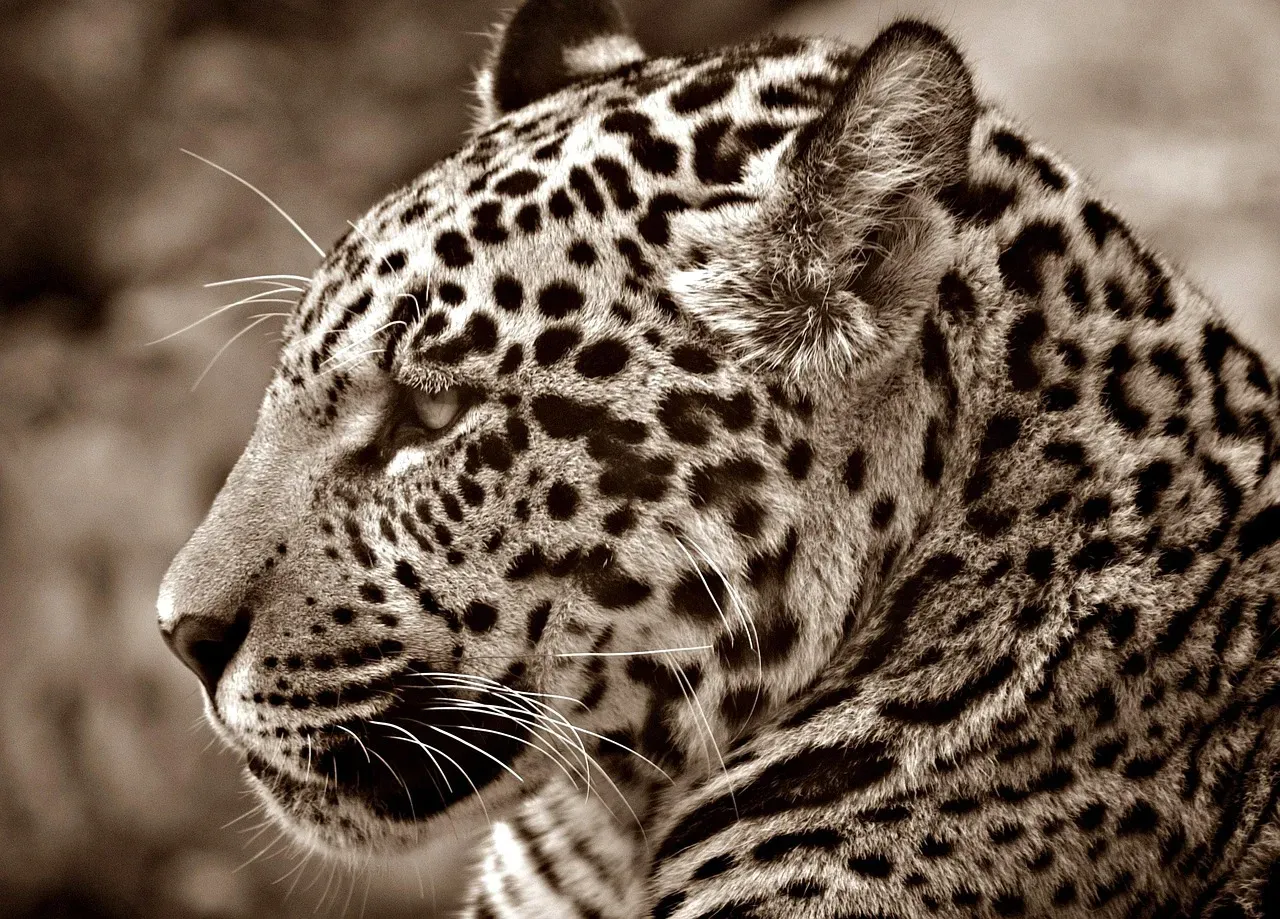
Jaguars hunt both by day and at night, but are predominantly nocturnal, with hunting activities peaking at dusk and dawn. The crepuscular and nocturnal tendencies aren’t random. Low-light conditions give jaguars a genuine sensory advantage over most of their prey.
Like other cats, jaguars have eyes adapted for night hunting. One key element is a mirror-like structure called the tapetum lucidum in the back of the eye, which reflects light back into the retina, nearly doubling the cat’s ability to see at night. Their excellent night vision, which is six times more sensitive than that of humans, allows them to navigate through dense forests under low light. That edge is considerable. In the understory of a dense rainforest, where moonlight barely reaches the ground, the jaguar moves with genuine confidence.
When Jaguars Break the Solitary Rule: Male Coalitions
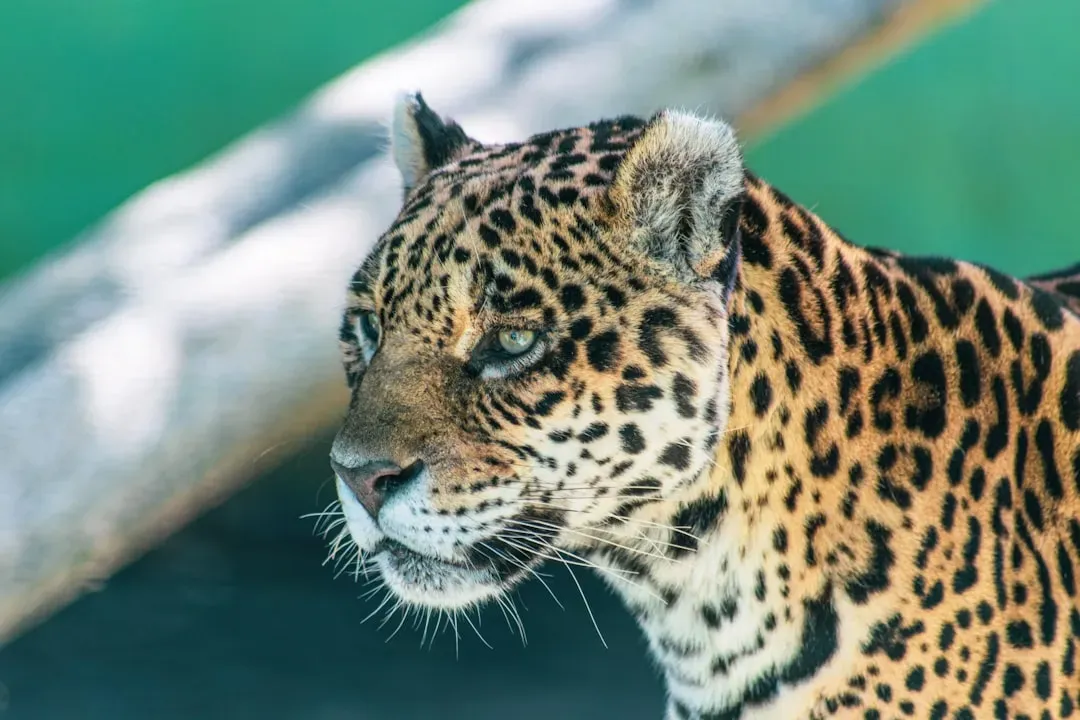
A study co-authored by Panthera, the global wild cat conservation organization, and the Venezuelan Institute for Scientific Research found novel evidence of wild male jaguars forming coalitions and collaborating with each other to secure prey, improve chances of mating, and defend or expand their territories. Long regarded as a solitary species, the findings suggest the Americas’ largest wild cat is more social than previously believed, with unrelated males sometimes forming multi-year alliances in regions home to high prey and female jaguar densities.
In two studies, two male jaguars formed stable partnerships that endured more than seven years each. In Brazil’s southern Pantanal region, two males cooperated from 2006 to 2014, during which they patrolled territories together, communicated vocally with one another, shared a tapir kill, and even rested side by side. Seven years is a significant duration. This wasn’t a brief, opportunistic encounter. These were sustained social partnerships.
How Jaguar Coalition Behavior Compares to Lions and Cheetahs
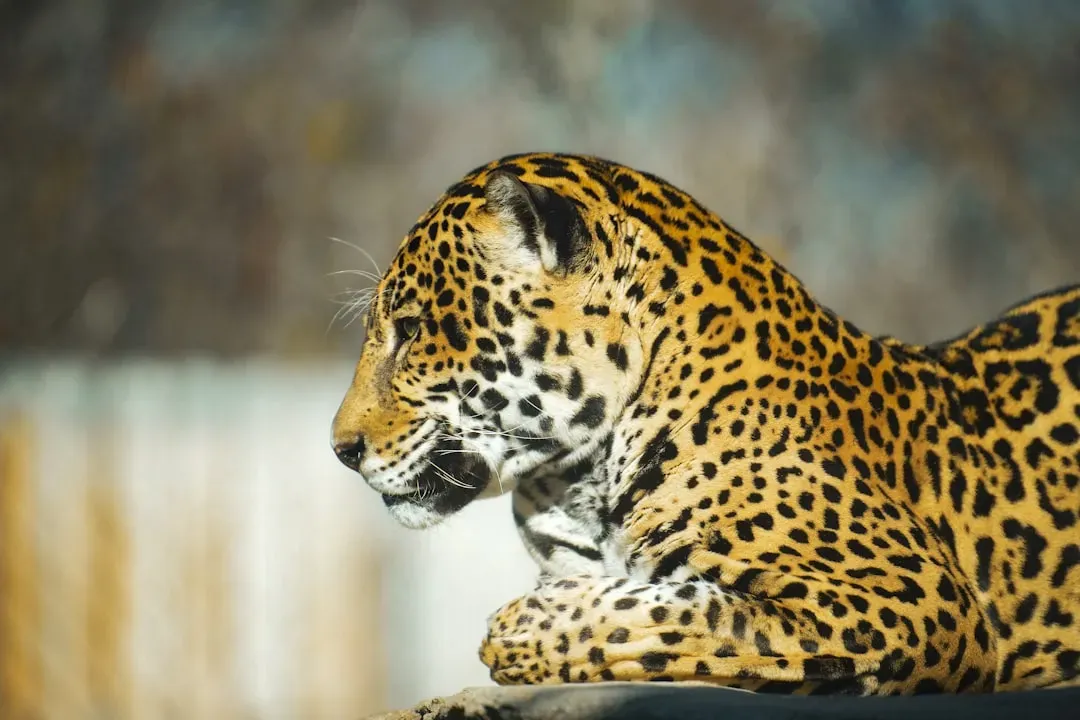
Wild cats are mainly classified as solitary species, with the exception of lions, which form prides, and male cheetahs, which sometimes form bachelor groups. For a long time, jaguars were firmly in the solitary category. That categorization is now more uncertain.
Compared to lions and cheetahs, the male jaguars spent less time together and did not cooperate with females to raise cubs. The jaguar coalitions were formed between a maximum of two unrelated males, unlike those observed in cheetahs and lions. Male jaguar coalitions are still rarely observed and not nearly as widespread as those found in lions and cheetahs. The point isn’t that jaguars are becoming social animals in any broad sense. It’s that the rigid “always solitary” label no longer fully fits the evidence.
Conservation: The Threats Jaguars Face Today
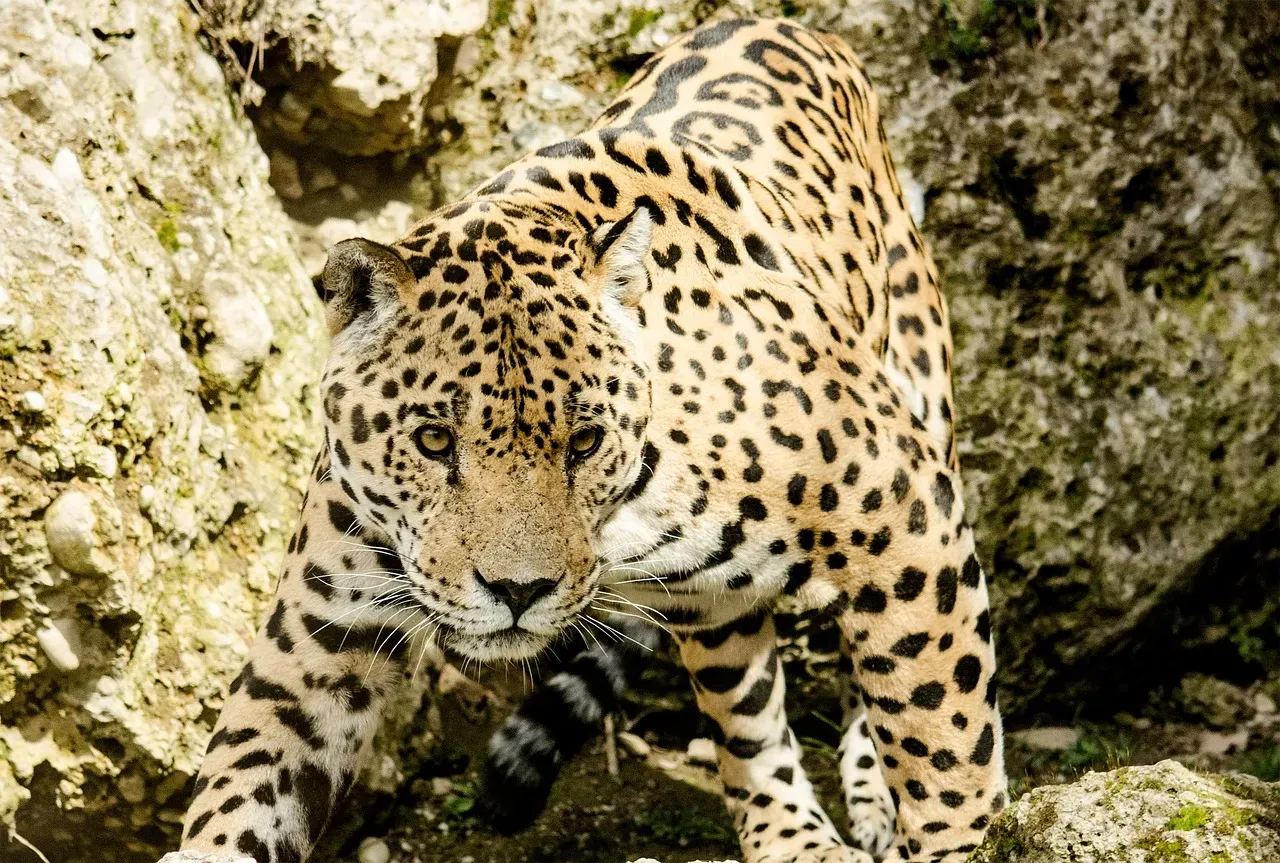
Today, jaguars are facing ever-increasing threats such as habitat loss and fragmentation, land use change, climate change, retaliatory killings, poaching, and illegal trade. These pressures compound each other in ways that make conservation genuinely difficult. A jaguar pushed out of its habitat by deforestation is more likely to prey on livestock, which triggers retaliatory killing, which further reduces already-stressed populations.
Jaguar habitats are becoming increasingly fragmented, meaning patches of habitat are decreasing in size and becoming increasingly isolated and less connected. The lands once ruled by jaguars are being destroyed by logging, large-scale agriculture, ranchland, and urban areas. Habitat fragmentation makes it incredibly difficult for these felines to hunt and mate, which poses a major threat to their population numbers and survival. Brazil holds around half of the wild jaguars in the world, which means what happens in the Amazon matters enormously for the species as a whole.
Conclusion: The Lone Hunter Is More Complex Than We Thought
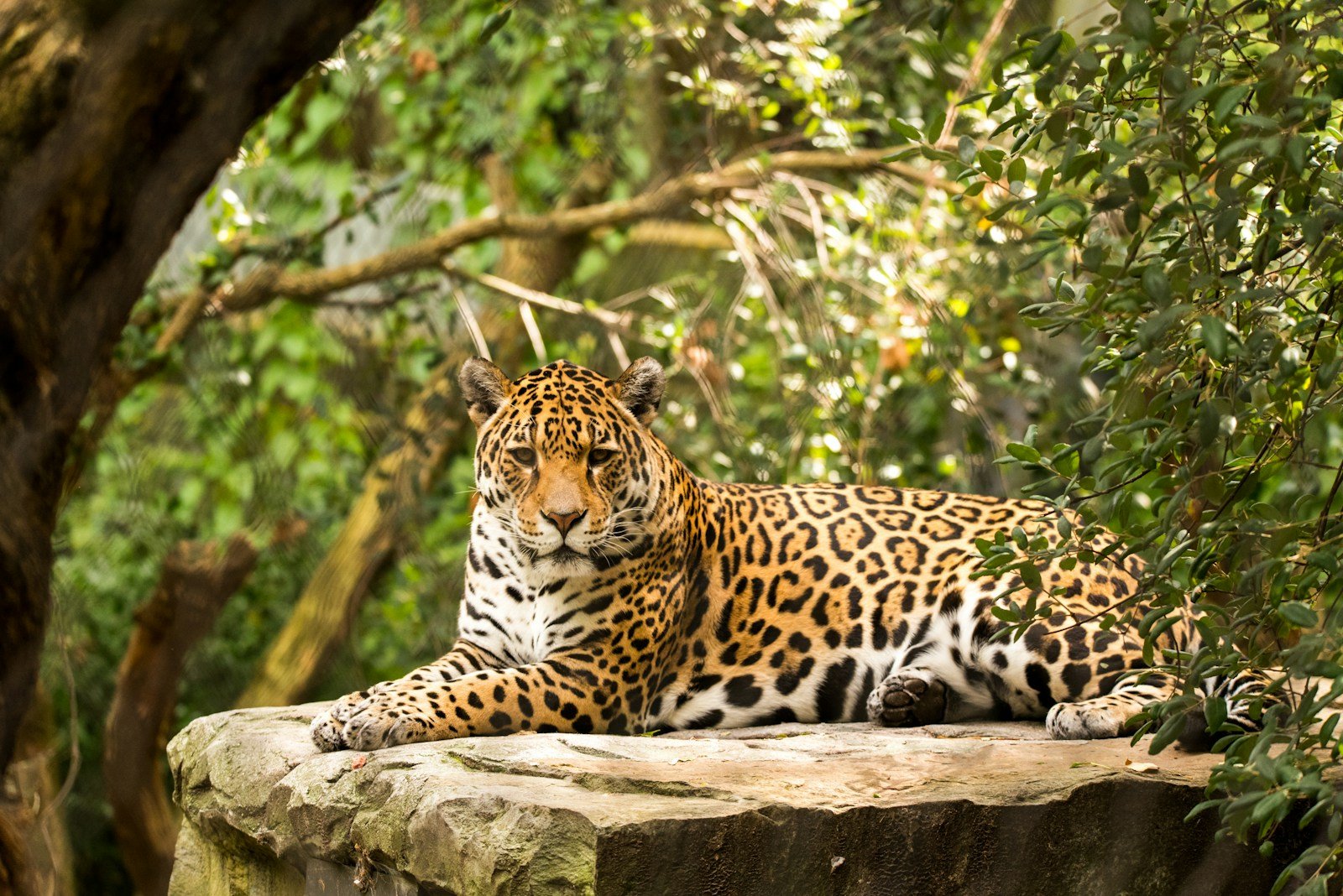
The jaguar is, in the main, a solitary hunter. That much hasn’t changed. What has changed is the confidence with which scientists once treated that label as the complete story. The evidence now points to a more textured picture: a deeply capable solo predator that, under the right conditions, can and does form social bonds.
If you take one thing from the science of jaguar behavior, let it be this: evolutionary pressures don’t produce pure types. They produce flexible strategies. The jaguar’s tendency toward solitude is real, but it’s a tendency, not a law. What the research in the Pantanal and the Venezuelan Llanos has shown is that even one of the most famously solitary animals on the planet retains the capacity for cooperation when circumstances make it worth the effort.
The deeper mystery isn’t whether jaguars hunt alone. It’s how much we still don’t know about them. Dense forest, vast ranges, and extraordinary elusiveness have kept many of their behaviors hidden from researchers for a very long time. The picture that’s emerging as tracking technology improves suggests the jaguar may keep surprising us for years to come.
Kristina is a young writer from India. An arts graduate and an avid content creator, Kristina is passionate about animals and wildlife. She enjoys exploring topics related to pet care, animal behavior, conservation, and nature, combining thorough research with engaging storytelling.