You’ve probably experienced it. You reach out to pet your cat, and suddenly you’re met with an irritated flick of the tail, or worse, a quick swat. You thought everything was going smoothly, but clearly, your feline friend had other ideas. Here’s the thing: cats are constantly talking to us, but most of us are missing the conversation entirely.
Despite all this, humans still routinely misunderstand cats. The problem isn’t that cats are bad communicators. It’s that we’re not fluent in their language. Let’s be real, we assume our cats think and feel like we do, and that’s where the trouble starts. So let’s dive into the most common mistakes that create these frustrating communication gaps.
You’re Petting the Wrong Places
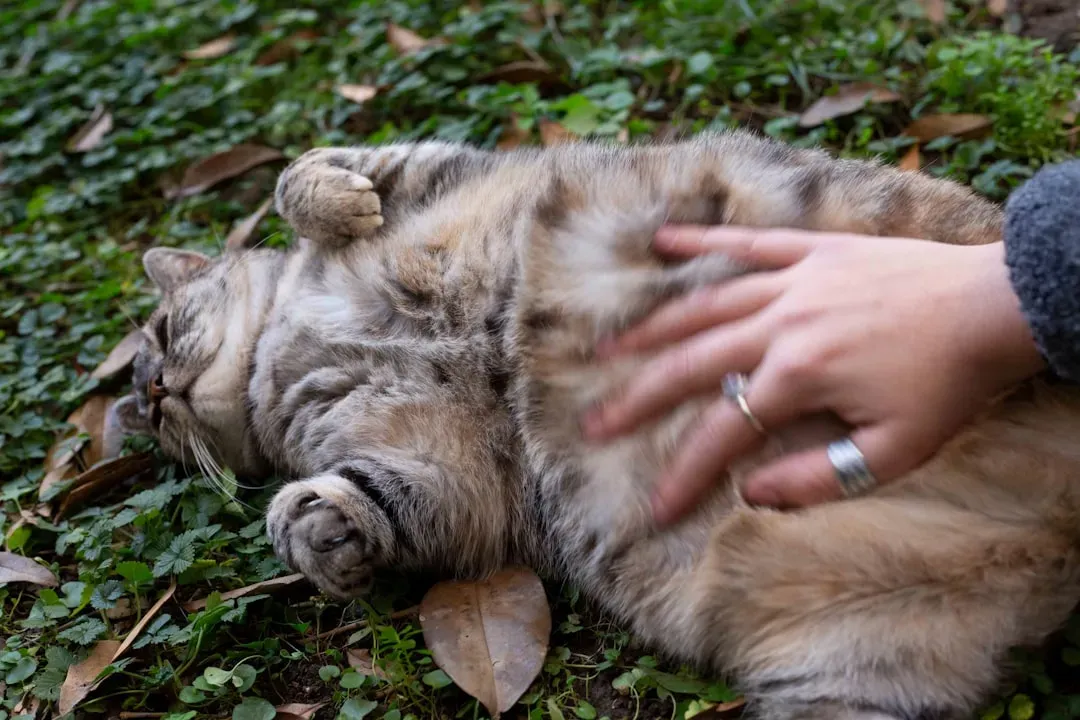
This mistake occurs because humans often assume that if a little petting is good, more extensive touching must be better. However, cats have very specific preferences about where they enjoy being touched, and these preferences are rooted in their natural social behavior and sensory systems. Think about it from your cat’s perspective for a moment. While you might love a good belly rub, your cat’s belly contains vital organs they instinctively protect.
In contrast, areas like the belly, legs, and tail are more vulnerable and sensitive. These regions are associated with defensive responses in cats’ natural behavior patterns. The belly, in particular, contains vital organs that cats instinctively protect, while the tail and legs are essential for escape and mobility. Most cats prefer being touched around their cheeks, chin, and forehead where they have scent glands. These areas feel safe and comfortable to them, unlike their undersides.
You’re Forcing Contact Instead of Waiting
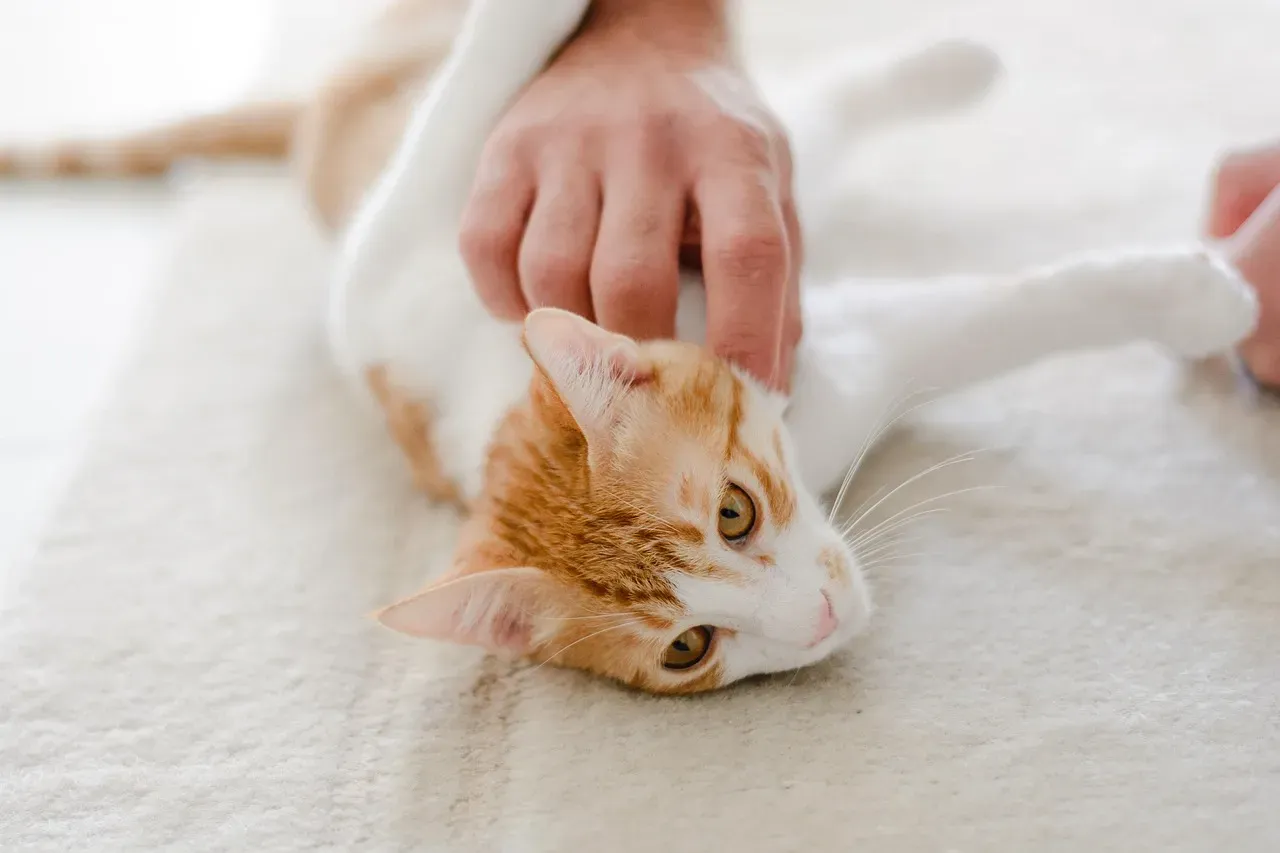
The second critical error involves forcing contact rather than allowing cats to initiate or control interactions. Many owners approach their cats and immediately begin petting or handling them without waiting for signs that the cat is receptive to contact. This approach violates cats’ fundamental need for personal space and control over social interactions. It sounds crazy, but your cat needs to feel like they’re in charge of the interaction.
Cats are naturally cautious animals that prefer to assess situations before engaging. When humans bypass this natural process and force interaction, it creates stress and can lead to avoidance behaviors or defensive responses from the cat. I know it’s tempting to scoop up your adorable kitty the moment you walk in the door. Still, patience is key here. Let your cat approach you first, and you’ll notice a dramatic difference in how they respond to your affection.
You’re Misreading Their Tail Signals
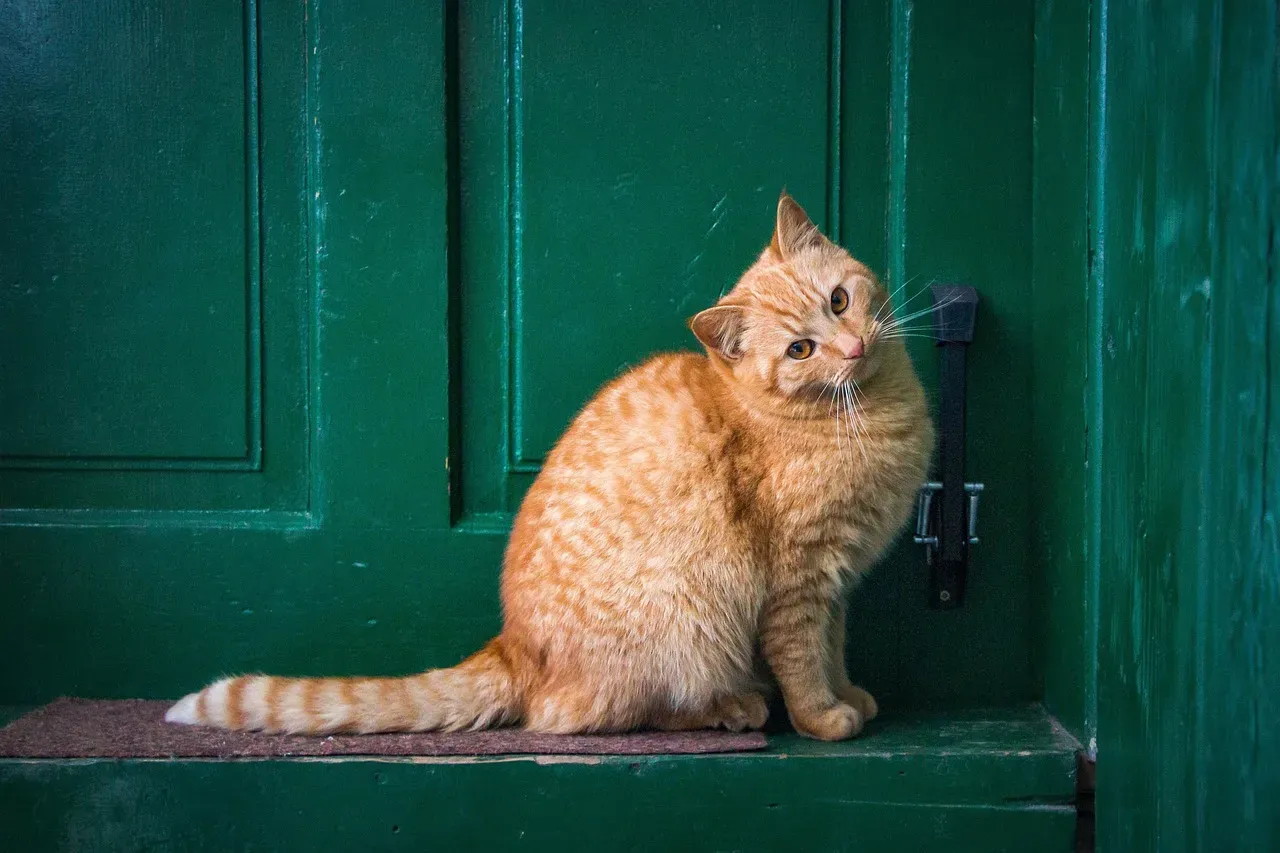
Your cat’s tail is like a mood barometer that broadcasts their emotional state. For instance, if your cat’s tail is twitching, it’s intensely curious or excited about something. A fluffed-out tail indicates fear or aggression, while an upright tail stands for simple contentment. The trouble is, many people think a moving tail means a happy cat, just like with dogs. That’s completely wrong.
A tail thrashing or flicking back and forth could signal anger. When you see that rapid tail flick during a petting session, it’s your cat’s way of saying they’ve had enough. Ignoring this warning often leads to scratches or bites. Pay close attention to tail position and movement, and you’ll avoid a lot of misunderstandings and potential injuries.
You’re Only Listening to Meows
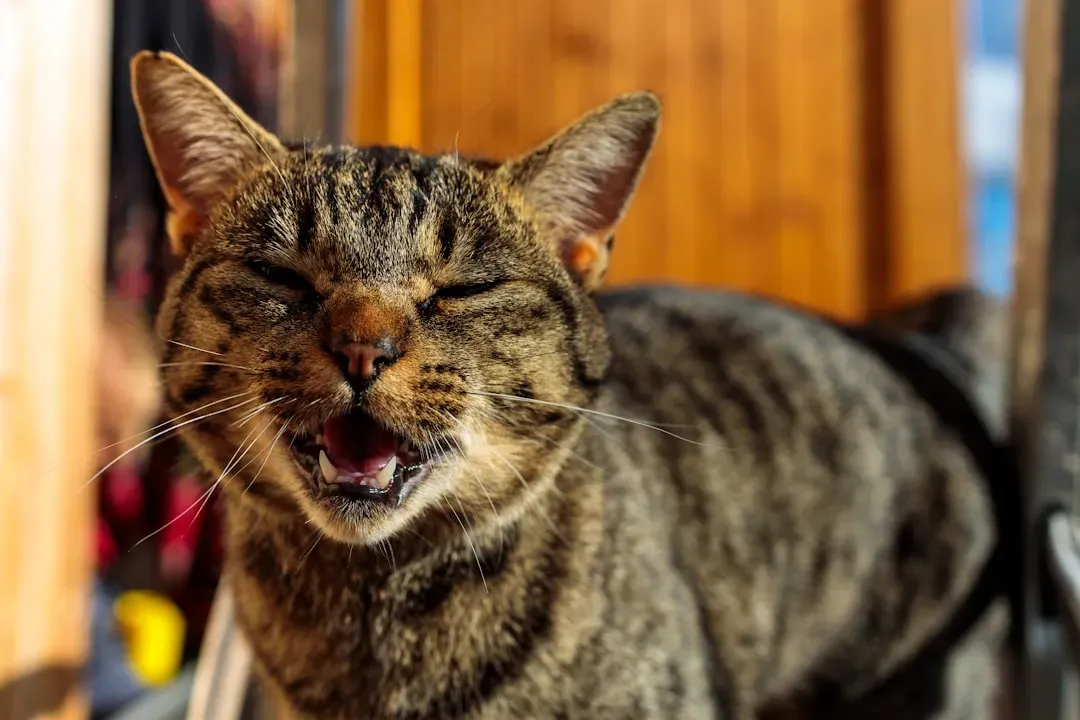
Bimodal signals emitted by cats are the best interpreted by humans, unimodal vocal signals the least understood. Here’s what that means: cats communicate through multiple channels simultaneously, not just their voice. Cats interacted significantly faster in response to visual and bimodal communication compared to vocal communication. Taken together, our results suggest that cats display a marked preference for both visual and bimodal cues addressed by non-familiar humans compared to vocal cues only.
If you’re only paying attention to what your cat is saying vocally, you’re missing roughly half the conversation. Cats use their ears, eyes, whiskers, body posture, and tail position together to communicate complex emotions. That slow blink combined with a relaxed posture? Slow blinking: A sign of trust and affection – your feline pal’s way of saying, I feel safe with you. You need to read the whole picture, not just listen for meows.
You’re Ignoring Their “Airplane Ears”

Your cat’s ears are among the most expressive parts of their body. Ears flattened sideways (airplane ears): Nervous or uncertain. Ears pinned back: Defensive, angry, or fearful. When your cat’s ears rotate to the side or flatten against their head, they’re sending you a clear message that something’s wrong. Maybe they’re stressed, maybe they’re scared, or maybe they’re about to lash out.
Subtle changes matter. A quick twitch or turn can signal shifting emotions in seconds. It’s hard to say for sure, but I think we often miss these rapid changes because we’re not watching closely enough. Ears forward and relaxed mean your cat is comfortable and curious. Ears back mean back off. Learning this distinction can prevent countless stressful encounters for both of you.
You’re Using the Wrong Tone of Voice
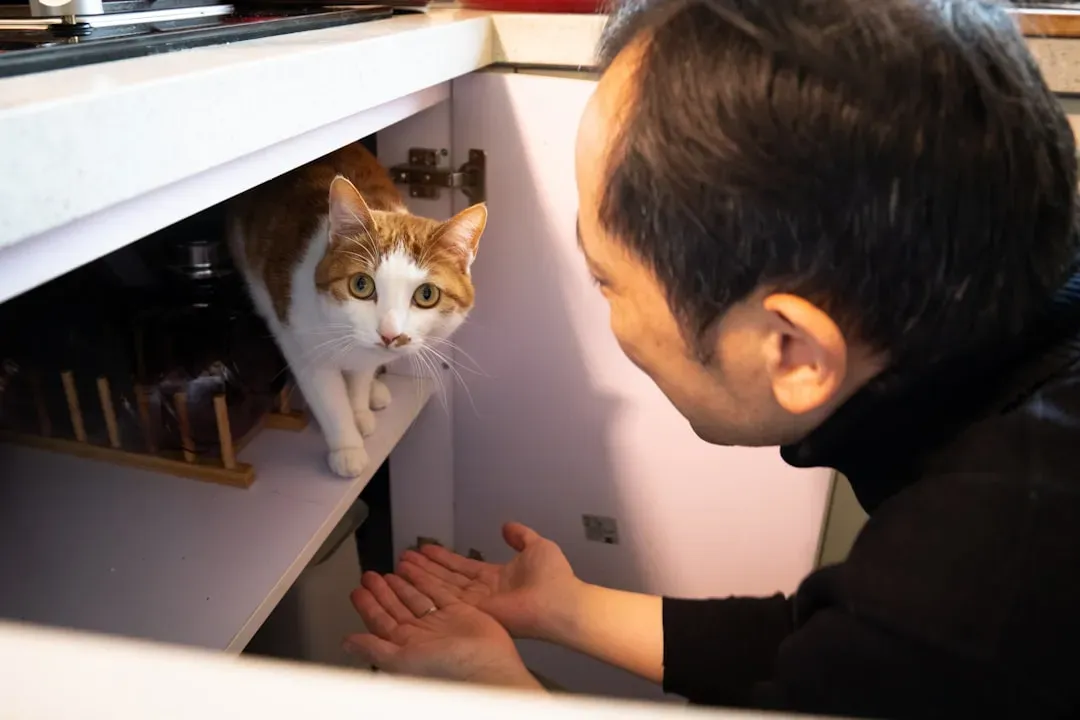
However, they appear to react more to how humans say things than what is actually said. Be careful about your tone of voice when you speak to your feline friend. A harsh, low-pitched tone will convey anger or displeasure, while a high-pitched, soft, friendly tone will express love, affection, and approval. This is something people often get backwards with cats.
They suggest that because male caregivers tend to talk less to their cats and are generally less attentive, the cats adjust their communication to get their attention. Recent research from 2025 shows that cats actually adapt their communication style based on how we interact with them. If you’re speaking in a monotone or harsh voice, your cat picks up on that negative energy immediately. Try using a softer, higher-pitched voice when you want to communicate affection, and you’ll likely see your cat respond more positively to you.
You’re Overlooking Stress Signals
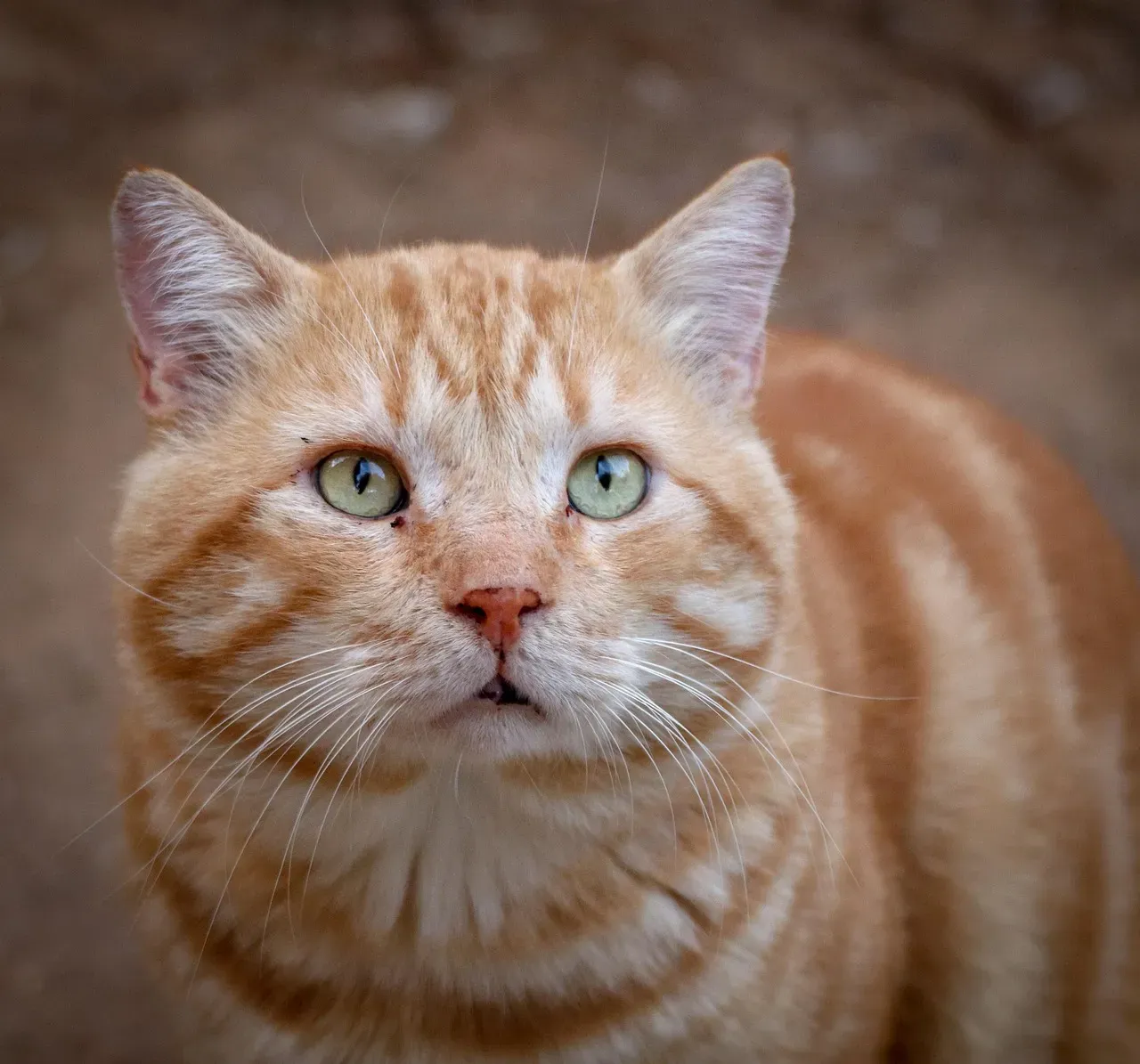
A cat who’s mildly stressed or trying to avoid something unpleasant might blink rapidly, turn their ears outward or back, and/or turn their head away. The cat’s pupils also might be dilated, and their whiskers might be held farther forward than normal. These are ways to keep tabs on the environment. Stress in cats doesn’t always look dramatic. Sometimes it’s subtle, and that’s exactly why we miss it.
You also might notice them yawn, groom, scratch, lick their lips, or drink water excessively. When maintenance behaviors like grooming are done out of context or to excess during stressful events or circumstances, they’re called displacement behaviors. Your cat might be grooming themselves constantly, or suddenly start drinking more water. These aren’t random behaviors. They’re coping mechanisms that signal your cat is uncomfortable or anxious about something in their environment. When you recognize these signs early, you can address the stressor before your cat develops more serious behavioral problems.
You’re Not Respecting the “Venus Cat Trap”
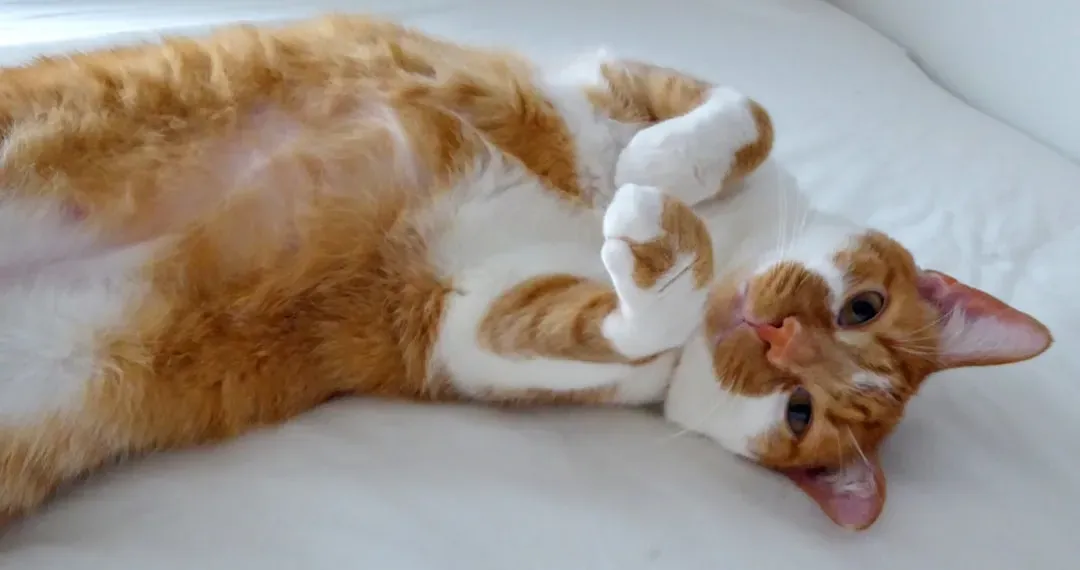
Many people, after they learn that a cat exposing itself feels comfortable, may see a cat with its belly up and think that it’s safe to rub or pet the cat’s belly. The exposed belly is a sign of comfort and trust, but it is not necessarily an invitation for a belly rub. Many people have touched a cat’s stomach only to have its owner instantly seize-up, latching onto their hand with claws and teeth. This is one of the most classic mistakes people make with cats. A belly-up cat is showing you they trust you enough to be vulnerable. That doesn’t mean they want you to touch that vulnerable area. Cats may flop over on their side or put their belly up in a relaxed position. Careful – this doesn’t mean an invitation for belly rubs! When you see that fluffy tummy, resist the urge. Your cat is simply telling you they feel safe, not asking for a massage.
Conclusion
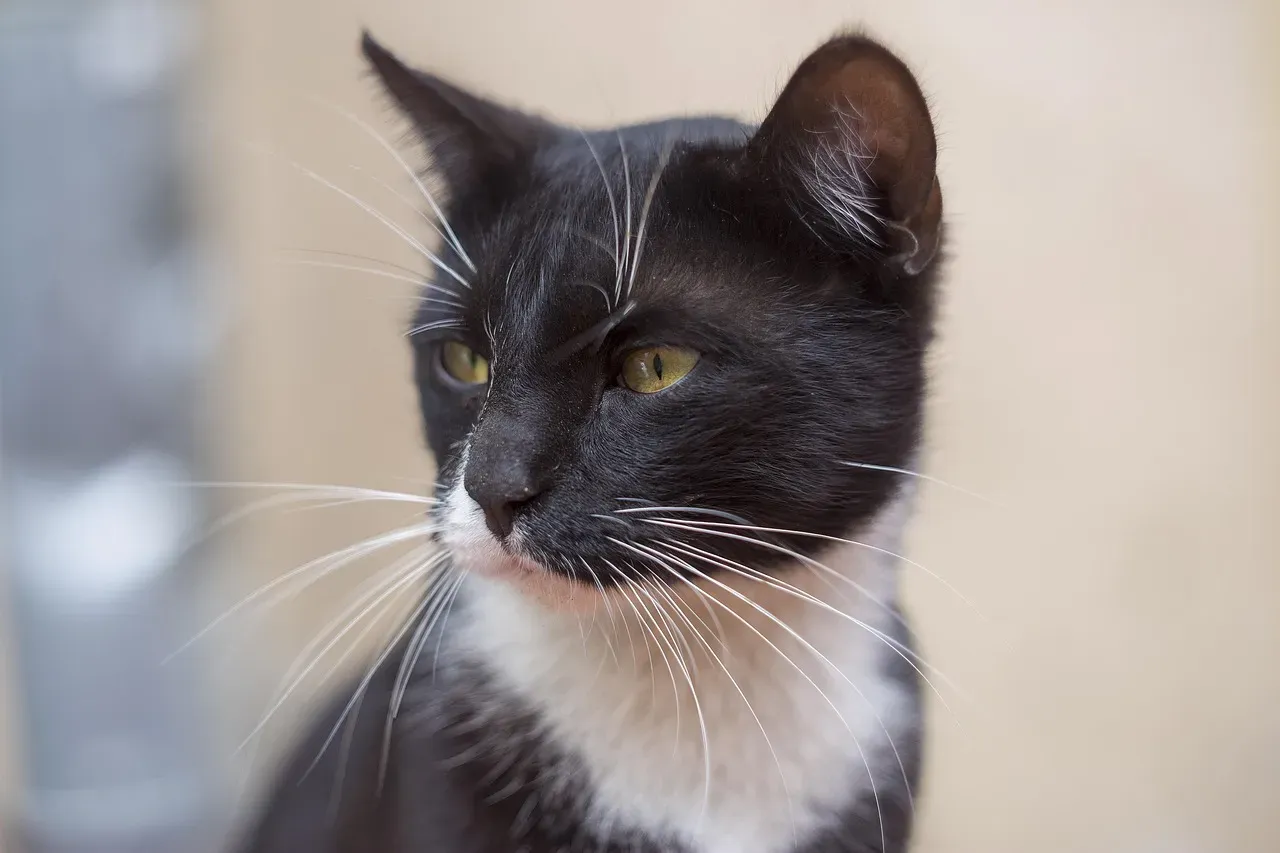
Misinterpretation of cat communications during play can lead to unwanted interactions that prolong stress for cats and increase the risk of human injury. Learning to speak your cat’s language isn’t just about avoiding scratches and bites. It’s about building a deeper, more trusting relationship with your feline companion. The good news? Once you start paying attention to these subtle cues, you’ll be amazed at how much your cat has been trying to tell you all along. By learning to recognize cats’ preferred touch zones, respecting their need for personal space, and reading their comfort signals, owners can transform their interactions from potentially stressful encounters into positive bonding experiences. Remember that successful cat ownership involves understanding that cats have their own preferences and personalities that deserve respect, rather than trying to impose human social preferences on them. So what do you think? Have you been making any of these mistakes with your own cat? The beauty of understanding cat communication is that it’s never too late to start fresh and build better habits. Your cat will thank you for it.