You’ve probably noticed your cat makes all sorts of strange sounds throughout the day. Sometimes it’s a gentle purr while curled up in your lap, other times it’s an urgent meow near the food bowl, and occasionally there’s that bizarre chattering noise when watching birds through the window. Each sound tells a different story about what’s going on inside your cat’s head.
Here’s the thing: cats are chatty creatures when they want to be, and they’re talking to you way more than you might realize. Understanding what all those trills, chirps, growls, and yowls actually mean can transform your relationship with your feline friend. So let’s dive into the fascinating world of cat communication and decode what your furry companion is really trying to tell you.
The Classic Meow: Your Cat’s Special Language Just for You
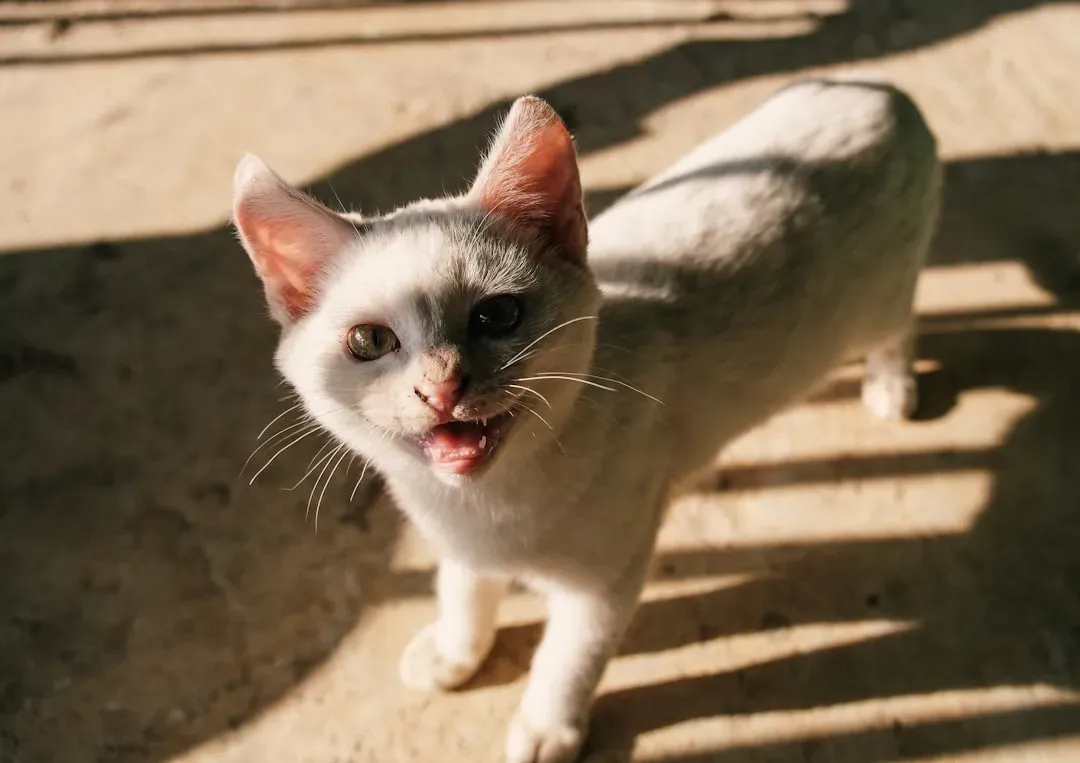
Adult cats don’t actually meow at each other, just at people. Kittens meow to let their mother know they’re cold or hungry, but once they get a bit older, cats no longer meow to other cats. Think about that for a second. Your cat developed this entire vocal strategy specifically to communicate with you. Your cat may use meow as a greeting, a command, an objection or an announcement.
Sometimes a cat meow can indicate anxiety, boredom, frustration, or even illness, particularly if it’s lower-pitched and more drawn out compared to the short, high-pitched meow that often signifies a greeting or a want. Pay close attention to the pitch and duration. A quick, bright meow when you walk through the door is totally different from those long, drawn-out complaints you hear at three in the morning. Your cat has probably figured out which sounds get your attention fastest.
Purring: Not Always What You Think It Means
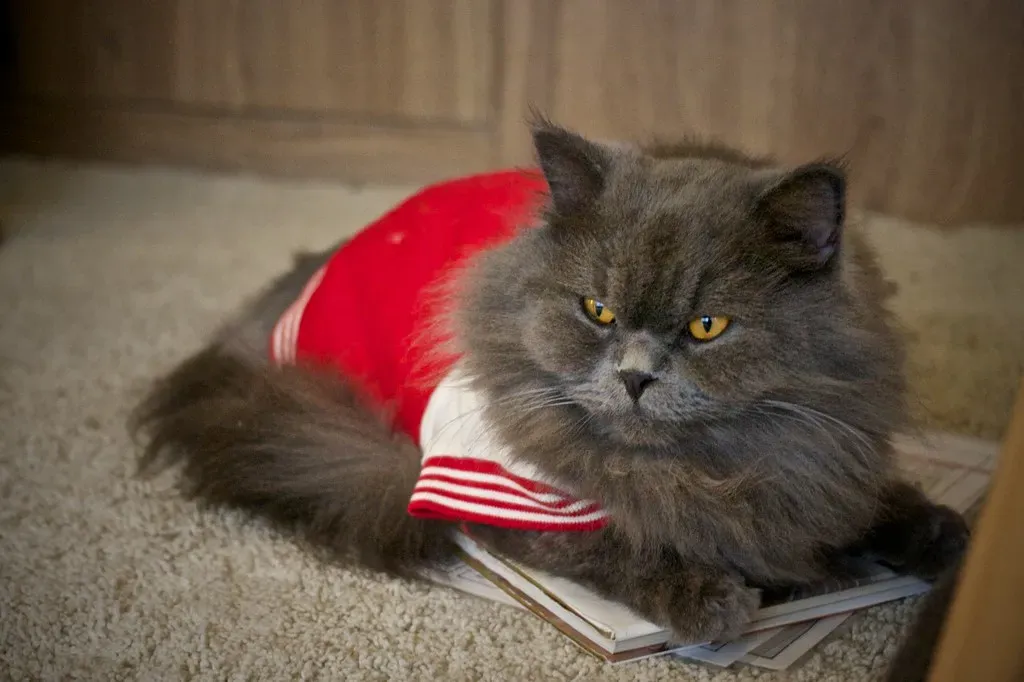
Most people assume purring equals happiness, right? Well, you’re mostly correct, but there’s more to the story. Purrs can also mean that a cat is scared, sick, or in pain. It sounds counterintuitive, honestly, but cats sometimes purr to comfort themselves during stressful situations, kind of like how a nervous person might hum or whistle.
Like all feline communication, purring must be evaluated in context with the cat’s body language. If the cat’s ears are back, their pupils are dilated, they’re tense or hunched up, or they’re acting differently than normal, then purring may indicate that the cat is uncomfortable or unhappy. The context matters enormously. A cat purring while kneading your lap versus one purring while hiding under the bed are sending completely different messages. A cat’s purr has a frequency of roughly 25–30 Hz, and it’s thought that sounds in this range have healing properties. Cats purr when they’re happy, but they also purr as a comforting mechanism or when they’re stressed or in pain.
Trilling and Chirping: The Friendliest Sounds in Their Repertoire
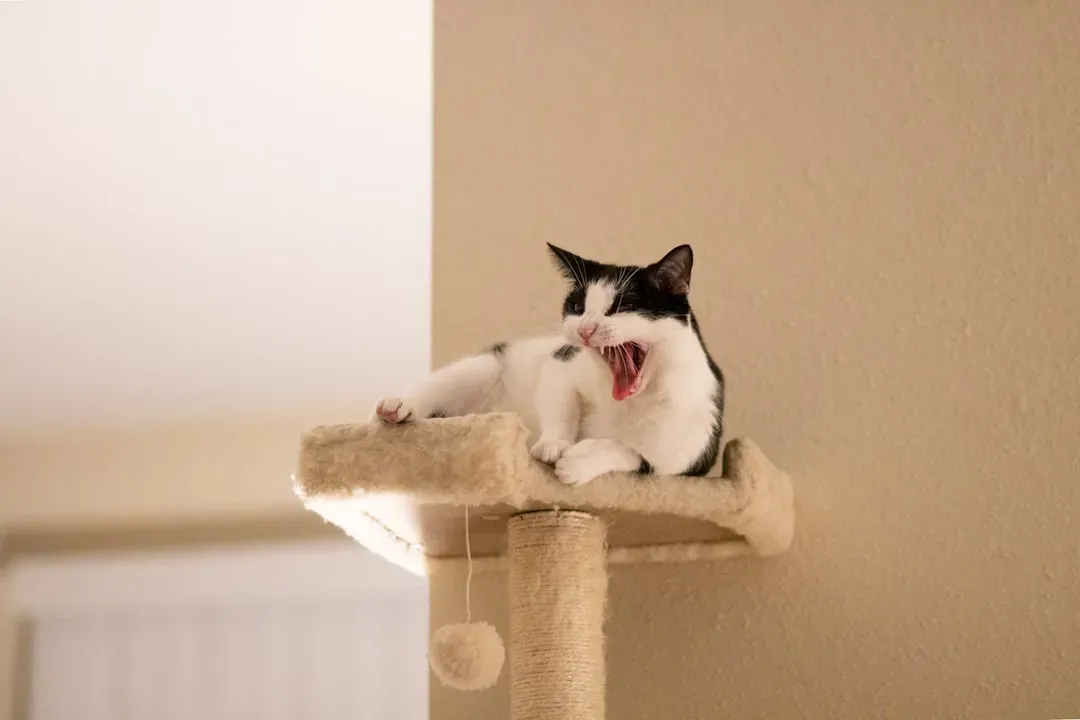
A trill is produced with a soft voice and sounds like a purr but with a higher pitch. It’s one of those adorable sounds that makes you instantly feel special. Cats trill when they see or approach a familiar and well-liked person, cat, or other animal. Studies show it is specifically associated with positive and familiar situations.
The chirr or chirrup sounds like a meow rolled on the tongue. It is commonly used by mother cats to call their kittens inside the nest. When your cat trills at you and walks away looking back repeatedly, they’re basically saying “follow me!” Usually to their food bowl, let’s be real. One of the most common reasons a cat chirps is when they see potential prey they cannot access, such as while watching squirrels or birds outside the window. In this context, a chirp can indicate excitement – mixed with a little frustration. It’s honestly pretty entertaining to watch.
Chattering: That Weird Jaw-Clicking Thing
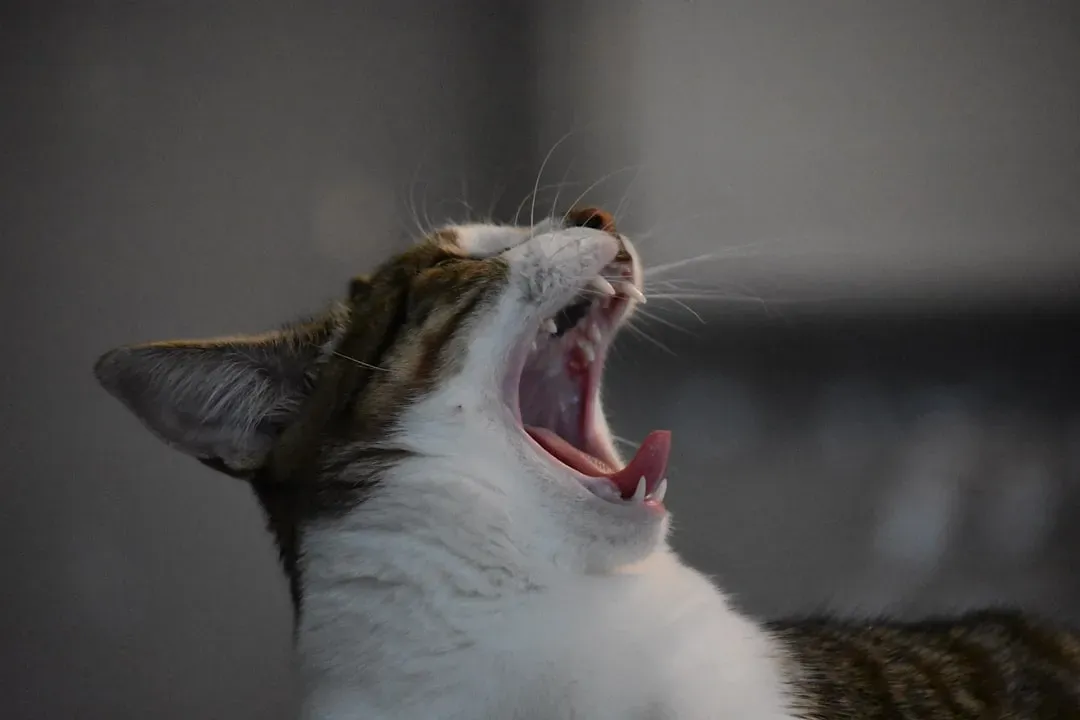
You know that strange clicking or chattering sound your cat makes while staring intensely at birds outside? Chattering, also called twittering, is a low smacking sound produced by a rhythmic clashing of the jaws. It is usually voiceless. Along with chirping, chattering may occur when a cat spots prey that’s out of their reach.
Chattering, chittering or twittering are the noises your cat makes when they’re sitting in the window watching birds or squirrels. It usually translates to excitement … or they may be contemplating snack time. The exact reason cats do this remains a bit mysterious, though theories suggest it might be practice for the killing bite or simply frustration at not being able to reach their target. Either way, it’s a sign your cat’s predatory instincts are fully engaged.
Growling: A Serious Warning You Shouldn’t Ignore
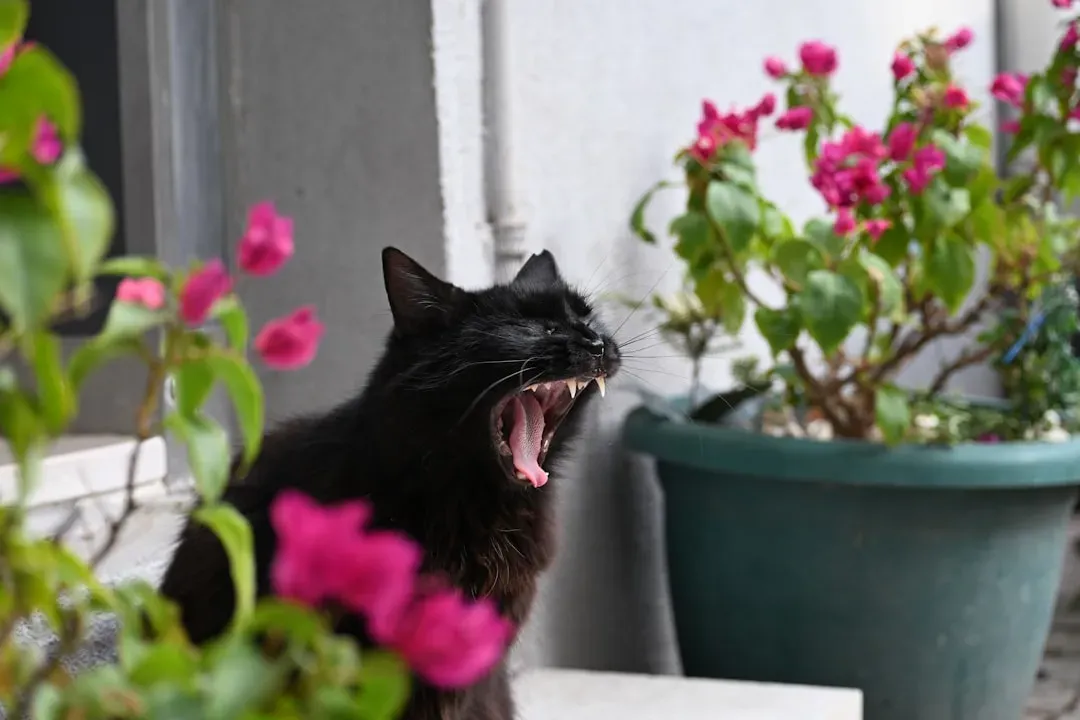
A growl is a low, rumbling sound used to warn or scare off a threat. Growling is an indication that a cat feels threatened, frightened, or is about to become aggressive. When you hear this sound, it’s time to back off immediately. Growling is not usually a sign of aggression for cats. They are usually just terrified or anxious. Cats who growl are often warning people to stop whatever they are doing, whether it’s petting them in an uncomfortable manner, trying to pull them out of a hiding space, or playing with them when they want to be left alone.
Here’s the thing: your cat is communicating boundaries loud and clear. Acute or chronic pain can cause a feline to growl or hiss on approach. Medical conditions like osteoarthritis, dental disease, trauma, infections, and thyroid dysfunction may cause a cat to growl. If your normally sweet cat suddenly starts growling without obvious provocation, a vet visit is definitely in order. Don’t ignore sudden behavioral changes.
Hissing and Spitting: The Ultimate Keep-Away Signal
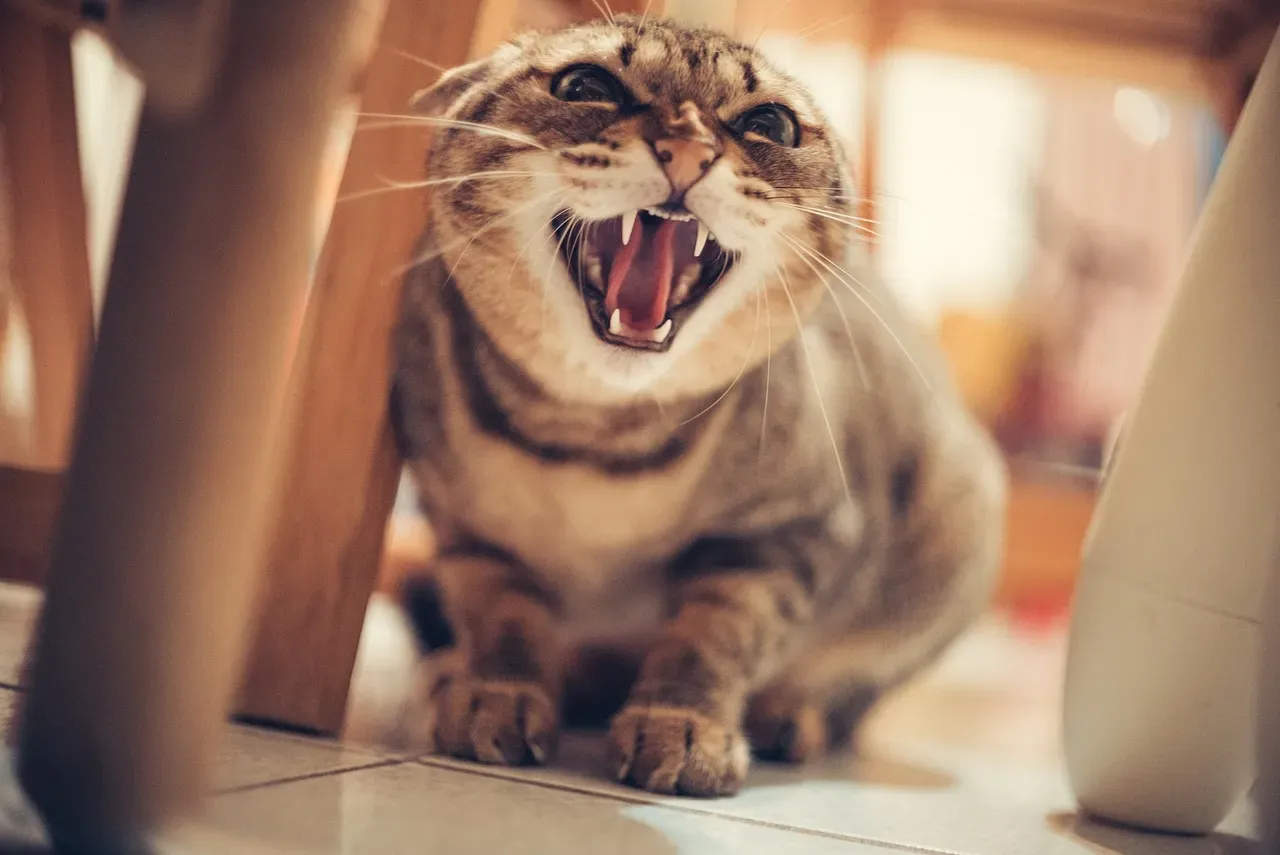
A hiss is a low, drawn-out sound produced by rapid exhalation of air from the mouth. It’s often an involuntary reaction that occurs when a cat is surprised by a perceived threat or enemy. Think of it as your cat’s version of putting up both hands and yelling “back off!” Cat hissing is more defensive than offensive, whether it’s directed at other animals or at humans. When your cat hisses, they are saying they need space from whatever they’re directing the hiss at.
A spit is a sudden, short, explosive burst of noise, often accompanied by a quick, lashing-out movement. The spit is basically a more intense variation of a hiss and, like hissing, it’s an involuntary reaction in response to a perceived threat or enemy. When you see this behavior, respect it. Your cat is genuinely uncomfortable or scared. Cats tend to hiss and growl to show you that they are unhappy, worried, angry, or feel threatened. Sometimes hissing or growing is a reaction to pain.
Yowling and Howling: Signs of Distress or Something More
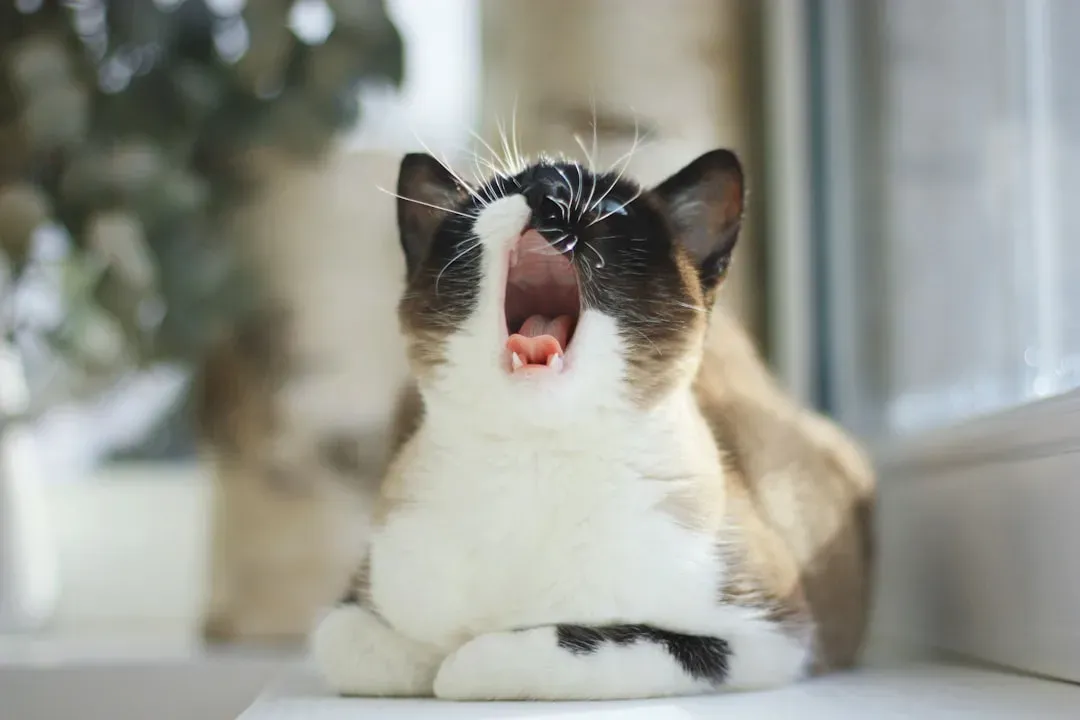
Often described as a louder, longer meow, a yowl is a drawn-out sound cats can make. Yowling and howling are signs that a cat is in distress. This may be physical distress from pain or illness, or emotional distress from worry, frustration, boredom, or confinement. These sounds can be pretty unsettling to hear, especially in the middle of the night.
A yowl or howl tells you your cat is in some kind of distress – stuck in a closet, looking for you or in pain. However, in unaltered cats, these sounds are part of mating behavior. If you have an intact cat, those loud nighttime concerts are probably related to reproductive urges. Elderly cats may yowl if they suffer cognitive dysfunction syndrome, or dementia. Age-related confusion can cause increased vocalization that sounds distressing.
The Silent Meow: When Your Cat Opens Its Mouth But Nothing Comes Out
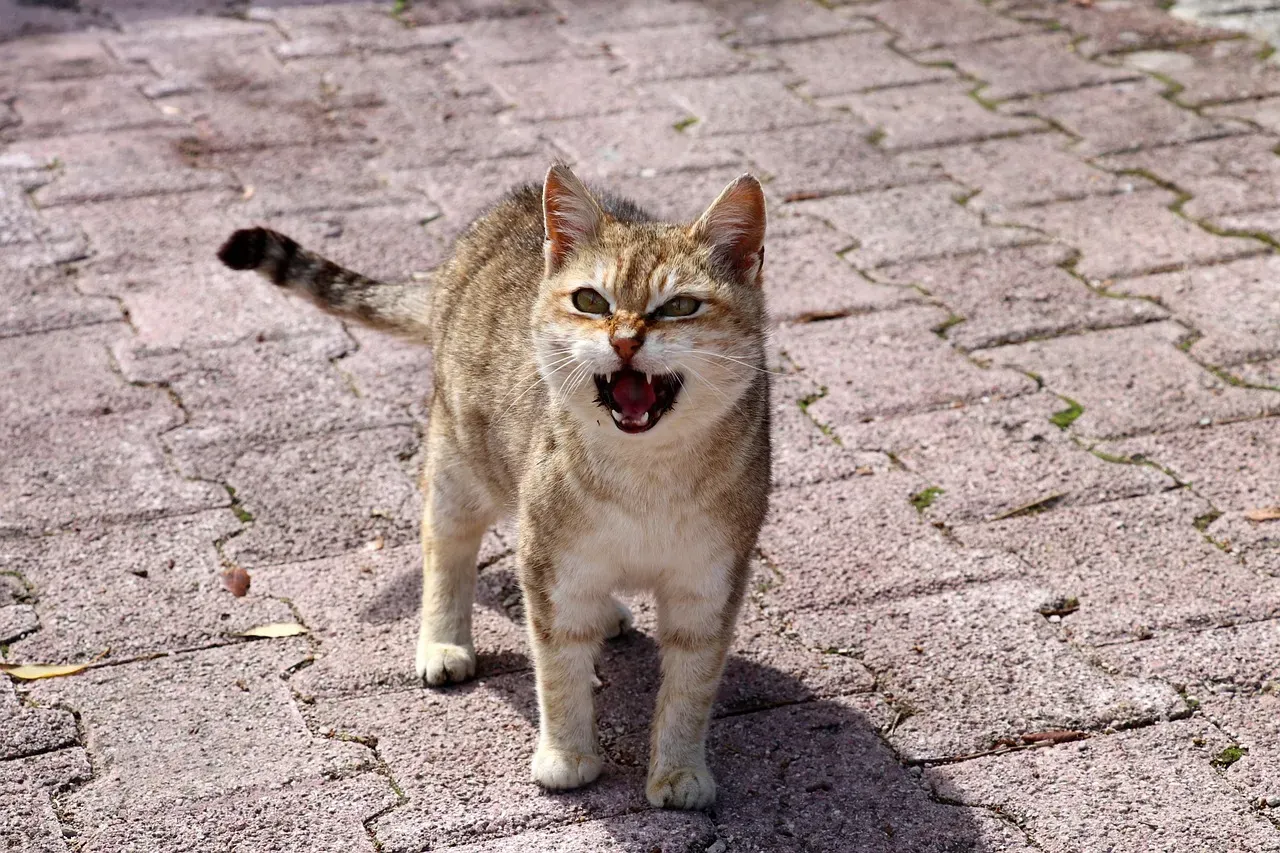
Sometimes your cat will look directly at you, open their mouth as if to meow, but no sound emerges. It’s oddly endearing. This silent meow is still a form of communication, often used by cats who have learned that humans respond to visual cues just as much as auditory ones.
Some experts believe the silent meow is a particularly polite or gentle request, while others think it might be a meow pitched so high that human ears can’t detect it. Regardless, when your cat gives you the silent treatment like this, they’re usually asking for something specific, whether that’s food, attention, or access to a closed door. It’s hard to say no to that face.
Excessive Vocalization: When to Worry
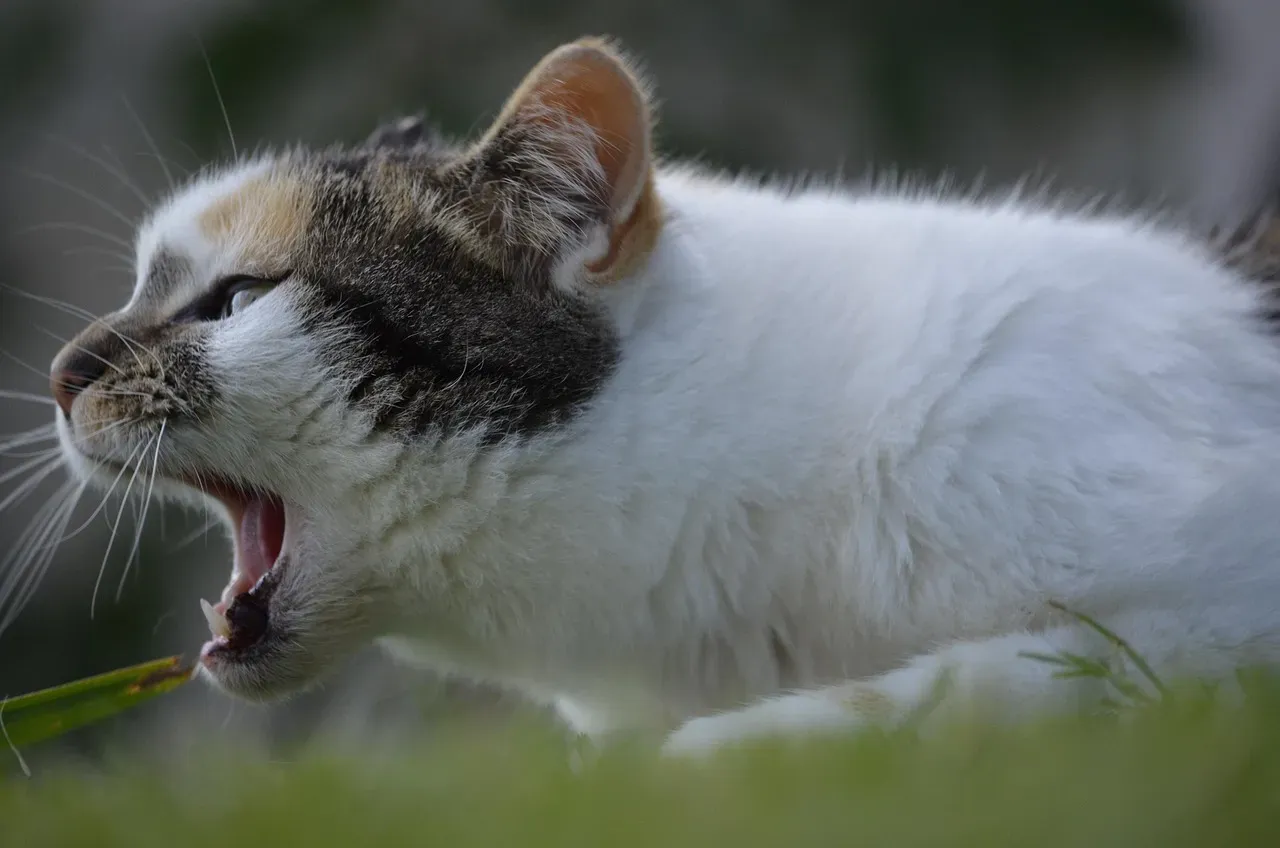
Cats can express around 100 different phonations as compared to dogs who can only communicate about 10 sounds. With such a vast vocal range, some chattiness is totally normal. However, sudden increases in vocalization deserve attention. Cats can also become increasingly vocal as they age. Two possible reasons for this are age-related dementia and deteriorating eyesight. A cat who feels anxious or confused may meow to seek reassurance.
Numerous diseases can cause cats to feel unusually hungry, thirsty, restless or irritable – any of which is likely to prompt meowing. As cats age, they’re prone to developing an overactive thyroid and kidney disease, and either one may result in excessive meowing. If your previously quiet cat suddenly won’t stop talking, or your chatty cat goes silent, schedule a vet appointment. Changes in vocalization patterns can signal underlying health issues that need addressing.
Breed Differences: Some Cats Are Just Talkers
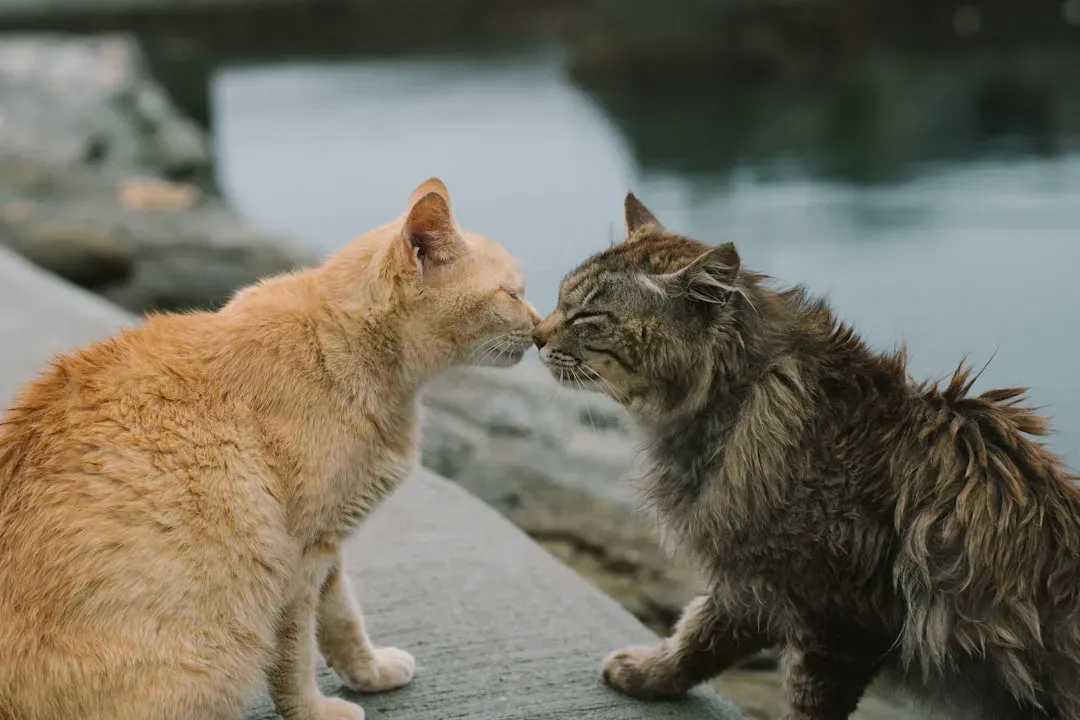
Not all cats are equally vocal, and genetics play a significant role. Siamese and Bengal cats are famous talkers. They have lots to say. It’s harder to train natural vocalizers to be quiet, and it can actually stress them if they’re not allowed to express themselves. If you live with one of these chatty breeds, constant conversation is just part of the package.
Maine Coons tend to be much quieter than talkative Siamese cats. Some breeds naturally communicate more through body language than vocalizations. When choosing a cat, consider whether you want a quiet companion or one who’ll narrate their entire day for you. There’s no right answer, just personal preference about how much feline commentary you want in your life.
Conclusion: Learning to Speak Cat
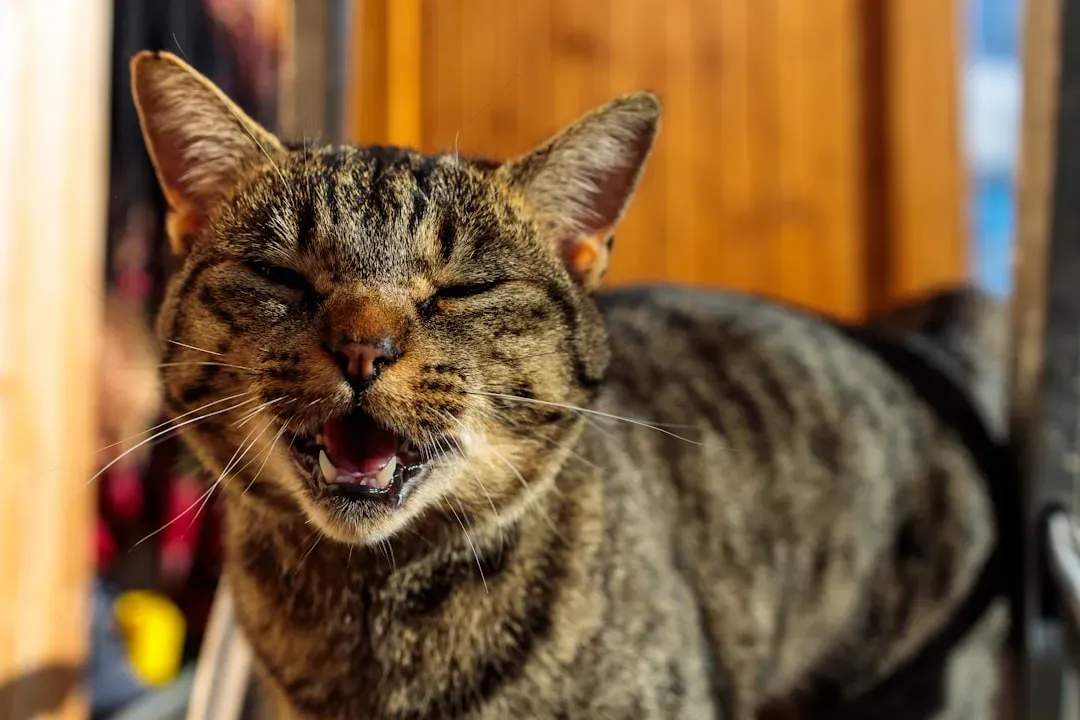
Vocalization are a good tool to express the internal state and emotions. Your cat’s sounds form a complex language designed specifically to communicate with you. From the friendly trill when you come home to the warning growl when they’ve had enough petting, each vocalization provides valuable insight into their emotional state.
The key is paying attention to context alongside the sound itself. A purr combined with relaxed body language means something entirely different from a purr with flattened ears and tense muscles. The more time you spend observing and listening to your cat, the better you’ll become at understanding their unique dialect.
What do you think about your cat’s vocalizations now? Have you noticed patterns you didn’t recognize before? The conversation between you and your feline companion is richer and more nuanced than most people realize.