You’re munching on a handful of fresh blueberries when your cat suddenly appears, batting at your hand with those irresistible, pleading eyes. Should you share? It’s a question that crosses the mind of many cat parents who want to treat their feline companions to something beyond the usual kibble. Blueberries are touted as a superfood for humans, packed with all sorts of nutritional goodness. Yet when it comes to your furry little carnivore with a diva personality, the rules change completely.
Let’s be real, your cat doesn’t care about antioxidants or fiber content. That curious paw swipe is more about investigating your snack than craving health benefits. Still, as responsible pet parents, we need to know what’s actually safe before we hand over treats. This guide will walk you through everything you need to understand about cats and blueberries, from the science behind their safety to the reality of whether your finicky feline will even touch one.
The Short Answer: Yes, With Conditions
Cats can indeed have blueberries, though certain caveats apply. Here’s the thing: blueberries aren’t toxic to your cat. From a toxicological perspective, blueberries pose no known danger to cats and aren’t on any veterinary poison control lists.
That said, just because something won’t poison your cat doesn’t automatically make it a dietary staple. Cats are obligate carnivores, meaning their bodies are designed to thrive on animal-based proteins and fats. Think of blueberries as that occasional weird snack you indulge in, not your main course.
Understanding Your Cat’s Carnivore Nature
Your cat’s ancestors didn’t roam the savanna hunting for berry bushes. Cats are obligate carnivores and do not digest fruits well, meaning their systems can be easily overwhelmed. This is important because it shapes how we think about any non-meat food.
Curiously, as meat-eaters, cats cannot taste sweets, lacking a specific gene that allows them to identify whether something is sweet or not. So if your cat shows interest in your blueberries, it’s probably the texture, moisture, or sheer curiosity driving them, not the taste. Some cats are just nosy about whatever their humans are eating.
Nutritional Benefits: Minor but Present
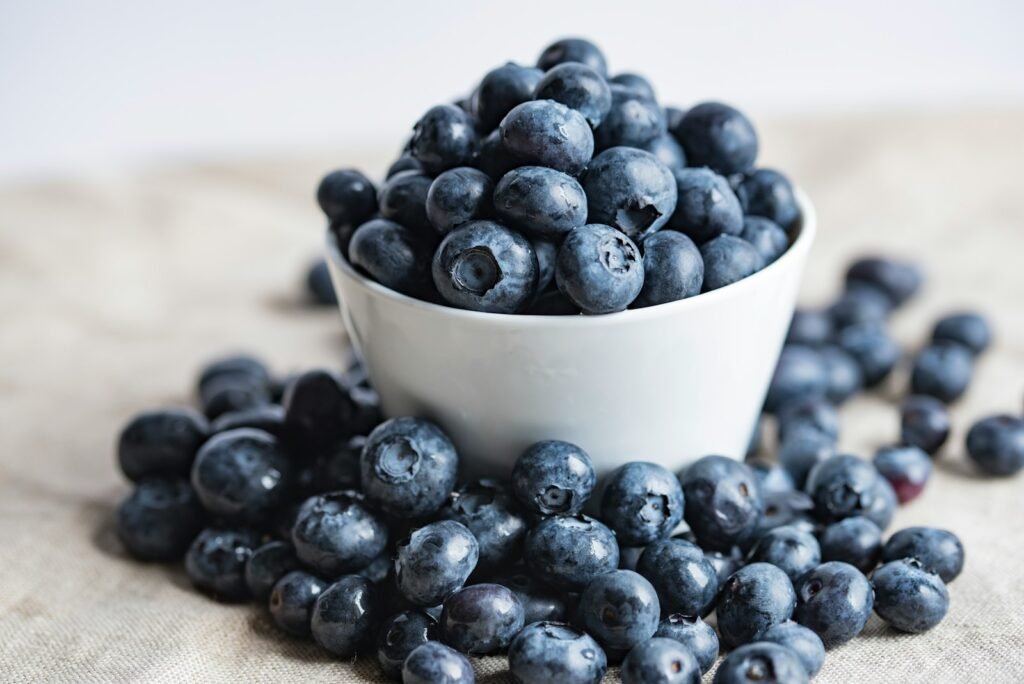
Blueberries do pack some nutritional punch, even for cats. They contain fiber, vitamins and minerals, like vitamin C, vitamin K, manganese and potassium, plus antioxidants. These antioxidants might even offer some health perks. Antioxidants in blueberries may promote health effects for cats such as helping neutralize free radicals, boosting immune health and joint health.
There’s also the hydration factor. Blueberries are approximately 85 percent water, which can help keep your pet hydrated. Though honestly, this shouldn’t replace actual water. Your cat still needs a proper water bowl, not a fruit bowl. The benefits are modest at best since cats need such small portions.
Potential Risks You Should Know
Now for the less fun part. Too many blueberries would give anybody diarrhea, including feline friends, and if cats overindulge or if their bodies don’t handle carbohydrates well, they might experience stomach upset and gastrointestinal issues. Nobody wants to deal with that mess, trust me.
Blueberries have relatively high sugar content, and while cats lack sweet taste receptors, the sugar can cause spikes in blood sugars, presenting a real problem for cats with diabetes. If your cat has diabetes, inflammatory bowel disease, or pancreatitis, skip the blueberries entirely. Whole blueberries may also be difficult for small cats or kittens to chew and can become lodged in the windpipe or esophagus if they try to swallow them. Choking hazards are no joke.
How Many Blueberries Are Safe?
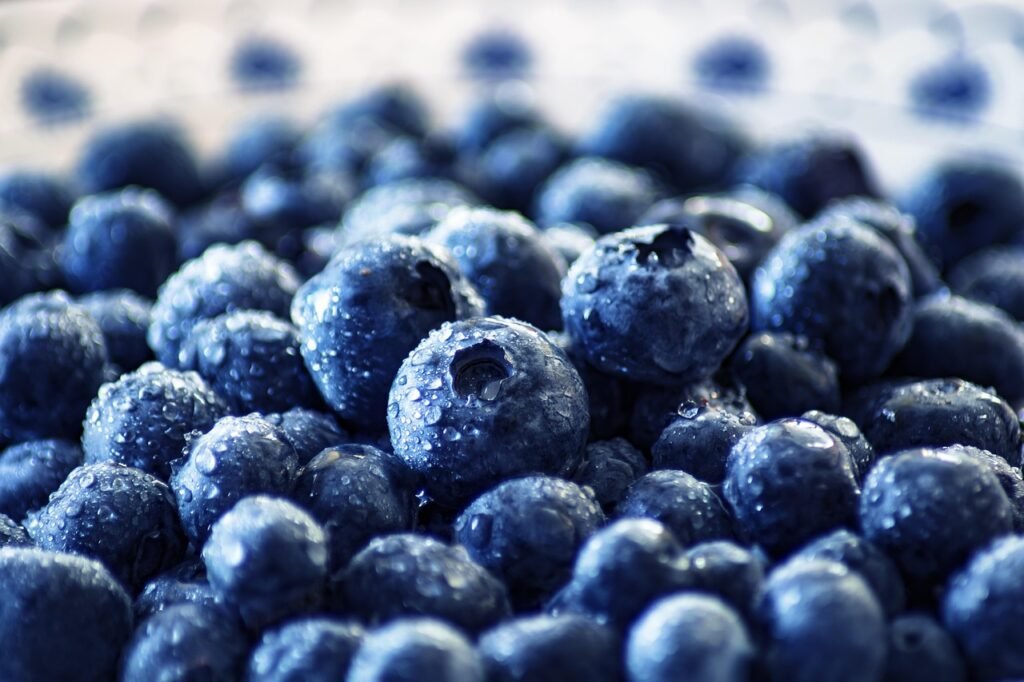
Moderation is the golden rule here. To be safe, only feed your cat up to three blueberries at once, no more than a few times a week. Some experts suggest even less. One to two fresh berries once or twice a week is more than enough for most adult cats.
The number of berries your cat eats in a day should depend on factors like their weight, other treats they are fed, and their overall health. Remember, treats shouldn’t make up more than roughly ten percent of your cat’s daily caloric intake. The vast majority of their nutrition should come from proper cat food formulated by professionals who actually understand feline dietary needs.
Proper Preparation Is Essential
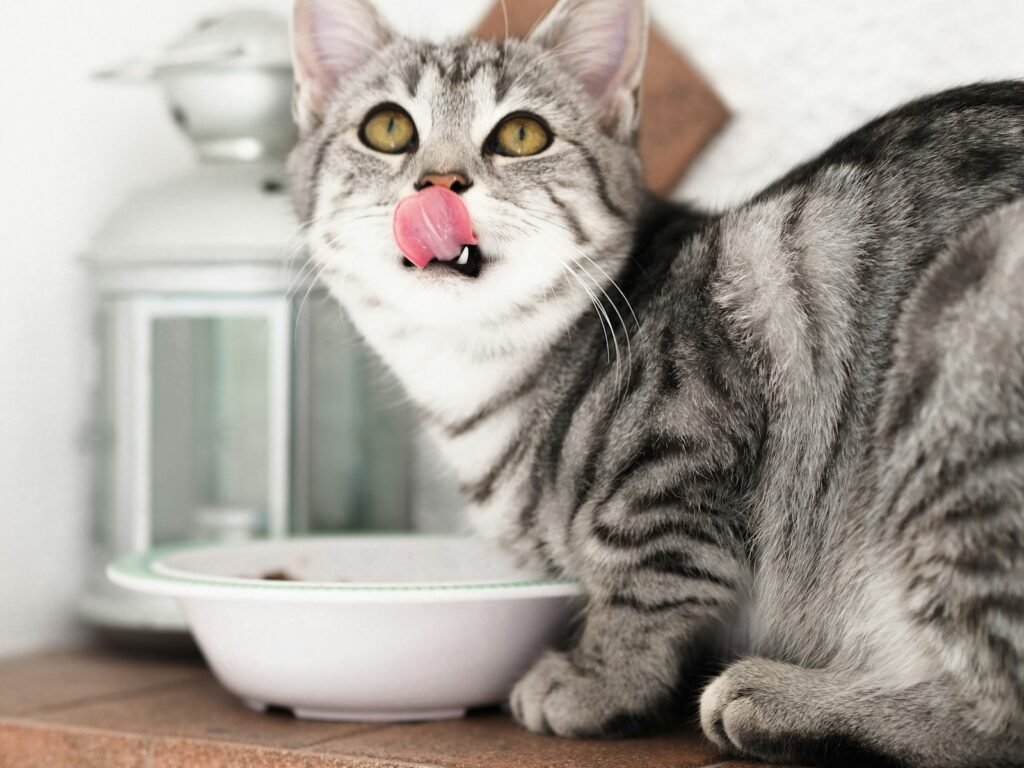
If you decide to offer blueberries to your cat, prep work matters. Wash the blueberries thoroughly to remove dirt and any pesticide or other chemical residues. Organic varieties are ideal since they typically have fewer chemicals.
Cut or mash the blueberry, as a whole blueberry can be a choking risk for smaller cats. This is especially crucial if you have a cat who tends to gulp food without chewing. You know the type – the ones who act like every meal might be their last. For those drama queens, cutting berries into tiny pieces or mashing them completely is your safest bet.
Serving Suggestions That Actually Work

There are several ways to offer blueberries to your skeptical feline overlord. You can serve blueberries fresh, providing a natural snack for your cat. Some cats might enjoy batting them around like toys before deciding whether to nibble.
Mixing blueberries into your cat’s food can enhance flavor and add nutritional benefits without altering their regular diet too much. Frozen blueberry pieces can also be a refreshing snack, especially in warmer weather. Just make sure they’re not rock-hard when you serve them. Let them thaw slightly to avoid dental damage or choking.
What About Kittens?
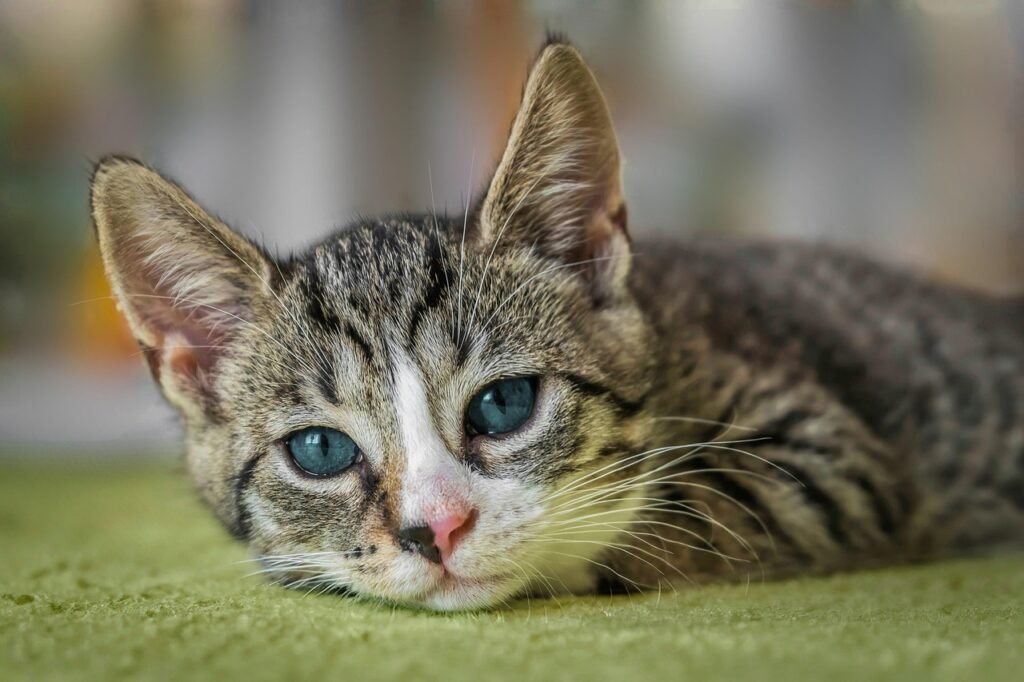
Kittens are adorable, but they’re also more delicate than adult cats. Kittens can eat fresh, plain blueberries in small amounts, but their stomachs are more sensitive than an adult cat’s, so limit serving sizes and watch them closely for any adverse reactions.
Kittens, with their developing digestive systems and delicate nutritional needs, require extra care, and while a small piece of blueberry likely won’t cause harm, it’s best to wait until your kitten is older before introducing fruit-based treats and stick to a high-quality kitten diet during critical growth months. Honestly, kittens have enough to focus on without experimenting with berries. Their regular food is designed to support rapid growth.
Blueberry Products to Avoid

Here’s where things get tricky. Fresh or frozen plain blueberries? Fine. Everything else? Not so much. Cats should not eat blueberry muffins, as they are high in sugar and contain other undesirable ingredients like flour, butter, and sometimes artificial sweeteners or chocolate, which can upset a cat’s stomach or even be toxic.
Highly concentrated extracts may contain added sugars, alcohol-based preservatives, or flavor enhancers that can irritate a cat’s digestive system or prove dangerous, so it’s best to steer clear unless it’s a vet-formulated product. Basically, if it’s processed, sweetened, or baked into something, keep it away from your cat. Stick to the plain berries.
When Blueberries Are a Bad Idea

Not all cats are good candidates for blueberry snacks. Certain medical conditions like diabetes are exacerbated by sugar, and cats with diabetes can’t handle sugar fluctuations well, meaning treats such as blueberries can have negative effects on their blood sugar levels, making blueberries definitely off-limits.
For cats with specific health conditions like obesity, diabetes, or inflammatory bowel disease, skip the berries altogether unless your vet advises otherwise. It’s hard to say no to those big eyes, but your cat’s health comes first. If you’re unsure about your cat’s specific situation, a quick call to your vet can save you worry and potential emergency visits later.
What to Do If Your Cat Eats Too Many

Accidents happen. Maybe your cat knocked over the container and had a blueberry feast while you weren’t looking. If you notice any digestive issues like vomiting or diarrhea, stop giving them blueberries. Blueberries aren’t poisonous, but too much of even a good thing can cause temporary problems.
Monitor for loose stool, vomiting, or changes in behavior, and if symptoms persist for more than 24 hours or worsen rapidly, contact your veterinarian immediately. Most of the time, the issue will resolve on its own, but it’s better to be cautious. Keep an eye on your cat’s litter box habits and overall energy levels.
Blueberries can be a safe, occasional treat for your cat when offered properly and in moderation. They’re not toxic, they offer minor nutritional benefits, and some cats genuinely enjoy them as an occasional novelty. The key is understanding that your cat is a carnivore first and foremost, built to thrive on meat, not fruit.
Always wash berries thoroughly, cut them into appropriate sizes to prevent choking, and keep portions small. One to three berries a couple of times a week is plenty. If your cat has underlying health issues, particularly diabetes or digestive problems, consult your veterinarian before offering any human foods.
Remember, not every cat will care about blueberries. Some will sniff, walk away, and give you that classic look of feline disdain. That’s perfectly fine. Your cat’s regular, nutritionally complete cat food is what really matters for their health and wellbeing.
What’s your experience been with offering treats to your picky eater? Does your cat go wild for blueberries, or do they turn up their nose at anything that isn’t meat? Every cat has their own quirky personality when it comes to food.