You’ve probably wondered if that bright orange squash sitting on your kitchen counter could be a treat for your feline companion. Maybe you’ve noticed pumpkin listed as an ingredient in some cat foods. Or perhaps your curious kitty has been eyeing your seasonal baking projects. Here’s the thing: cats are notoriously picky eaters, yet many seem surprisingly drawn to this fall favorite. While they’re obligate carnivores designed to thrive on meat, the question of whether pumpkin is safe for your furry friend deserves a closer look. The answer might surprise you, especially when you discover what this humble vegetable do for your cat’s health. So let’s get started.
Is Pumpkin Actually Safe for Your Cat?
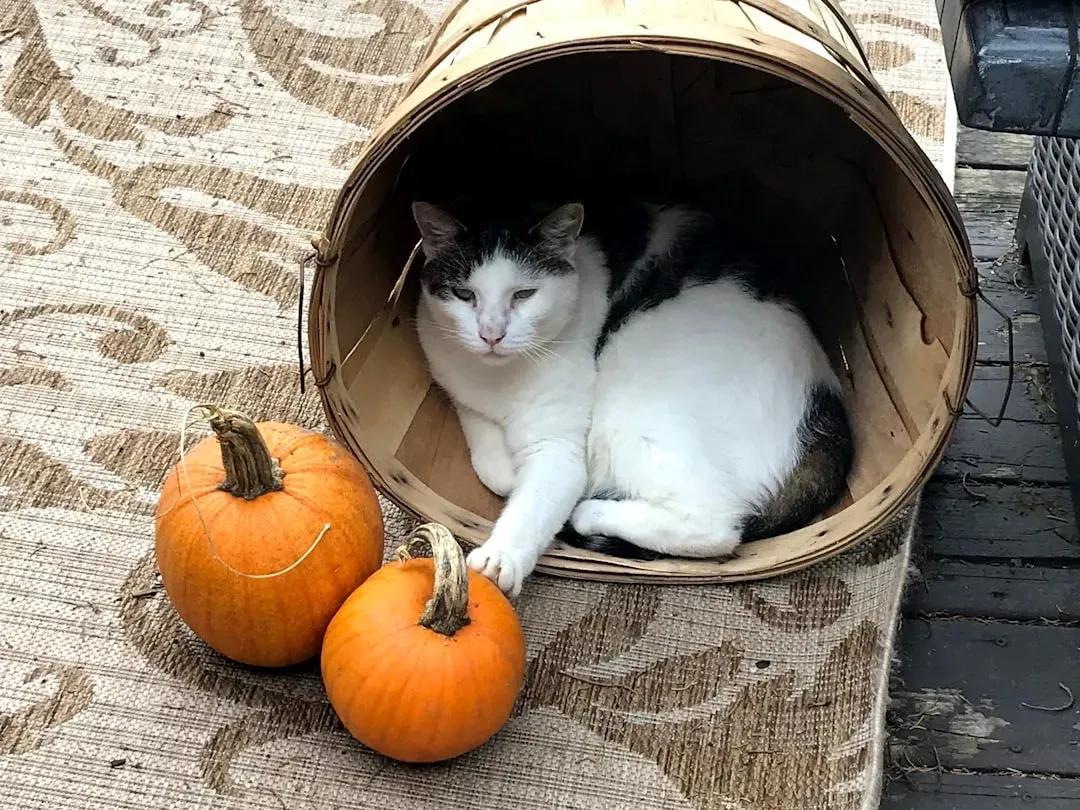
Plain 100% pumpkin (not pumpkin pie filling) is safe for cats and can even be useful as a treatment for gastrointestinal issues. Let’s be real, most cats are pretty selective about what goes in their mouths. Yet the creamy texture and mild taste of cooked pumpkin seems to win over even the pickiest felines.
It needs to be pure cooked pumpkin puree. That means no spices, no sugar, no additives whatsoever. Cats are obligate carnivores, which means that their systems are designed to process meats, so everything that isn’t a meat product, such as pumpkin, should be fed sparingly. Think of pumpkin as a helpful supplement, not a meal replacement.
What Makes Pumpkin Beneficial for Felines?
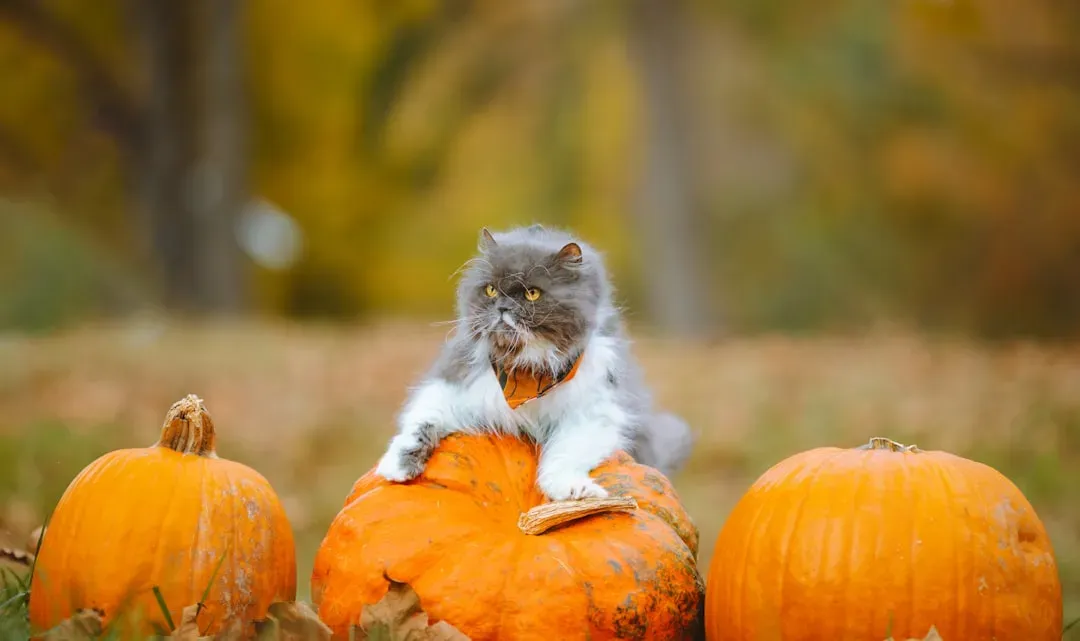
It contains several healthy ingredients, such as potassium; phosphorous; calcium; vitamins A, C, and K; and lots of fiber. The fiber content is where pumpkin really shines for cats. Honestly, it’s kind of remarkable how one vegetable can address opposite digestive problems.
Canned pumpkin serves double duty – it is sometimes used to treat cats with diarrhea as well as constipated cats! The fiber in the pumpkin can add bulk to the stool, which helps to relieve the loose stools of diarrhea. This dual-action benefit makes it a go-to recommendation from veterinarians. Pumpkin is high in potassium, phosphorus and calcium, as well as a plethora of vitamins that help cats maintain strong bones, shiny coats and a healthy immune system.
How Does Pumpkin Help With Digestive Issues?
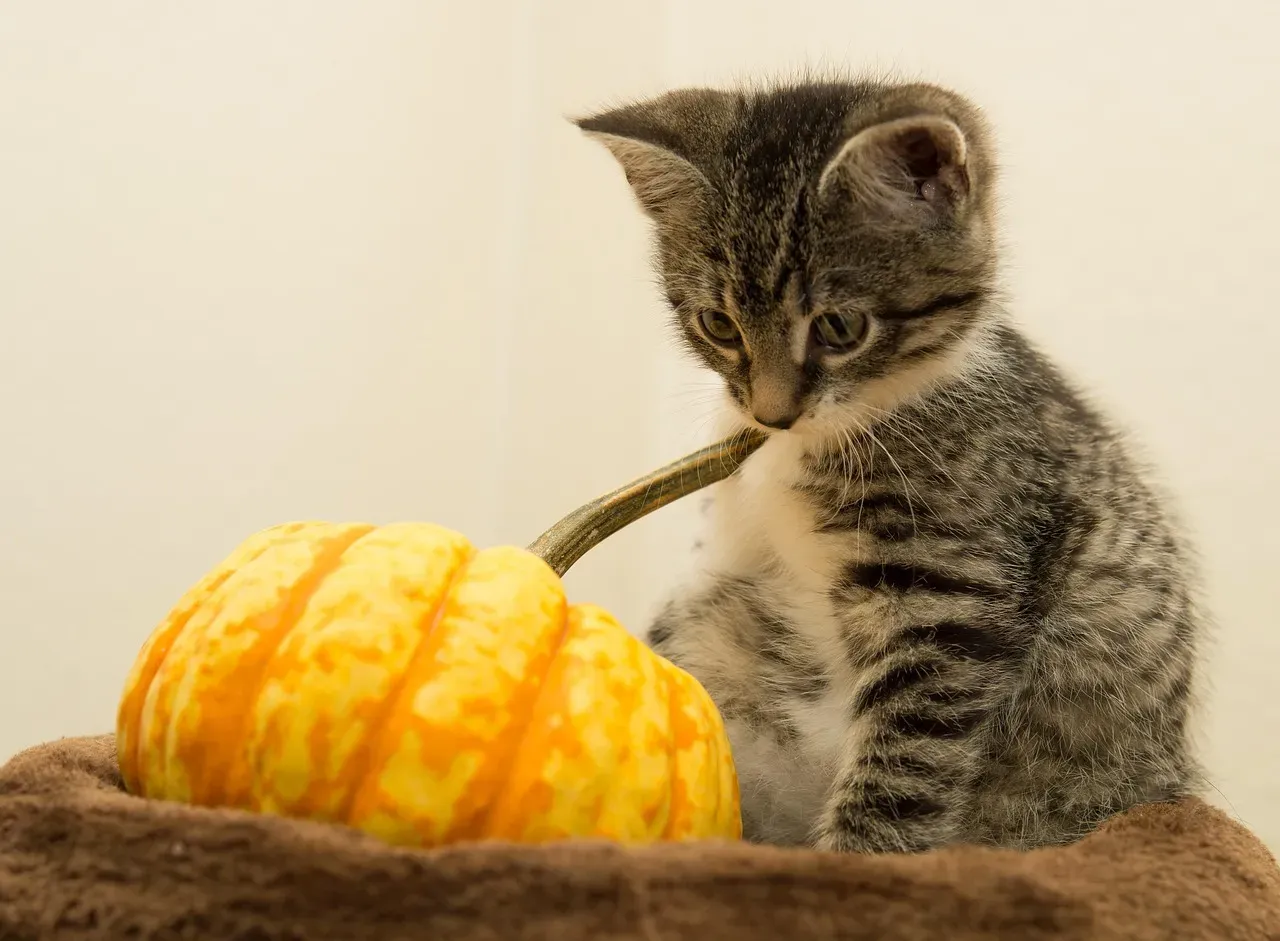
The most common reason veterinarians recommend pumpkin is for constipated cats. The water content combined with the fiber can often help ease constipation. I know it sounds crazy, but this simple food can work wonders for your cat’s tummy troubles.
The fiber in pumpkin can both reduce excess moisture in your pet’s digestive tract and add bulk to stools, helping to remedy diarrhea. The water in pumpkin also helps to alleviate constipation. The soluble and insoluble fiber work together like a tag team. If your cat’s stool is too hard, pumpkin softens it. If it’s too loose, pumpkin firms it up. Pretty neat trick for something that grows in a patch, right?
Can Pumpkin Help With Hairballs?
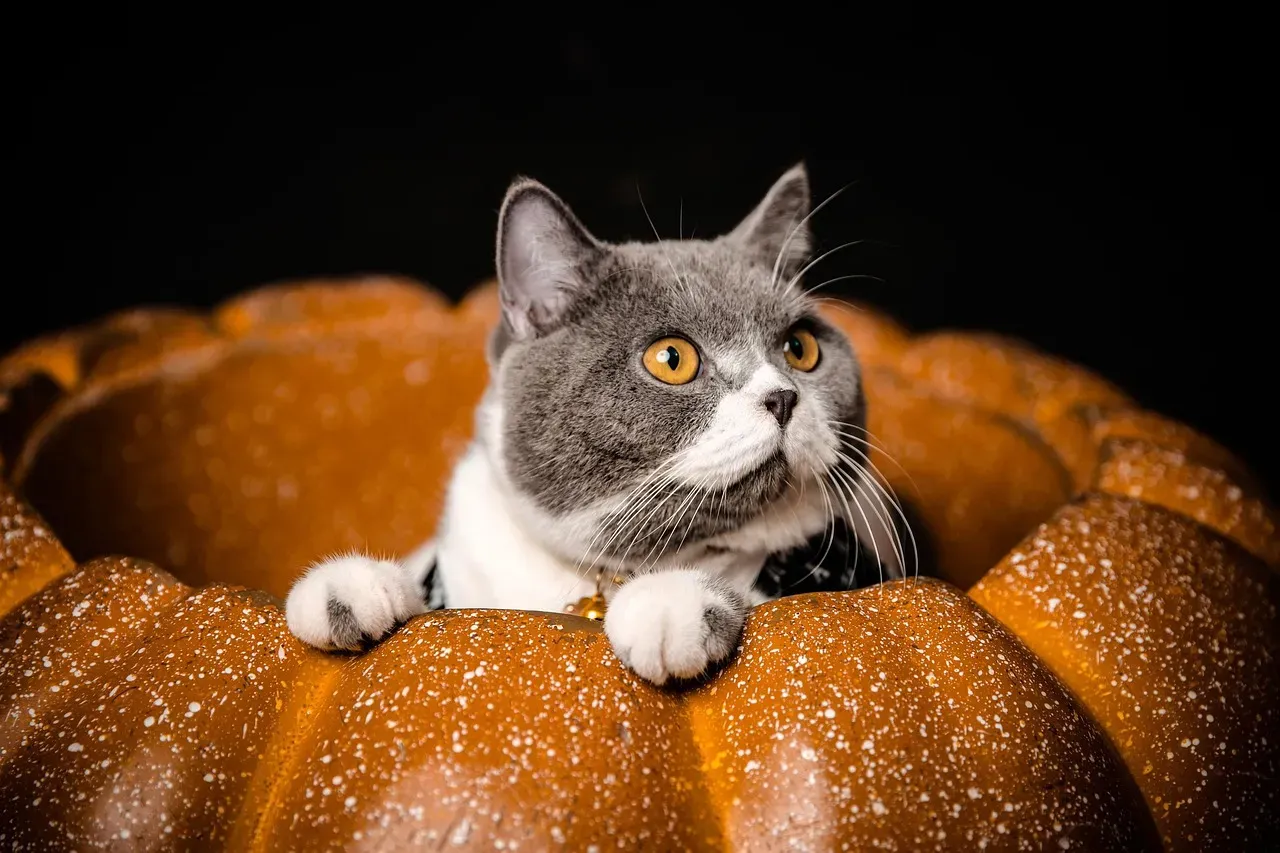
Thanks to its moisture and fiber content, pumpkin can help to ease hairballs in cats in the same way that it can ease constipation. Pumpkin has a laxative affect so it will help the hair move through the digestive tract instead of a hairball. If you’ve ever heard that unmistakable hacking sound at three in the morning, you know how unpleasant hairballs are for both you and your cat.
Cats groom themselves constantly, swallowing loose hair in the process. Some of that hair gets stuck in the stomach and forms those dreaded hairballs. The fiber in pumpkin can also help cats that struggle with hairballs. It works fairly well to help cats that have hair getting caught up in their GI tract. The pumpkin will smooth that through and help them pass the hair.
How Much Pumpkin Should You Give Your Cat?
The general rule of thumb is to start small. We usually tell people to start out with about 1 tablespoon a day and see how the cat does. Watch their litter box habits closely. You’re looking for that Goldilocks zone: not too hard, not too soft.
Many cats will respond to 2-4 teaspoons of canned pumpkin added to canned cat food if they have a mild case of constipation. For smaller cats or kittens, start even lower. A recommended amount to start with is 1 teaspoon for adult cats or 1/2 teaspoon for smaller cats and kittens at each meal. The amount can be increased up to 4 teaspoons for larger adult cats. Remember, too much of a good thing can backfire spectacularly.
What Types of Pumpkin Are Dangerous for Cats?
Pumpkin pie and canned pumpkin pie filling both contain many spices, which are likely not healthy for your cat. Some of these spices, such as cinnamon, nutmeg, ginger, and allspice, can be considered mildly toxic and result in gastrointestinal upset. That pumpkin spice latte you’re sipping? Definitely not for sharing with your cat.
Pumpkin pie contains sugar, which causes digestive upset and simply isn’t good for your feline, and other spices that aren’t safe for cats to eat. Nutmeg, for example, has the potential to cause an upset stomach and can be toxic to cats if consumed in very large amounts. Cinnamon can also cause intestinal problems. Cloves and allspice contain a compound known as eugenol that can cause liver toxicity in felines. Stick to plain, pure pumpkin only.
Are Pumpkin Seeds Safe for Cats?
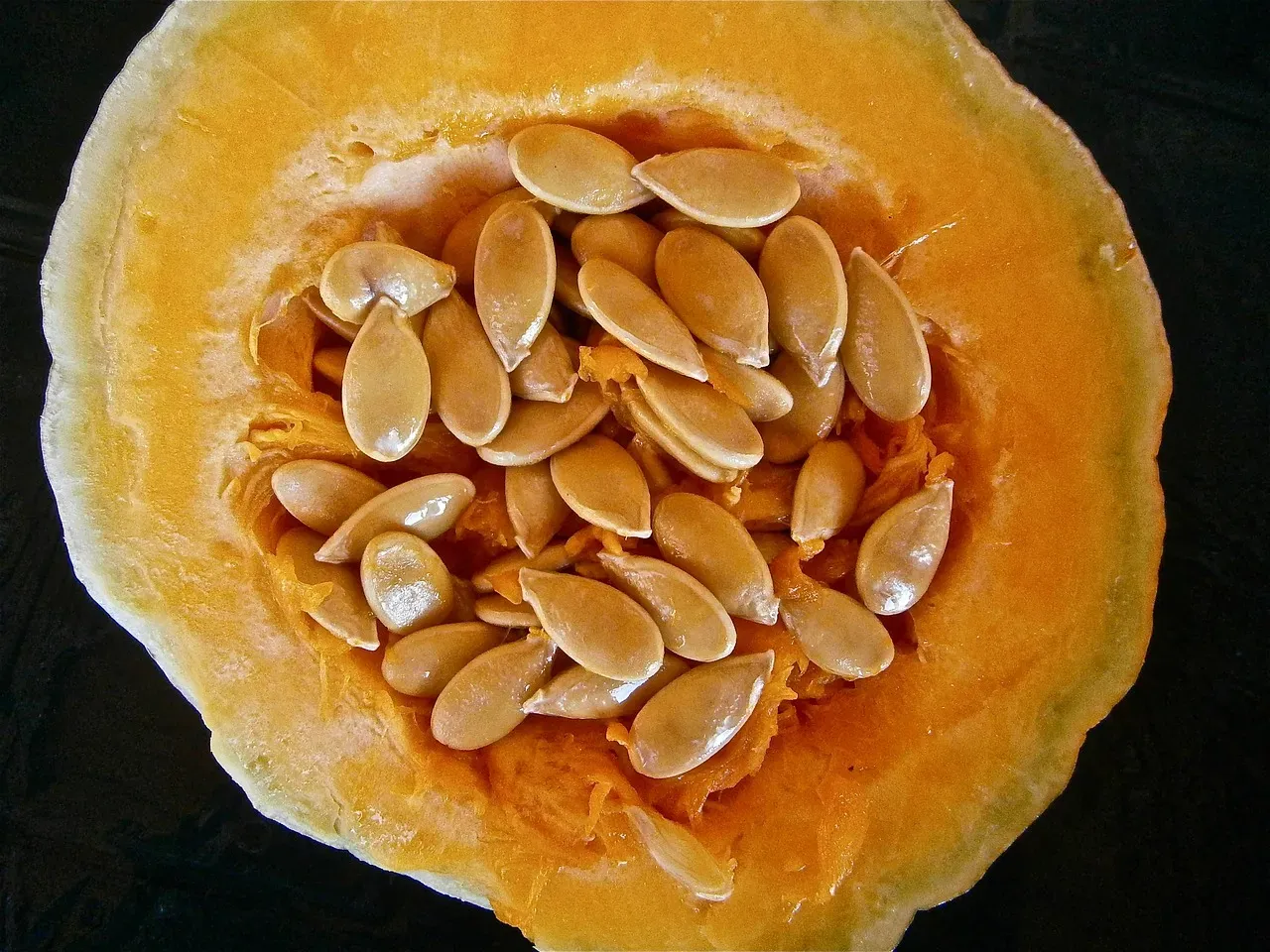
Although pumpkin seeds are not toxic to cats, they can become a choking hazard, especially when eaten quickly. If your cat eats too many, it could result in an intestinal obstruction. Seeds are tricky territory that require extra caution.
Do not add any salt or spices or cook or roast them in oil, which markedly increases the fat content. It is fine to use seeds that are either in the shell or with the shell removed, but mashing or crushing the seeds is safest. They can then be sprinkled on top of canned cat food for your cat to enjoy. If you do offer seeds, think ground or crushed, never whole.
Can Pumpkin Help With Weight Management?
Pumpkin is also useful as a supplement to aid in weight loss for your cat. Pumpkin adds bulk and will help keep your cat feeling full longer. With around 60% of cats being overweight or obese, every little bit helps.
Pumpkin can be a great partner in your cat’s weight loss journey. It’s low in calories but high in fiber, which helps your cat feel fuller for longer. Adding a little pumpkin to their meal can increase satisfaction without packing on the pounds. It’s hard to say for sure, but the added fullness factor can make diet transitions easier for your cat to tolerate.
What Happens If Your Cat Eats Too Much
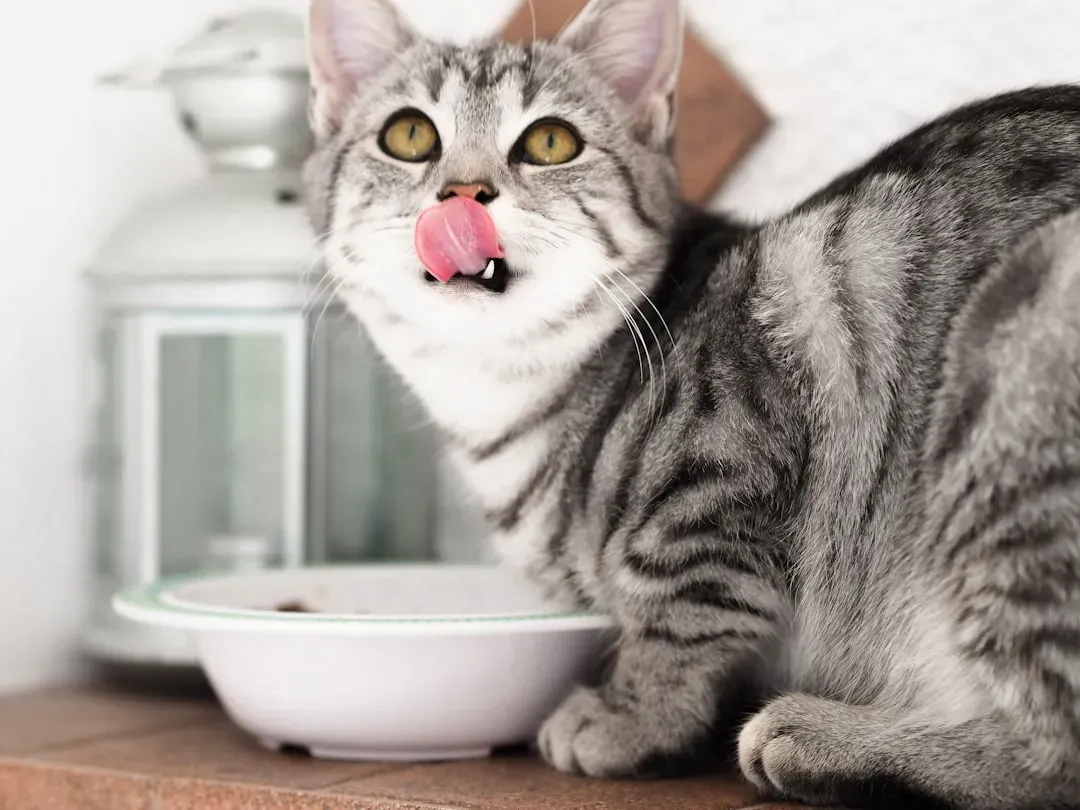
If you give your cat too much canned pumpkin, it will usually result in diarrhea. Moderation is absolutely essential here. Most cats will tolerate up to about 2 tablespoons of pumpkin a day. After that, you run the risk of loose stool and diarrhea.
Even large amounts of pumpkin won’t be toxic. Mainly be prepared for what’s going to come out the other end. The worst-case scenario is that the cat will develop diarrhea and you’re going to have to wait for him to pass all the pumpkin he ingested in order for things to start firming up again. That process typically takes about two days. Not fun, but not dangerous either.
When Should You Consult Your Veterinarian?
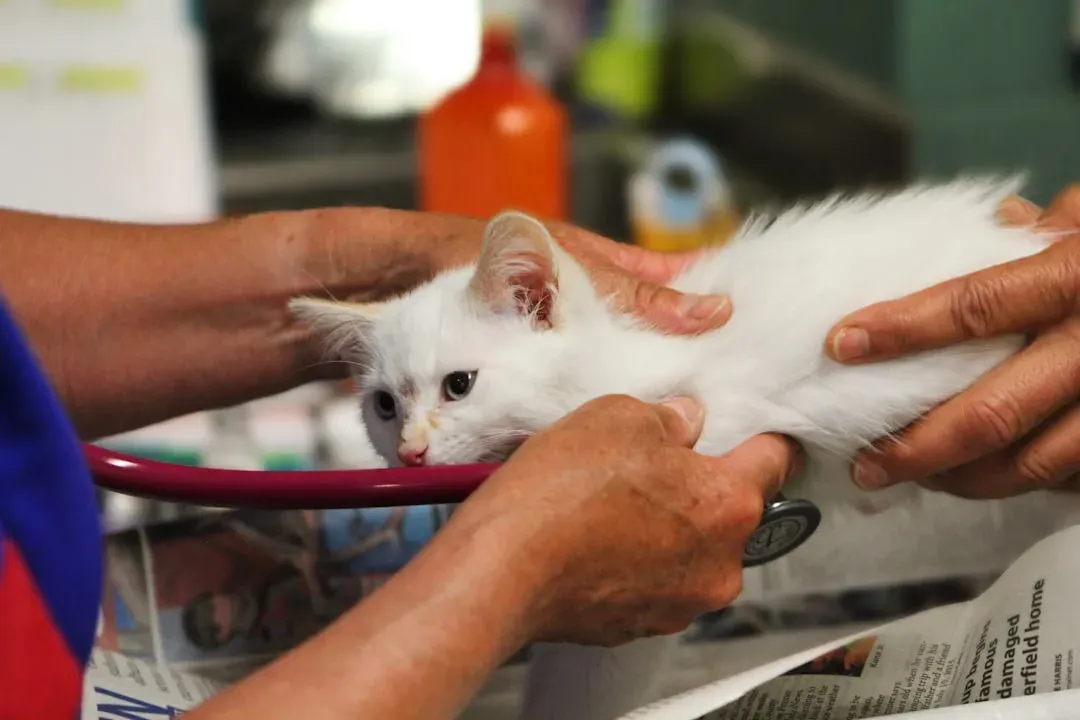
If your kitty has diarrhea, consult your veterinarian before giving pumpkin. Most cases of diarrhea actually have a medical cause, and those are easiest to diagnose in the earlier stages. You don’t want to treat the symptom and not investigate the cause. This is crucial advice that many cat owners overlook.
If your cat has ongoing digestive issues, struggles with weight, or has a medical condition, it’s always smart to check with your veterinarian before adding anything new to their diet. Your vet can help determine if pumpkin is appropriate and how much is safe. Every cat is different, and what works for your neighbor’s tabby might not be ideal for your Siamese. If you are feeding pumpkin to your cat to help with diarrhea or constipation but you see no results after three days, you should take your feline to the veterinarian for a check. Chances are good that they may need some medication.
Conclusion: Pumpkin as a Helpful Addition to Your Cat’s Diet
Yes, cats can eat pumpkin, but only certain types. Stick with plain, cooked or canned pumpkin with no added sugars, spices, or flavorings. When used properly, this seasonal squash can be a valuable tool in your cat care arsenal. From easing constipation and firming up loose stools to helping manage weight and reducing hairballs, pumpkin offers multiple benefits for your feline friend.
The key takeaway? Start small, watch for results, and never substitute pumpkin for proper veterinary care. Pumpkin can be a helpful supplement for cats when fed in small, safe amounts. Its fiber content supports digestion, and its low calorie profile can be useful for cats that need help managing their weight. What do you think about adding pumpkin to your cat’s diet? Have you tried it with success?