You’ve probably had a rough day, settled onto your couch in silence, and found your cat quietly appearing beside you within minutes. No fuss, no performance. Just a warm body and a low, rhythmic purr. It feels intentional, even if you can’t quite explain it.
For years, popular culture painted cats as self-serving, indifferent creatures who tolerate humans at best. Science, however, keeps pushing back on that story. The more researchers look closely at the human-cat relationship, the more they find something genuinely meaningful going on, even in the quietest, most seemingly detached of cats.
The Myth of the Aloof Cat, Explained Through Science
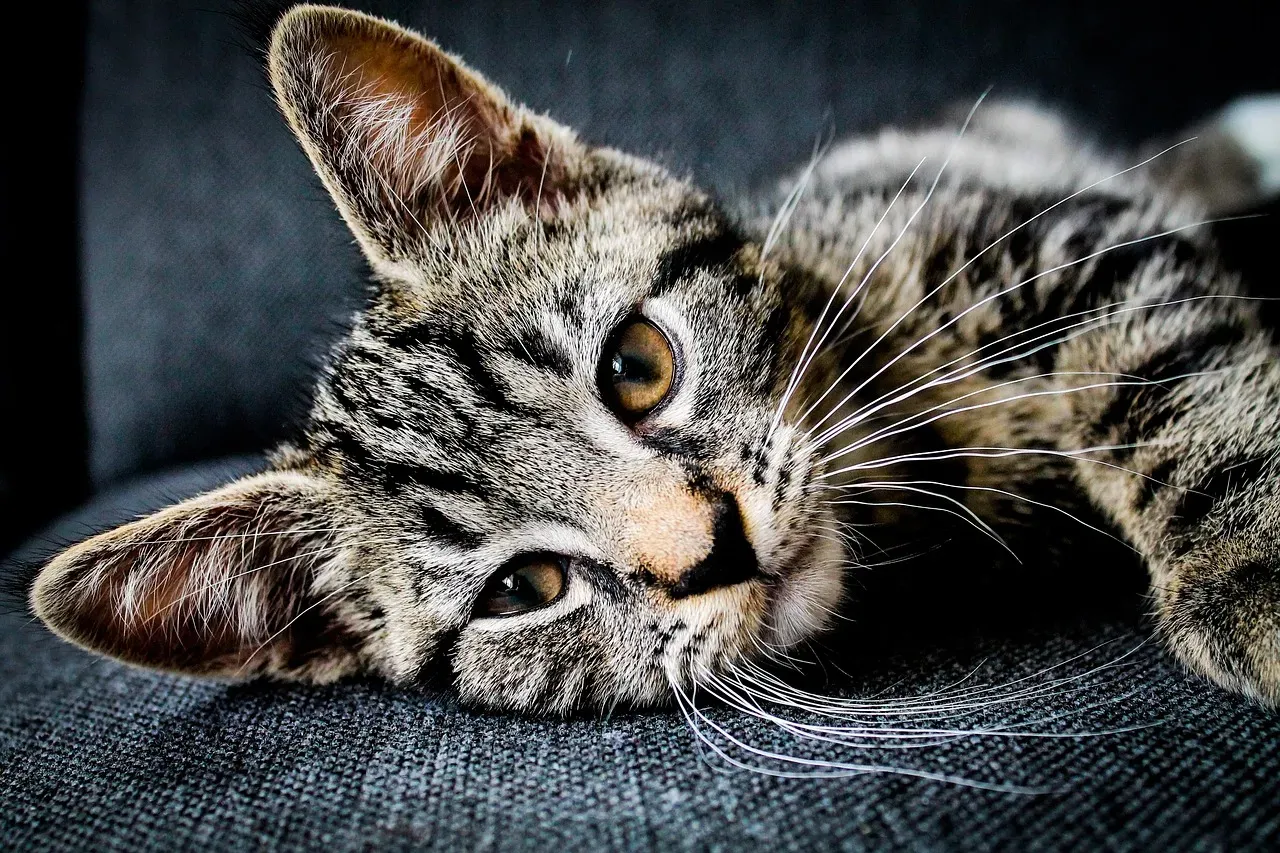
The idea that cats are emotionally unavailable is old and persistent, but it’s also largely inaccurate. Cats are descended from a largely solitary-living species, the North African wildcat, and although they have been domesticated for more than 10,000 years, it remains a common perception that they are aloof and often fiercely independent. That evolutionary background gets used as evidence for emotional distance, but domestication has changed things considerably.
While cats may often be perceived or described as being aloof and independent, the truth is in fact much more complex. Most actually appear to have close attachments to their owners, whom they turn to as a source of safety and security, just as dogs do. That’s not a soft observation. It’s backed by controlled research.
How Attachment Theory Applies to Your Cat
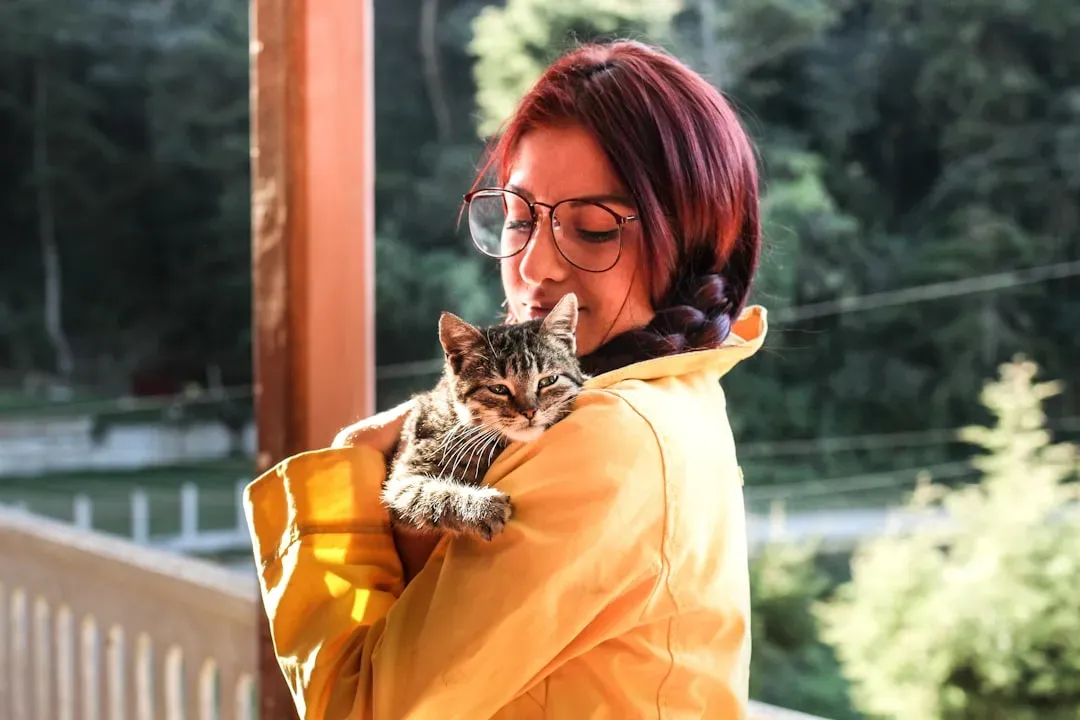
Several years ago, animal behavior specialist Monique Udell of the University of Oregon and her then doctoral student Kristyn Vitale decided to look at cat-human relationships through the lens of attachment theory, a framework originally developed in the 1970s by psychiatrist John Bowlby that describes the types of relationships young humans form with their guardians. What they found surprised many skeptics.
Of 70 kittens aged between three and eight months, more than 64% were classified as securely attached to their owners, and these proportions did not change significantly even with six weeks of additional training. When 38 adult cats were assessed with the same test, very similar results were obtained, with almost 66% displaying secure attachment. Your cat’s apparent coolness, in other words, isn’t a lack of bonding. It often means they feel secure enough not to perform their affection.
Your Cat Actually Reads Your Emotions
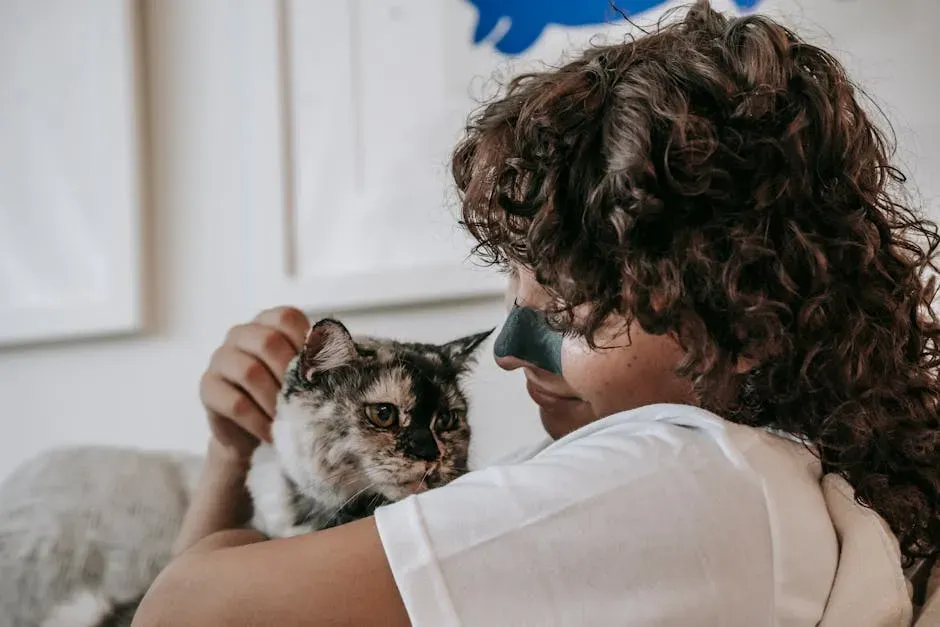
Research demonstrates that cats integrate visual and auditory signals to recognize human and conspecific emotions, and they appear to modulate their behavior according to the valence of the emotion perceived. This is a meaningful finding. Cats aren’t just reacting to you randomly. They’re processing what your face and voice are telling them.
Cats are sensitive to changes in physiological parameters, such as heart rate, breathing cues, and blood pressure, which can all be symptoms of depression, stress, and anxiety. Recent research even suggests cats can detect human emotions through scent, especially fear, suggesting your feline friends might understand you more than you realize. When your cat nudges you on a difficult evening, there’s genuine perception behind the gesture.
The Chemistry Behind the Calm They Give You
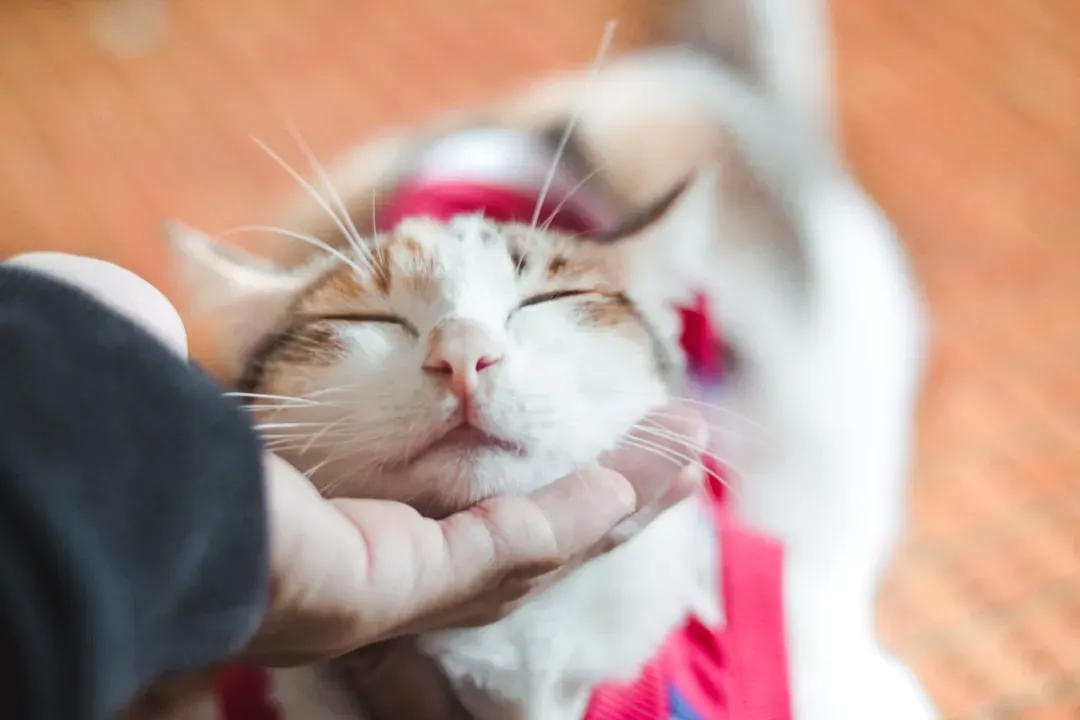
Science has shown that petting a dog or cat lowers the stress hormone cortisol, and the interactions between people and their cat or dog increase levels of the feel-good hormone oxytocin, the same hormone that bonds mothers to babies. This isn’t metaphor. It’s measurable neurochemistry happening in real time.
A February 2025 study found that when owners engaged in relaxed petting, cuddling, or cradling of their cats, the owners’ oxytocin tended to rise, and so did the cats’, if the interaction was not forced on the animal. The researchers monitored oxytocin in cats during 15 minutes of play and cuddling at home. Securely attached cats who initiated contact, such as lap-sitting or nudging, showed an oxytocin surge. The bond goes both ways, which makes it more meaningful, not less.
What a Purr Is Actually Doing to Your Body
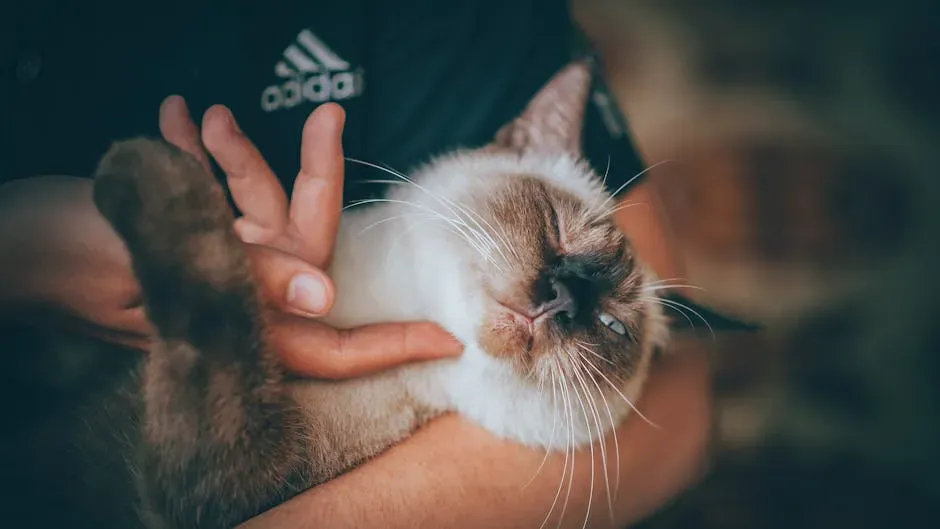
Research suggests that the frequency of a cat’s purring, typically between 25 and 150 hertz, could have therapeutic effects on the body and mind. Cat purring stimulates the production of endorphins, natural chemicals that promote feelings of happiness and well-being. When a person interacts with a purring cat, their body releases serotonin, a neurotransmitter associated with mood regulation, and this physiological response can help lower cortisol levels, the primary hormone associated with stress.
Beyond the biochemical effects, the simple act of petting a cat while it purrs can provide a form of mindfulness. Focusing on the rhythmic sound and feeling of a cat’s purr can redirect attention away from stressors and create a sense of present-moment awareness, similar to meditation or deep breathing exercises. That might sound like a stretch until you actually sit with a purring cat for ten minutes and notice your shoulders drop.
Cats and the Fight Against Loneliness and Depression
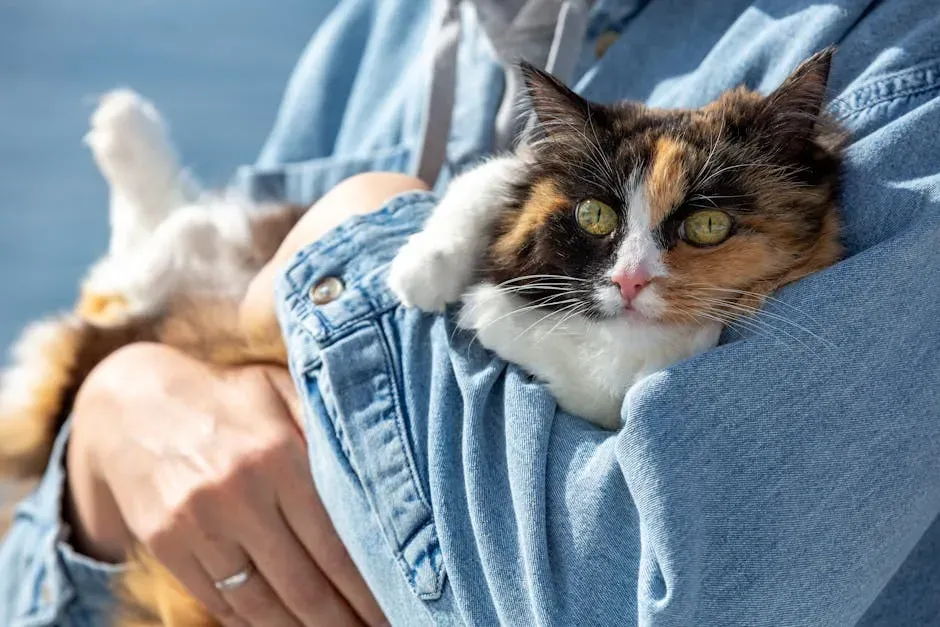
A 2025 analysis from Scientific Reports showed a clear link between pet companionship and reduced loneliness, which is one of the strongest predictors of anxiety, depression, and decreased overall wellness. Cats, specifically, fill a particular kind of emotional gap that not everyone can articulate but most cat owners recognize instantly.
Cats offer companionship that is gentle, reassuring, and consistent, especially appreciated by people who prefer quiet emotional connection. A 2023 Morning Consult poll of 2,200 adults found that the vast majority of pet owners, equally among dog and cat owners, reported positive mental health effects from their pets. Common benefits included reduced stress, emotional support, and companionship. The data keeps affirming what cat owners have always said.
Why the “Aloof” Behavior Is Often a Misread Signal
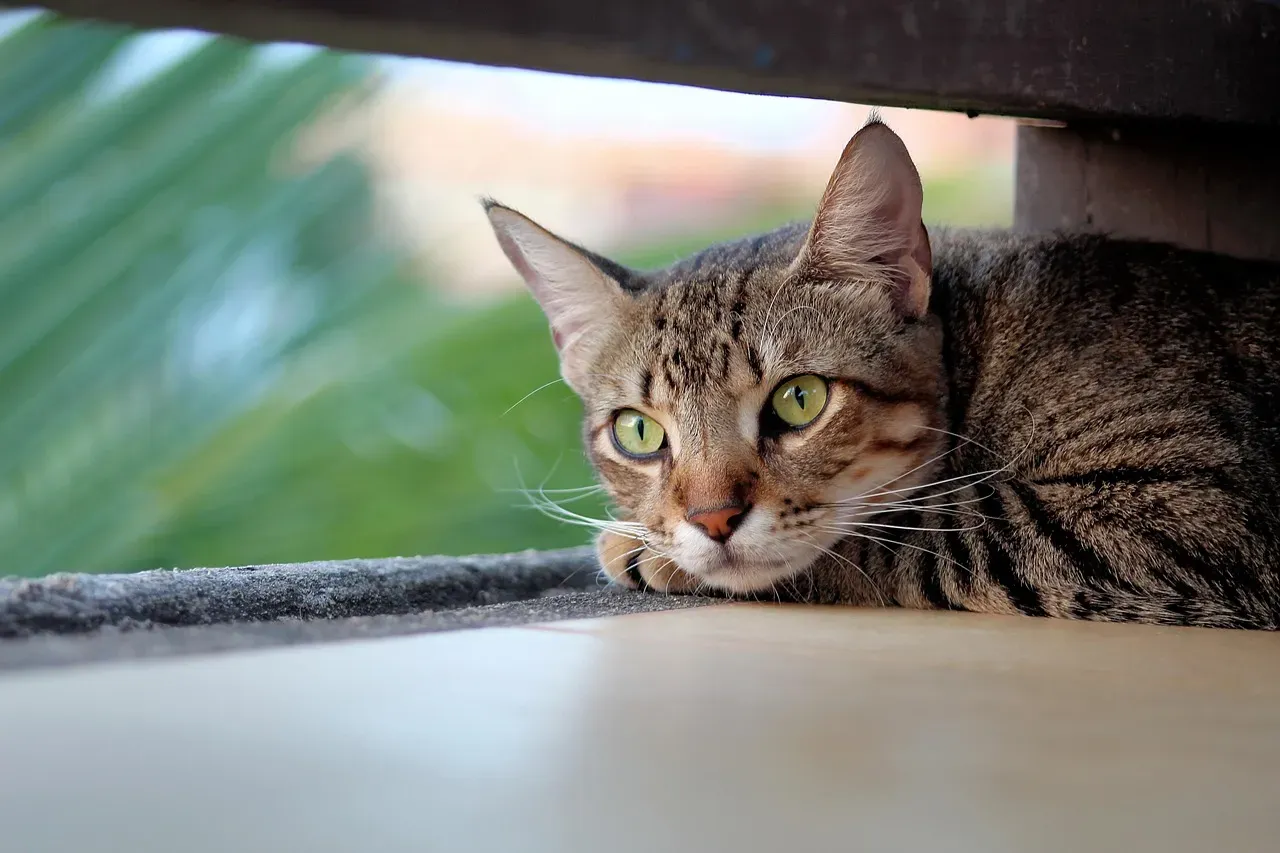
Cats are very tuned into their environment because they’re hardwired as predators. Their keen senses are on high alert for the sight, sound, or smell of potential prey. In addition to being predators, cats are also prey, so being aware of what’s going on in their environment is critical. What you may interpret as a cat being aloof is actually your exquisitely designed companion being ready for anything.
Many people assume that all cats are naturally aloof or antisocial, but that’s often the result of poor or absent socialization, not innate personality. While some cats are more independent by nature, most can become affectionate and bonded companions when properly socialized. Common misconceptions that cats need less social interaction, or are more independent, can impact both the amount and quality of social interactions offered to cats. People who think felines don’t need much attention might be less hands-on with their own companion, which in turn results in a more aloof kitty.
Cats as Formal Emotional Support and Therapy Animals
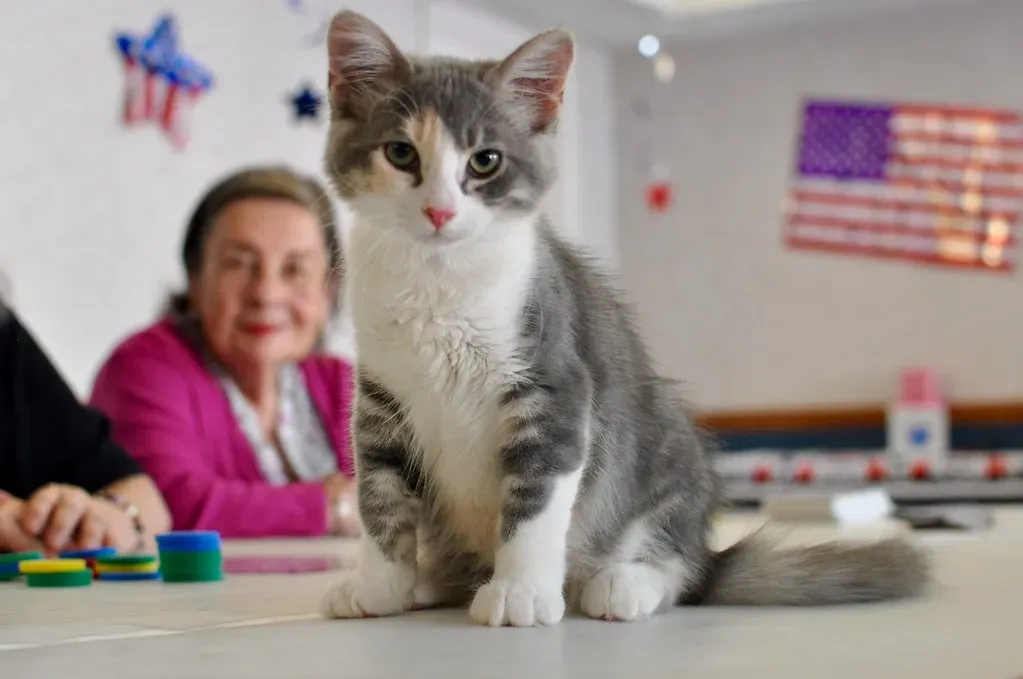
A study in the journal Animals, co-authored by Washington State University professor Patricia Pendry in collaboration with researchers in Belgium, found that therapy cats share specific behavioral traits that may make them well-suited for animal-assisted services programs. While animal-assisted services have long been dominated by dogs, the study suggests that expanding these programs to include felines could make therapy more accessible to a wider range of people. Some individuals may find comfort in a cat’s quiet presence rather than the enthusiastic energy of a dog.
Studies have shown cats reduce stress and blood pressure levels in their owners. Research also shows emotional support animals can lower anxiety, reduce depression, decrease feelings of loneliness, and may even offer benefits to those with PTSD. Therapy cats are trained and handled by their owners and are part of an individual’s treatment process. They may visit hospitals, nursing homes, rehabilitation facilities, and more to provide comfort and support to patients and residents.
Building a Deeper Bond With Your Cat Takes Small, Consistent Steps
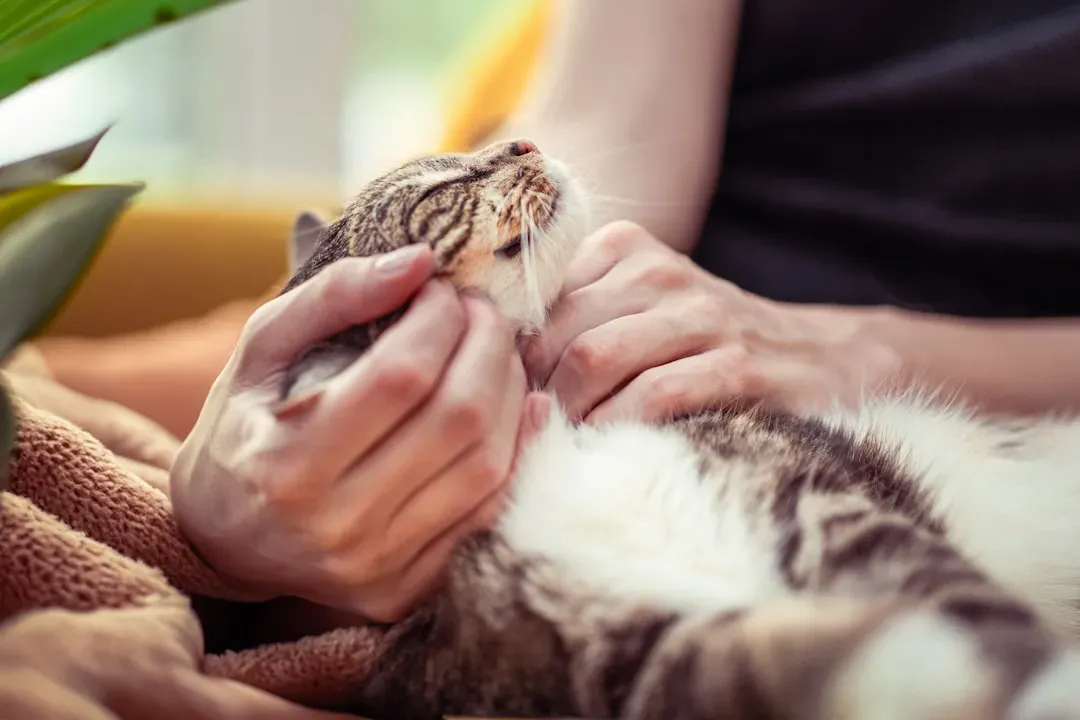
The key to establishing a bond with a cat is understanding how it communicates. Unlike dogs, cats do not rely on prolonged eye contact to show trust. They use more restrained signals, the most striking of which is slow blinking, a kind of “cat smile” that signifies safety and trust. Learning this language pays dividends over time.
Oxytocin of avoidant and anxious cats was found to drop after a forced cuddle. When interactions respect the cat’s comfort, the oxytocin flows, but when a cat feels cornered, the bonding hormone is elusive. The takeaway here is practical: you get more from your cat by following their lead than by imposing affection. Patience consistently outperforms persistence with cats, and that’s not a limitation. It’s actually part of what makes the bond feel earned.
Conclusion
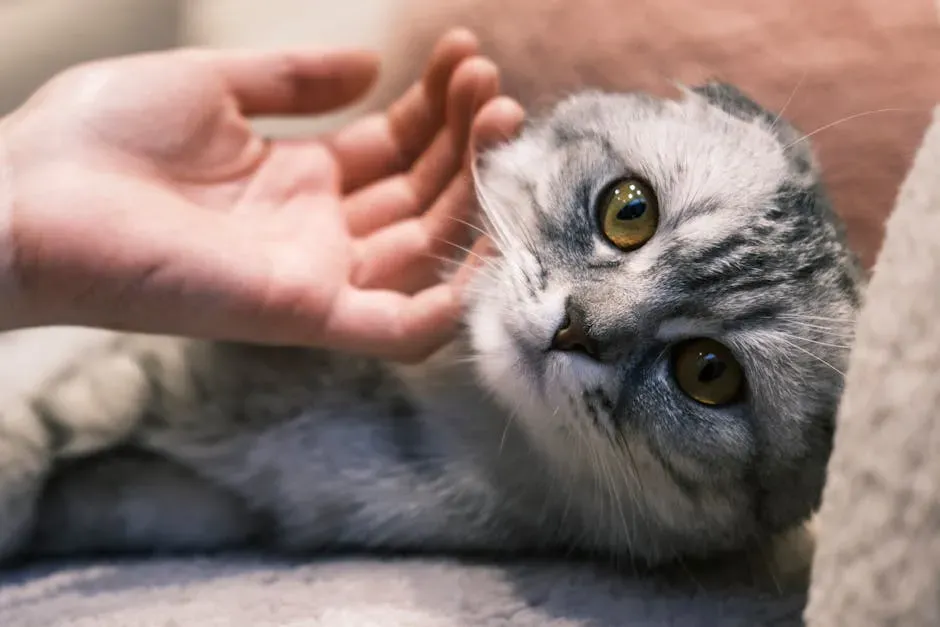
Cats have spent centuries being mischaracterized as emotionally unavailable, and the research of the past few years has done real work in correcting that. They read your face, respond to your voice, mirror your stress, and offer their warmth in ways that are quieter than a dog’s enthusiasm but no less genuine.
The support you feel from your cat when you’re having a hard day isn’t projection. As the American Psychiatric Association’s updated 2025 resource materials confirm, the vast majority of pet guardians still report significant positive mental health effects from their pets. Cats are doing real, measurable emotional work, often from across the room, often without making a sound. That kind of understated reliability is, in its own way, exactly what good support looks like.