You might think your cat spends most of their time napping, ignoring you, and judging your life choices from their perch on the windowsill. Truth is, they’re secretly working as your unpaid therapist. While you scroll through your phone after a long day, your furry companion is actively reducing your stress levels, lowering your blood pressure, and potentially adding years to your life.
Let’s be real here. The therapeutic power of cats isn’t just some feel-good fluff that people share on social media. Science has stepped in, and the findings are honestly kind of incredible. Whether you realize it or not, your whiskered roommate is doing far more for your wellbeing than most people understand.
The Science Behind That Magical Purr
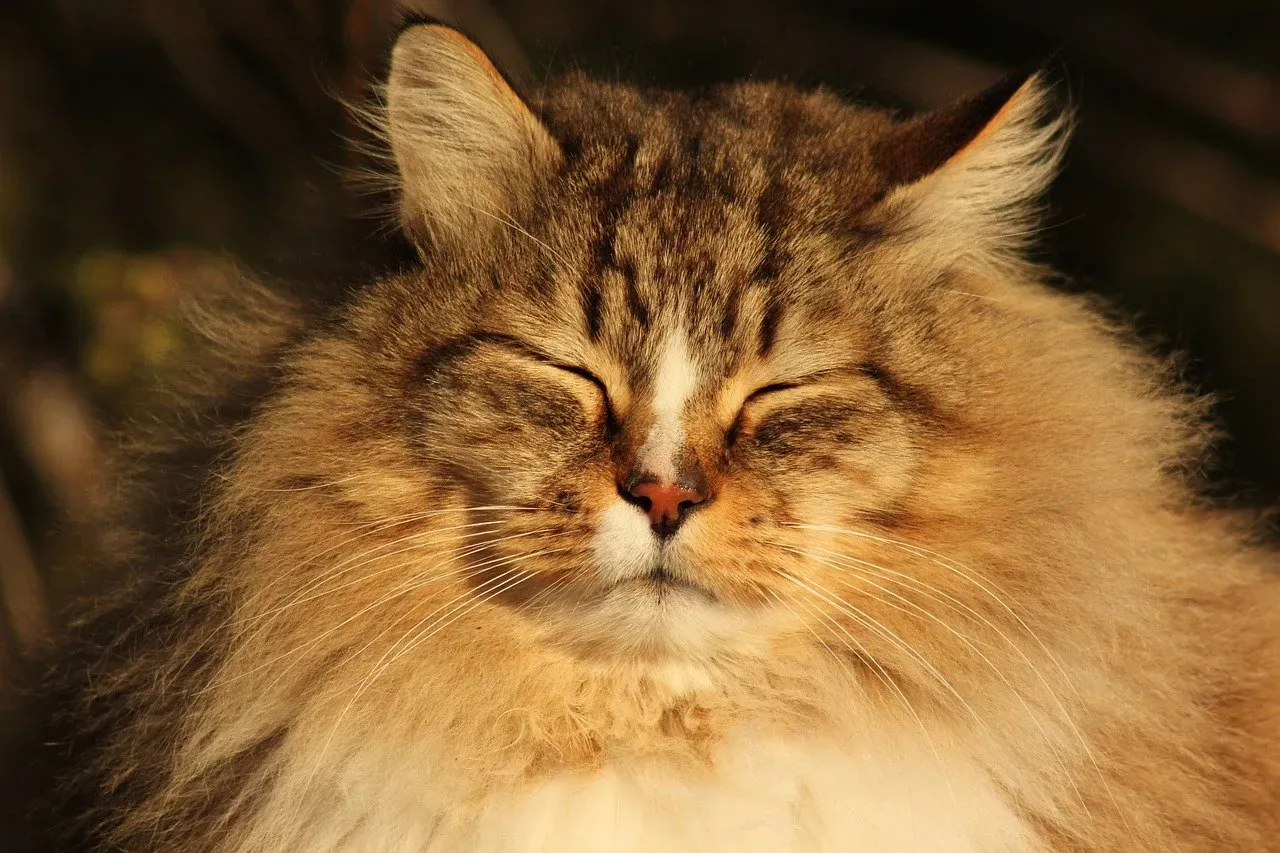
Your cat’s purr isn’t just a cute sound, it’s actually vibrating at a frequency between 25 and 150 Hertz, which happens to be the same range used therapeutically to promote healing of bones, wounds, and joint injuries. This multi-frequency vibration accelerates the healing of bones, reduces pain, and relaxes muscles. It’s hard to say for sure, but some researchers believe cats may have evolved this self-healing mechanism to stay healthy during their long periods of rest.
These vibrations can help reduce inflammation, improve circulation and stimulate the healing of damaged tissues, and they’ve also been shown to promote the regeneration of bone cells and increase bone density. Next time your cat curls up on your lap and starts their rumbling engine, think about the fact that you’re getting a free sound therapy session. No spa appointment necessary.
Your Heart Actually Thanks You for Having a Cat
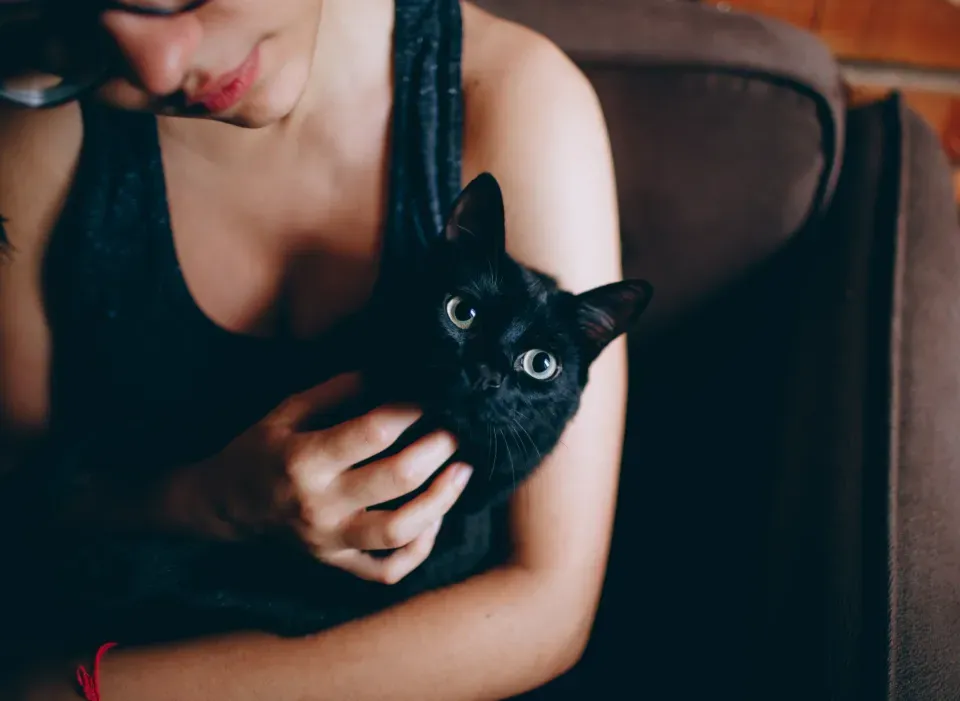
Studies have shown that cats have a calming, stress-reducing impact on our health, and that cat owners are up to 30 percent less likely to experience heart diseases. That’s not a small number when you think about cardiovascular health being one of the leading causes of death globally. After adjustment for differences in age, gender, ethnicity, systolic blood pressure, cigarette smoking, diabetes mellitus, serum cholesterol, and body mass index, a significantly lower risk for death due to heart attack was observed in participants with past cat ownership.
Even if you no longer have a cat, there’s good news. People who used to own cats in the past, but did not currently live with a cat, still had less risk of death due to cardiovascular diseases when compared to people who had never owned cats in their life. Honestly, that’s pretty wild. It suggests that even past exposure to feline companionship leaves a lasting protective effect on your heart.
Petting Your Cat Is Like Taking an Anti-Stress Pill
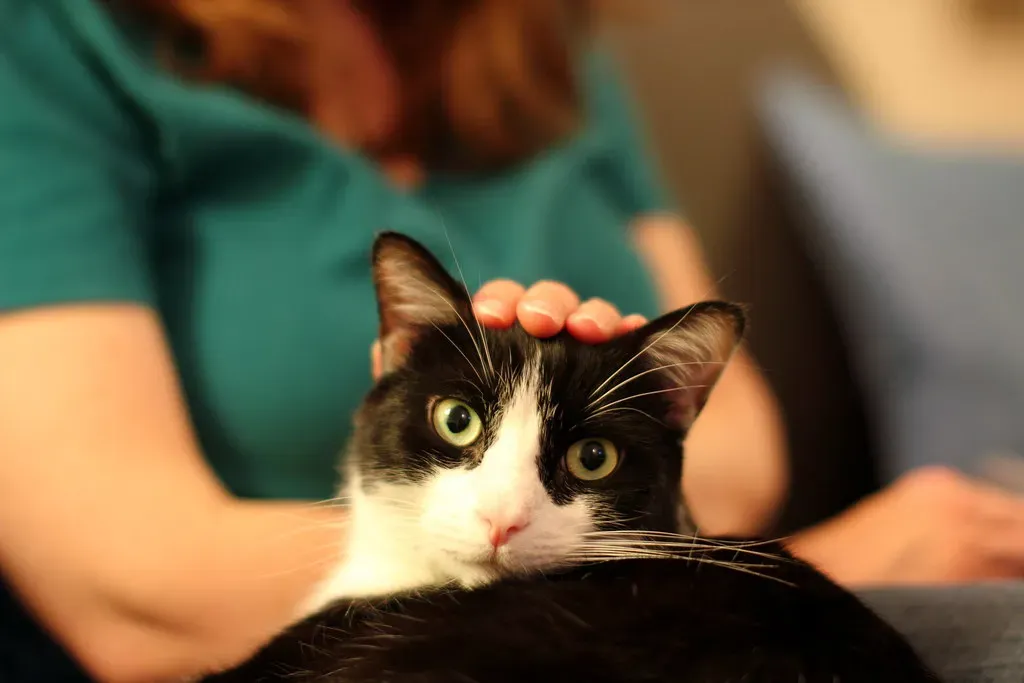
Just 10 minutes of interacting with cats produced a significant reduction in cortisol, a major stress hormone. When you’ve had a hard day, coming home and spending some time petting a fuzzy feline can cause your body to produce stress reducing hormones, and when you do so, your heart rate and blood pressure decrease and your anxiety levels normalize. This isn’t just anecdotal evidence from cat lovers trying to justify their obsession.
Interacting with cats triggers the release of hormones in humans such as serotonin, dopamine and oxytocin, which are often associated with good, positive feelings, and cortisol decreases when people spend time with cats. The simple act of stroking soft fur and hearing that gentle purr creates a biochemical cascade that shifts your body out of fight-or-flight mode and into relaxation. I think we can all agree that’s something most of us desperately need more of in 2026.
Mental Health Gets a Furry Boost
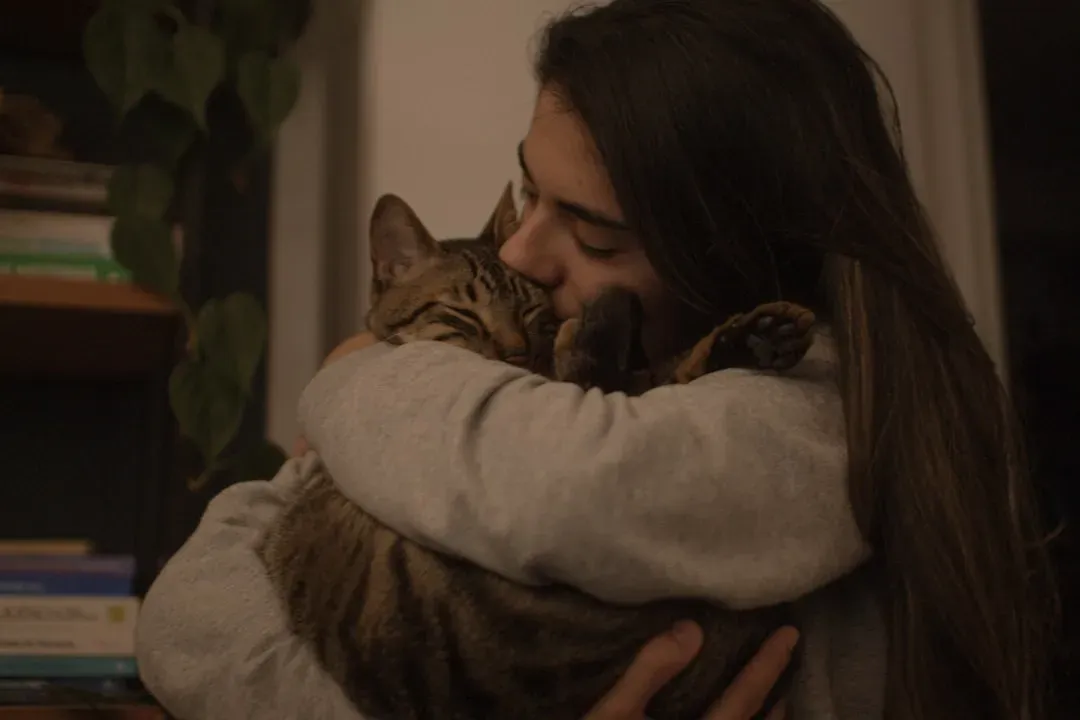
Cat ownership is associated with lower levels of depressive symptoms and improved mood, and cat owners have been found to laugh more frequently and spontaneously than non-owners, particularly in response to something their cat has done. There’s something deeply comforting about having a living creature who depends on you and offers unconditional companionship without judgment.
Being in the company of our cats can make us feel less alone and provide us with a sense of comfort and friendship, and holding, petting, snuggling, or just sitting together with our cats can significantly reduce feelings of anxiety simply by offering a distraction from our overbearing thoughts. For people dealing with depression, the simple act of getting out of bed to feed a cat can provide structure and purpose during difficult times. Your cat might seem like they’re the needy one, but really, they’re giving you a reason to keep moving forward.
They’re Lowering Your Blood Pressure Right Now
A recent study published in the journal Hypertension revealed that pet ownership lowers blood pressure. Although the drug lisinopril lowered resting blood pressure for all the participants, owning pets lowered blood pressure response to mental stress, something that the drug alone could not do. Let that sink in for a moment. Medication can manage baseline numbers, but your cat is handling your stress response in ways that pills cannot replicate.
In a study of 240 married couples, those with a cat or dog had lower heart rate and blood pressure levels than those who didn’t have pets. These aren’t massive clinical trials with thousands of participants, but the pattern is consistent across multiple studies. Whether your cat is sprawled across your keyboard while you’re trying to work or demanding attention at three in the morning, they’re secretly keeping your cardiovascular system in check.
Cats as Official Emotional Support Animals
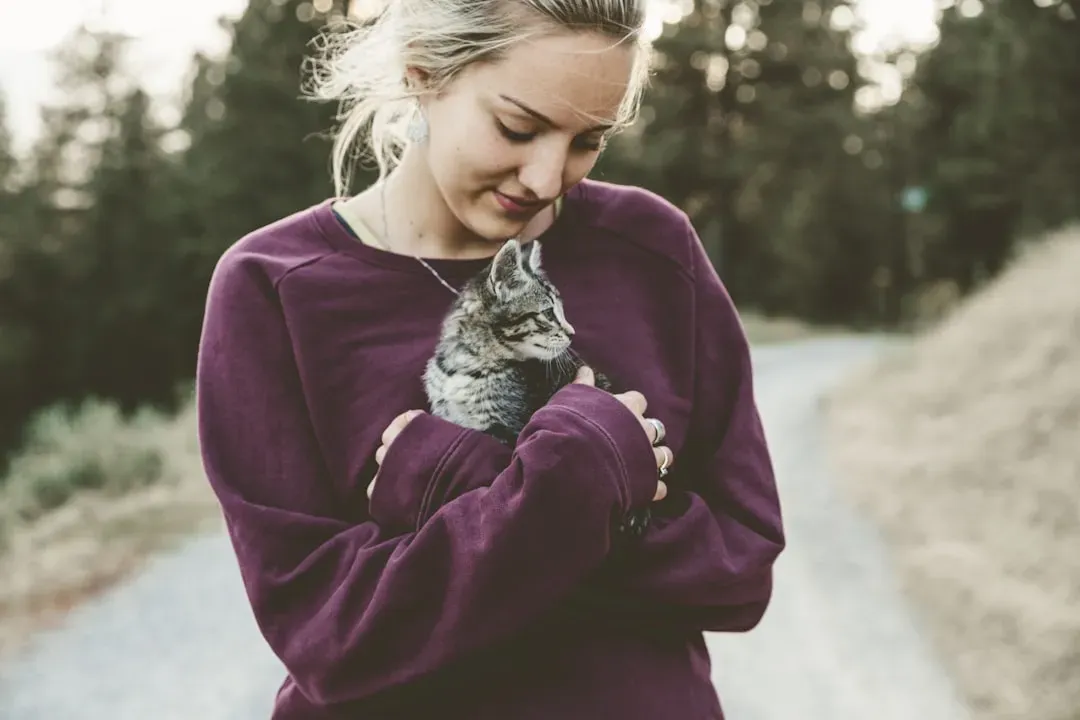
Studies have shown cats reduce stress and blood pressure levels in their owners, and research shows emotional support animals can lower anxiety, reduce depression, decrease feelings of loneliness, and may even offer benefits to those with PTSD. Unlike service animals, emotional support cats don’t need specialized training. Emotional support animals do not require specialized task training to provide comfort, and their presence alone brings peace and comfort to their families.
Pet therapy has proven to be especially helpful when it comes to recovering from conditions such as Post Traumatic Stress Syndrome, depression, and anxiety, and cats are often employed as therapy animals in hospitals, physiotherapy sessions, long-term care facilities, and other medical settings to help patients recover physically, mentally, and emotionally. The fact that healthcare facilities are incorporating cats into treatment plans speaks volumes about their measurable therapeutic impact.
Brain Chemistry Shifts When You Interact With Your Cat
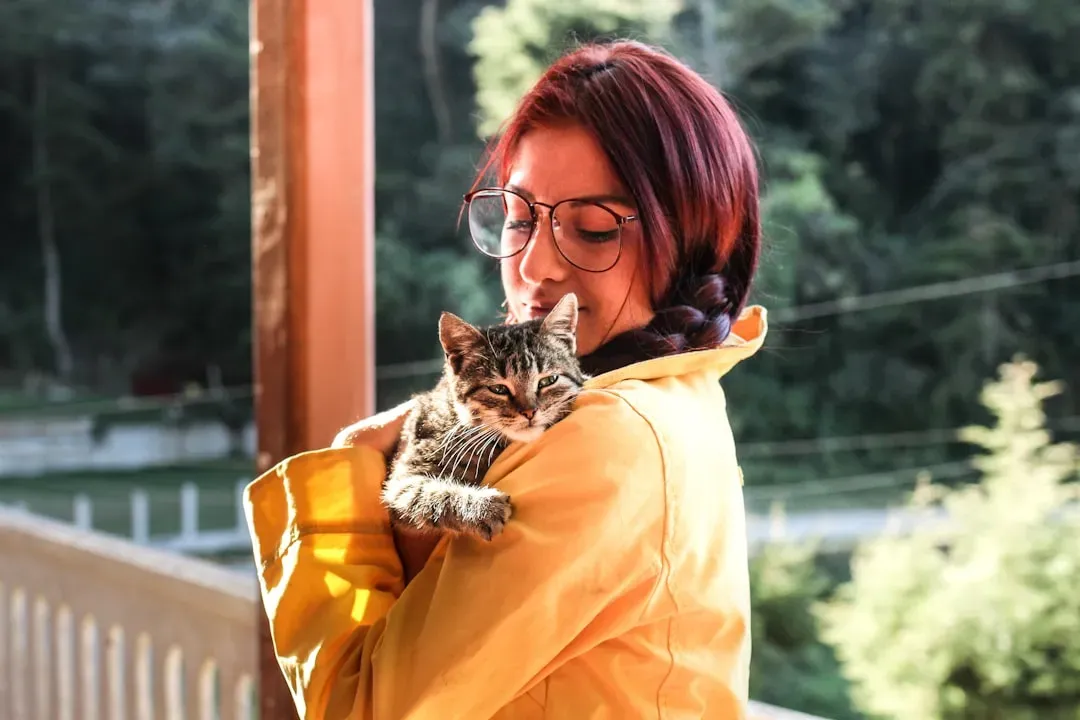
Interactions with a cat significantly activated the prefrontal cortex, regardless of interaction type, and these results indicate that interactions with a cat activate the prefrontal cortex in humans, including the inferior frontal gyrus region. Your brain literally lights up when you spend time with your feline friend. This isn’t just about feeling happy, it’s about measurable neurological activity.
Cats’ autonomous behaviors and reactions positively influenced the participants, and the characteristic temperament of cats may be a key factor influencing the health benefits of owning cats. Here’s the thing: cats aren’t like dogs who aim to please. Their independent nature means that when they choose to interact with you, it feels earned. That unpredictability and occasional aloofness might actually make the positive interactions more rewarding for your brain.
They Give You Purpose and Routine
In a study where researchers interviewed cat parents, they found that most activities people did with their cats increased feelings of enjoyment and provided feelings of purpose, and caring for a cat helped people lower levels of stress, better manage their emotions, and even increased their ability to handle difficult life circumstances. When you’re struggling mentally, having a cat that needs to be fed, whose litter box needs cleaning, and who expects playtime creates a framework for your day.
On those days when life has got you down and you just don’t feel like you can do it, our cats give us a reason to get up and out of bed, whether they wake you with a gentle nudge, persistent meow, or coughing up a hairball in the middle of your bed. Let’s be honest, that last part isn’t exactly pleasant, but it does force you into action. Sometimes that’s exactly what someone needs.
Social Connection Through Your Feline Friend
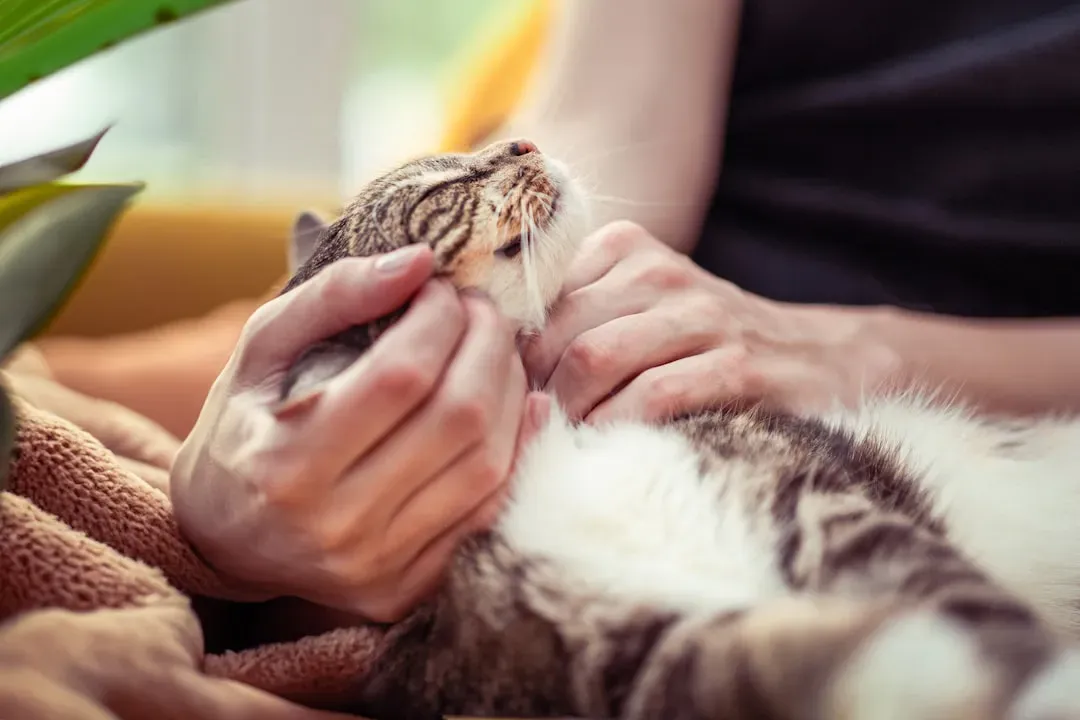
Having a cat companion gives you a chance to bond and forge a relationship with another being, which can be especially important for people who live alone and experience anxiety. Domestic cats and humans care for each other, and this cross-species bonding may benefit our human-to-human relationships, as for cat lovers, their cats can be part of their social network, and when someone makes us feel good and connected, it builds up our capacity for kindness and generosity toward others.
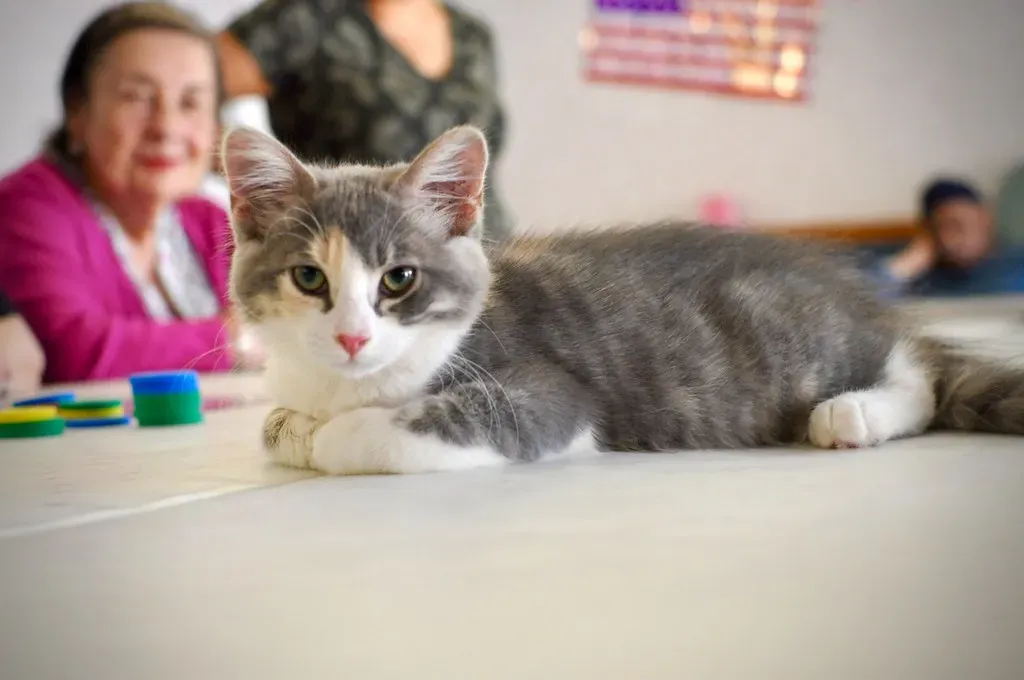
For individuals experiencing social isolation or living alone, emotional support cats provide consistent, nonjudgmental companionship, and their presence helps fulfill the human need for connection, especially in vulnerable populations such as the elderly or those managing chronic mental health conditions. Your cat doesn’t care if you had a bad day at work, said something awkward in a meeting, or wore mismatched socks. They just care that you’re there.
The Long-Term Health Investment You Didn’t Know You Made
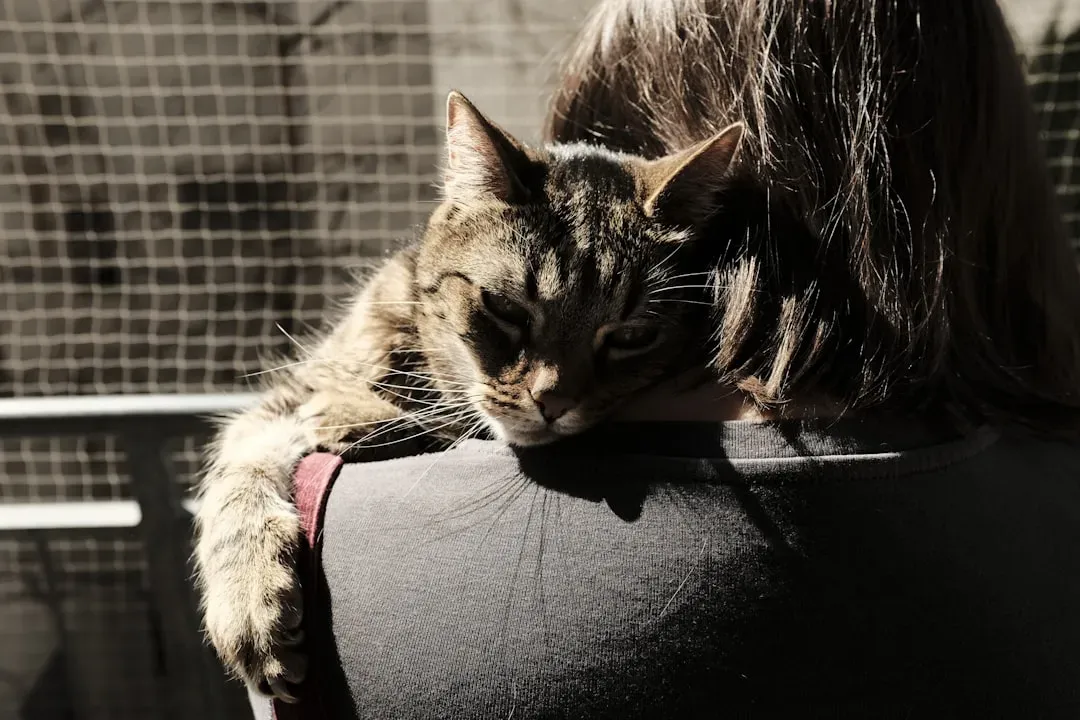
A survey conducted by Cats Protection and the Mental Health Foundation found that cats have a positive impact on 87 percent of owners’ mental wellbeing. That’s an overwhelming majority. 86 percent of responders to a poll by the American Psychiatric Association reported that their cats had a positive impact on their mental health, providing a calming presence and helping reduce stress and anxiety.
In fact, their stress-reducing ways are so powerful that simply watching videos of cats can significantly elevate our mood. If even cat videos can boost your mood, imagine what living with an actual cat does over months and years. The cumulative effect of daily stress reduction, companionship, and those moments of genuine connection adds up to significant health benefits over time.
Conclusion: Your Furry Therapist Deserves Recognition
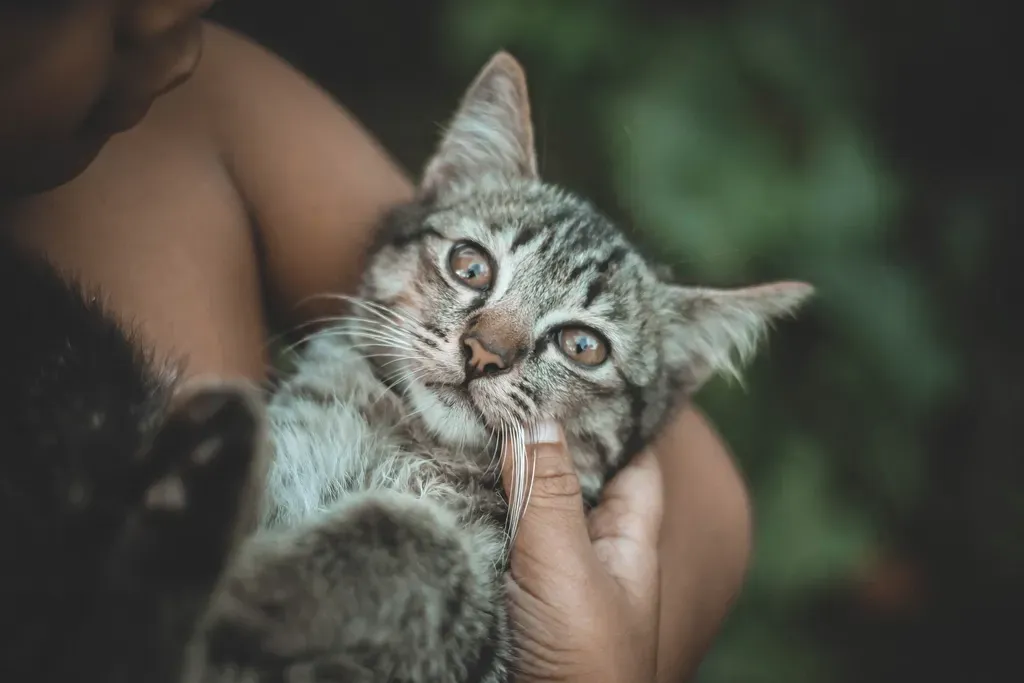
Your cat isn’t just a pet lounging around your house demanding treats and head scratches. They’re actively contributing to your physical and mental health in ways that science is only beginning to fully understand. Cats help our mental health just by being themselves, and their ability to reduce stress, offer companionship, heal with purrs, and offer their services as therapy animals makes them the ideal champions for mental health.
From lowering your risk of heart disease to reducing anxiety, improving your mood, and even helping your bones heal faster through their purr vibrations, cats are working therapeutic magic every single day. The next time your cat interrupts your work by sitting on your keyboard or wakes you up at dawn, remember that they’re also quietly extending your life and improving its quality in remarkable ways.
Did your cat surprise you with their secret superpowers? Maybe it’s time to give them an extra treat and a little more appreciation for being the unpaid therapist they truly are.