You’ve probably noticed your cat dedicating countless hours to washing, licking, and primping. It’s not vanity, believe me. This behavior is rooted in something far deeper and more fascinating than simple cleanliness.
Their grooming ritual is actually a sophisticated survival strategy that has evolved over millions of years. Every lick serves multiple purposes at once, from temperature regulation to social bonding.
The Engineering Marvel That Is a Cat’s Tongue
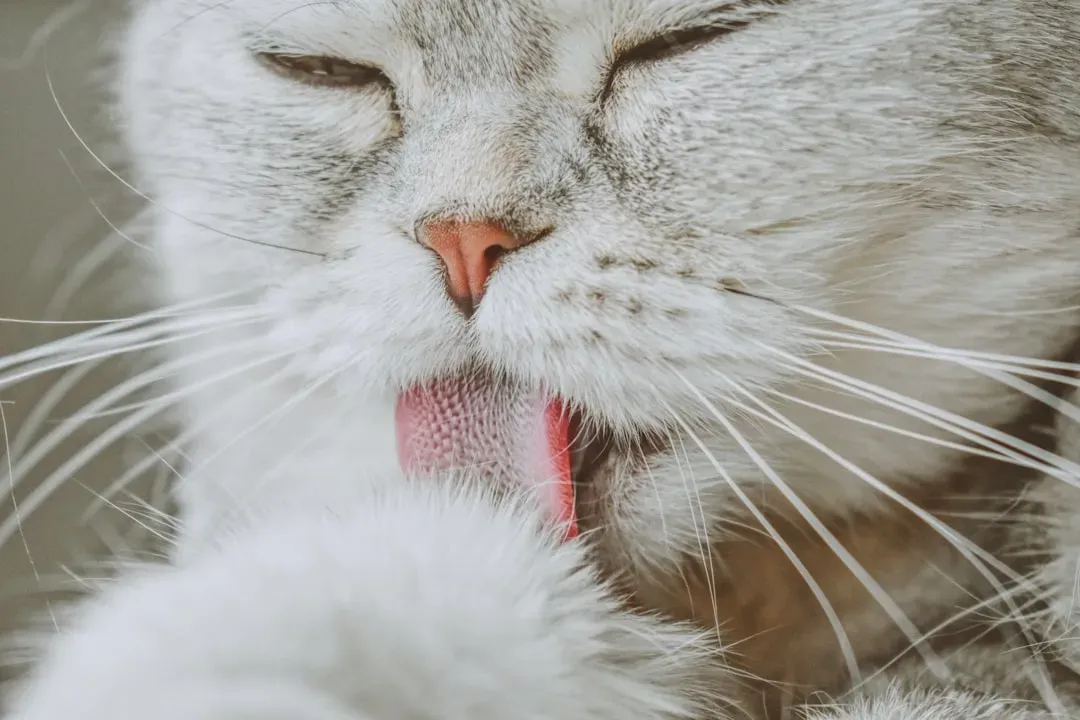
Your cat’s tongue is covered with hundreds of tiny, backward-facing barbs called papillae. These structures feel like sandpaper when your cat licks you, right? What’s truly remarkable is that these papillae are actually hollow spines that wick saliva from the mouth and then release it onto hairs.
Think of them as nature’s perfect brush design. The spines are curved and hollow-tipped, which allows them to transfer large amounts of saliva from mouth to fur, cleansing down to the skin and lowering body temperature as the saliva evaporates. This mechanism is so efficient that scientists at Georgia Tech actually studied it and created a biomimetic grooming brush inspired by this design.
The papillae aren’t rigid either. High-speed videos showed that the papillae rotate as the cat’s tongue encounters knots in fur, probing deeper into tangles and working them loose. It’s essentially a self-adjusting comb that adapts to whatever challenge it encounters.
Hours Upon Hours of Daily Dedication
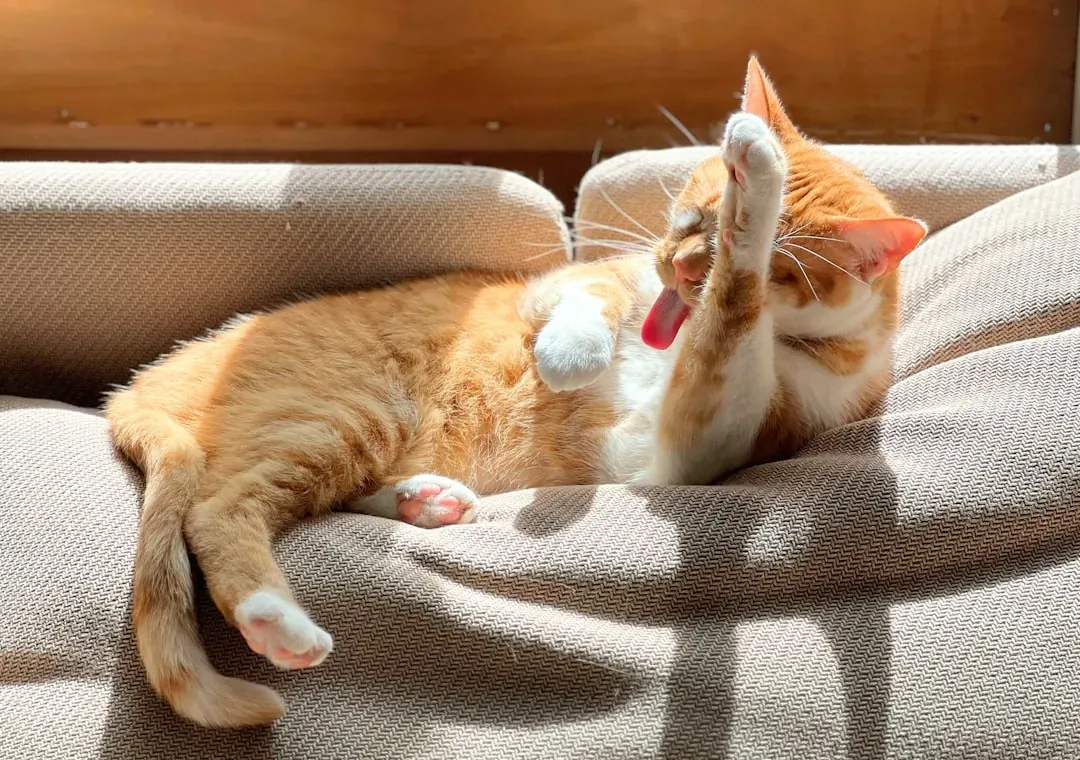
Cats spend between thirty to fifty percent of their day grooming themselves or others. Let that sink in for a moment. Nearly half their waking hours are devoted to this one activity.
That’s not laziness or obsession. House cats reportedly spend around 25 percent of their waking time grooming their fur coat, and this time investment pays enormous dividends for their health and survival. Compare that to how much time we humans spend on personal hygiene, and suddenly cats don’t seem quite so excessive.
Temperature Control Through Saliva Distribution
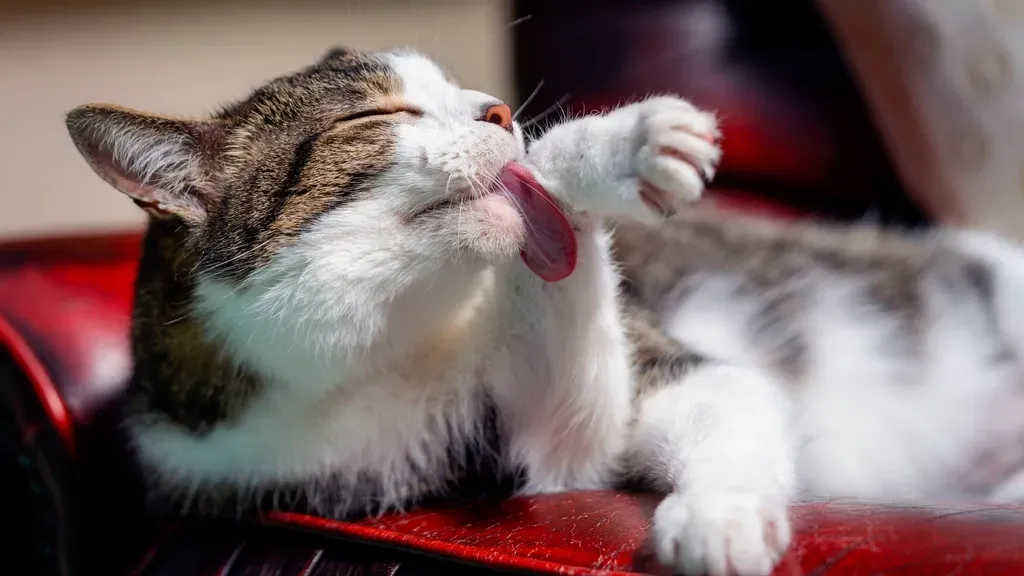
Here’s something most people don’t realize. Cats have very few sweat glands, so they can’t cool down the way we do. Instead, grooming serves as a cooling mechanism on hot days, with the evaporation of saliva helping them regulate temperature, while well-groomed hair fluffs up to allow air circulation against the skin.
A domestic cat can deposit around 86 grams of saliva per day through its papillae, with evaporation contributing to heat release. The remaining heat disperses through other means like conduction and radiation from their paws and ears. In winter, grooming helps them maintain insulation by keeping their coat properly arranged.
The Social Language of Mutual Grooming
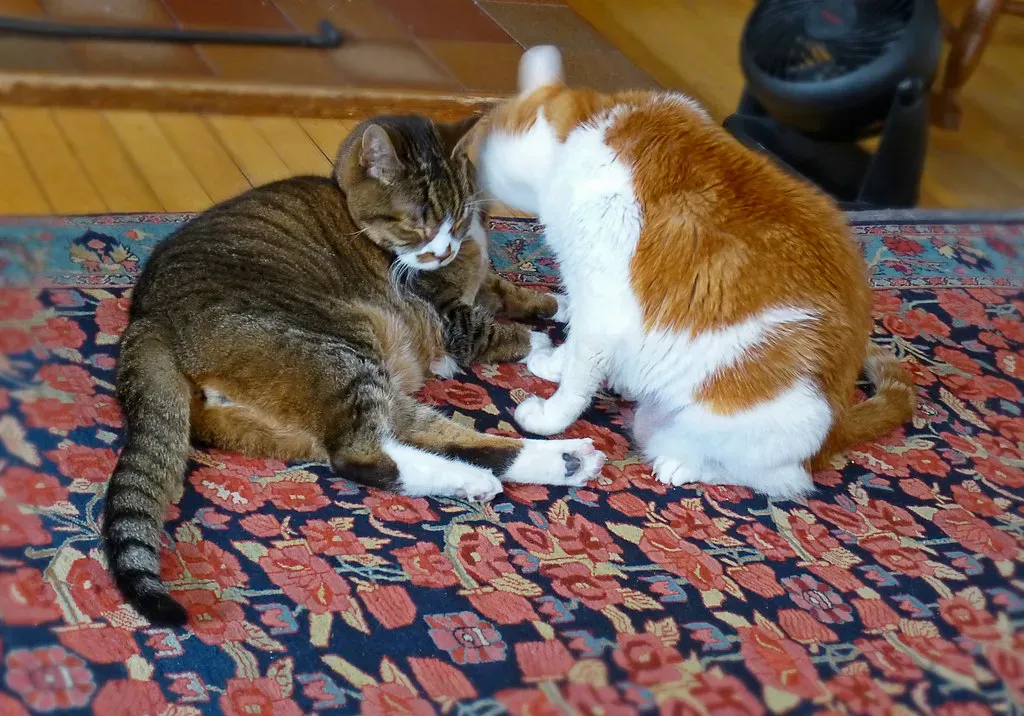
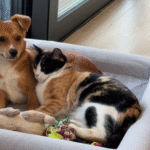
When cats groom each other, something special happens. This behavior, called allogrooming, helps cats bond, communicate, and express instinctive behaviors. It’s not just about hygiene at all.
Cats often groom each other to establish and strengthen social bonds, with allogrooming serving as a sign of affection and trust between cats. You’ll notice they typically focus on the head and neck during these sessions. Allogrooming occurs in areas that are hard for cats to reach on their own, such as the head and neck. There’s also a hierarchy element at play sometimes, with higher ranking cats often grooming less dominant cats, typically around the head, face, and neck.
An Internal Grooming Schedule You Can’t See
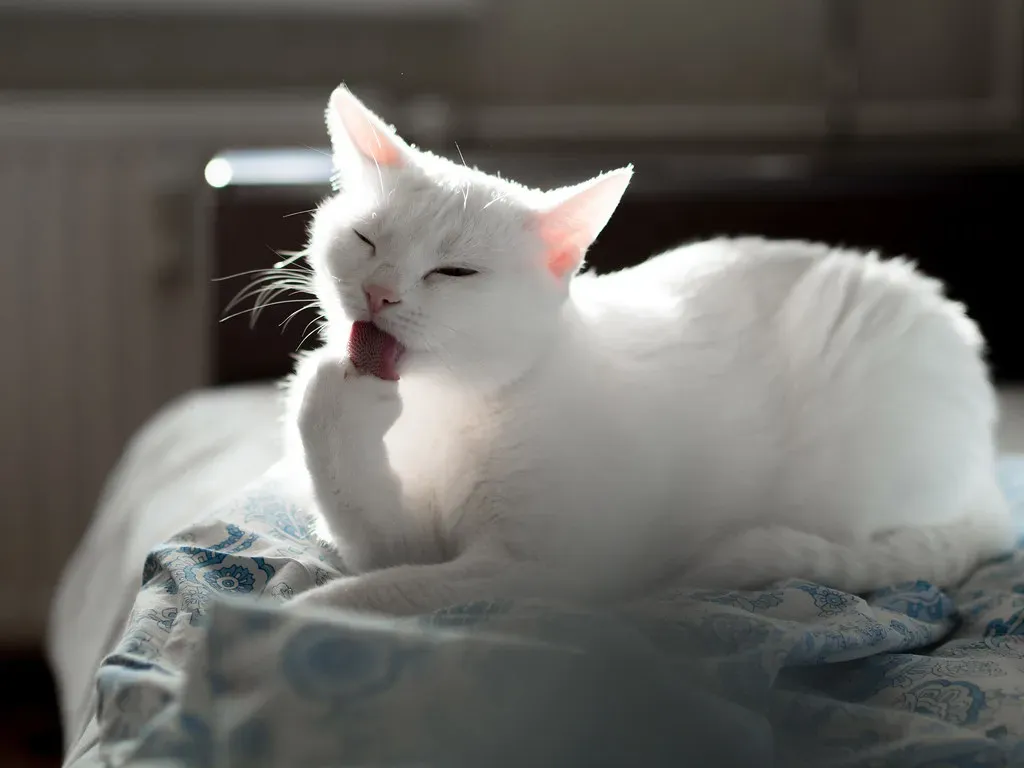
Cat grooming isn’t random or spontaneous. When a cat sleeps or rests without grooming, the period following sleep includes temporarily increased grooming, with a significant negative correlation between sleep duration and latency to the next grooming bout.
In experiments, researchers prevented cats from grooming using Elizabethan collars. In the twelve hours immediately after collar removal, oral grooming increased by about 67 percent and scratch grooming by about 200 percent, but by the second twelve hours, the catch-up effect had disappeared. It’s like their bodies keep an internal ledger of grooming needs.
Why Cats Are Obsessed With Cleaning After Meals
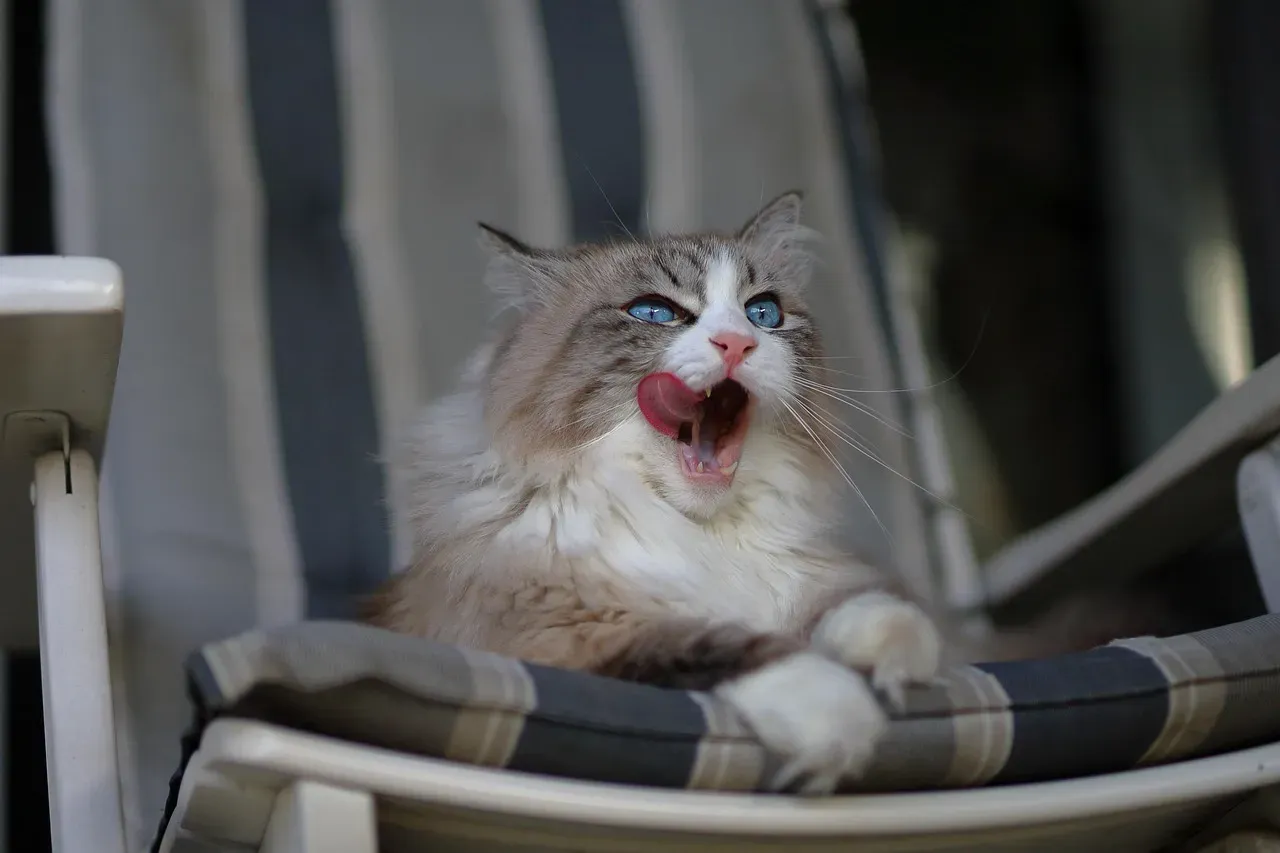
Most cats often groom their faces after eating, which helps clean up any stray food particles stuck to the face or whiskers. This isn’t just about looking presentable for company.
In the wild, leftover food scents could attract predators or alert prey to a cat’s presence. Post-meal grooming is a natural instinct that helps cats remove food scents and particles that could attract predators in the wild, while also serving as a self-soothing ritual. Even though your house cat faces no such dangers, millions of years of evolution have hardwired this behavior into their brain.
Grooming as Emotional Self-Medication
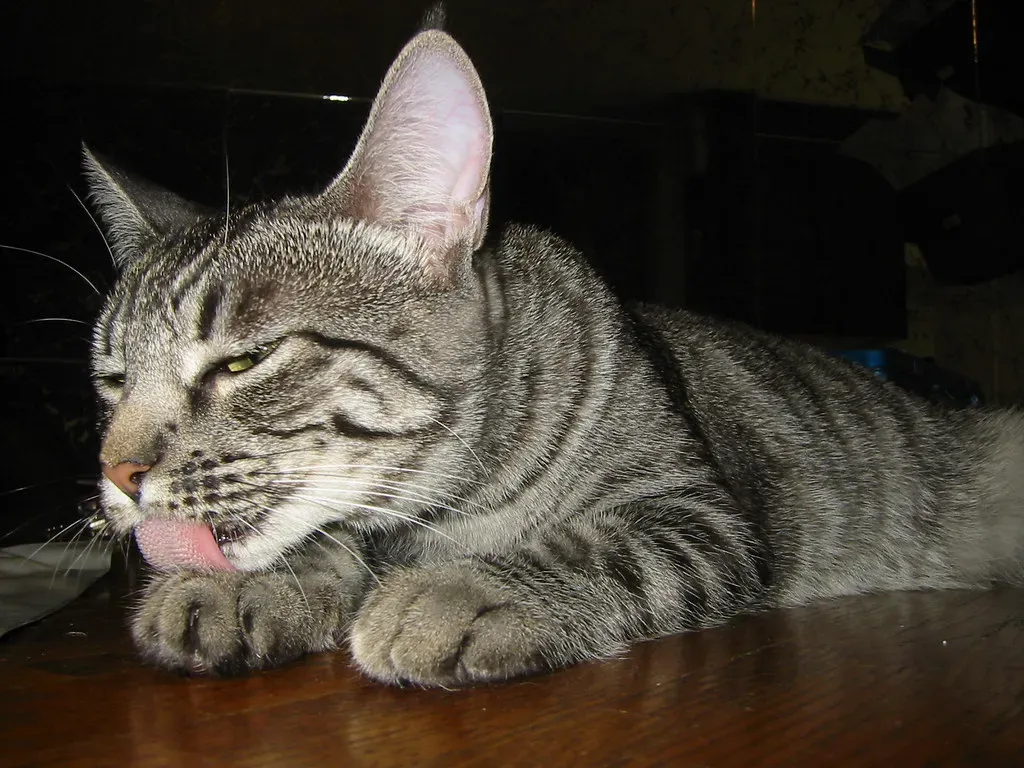
Ever notice your cat suddenly start grooming when something startles or confuses them? Grooming has a displacement benefit in cats, serving as something they do when aroused.
During times of stress, cats may overgroom to self-soothe, as they release endorphins when they lick their fur, making them feel better the more they lick. It’s their version of stress relief, similar to how humans might fidget or pace. This self-soothing mechanism can sometimes become problematic if stress persists, leading to overgrooming and bald patches.
Distributing Natural Oils Like a Professional Stylist
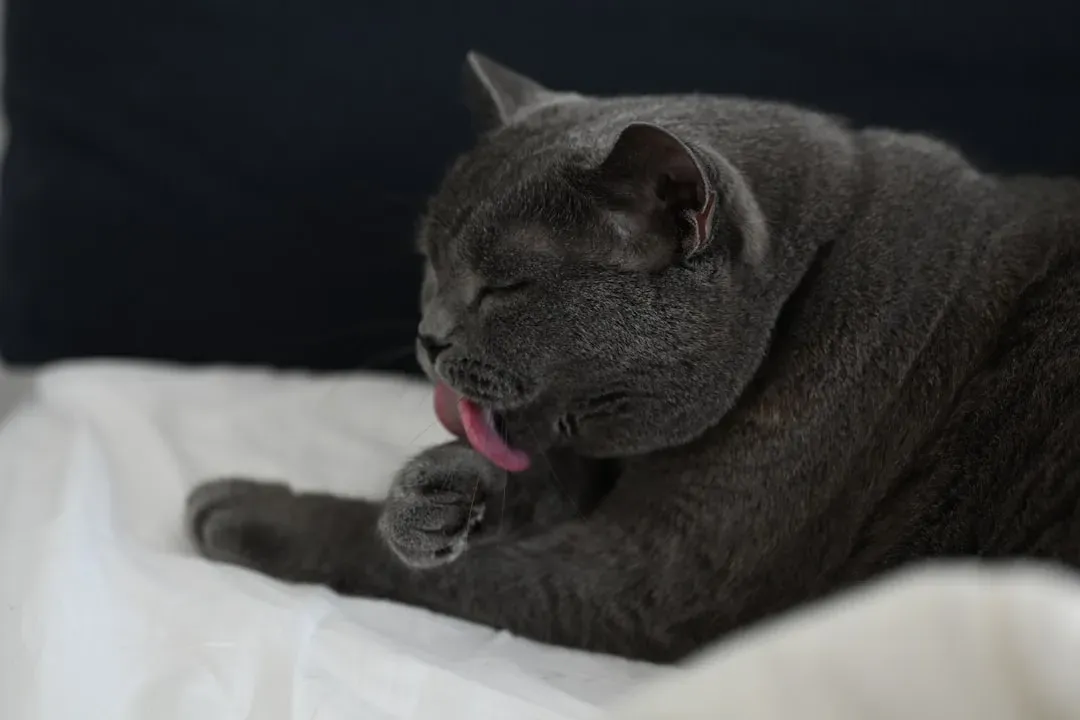
Grooming helps maintain healthy skin by stimulating the production of sebum, an oily secretion produced by glands at the base of each hair, which helps lubricate and waterproof the fur. That’s why healthy cats have such gorgeous, shiny coats.
The tongue doesn’t just clean surface dirt. It works these oils through every strand of fur, creating a protective barrier. This waterproofing becomes especially important for cats that venture outdoors or live in humid environments. Without regular grooming, cats would lose this natural protection and become vulnerable to skin issues and parasites.
The Dark Side: When Grooming Goes Too Far
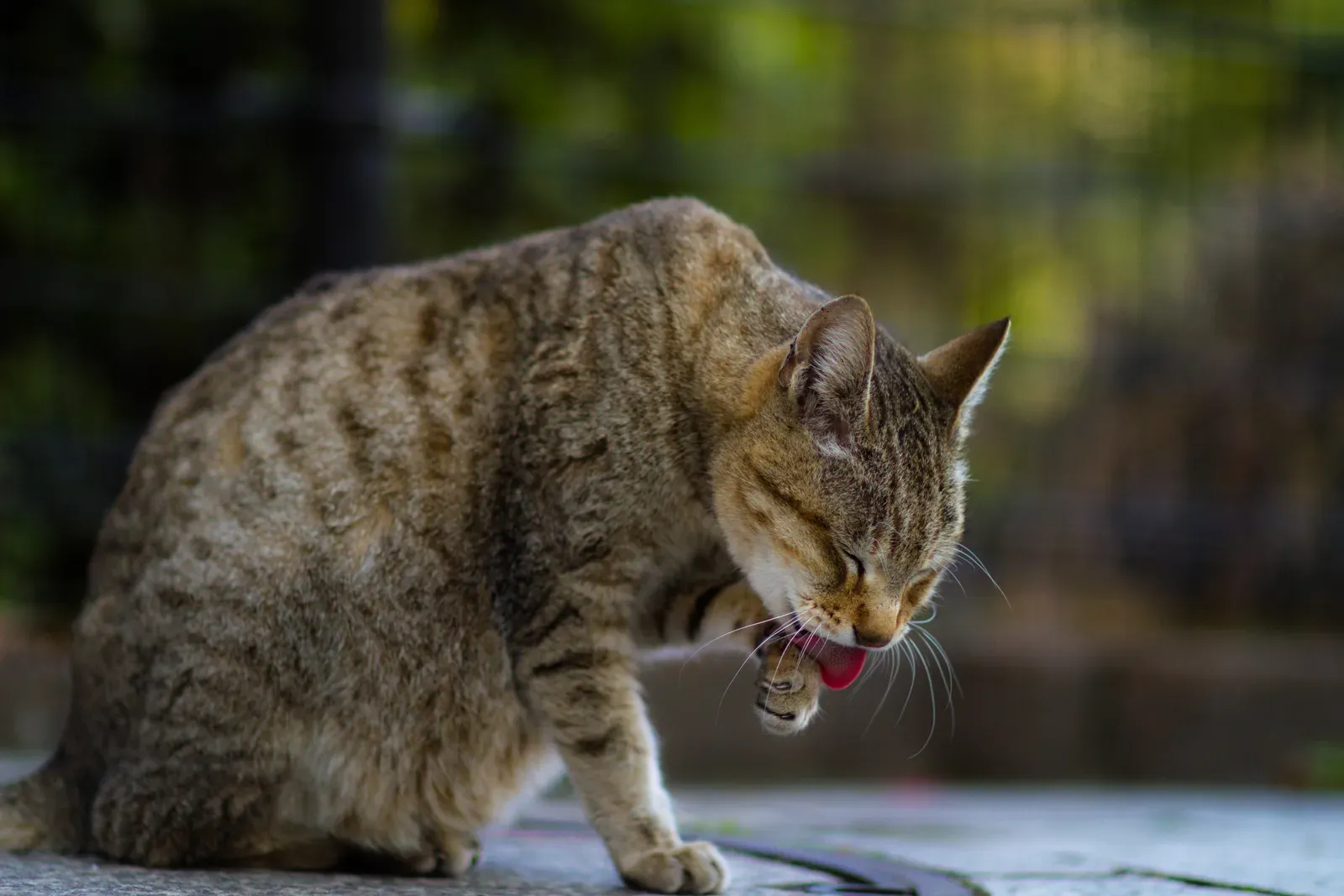
Sometimes grooming becomes excessive. Cats typically spend up to fifty percent of their waking hours grooming, but excessive licking, biting, chewing, or scratching may indicate that self-grooming habits have become problematic.
Some cats use overgrooming to cope with stress or boredom, as licking releases endorphins that help relieve anxiety, turning into a habit known as psychogenic alopecia when it leads to compulsive grooming and fur loss. Medical issues like allergies, parasites, or pain can also trigger overgrooming. If you notice bald patches or constant licking of one area, a vet visit is essential.
When Cats Can’t Groom: Health Red Flags
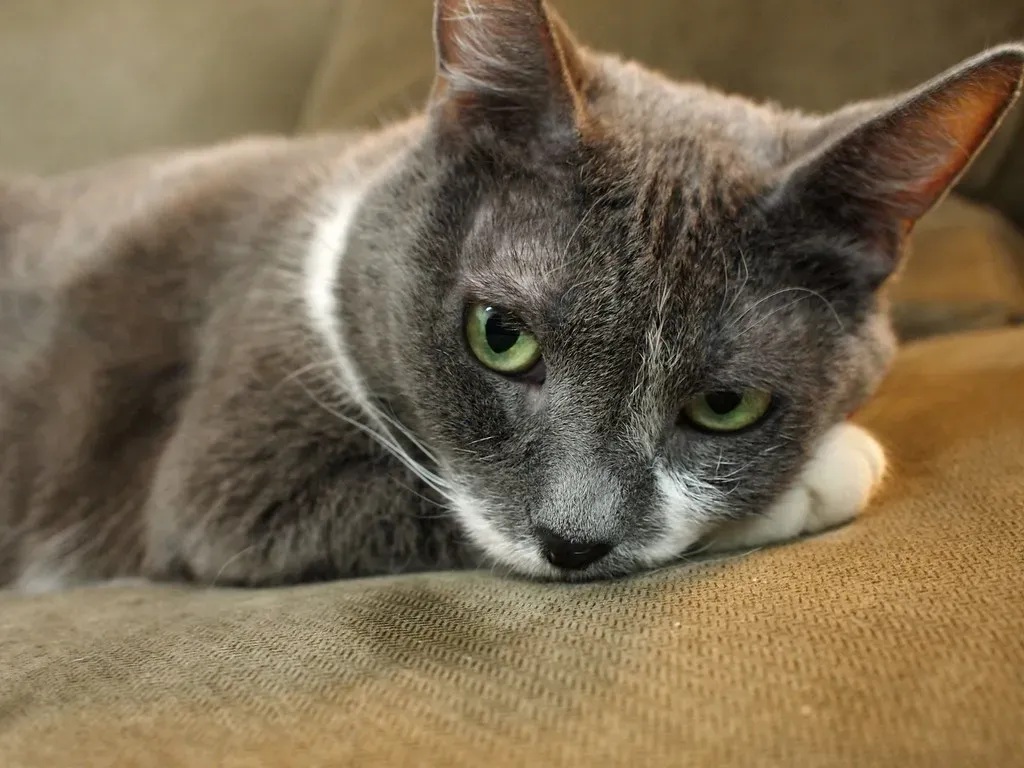
A cat that stops grooming is sending a distress signal. Pain or illness will cause a cat to lose interest in grooming, with aging cats potentially suffering from arthritis that makes grooming painful, while overweight cats have difficulty reaching areas they want to clean.
When cats become ill, they may stop cleaning themselves, which could indicate arthritis, pain, or dental problems. If your previously fastidious cat suddenly develops a matted, unkempt coat, don’t dismiss it as laziness. This change often signals an underlying health condition requiring veterinary attention. Early detection of these issues can make a significant difference in treatment outcomes.
The Art of Feline Self-Care Perfected
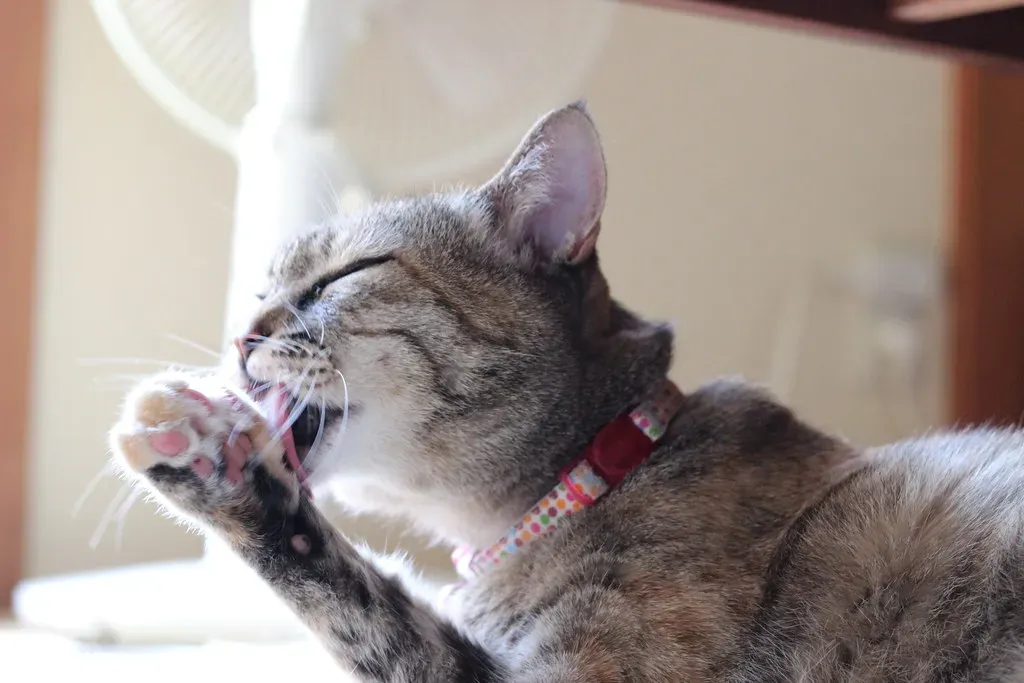
Your cat’s grooming obsession represents one of nature’s most elegant solutions to multiple biological challenges. From that remarkably engineered tongue to the internal scheduling system that ensures no spot gets neglected, cats have perfected the art of self-maintenance.
Next time you watch your cat meticulously cleaning between their toes for the third time today, remember you’re witnessing millions of years of evolution at work. They’re not just being clean; they’re being survival experts, social communicators, and temperature regulators all at once. Pretty impressive for an animal that also spends a significant portion of the day napping, wouldn’t you say?