You’ve probably had one of those days. Everything goes sideways, you slump onto the couch, and within minutes your cat materializes out of nowhere and parks itself directly on your chest. Coincidence? Maybe not. There’s growing scientific evidence that your feline companion is doing something far more deliberate than simply craving warmth.
Most people still picture cats as indifferent, self-serving creatures. The internet loves that version of them. Yet researchers across multiple countries are quietly dismantling that stereotype piece by piece, revealing an animal that is far more socially intelligent than anyone gave it credit for. Be surprised by what science has uncovered about the secret emotional life your cat shares with you.
Your Cat Is Actually Watching You More Than You Think
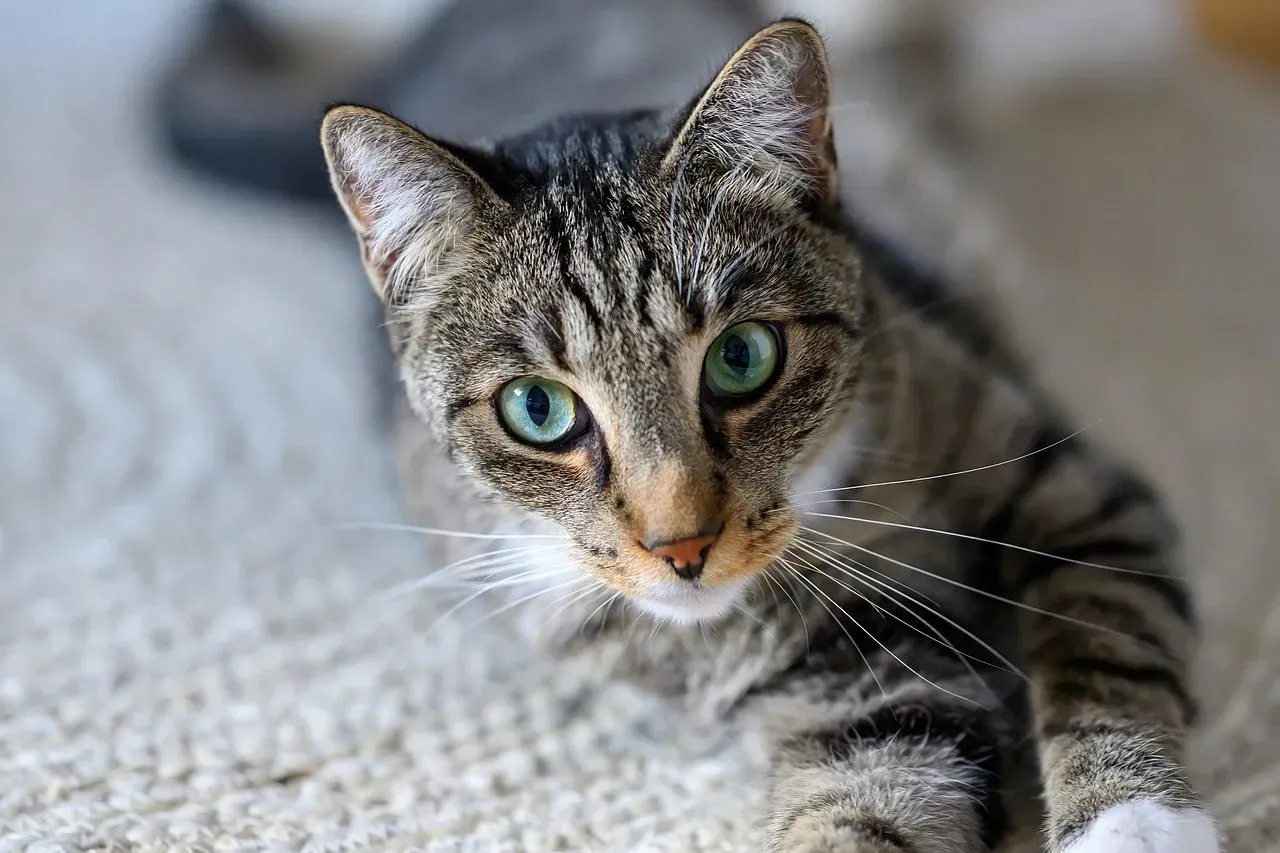
Honestly, this one surprised me when I first came across the research. Your cat spends large parts of its day analyzing you, reacting to your emotions, and changing its behavior according to how you feel at the moment. It’s not lounging around in blissful ignorance. It’s observing. Quietly, constantly, and with a level of focus that would make a detective feel watched.
Cats not only perceive your moods but are actually affected by them. This emotional sensitivity makes sense when you consider your relationship. For cats, you are their main point of reference. You care for them practically, but you also provide them with security in the form of love and affection. Their wellness translates to your wellness, so it is in their self-interest to be aware of your state of being. Think of it this way: you’re basically the weather forecast they check every morning.
The Science Behind Scent: How Your Fear Actually Smells Different
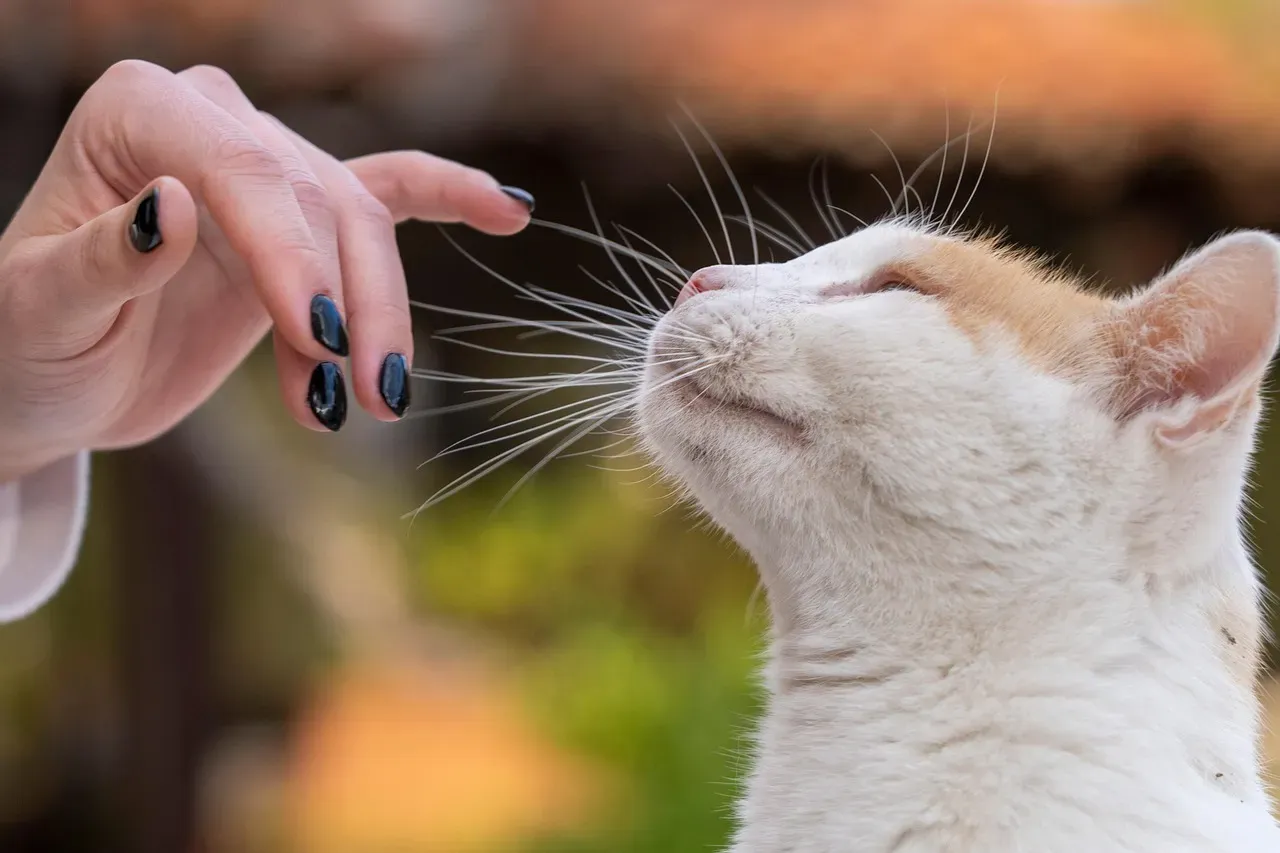
Here’s the thing that genuinely blew my mind. Odor plays a central role in the social behavior of domestic cats, and researchers from the University of Bari Aldo Moro in Italy explored this by examining how cats react to human odors associated with different emotional states. To investigate this, they conducted an experiment using odor samples from three unfamiliar men exposed to different emotional states: fear, happiness, physical stress, and neutral.
They found that “fear” odors elicited higher stress levels than “physical stress” and “neutral,” suggesting that cats perceived the valence of the information conveyed by “fear” olfactory signals and regulated their behavior accordingly. Cats even relied on their right nostril more when displaying severe stress behaviors while smelling “fear” and “physical stress” odors. Since the right nostril connects to the right hemisphere of the brain, responsible for processing arousal and intense emotions, this suggests those odors trigger a higher emotional response in cats. In other words, your nervous sweat is basically sending your cat an alert message.
Reading Your Face: Cats Recognize Human Emotional Expressions
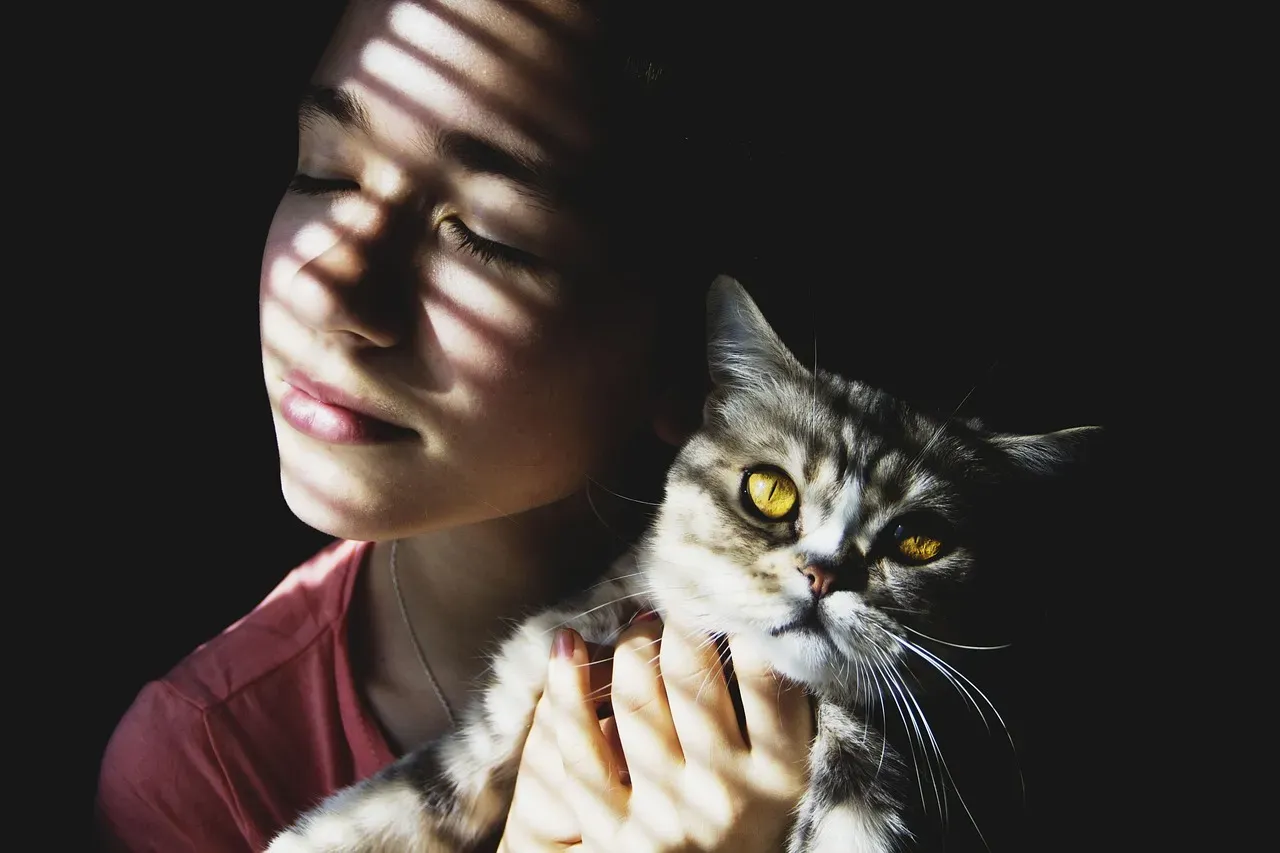
Research has shown that cats react in different ways based on your facial expressions, suggesting they can “read” how you’re feeling in a similar way that humans read each other. That’s a strikingly intimate capability for an animal long dismissed as aloof. Your cat is more likely to come to you if you’re smiling. If you avoid eye contact or are scowling, they’re more likely to stay away.
Cats respond more positively to their owners when they express facial and postural signals of happiness than anger. In particular, cats were more likely to engage in positive behaviors and spent a longer time in contact with their owners when they appeared happy. So the next time your cat is being distant, you might want to check your own resting face first. Just saying.
Social Referencing: Your Cat Uses You as an Emotional Compass
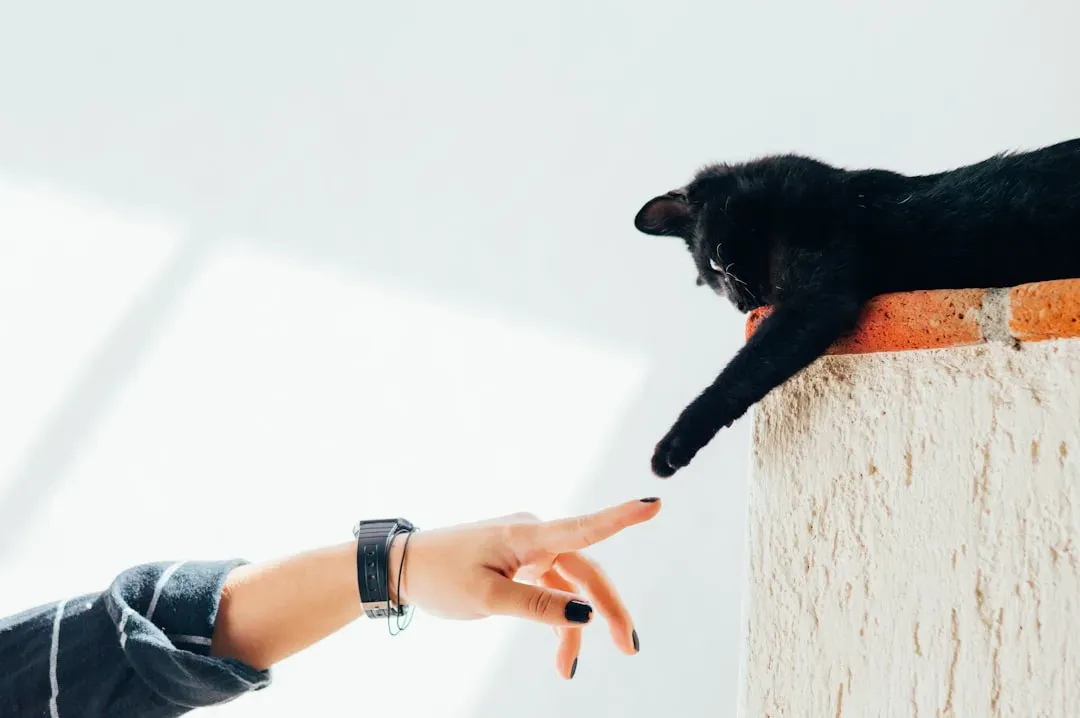
This is one of the most fascinating behavioral discoveries in recent feline research. With anxiety, your cat engages in what is known as social referencing. A study put cats and their owners into a room filled with fans that had attached streamers. Some people were told to act happy about the fans, while others were told to act as if they were afraid. The result was the cats looking at their owners to see their reaction to the fans before deciding how they themselves would react.
Most cats, a remarkable nearly four out of five, exhibited referential looking between the owner and the object, and also to some extent changed their behavior in line with the emotional message given by the owner. It’s almost like watching a child look to a parent during a thunderstorm. Your cat is silently asking: “Should I be worried right now?” The answer you give with your face and body matters more than you probably ever realized.
When You’re Sad or Depressed, Your Cat Draws Closer
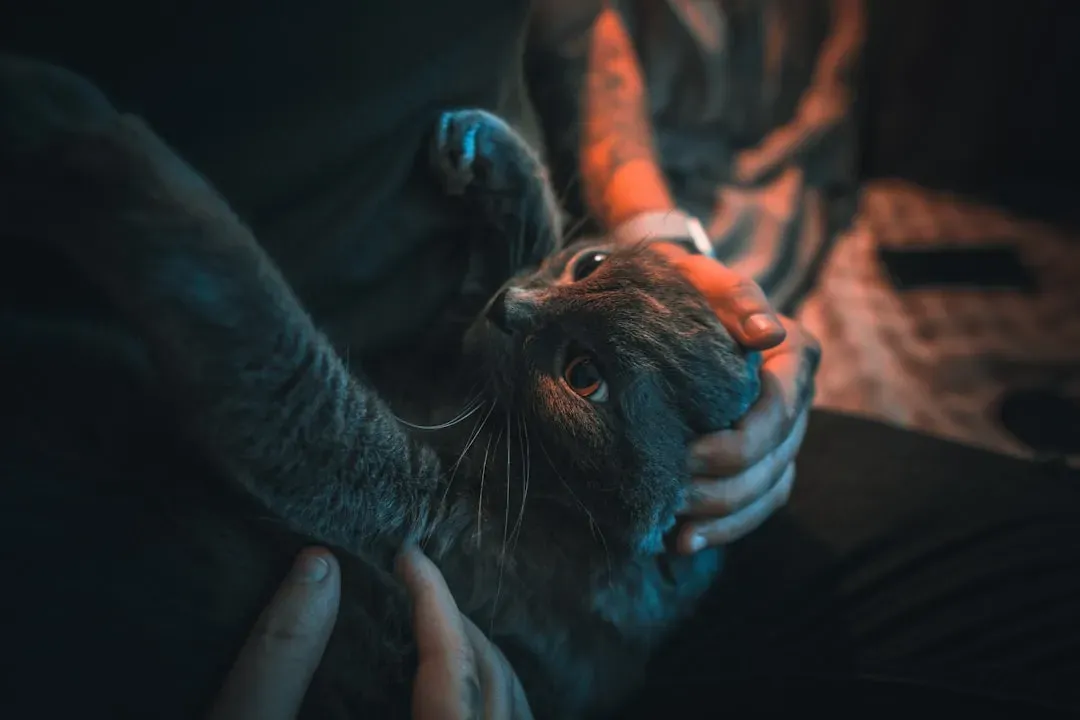
Studies indicate that cats can sense depression and spend more time with people who are depressed. However, they likely cannot understand that what you’re feeling is depression. Nonetheless, they likely do know that something is off. It’s a subtle but important distinction. Your cat isn’t diagnosing you. It’s just sensing that the energy in the room has shifted and responding accordingly.
Cats may come in closer proximity when you are depressed. Some even purr and rub themselves more once they sense that their human is depressed, though it depends on the cat’s personality and their own ways of adjusting behavior. They may do so in various ways, including looking at you, sitting near you, rubbing themselves against you, and purring, which can actually calm you down and help lower your blood pressure. That’s not random. That’s a small, furry emotional support system in action.
Mirroring: When Your Stress Becomes Their Stress
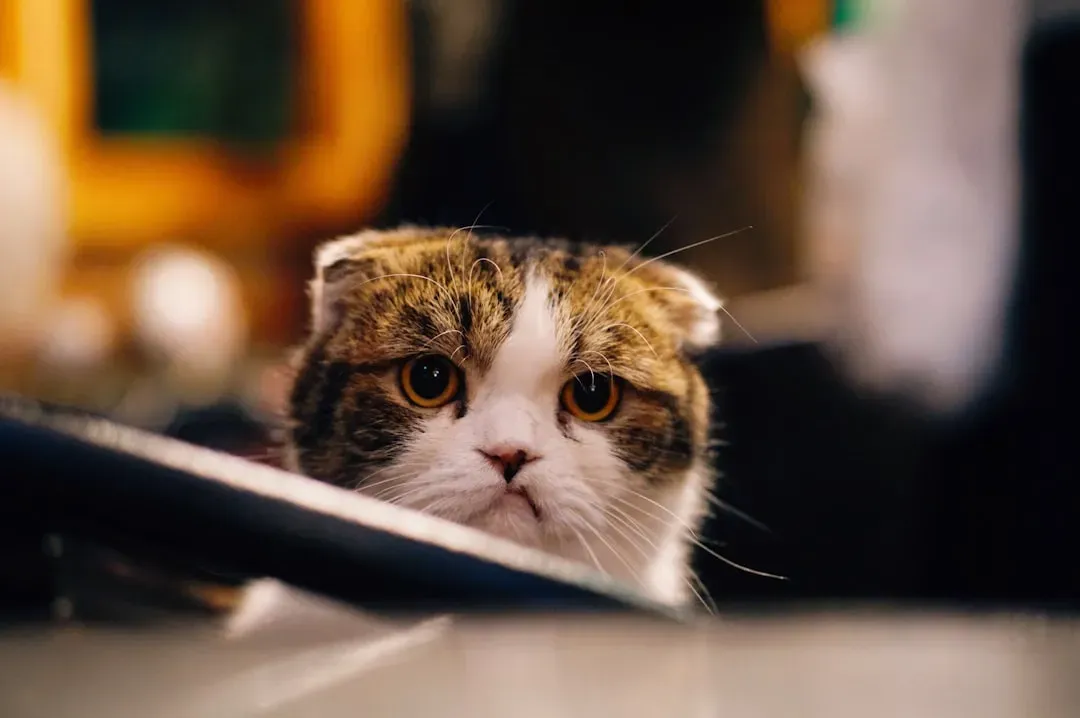
Let’s be real, this one cuts both ways. Cats react to their owner’s stress levels and personalities, mirroring their well-being and behavior. So while your cat is picking up on your emotional state, it’s not just watching from a safe distance. It’s actually absorbing it. Often, cats will mirror their owner’s mood, so if you’re stressed, it’s likely your cat will feel stressed too.
The way in which they respond does vary. Some cats will pick up on your stress and become anxious themselves, especially if their routine changes or the person interacts with them differently. This can manifest as inappropriate toileting, hiding away, changes to appetite, overgrooming, or other signs of feline stress. Think of your cat like a living emotional mirror. Research from Nottingham Trent University found that cats are able to determine when their humans are anxious or stressed and can also mirror their human’s emotions and well-being. That’s a remarkable level of co-regulation between two completely different species.
The Healing Purr: How Your Cat Literally Soothes You on a Physical Level
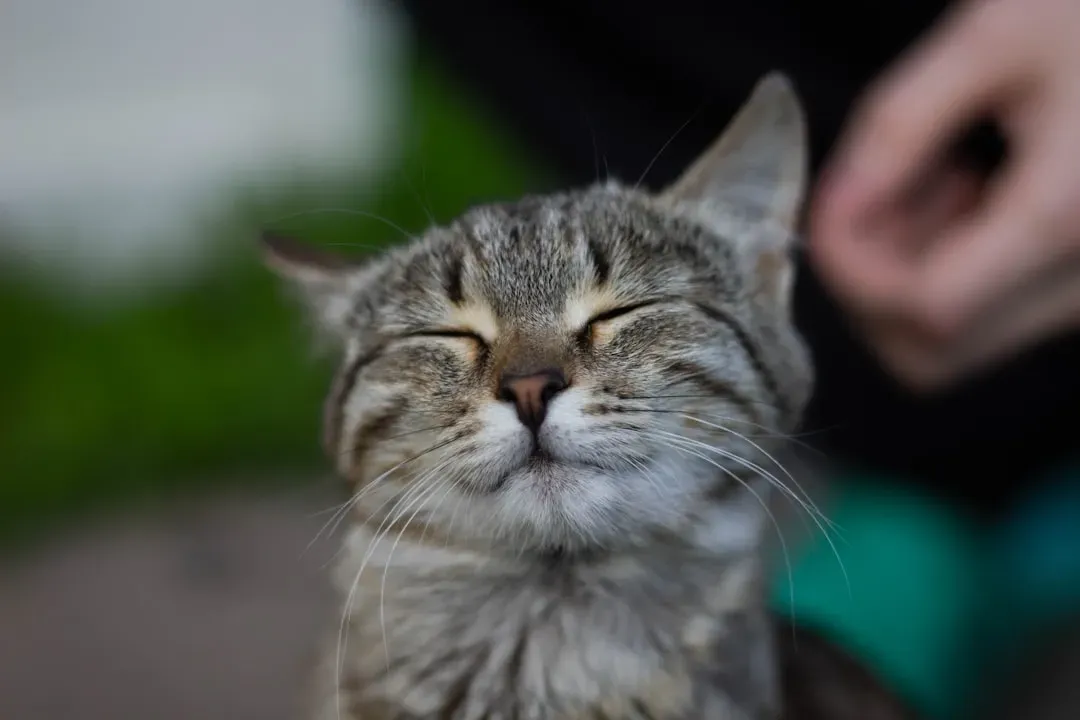
Few things in the world are as instantly comforting as a purring cat on your lap. The frequency of cat purring has been shown to fall between 25 and 140 Hz. The same frequency has been shown to aid in the healing of broken bones, joint and tendon repair, and wound healing. That’s not folk wisdom. That’s physics meeting biology in the most unexpectedly cozy way imaginable.
The soothing vibrations of a cat’s purr can help regulate the autonomic nervous system, which controls involuntary bodily functions like heart rate and breathing. By lowering stress and triggering the body’s relaxation response, purring promotes a sense of calm, balance, and emotional well-being. Petting a cat or listening to their purring triggers the release of oxytocin, a hormone that promotes happiness and reduces stress. This calming effect lowers cortisol levels and can help alleviate pain, easing chronic discomfort. Your cat’s purr is doing more than expressing contentment. It’s doing something genuinely therapeutic to your nervous system.
Reading Between the Lines: How Your Cat’s Body Language Responds to Yours
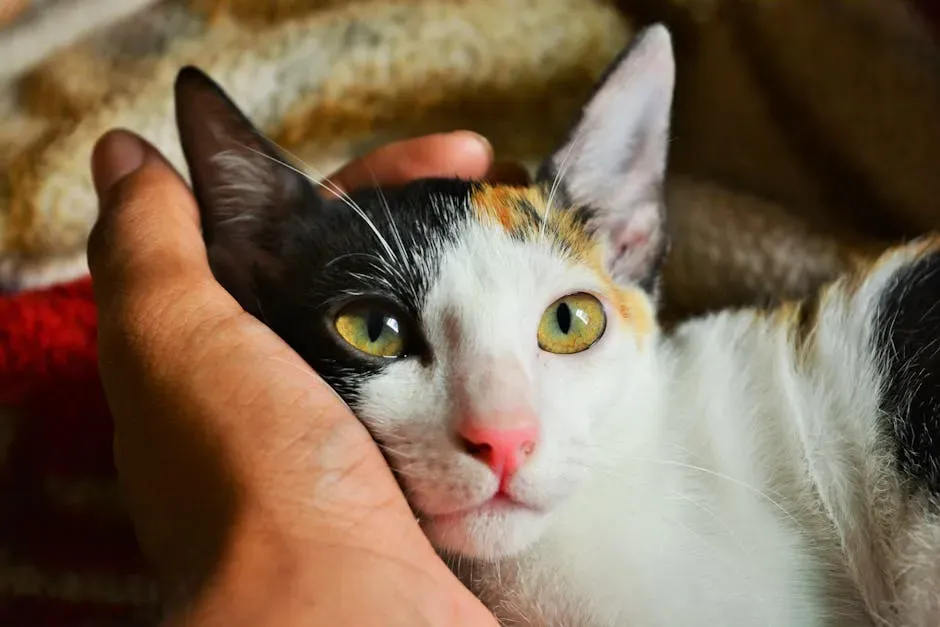
Cats don’t rely on just your face and vocalizations to read your mood. They are sensitive to changes in physiological parameters, such as heart rate, breathing cues, and blood pressure, which can all be symptoms of depression, stress, and anxiety. They are also highly attuned to your schedules, with even small alterations to your daily routine noted by these clever companions. In other words, your cat could notice you’re off before you even admit it to yourself.
Cats communicate relaxation and trust through slow, intentional eye blinking. This behavior, often referred to as a “kitty kiss,” signifies contentment and a sense of security. Remember that cats are more likely to come to you and want to spend time with you when you speak to them gently and calmly. Just like humans, they’ll want to stay away from someone who’s angry, suggesting that they really do read your emotions through your tone as well as your facial and body language. The relationship, it turns out, is a genuine two-way emotional conversation.
Can Cats Be Emotional Support Animals? The Evidence Is Compelling
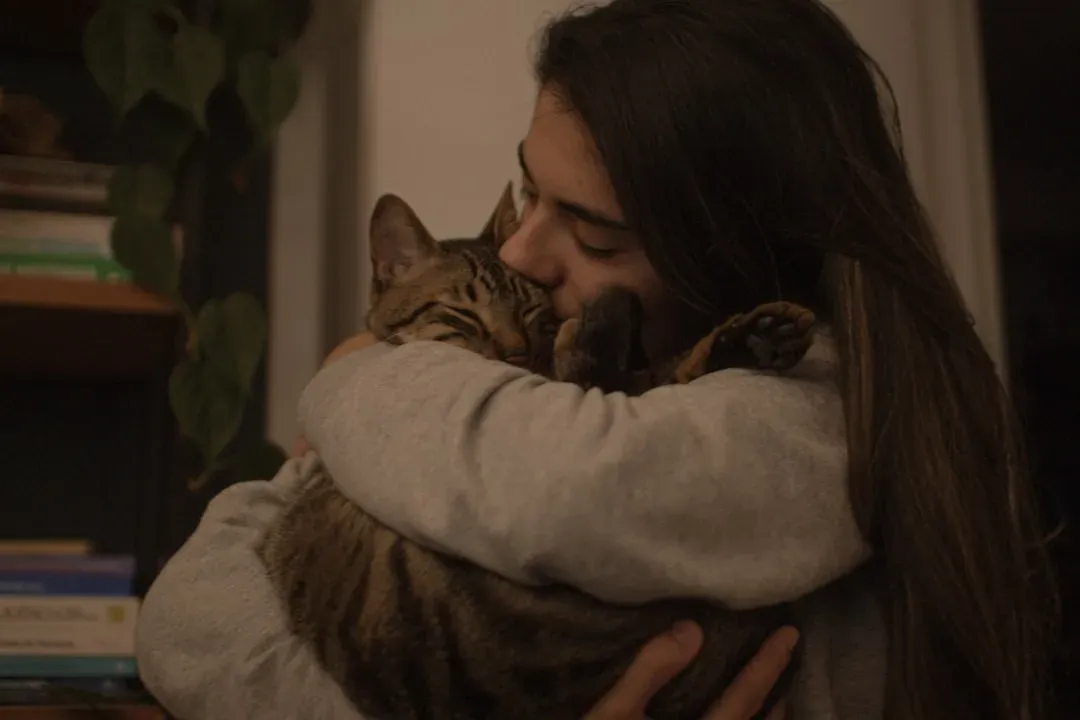
Many scientific studies have proven that cat ownership has tangible health benefits. Cat ownership can help lower your blood pressure and heart rate, reduce stress throughout your body, calm anxious or negative moods, and provide you with a companion that offers comfort and stability. That’s a fairly impressive health resume for an animal that also occasionally knocks things off shelves for no apparent reason.
Emotional support animals like cats offer vital relief to those experiencing anxiety, depression, or other mental health conditions. Their presence fosters trust, security, and companionship, helping people cope with stress and emotional challenges. The bond with a cat provides a sense of comfort, making them valuable partners in managing mental health. Cats may help reduce loneliness, which can often be a factor in depression and anxiety, and because you are responsible for them, they encourage you to keep going so you can properly care for them. Honestly, there’s something deeply moving about the idea that caring for another creature can be the thing that keeps you going on your hardest days.
Conclusion
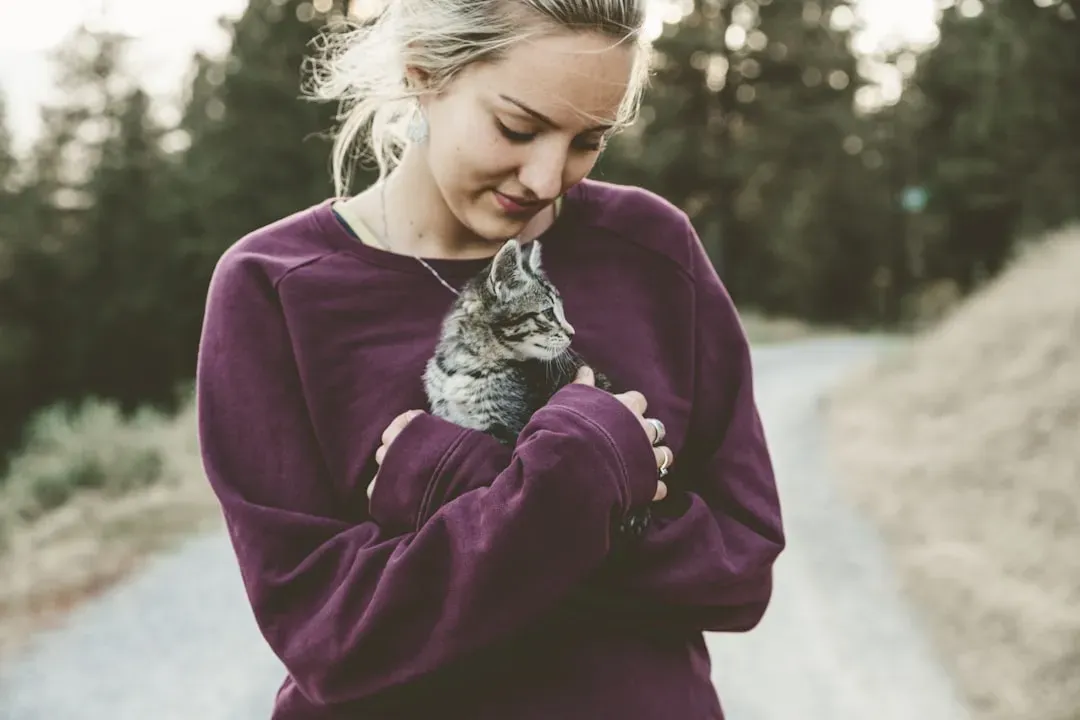
Your cat is not indifferent. It is not oblivious. It is not the cold, self-interested creature of popular mythology. Science has now made it abundantly clear that your feline companion is tuned into your emotional frequency in ways that are subtle, sophisticated, and sometimes startling. From detecting fear through scent, to purring at a frequency that physically soothes your nervous system, cats have developed a remarkably deep capacity to sense and respond to your inner world.
The relationship between you and your cat is not a one-sided arrangement where you provide the food and they provide the aesthetic. It’s a genuine emotional exchange. The next time your cat curls up against you during a rough night, understand that it probably isn’t a coincidence. It might just know you better than you think.
What does your cat do when you’re having a bad day? Have you ever noticed a pattern you couldn’t explain? Drop your experience in the comments.