You’ve probably heard someone say that cats are aloof, independent, or even unaffectionate. Maybe you’ve thought the same thing yourself. After all, your feline friend ignores you half the time and acts like you’re lucky to be in the same room.
Here’s the thing though. Cats aren’t cold or distant at all. They’re just operating on a completely different wavelength than we expect. Understanding how and why they choose to share their lives with you reveals something much more profound than a simple pet and owner relationship. What you’re about to discover might completely change the way you see your cat forever.
They Self-Selected Us From the Beginning
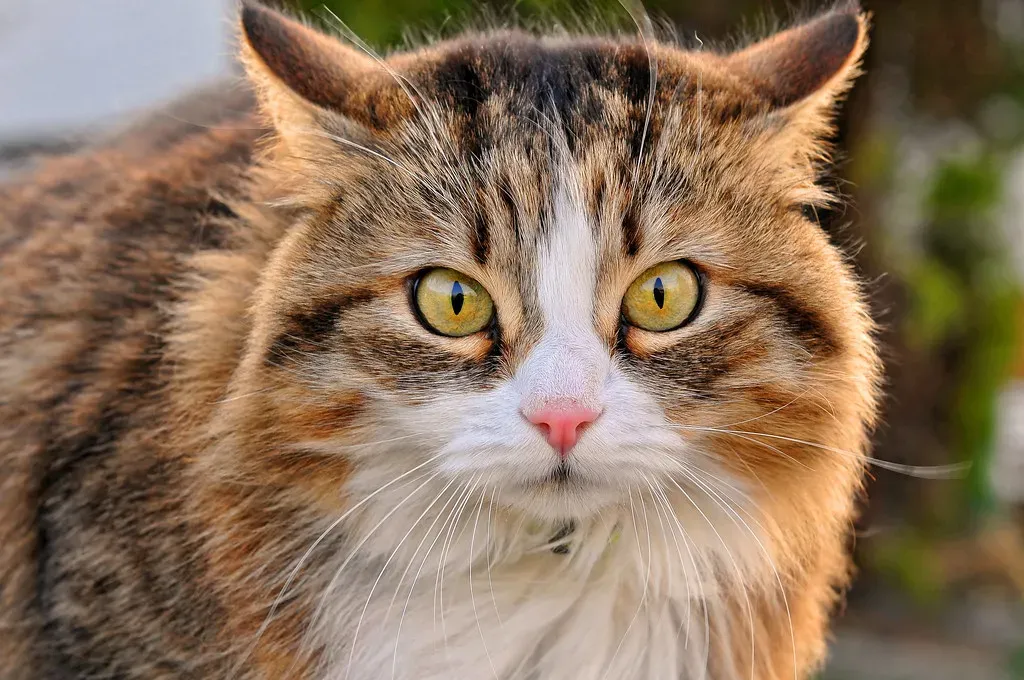
Thousands of years ago, cats essentially chose humans rather than the other way around. Research shows that early wild ancestors adjusted their own behavior to live closer to people, taking courageous steps to make themselves at home around human settlements. Think about that for a moment. While we spent centuries breeding dogs into submission, cats wandered into our grain stores, sized us up, and decided we might be worth sticking around for.
Some African wildcats with the least fear of humans took advantage of rodent populations near human settlements. People saw the benefit of their presence and treated the cats kindly, perhaps giving them shelter or food. It wasn’t ownership. It was an agreement. Unlike dogs, who were molded to fit human needs, cats retained their independence and chose coexistence on their own terms.
Your Cat Views You as a Companion, Not a Master

Let’s be real. Your cat doesn’t think you’re the boss. Cats are more solitary pets than dogs, and they see us more as companions than someone that takes care of them. Dogs have pack mentality hardwired into their DNA, but cats? They’re different creatures entirely.
Because cats are not pack animals, there is no inherent need or desire for the cat to comply with anyone’s wishes but its own. Social groups have hierarchies and an inherent need to be loyal, to show subordination to a superior member. Your cat lacks that instinct. They’re not being difficult; they’re being exactly what evolution designed them to be. That’s why forcing your expectations on them always backfires.
They Form Secure Attachments Despite Myths
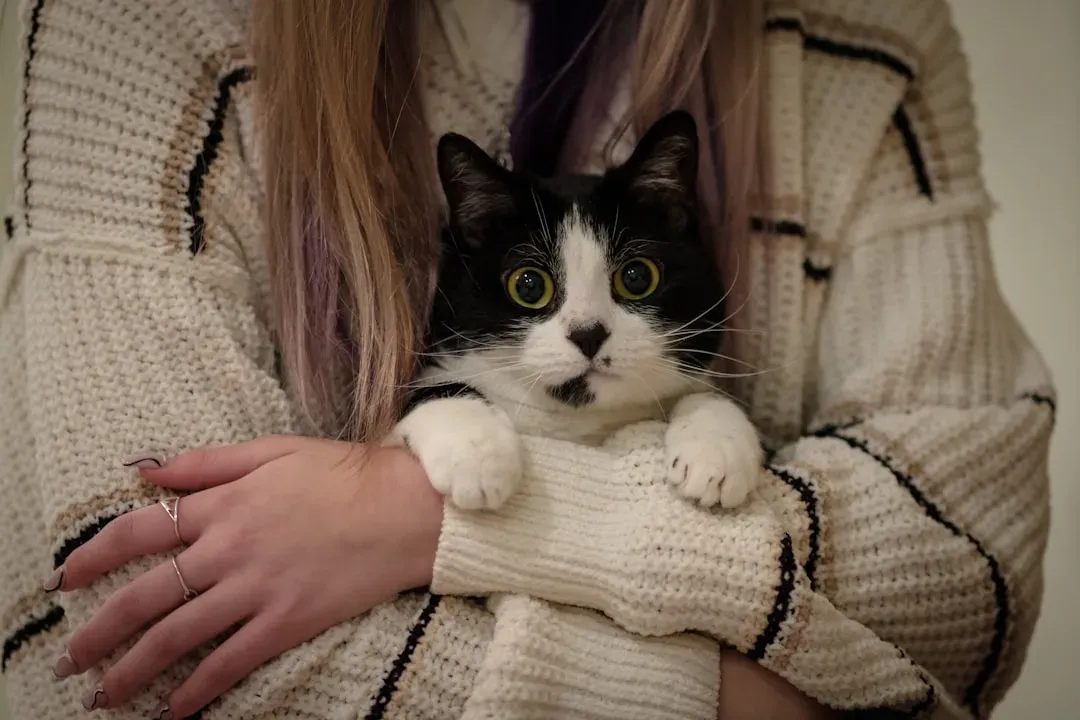
Research shows that the majority of cats view their owners as a source of comfort and security just like dogs do. Using the Secure Base Test adapted from human infant research, scientists discovered something remarkable. About 64 percent of kittens were classified as securely attached to their owners, mirroring attachment patterns seen in both dogs and human children.
Studies found that most cats chose interaction with humans over food, toys, or scent. Honestly, that finding surprised a lot of researchers. Cats were literally choosing you over dinner. Your bond with your cat isn’t imaginary or one-sided; it’s scientifically verifiable. They just express it in ways we’ve been trained not to recognize.
Communication Happens Through Subtle Body Language

Cats blink slowly to show affection and relaxation. If a cat blinks slowly at you, they are not threatened by you and in fact, they trust you. You can bond with a cat that blinks slowly at you by blinking slowly back at them. This slow blink is often called a cat kiss.
The tail up position, where the tail is held vertically in the air at a right angle to the ground, signals friendly intent when a cat approaches. When your cat rubs against your legs, they’re not just being cute. Cats rubbing against each other helps to exchange scent. When your cat rubs around your legs to greet you, they are doing the same as they would in greeting another cat by mutual rubbing. You’re part of their social circle, marked with their scent as family.
Independence Is Misunderstood as Aloofness
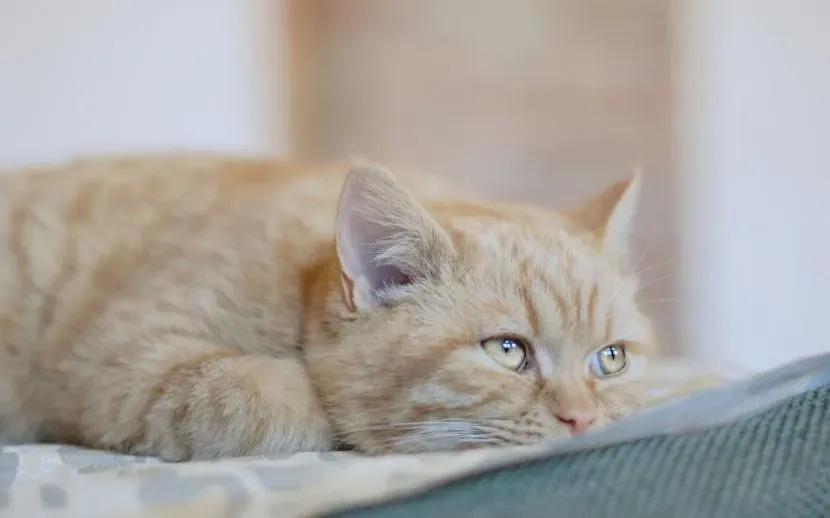
Cats are often considered aloof or unaffectionate, but that is a misunderstanding of their nature. They are solitary hunters but are nevertheless social animals. As long as they are not competing for limited food resources, they can form close-knit groups.
The truth is that independence doesn’t equal indifference. Scientific research shows that cats are actually highly social animals. Cats are surprisingly social creatures, who need us probably much more than we realize. Their self-sufficiency comes from evolutionary programming, not from lack of emotion or connection. Cat independence stems directly from their wild ancestors, particularly the African wildcat. Unlike dogs, who evolved as pack animals, cats developed as solitary hunters who needed to be self-sufficient to survive. This evolutionary history continues to influence modern domestic cats’ behavior.
Trust Must Be Earned on Their Terms
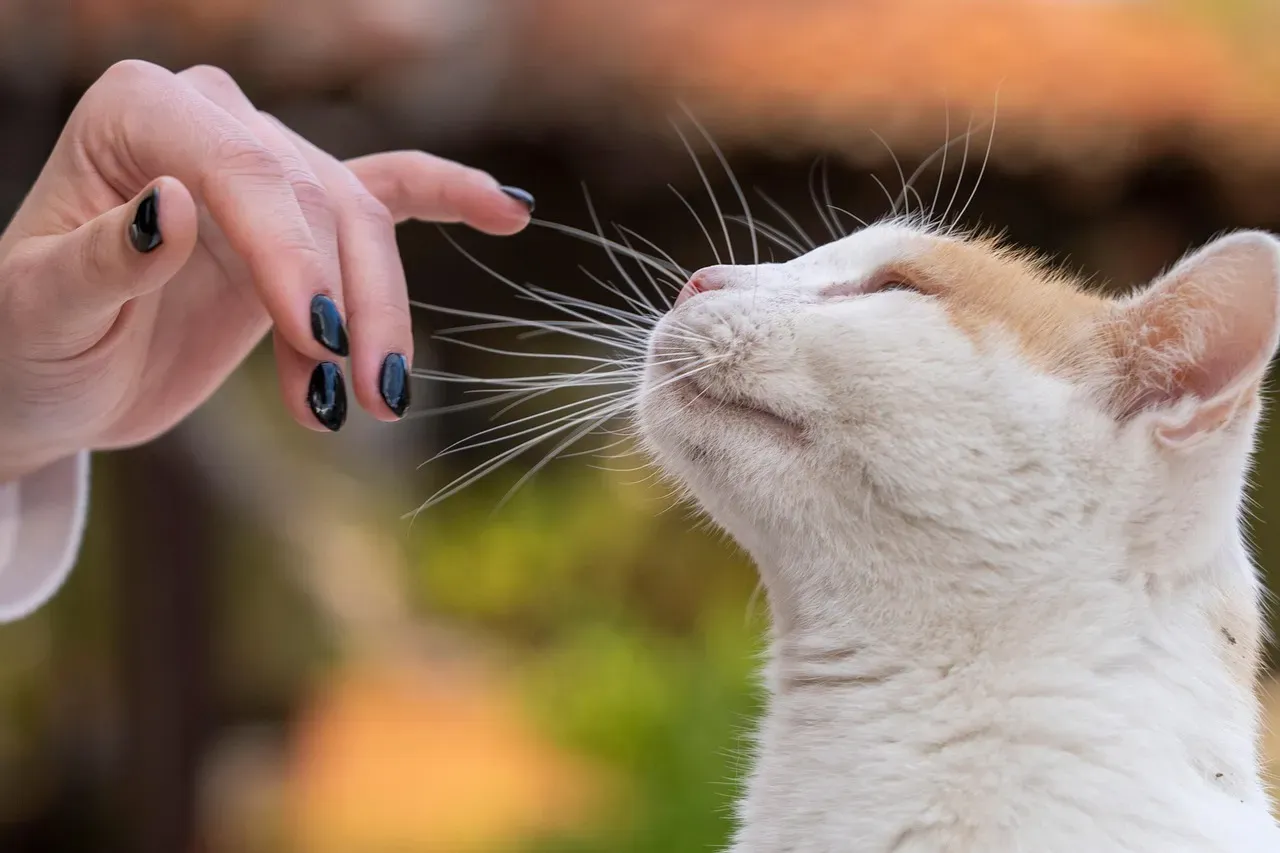
Cats prefer people who are calm and predictable, move slowly and gently, don’t force attention, and respect boundaries. Ironically, the person who tries the least often wins. You know that friend who claims they don’t like cats but somehow becomes the cat’s favorite person at every party? That’s exactly why.
Cats bond faster with people who ignore them at first because it feels safe, there’s no pressure, and the cat feels in control. That’s why guests who don’t like cats often become the chosen one. To a cat, patience equals respect. Forcing affection is the quickest way to lose their trust. Respecting their space is the fastest way to earn it.
They Maintain Complex Social Structures
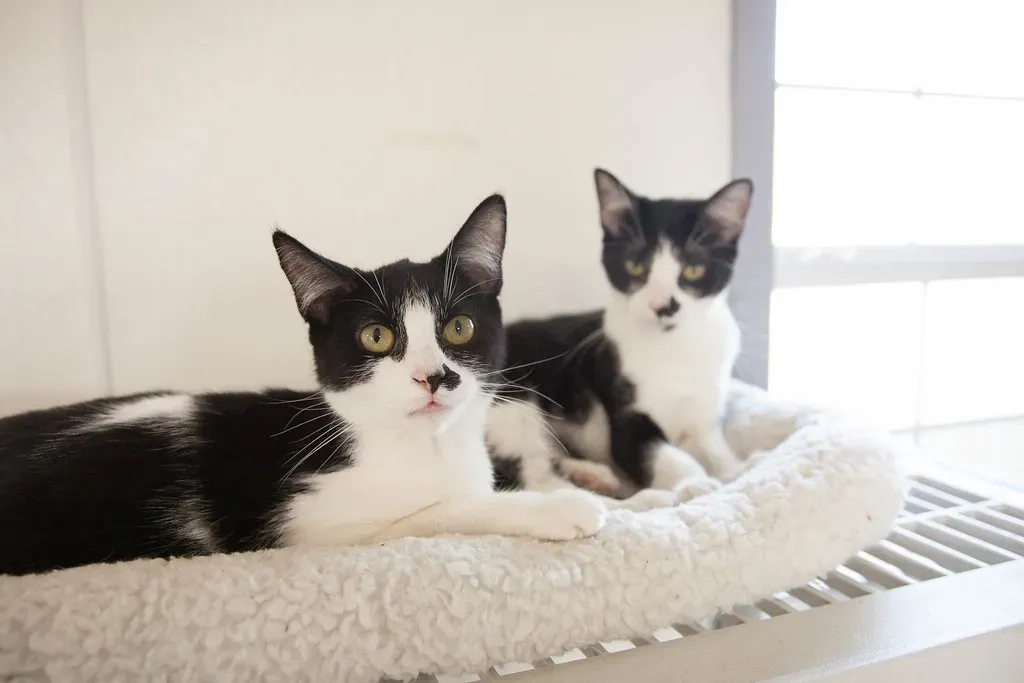
Cats appear to be highly variable in their preferences for social interactions. Cats have been shown to have preferred associates based on observations that some individuals living in groups spend more time with one another. They choose their friends deliberately.
Preferred associates demonstrate behaviors such as allorubbing and grooming, touching while sleeping, nose touching, and signaling with a tail up posture when approaching one another. House cats get along best with other cats who are related to them. Cats who have lived together, even if they are not from the same family, will tend to be less aggressive toward each other than cats who are unrelated and unfamiliar. Family matters to them, whether biological or chosen.
Choice Drives Every Interaction
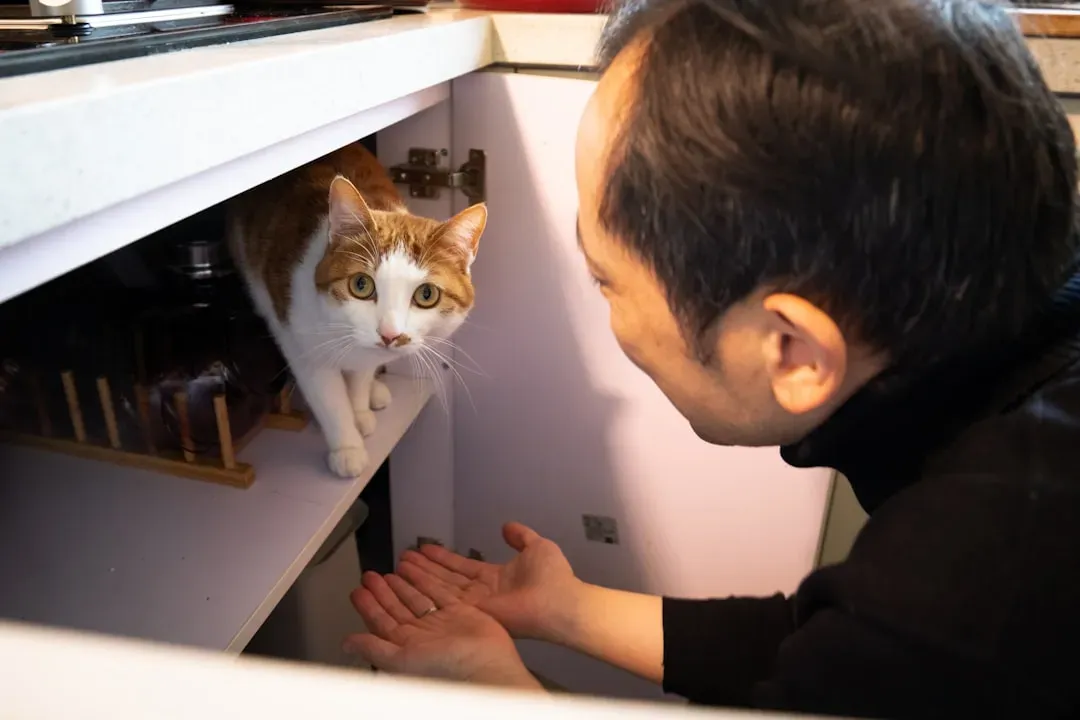
Cats are sensitive to human behavior, and they may choose to bond more closely with individuals who provide them with positive experiences, such as food, play, and gentle affection. Notice the word choose. It appears repeatedly in feline research for a reason. Cats are constantly evaluating and deciding.
Cats evaluate humans constantly. Every movement, every tone of voice, every reaction. Based on that information, they make a choice. You don’t own your cat in any meaningful sense. You’re in a relationship that your cat actively maintains because they want to. That realization should feel humbling and remarkable at the same time.
Domestication Changed Their Voices, Not Their Hearts
Like dogs, domestic cats have undergone profound changes in vocal behavior through their long coexistence with humans. Domestic cats exhibit a rich repertoire that includes call types directed at both conspecifics and humans and use their vocal flexibility to adjust communication strategies and elicit responses from caregivers.
Domestic cat meows showed greater acoustic dispersion than those of wild cats, reflecting increased vocal plasticity through domestication. Domestication has increased vocal plasticity in the domestic cat’s repertoire, especially in meows, highlighting the role of human interaction in shaping these signals. Your cat literally developed new ways of talking because of you. They adapted their communication specifically to reach across the species barrier and connect with humans.
Harmony Requires Mutual Understanding
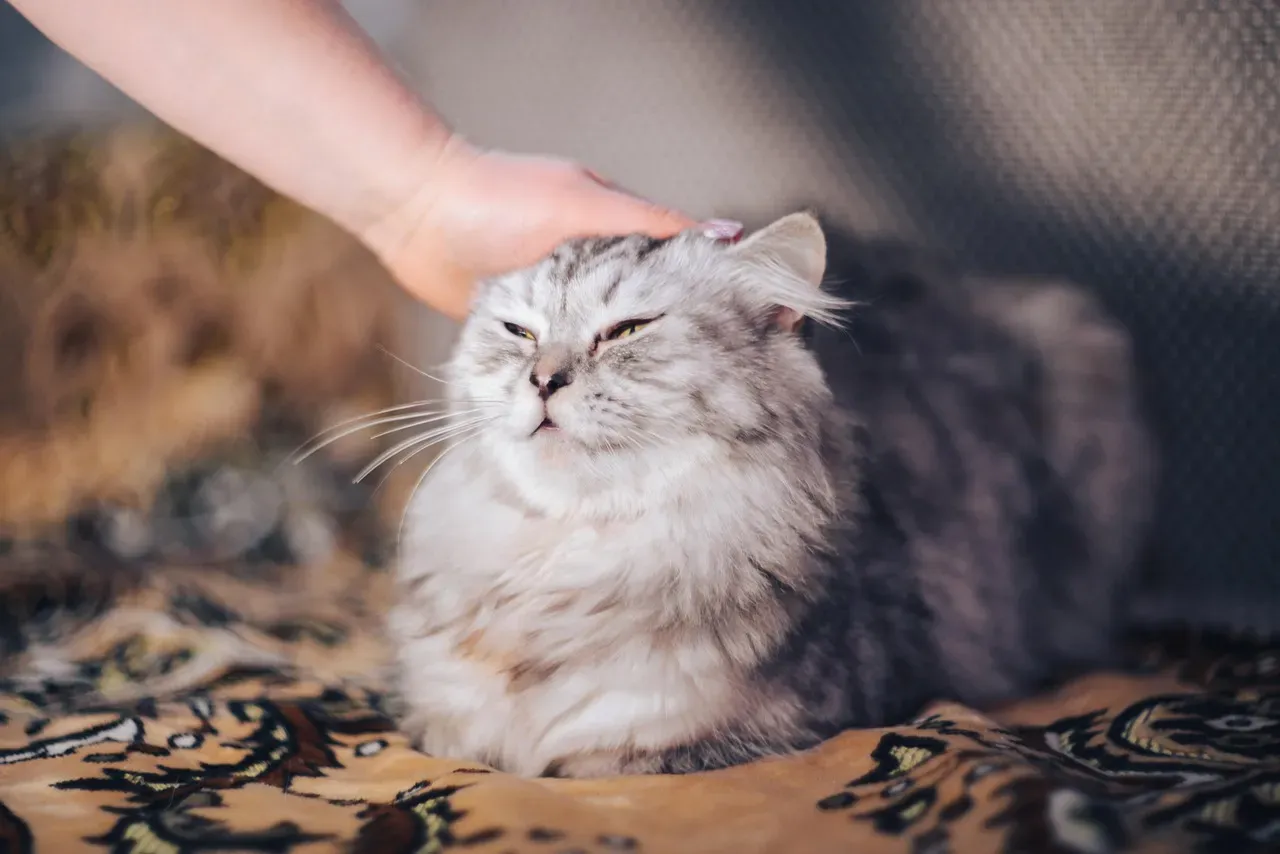
Cats share a long history with humans but are remarkable among domesticated species in largely retaining behavioural and reproductive independence from people. In many societies, the cat maintains liminal status as both a domestic and a wild animal. They exist in this fascinating space between wild and tame, independent and affectionate.
Understanding behavioural plasticity and other recently evolved traits of domestic cats may lead to management strategies that maximise health and welfare of cats, wildlife, and humans. Interdisciplinary research using expertise from biological and social sciences should evaluate these management strategies. The better we understand them, the better we can live together in true harmony rather than forced cohabitation.
The Relationship Is a Daily Negotiation
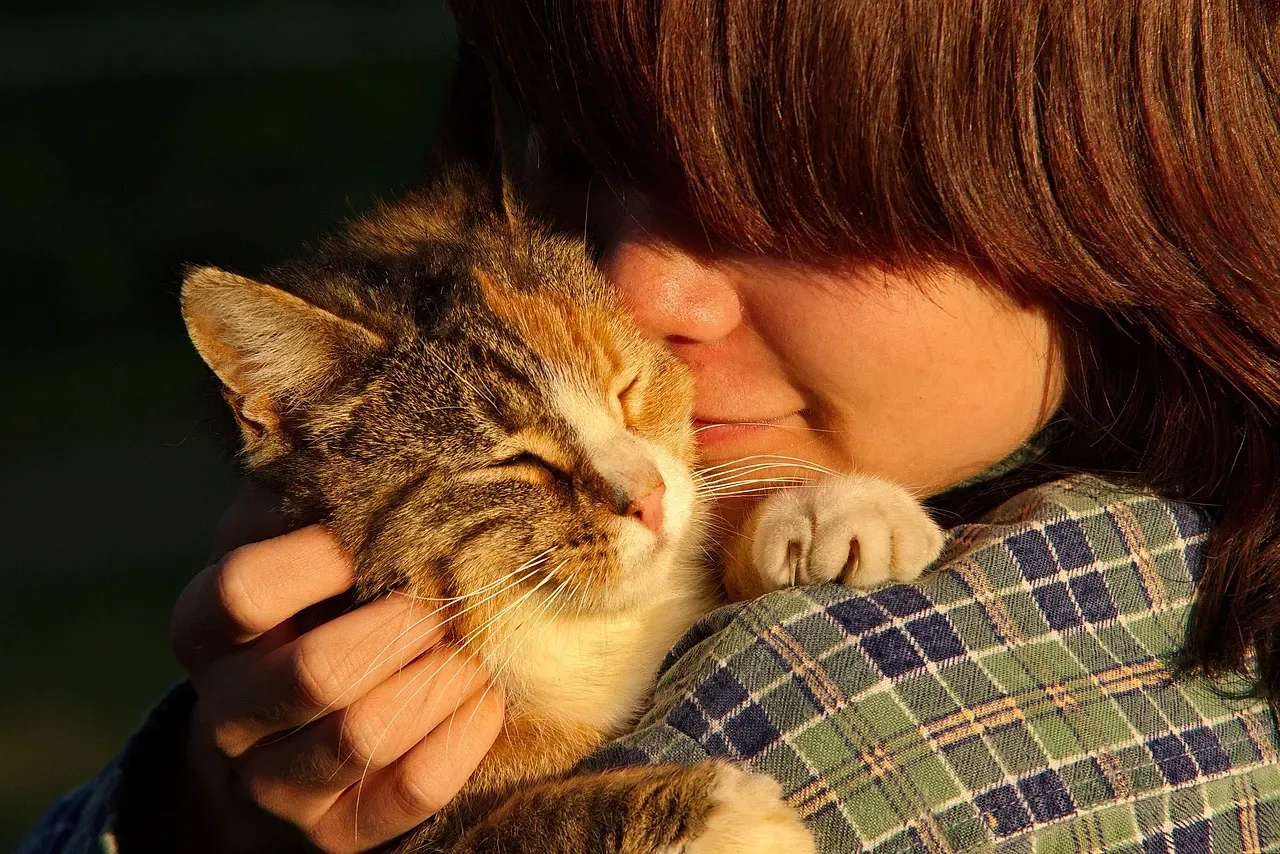
Living with a cat isn’t like living with a dog who seeks approval and follows commands. Cats have the social flexibility to form strong bonds as well as loose associations, highlighting their ability to adapt. Every single day, your cat is choosing to stay, choosing to interact, choosing to trust you.
The cat’s happiness and welfare depends on its human, and like any relationship, success takes work from both participants. Unless cats get the opportunity to socialize with humans and other cats, they’re less likely to learn how to form emotional bonds and achieve good quality of life. You get out what you put in. Respect their boundaries, learn their language, and recognize that coexistence means partnership, not ownership. That’s when the real magic happens.
Your cat isn’t living with you because they have no other choice. They’re choosing you, every single day, in ways both obvious and impossibly subtle. So the next time your cat slow blinks at you from across the room or headbutts your hand for attention, remember what that truly means. You’ve been chosen. What do you think about it? Tell us in the comments.