There is something almost philosophical about watching a cat sleep. Sprawled across a sunlit windowsill, curled into a tight, warm donut shape on the couch, or draped casually over your laptop keyboard as if they own the world – which, honestly, they kind of do. Most people assume it is laziness. A personality quirk. Maybe even a sign of a boring life. But here is the thing: science completely disagrees.
Your cat’s relationship with rest is one of the most fascinating biological stories in the animal kingdom. It is ancient, purposeful, and surprisingly sophisticated. Whether you have owned cats your whole life or just adopted your first furry roommate, what you are about to discover will absolutely change how you look at that peaceful, snoozing creature. Let’s dive in.
Your Cat Is Sleeping More Than You Probably Realize
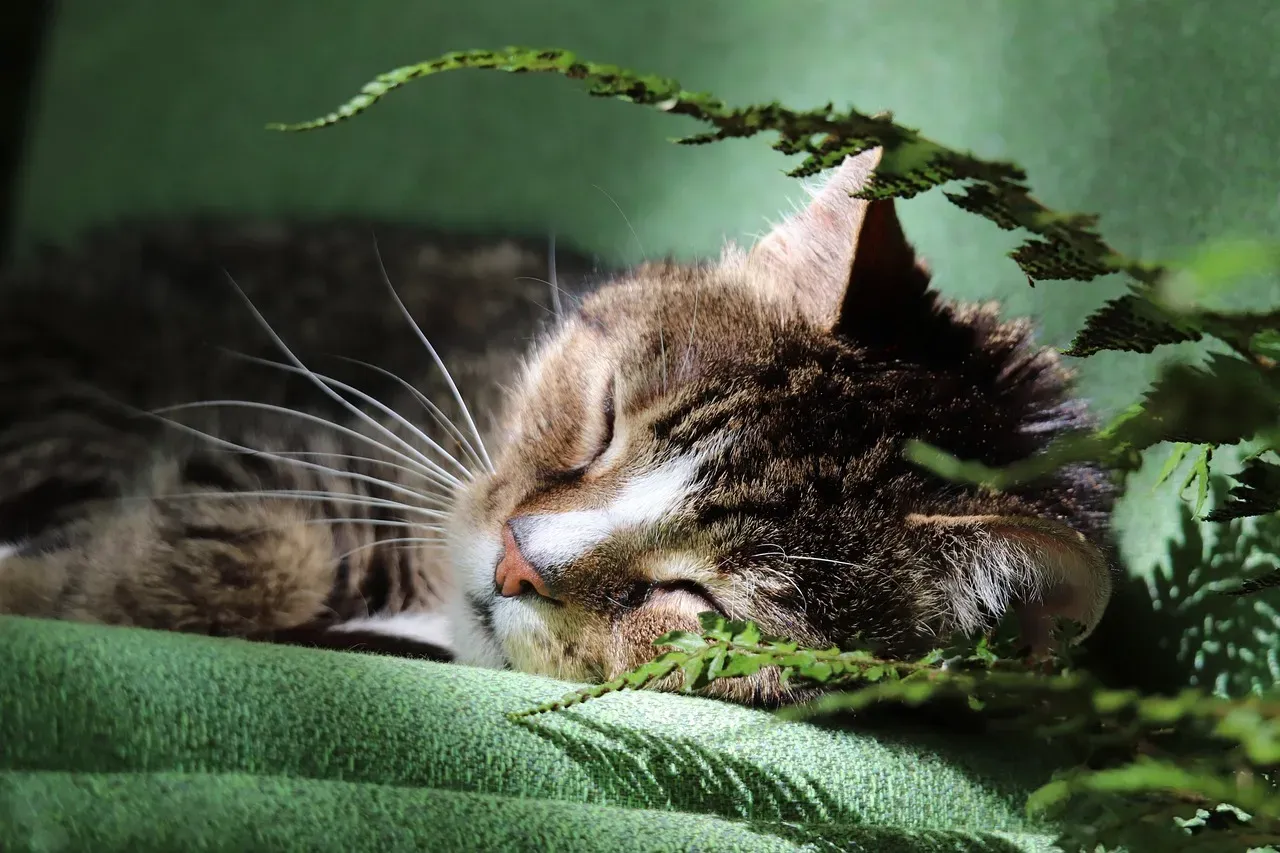
More than half of all cats sleep between 12 and 18 hours a day, and nearly 40 percent of cats sleep more than 18 hours per day. Let that sink in for a moment. That is more than three quarters of their entire day spent in various states of rest. Compared to the seven or eight hours humans typically chase after, it genuinely sounds like another species entirely, which of course it is.
Cats sleep about 70 percent of their lives. Think about that like compound interest, but for naps. Every hour your cat spends dozing is not wasted time; it is deeply intentional biological programming. On average, cats doze off for a whopping 13 to 16 hours per day, and these sustained snooze sessions are not a sign of laziness but rather a reflection of cats’ unique evolutionary biology and their individual health needs.
The Ancient Predator Wired Into Your Domestic Fluffball
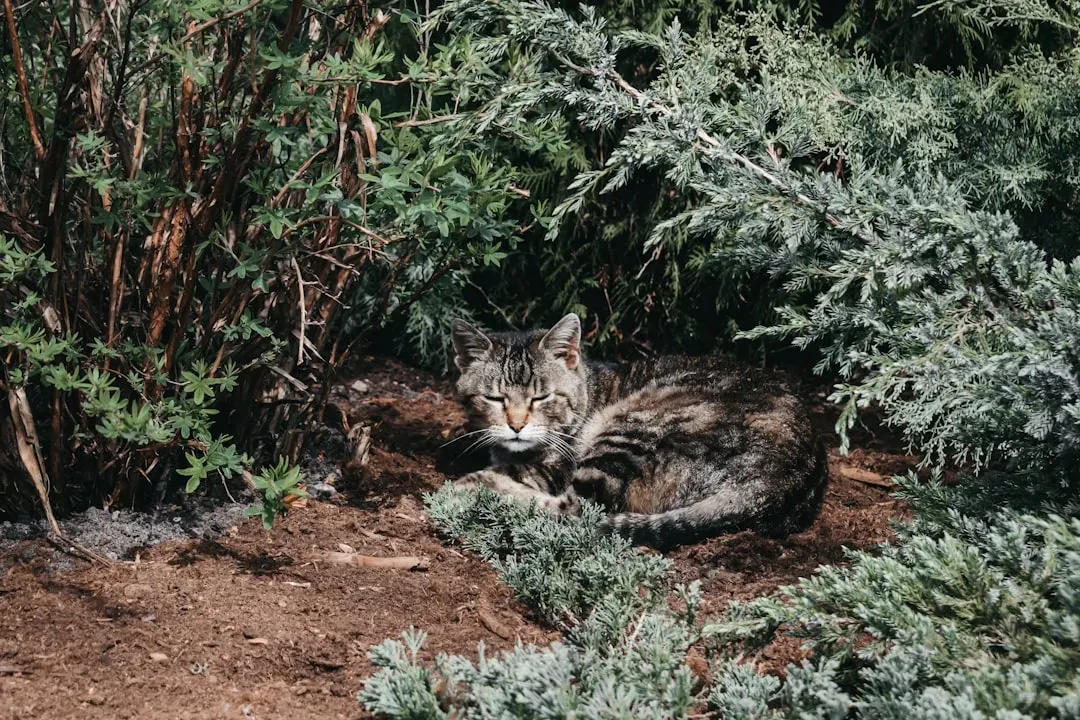
The science behind why cats sleep so much is deeply rooted in their evolutionary history. As descendants of wild predators, cats have inherited a sleep-wake pattern quite different from ours. In the wild, their ancestors needed to conserve energy for hunting, a high-energy activity. This energy-conservation strategy has carried over into the domestic cats we know today.
Because cats are crepuscular, they conserve their energy for twilight hunting periods. Before being domesticated, cats would have to expend huge amounts of energy at dawn and dusk, finding, chasing and killing their prey. While house cats no longer hunt before each dinnertime, their natural hunter instincts still encourage them to conserve energy for those peak hours. It is almost like your cat carries a tiny wild lion inside them, and that lion demands its rest before the big hunt, even if the “big hunt” today is pouncing on a crinkle ball.
Catnaps Are Actually a Genius Sleep Strategy
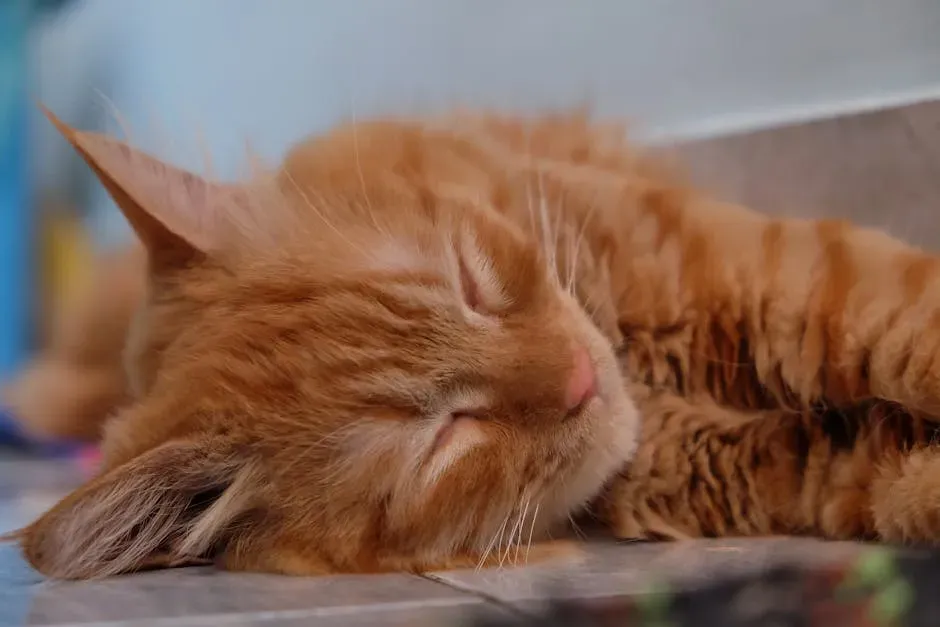
Cats have a polyphasic sleep pattern, which means they sleep multiple times each day rather than in one long period, like humans generally sleep. These cat naps average 78 minutes in length. This is not random. It is a survival-rooted system that keeps them perpetually ready for action. Think of it less like “sleeping in” and more like a sprinter resting between heats.
It is believed that cats do not really sleep for long stretches; rather, they take frequent catnaps that last 15 to 30 minutes. These catnaps allow your cat to rest their body and mind without falling into deep sleep, while still enabling felines to react quickly to potential threats in their environment. You will notice your cat’s ears twitch or their tail flick slightly during these lighter rests. That is not random muscle activity. That is a predator staying dialed in, even while technically asleep.
The Two Sleep Stages Your Cat Cycles Through
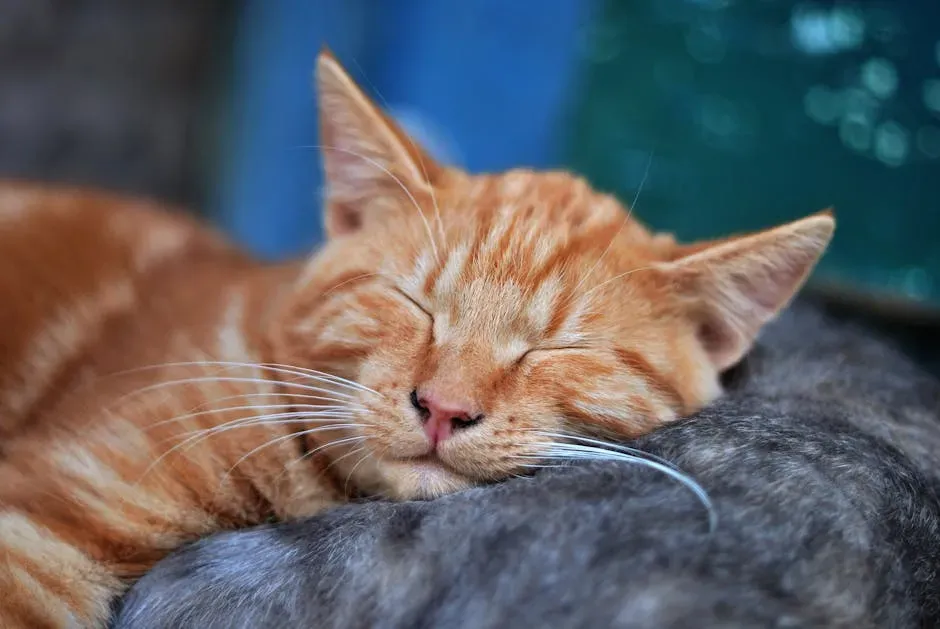
Cats experience two distinct sleep stages, much like humans: Non-REM deep sleep, which restores their energy and supports immune health, and REM dream sleep, during which cats process information and even dream. You might notice their whiskers twitching or paws moving during this phase. Studies show cats spend about 25 percent of their sleep in REM, which supports memory formation and emotional regulation.
When your cat is sleeping, their rest varies between a light doze and a deeper sleep. Light sleep usually lasts anywhere between fifteen minutes and half an hour, whereas deeper sleep will only last for about five minutes at a time. When in light sleep, cats are able to wake into action at an instant, with their ears remaining erect and perhaps one eye half open. During deep sleep, your cat’s posture will be far more relaxed, and you may observe them twitching or paddling the air with their paws.
Sleep Is How Your Cat Repairs, Heals, and Grows
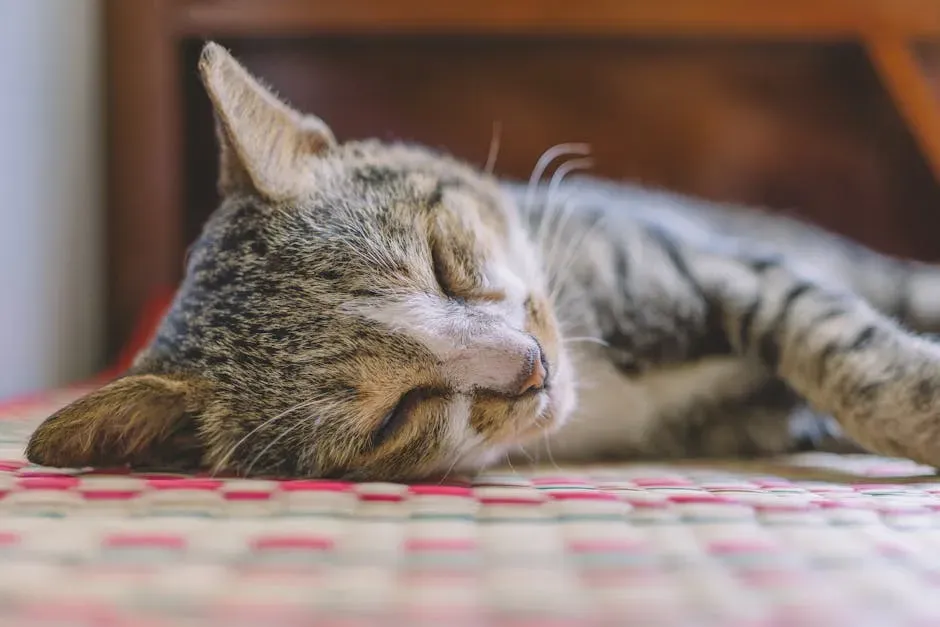
Sleep is vital to a cat’s health, much more than just a simple rest period. During sleep, a cat’s body undergoes various physiological processes essential for well-being. It is a time when their body repairs itself, builds muscle and bone, and strengthens the immune system. This rest period is important for their physical health, especially after a day of activities and exploration.
Maintaining a robust immune system is one of the many benefits of good sleep. A well-rested cat is better positioned to fend off illnesses, contributing to a longer, healthier life. Sleep is also a crucial time for memory consolidation and learning in cats. It allows the brain to process new information and experiences, enhancing their cognitive health. Honestly, your cat’s nap schedule might be more productive than your afternoon scroll through social media.
How Age Changes Everything About Your Cat’s Sleep
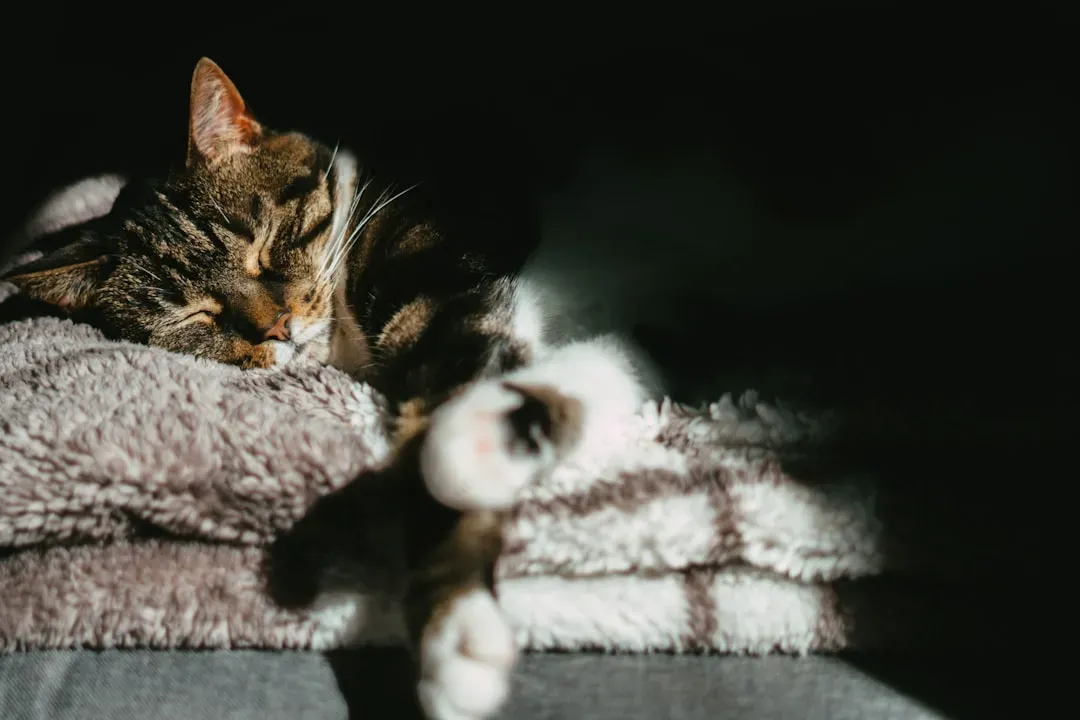
Like most baby animals, younger cats need a lot of sleep, up to 20 hours a day. All that growth and development, plus rambunctious playtime during their awake periods, requires lots of rest and energy replenishment. This is because their bodies release growth hormones during sleep, helping them develop strong muscles, bones, and a healthy immune system. So a sleeping kitten is actually a growing kitten.
Just like older humans, older cats lean into a more relaxed lifestyle in their twilight years. It is not rare to find senior cats sleeping up to 20 hours a day. This extended rest aids in conserving their energy and ensuring they recuperate effectively, allowing them to age with grace and comfort. Age-related conditions such as arthritis or kidney disease can affect comfort and sleep quality, so monitoring your senior cat’s rest is essential to detect early signs of health issues.
What Your Cat’s Sleeping Position Is Actually Telling You
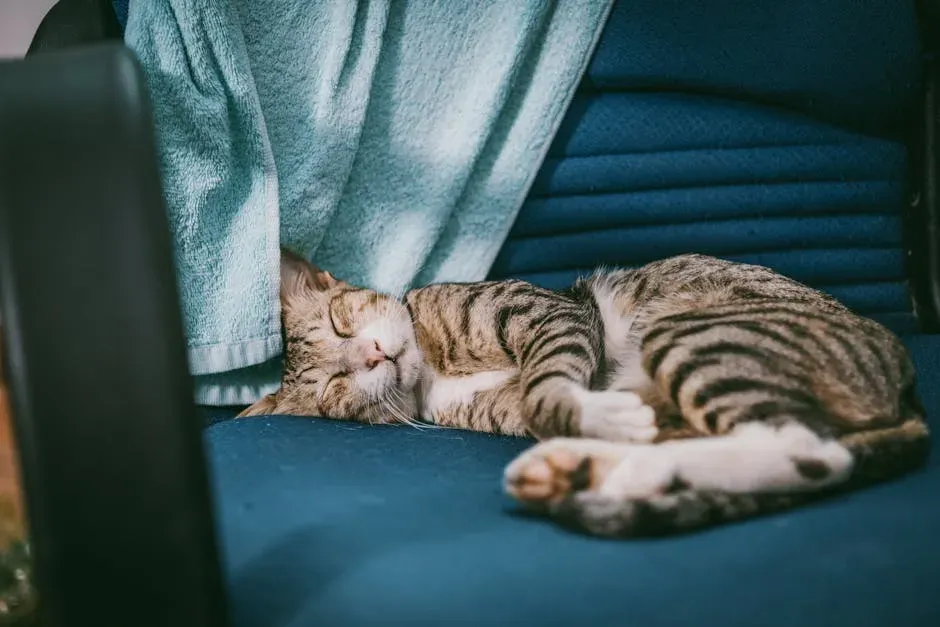
Different sleep postures reveal mood: curled tightly means conserving warmth or feeling vulnerable, while stretched out signals relaxation and deep trust. It is like a body language dictionary written entirely in fur and paws. A cat sleeping belly-up with all four paws in the air? That is peak vulnerability, and they are only doing it because they feel completely safe around you. Take it as a compliment.
Cats can also feign sleep when stressed. Feigning sleep is defined as giving the false appearance of sleep, and in this state, the cat is anything but relaxed. The body is tense, the tail wrapped tight and close to the body, with paws tucked underneath. The ears are typically upright and slightly forward, listening to every sound. The eyes may be open or closed, but the cat is keenly aware of its surroundings. Feigning sleep signals high levels of fear, anxiety, and stress, and is more often seen in shelter settings.
Your Lifestyle Shapes When Your Cat Sleeps
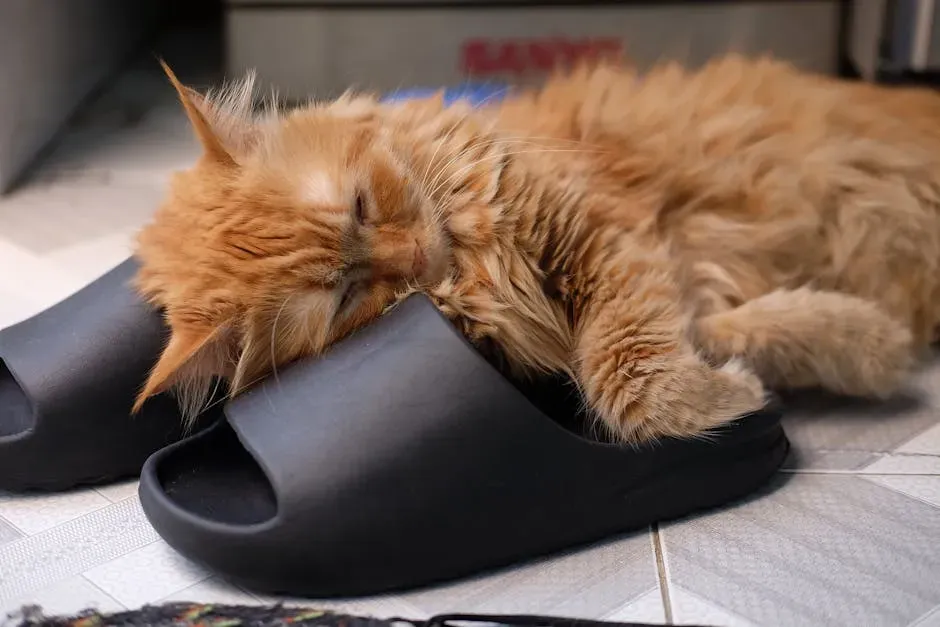
The cat sleep cycle in many households often adapts to family routines. Cats may adjust their activity to match when their people wake up, leave for work, or return home. Indoor cats, in particular, rely on household schedules to structure their days. This is one of the more endearing feline traits, because it means your cat is quietly paying attention to your routines more than you might ever know.
One study found that cats in a small home somewhat mirrored their owners’ sleeping patterns and were more likely to be awake at times their owners frequently interacted with them. Cats often adjust their rhythms to match their owners. So if your cat suddenly seems wide awake every time you pour your morning coffee, that is not coincidence. That is a highly attuned animal who has memorized your schedule down to the kettle boil.
When Too Much Sleep Signals a Health Problem
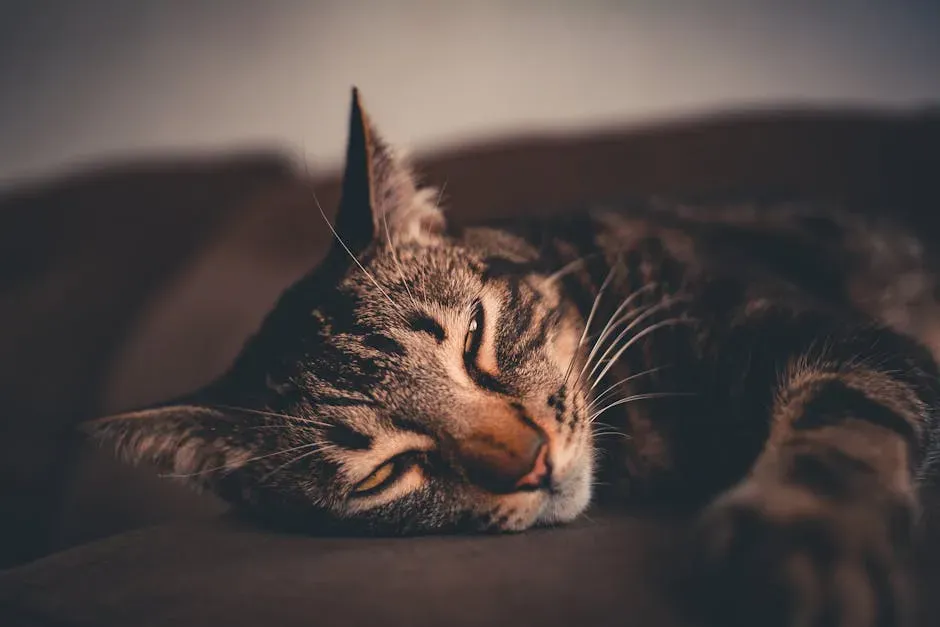
Excessive sleep, beyond the typical 12 to 16 hours, especially if paired with changes in appetite, weight, or behavior, may signal illness. It is the kind of shift that is easy to miss, especially when cats are already notorious sleepers. The key is knowing your individual cat’s normal baseline, because deviations from that are what matter most.
Cats instinctively sleep more when they are injured or sick. Sleep helps their bodies repair tissues, boost the immune system, and reduce stress. If your cat suddenly starts sleeping more than usual, it could be a sign that they are not feeling well. Pay attention to other symptoms like loss of appetite, hiding, or changes in behavior, and consult a vet if needed. If you notice your feline friend sleeping more than usual, it could also be a sign of stress. Cats thrive on routine and knowing what to expect out of every day. They can become stressed if there has been a recent change in the home, no matter how big or small.
How You Can Actually Support Your Cat’s Ideal Rest
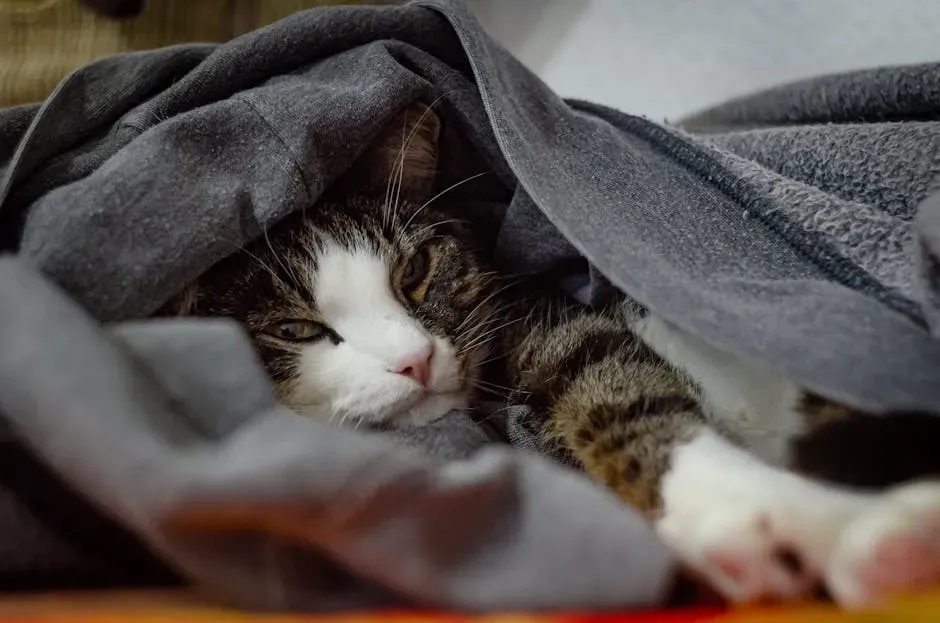
Cats are denning creatures, which means their ancestors slept and raised young in cave-like spaces. Your cat will feel safest and most at home if you can recreate this environment. Often, a cat tree with an enclosure raised off the ground is a cat’s favorite place to sleep. Some cats also enjoy cat hammocks or simple pillow-like beds. It is worth experimenting, because the right sleeping setup can make a genuine difference to your cat’s quality of rest.
Establishing a routine through consistent feeding and play schedules improves sleep cycles. Engaging your cat during the day through interactive play ensures deeper rest at night. Providing perches or hiding spots where they feel secure also supports better sleep quality. When your cat chooses to sleep, that sleep should be respected. While you do not need to tiptoe around your sleeping feline, you should avoid excess noise when possible, and your cat’s sleeping space should always be somewhere quiet and removed from the action so they can achieve peace if they want it.
Conclusion: The Napping Genius You Share Your Home With
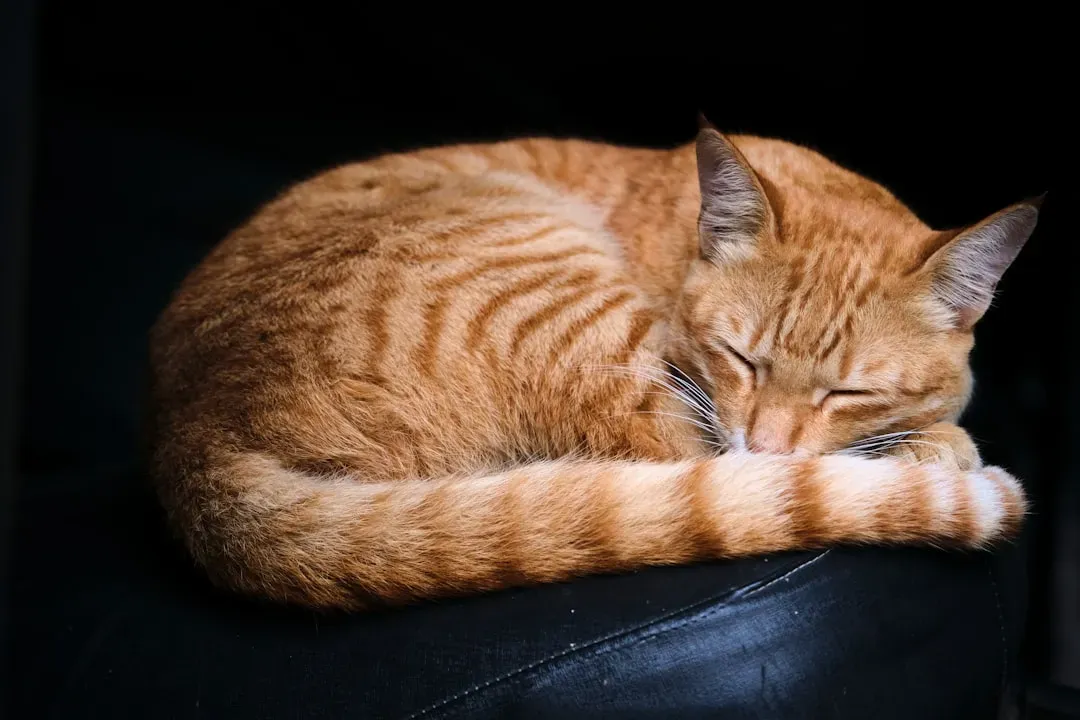
There is a reason we borrowed the word “catnap” from these creatures. Cats are the embodiment of the perfect predator, following a pattern of hunt, eat, and sleep. Sleep is an intrinsic, beneficial facet in the elegant feline design. Every curl of the body, every twitching paw, every slow-blink in a patch of afternoon sunlight is part of a biological masterpiece millions of years in the making.
Your cat is not wasting the day. They are rebuilding, healing, dreaming, and preparing for the next great adventure, even if that adventure is chasing a dust bunny under the sofa. Sleep is more than downtime – it is a window into your cat’s overall well-being. So the next time your cat stretches luxuriously across the warmest spot in the house and closes their eyes, maybe instead of reaching for your phone, you watch them for a moment. There is more wisdom in that nap than meets the eye.
Does your cat have a favorite sleeping spot or a quirky sleep habit you have never quite understood? Drop it in the comments – we would love to hear about it.