You’ve probably noticed it. Your cat was perfectly calm all morning, and then suddenly, out of nowhere, they’re pacing, hiding under the bed, or grooming their face obsessively. You look outside. Not a cloud in sight. Then, an hour later, the sky turns dark and the thunder rolls in. Coincidence? Honestly, I don’t think so.
Cats have long been credited with an almost eerie ability to sense what we cannot. While we laugh it off as “quirky cat behavior,” science is starting to catch up with what cat owners have suspected for centuries. These animals are walking, purring weather stations, and the reasons why are genuinely fascinating. Let’s dive in.
The Ancient History of Cats as Weather Predictors
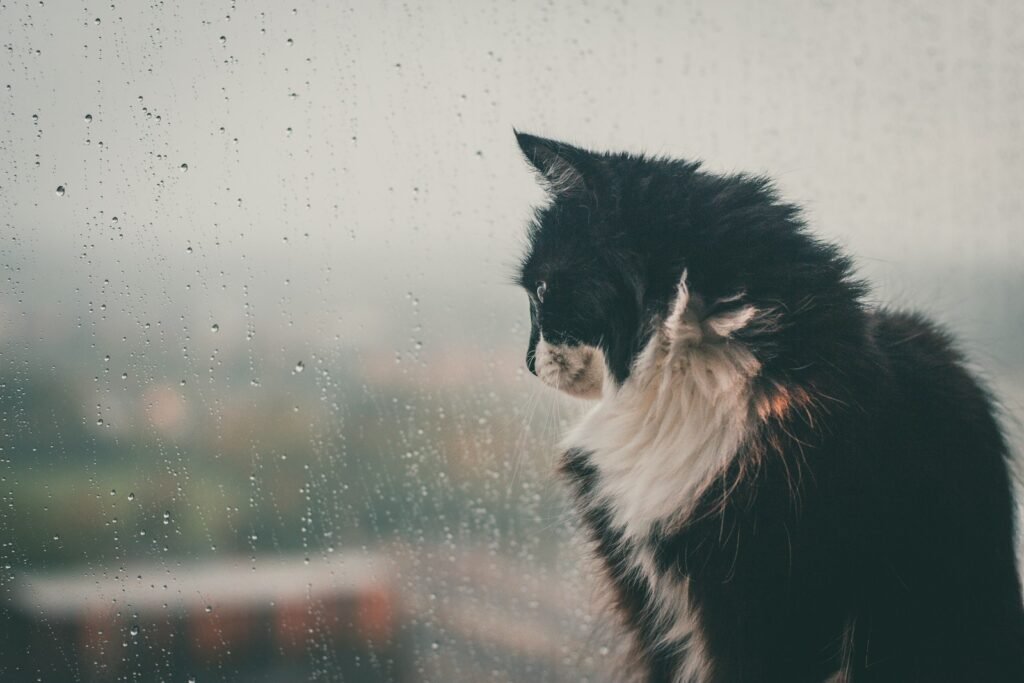
Using cat behavior to monitor the weather is a tradition steeped in history. For centuries, tales have been told of the supernatural power of felines to predict storms. Long before Doppler radar existed, sailors, farmers, and everyday people watched their cats for clues about what the sky was about to do.
Such behaviors were observed for centuries, since before 18th-century sailors looked to cats aboard their ships for weather predictions. Sailors once thought cats were causing storms through magic stored in their tails, but we now know that cats are able to perceive shifts in barometric pressure before a storm hits.
Some countries developed folklore connecting cat behavior with bad weather. In Welsh culture, rain was expected if a cat groomed their ears. Another predictor of rain was a cat scratching curtains, according to Dutch tradition. Over a hundred years ago, some Americans believed that if a cat warmed themselves by a fire facing away from the flames, a cold front was coming. These weren’t random superstitions, they were the result of generations of careful, everyday observation.
The Inner Ear: Your Cat’s Built-In Barometer
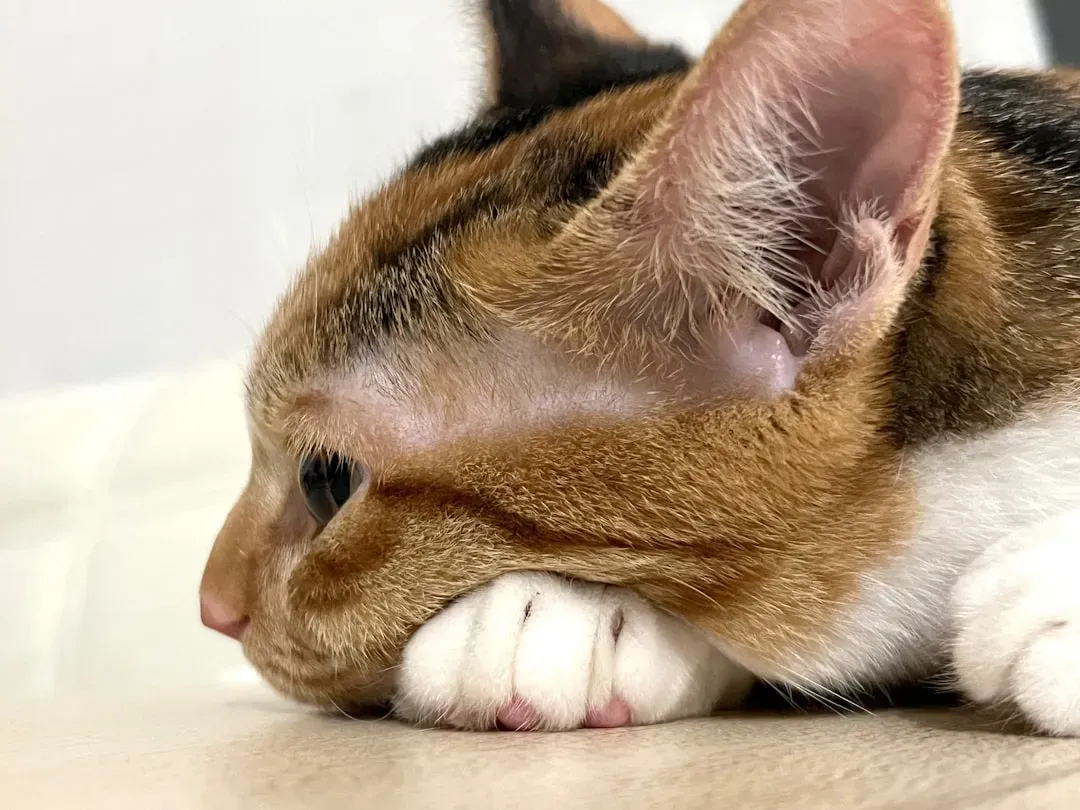
Cats are incredibly sensitive to changes in atmospheric pressure. Their inner ears are finely tuned to detect even the slightest fluctuations. When the air pressure drops, which often happens before a storm, cats can sense this change. Think of it like a biological altimeter, permanently installed and always switched on.
The barometric pressure drops suddenly a few hours before a thunderstorm. Various creatures, such as moths and aphids, and even birds are sensitive to this drop, changing their behavior in response to sudden barometric pressure changes. This is thought to be a protective instinct, a signal to these vulnerable beings to seek shelter before a storm hits. Your cat’s inner ear is essentially receiving the same distress signal, far sooner than any weather app on your phone.
A Nose That Smells the Storm Coming
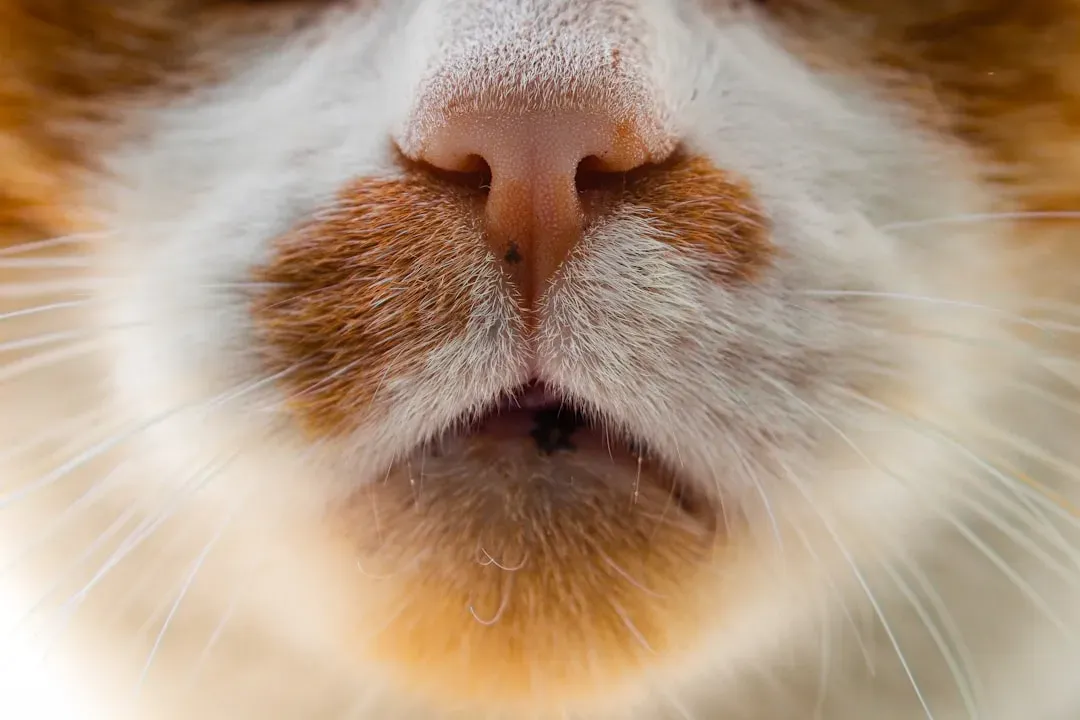
With over 200 million odor sensors in their noses compared to our mere 5 million, cats can detect subtle changes in air composition, including the distinctive ozone smell that often accompanies incoming storms. That’s not a slight edge over humans. That’s a completely different universe of smell.
With about 200 million odor-sensitive cells, a cat’s sense of smell is significantly more powerful than ours. They can detect the ionized smell of ozone produced by lightning, as well as petrichor, the scent of rain hitting dry soil. These olfactory cues alert them to impending weather changes. So when your cat is sniffing the air intently near the window on an apparently clear day, they may literally be smelling a storm that hasn’t arrived yet.
Superhuman Hearing That Catches Distant Thunder
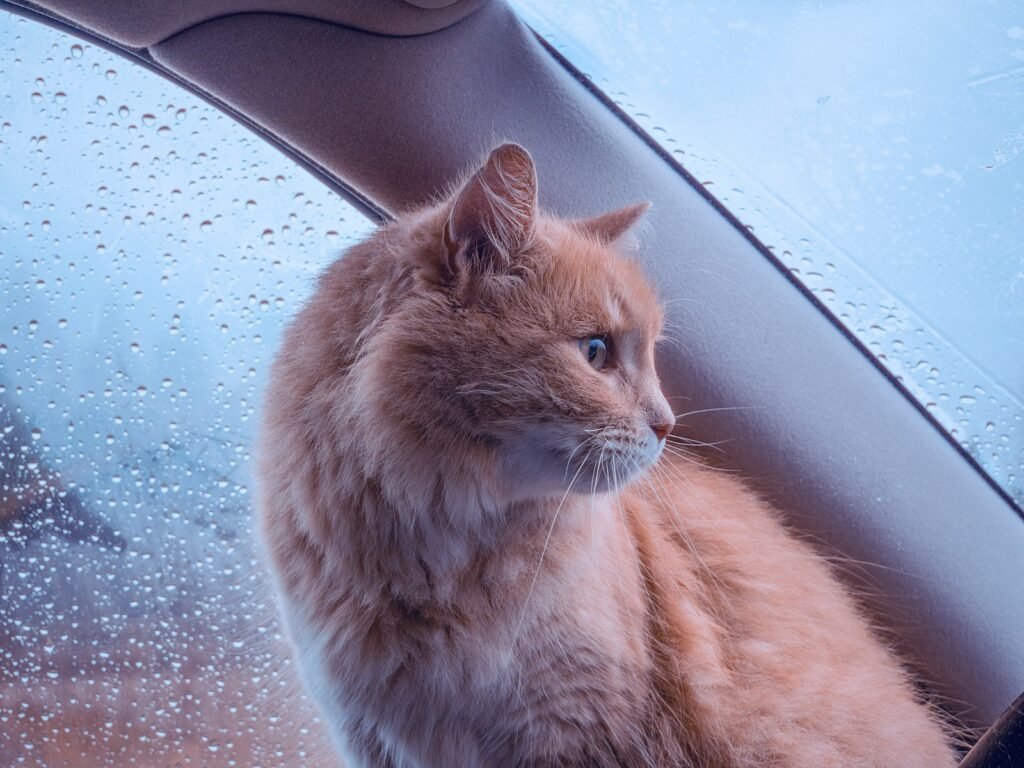
One of the most well-known abilities of cats is their heightened sense of hearing. Cats can hear frequencies ranging from 48 Hz to 85 kHz, much higher than the 20 Hz to 20 kHz range that humans can perceive. This ability enables them to detect high-pitched sounds that are beyond our range of hearing.
Your feline buddy can hear clear sounds at greater distances. It can pick up thunderstorm rumbles that are four to five times further than the typical human hearing range. Imagine hearing a storm approaching when it’s still dozens of miles away. That’s exactly the kind of early warning system built right into your cat’s ears. No batteries required.
How Humidity and Temperature Changes Register on Their Fur
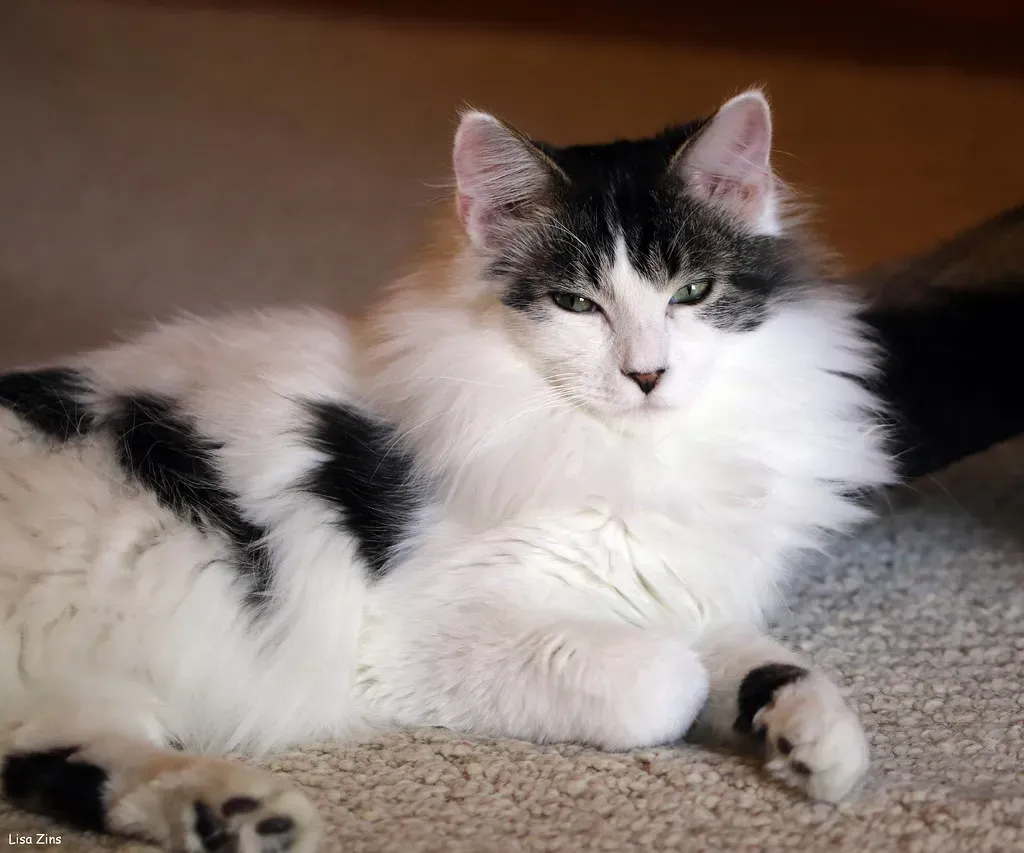
Cats are highly sensitive to changes in humidity and temperature. Before a rainstorm, the air’s humidity often rises. Cats can feel this increase in moisture on their fur and skin, prompting them to seek drier, more comfortable environments. It’s almost like their coat doubles as a weather sensor, picking up on the smallest shifts in the surrounding air.
Cats lick their fur more because of the changes in humidity when a storm approaches. Low humidity causes static, and wetting the fur keeps it under control. Sudden temperature drops can make cats look for warmer spots or become more active to prepare for the cold. You’ve probably seen both of these behaviors and just written them off as “cat things.” Now you know better.
The Behavioral Signs You Should Actually Watch For
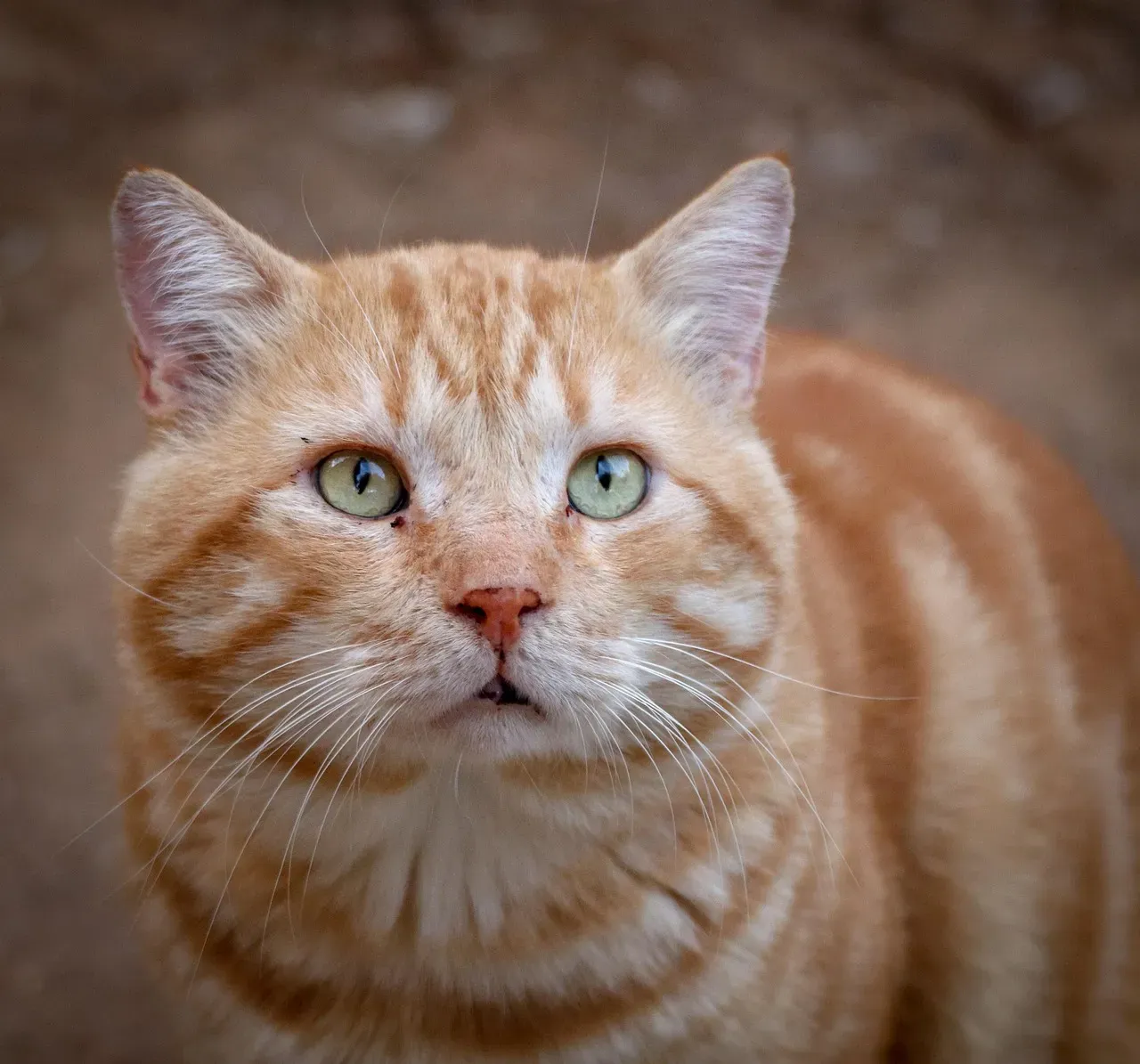
Cats may become restless, hide, or groom excessively because they feel pressure shifts and vibrations caused by approaching storms. These aren’t random mood swings. They’re responses to real, measurable environmental changes that your cat’s body is detecting in real time.
Common signs that a storm may be on its way include restlessness or agitation, where your cat may pace, meow excessively, or seem unable to settle down, as well as seeking shelter, where they might hide in enclosed spaces like closets, under beds, or in their favorite hiding spots. If your cat is breaking their usual routine, it’s possible they are reacting to signals that the weather is changing. Cat behaviorists note that your cat could be sensing bad weather if they are retreating to hiding spots at a time of day when they normally wouldn’t.
Static Electricity, Vibrations, and the Full Sensory Picture
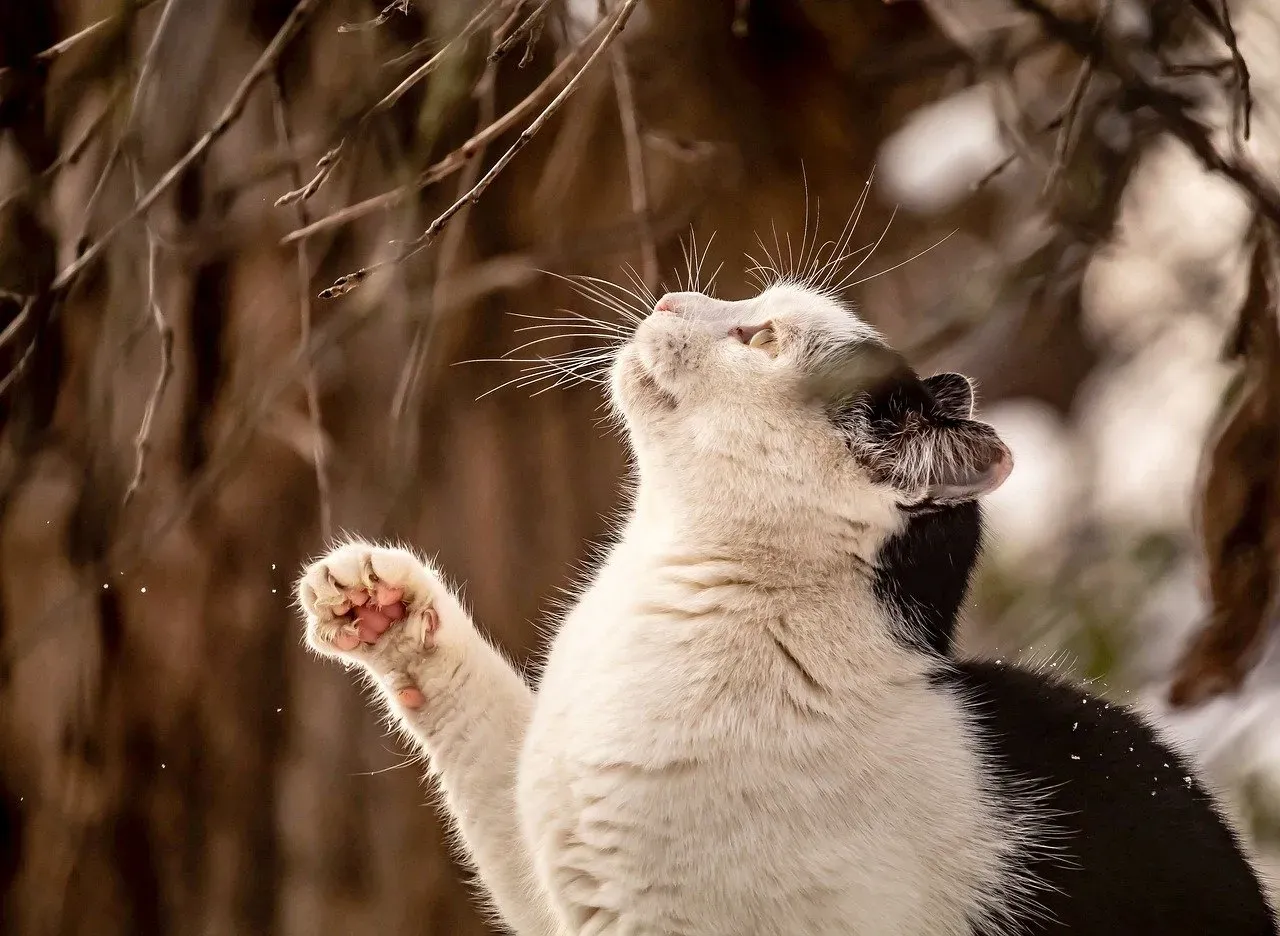
Some researchers suggest that cats might sense the vibrations caused by thunder through their sensitive paw pads. Additionally, the buildup of static electricity in the air before a storm could cause discomfort, prompting behaviors like pacing or excessive grooming. It’s a little unsettling to think about, your cat is essentially feeling the electrical signature of a coming storm through their feet and skin.
By combining their sense of smell and hearing, cats create a mental map that helps them predict weather changes. Add in the static sensitivity and paw vibration detection, and you realize your cat isn’t reacting to one single clue but processing a full, multi-sensory weather report simultaneously. That’s genuinely impressive, no matter how you look at it.
What the Science Actually Says – and Where It’s Still Catching Up
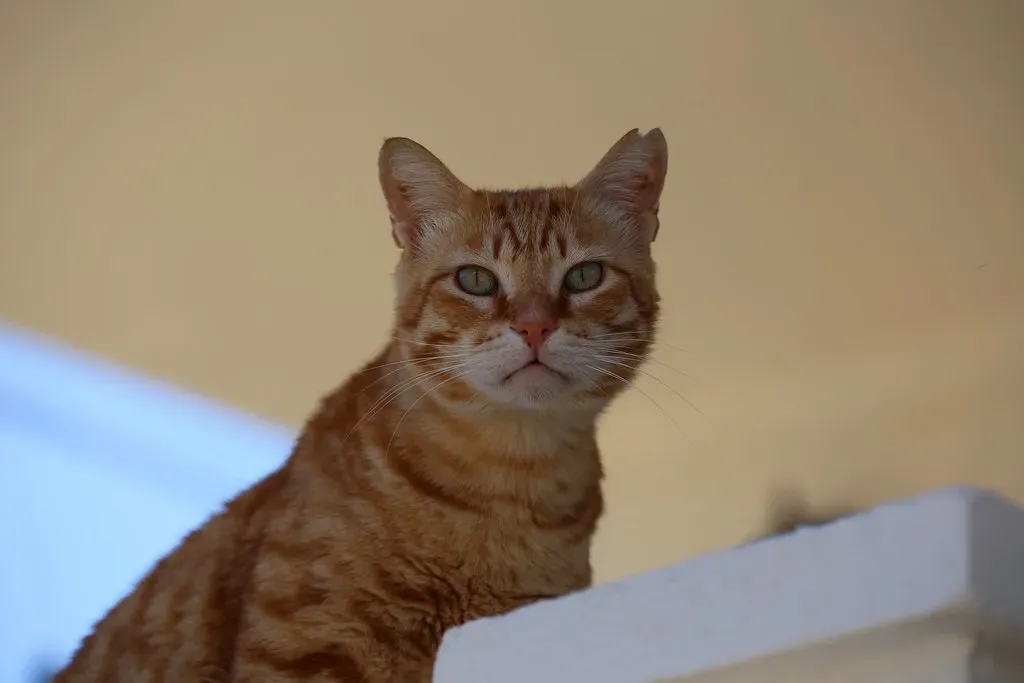
A 2025 study in the journal Animals called “Longitudinal Study on the Effect of Season and Weather on the Behavior of Domestic Cats” had researchers examine how seasons and weather changes affected domestic cat behavior. Higher temperatures, moisture and wind index resulted in a greater amount of time lying down, eating and standing, and was also associated with less grooming, sitting and littering.
A 2022 study in Italy examined feedback from dog and cat owners. They found that cold weather increased play and activity time for both cats and dogs. Hotter weather and drastic drops in temperature resulted in increased sleep tendencies. Cat owners reported increased nervousness or anxiety during intense rain or thunderstorms. Still, it’s hard to say for sure whether we have fully mapped all the mechanisms at play. The science is promising, but the cat, as always, remains somewhat mysterious.
How Cats Compare to Other Weather-Sensing Animals
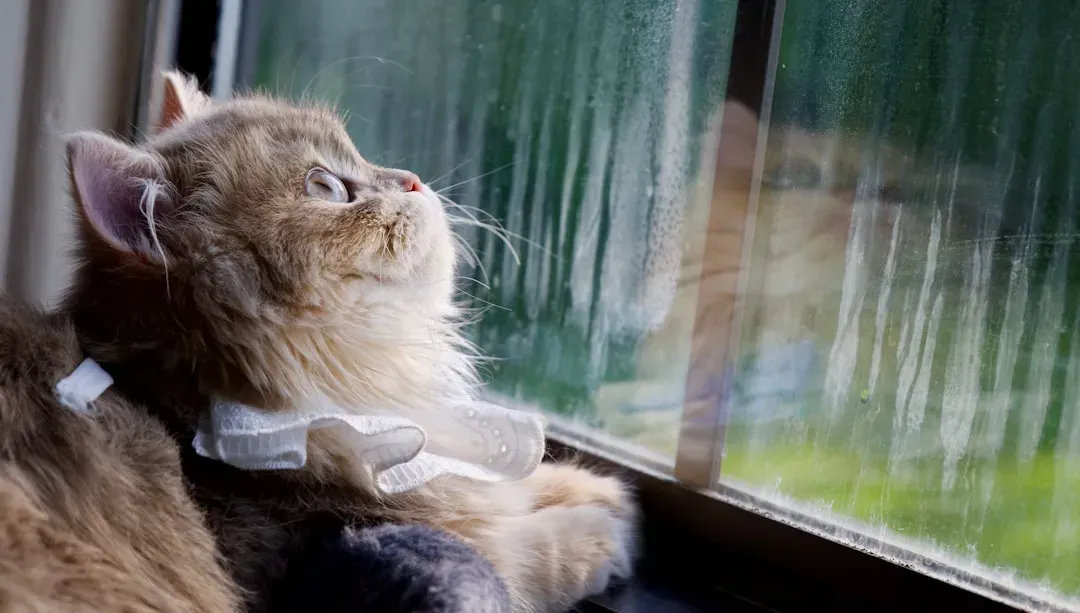
While both species have excellent senses, cats generally have superior hearing and smell capabilities compared to dogs, potentially making them more sensitive to subtle weather-related changes in the environment. That might come as a surprise to dog owners, but let’s be real, cats have always had that quietly competitive edge.
Birds are thought to respond to changes in barometric pressure that precede storms by 12 to 24 hours. These animals can alter their feeding behavior because of experimentally induced barometric pressure drops. Cats can smell incoming rain, feel trembles in the earth, hear thunder and wind, and sense pressure changes long before their human counterparts. What confuses scientists is how they can sense it before all that pricey technological equipment can. That last part is worth sitting with for a moment.
How to Use Your Cat’s Instincts to Your Advantage
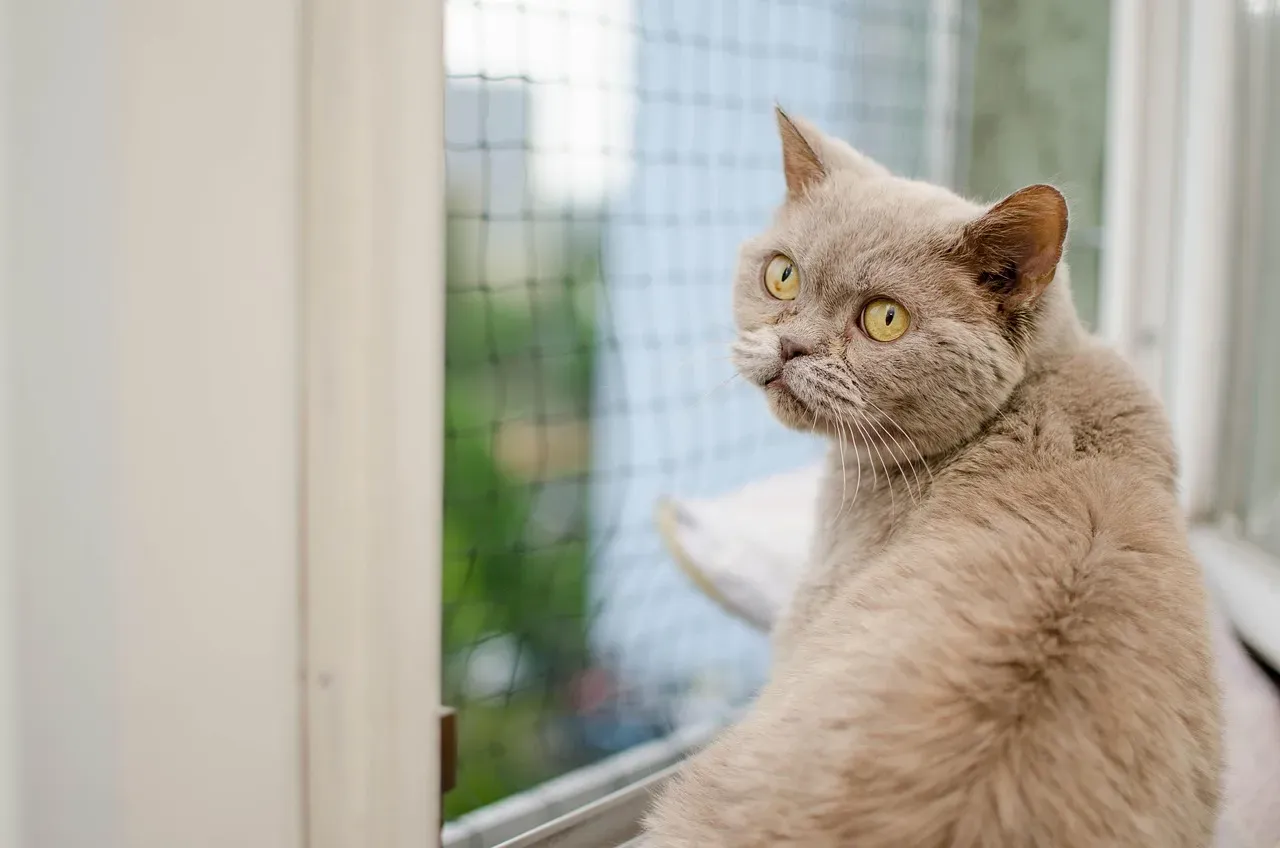
Cat owners should pay close attention to behavioral changes in their pets. To help cats feel secure during weather changes, it is essential to create safe spaces within the home. This could be a cozy bed in a quiet room, a covered cat tree, or even a designated area with their favorite toys. These safe spaces can provide comfort and reduce anxiety during storms or other extreme weather events.
Stay calm yourself. Cats are incredibly perceptive to human emotions, and if you start acting worried or tense when you notice storm clouds gathering, you’re validating their anxiety. Maintain your normal routine as much as possible, which signals to your cat that everything’s okay despite what their senses are telling them. Cats’ sensitivity to weather changes can also impact their health. Sudden changes in temperature or humidity can exacerbate conditions such as arthritis or respiratory issues. Watching your cat’s behavior isn’t just fascinating, it can actually help you take better care of them.
Conclusion: Your Cat Is Smarter About the Sky Than You Think
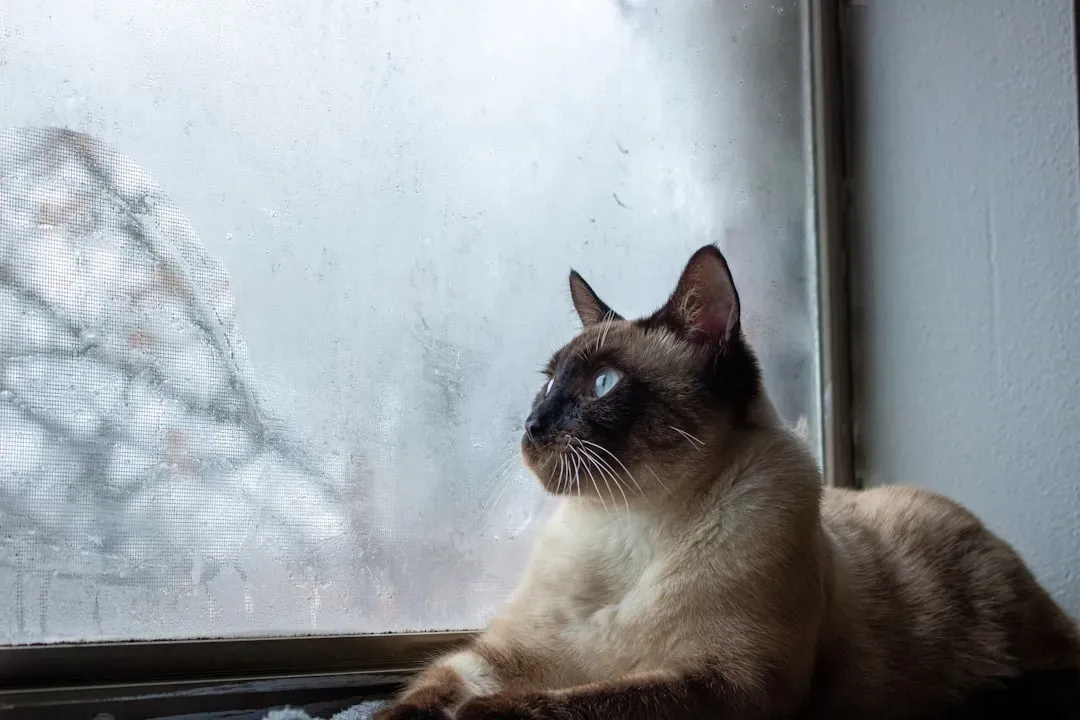
Here’s the thing, your cat has been trying to tell you things all along. Every restless pace, every sudden dash to the closet, every obsessive ear-grooming session before a storm may not be random cat weirdness at all. It’s a sophisticated, multi-sensory early warning system that evolution has refined over thousands of years.
We spend enormous amounts of money on weather satellites, radar systems, and smartphone apps, yet a small furry animal curled up on your couch may be picking up signals that our best instruments still struggle to match. That’s not magic. That’s biology, and it’s extraordinary.
Next time your cat acts strangely and a storm rolls in an hour later, maybe say thank you. They were paying attention so you didn’t have to. Have you ever caught your cat predicting the weather before it happened? What did they do? Share your story in the comments below.