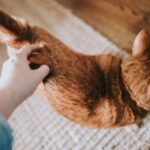
A plump little kitten dubbed the chonkiest in his neighborhood stole hearts with his irresistible avocado belly and love for belly rubs. Everything changed when those rubs suddenly caused pain, alerting his owner to a hidden health crisis. Rescued at just four days old from a backyard, Timmy the Chonk faced a diagnosis that would test his family’s resolve. Dwarfism, a rare genetic condition, stunted his growth and led to an unexpected regression. Nilsu, his devoted mom, rallied veterinarians for a path forward. This tale of resilience continues to inspire pet owners worldwide.
From Chubby Delight to Health Alarm
Timmy the Chonk arrived in Nilsu’s life as a tiny rescue, quickly blossoming into a roly-poly bundle of joy. His oversized belly, likened to a ripe avocado, became his signature feature, drawing endless affection. Owners often celebrate such chubbiness in kittens, but Timmy’s took a worrisome turn around five to six months. He stopped growing properly, while his body retained that exaggerated plumpness. When belly rubs shifted from delight to distress, Nilsu knew instinctually to seek expert help. This subtle change proved pivotal, uncovering issues far beyond a simple diet tweak.
Unraveling the Dwarfism Diagnosis
Veterinarians pinpointed dwarfism as the culprit, a genetic anomaly affecting skeletal development in cats. Timmy’s stubby legs and disproportionate torso mirrored cases seen in breeds like Munchkins, though far rarer in random rescues. Less than one percent of felines encounter this, often linked to mutations halting normal bone elongation. X-rays confirmed immature skeletal structures, explaining his halted growth spurt. Early detection allowed for immediate intervention, averting worse complications like joint degeneration. Nilsu’s quick action set the stage for targeted management.
The Shocking Regression to Infancy
Pain from his condition escalated, rendering Timmy helpless and reverting him to a baby-like vulnerability. Swelling and tenderness made basic movements agonizing, necessitating round-the-clock care. He required assistance for eating, as elevated bowls became unreachable with his weakened limbs. A colon surgery compounded the fragility, mimicking newborn helplessness. Soft bedding, bottle feedings, and constant supervision transformed their home into a feline nursery. This phase highlighted dwarfism’s profound toll on muscle tone and mobility.
Tailored Treatment and Steady Progress
Vets crafted a regimen of weight control, physical therapy, and pain relief to rebuild Timmy’s strength. High-protein, portioned meals trimmed his avocado belly, easing strain on tiny joints. Gentle massages reacquainted him with touch, restoring joy in belly rubs over time. Specialists monitored for arthritis risks common in dwarf cats, emphasizing lifelong vigilance. Incremental wins emerged, like wobbly steps after weeks of effort. Collaborative care from genetics experts accelerated his gains toward independence.
Nilsu’s Tireless Advocacy Lights the Way
Nilsu emerged as Timmy’s champion, documenting every milestone to raise awareness. From midnight feedings to custom aids, her commitment turned crisis into comeback. Sharing online touched thousands, sparking conversations on feline dwarfism. She pushes shelters for genetic screenings in chunky kittens. Her story exemplifies how attuned pet parenting spots silent struggles. Timmy’s spark reignited under her care, proving love’s power alongside science.
Timmy the Chonk’s journey reveals dwarfism’s challenges but also triumphs through vigilance and innovation. With shrinking belly and returning playfulness, he toddles toward a vibrant future. Pet owners everywhere gain a vital reminder: odd proportions demand prompt checks. What signs have you noticed in your own furry friends?
Kristina is a young writer from India. An arts graduate and an avid content creator, Kristina is passionate about animals and wildlife. She enjoys exploring topics related to pet care, animal behavior, conservation, and nature, combining thorough research with engaging storytelling.