There are very few countries on Earth that can genuinely claim to have flipped the script on wildlife policy. Most nations talk about conservation the way people talk about going to the gym – great intention, inconsistent follow-through. Costa Rica is different. This small Central American nation has not only put its money where its mouth is, it has also written it into law, reinforced it, and made the rest of the world take notice.
The story of Costa Rica’s permanent ban on sport hunting is part legal landmark, part grassroots triumph, and part economic masterstroke. It is also, honestly, one of the most compelling conservation stories of our time. Let’s dive in.
A Historic First in Latin America: How the Ban Came to Be
Most people assume wildlife protection laws are born in government offices, drafted by bureaucrats with policy degrees. The Costa Rica story is far more interesting. This groundbreaking legislation was the result of a citizen-led initiative that collected over 177,000 signatures, demonstrating the Costa Rican people’s deep commitment to wildlife protection. That is a remarkable number for any grassroots movement, and it speaks to just how serious ordinary Costa Ricans were about protecting the animals sharing their land.
Costa Rica made history in 2012 when it became the first Latin American country to ban hunting through reforms to its Wildlife Conservation Law, known as Law No. 7317. The reform, referred to as Law No. 9106, reinforced existing protections and explicitly prohibited sport and recreational hunting throughout the country. The unanimous vote on the Wildlife Conservation bill in Congress cemented the nation’s place as a pioneer in this area. A unanimous vote. Think about that for a moment – not a single lawmaker dissented.
What the Law Actually Says: The Full Scope of the Prohibition
All sport and recreational hunting of wild animals is completely banned throughout Costa Rica, and the law makes no distinction between hunting on public or private land – it is prohibited everywhere. That is about as clear as legislation gets. No grey areas, no loopholes for private estates or exclusive countryside clubs.
The law defines hunting broadly, encompassing pursuing, capturing, or killing wild animals for trophies, meat, or any non-essential reason. Firearms, bows, traps, and even dogs used for tracking are restricted under this framework. It goes even further than just the act of killing. Capturing, keeping, trading, and transporting wild animals can also be punishable by law or fine, depending on the specific offense and the species’ conservation status. In other words, if you thought simply catching and keeping a wild animal was acceptable, the law disagrees – firmly.
Teeth in the Law: Penalties and Enforcement Mechanisms
A law without enforcement is just words on paper. Costa Rica understood this well. The reform garnered international attention because it established concrete sanctions, with violations punishable by up to four months in prison or a fine of up to US$3,000. That combination of jail time and a meaningful financial penalty was designed to send a message loud and clear.
The Ministry of Environment and Energy (MINAE) and the National System of Conservation Areas (SINAC) oversee compliance, with rangers patrolling protected zones and community reports helping to catch violators. In remote areas like the Osa Peninsula, where poaching attempts are more common, drone surveillance and checkpoints help fill the enforcement gaps. It is not a perfect system – no system is – but the layered approach combining legislation, technology, and community involvement has proven far more effective than a simple ban alone ever could be.
Wildlife Recovery: Nature’s Response to the Ban
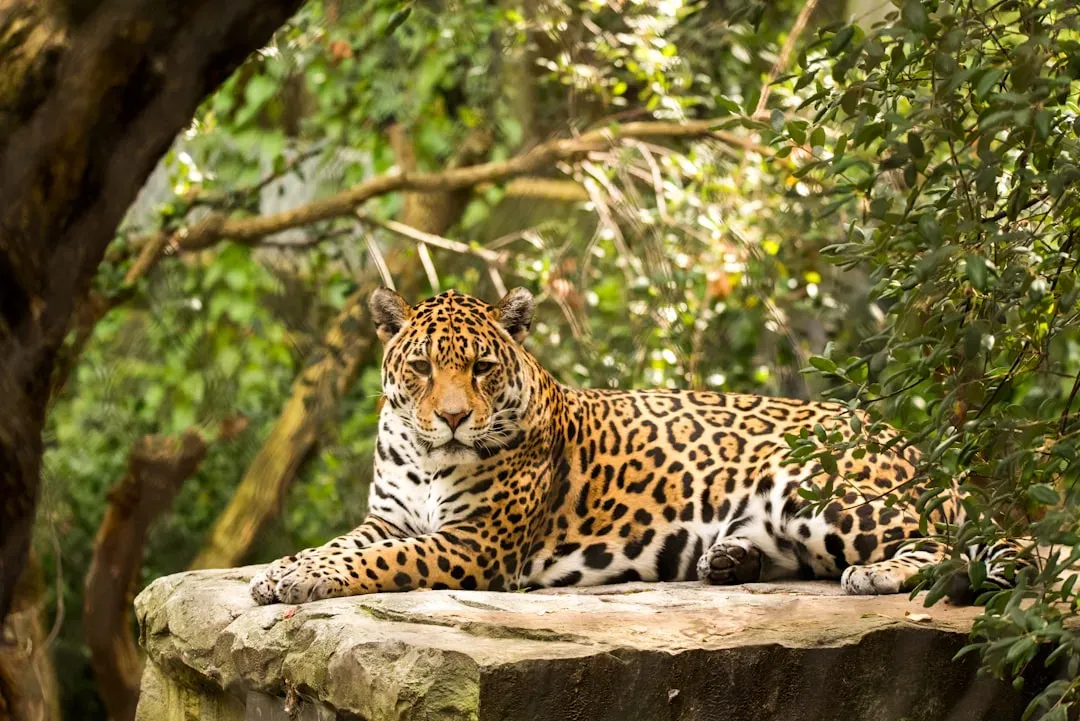
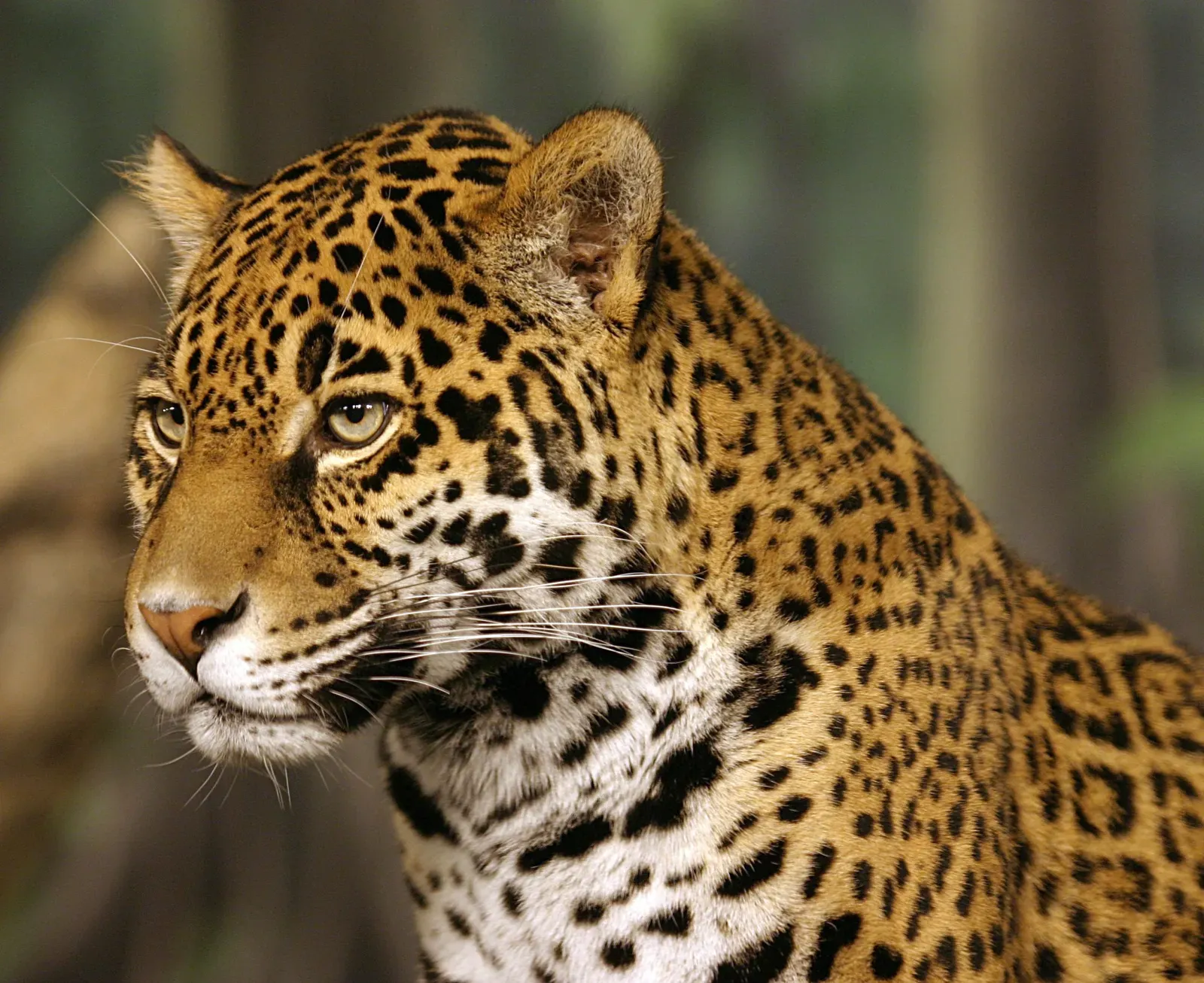
Here is where the story gets genuinely exciting. When you take the pressure of hunting off an ecosystem, nature has this remarkable ability to begin healing itself. Costa Rica’s hunting ban has contributed significantly to its conservation success story, with the country experiencing remarkable wildlife recovery since implementing strict protection measures. Jaguar populations have stabilized in protected areas like Corcovado National Park, scarlet macaw numbers have increased in the Osa Peninsula, tapir sightings have become more common in Braulio Carrillo National Park, and sea turtle nesting has increased along protected coastlines.
The hunting ban has boosted animal numbers broadly, with species once pressured by hunters, like white-tailed deer and coatis, now more common in parks. Bird populations, including macaws and quetzals, have benefited from dramatically reduced threats. Since conservation programmes were launched, the scarlet macaw population in the Central Pacific region alone has increased by almost half, growing from around 300 individuals counted in 1994 to 687 individuals in 2022. Numbers like that do not lie.
Ecotourism: How Protecting Wildlife Became an Economic Win
Let’s be real – critics of conservation bans almost always ask the same question: what about the economic cost? Costa Rica has answered that question definitively, and the numbers are striking. Wildlife tourism now generates over $1.5 billion annually for the country, with more than 2 million eco-tourists visiting Costa Rica each year. That is not a small cottage industry – that is a national economic pillar built entirely on the foundation of leaving wildlife alone.
Instead of relying on hunting or wildlife exploitation, Costa Rica has embraced ecotourism as a sustainable economic model where visitors come to observe animals in their natural habitats rather than to harm them. This approach creates jobs while preserving ecosystems, turning healthy wildlife populations into an economic asset rather than a target, with communities benefiting financially from protection rather than destruction. Approximately seven in ten international visitors to Costa Rica cite wildlife, dramatic scenery, and adventure opportunities as their main motivation for visiting the country. The animals are, quite literally, the product.
The Exceptions: Who Is Still Permitted to Hunt
No conservation policy operates in a total vacuum, and Costa Rica’s law acknowledges this. The only exceptions to the hunting ban are for indigenous communities practicing subsistence hunting in their territories and for scientific research conducted with proper permits. These are narrow, carefully defined carve-outs, not open doors. The intent is clear: cultural survival and scientific knowledge are legitimate grounds; sport and recreation are not.
The law has held steady through 2026, with no major reversals despite ongoing debates in farming regions about crop-damaging animals. That kind of legislative durability is rare. Costa Rica is not a paradise without conflict – there are competing interests, rural poverty, sometimes real damage caused by wildlife, and recurring illegal pressure on populations. Yet the legal framework remains clear: recreational hunting is socially and legally undesirable. Holding that line, year after year, is itself a form of conservation leadership.
A Blueprint for the World: What Other Nations Can Learn
Costa Rica occupies just a tiny fraction of the planet’s surface. Yet the outsized influence this small nation has had on global conservation thinking is hard to overstate. Although comprising only 0.03% of the earth’s surface, the landmass of Costa Rica contains roughly five percent of the world’s biodiversity. That extraordinary concentration of life is not an accident – it is the result of deliberate, sustained, politically courageous decisions made over decades.
The world is facing a biodiversity crisis unlike anything seen in human history, with species disappearing at unprecedented rates and ecosystems under immense pressure. Costa Rica’s decision to ban sport and trophy hunting permanently offers a clear alternative to half measures, showing that decisive action is possible when values align with policy. Forest cover in Costa Rica has increased to around 55% today, up from less than 30% of the country remaining forested in the 1980s, largely due to conservation-minded programs and policy shifts. The transformation is real, measurable, and replicable.
Costa Rica’s reinforcement of its permanent sport hunting ban is more than a legal milestone. It is proof that a nation can choose a different relationship with the natural world and actually benefit from that choice. The wildlife has come back. The tourists have come in. The economy has grown. The forests have thickened. Think of it like compound interest – every year of protection pays dividends that keep multiplying.
What Costa Rica has demonstrated is that conservation and economic prosperity are not opposites. They can, in the right conditions with the right political will, be the same thing. The Costa Rica model reveals an uncomfortable and inspiring truth at once: hunting policy can be shaped, and a state can abolish recreational hunting if the political will exists and society exerts pressure. The question the rest of the world now has to answer is whether it has the courage to follow suit. What do you think – is Costa Rica the model that other nations should adopt? Share your thoughts in the comments below.