
Have you ever wondered if your cat actually cares about your feelings? You’re not alone. While cats aren’t always obvious about their affection, they have a secret language of love that’s easy to miss if you don’t know what to look for. These mysterious little creatures have mastered the art of subtlety, offering support in quiet, gentle ways that can be just as powerful as a dog’s wagging tail or a human’s warm hug. If you’ve ever felt like your cat “just knows” when you’re having a rough day, you’re probably right. Let’s dive into the surprising, heartwarming ways cats show up for us emotionally—it’s more magical than you might think.
1. Soft Headbutts and Gentle Nudges

When your cat presses their head against your hand, leg, or even your face, it’s not just adorable—it’s a sign they’re connecting with you emotionally. This gesture is called “bunting,” and it means your cat trusts you deeply. They’re leaving their scent on you, marking you as part of their safe space. On tough days, these little nudges can feel like a silent “I’m here for you.” Imagine a friend giving you a reassuring shoulder tap—cats do the same. It’s their way of grounding you, reminding you that you’re not alone, even when words fail. These moments may be fleeting, but they speak volumes about your bond.
2. Following You from Room to Room

If you’ve ever felt like you have a furry shadow, there’s a reason for it. Cats often follow their favorite humans around the house, quietly keeping an eye on them. This isn’t about food or curiosity—it’s about providing companionship. When you’re feeling down, your cat’s presence is a gentle form of emotional support. Think of it like a loyal friend who sits with you in silence, no questions asked. This simple act can be incredibly comforting, especially when you need someone nearby but not in your face. Your cat’s silent watchfulness is their way of saying, “I care about you.”
3. Sleeping Beside You

There’s something profoundly comforting about a cat curling up next to you when you’re resting. Cats are selective sleepers, and choosing to nap by your side is a sign of affection and trust. When you’re sad or stressed, your cat may instinctively choose to sleep closer, absorbing your energy and offering warmth. Their steady breathing and soft purring can work like a soothing lullaby, easing anxiety and loneliness. It’s as if they want to shield you from the world, creating a tiny fortress of peace and comfort. This gesture is their way of saying, “You’re safe with me.”
4. Slow Blinking—The Feline “I Love You”
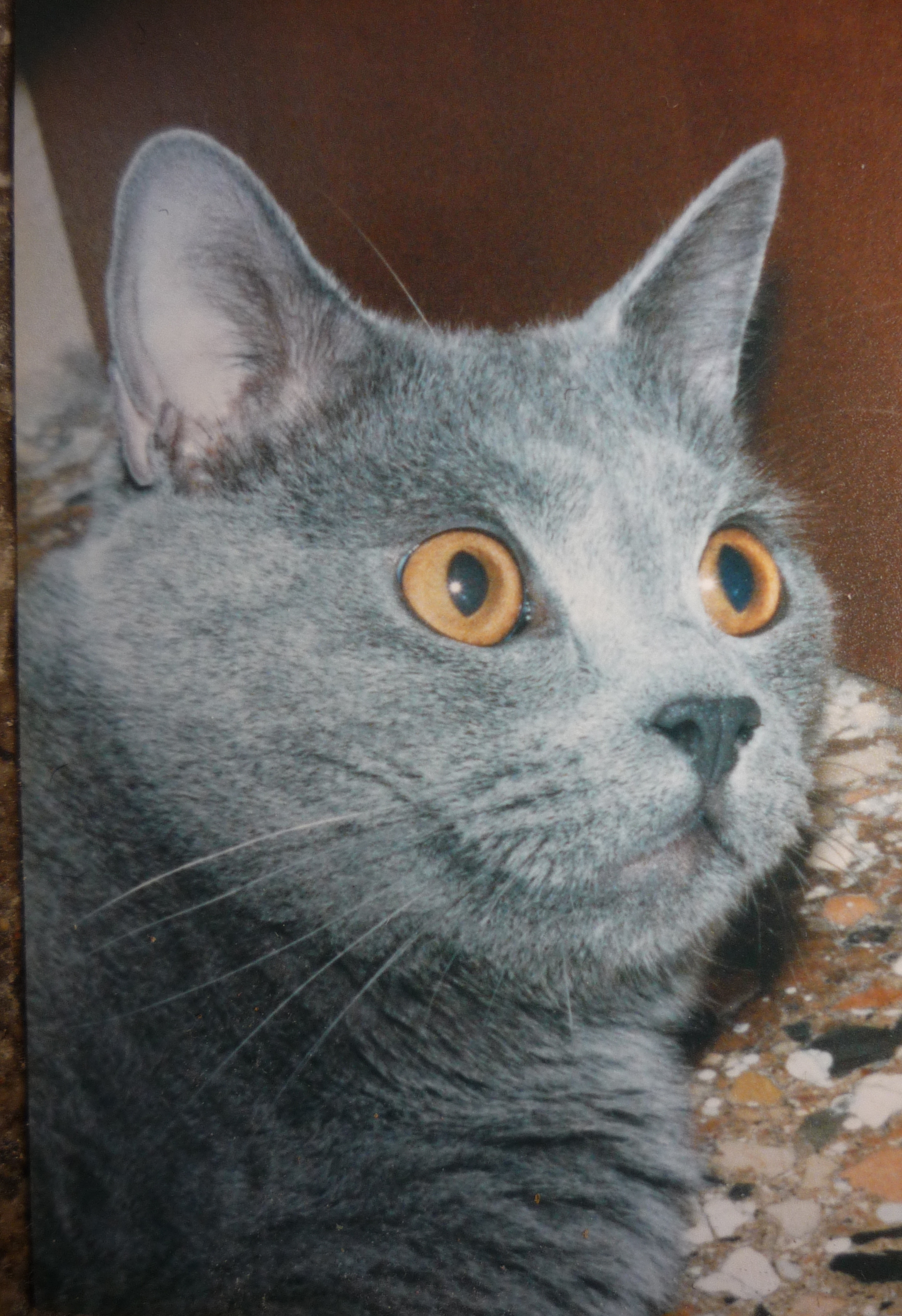
Have you ever noticed your cat staring at you, then slowly closing and opening their eyes? That slow blink isn’t just a random tic—it’s a feline way of expressing affection and trust. When cats slow blink at you, they’re offering love and reassurance. If you return the gesture, you’re building an emotional bridge. This silent communication can be especially meaningful when you’re feeling vulnerable. It’s as if your cat is whispering, “Everything is okay.” These quiet moments of eye contact can lift your spirits in the most unexpected ways.
5. Bringing You “Gifts”

Sometimes, cats bring us things—whether it’s a toy, a leaf, or (gulp) something they caught outside. While it might seem odd or even a little gross, this gesture comes from a place of care. In the wild, cats share food with those they love. When your cat drops a “gift” at your feet, they’re trying to make you happy or cheer you up. It’s their way of saying, “I’m thinking about you.” Even if you don’t want what they’re offering, the intent behind it is pure and emotionally meaningful. These tiny tokens are proof that your cat is tuned in to your emotional needs.
6. Purring When You’re Upset

The sound of a cat’s purr has been shown to lower stress and anxiety in humans. But did you know that some cats seem to purr more when their humans are upset? They sense your mood and respond by offering their comforting vibrations. The rhythmic sound acts like a sonic hug, wrapping you in calm. It’s almost as if your cat is trying to heal your heart with every gentle rumble. When you’re crying or feeling anxious, your cat’s purr can feel like a balm for your soul, quietly reminding you that you’re loved.
7. Sitting on Your Work or Lap at the Right Moment

There’s an old joke that cats love to interrupt us the moment we sit down to work, but sometimes their timing is uncannily perfect. If you’re overwhelmed, stressed, or just in need of a break, your cat might jump into your lap or plop down on your keyboard. It’s not just attention-seeking; it’s their way of helping you slow down and focus on something simple and soothing. They sense your tension and offer a distraction, inviting you to take a moment for yourself. It’s like a gentle reminder from a friend to breathe and recalibrate.
8. Grooming You Gently

When cats lick your hand, face, or even your hair, they’re not just being quirky—they’re showing affection and concern. Grooming is a deeply social behavior in cat communities, reserved for those they trust and love. By grooming you, your cat is welcoming you into their inner circle and offering comfort. This gentle act can feel incredibly reassuring, especially when you’re feeling isolated or lonely. It’s their way of saying, “You belong with me.” Every soft lick or nibble is a tangible sign of emotional support.
9. Vocalizing in a Soft, Special Way

Cats have a whole range of meows, chirps, and trills reserved just for their humans. When you’re not feeling your best, your cat might “talk” to you in a gentler, more soothing tone. These special sounds are like a personal conversation between the two of you. It’s their way of checking in, letting you know they’re aware of your feelings. Sometimes, a sweet meow or soft trill can break through a tough mood, making you smile despite yourself. It’s a subtle but powerful form of emotional connection.
10. Staying Close During Difficult Times

Ever noticed your cat sticking extra close when you’re going through a tough patch? Cats are incredibly intuitive and can sense changes in your mood or energy. When life gets heavy, they’ll often stay nearby, refusing to leave your side. This quiet loyalty is their way of offering support without demanding attention. It’s like having a silent companion who just “gets it.” Their presence can be a source of strength, reminding you that you’re not facing your struggles alone.
11. Kneading You Like Dough
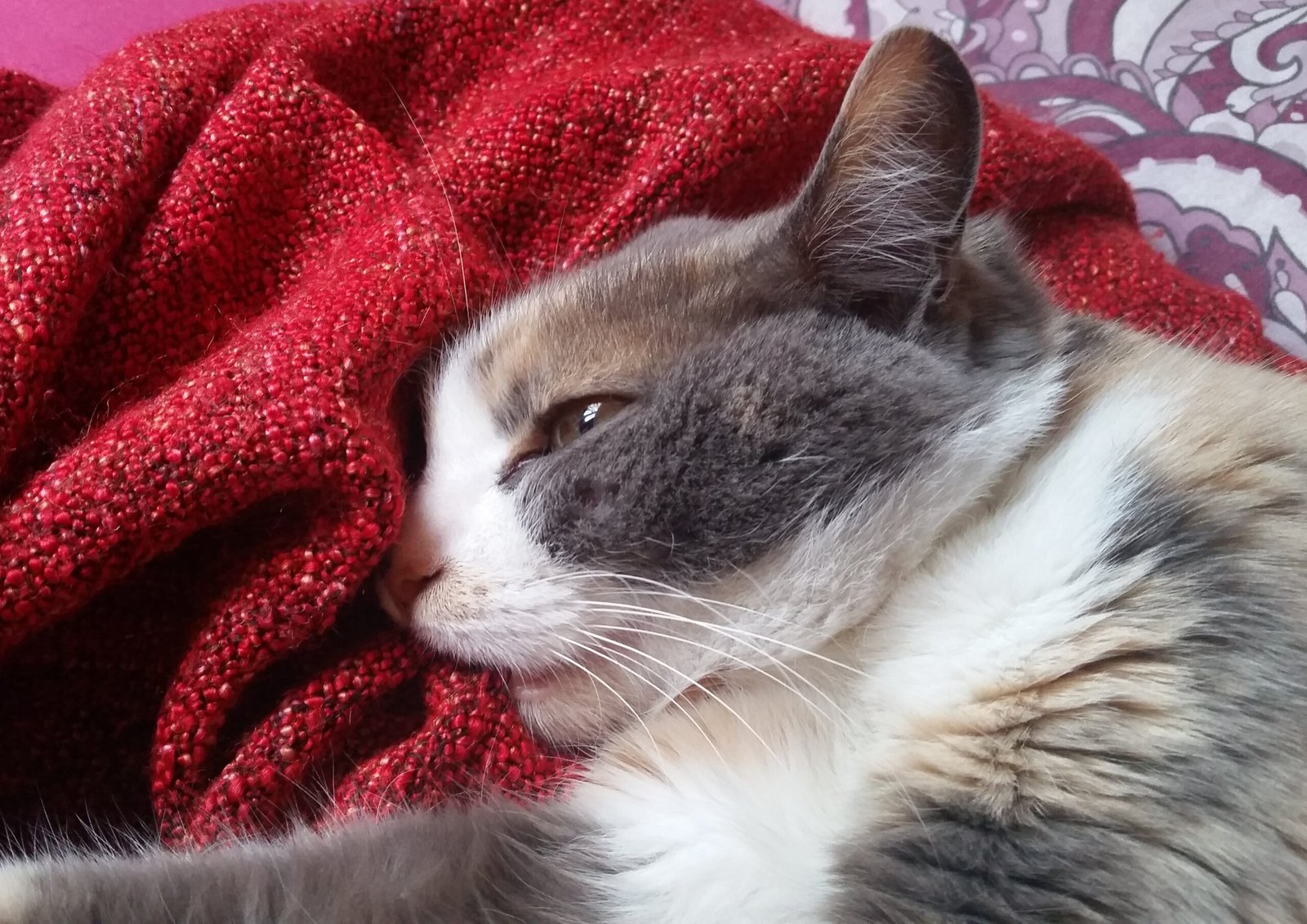
The act of “kneading,” where cats rhythmically press their paws into your body or blanket, is a throwback to kittenhood. This behavior makes them feel safe and content, but it also serves as a form of comfort for you. When your cat kneads you, it’s their way of sharing that sense of security. It’s as if they’re trying to massage away your worries, one gentle press at a time. This tender ritual is a subtle but clear sign that your cat is emotionally tuned in to your needs.
12. Sitting Silently Beside You
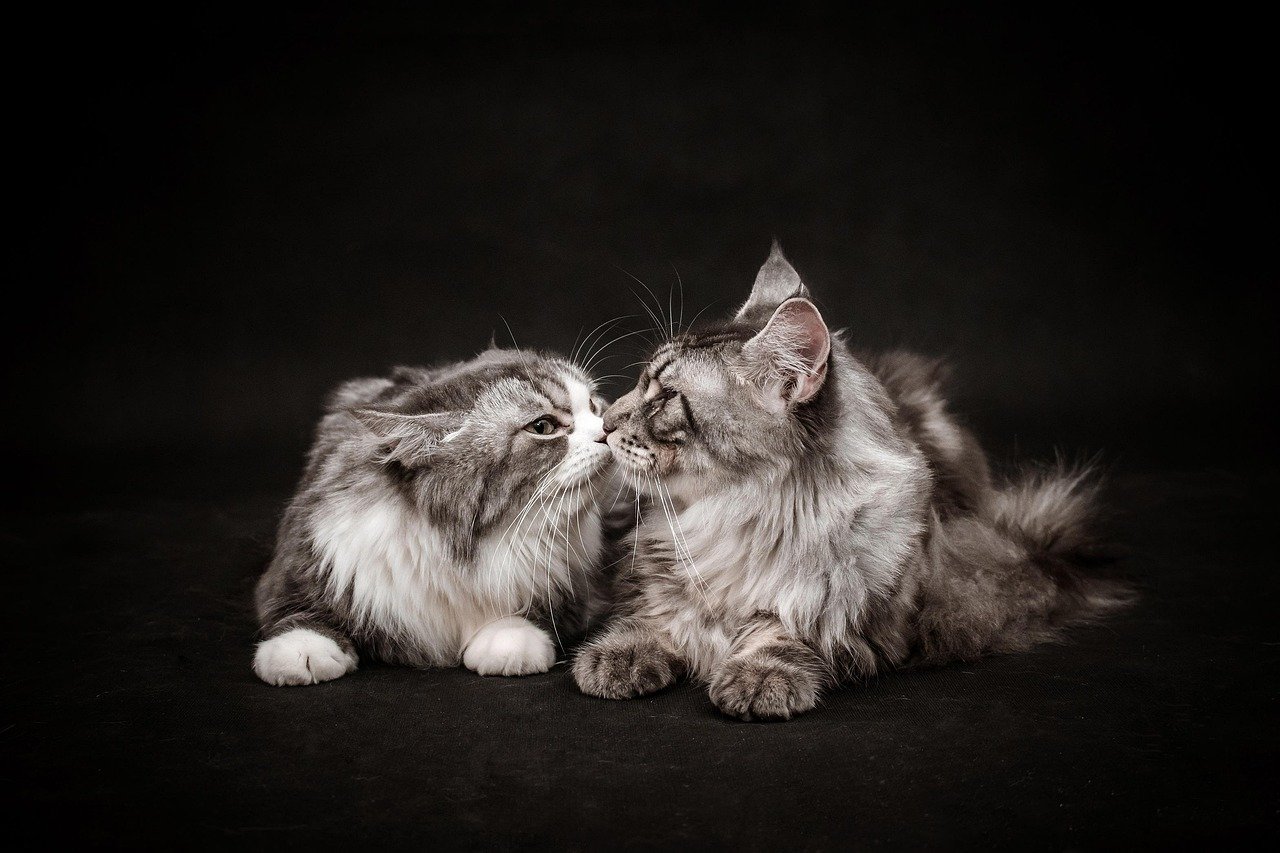
Sometimes, the deepest acts of love are the quietest ones. When your cat just sits next to you—without purring, meowing, or making a fuss—they’re offering the gift of presence. This silent companionship can be more healing than any words. It’s like having a friend who knows exactly when to speak and when to simply be there. In moments of sadness or stress, your cat’s quiet company can be a lifeline, grounding you in the moment and offering silent solidarity.
13. Watching Over You While You Sleep
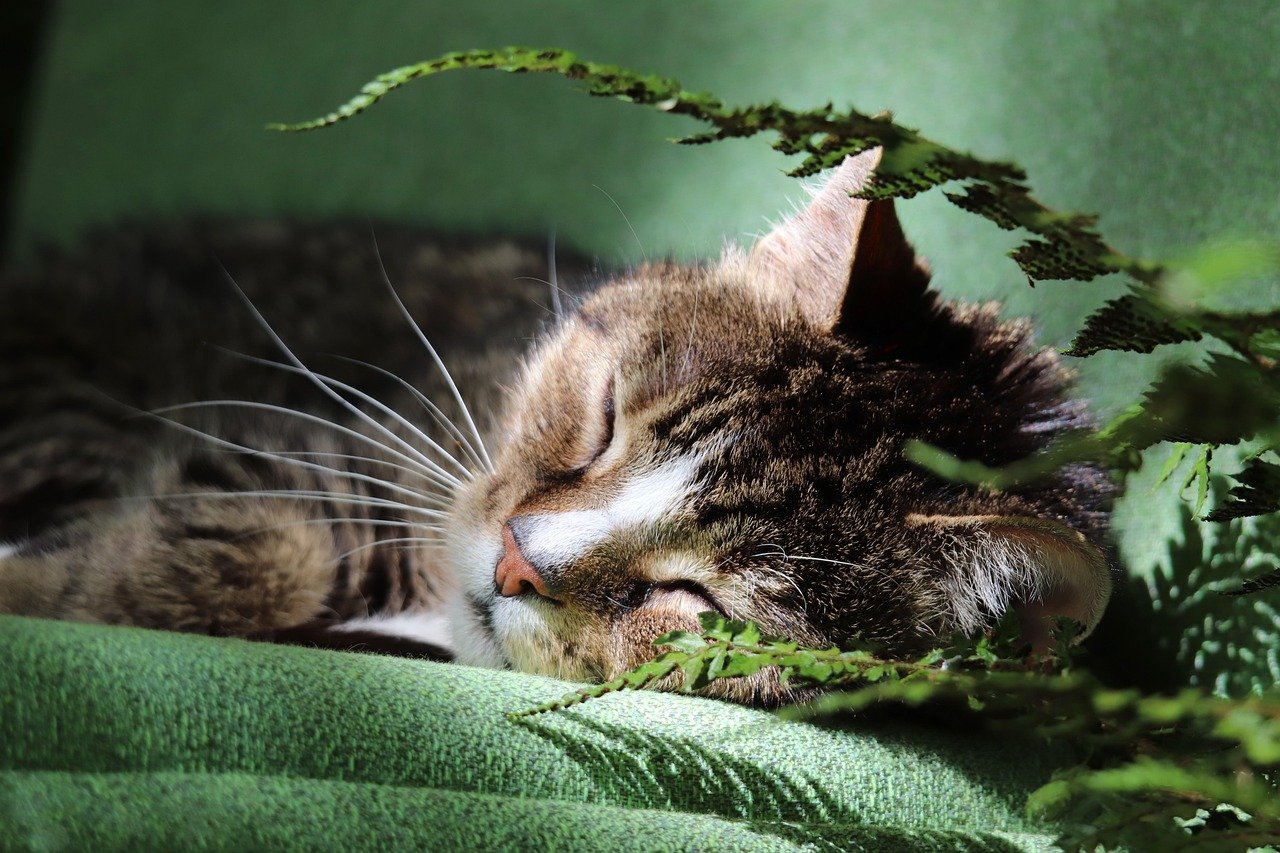
It might sound a bit mysterious, but many cats take on the role of nighttime guardian. They’ll sit at the foot of your bed or nearby, keeping a watchful eye while you sleep. This isn’t just a habit; it’s a quiet demonstration of care. Your cat senses when you’re vulnerable and wants to make sure you’re safe. Their presence can bring a sense of peace, helping you rest more soundly. It’s their way of saying, “I’ve got your back—even when you’re unaware.”
14. Reacting to Your Tears

If you’ve ever cried in front of your cat, you might have noticed them behaving differently—maybe they come closer, offer a soft purr, or gently nudge you. Cats can detect emotional distress and often respond with comforting gestures. They may not understand the specifics, but they sense your sadness and want to help. Just knowing your cat is there, responding in their own quiet way, can make painful moments feel a little less lonely. Their compassion is subtle, but it’s there when you need it most.
15. Adjusting Their Behavior to Match Your Mood
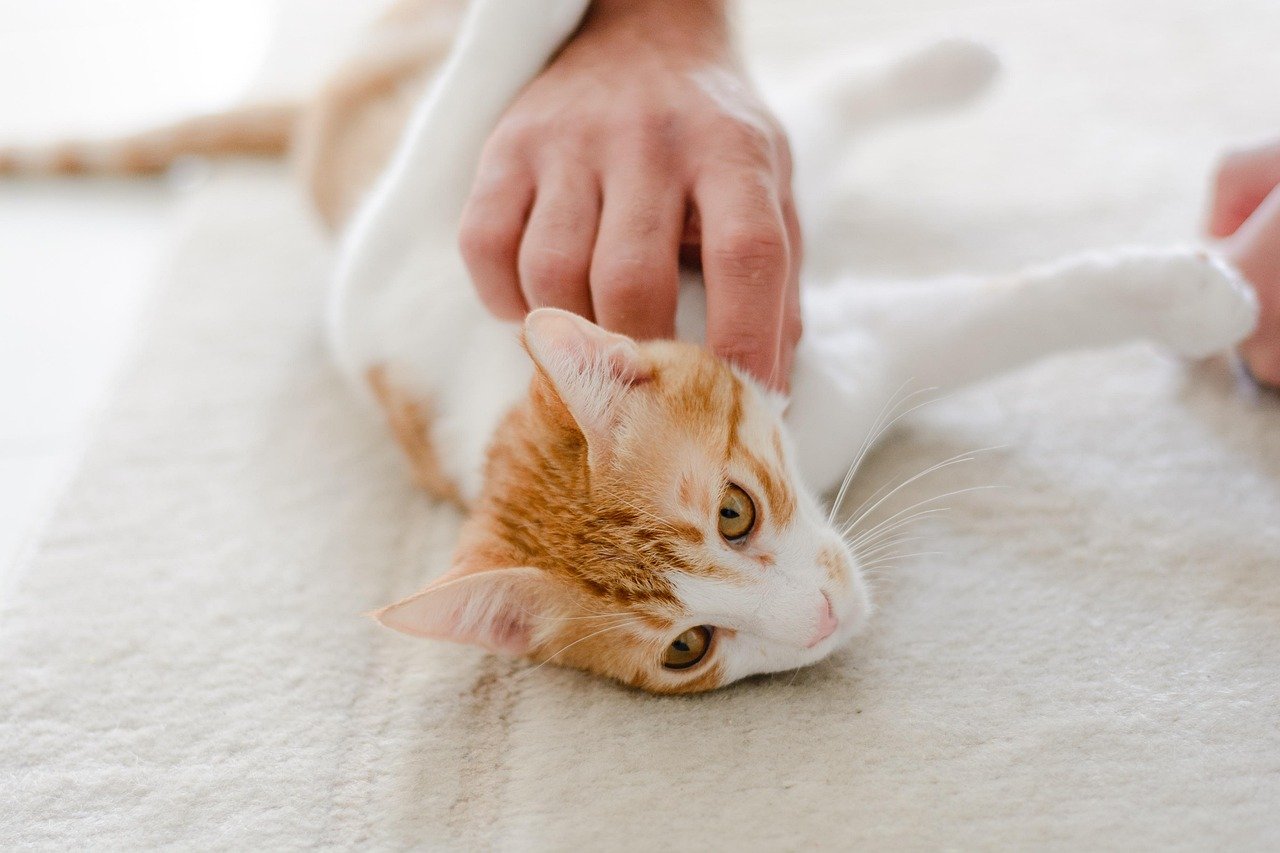
Cats are excellent at reading the room. When you’re upbeat, they might be playful and energetic. But when you’re feeling low, they often tone down their antics, choosing instead to be calm and gentle. This ability to adapt is a remarkable form of emotional intelligence. They’re mirroring your mood, offering what they think you need most—a burst of energy or a moment of peace. It’s their way of showing empathy, tuning in to your emotional state and responding accordingly.
16. Waiting by the Door When You’re Gone
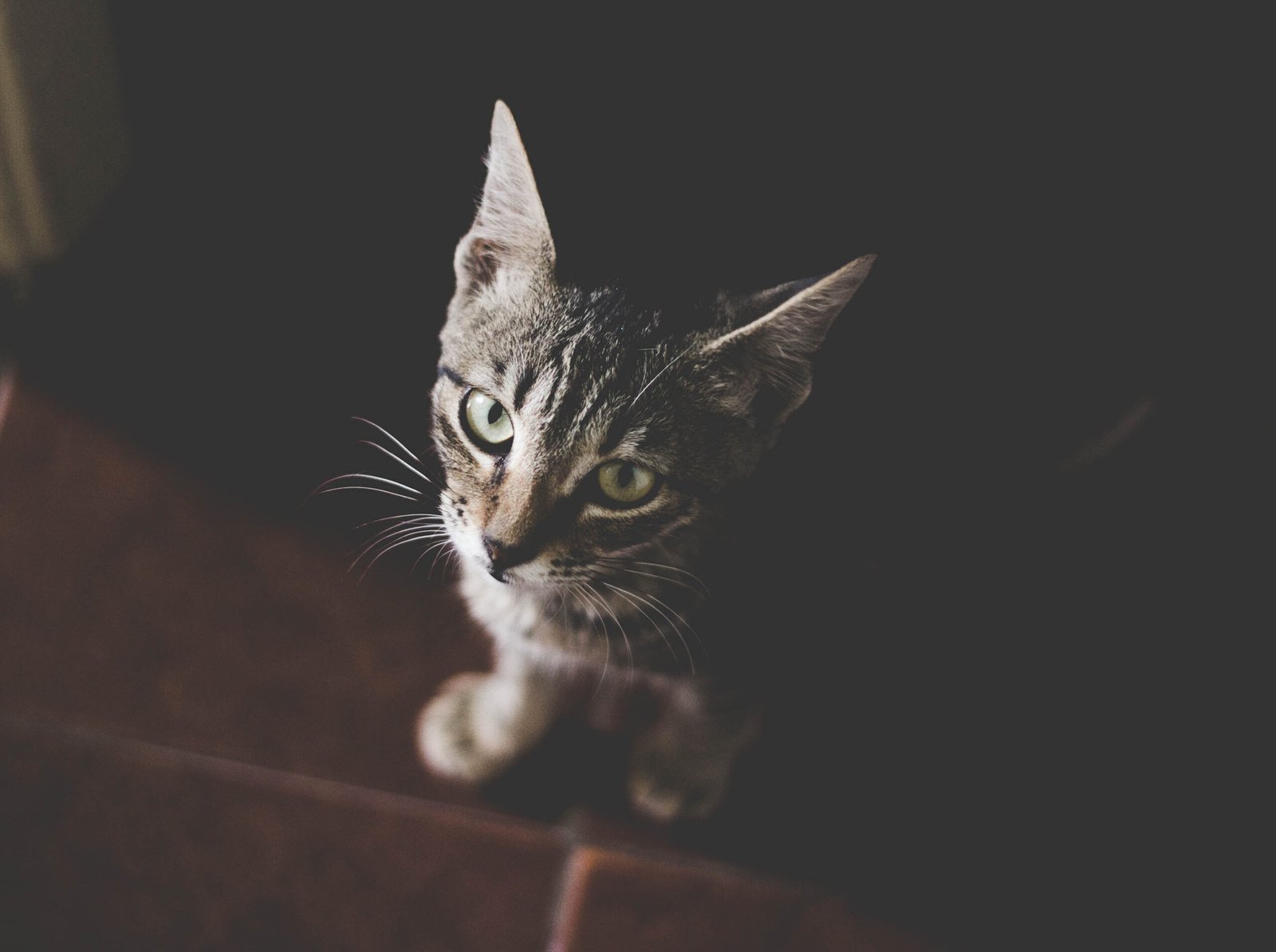
Ever come home to find your cat waiting by the door? This isn’t just about routine—it’s about connection. Your cat misses you when you’re away, and their anticipation is a sign of emotional attachment. When you return, they greet you with excitement, often rubbing against your legs or meowing softly. This reunion can be a huge emotional boost, especially after a tough day. Their loyalty and eagerness to reconnect are subtle reminders that you matter deeply to them.
17. Sharing Their Favorite Spots with You
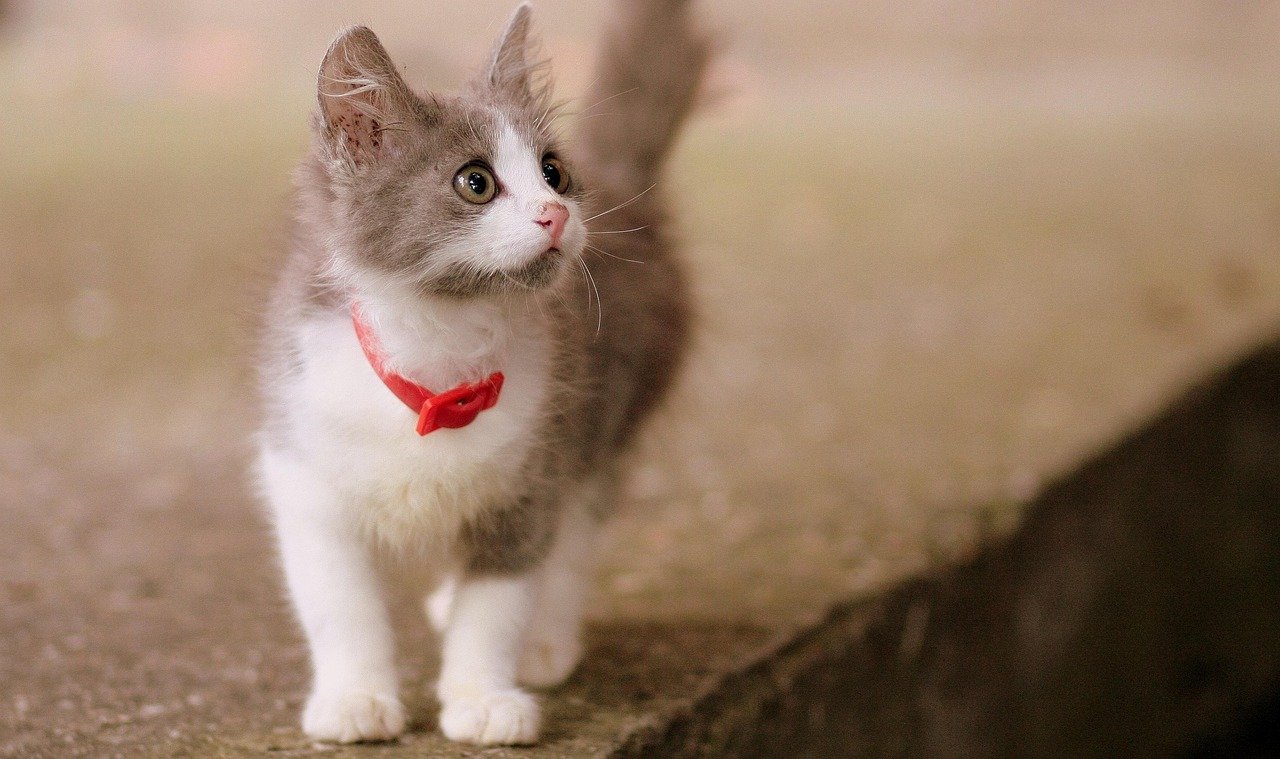
Cats are territorial creatures, and they have favorite napping spots or perches they guard closely. When your cat invites you into their space—by curling up next to you on the couch or sharing a sunny window ledge—it’s an act of trust and affection. They’re letting you in on their comfort zones, sharing what makes them feel safe and happy. This small gesture is a big emotional gift, a way of saying, “You’re welcome here.” It can make you feel chosen and cherished.
18. Displaying Playful Antics to Cheer You Up

Cats have an uncanny knack for knowing when we need a little joy. When you’re feeling down, your cat might suddenly become extra playful—chasing a toy, doing “zoomies,” or pouncing on invisible prey. This playful energy is contagious, often coaxing a smile or laugh out of you. It’s their way of lightening the mood, reminding you that happiness still exists—even in small, silly moments. Their antics are a gentle invitation to forget your worries, at least for a while.
19. Touching You with Their Paw

A cat’s paw is a powerful communication tool. When your cat reaches out and touches you with their paw—whether it’s a gentle tap on your arm or a soft pat on your face—they’re forging an emotional connection. This touch can be incredibly grounding, pulling you back from anxious thoughts or sadness. It’s as if they’re saying, “I’m here—don’t drift too far away.” This simple gesture is loaded with meaning, offering comfort and reminding you of your bond.
20. Staring at You with Soft Eyes
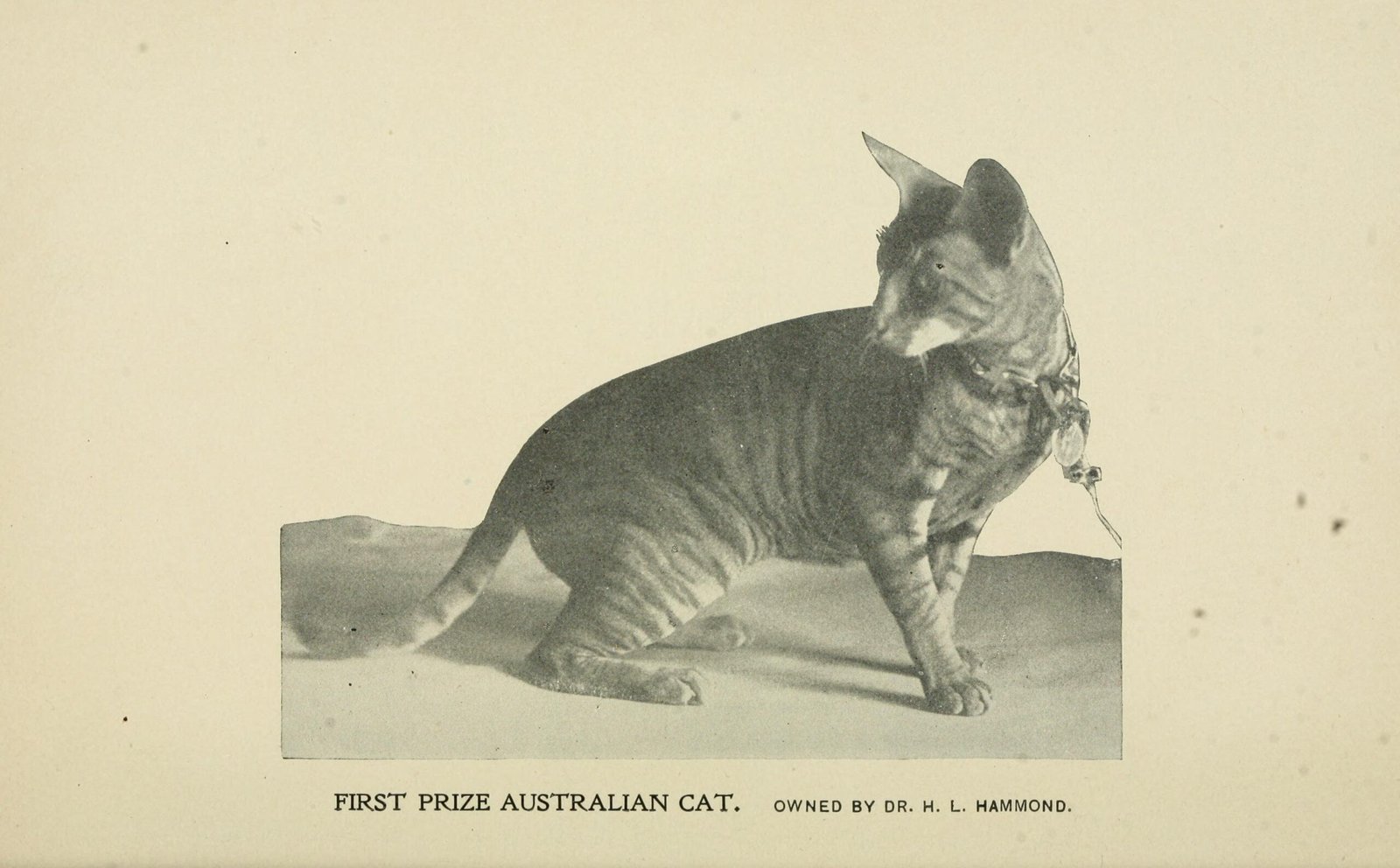
There’s something disarmingly intimate about the way a cat looks at you with relaxed, half-closed eyes. This gaze is a sign of trust and affection. When your cat stares at you like this, they’re inviting you into a quiet, safe world where everything slows down. It’s an unspoken message: “You’re important to me.” These moments of connection, though easy to overlook, can be incredibly healing—especially when you’re feeling unseen or misunderstood. A cat’s soft gaze is like a silent promise that you’re loved, just as you are.
Linnea is a born and bred Swede but spends as much time as possible in Cape Town, South Africa. This is mainly due to Cape Town’s extraordinary scenery, wildlife, and atmosphere (in other words, because Cape Town is heaven on earth.) That being said, Sweden’s majestic forests forever hold a special place in her heart. Linnea spends as much time as she can close to the ocean collecting sea shells or in the park admiring puppies.