Your cat isn’t just lounging on that sunny windowsill doing nothing. Let’s be real, they’re gathering intelligence. While you think you’re the one keeping an eye on things, your furry companion is running their own covert operation right under your nose.
Cats have an inherent curiosity about their surroundings and often engage in exploratory behavior by using their paws to touch and interact with objects. Honestly, if they could take notes, they probably would. Every piece of furniture you move, every new item you bring home, and even the slightest change in your routine gets thoroughly investigated by your feline friend. So let’s dive in.
Your Cat’s Nose Knows Everything About You
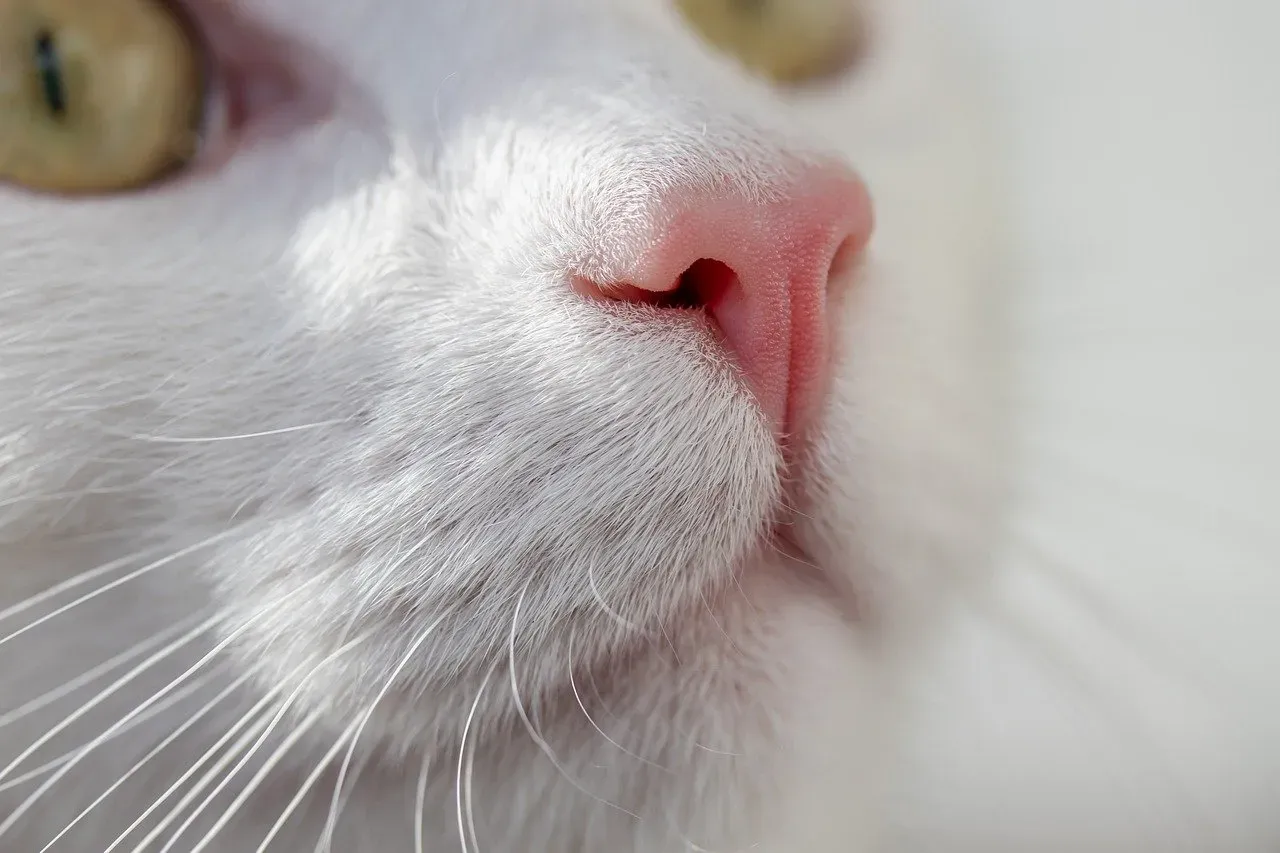
A domestic cat’s sense of smell is 9-16 times as strong as humans’. Think about that for a second. Your cat can detect scents you didn’t even know existed in your home. Cats have around 40 times more odor-sensing cells in their nose than humans do. When you walk through the door after being out all day, your cat doesn’t just greet you randomly. They’re conducting a full olfactory investigation of where you’ve been, who you’ve touched, and probably what you had for lunch.
Cats possess a secondary scent detection system called the vomeronasal organ, located on the roof of their mouth, which allows cats to detect chemical signatures and pheromones that aren’t airborne. It’s like having a backup detective tool when the regular nose isn’t enough. Your secrets? Not so secret anymore.
They Hear What You Can’t
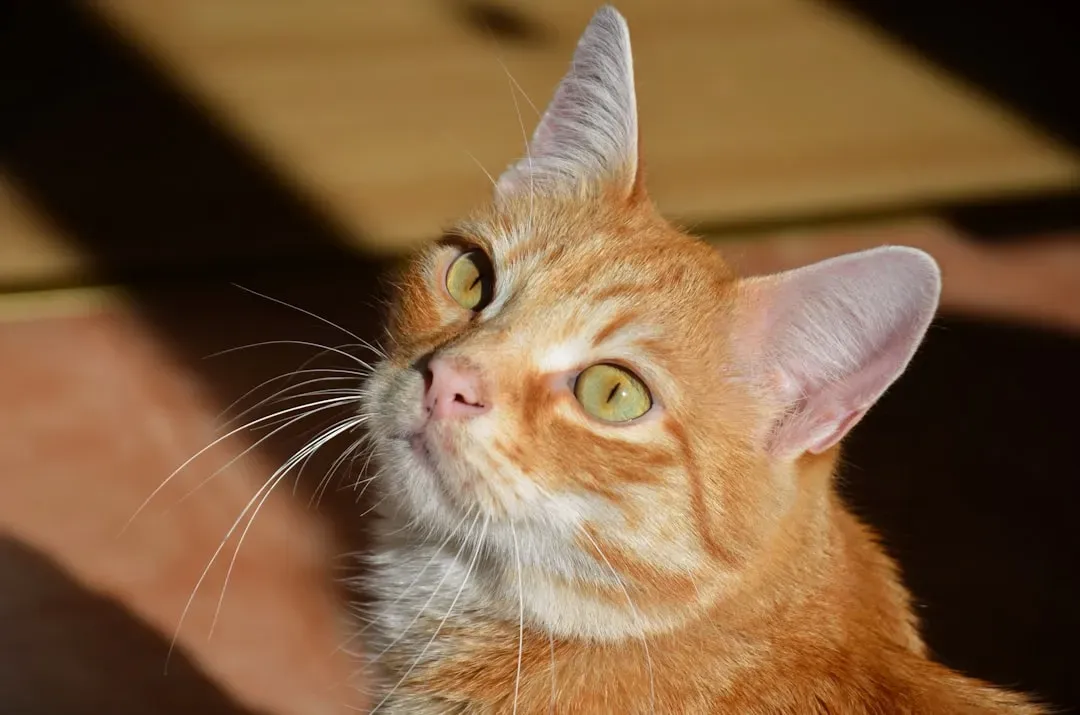
Cats can hear much higher-pitched sounds, up to 64 kHz, which is 1.6 octaves above the range of a human. That buzzing sound from your laptop screen that you don’t notice? Your cat hears it loud and clear. The cat’s outer ear is connected by 27 muscles and can rotate 180 degrees to scan the environment or to direct attention to a particular sound.
Think about the last time you tried to sneak a snack from the kitchen while your cat was supposedly sleeping in another room. Within seconds, they appeared at your feet, right? Cats can judge within 8 centimetres the location of a sound being made 1 metre away. They’ve got you mapped out perfectly.
Every Movement Gets Catalogued
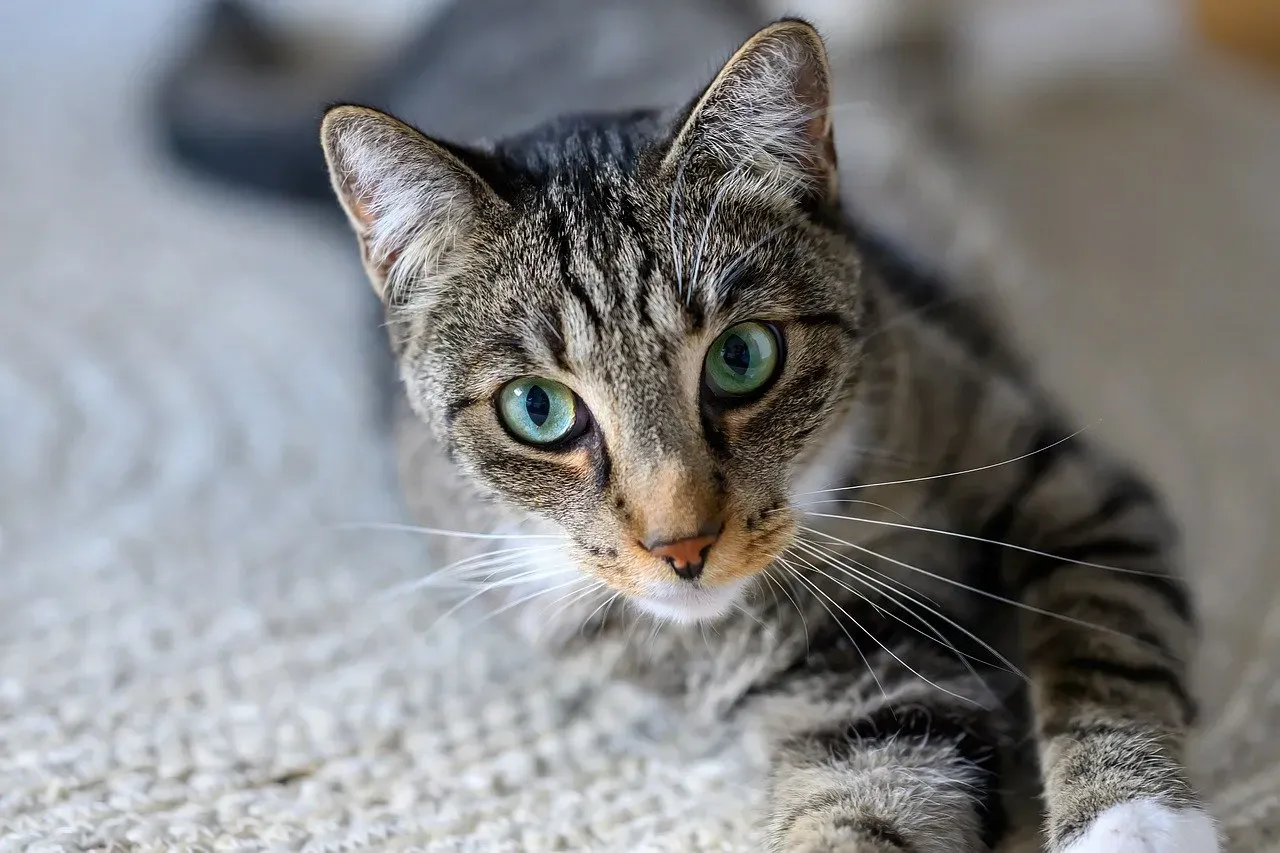
Your cat watches you constantly, and I mean constantly. Staring into corners or walls can indicate heightened sensory awareness, as cats detect subtle movements or sounds beyond human perception. When you catch your cat staring at seemingly nothing, they’re actually picking up on things you’ll never notice.
Cats are natural hunters, even if they have never set a paw outside, and their instincts drive them to mimic hunting behaviors, such as stalking, chasing, and pouncing, often using toys, household objects, or even their human hands as substitutes for prey. Your daily routine becomes their hunting ground for information. Every gesture you make, every sound you create gets filed away in their feline brain.
They’re Mapping Your Territory (Yes, Theirs Too)
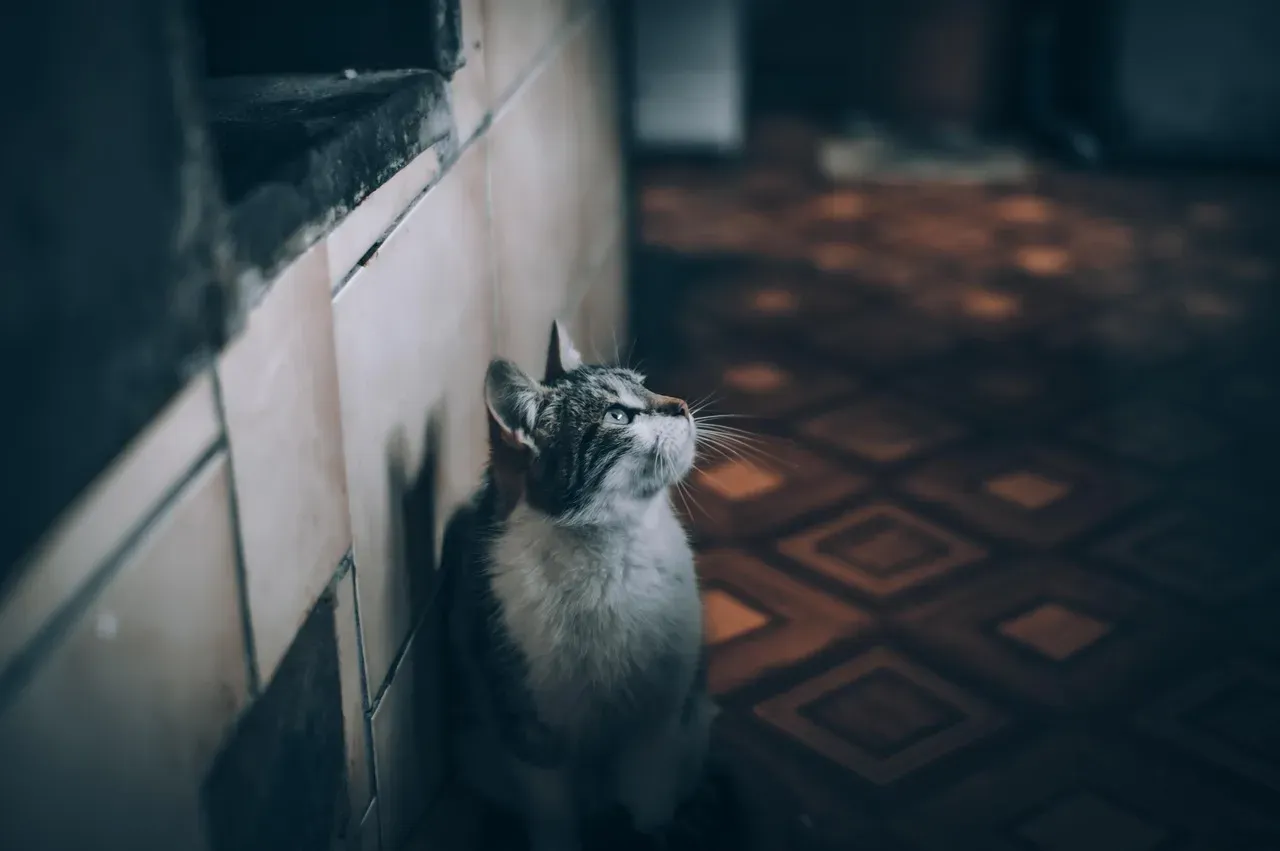
Cats have a territorial nature and are extremely protective of their space. Here’s the thing though: they don’t see your home as yours. Cats are territorial and want to control everything that comes into their domain, and while you may pay the bills and buy them food, your house is their domain.
Cats are indeed curious, but what you’re describing is territorial behavior – it’s extremely important for a cat to know every nook and cranny of their territory. They’re not just being nosy for fun. They persistently investigate each corner of the house because it will help them if they ever need to hunt, and they will know where to look for their prey.
Tracking Your Daily Routines Like Clockwork

While cats don’t read clocks or understand human measurements of time, research shows they do possess a sophisticated internal system for tracking the passage of time and anticipating regular events. Your cat knows your schedule better than you do. Seriously. Domestic cats with limited outdoor access often synchronize their activity patterns with their human caregivers, showing peaks of activity in the morning and evening.
The light and dark of day and night also aids their time-keeping as does routine, or familiarity, such as scheduling playtime before dinner, having snuggles, or returning home from work. Your cat associates specific events with particular times, creating an internal map of your daily life. Try changing your morning routine and watch how confused they get.
Investigating Every New Object

Anything that comes into a cat’s territory is fair game to sniff and paw at, and if it is threatening, they will either destroy it or hide from it. That new grocery bag? Threat level unknown. A cat’s curiosity is born out of a natural instinct to assess their environment for prey and predators, and in the wild, a cat’s health depends on how she responds to foreign invaders in her immediate environment, as cats are territorial by nature.
Cats are nosey because they are protecting themselves and you, and in their mind, they must investigate new items. Even that cardboard box from your online order gets a full security scan. Nothing escapes their detective work.
Observing Your Emotional State
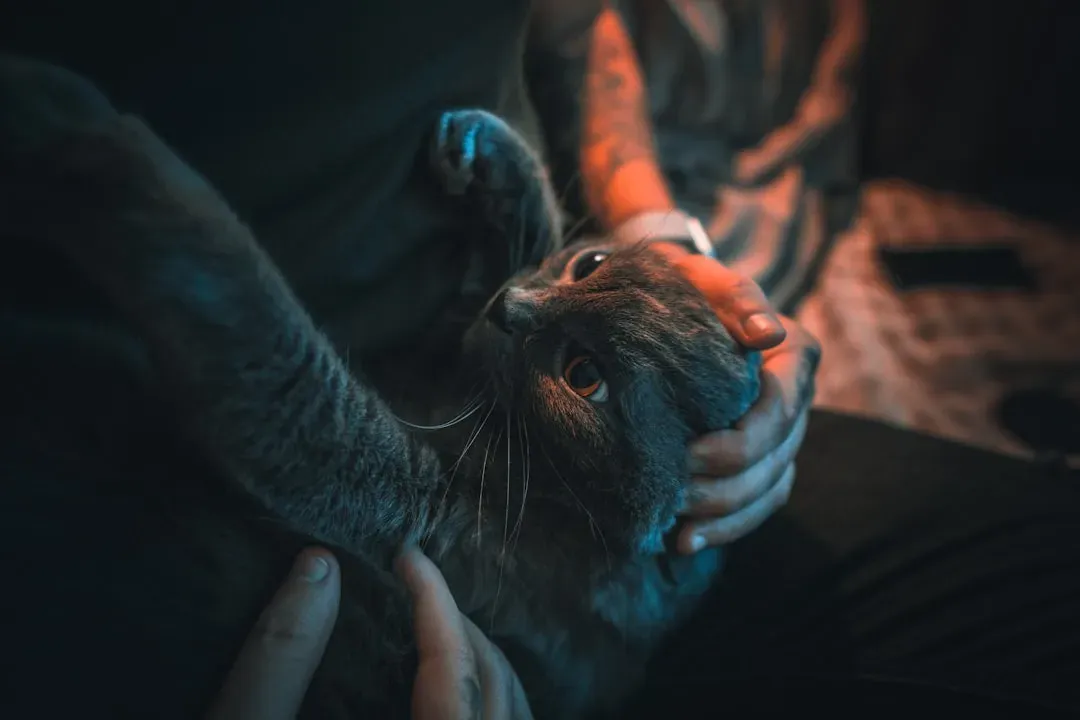
Cats can detect and mirror their owners’ emotional states, becoming more affectionate when their owner is sad, more energetic when their owner is happy, or anxious when their owner is stressed. They’re reading your mood before you’ve even fully processed it yourself. It’s kind of unsettling when you think about it.
Research has revealed that cats can develop personality traits similar to their owners through prolonged interaction and behavioral mirroring. Your cat isn’t just living with you. They’re studying you, adapting to you, and honestly, becoming a little version of you in feline form.
Monitoring Household Dynamics

In multi-cat homes, the detective work becomes even more complex. Marking behaviors allow a number of cats to share the resources in a territory without ever having to compete directly with one another. One cat may occupy a spot in the morning but leave it for another cat to occupy in the afternoon.
They’ve worked out an entire time-sharing system you probably didn’t even know existed. Cats think of their home as their territory and you are a big part of that space, so when your cat follows you, they’re checking to make sure their world stays safe and nothing changes without them noticing. Every family member gets monitored, catalogued, and assessed.
Using Whiskers as Sensory Antennas
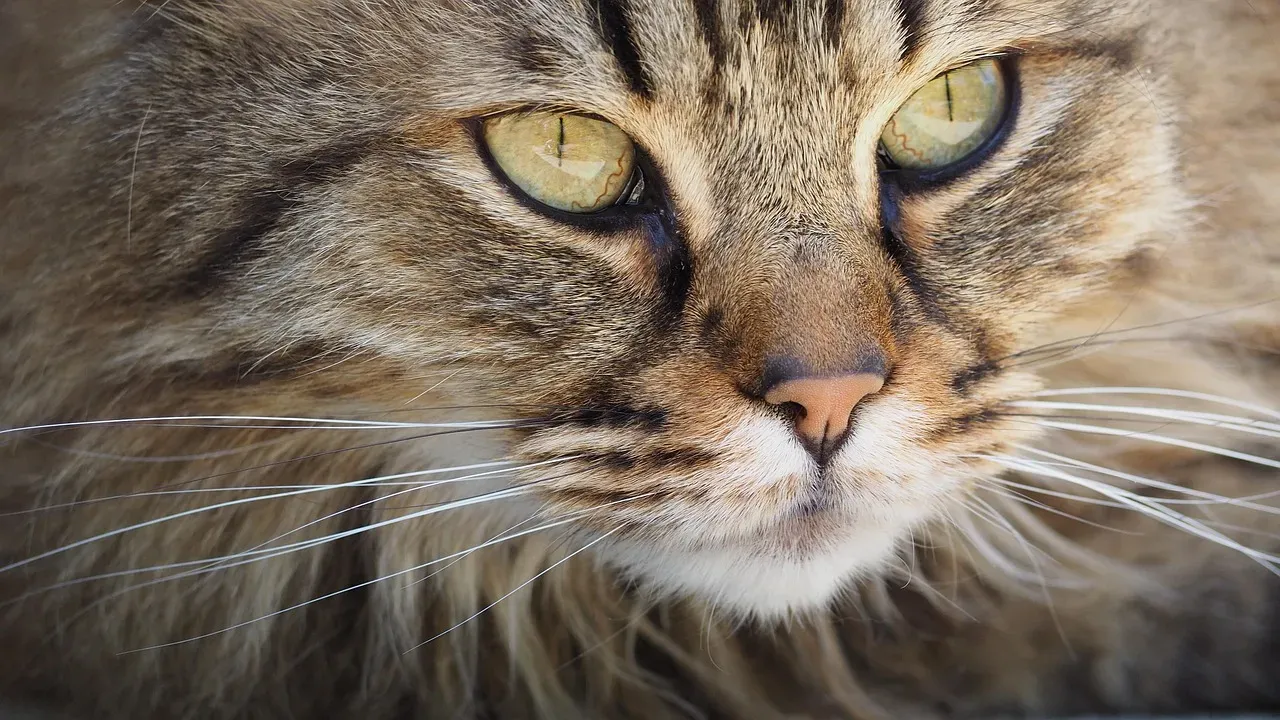
A cat’s whiskers are more than twice as thick as ordinary cat hairs, and their roots are three times deeper in a cat’s tissue than other hairs, with numerous nerve endings at their base which give cats extraordinarily detailed information about nearby air movements and objects. Those whiskers aren’t just for show. They’re sophisticated detection instruments.
Whiskers are extensions of the cat’s skin and are designed to detect even the smallest changes in the environment, including air currents, air pressure, temperature and wind direction. When your cat brushes past your leg, they’re not just being affectionate. They’re gathering data about air flow patterns, temperature changes, and spatial dimensions.
Curiosity as a Survival Instinct
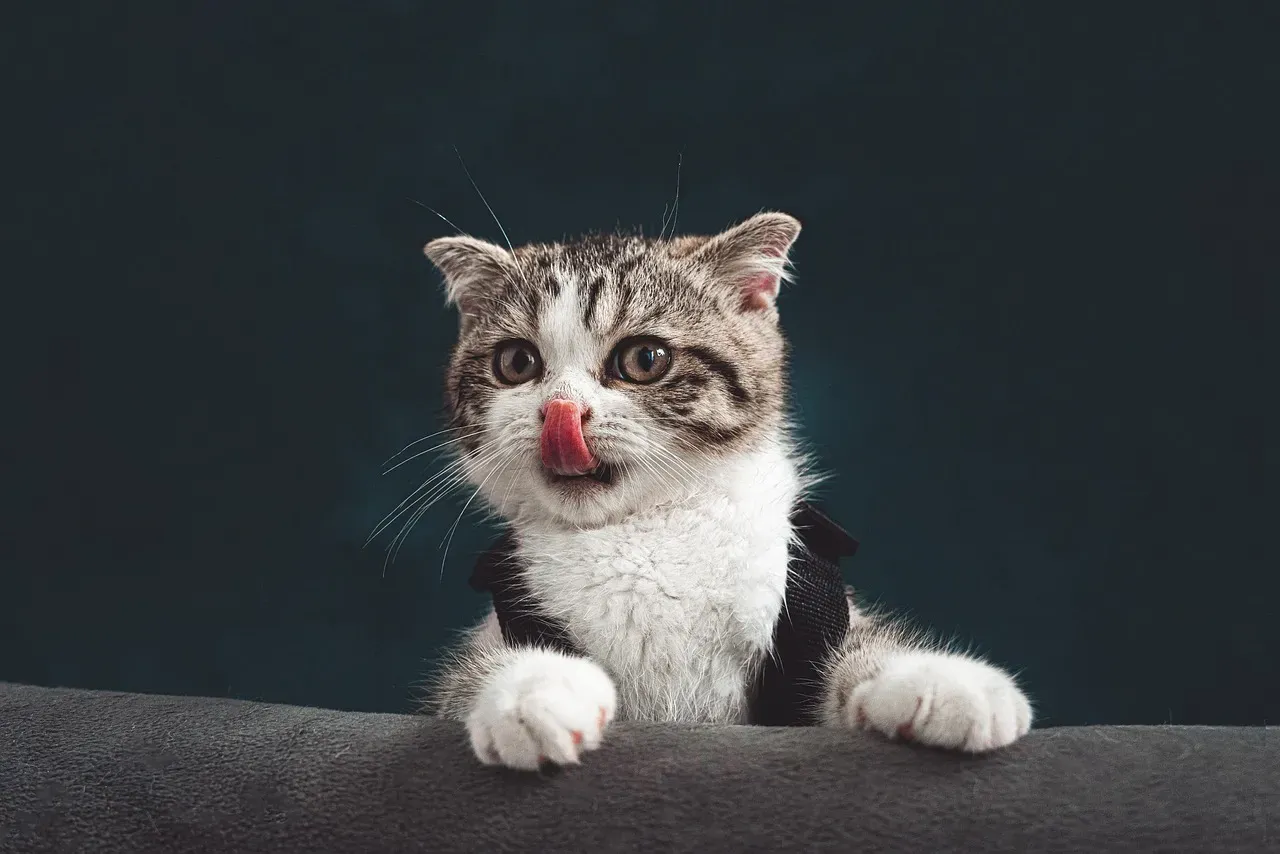
Cats are curious because of survival instincts passed on from their wild cat ancestors, who were both predators and prey. Cats must always be aware of what is going on in their surroundings because they can’t afford to miss an opportunity to eat, but they must also be cautious of any dangers.
For cats, curiosity is more than a cute trait – it’s a survival strategy, as every scent, sound, or flicker of movement could mean the difference between catching prey or avoiding a predator, and missing even the tiniest clue could be costly. Your cat isn’t being nosy for entertainment. They’re hardwired to investigate everything because their ancestors depended on it to survive. That instinct hasn’t gone anywhere, even though they now live in a comfortable home with regular meals.
Final Thoughts on Your Feline Investigator
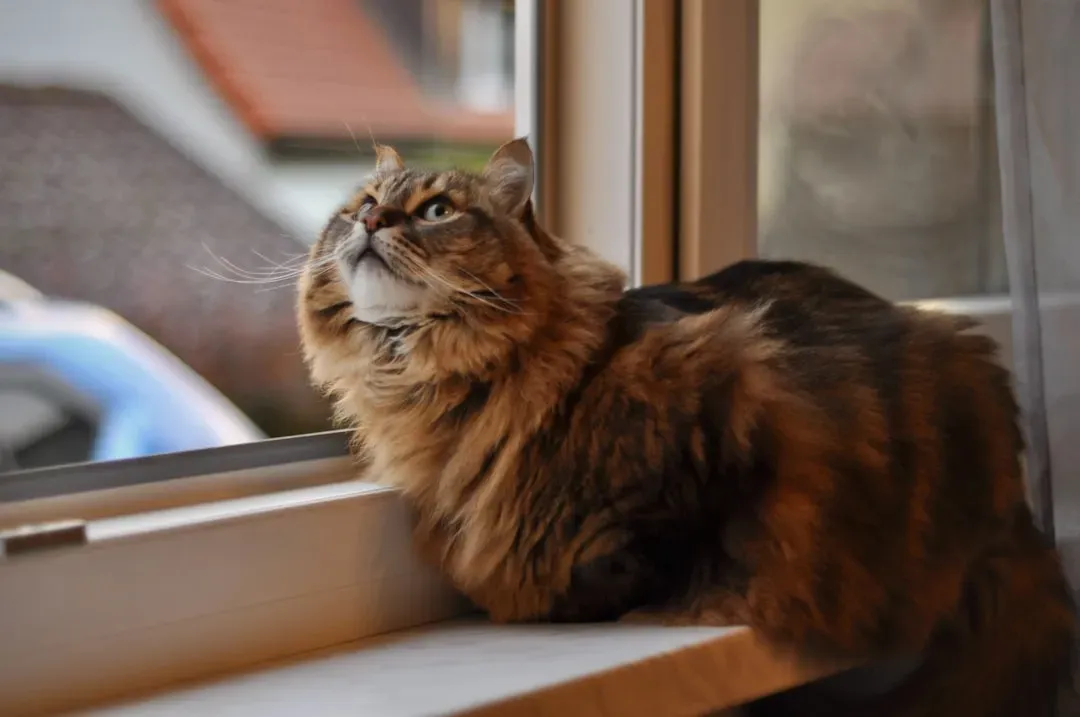
Your cat knows far more about your life than you probably realize. From tracking your daily schedule to monitoring your emotional state, from investigating every new object to mapping every corner of your shared space, they’re running a continuous surveillance operation. By understanding the science behind feline curiosity, you can create an enriched environment that keeps your cat mentally stimulated, physically active, and emotionally content through providing plenty of opportunities to play, climb, explore, and observe.
Next time you catch your cat watching you with those unblinking eyes, remember they’re not just staring into space. They’re gathering intelligence, processing information, and adding another entry to their mental file on you. It’s both fascinating and slightly unnerving when you realize you’re living with a furry detective who never clocks out.
So what do you think about living with your own personal investigator? Does your cat exhibit any particularly impressive detective skills?