Feline Research Says Cats Who Prefer Being in the Same Room Without Touching You May Still Feel Deeply Connected
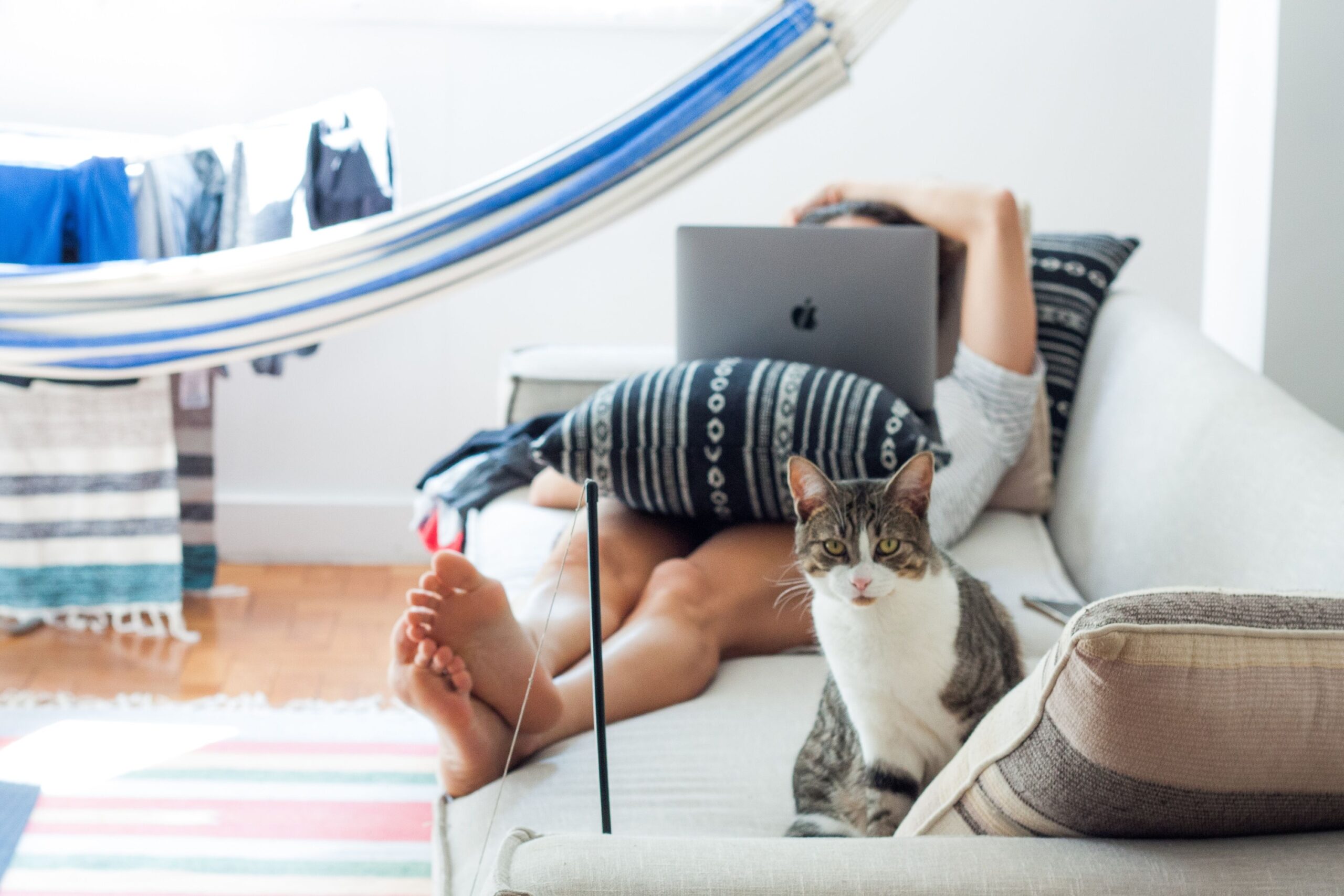
You've probably had this moment. You're reading on the couch, your cat pads in, settles on a chair across the room, and just stays there. No headbutts, no lap-sitting, no dramatic greeting. It's easy to read that as indifference, especially if you grew up with a dog who treated every entrance like a reunion after years apart. But when you look at how researchers actually measure attachment in cats, that quiet, distant presence starts to look a lot less like disinterest and a lot more like trust.
Why proximity alone counts as a bonding signal
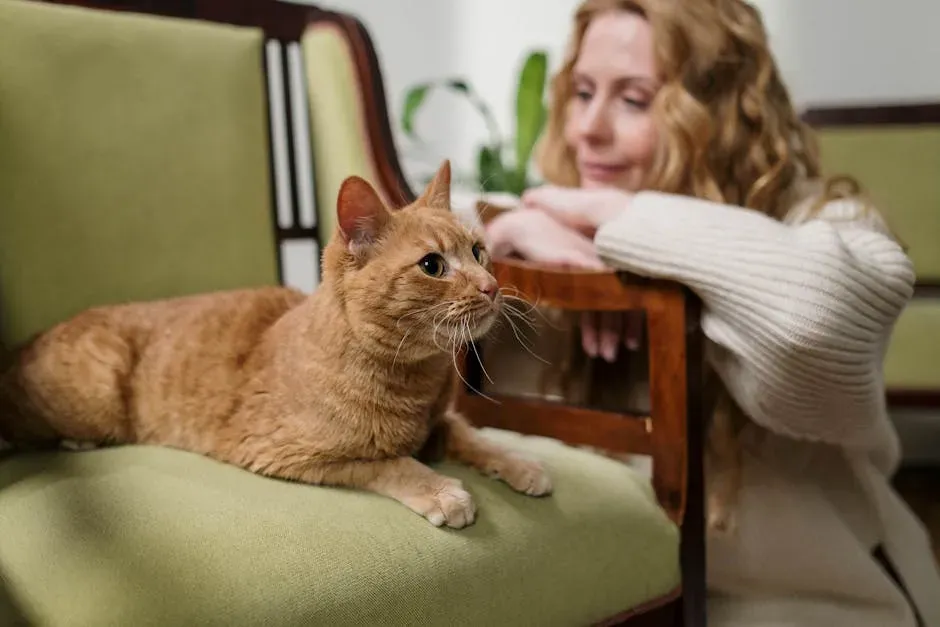
When you watch your cat choose to be near you without asking for contact, you're witnessing something behavioral scientists take seriously. A cat does not need to be touching you to feel connected to you, and for many cats, proximity without direct contact is actually their preferred mode of togetherness. That distinction matters because it reframes what "closeness" even means for a species that evolved somewhat differently than dogs did around human companionship.
You might notice your cat consistently choosing a spot within sight of you rather than the empty room next door. Reliable signs of bonding include seeking proximity, and same room counts even when touch doesn't happen. If you've been waiting for your cat to curl up in your lap before believing she's attached to you, you may have been measuring the wrong thing entirely.
What the secure base test actually revealed
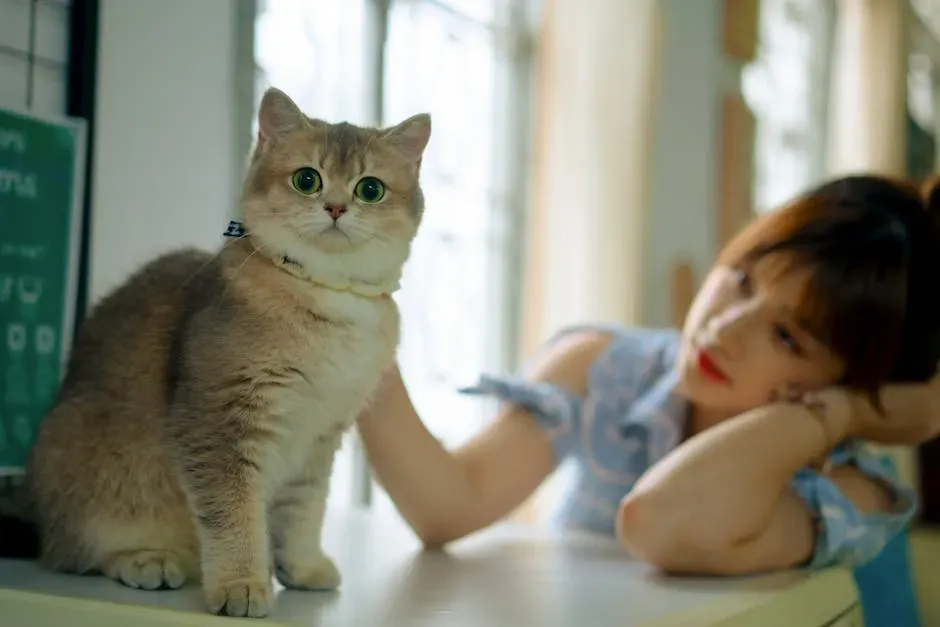
You can trace a lot of this understanding back to a well known 2019 study out of Oregon State University's Human-Animal Interaction Lab. Researchers adapted a test originally designed for human infants and later used with dogs, placing cats and their owners in an unfamiliar room together, then briefly separating them, then reuniting them. During this test, the cat spends two minutes in a new room with their caregiver, followed by a two-minute alone phase, and then a two-minute reunion phase, and upon the caregiver's return, cats with secure attachment are less stressed and balance their attention between the person and their surroundings.
What you find striking is how closely the numbers mirrored human infant data. The results show that cats bond in a way that's surprisingly similar to infants, with about sixty-five percent of both cats and kittens classified as securely bonded to their people, closely mirroring the rate seen in human infants. If you've ever doubted whether your cat's calm indifference reflected real attachment, this is the study that suggests it often does.
The parallel play comparison worth understanding
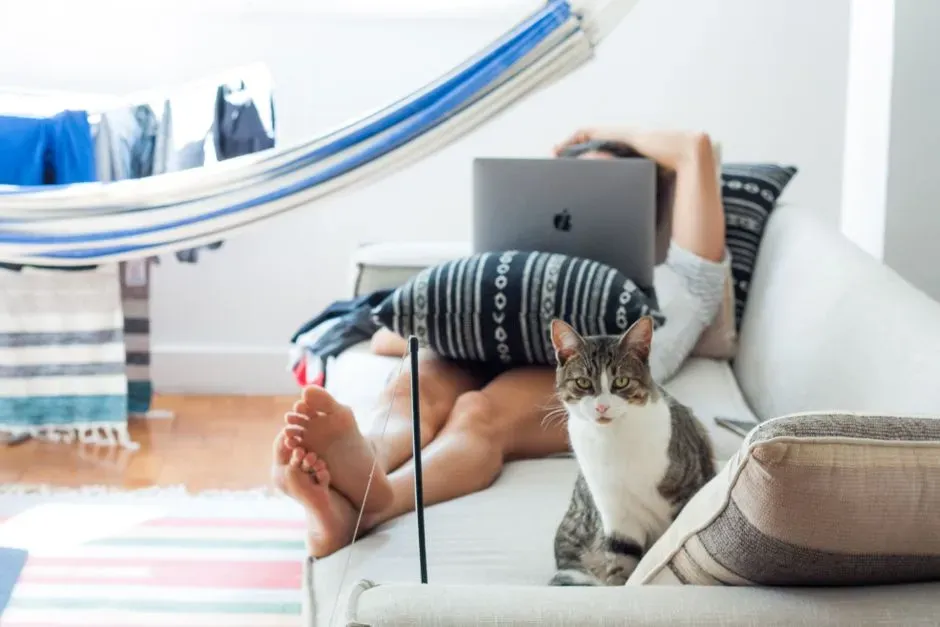
You might find it easier to picture this dynamic through a concept borrowed from child development. Developmental psychologists use the term parallel play to describe a stage in young children where they play alongside each other without directly interacting, aware of and drawing comfort from each other's presence without engaging in the same activity or making direct contact. Cats seem to do something remarkably similar with the people they trust most.
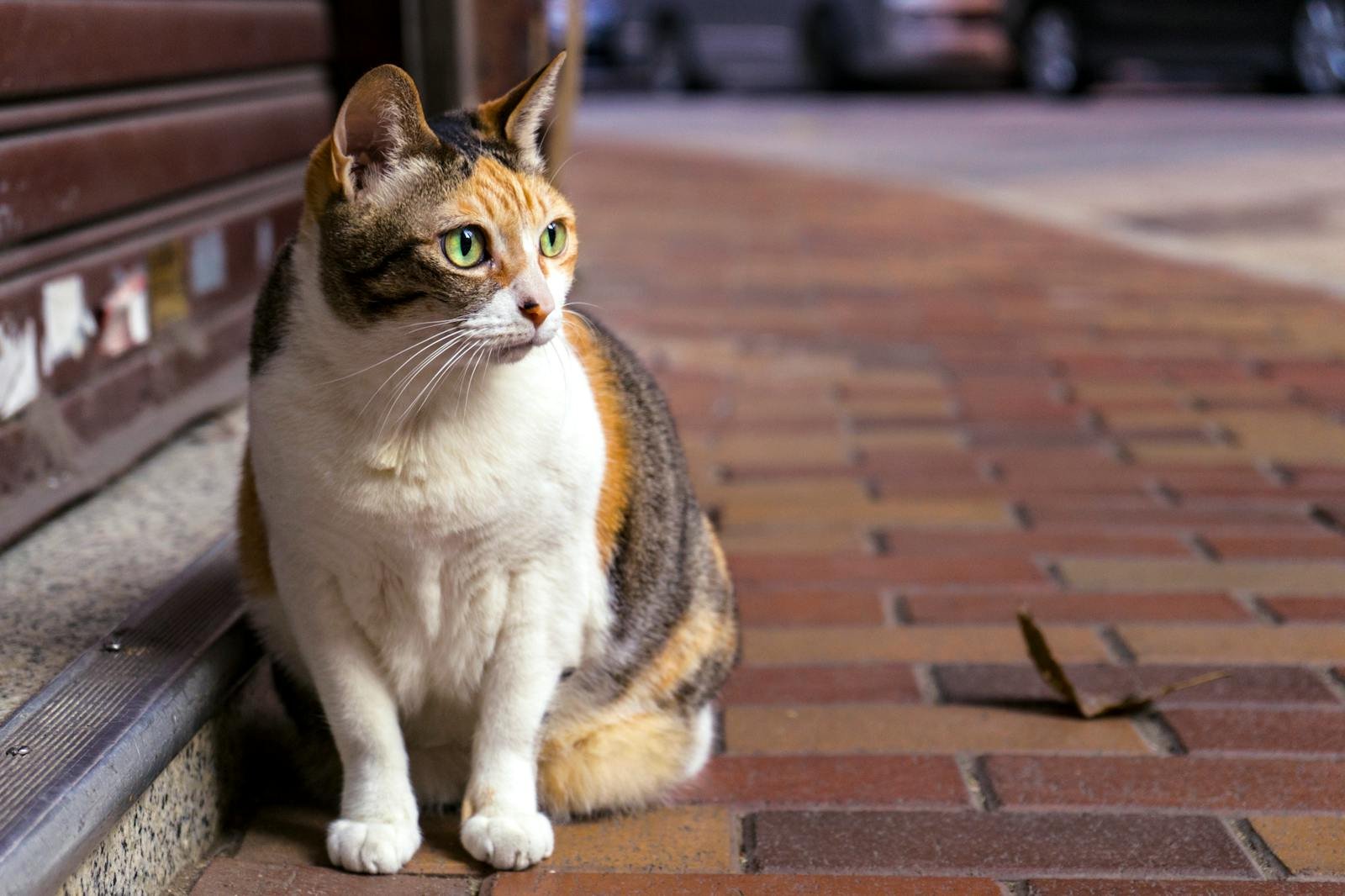
When your cat follows you into the kitchen, settles a few feet away, and watches you make coffee without asking for anything, that's not idle wandering. Cats do something remarkably similar with the people they are bonded to, and your cat following you from room to room, settling a short distance away, watching what you do, and positioning themselves so they can see you is not indifference. You're being included in their orbit, just on their own terms.
How avoidant and secure cats actually differ
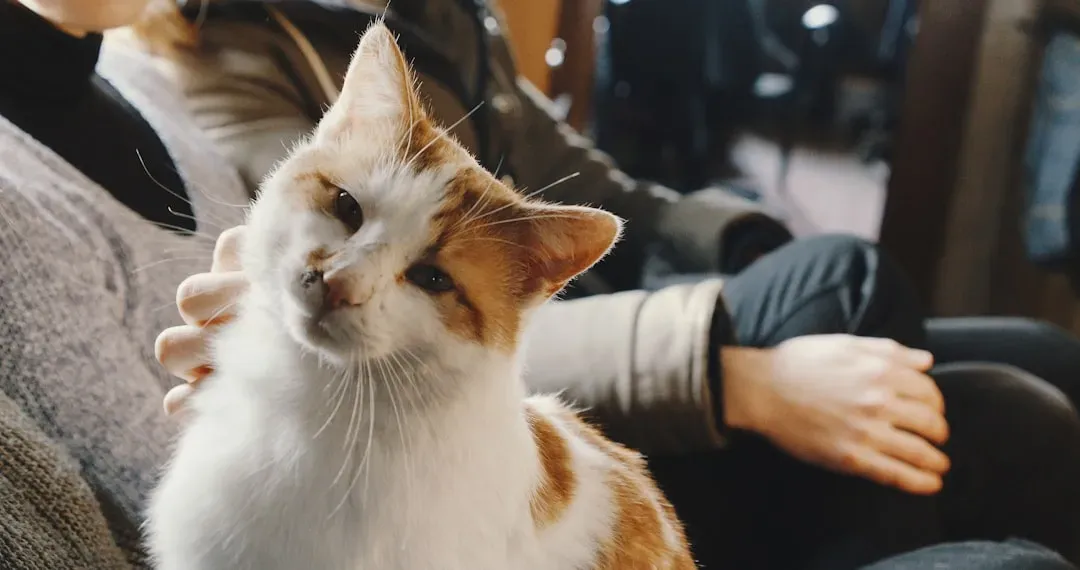
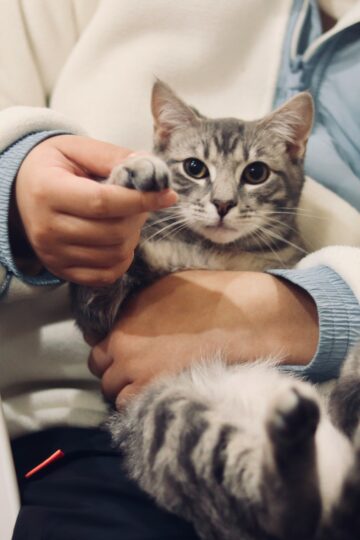
You should know that not every cat who keeps their distance is doing so out of security. Researchers generally split attachment into a few styles, and they don't all look the same from the outside even though the behaviors can superficially resemble each other. About one-third of cats studied were classified as securely attached, another third as anxious, and the rest as avoidant, with securely attached cats initiating interactions more frequently and making fewer escape attempts, anxious cats seeking constant proximity but sometimes becoming overwhelmed by holding, and avoidant cats spending more time moving away from the owner altogether.
You can usually tell the difference by watching what happens after a greeting rather than during one. The defining trait of security isn't just the greeting, it's what happens after, since a secure cat quickly returns to their own activities like grooming or playing, indicating they view you as reliable enough that they don't need to monitor your whereabouts. A cat that settles nearby and then simply goes back to its own business is often telling you something reassuring, not something dismissive.
Why touch aversion isn't the same as rejection
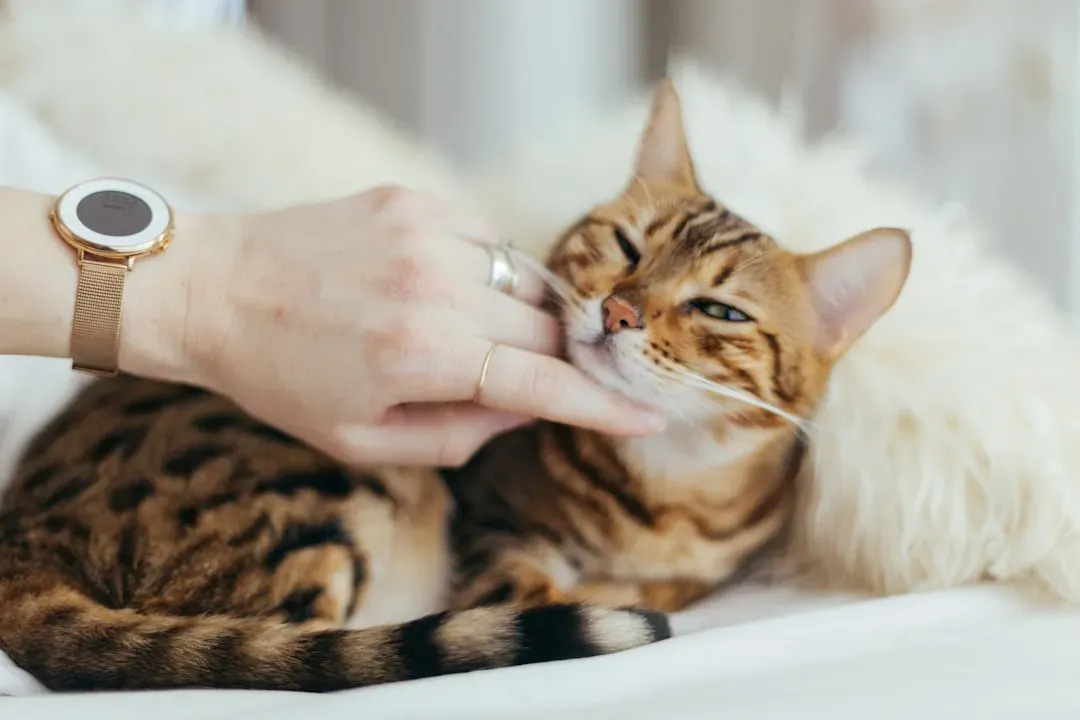
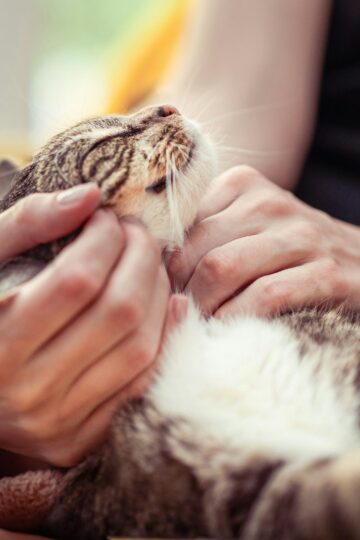
You may have a cat who tolerates petting for a few seconds before walking away, and it's tempting to take that personally. Behavior specialists tend to see it differently. The reluctance to be touched reflects a preference for closeness without physical contact, which is entirely normal feline behaviour.
This preference often isn't fixed forever, either. Over time, with patient and non-pressured interaction, many cats gradually become more comfortable with physical closeness. If you stop pushing for contact and let your cat set the pace, you may eventually see the relationship shift toward more touch, though there's no guarantee, and for some cats proximity will always be the preferred currency of affection.
The hormonal evidence behind the behavior
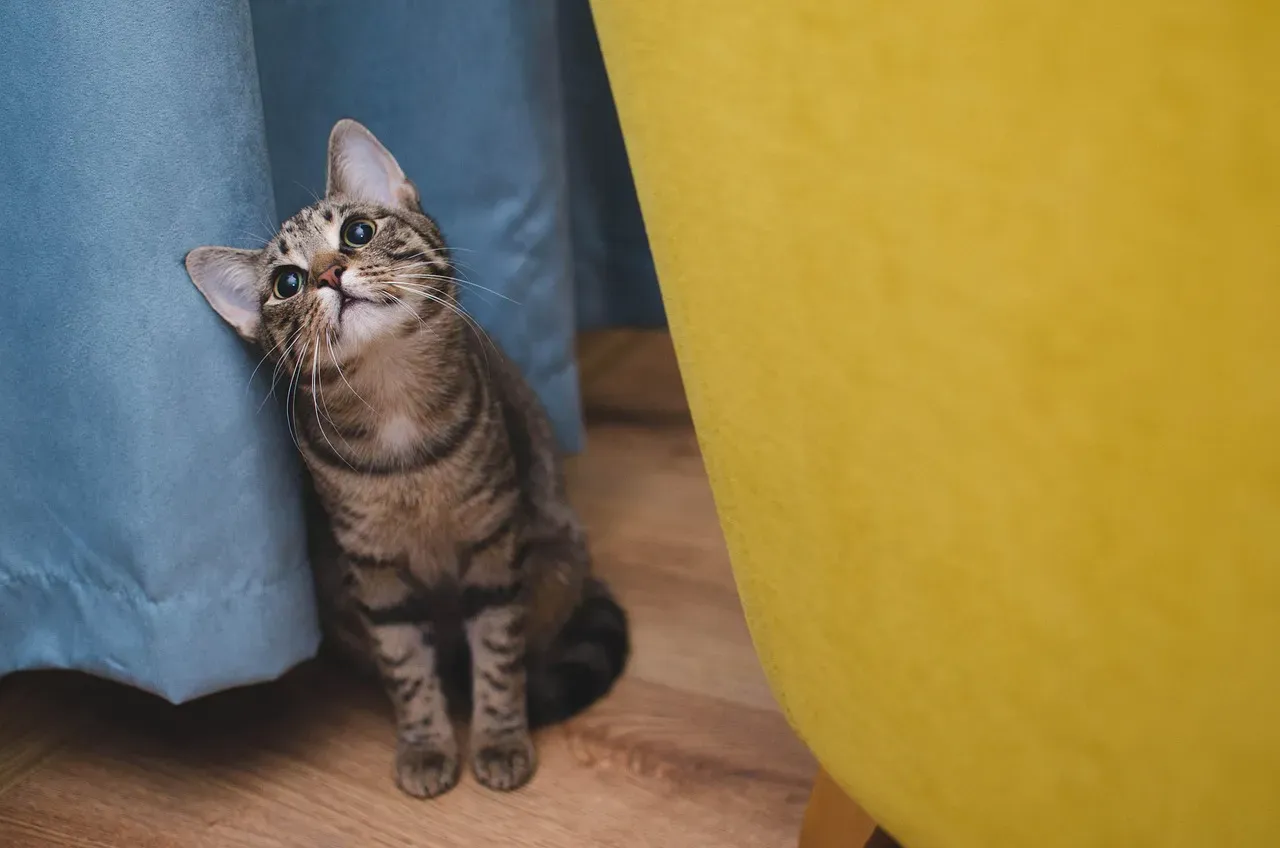
You might wonder whether any of this shows up biologically, not just behaviorally. Some research has looked at oxytocin, often nicknamed the bonding hormone, in cats during interactions with their owners. When a cat voluntarily seeks out physical contact with its owner, oxytocin levels rise in both the human and the cat, and research from the Universities of Sussex and Portsmouth found that securely attached cats showed a significant oxytocin surge following contact, with the boost growing the more time they spent close to their human.
Interestingly, this response wasn't universal across all cats. Cats with anxious or avoidant attachment styles showed no such hormonal response, underscoring how much the quality of the relationship matters. That gap suggests attachment style shapes not just what you observe in behavior, but what's happening physiologically beneath it, which is a reminder that no two cats will bond with you in quite the same way.
Practical ways to read your cat's quiet signals
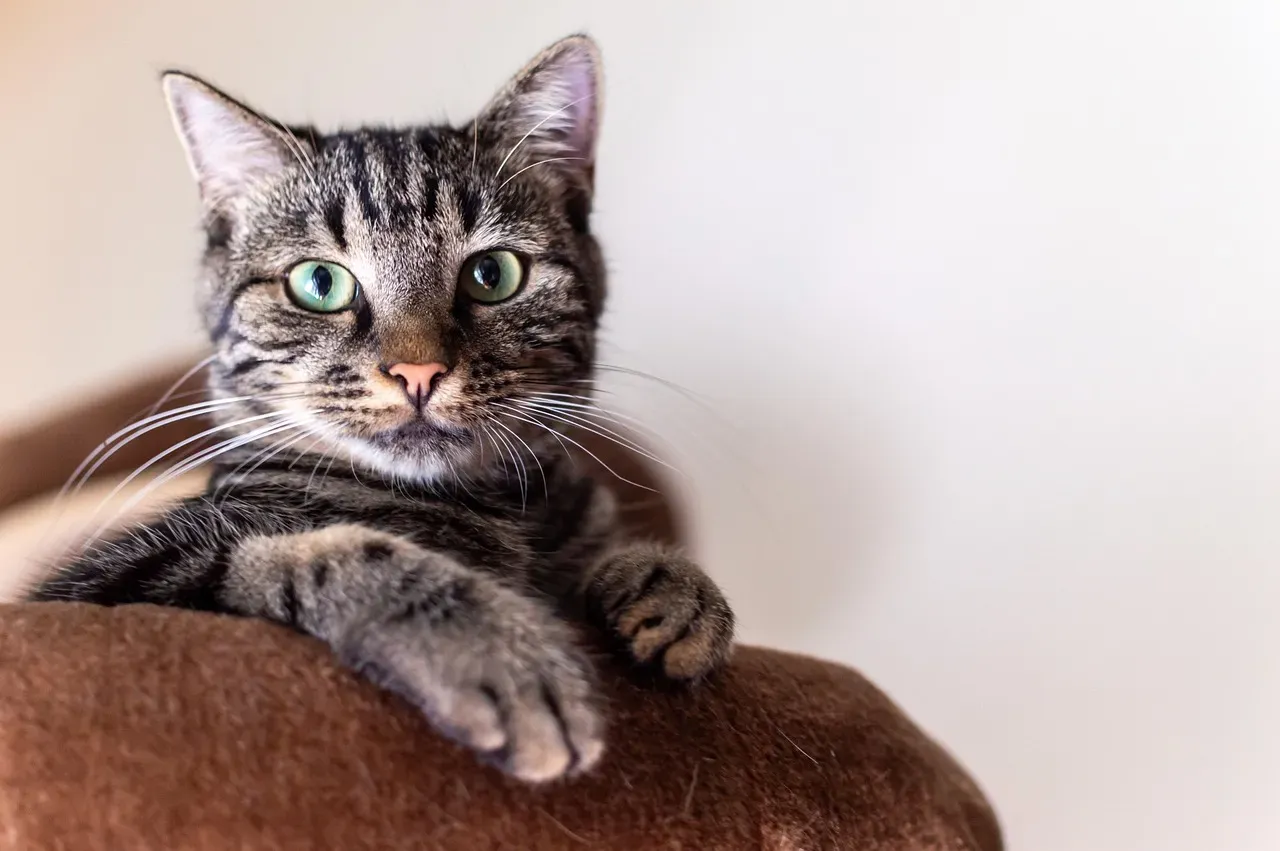
You don't need a laboratory to spot these patterns in your own home. Watch for the small, low key signs rather than waiting for dramatic affection. Look for consistent proximity, slow blinking, head rubbing, following between rooms, and sleeping in the same space even at a distance, since these are all expressions of affiliation and trust.
Some behaviors that seem like rejection are actually the opposite. A cat that turns its back to you is displaying trust, not dismissal, since they feel comfortable enough in your presence not to need to monitor you. Once you start noticing these cues, the picture of your cat's inner life tends to look richer than the "aloof and independent" stereotype usually allows.
How to support a distance-preferring bond
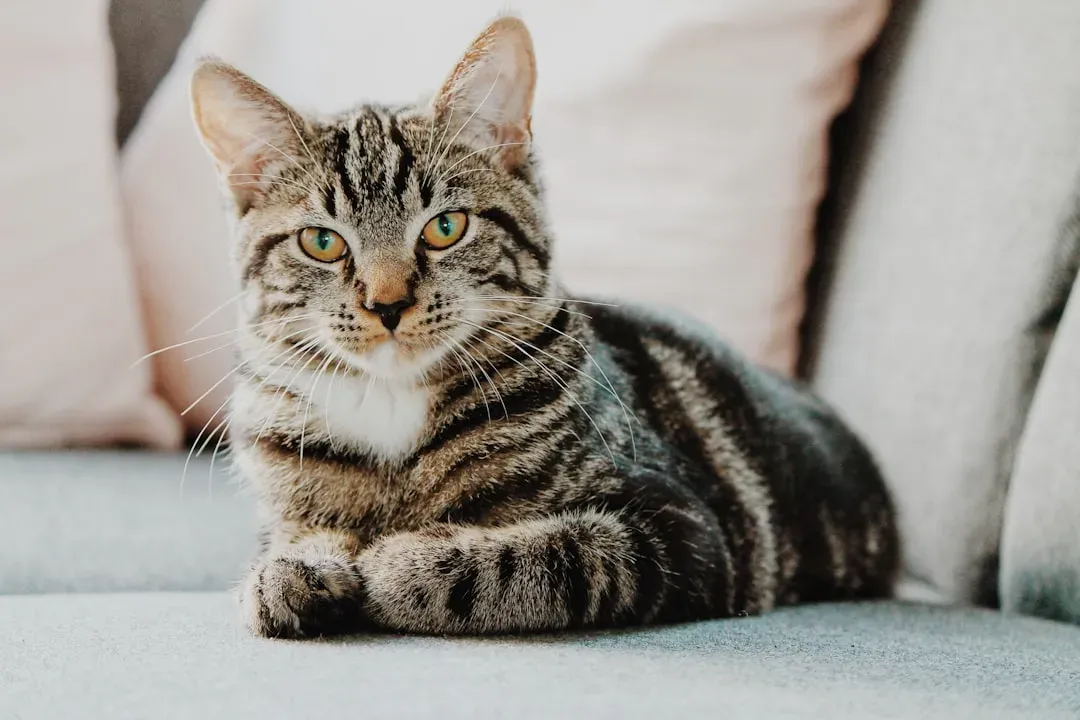
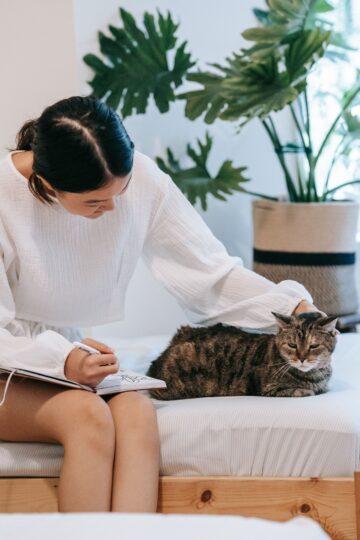
You can actively work with a cat's preference for proximity rather than against it, and behaviorists have a name for the approach. Feline behaviorists recommend what's called passive bonding, the practice of sharing a space without the expectation of touch, essentially parallel play for cats. In practice, that might mean sitting nearby with a book or laptop and letting your cat choose whether to approach.
This low pressure approach tends to pay off over time rather than immediately. You might sit on the floor and read a book while your cat sits five feet away on their scratching post, and by simply being together without demands, you signal to the cat that you are a safe, non-threatening presence. It's a slower kind of bonding, but for many cats it's also the more durable kind, since trust built without pressure rarely gets undone the way trust built through forced handling can.
Final thoughts
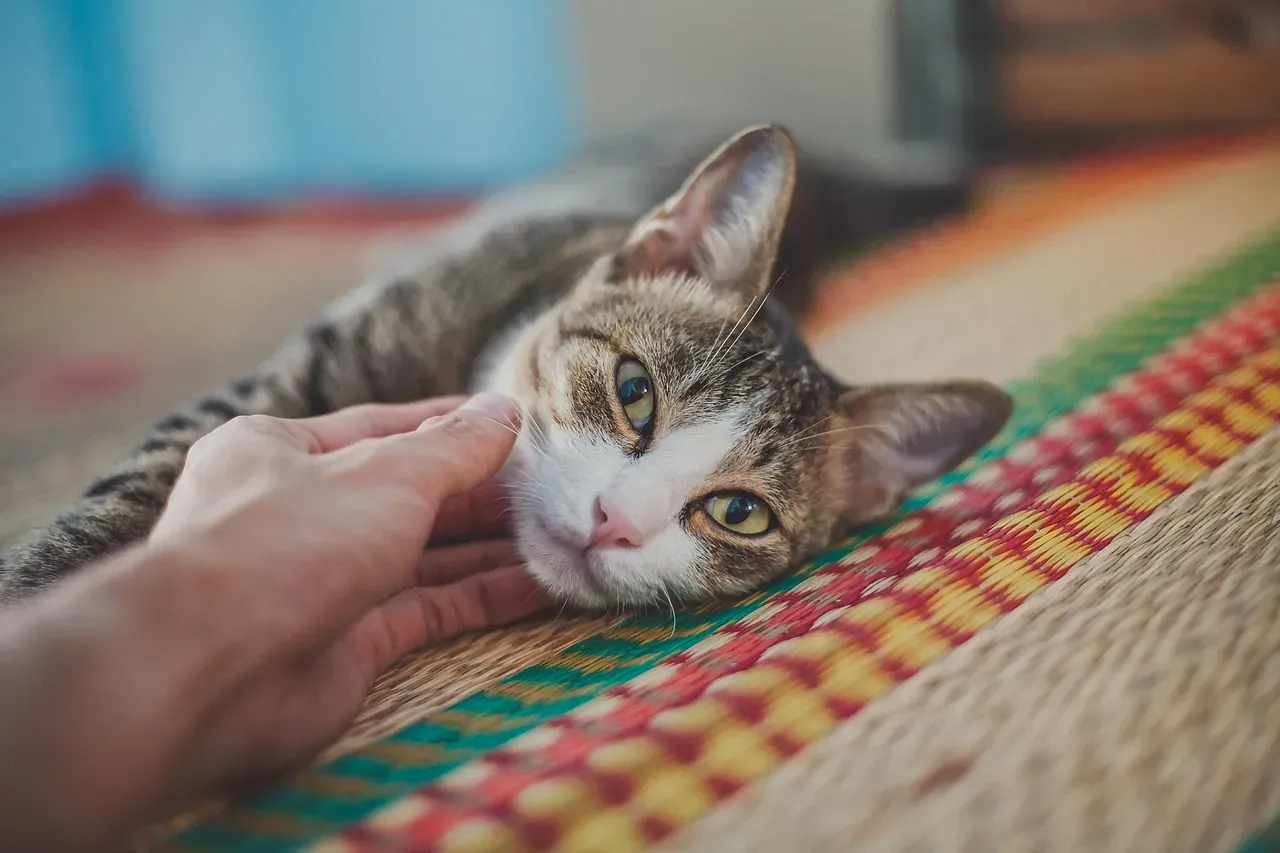
The idea that cats are cool, self sufficient creatures who tolerate humans mostly for the food has never quite matched what attachment research actually shows. What emerges instead is a species that bonds in its own register, one where a shared room can carry as much emotional weight as a shared lap. If your cat prefers to watch you from across the house rather than curl up beside you, that's not a lesser form of affection. It's simply the form your particular cat has chosen, and recognizing it for what it is might be the most accurate way to understand the relationship you actually have.
- 10 Tiny Ways Cats Show They Trust You That Are Easy to Miss in Everyday Life
- Feline Psychology Says Cats Who Relax More Quickly Around One Person May Be Revealing Who Makes Them Feel Safest
- 12 Signs Your Cat Has Made You Part of Their Daily Routine and Notices When You’re Missing
- 10 Cat Breeds That Are Fascinated With Human Emotions