Your cat glances across the room, holds your gaze for just a moment, and then does something surprisingly deliberate: their eyelids drift downward, pause, and open again. It’s easy to dismiss as drowsiness. Most people do. Yet that small, unhurried movement turns out to be one of the most meaningful things your cat will ever do in your presence.
Feline communication has always been a bit of a puzzle for humans. We understand the hiss, the purr, the arched back. But the slow blink sits in quieter territory. It’s not loud or dramatic, which is probably why it went unstudied for so long. The good news is that science has now caught up with what many cat owners had quietly suspected for years.
What Exactly Is the Slow Blink?
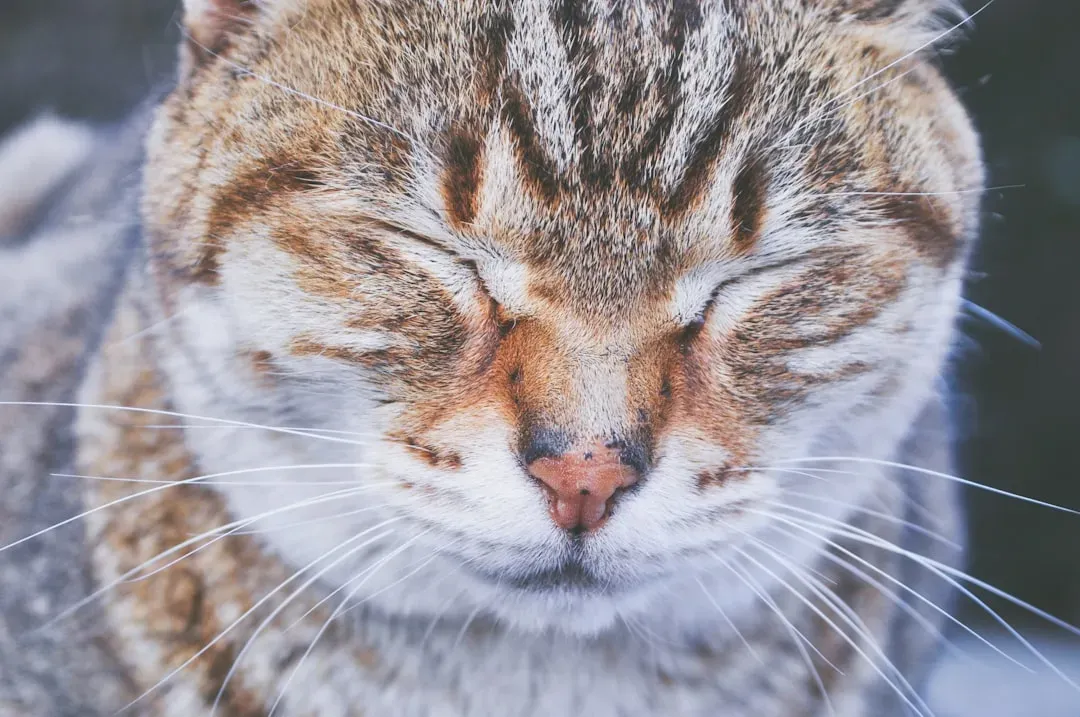
The slow blink is a subtle feature that has been observed in cats for some time, and is thought to be used by cats to indicate a sense of calm and a positive emotional state. It involves the partial or complete closure of the eyelids, performed slowly and lasting for longer than half a second. That timing matters more than you might expect. A regular blink is nearly invisible. This is something your cat does deliberately, with weight behind it.
Slow blink sequences typically involve a series of half-blinks followed by either a prolonged eye narrowing or an eye closure. You might notice your cat’s face soften before the movement even begins, with the muscles around the eyes relaxing first. The full sequence can unfold over several seconds, and when you know what to look for, it becomes unmistakable.
The Science That Confirmed What Cat Owners Already Knew
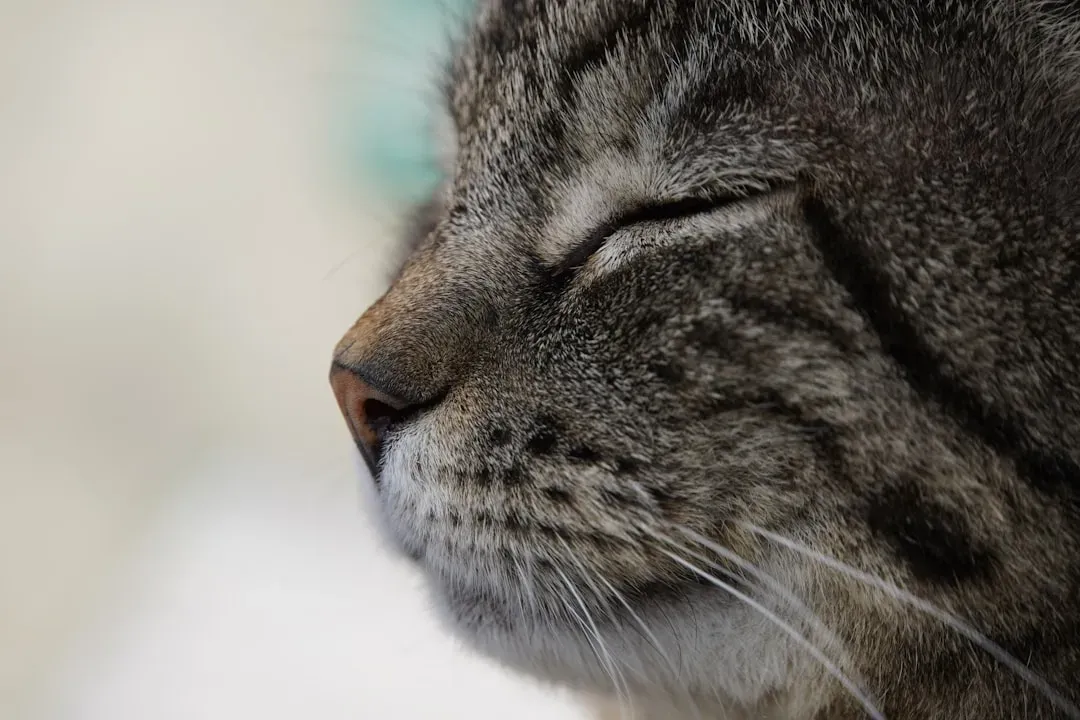
Research has shown that slow blinking is not just an anecdotal behavior observed by cat owners but a scientifically supported form of communication. The study that put this on firm scientific ground was led by Dr. Tasmin Humphrey and Professor Karen McComb at the University of Sussex, and published in the journal Scientific Reports in 2020. It was the first experimental investigation of its kind.
The first experiment revealed that cat half-blinks and eye narrowing occurred more frequently in response to owners’ slow blink stimuli toward their cats, compared to no owner-cat interaction. In a second experiment, cats had a higher propensity to approach the experimenter after a slow blink interaction than when the experimenter had adopted a neutral expression. These results confirmed that the behavior wasn’t incidental. It was a true back-and-forth exchange.
Why Closing Your Eyes Around a Cat Is Actually a Big Deal
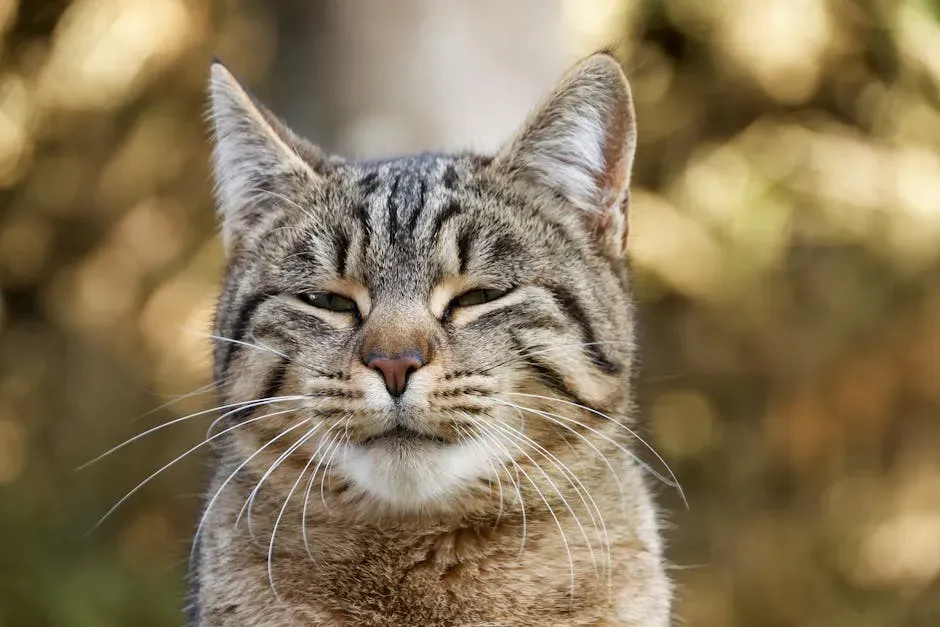
In the feline world, closing their eyes in the presence of another creature makes them vulnerable, as they are unable to detect potential threats. For an animal whose survival instincts are still deeply wired, that’s a meaningful choice. It signals that you do not register as a danger worth watching.
Slow blinking is one of the ultimate signs of trust a cat can give you. Consider when an animal locks their eyes on prey or a rival. An unblinking stare into their eyes is typically seen as a threat and a challenge. When your cat looks at you and slow blinks, they are relaxing their guard – after all, a cat in the middle of a slow blink is vulnerable at that moment. Put plainly, your cat is choosing to be momentarily defenseless around you. That’s trust in its most instinctive form.
The Connection to the Human Smile
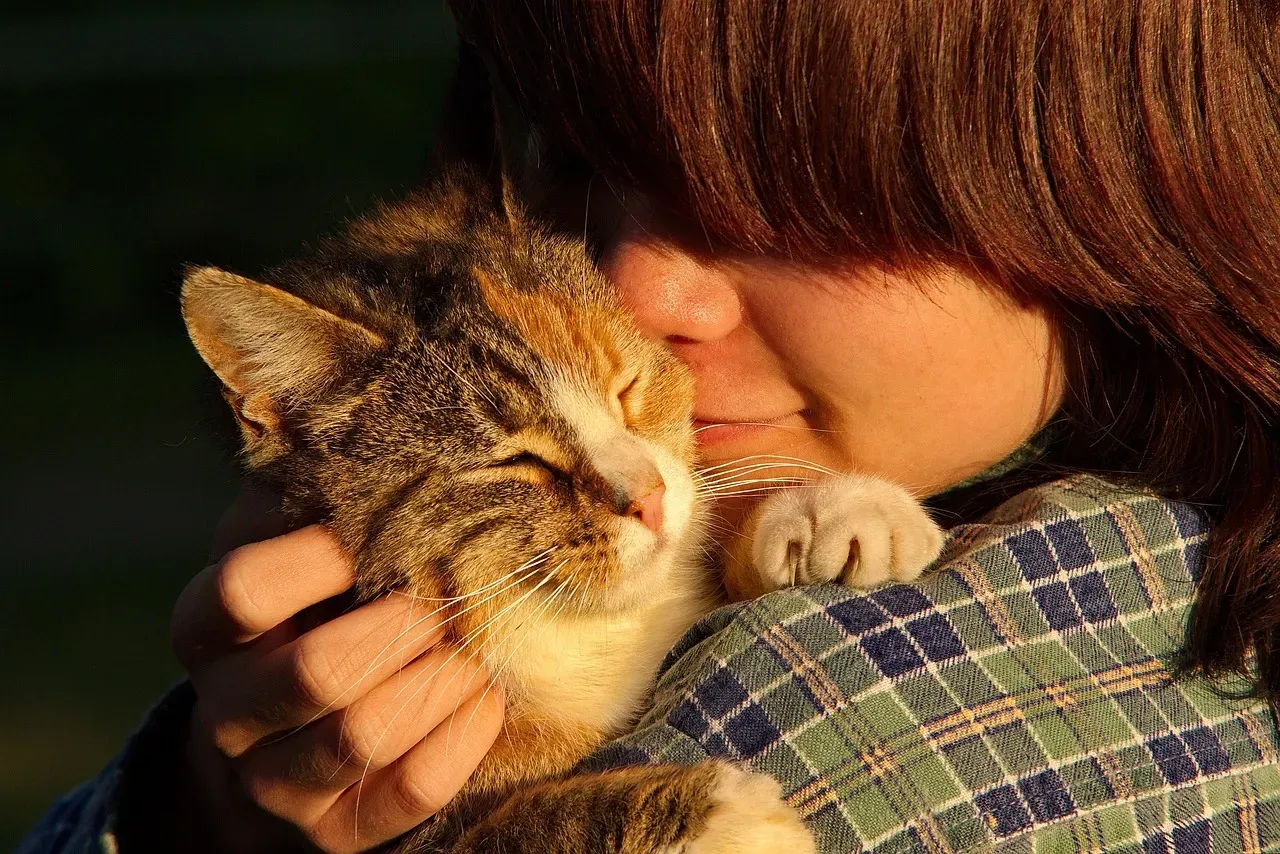
This eye narrowing action by humans generates something popularly known as a “cat smile,” and seems to make the human more attractive to the cat. Eye narrowing movements in cats have some parallels with the genuine smile in humans, known as the Duchenne smile, as well as eye narrowing movements given in positive situations in some other species. The Duchenne smile is the one that reaches the eyes rather than just curling the lips. It turns out cats have their own version.
Researchers noted that cat slow blinks share similarities with the Duchenne smile in humans, the genuine smile that reaches the eyes. Both are involuntary expressions of positive emotion. This parallel is compelling. It suggests that across very different species, the eyes carry emotional honesty in ways that other facial expressions simply don’t.
Strangers Can Use It Too
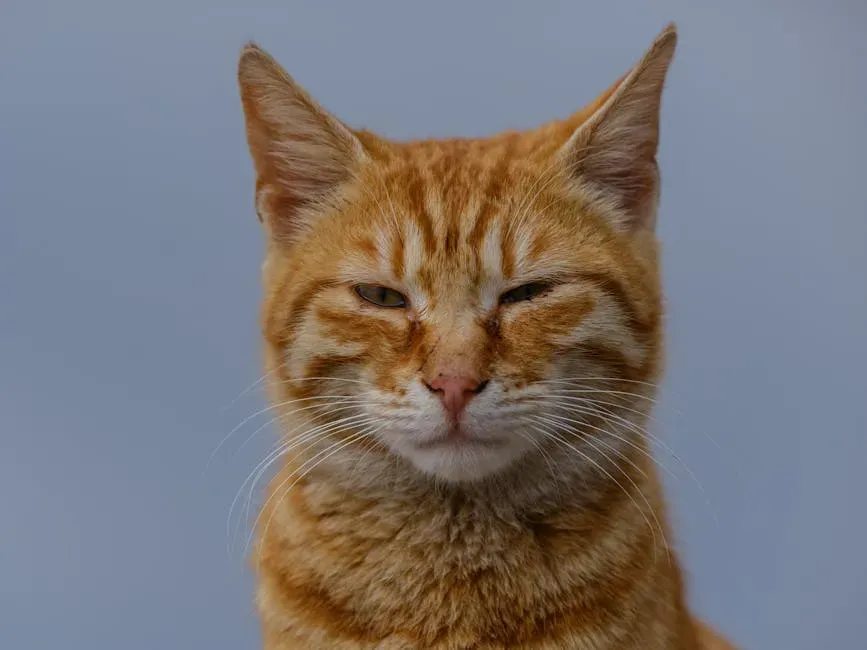
One of the more surprising findings from the University of Sussex research is that you don’t need to be your cat’s trusted lifelong companion for the slow blink to work. Cats were more likely to approach an unfamiliar researcher who slow-blinked at them versus one with a neutral expression. The takeaway is that slow blinking makes you more attractive to cats. It’s a universal trust signal they recognize regardless of your relationship history.
Owners and strangers alike can bond with a cat using the slow-blink greeting. This has real practical value. If you’ve ever visited someone’s home and felt completely ignored by their cat while you maintained polite eye contact, the answer wasn’t to stare longer. It was to blink slowly and look away. The cat was watching your face the whole time, you just weren’t speaking its language.
Why Cats Might Have Developed This Behavior
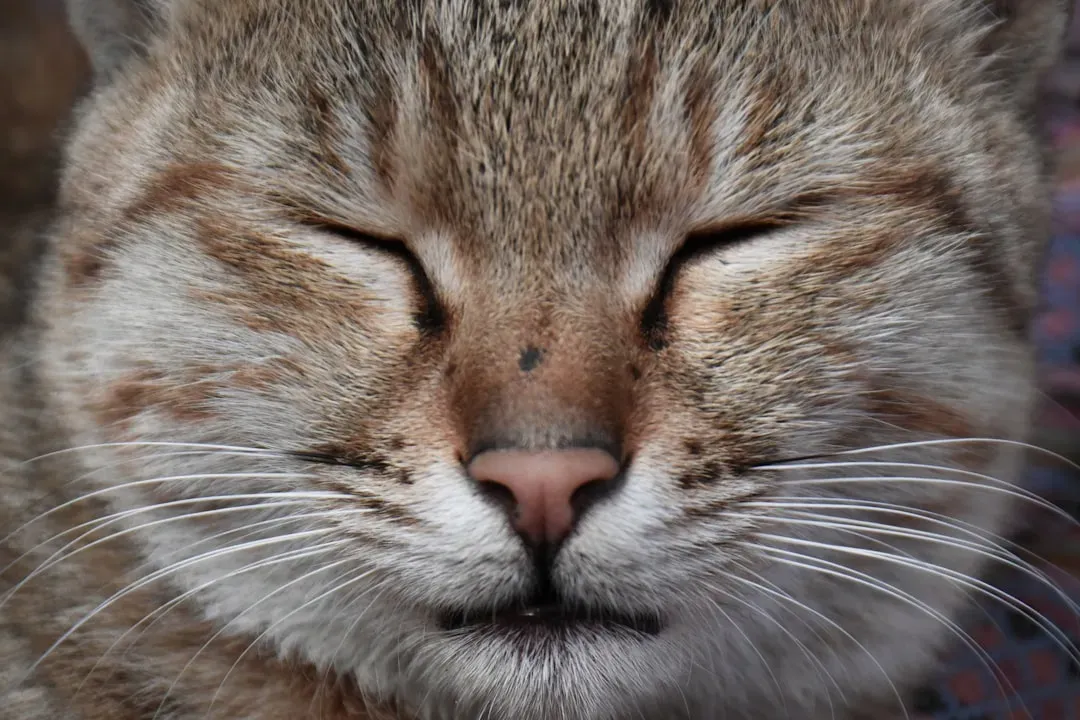
It is possible that slow blinking in cats originated as a mechanism to interrupt an unbroken stare, which is potentially threatening in social interactions. This could then have been elaborated by a combination of selection and learning in the domestic environment. The evolutionary story here is fascinating. What may have started as a way to de-escalate tension gradually became something warmer.
It could be argued that cats have developed slow blink behaviors because humans appear to perceive slow blinking as positive, and cats may have previously been reinforced by their owners for responding to slow blink sequences. Including an unfamiliar human therefore reduced such reinforcement effects, although the cats may still generalize across humans. Whether it’s evolution, learning, or some blend of both, the result is the same: a genuinely shared signal between two very different species.
What Happens When You Blink Back
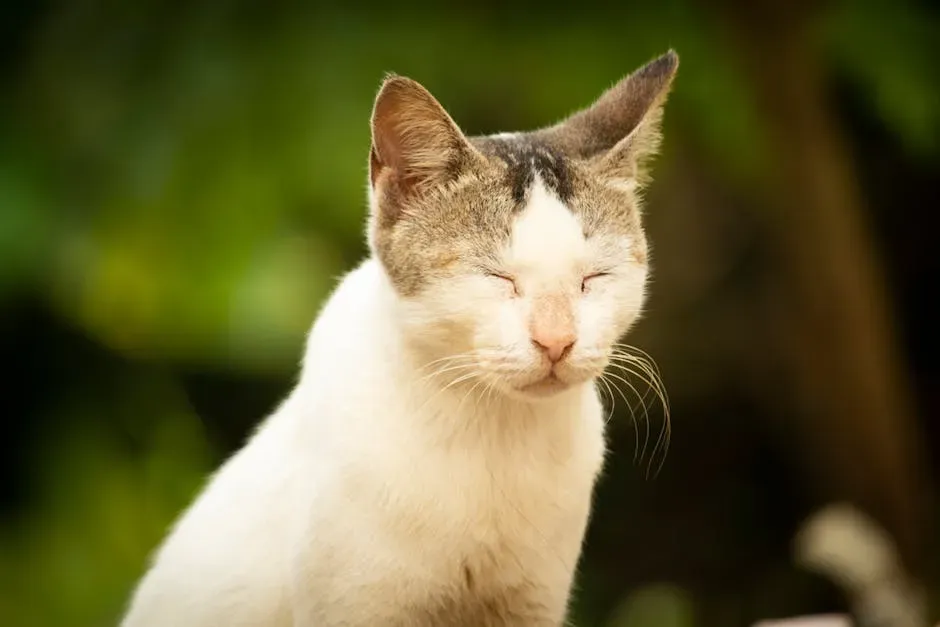
The results showed that cats are more likely to slow blink at their humans after their humans have slow blinked at them, compared to the no-interaction condition. So when you return the gesture, you’re not just mimicking your cat for fun. You’re sending a message they actively respond to, and they respond with the same currency.
The best response to a cat’s slow blink is to slow blink back, mirroring their gesture. This reciprocal communication can help strengthen your bond and make your cat feel even more secure. Try it with your eyes slightly softened rather than dramatically exaggerated. A natural, unhurried closure followed by a gentle open is all it takes. Forcing it can look more like a squint than a signal.
What the Slow Blink Means in a Shelter Setting
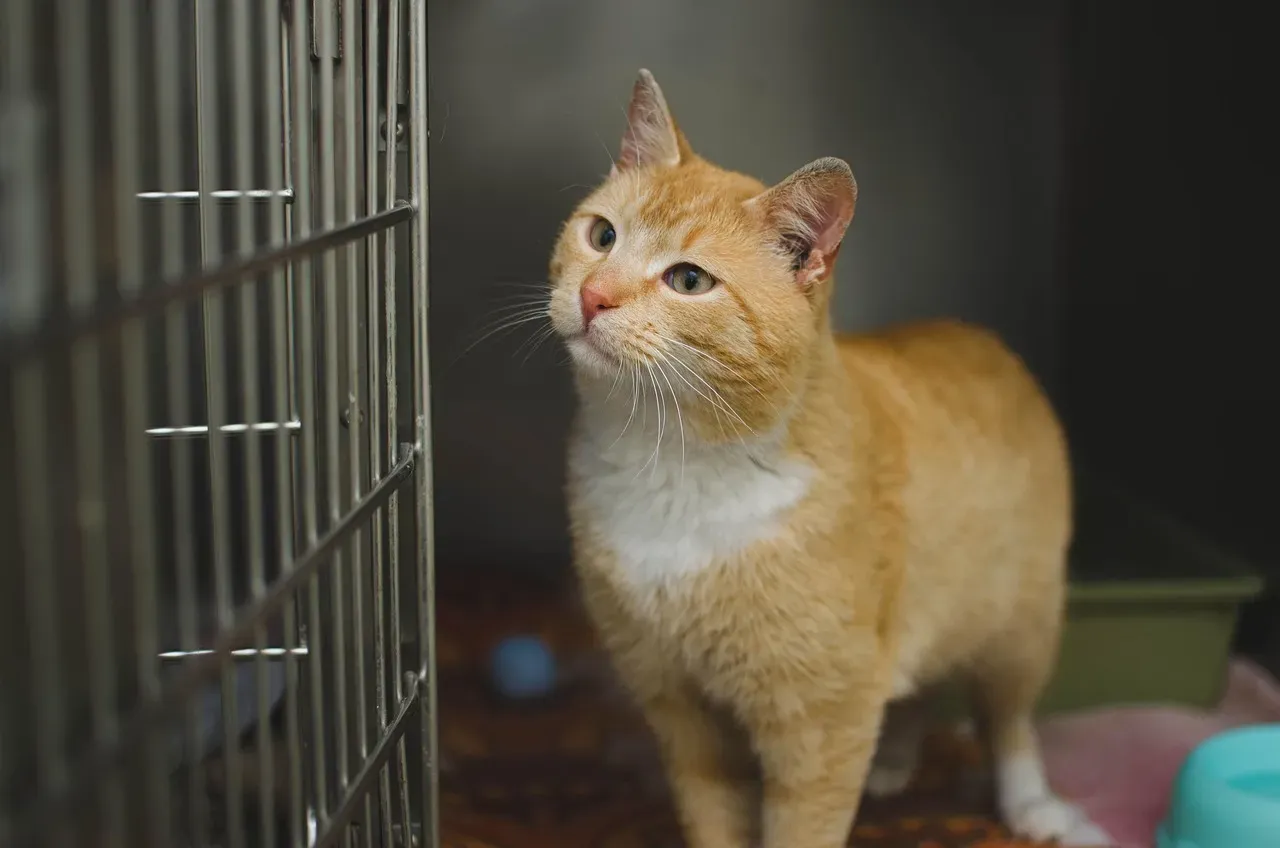
Research shows that shelter cats participate in slow blinking interactions with humans, and that this interaction may be linked to faster rehoming rates for shelter cats. Additionally, a trend suggests that nervous cats spend more time slow blinking, providing supporting evidence that this behavior may act as both a positive signal and a submissive display. The idea that anxious cats lean on this behavior more frequently adds real nuance to what we understand about feline communication.
Researchers demonstrated for the first time that cats that responded to human slow blinking, specifically by using eye closures, were rehomed quicker than cats that closed their eyes less. This suggests that the use of slow blinking may have given cats a selective advantage during the domestication process. It’s a small but striking finding. The cats most willing to engage in this quiet visual conversation were the ones who found homes faster.
How to Actually Do It Yourself
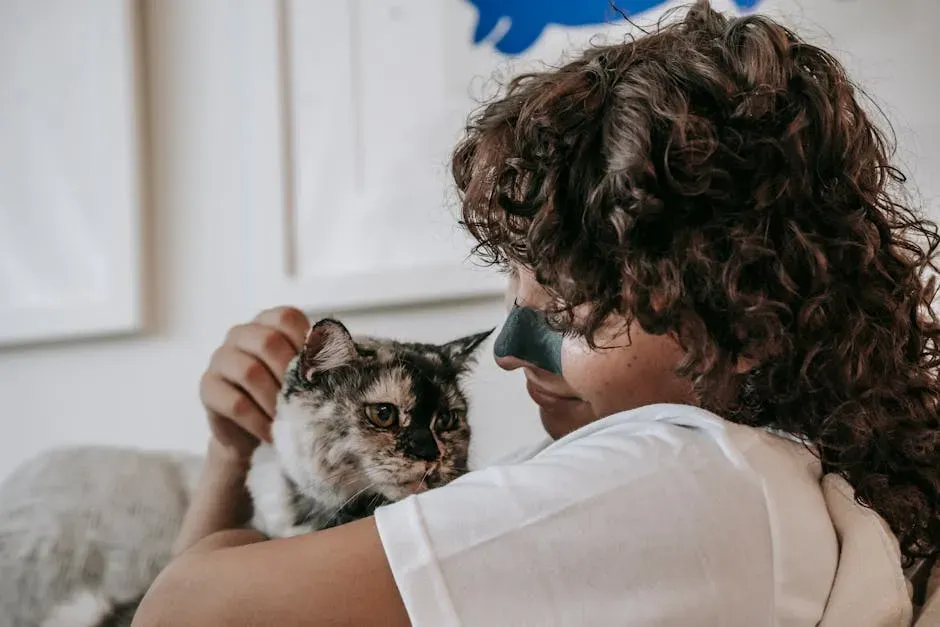
Make sure your cat is in a receptive mood and try slow blinking at them when they are at their most relaxed. Timing matters here. A cat that is alert, agitated, or mid-patrol is not going to be in the right headspace for this kind of exchange. Choose a moment when your cat is settled comfortably and the environment is calm.
It should also be noted that while communicating through slow blinking requires attention and eye contact between humans and cats, it is also recognized that direct eye contact in the form of a prolonged stare can be perceived negatively and as a threatening behavior by cats, so slow blinking needs to be used in a subtle, non-confrontational way. The technique works best when you’re relaxed too. Narrow your eyes gently, close them for a moment, and then let your gaze drift slightly to the side. Don’t hold a hard stare. The whole point is to demonstrate the absence of tension.
When the Slow Blink Is Missing
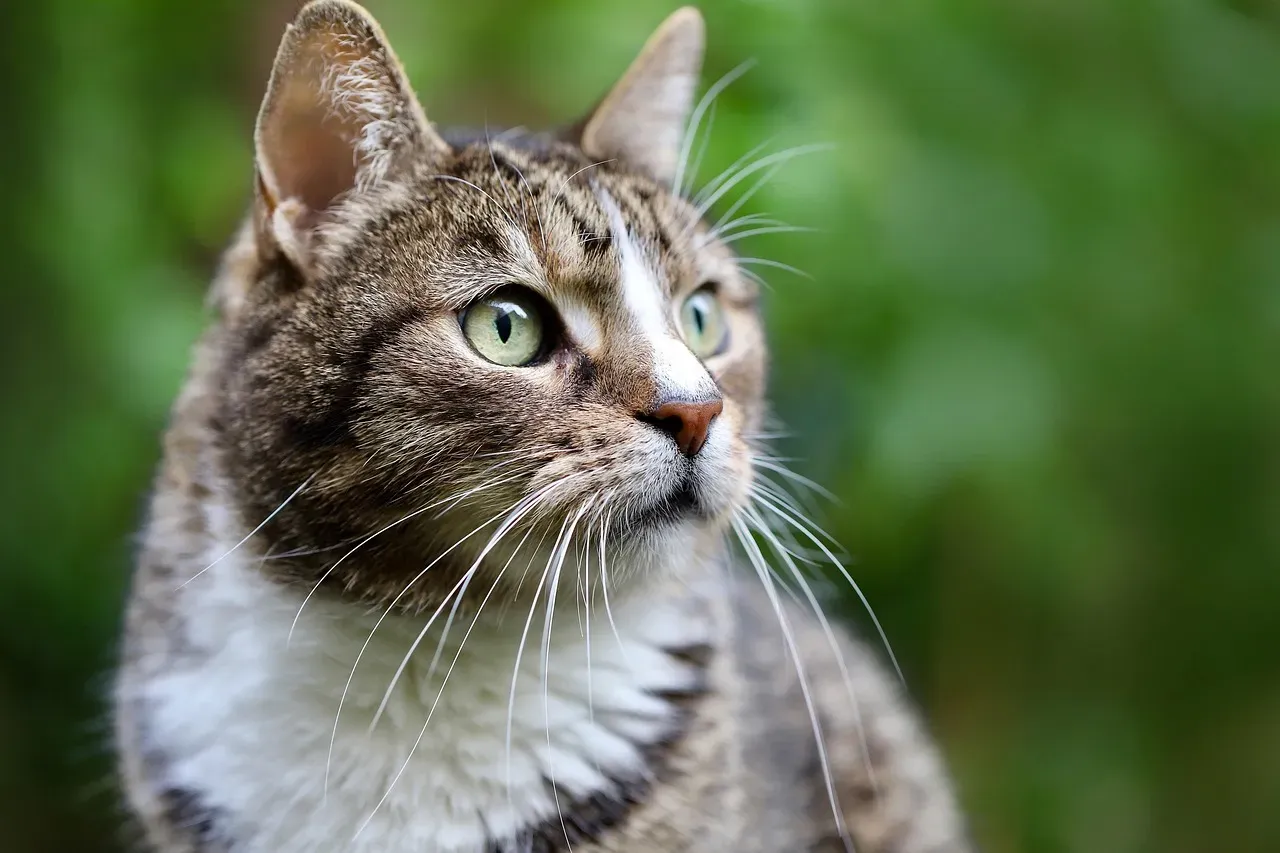
Slow blinking is instinctive behavior. Regardless of age or breed, all cats can slow blink. Actually engaging in slow blinking is a personal choice, and some cats don’t enjoy doing it. If your cat doesn’t slow blink, don’t worry. It doesn’t mean you’ve done anything wrong or that your cat doesn’t love you. Cats have a full toolkit of ways to signal affection and comfort. The slow blink is just one channel in a much broader conversation.
Cats show trust in ways other than the slow blink. A cat shows trust and love when they look at you with soft, open eyes, especially if they also have a relaxed body and are rubbing and head-butting you. Context is everything. A cat who sprawls in your lap without offering a single blink is still communicating volumes. The slow blink is meaningful precisely because it’s one piece of a richer language, not the whole of it.
Conclusion
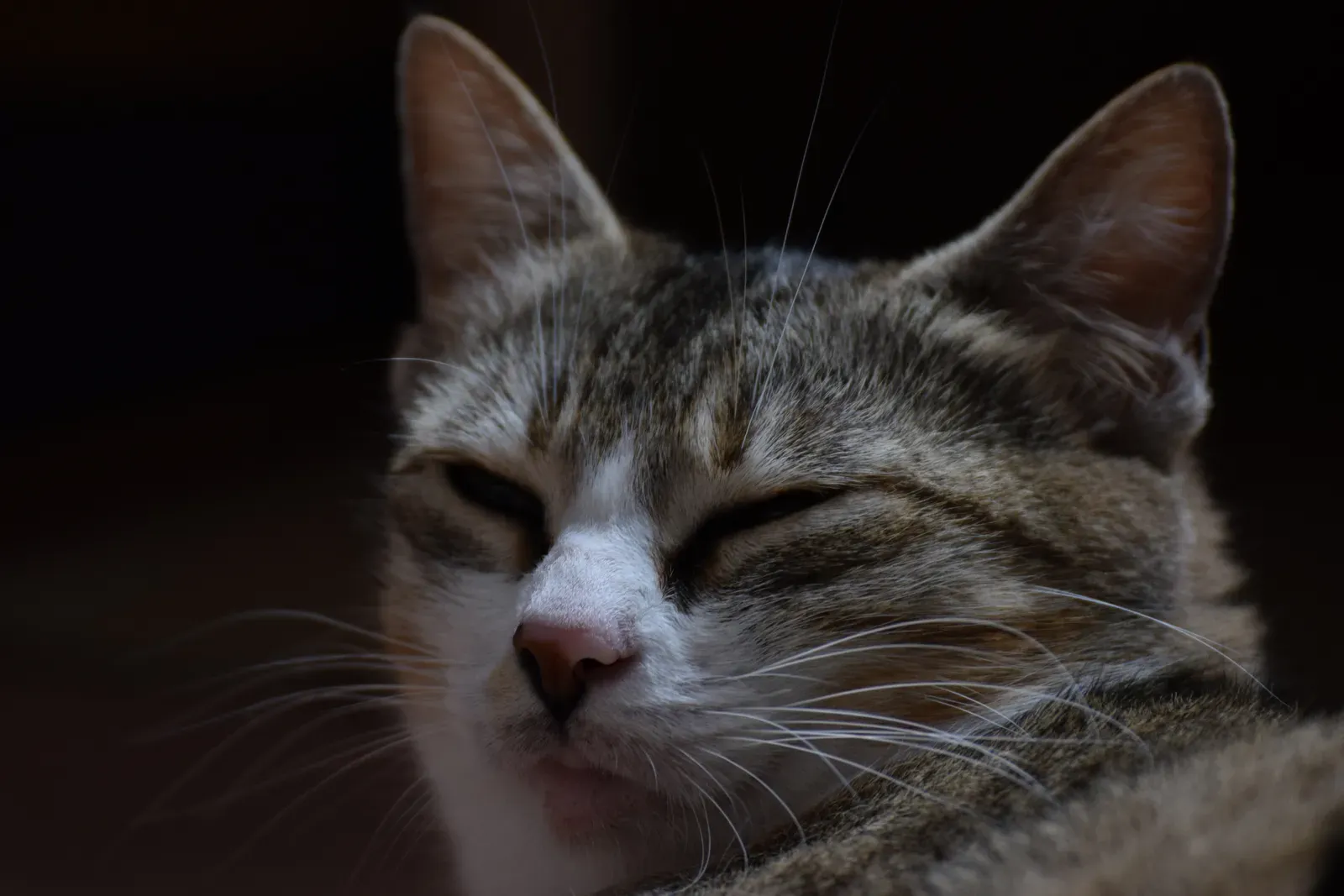
There’s something genuinely worth sitting with here. Slow blink sequences may function as a form of positive emotional communication between cats and humans. That’s not a metaphor or a projection. It’s a conclusion drawn from careful, controlled research.
Slow-blinking behavior is evidently a factor in the experience of bonding and is therefore an important aspect to consider in animal welfare. Because the behavior also serves as a metric for apparent contentedness, tracking slow blinking could offer insight into an animal’s living conditions and well-being. Understanding this small gesture connects directly to how cats feel in our homes, our shelters, and our care.
The next time your cat holds your gaze and blinks slowly, you’ll know it for what it is: not laziness, not distraction, but something closer to a quiet, deliberate declaration. They’ve decided you’re safe. That’s worth blinking back for.
Kristina is a young writer from India. An arts graduate and an avid content creator, Kristina is passionate about animals and wildlife. She enjoys exploring topics related to pet care, animal behavior, conservation, and nature, combining thorough research with engaging storytelling.