You walk into a shelter, and there they are. Rows of bright-eyed kittens tumbling over each other, squeaking and playing. They’re adorable, no doubt. Then, in a quieter corner, you spot a calm, dignified cat watching you with knowing eyes. This one’s been here a while. Maybe years. Here’s the thing: that older cat could be exactly what your life needs right now. While everyone rushes toward the kittens, these mature felines sit patiently, waiting for someone to see their worth. What if I told you they offer something those bouncy babies simply can’t?
Let’s be real, there’s something deeply special about bringing home a senior cat. They won’t climb your curtains at three in the morning or knock over your favorite vase just to see what happens. They’ve already lived, already learned. What they’re looking for now is simple: a warm lap, a quiet home, and a second chance.
They Come with Zero Guesswork About Personality
When you meet an older cat at a shelter, their personality is already fully established, making it much easier to find your perfect match. Think about it. With a kitten, you’re essentially rolling the dice. Sure, that fluffy ball of energy might seem sweet now, though there’s no telling if they’ll grow into a lap cat or a solitary creature who barely tolerates your presence.
Shelter staff can tell you whether a senior cat is shy or outgoing, vocal or quiet, and those observations tend to stick even after you bring your new cat home, because senior cats’ personalities are already relatively established. Want a cuddly companion? They’ll point you toward the one who purrs the moment you scratch under their chin. Prefer a more independent soul? There’s a cat for that too. This isn’t guessing. It’s matching.
The Calm Energy That Fits Your Life
Picture this. You come home after a long day. Instead of dealing with a whirlwind of chaos, you find your senior cat curled up in their favorite sunny spot, ready to greet you with a gentle head bump. Older cats are significantly calmer, generally loving to be petted or finding a patch of sun to nap in.
Their lower energy requirements mean they spend roughly 18 to 20 hours a day sleeping, making them perfect partners for afternoon siestas. Honestly, if you work full-time or have a busy household, this is a dream scenario. No frantic zoomies at midnight. No shredded furniture. Just peaceful coexistence and companionship when you actually have time for it.
They’re Already Litter Trained and Well-Mannered
Here’s something nobody talks about enough. Older cats have already lived in homes with other humans, know how to use their litterboxes, and are considerably calmer than kittens. You won’t spend weeks cleaning up accidents or teaching basic bathroom etiquette. They get it. They’ve been doing this for years.
Plus, they’re not going to scale your bookshelves like tiny mountaineers or treat your houseplants like salad bars. Kittens tend to think that precious items look better in pieces, while older cats have already gotten their destructive phase out of their system. Your Ming vase? Safe. Your sanity? Intact.
The Emotional Bond Runs Deeper Than You’d Expect
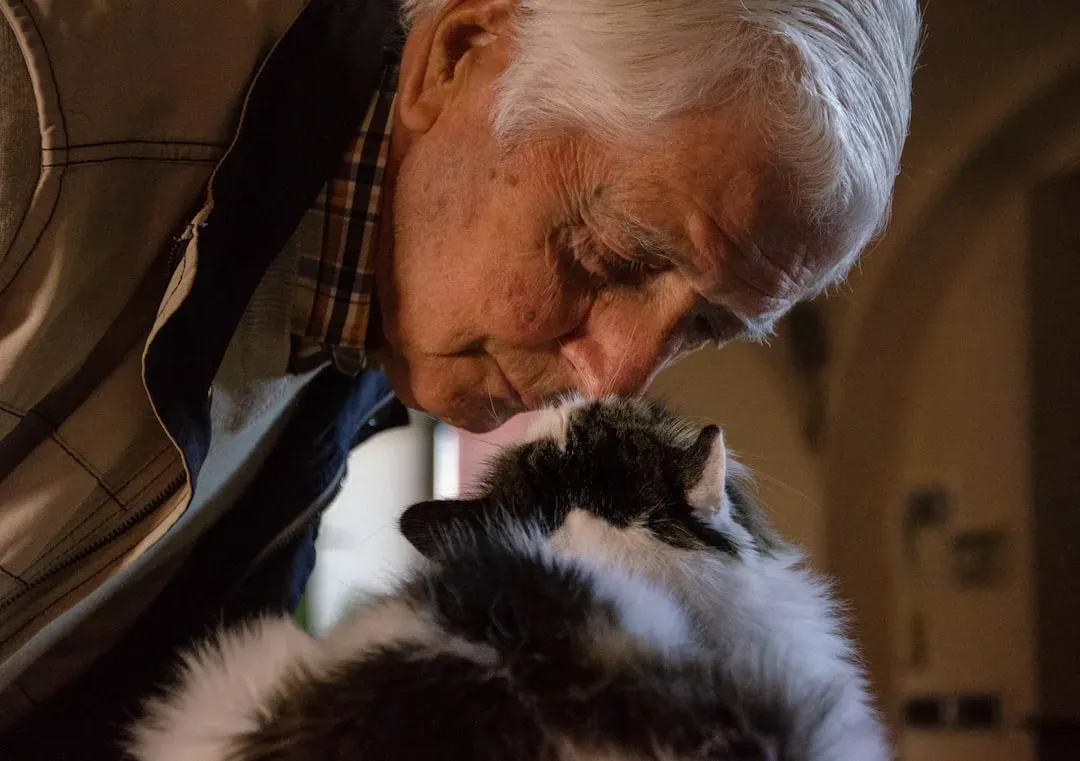
There’s a beautiful theory floating around in feline behavior circles. Older cats often form stronger bonds with their adopters, with some suggesting that senior cats, perhaps understanding they’ve found their final home, invest more deeply in their human relationships. I know it sounds almost too sentimental to believe. Yet anyone who’s adopted a senior cat will tell you there’s truth to it.
These cats have been through something. Maybe they lost their previous owner. Maybe they were abandoned. They know what it’s like to be without a home, and when they finally get one again? They remember. That gratitude translates into a connection that feels different from anything else. It’s hard to explain until you’ve experienced it yourself.
They Fit Beautifully into Multi-Pet Households
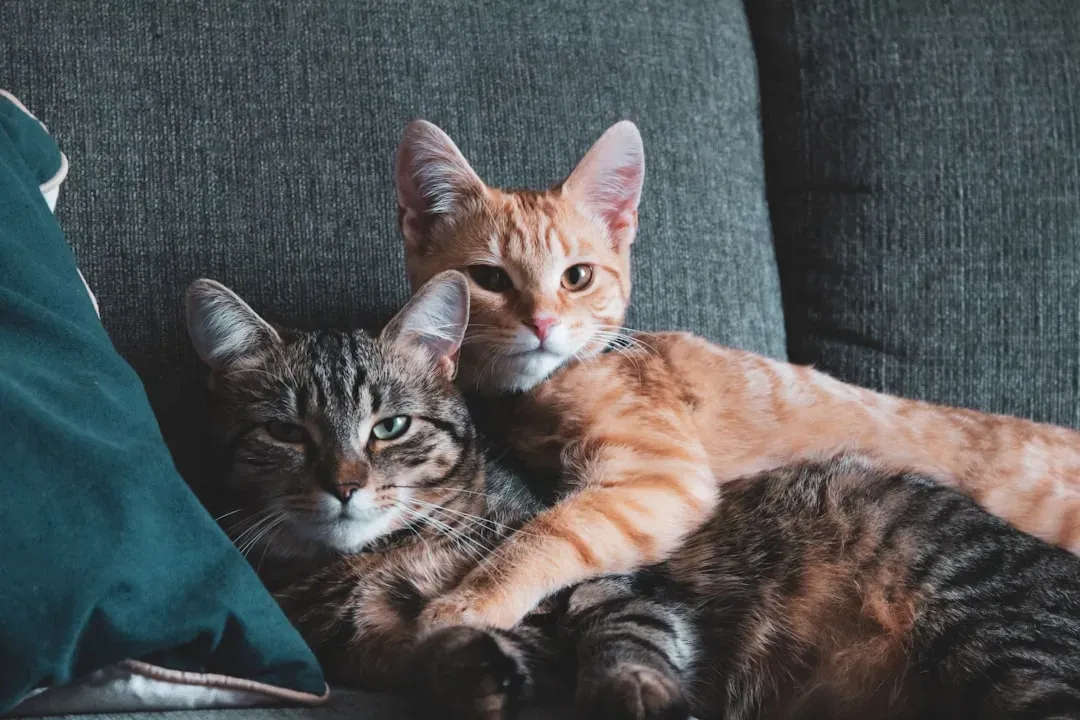
If you already have pets at home, bringing in a hyperactive kitten can feel like inviting chaos to dinner. Older cats are wiser and have more experience, meaning they’re less likely to upset or annoy cats you already have in your family. They understand boundaries. They’ve learned to read social cues from other animals.
Older pets will have little patience for the chaos a kitten introduces, while an adult cat usually will transition more easily into a home where the other pets are also adults or seniors. Think of it like adding a mature houseguest rather than a rowdy teenager. Everyone adjusts faster, and harmony settles in without the drama.
Perfect Companions for Families with Young Children
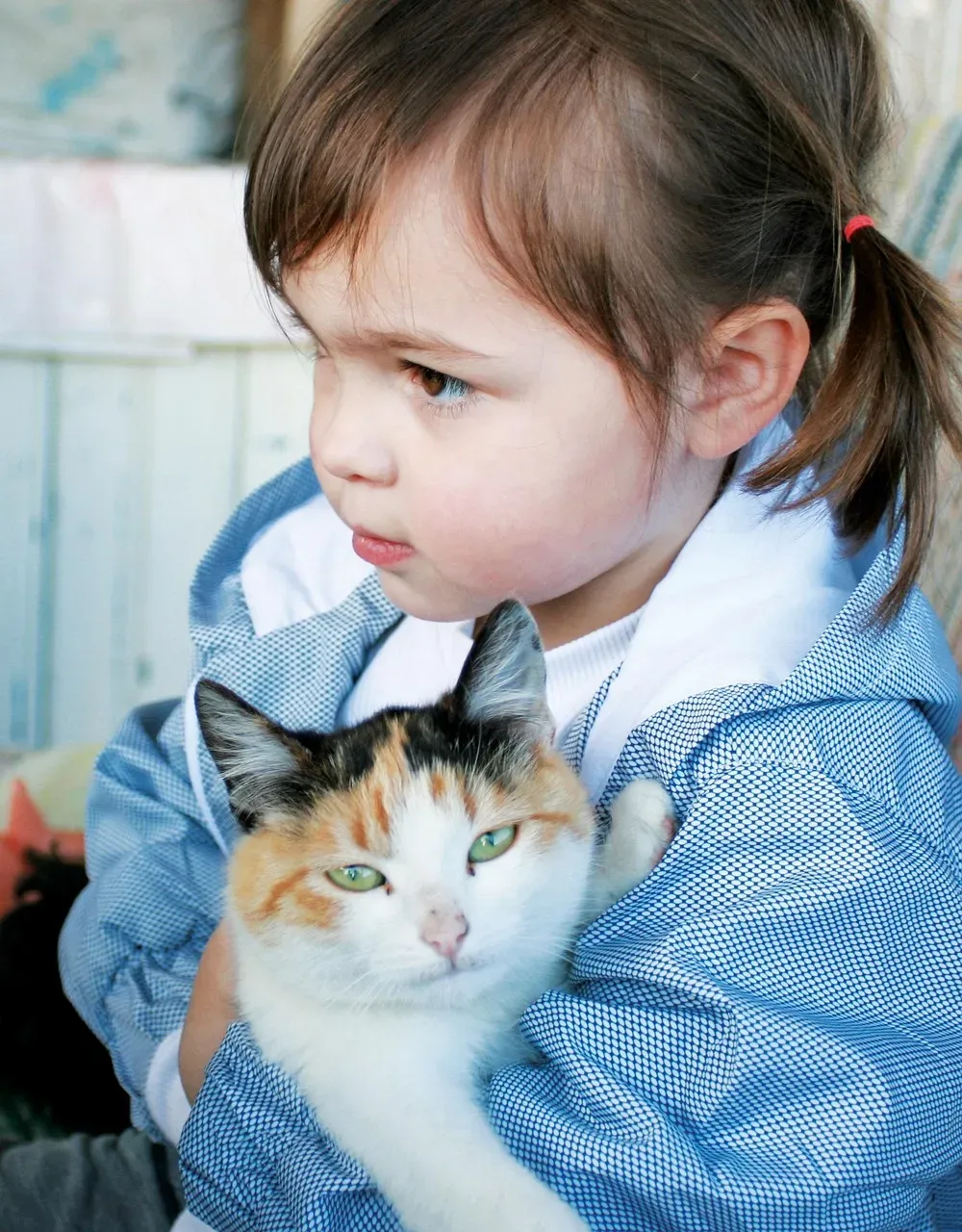
This might surprise you. Older cats usually tolerate petting better, are less likely to nip or scratch, and are larger and sturdier than kittens, who can easily be injured if a child squeezes them too tightly or accidentally steps on them. Kittens have needle-sharp claws and teeth, and they don’t always understand when playtime gets too rough.
Senior cats, on the other hand, have patience. They’ve been around long enough to know that little humans don’t always have perfect motor control. If your household includes children under the age of five, an older cat may be a better fit for your family. They’re gentle. They’re tolerant. They’re safer for everyone involved.
You’re Literally Saving a Life
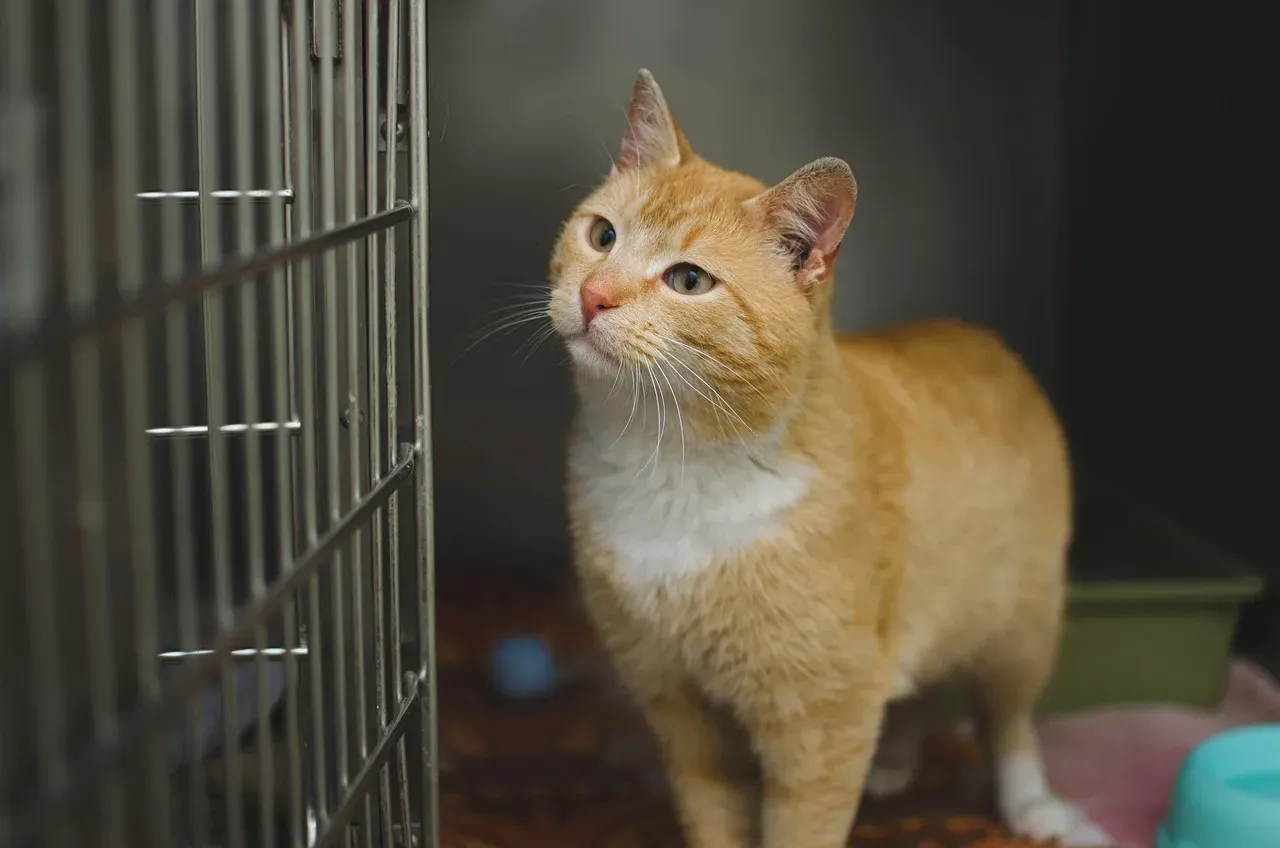
Let’s talk about the hard truth. Older cats in shelters often have to wait three times longer to find new homes than their younger counterparts. Three times. While kittens get scooped up within days, senior cats sit there for months, sometimes years. Statistics show that 82 percent of kittens get adopted, yet after they pass 18 months old, only 60 percent of adult cats find homes, meaning they might spend a long time in a shelter or end up euthanized.
These cats arrive in shelters for reasons outside their control – perhaps their previous owner passed away or could no longer care for them, or they were abandoned on the streets, and by adopting an older cat you’ll be giving them a second chance at happiness in their twilight years. That cute kitten will find a home. Guaranteed. The older cat desperately needs someone to see past the gray whiskers and recognize the love still waiting inside.
They Still Have Plenty of Years to Share With You
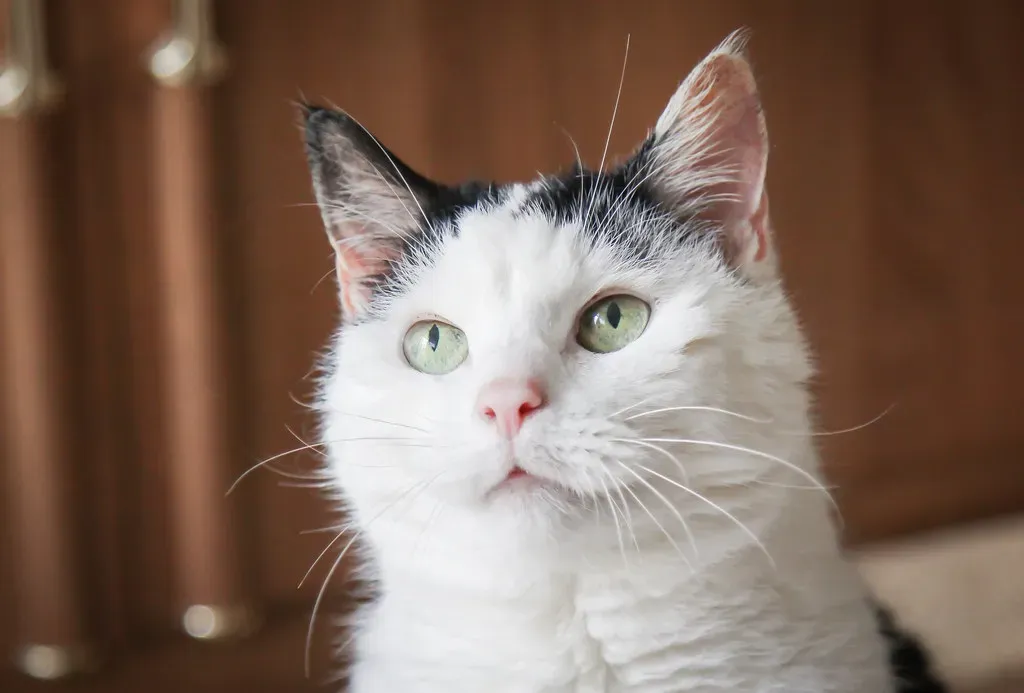
One of the biggest myths about adopting older cats? That you’ll barely have any time together. Not true. Adopting a mature cat doesn’t necessarily mean you won’t have them for long, as advances in veterinary care and awareness of good cat welfare mean that cats are living longer than they used to. Not long ago, cats were considered seniors at eight years old, yet today it’s not unusual for veterinarians to have feline patients in their twenties.
Cats are living longer than ever, and even if you adopt a much older cat, the average lifespan for an indoor cat is close to 16 years, with many cats living well past that. You could have a decade or more with your senior companion. That’s a decade of quiet mornings, cozy evenings, and unconditional companionship. Worth it? Absolutely.
Conclusion
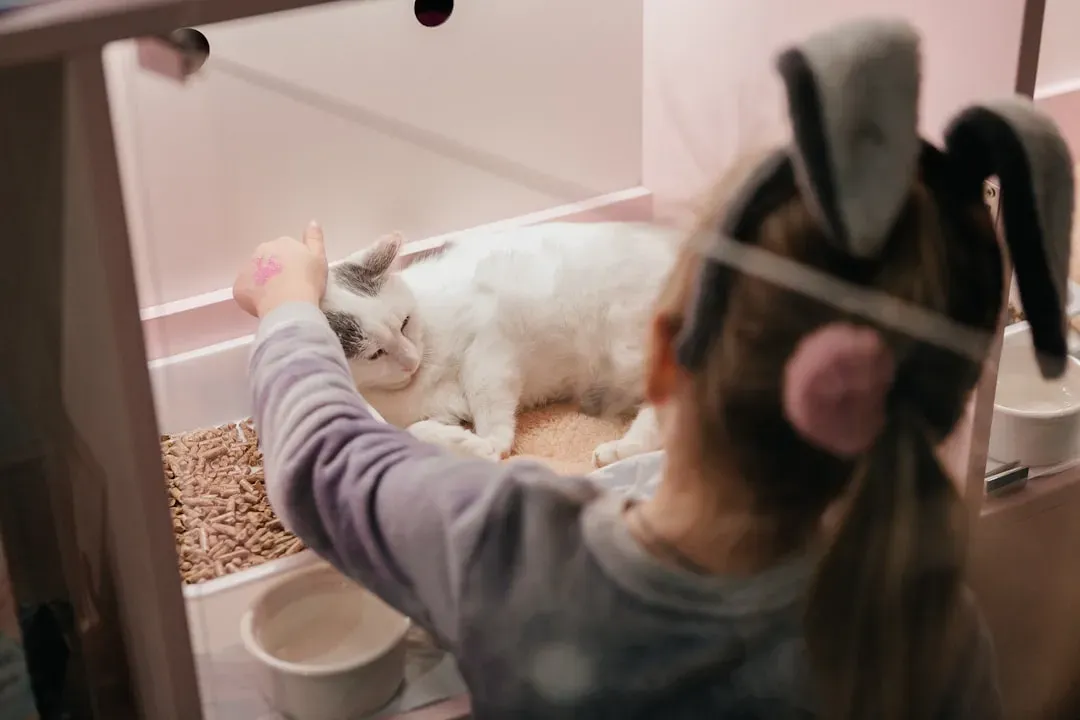
Adopting an older cat isn’t settling for second best. It’s choosing wisdom over chaos, gratitude over entitlement, and connection over novelty. These cats have so much left to give, if only someone would give them the chance. They won’t demand constant entertainment or destroy your home. They’ll simply offer their gentle presence, their quiet affection, and their unshakeable loyalty.
Next time you’re at a shelter, look past the kittens for just a moment. Notice the older cat sitting calmly in the back. That one right there? They’re waiting for you. Have you ever considered what it might feel like to give a senior cat the home they’ve been dreaming of?