Throughout history, big cats have fascinated humans, symbolizing traits such as power, courage, and ferocity. This fascination has carried through to various domains, including military symbols and national flags. Their commanding presence and awe-inspiring behavior make big cats a natural choice to represent strength and prowess.
The Symbolism of Big Cats
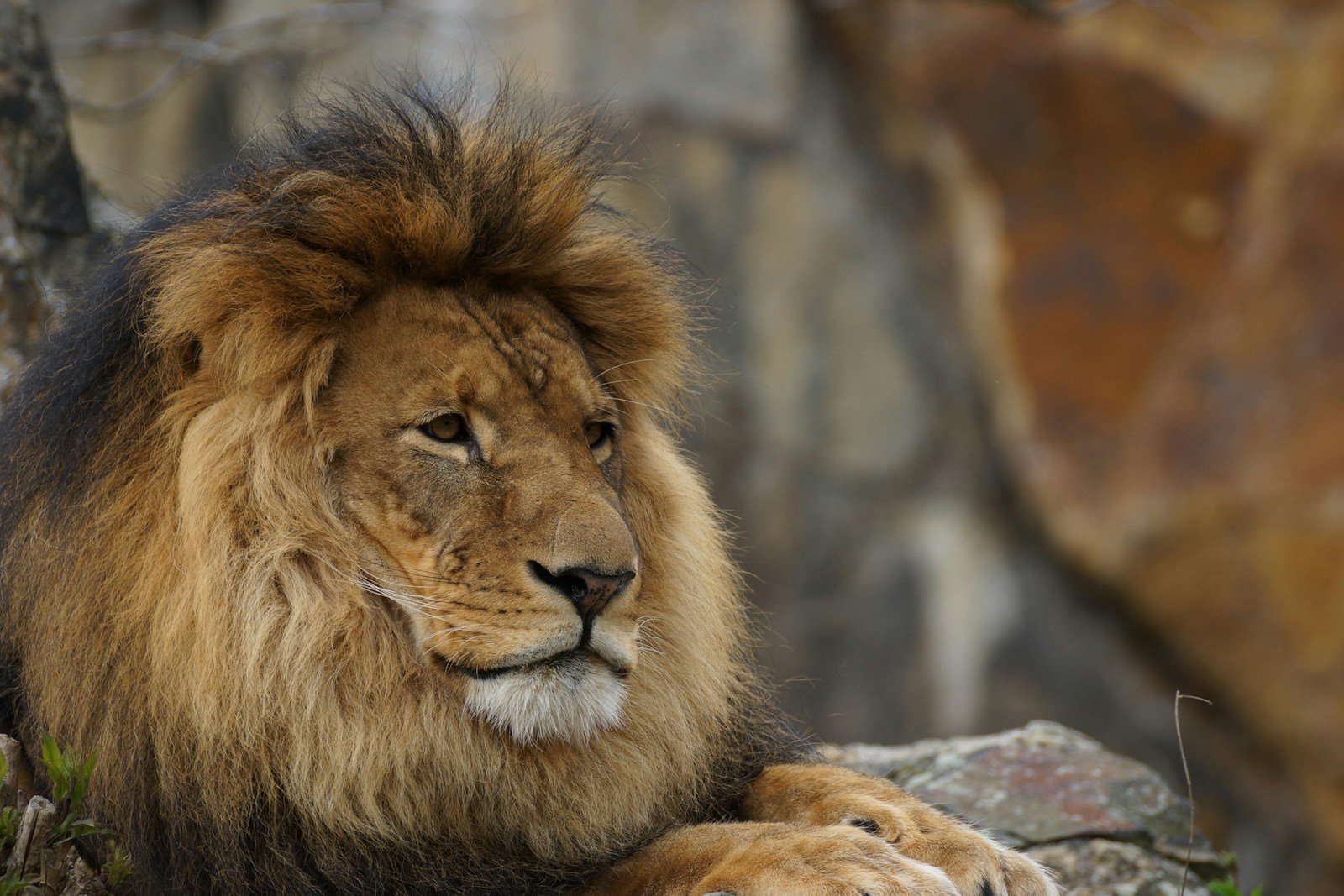
Big cats like lions, tigers, panthers, and leopards have been revered for their formidable characteristics and natural majesty. Ancient cultures often depicted these animals in art and mythology as emblems of power, sovereignty, and protection. Their symbolism extends beyond cultural myths, infiltrating realms of politics and warfare.
The Lion: King of Symbols
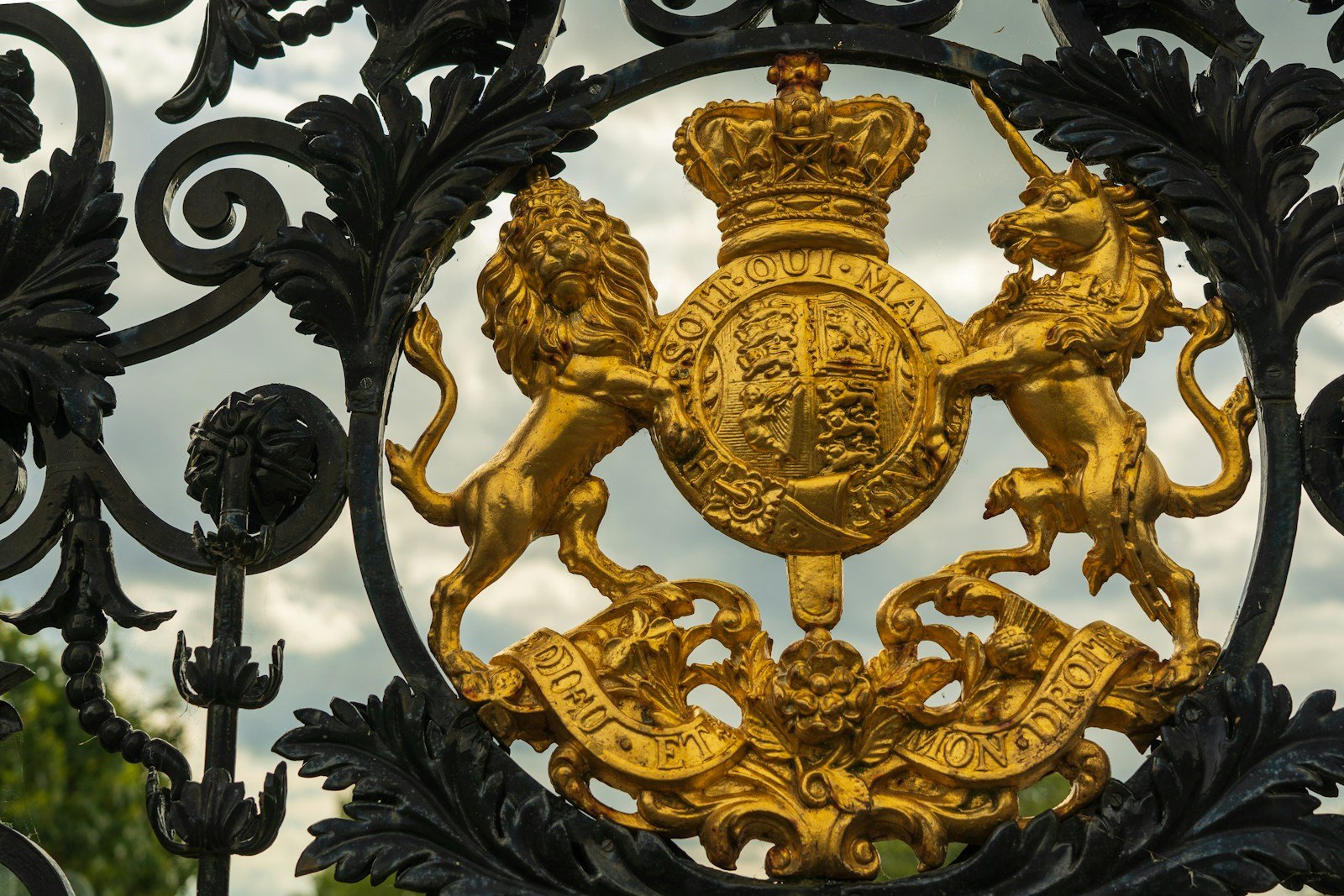
The lion is perhaps the most frequently seen big cat in military symbols and national insignia. Often called the “King of the Jungle,” the lion embodies leadership, bravery, and strength. Several nations and military units adopt the lion to project an image of dominance and unfaltering might.
Big Cats in National Flags
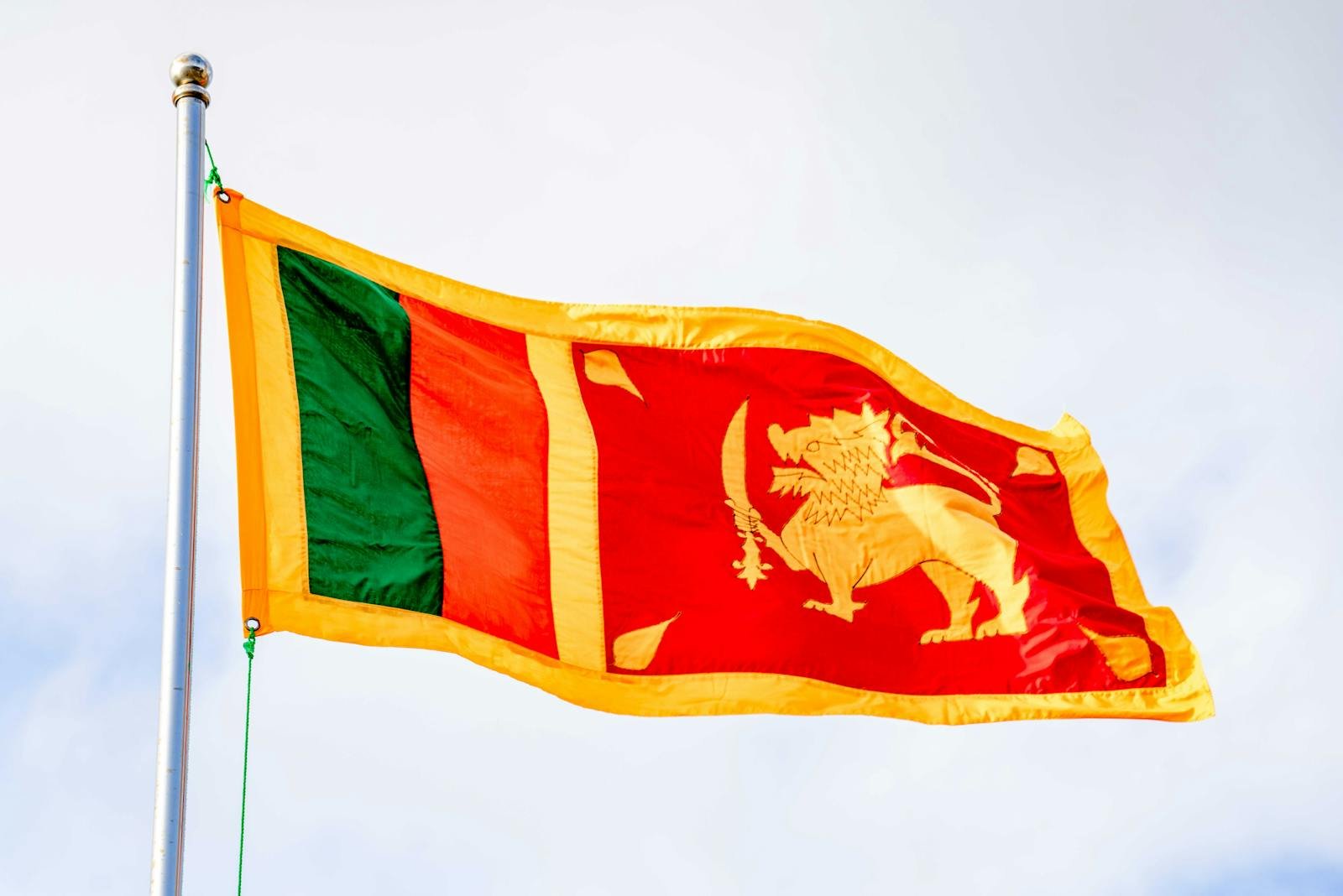
Certain countries proudly feature big cats on their national flags. For instance, the Sri Lankan flag has a lion holding a sword, symbolizing resilience and sovereignty. Similarly, the flag of the Indian state of Sikkim prominently includes a snow lion, reflecting cultural ties and historical narratives.
Lions in European Heraldry
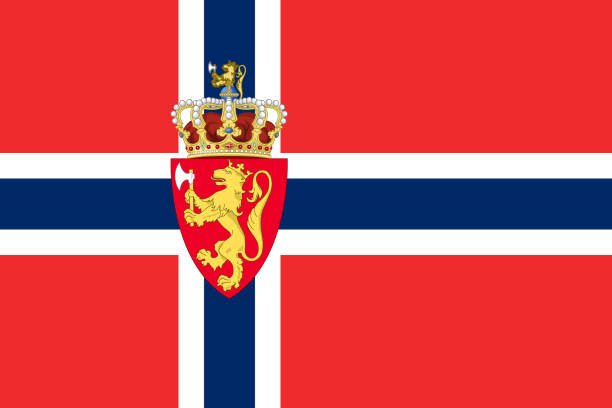
European heraldry extensively uses lions in coats of arms. The lion as a heraldic symbol appeared as early as the 12th century. Nations such as England, Norway, and Scotland incorporate lions to signify valor and nobility. These symbols have also translated into military insignia, reinforcing the idea of protection and gallantry.
Tigers and Their Impact
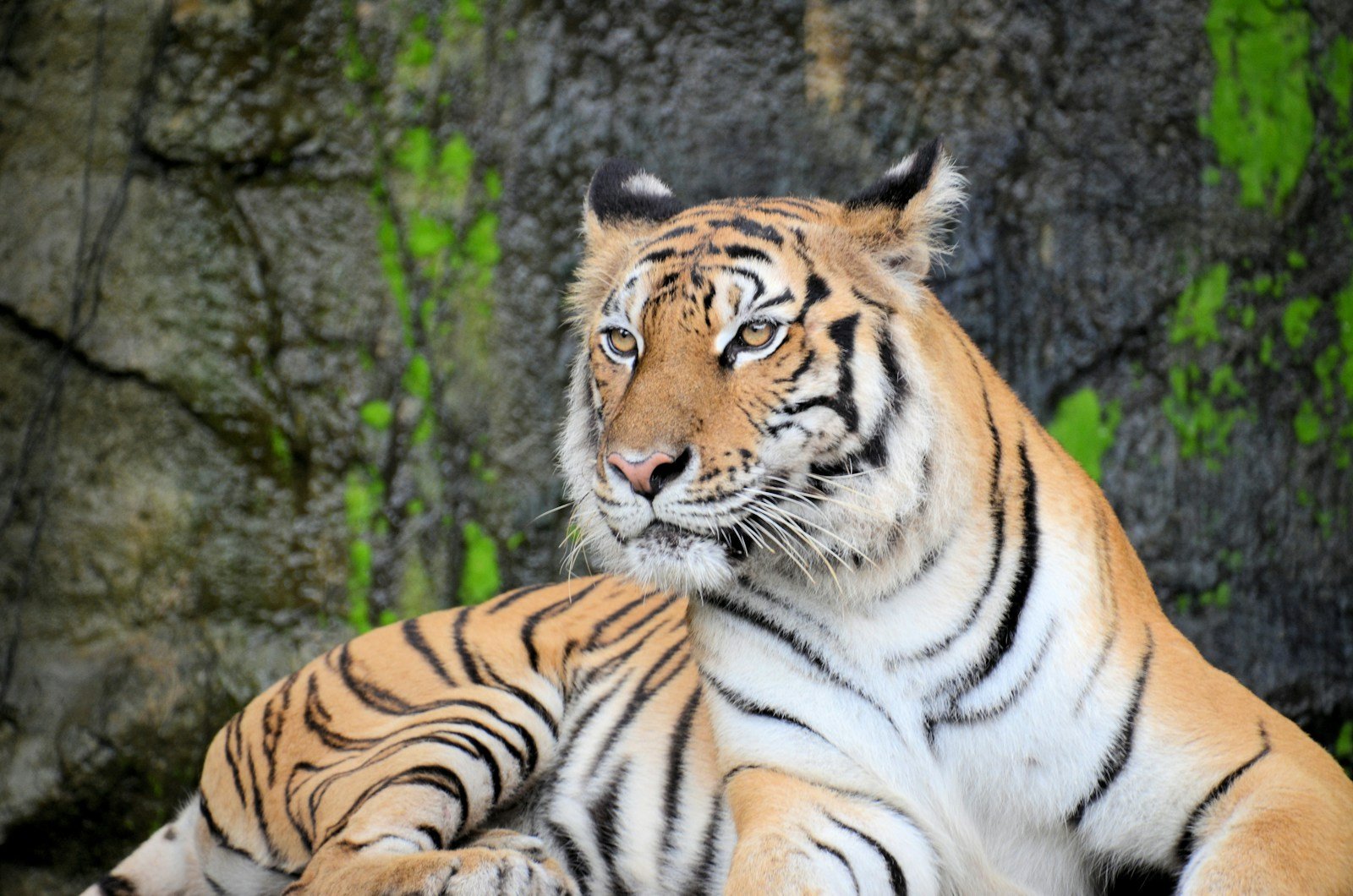
While lions dominate European symbolism, tigers hold their own in Asian contexts. The tiger is venerated for its ferocity and beauty, often appearing in Southeast Asian military and national symbols. Countries like Malaysia celebrate the Malayan tiger, representing courage and the fighting spirit.
Leopards on the Prowl
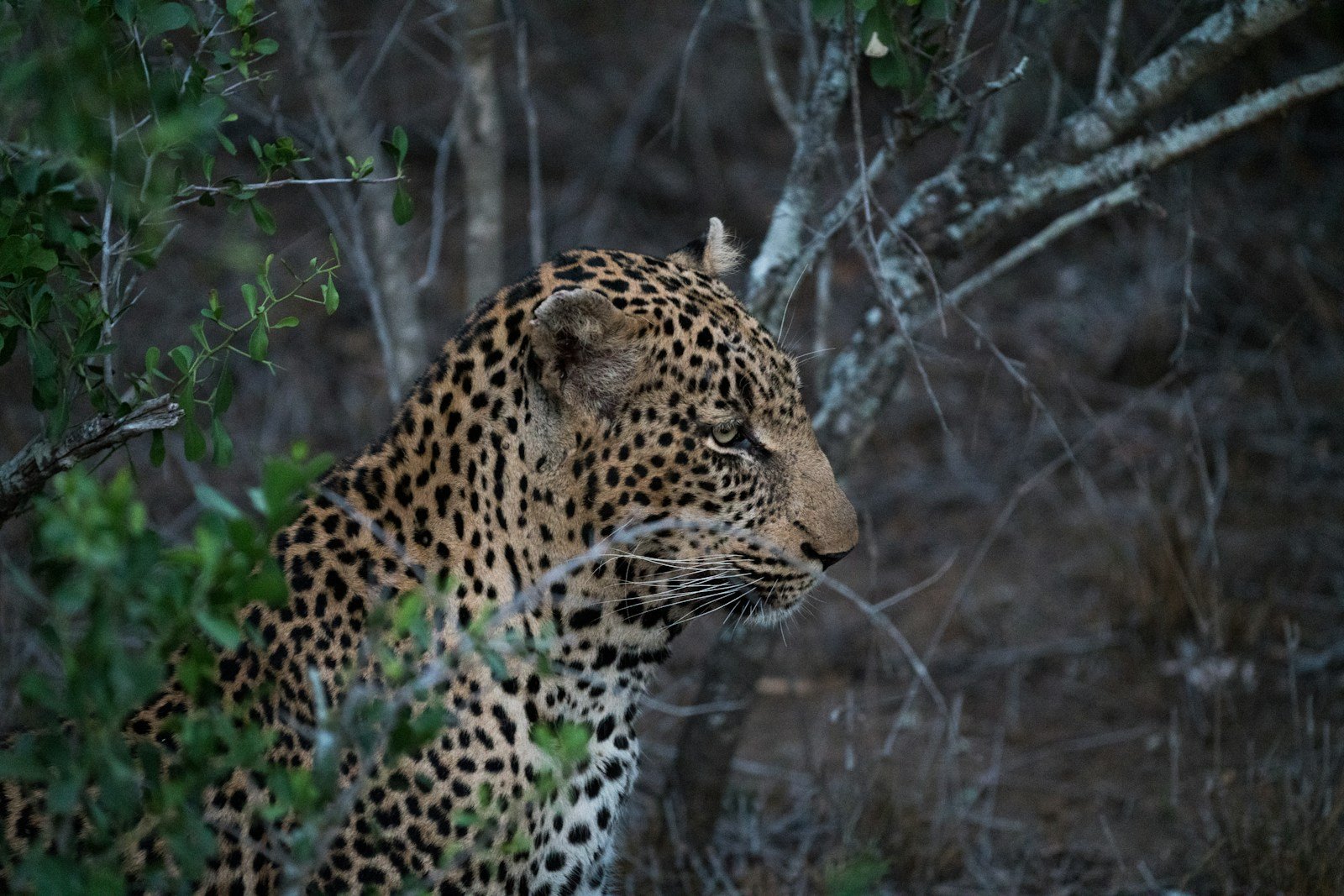
Leopards also play a significant role in traditional symbolism across Africa and Europe. Some West African cultures regard leopards as royal animals, while British and French heraldry often features leopards to signify strengths such as stealth and agility, attributes esteemed by military organizations.
Military Insignia Featuring Big Cats
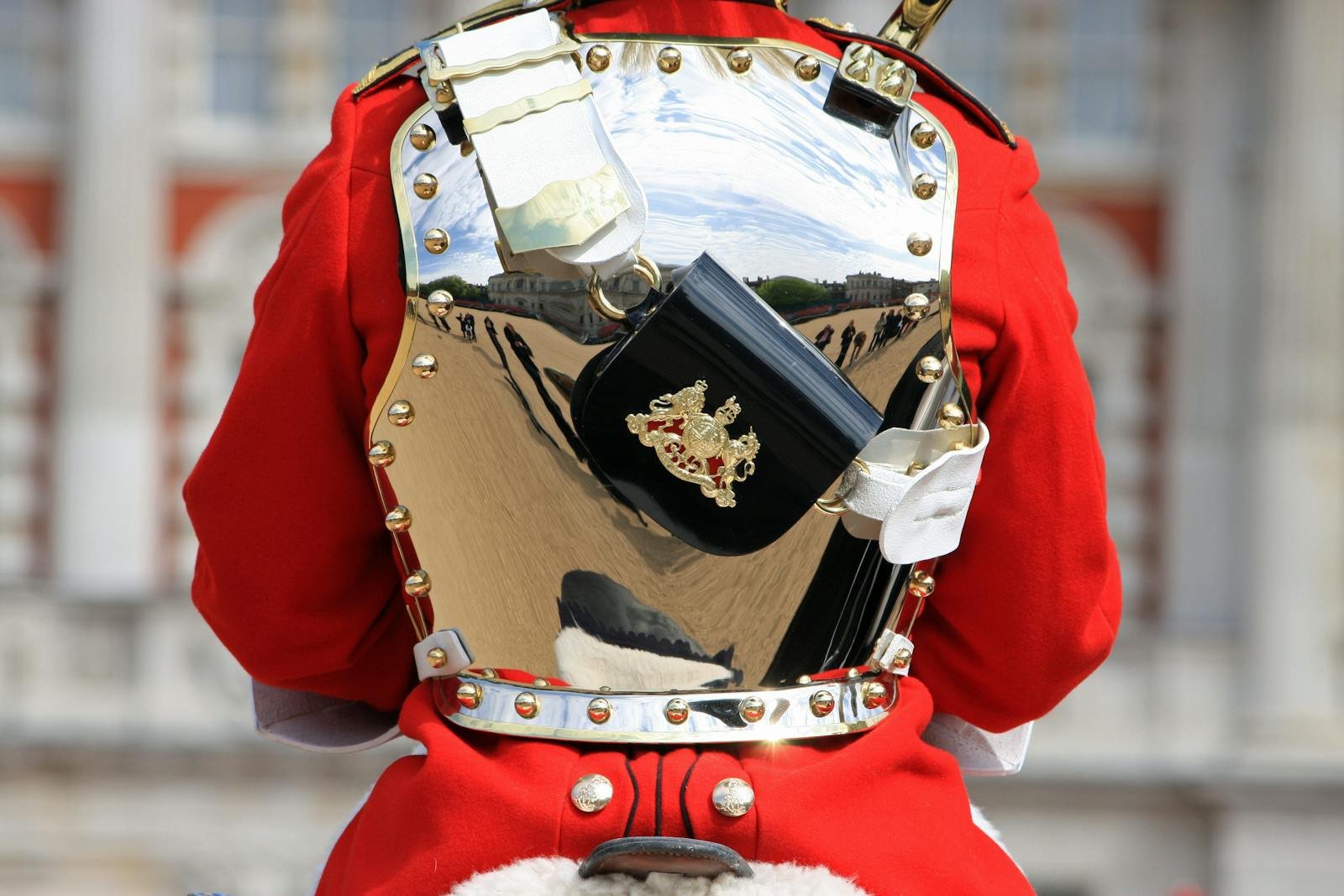
Several modern military units incorporate big cats in their insignias, representing the attributes desirable in soldiers—strength, agility, and intimidatory prowess. These symbols foster a sense of unity and motivation, embodying the traits soldiers aspire to emulate.
Examples Around the World
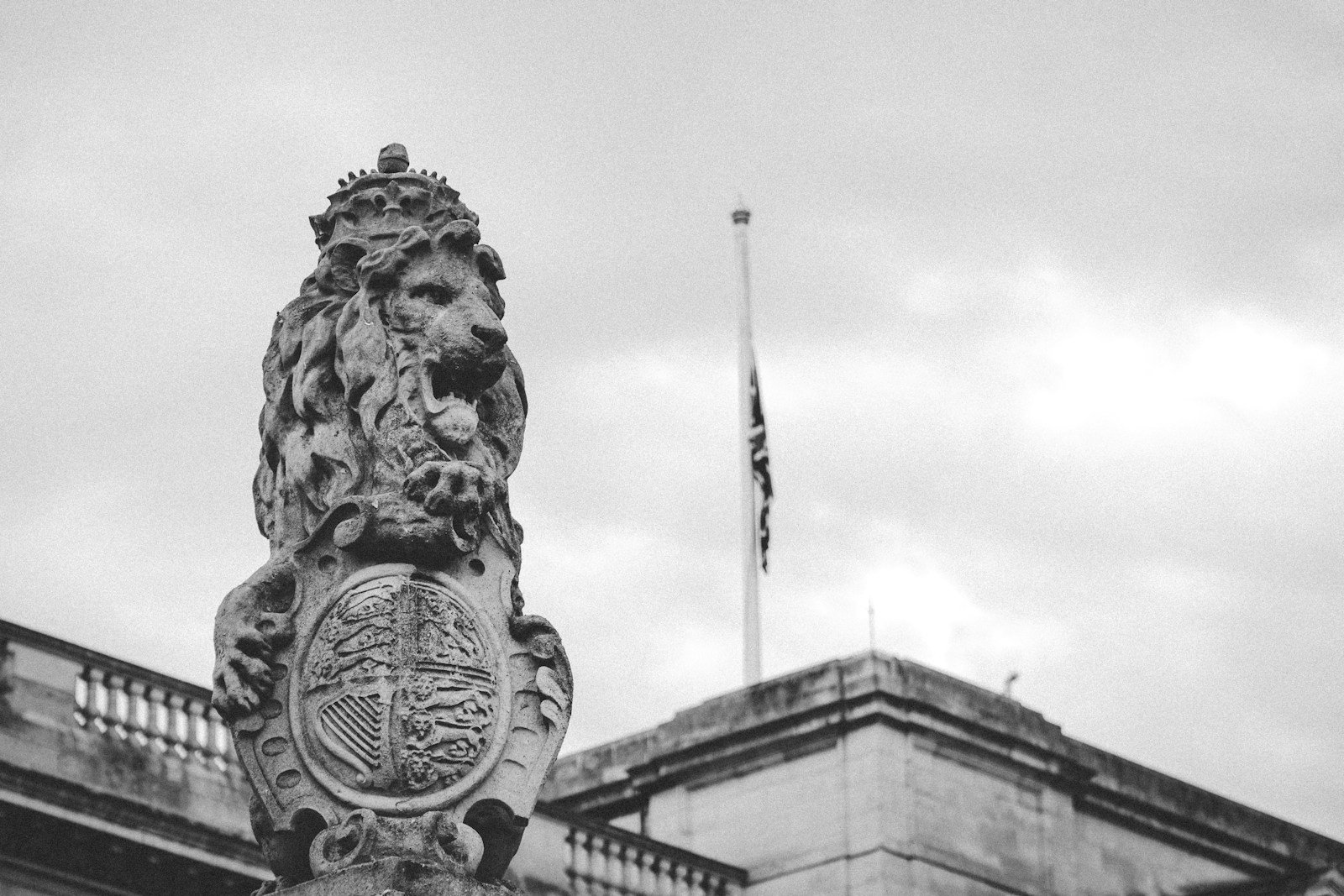
The British Royal Regiment of Fusiliers and the Swedish Life Guards feature lions prominently in their emblems. Meanwhile, the Indian Air Force has the Asiatic Cheetah in its roundel, and Thailand’s Royal Armoured Corps uses a tiger in its heraldry. These examples underscore the global reach and varied use of big cat symbolism across military organizations.
The Cultural Connection
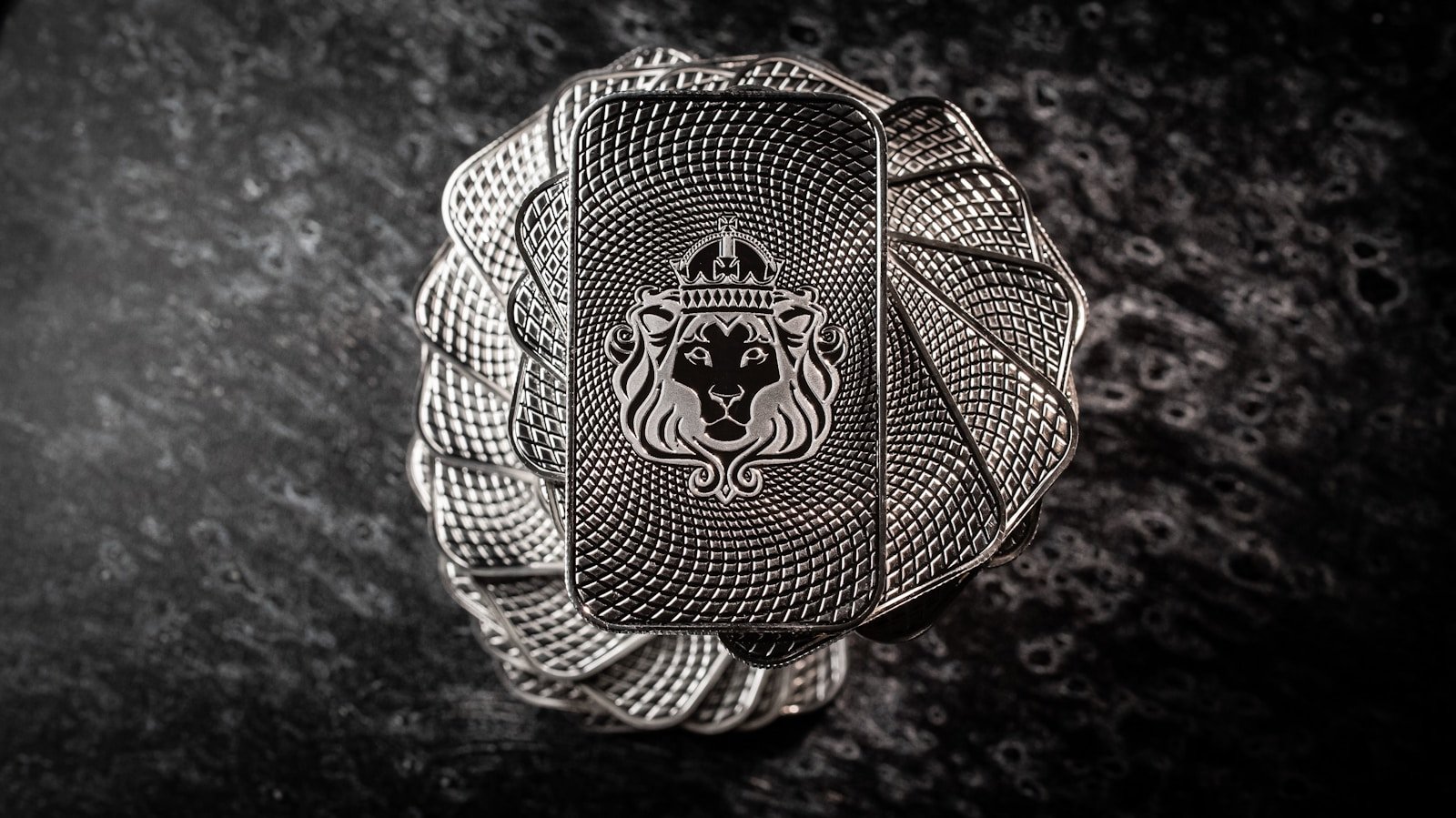
The prevalence of big cats as symbols in national and military contexts often reflects a deeper cultural connection. Big cats’ symbolism translates ancient myths and societal values into modern contexts, reminding people of cultural legacies and shared history.
The Enduring Legacy of Big Cats
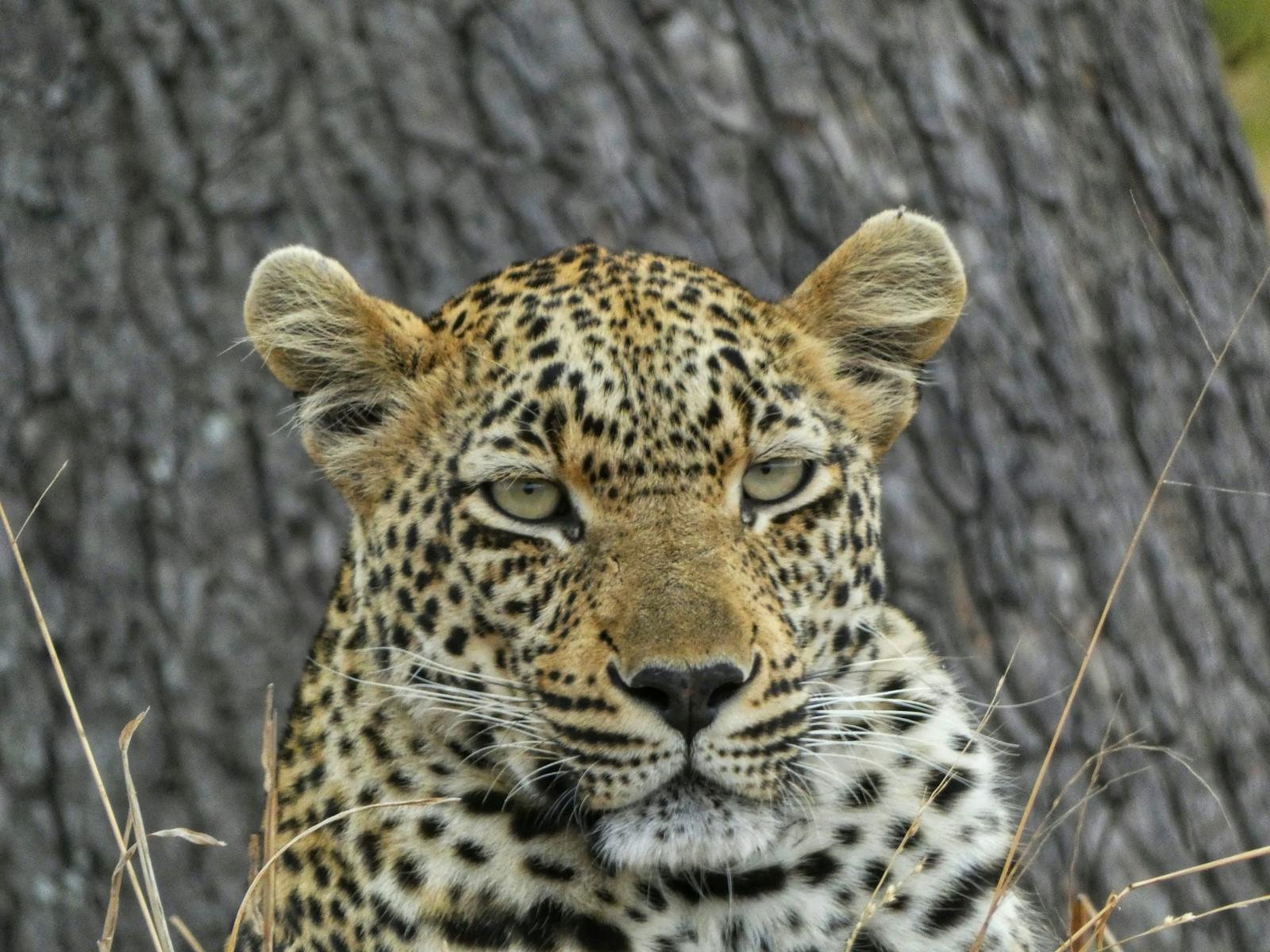
The timeless awe surrounding big cats ensures their place in symbols that inspire and unite. Their characteristics, widely admired and emulated, continue to resonate in various cultural, military, and national arenas, facilitating continuity and cultural identity through the ages.
Conclusion
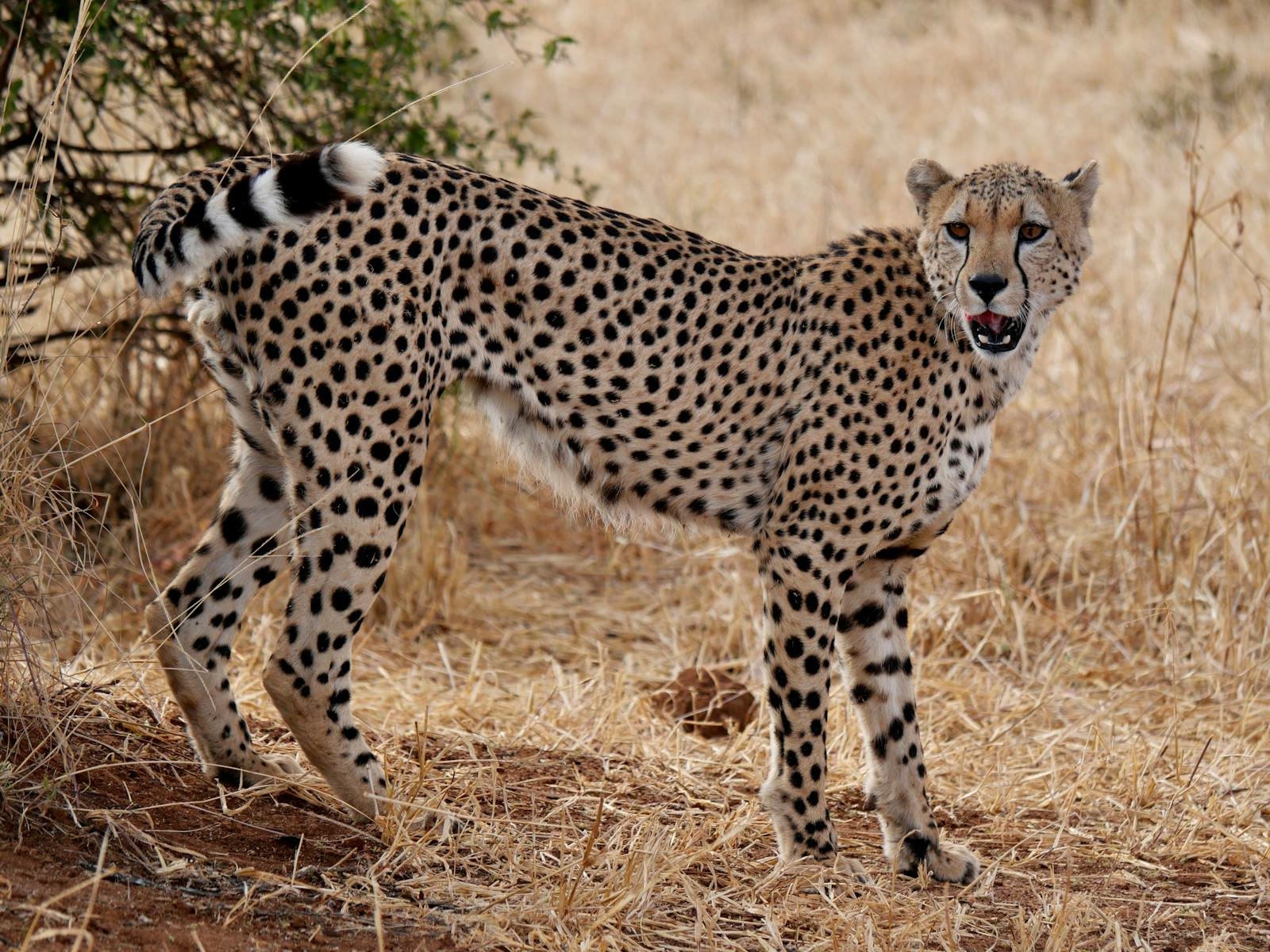
The enduring presence of big cats in military symbols and national flags highlights the universal appreciation of these majestic creatures. As embodiments of power and protection, big cats remind us of our shared fascination with nature’s wonders and inspire society’s aspirations for strength and unity.

Hi, I’m Bola, a passionate writer and creative strategist with a knack for crafting compelling content that educates, inspires, and connects. Over the years, I’ve honed my skills across various writing fields, including content creation, copywriting, online course development, and video scriptwriting.
When I’m not at my desk, you’ll find me exploring new ideas, reading books, or brainstorming creative ways to solve challenges. I believe that words have the power to transform, and I’m here to help you leverage that power for success.
Thanks for stopping by, Keep coming to this website to checkout new articles form me. You’d always love it!