You’ve probably noticed it. That slow blink when you queue up your favorite playlist. The way your feline companion slinks out of the room when you hit shuffle on your beloved classic rock collection. Or maybe it’s the sideways glance they throw your way mid-guitar solo, as if to say, “Really? This again?” Let’s be real, cats are notoriously judgmental creatures. They side-eye your fashion choices, turn up their noses at perfectly good food, and act like your new couch is personally offensive.
So naturally, you might wonder if they’re passing similar judgment on your music. Turns out, they probably are, just not in the way you think. Your cat isn’t necessarily critiquing your Spotify playlists the same way your pretentious college roommate did, but they’re definitely reacting to what’s blasting through your speakers. Whether they show it with subtle body language, dramatic exits, or that unmistakable look of feline disdain, your cat has opinions about sound. Let’s dive into the fascinating ways your furry critic communicates their musical preferences.
Those Ears Are Telling You Everything
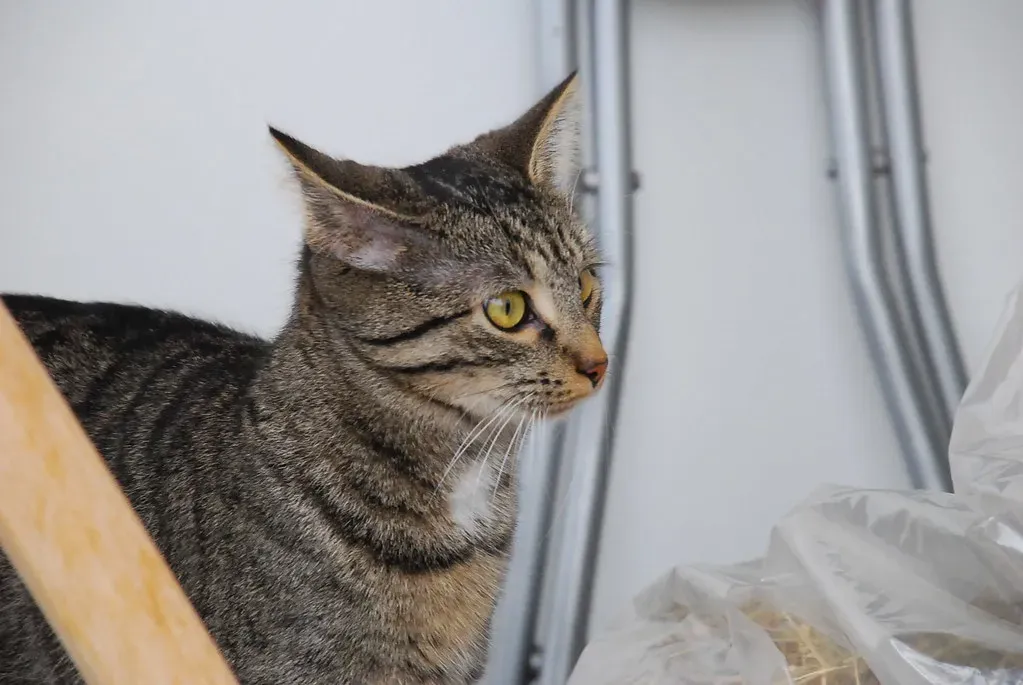
Your cat’s ears are like emotional antennae, and when they’re held naturally it means they’re relaxed, but when those ears pin back, fear has entered the building. Pay close attention to what happens when you turn on the tunes. When your cat is relaxed and happy, their ears sit in what’s called the neutral position, typically facing forward a bit, indicating your pet is chill. If your music keeps those ears in this comfortable zone, congratulations, you’ve passed the test.
However, things get interesting when the ear position shifts. Ears that rotate sideways into what’s affectionately called “airplane mode” usually mean your cat is nervous, anxious, or scared, which signals it’s time to back off before you risk getting scratched or bitten. If this happens whenever you play a certain genre, well, your cat just told you exactly what they think about your death metal collection.
The Dramatic Exit Strategy
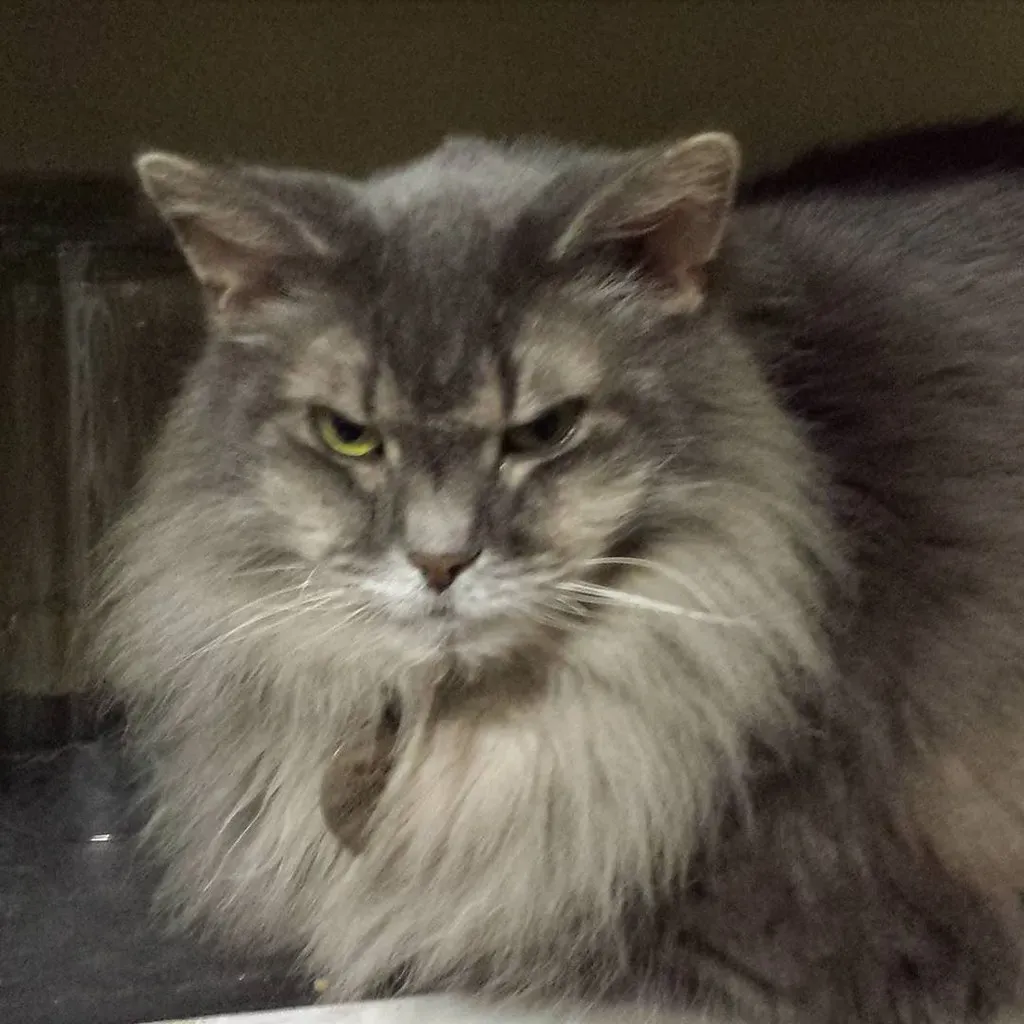
Nothing says “I hate this” quite like a cat walking out of a room with their tail held high. You know that moment when you think you’re about to have a cozy evening together, you press play on your carefully curated jazz playlist, and suddenly your cat stands up, stretches elaborately, and makes for the door without so much as a backward glance. It’s not subtle.
Honestly, this is one of the clearest signs your feline friend disapproves of your musical choices. Cats vote with their paws. If the music causes discomfort or annoyance, they simply remove themselves from the situation. Cats detest loud music and shouting due to their excellent sense of hearing. The volume that seems perfectly reasonable to you might feel overwhelming to your cat’s sensitive ears. Think about it from their perspective: they’re experiencing your music at an entirely different intensity level.
The Science Behind Their Superior Hearing
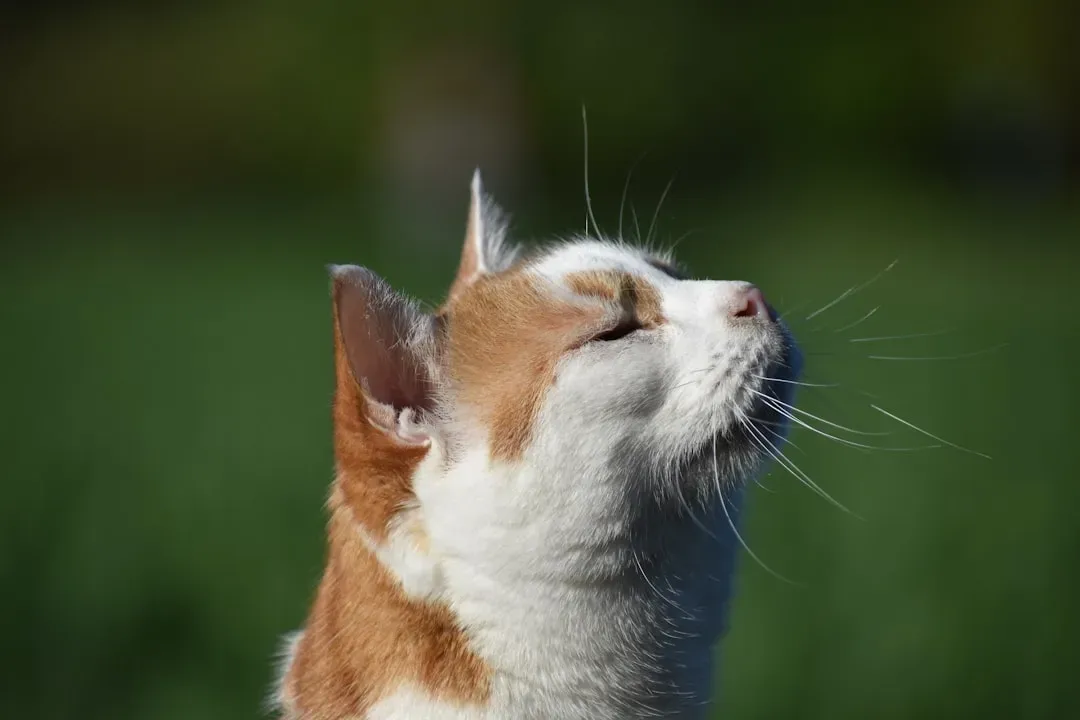
Cats can hear much higher-pitched sounds than humans, up to 85 kHz, which is about two octaves above the human upper range and roughly an octave above dogs. This isn’t just a fun fact, it completely changes how they experience your music. Cats’ hearing is generally four to five times better than humans, and they can also hear a greater range of frequencies.
What does this mean for your Beyoncé singalongs? Your cat is picking up sounds in your music that you can’t even detect. A sound that remains just about audible for humans can be perceived by cats at a fraction of its sound intensity. Imagine how exhausting it must be to have such sensitive hearing while your human blasts EDM at what you consider a reasonable volume.
Why Your Cat Couldn’t Care Less About Your Playlists
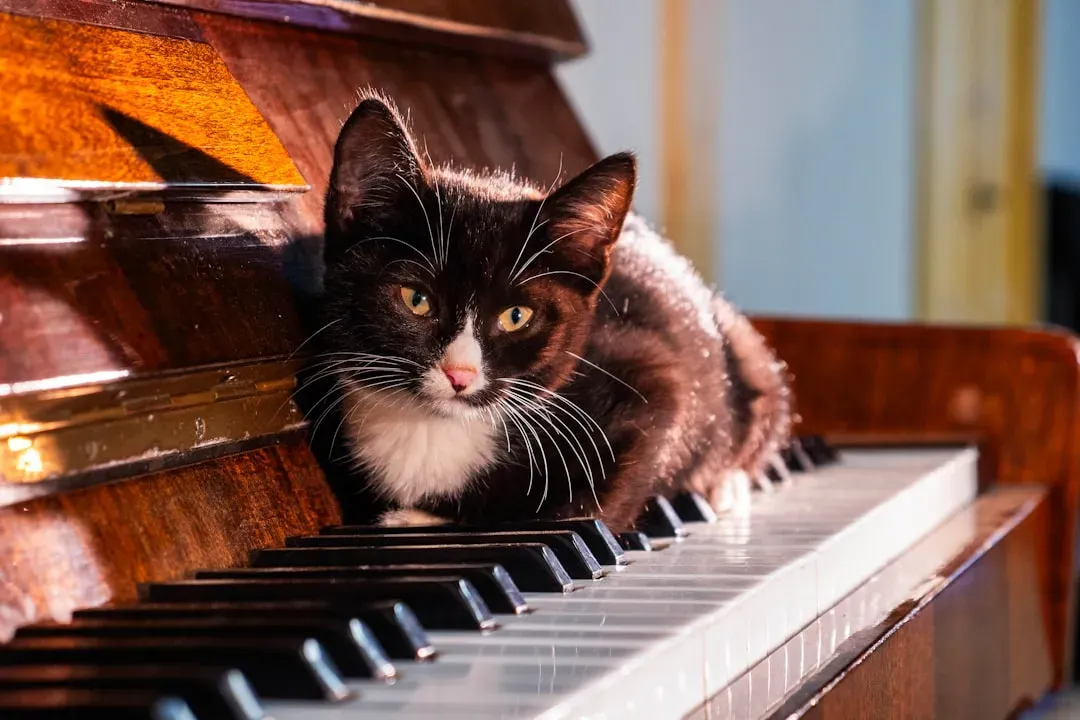
Here’s the thing that might hurt your feelings a bit. Researchers found that cats showed a significant preference for cat-appropriate music compared to human songs, to which they didn’t respond at all. Your carefully selected dinner party soundtrack? Your cat probably finds it about as interesting as watching paint dry. No matter how hard the beat drops, your cat shows little to no interest in the music you’re playing to them.
Music needs to be in the frequency range and with similar tempos to those used in natural communication by each species to be effective. So unless you’re playing sounds that mimic purring, bird chirps, or other feline-relevant noises, your cat is essentially tuning you out. It’s hard to say if this makes things better or worse, but at least you know they’re not actively judging your taste, they’re just indifferent to it entirely.
The Tail Tells No Lies
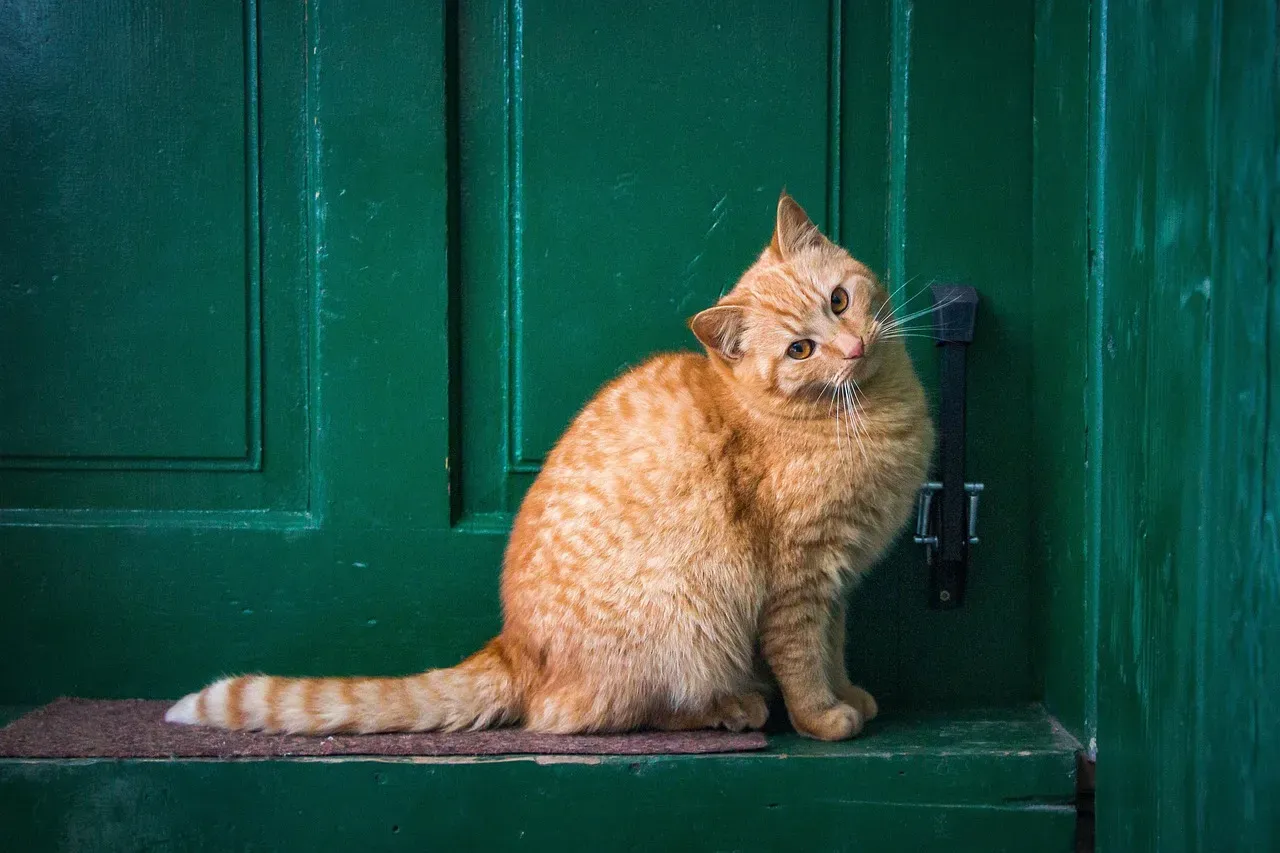
Watch that tail, my friend. A cat’s tail is a powerful communication tool, and an erect tail usually signals friendliness. If your music keeps that tail up and gently swaying, you’re doing something right. Maybe there’s hope for your taste after all.
When a cat is in pain or discomfort, it may hold its tail low, tuck it tightly between its legs, or thrash it aggressively, and these drastic shifts in tail behavior can indicate distress. Now, I’m not saying your music is causing pain, but if your cat’s tail position dramatically changes when you turn on certain songs, they’re definitely communicating something. A tail that starts thrashing? Time to change the station.
When They Actually Cover Their Ears

You might catch your cat doing something that looks suspiciously like they’re trying to block out the sound. They’ll press their paws over their ears or tuck their head down into their body. It’s almost comically human-like in its obviousness. This isn’t your imagination, it’s a legitimate response to overstimulation.
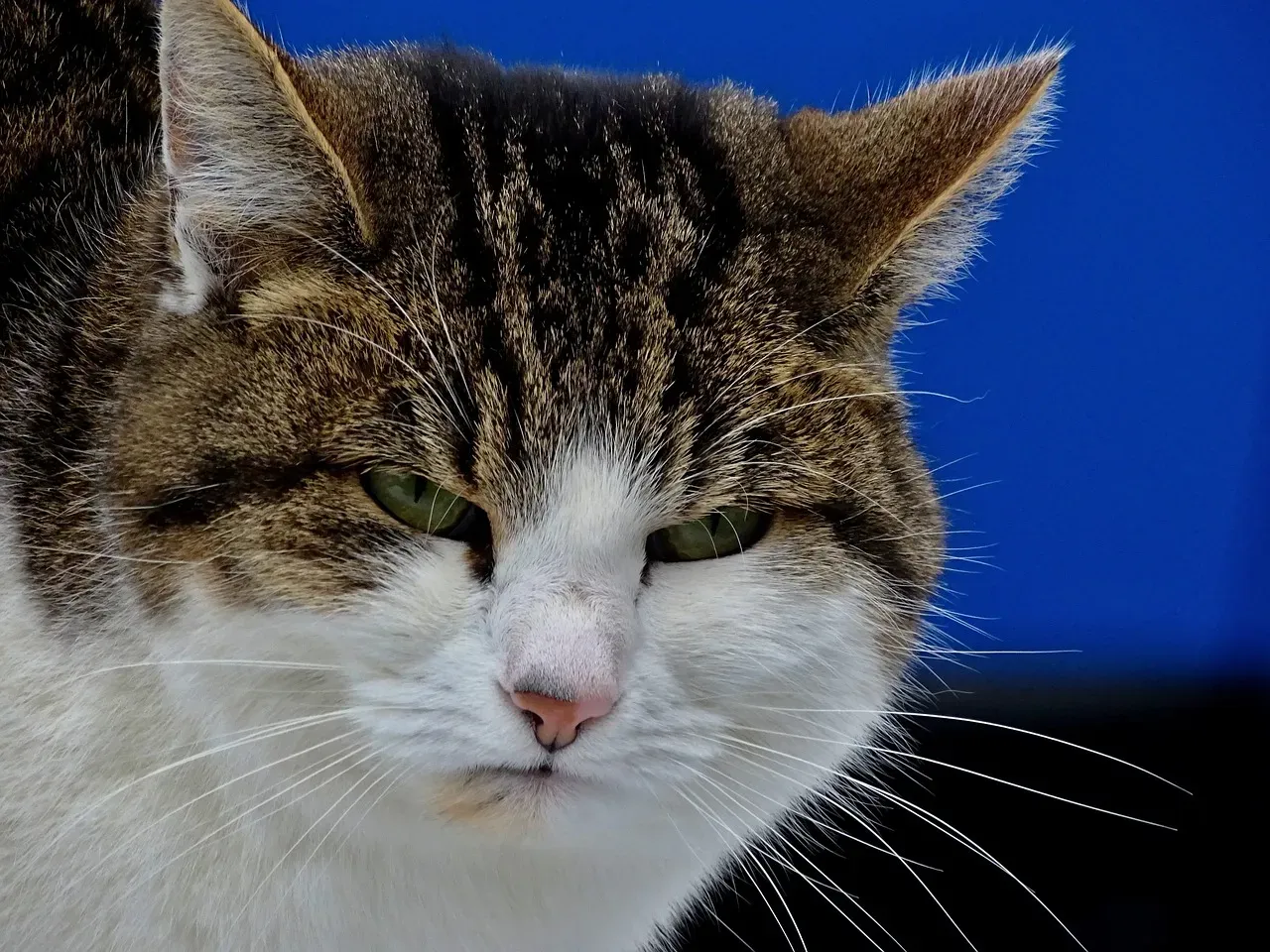
Ears flattened against the head mean the cat is likely feeling threatened, fearful, or aggressive, which is normal during confrontation but may indicate your cat isn’t feeling well if the body language is unexpected. If your cat flattens their ears every time you play a particular artist, well, consider that a one-star review. They’re not being dramatic, they’re genuinely uncomfortable.
The “Species-Appropriate” Music Revolution
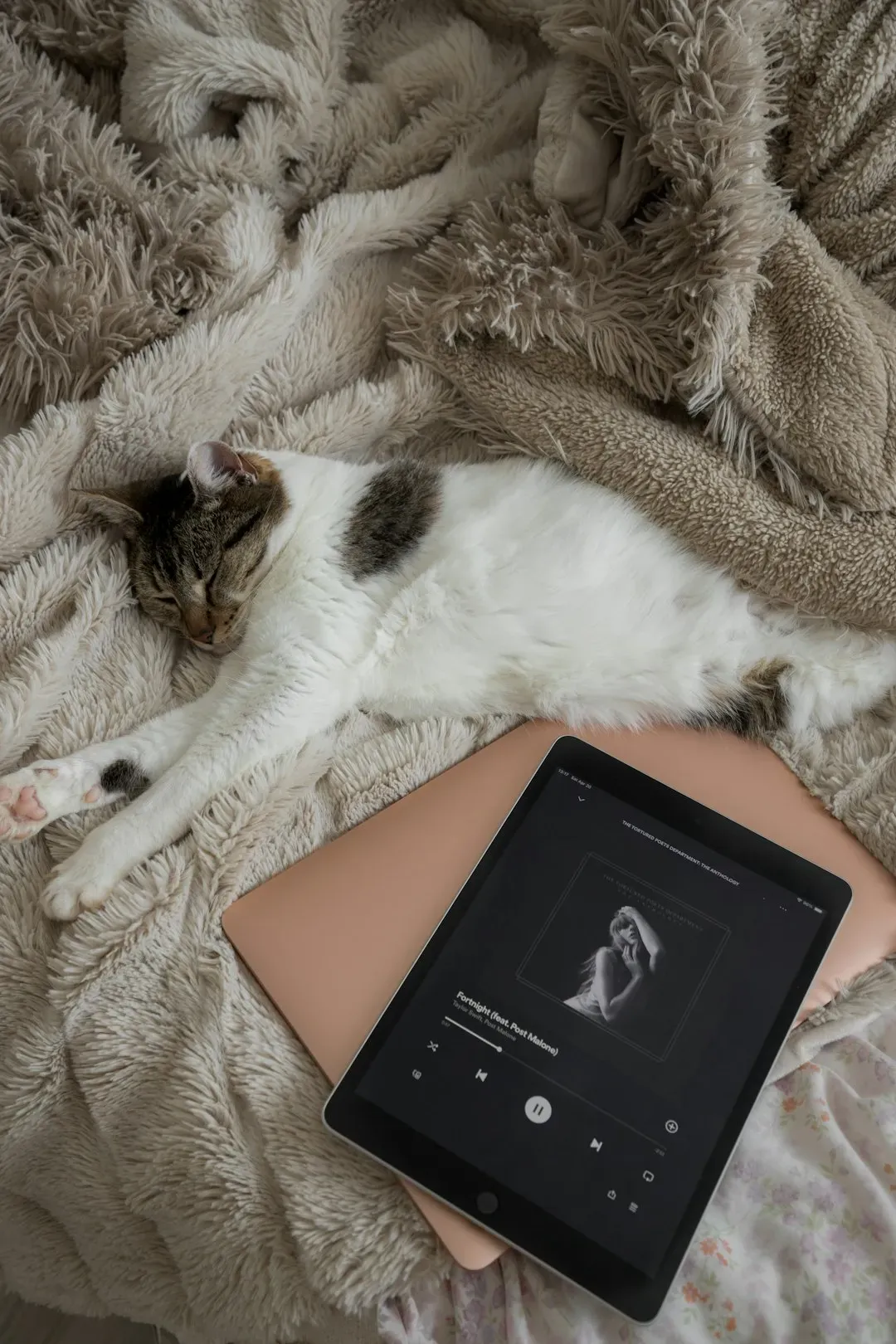
So what would your cat actually enjoy listening to? Feline-appropriate music mimics the rhythmic and tonal qualities of a purr or a kitten suckling, with pulses related to purring at 1380 beats per minute and tones cats use in their vocalizations. Sounds weird to human ears, right? That’s exactly the point.
A 2015 study indicated that cats showed significant preference for species-appropriate music, and a 2019 study concluded that cat-specific music may benefit cats by decreasing stress levels. Composers have actually created entire albums designed specifically for cats, incorporating sounds like purring, suckling, and high-pitched frequencies that appeal to feline sensibilities. When played music with feline-appropriate tone, pitch, and tempo, cats display demonstrable enjoyment and have even been known to rub up against speakers and purr.
Body Language That Screams Disapproval
When scared, cats try to protect their body by scrunching up into a small, less exposed shape, and a tense, ball-like posture can also signal pain. If your cat curls up into a tight ball when you play music, they’re not getting cozy, they’re trying to protect themselves from what they perceive as an unpleasant stimulus.
Meanwhile, relaxed cats will stretch out and expose their bellies. Relaxed cats have loose, fluid body movements with slow and steady breathing, and might fold their feet in front of themselves or stretch them way out. Next time you’re testing out a new album, observe whether your cat maintains that relaxed posture or suddenly becomes tense. Their body is basically a living, breathing review system.
The Volume Complaint Department
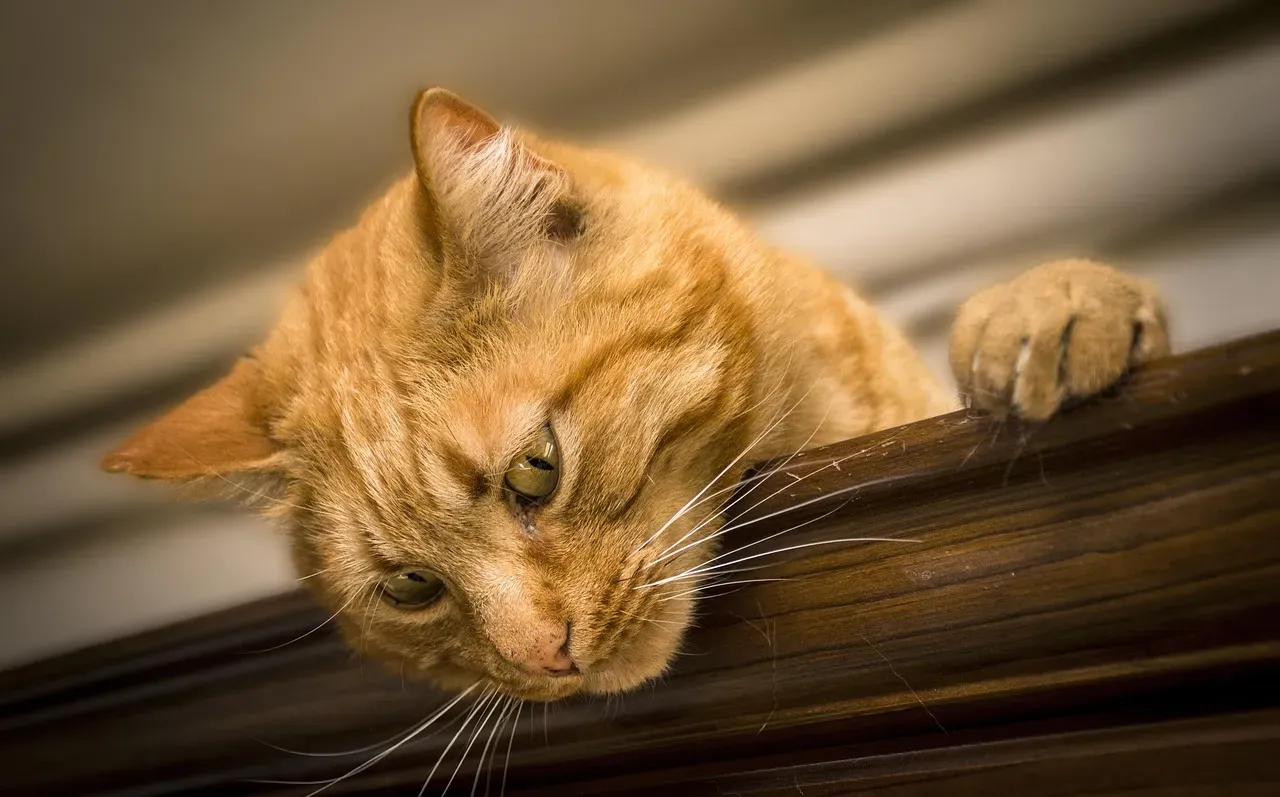
Let’s talk about volume for a second. What you consider a reasonable listening level might be absolutely overwhelming for your cat. Remember, their hearing is exponentially more sensitive than yours. That background music you barely notice? Your cat is experiencing it at full blast.
Both whiskers and well-developed hearing mean your cat may find the music you enjoy too loud or feel like it has too much bass. Heavy bass lines that you feel in your chest might be genuinely distressing to a cat’s sensitive system. If your cat leaves the room consistently when you turn up the volume, they’re not being antisocial, they’re protecting their ears.
Pupil Dilation and Musical Stress
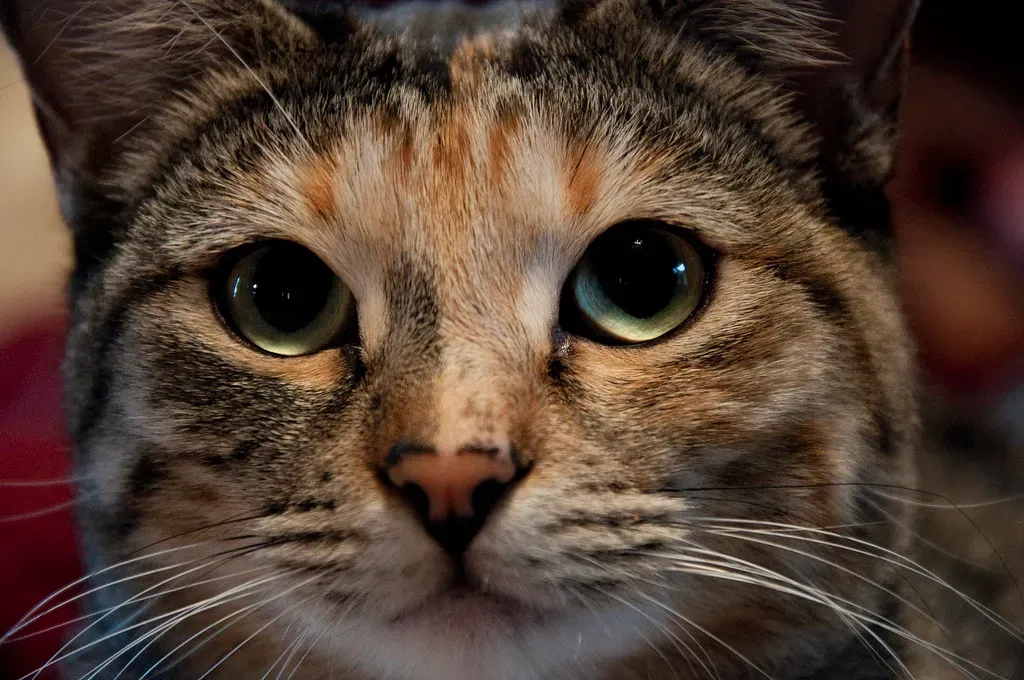
Dilated pupils can indicate aggressive excitement, so it’s a good idea to give a cat space when you see its eyes are dilated. Here’s where things get interesting. If your music causes your cat’s pupils to dilate, that’s a stress response. They’re not vibing with your playlist, they’re having a physiological reaction to something they find unsettling.
Wide-open eyes may indicate fear, interest, excitement, or aggression, while half-closed or drooping eyes convey relaxation and friendliness, and slow blinking is a sign of trust and comfort. So if you want to know whether your cat approves of your music choices, check their eyes. Are they giving you the slow blink of approval or the wide-eyed stare of “please make it stop”?
The Ultimate Test: Playing Cat Music
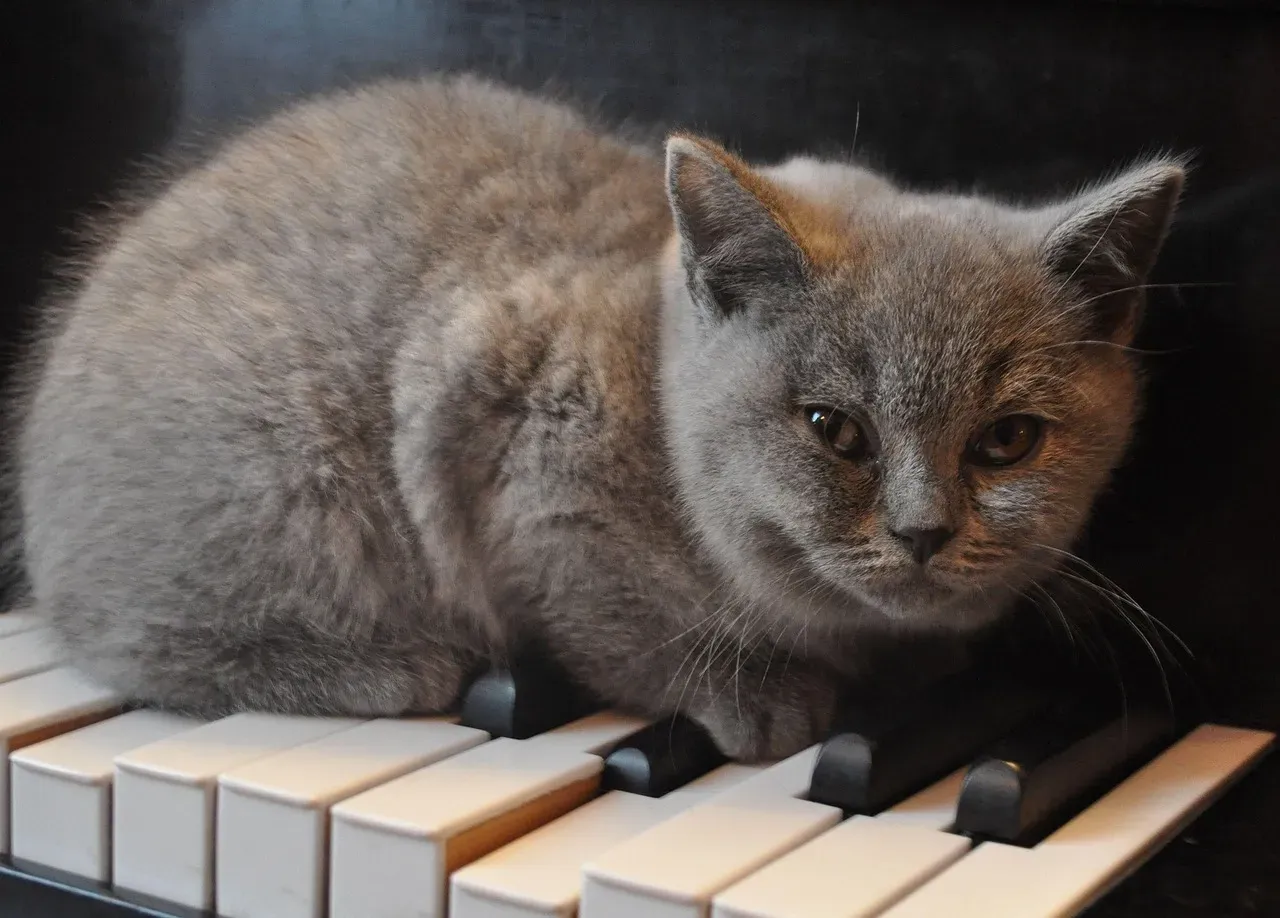
Want to really understand how your cat feels about your music? Try an experiment. Play them some music specifically designed for cats and watch their reaction. When exposed to cat-specific music, cats often show behaviors like purring, rubbing against the speakers, and orienting toward the source of the sound. Compare that response to what happens when you play your music.
Seventy-seven percent of cats reacted positively to specially composed music that includes sequences mimicking the noise a cat makes when suckling or purring. If your cat shows more interest in the species-specific music than your carefully curated indie rock collection, well, that tells you everything you need to know. They’re not judging your taste per se, they’re just wired differently than you are.
Your cat probably is judging your music, though perhaps not in the snobbish way you imagined. They’re responding to sounds that either comfort or distress them based on their unique biological makeup. Those sideways glances, the dramatic room exits, the flattened ears, they’re all forms of communication. Your cat is telling you exactly how they feel, you just need to learn to read the signs. Maybe it’s time to accept that your feline companion will never appreciate your extensive vinyl collection the way you do.
What do you think about it? Have you noticed your cat reacting to your music choices? Tell us in the comments.