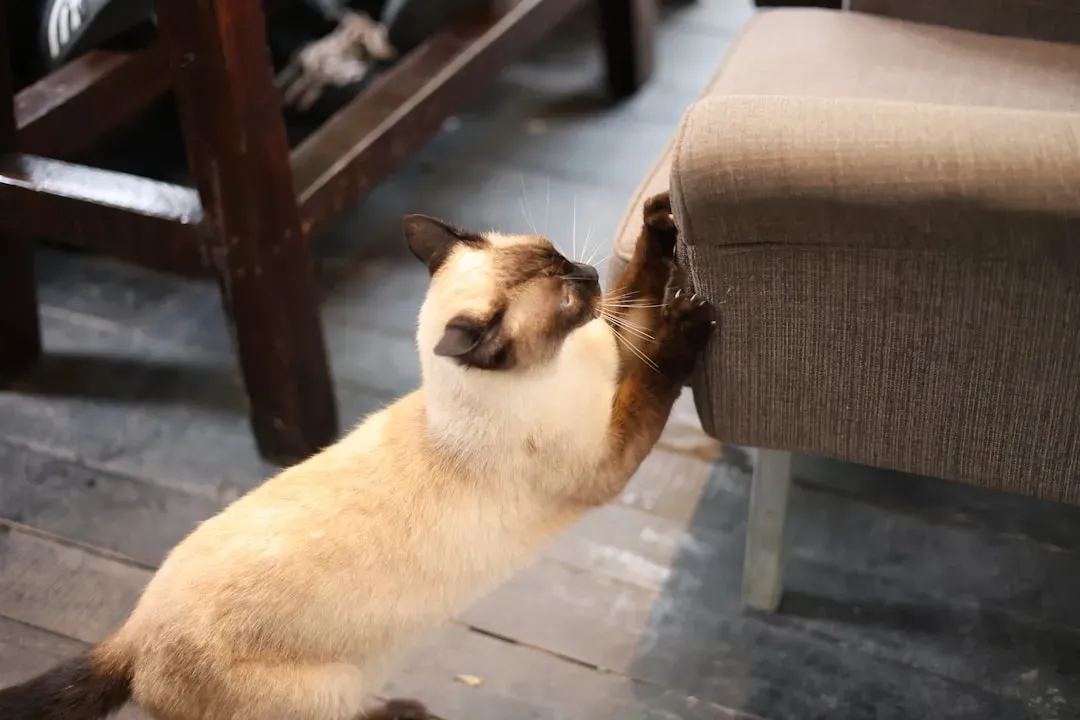
You walk into your living room and see it again. Fresh claw marks sliced into the arm of your favorite sofa. Your cat, meanwhile, sits nearby grooming itself like nothing happened. It feels personal, doesn’t it? The truth is, your feline friend isn’t plotting against your décor. Scratching is as natural for cats as breathing. They’re not trying to ruin your day or your couch.
What cats are doing is fulfilling an ancient instinct that keeps them physically and emotionally balanced. Let’s be real, you could buy the fanciest cat tower on the market and your kitty might still prefer your expensive upholstery. Why? Because certain materials, locations, and textures just feel right to them. Here’s the thing: you don’t have to choose between your furniture and your cat. There are practical, proven strategies that redirect this behavior without causing stress or harm.
Let’s dive into what actually works when it comes to protecting your home while keeping your cat happy and healthy.
Understanding Why Your Cat Scratches
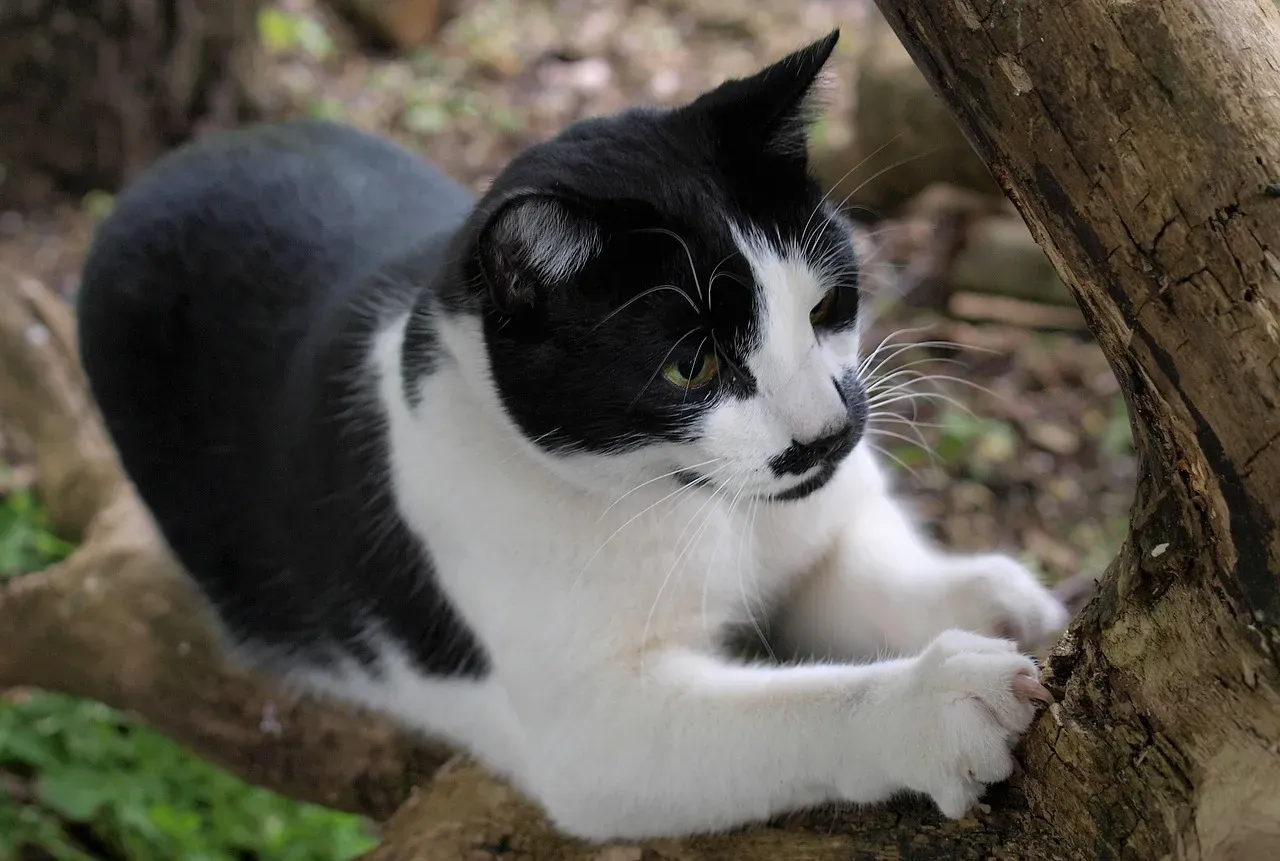
Cats scratch to mark territory, sharpen their claws by removing frayed outer layers, and expose fresh, sharper claws underneath. Think of it like their version of a manicure and a gym session rolled into one. Cats have scent glands between their toes that release their unique scent when they scratch, essentially telling other animals this space belongs to them.
They scratch while stretching, during play, and to mark territory. It’s hard to say for sure, but scratching also seems to relieve stress and make them feel more secure in their environment. In your home, cats scratch furniture because they are marking territory in places where you sit. Honestly, it’s kind of sweet when you think about it. Your cat is basically saying “this human is mine.”
Choosing The Right Scratching Post
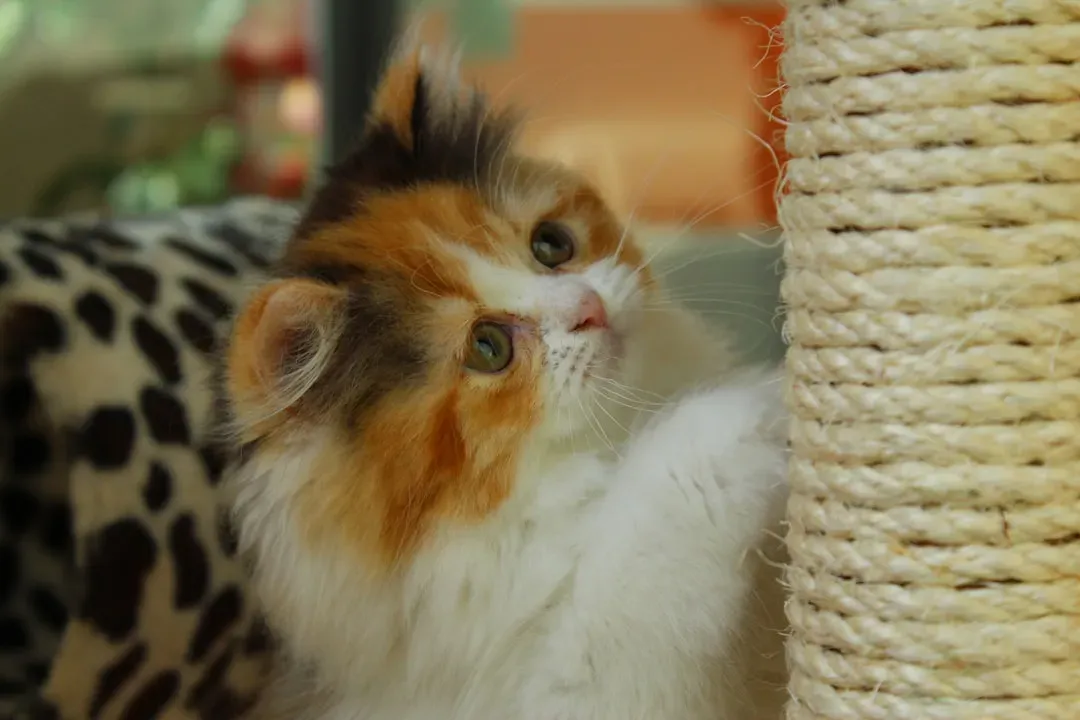
Scratching posts should be tall enough to allow your cat to stretch out fully and have a sturdy base so they don’t tip over. If the post wobbles even slightly, your cat will lose interest immediately. Sturdiness is critical because cats naturally seek unmovable objects like couches and chairs, which are extremely stable.
You may need to experiment with different materials like upholstery fabric, sisal rope, carpet, wood, or cardboard to determine what your cat prefers. Owners report their cats prefer to use rope scratching posts, though some felines have different tastes. Location matters tremendously. Place the scratching post near their favorite furniture in areas where your cat and family spend time, not hidden in a secluded area.
Strategic Placement Is Everything
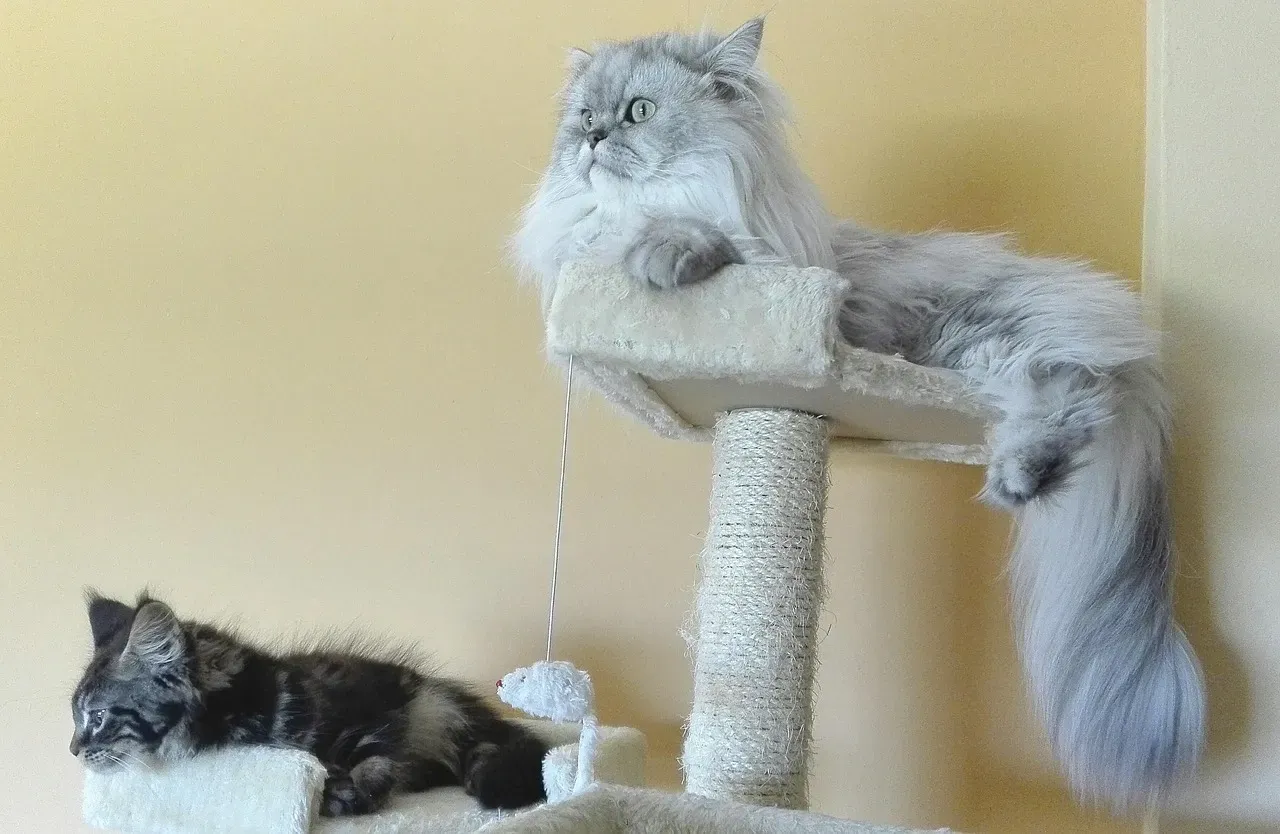
Some cats may like a scratching post near their bed, as they may want to scratch right after they wake up. I know it sounds crazy, but your cat’s scratching location reveals a lot about what they need. It’s a good idea to place a scratching post near each item of furniture your cat likes to scratch so they always have a more suitable option nearby.
Cats are social creatures, so they prefer resources like scratching posts to be placed somewhat close to other household members. Putting a post in the basement or guest room won’t cut it. They want to scratch where life happens. Strategic placement in high-traffic locations matters more than you might think; moving a post from an attractive-to-humans spot to where cats actually spend time can transform an ignored post into a beloved one.
Making Furniture Less Appealing
You need to flip the script and make your furniture the less desirable option. You can place double-sided sticky tape on surfaces cats are drawn to, or make a homemade mix of citrus and water to spray on furniture, since cats are not fans of the citrus smell though it’s not harmful to them. The sticky sensation under their paws is deeply unpleasant to most cats.
Put plastic, double-sided sticky tape, sandpaper, or upside-down vinyl carpet runner with knobby parts up on furniture or on the floor where your cat would stand to scratch. Covering furniture with a tight-fitting sheet or blanket works well, and for small surfaces, use something sticky, smooth, or slick like double-sided tape. Keep these deterrents in place as long as necessary. Your patience will pay off.
The Power Of Positive Reinforcement
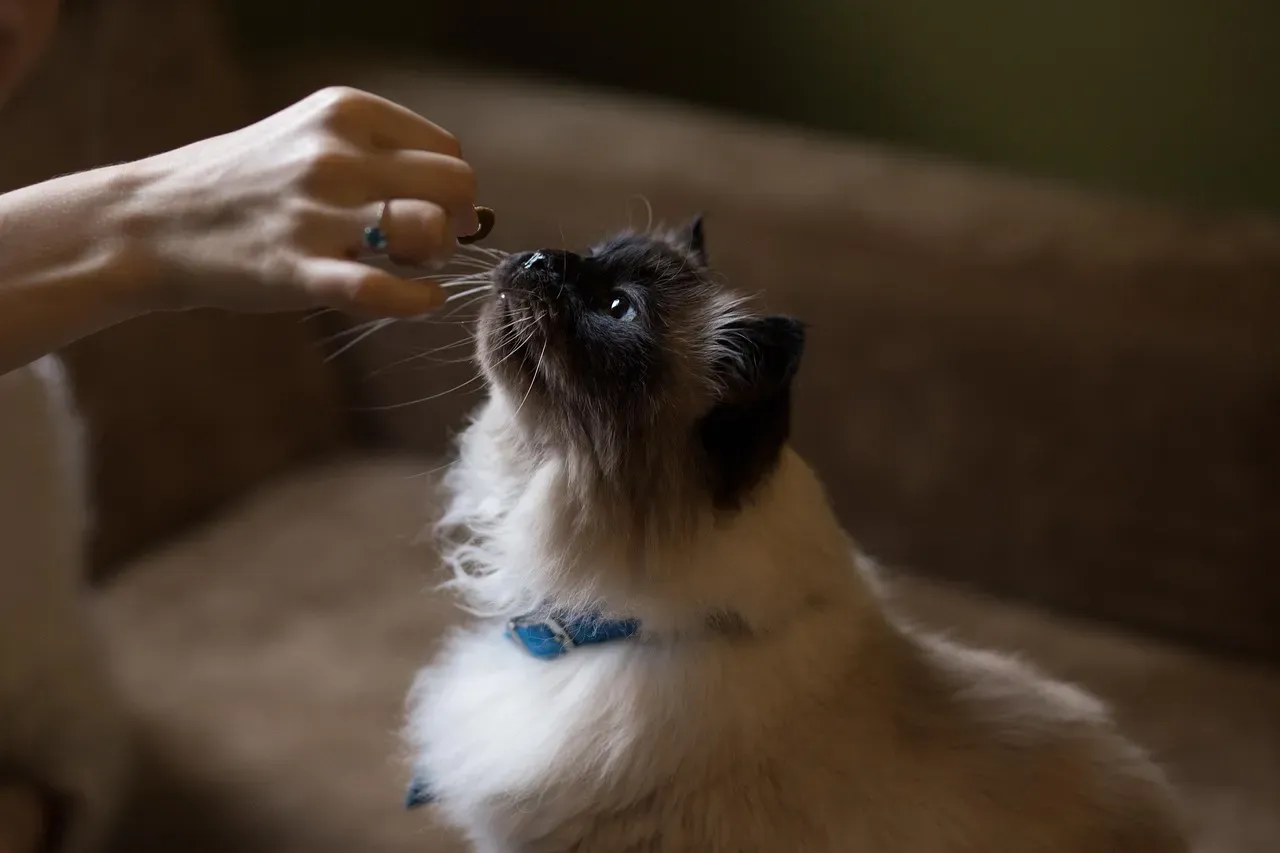
Never punish your cat for scratching. Seriously. It doesn’t work and only damages your relationship. Try sprinkling catnip on the post or giving your cat high-value treats or praise each time they use the scratching post. Reward the behavior you want to see more of.
It may be helpful to model scratching behavior for your cat by running your fingernails over the posts, creating an intriguing audiovisual demonstration so they’ll want to inspect and try it out. You might feel silly doing this, but cats learn through observation. The most important step is to reward the cat every time they use the post, keeping treats nearby and giving one whenever you see them scratching appropriately.
Regular Nail Trimming Reduces Damage
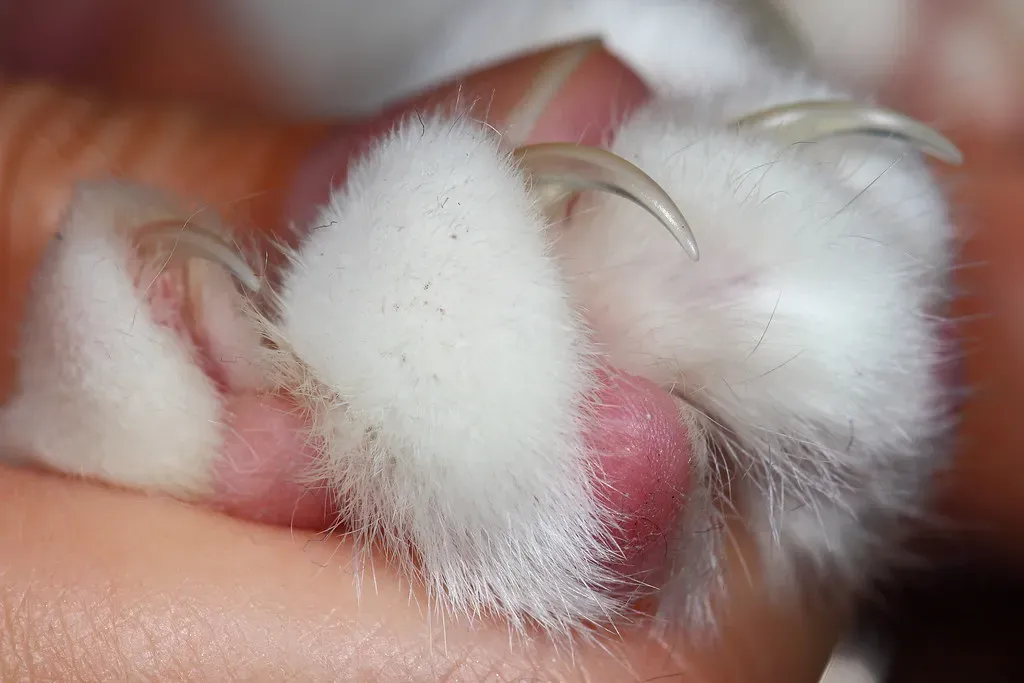
Cat claws can be clipped using a specialized nail clipper to gently trim the sharp tips, which won’t stop them from scratching but will reduce the sharpness. This simple maintenance task makes a noticeable difference in how much damage those claws can inflict.
Clipping your cat’s claws every two to three weeks can prevent ingrown nails and reduce the risk of infections and pain, and you should use quality nail clippers with curved edges for comfort. If you’re nervous about doing it yourself, your vet or a groomer can help. Make it a fun experience by offering treats for allowing you to touch paws and trim nails, doing this repeatedly until the cat realizes cooperation brings rewards.
Consider Nail Caps For Extra Protection
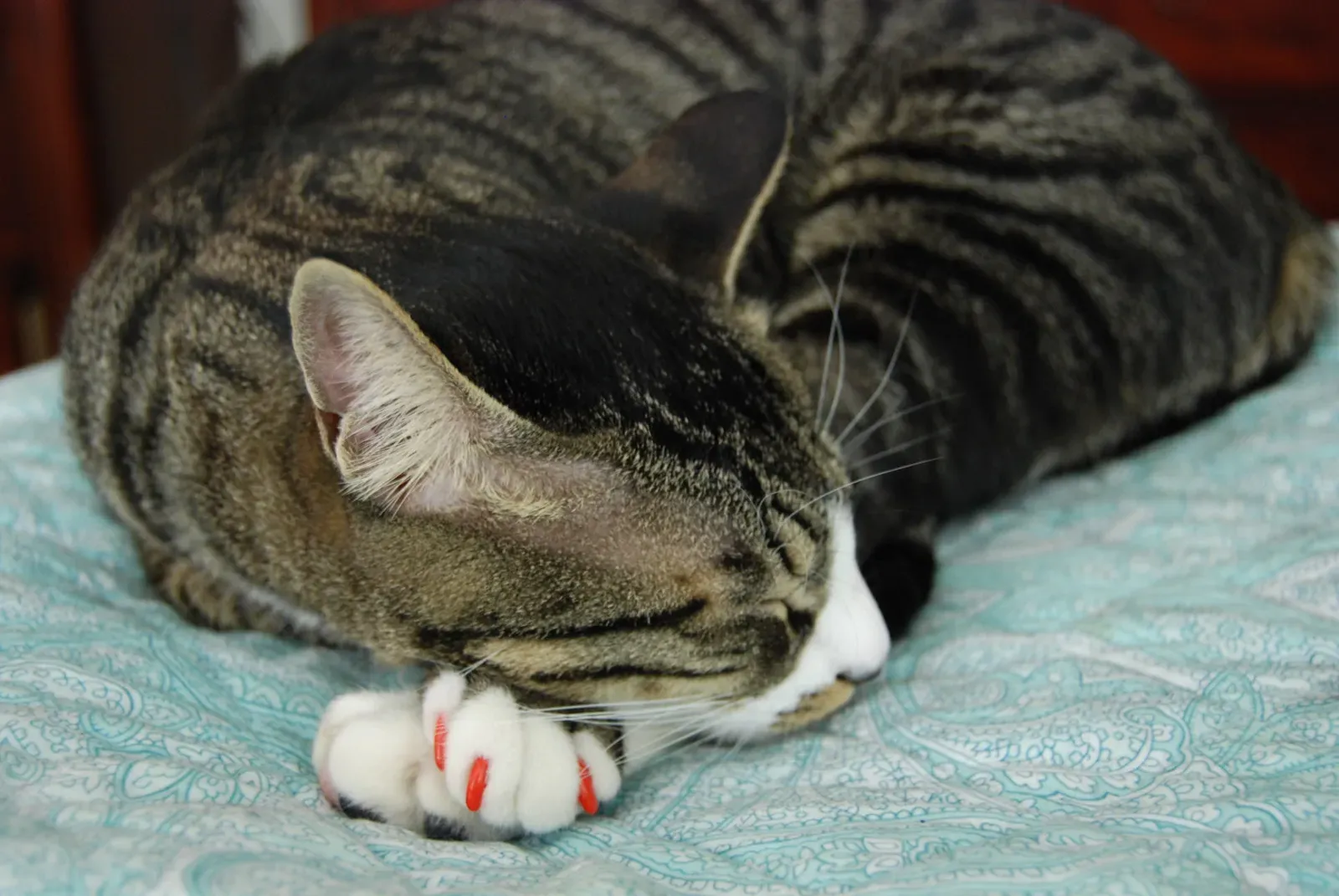
Plastic caps can attach to claws with adhesive, and these temporary caps last roughly a month to six weeks. Properly applied nail caps allow full extension and retraction, with the key being correct size, proper glue amount, and trimming nails appropriately before application.
When applied, nail caps remain in place for about one to one and a half months, falling off naturally as the cat’s nails grow, with each kit containing enough caps to last several months per cat. They’re safe, non-toxic, and won’t harm your cat. Although most people apply them only to front paws, they can be used on back paws to prevent damage from jumping and help cats with skin problems avoid self-inflicted scratching damage.
Provide Mental And Physical Stimulation

Cats naturally scratch to stretch muscles, mark territory, and relieve stress or boredom; when their energy isn’t channeled constructively, they may turn to your couch, so providing stimulation through interactive play, climbing structures, and puzzle feeders reduces destructive behaviors. A bored cat is a destructive cat.
Indoor cats need outlets for scratching and marking along with a regular daily routine of social play, object play, and exercise; mimicking wild behavior with play activity followed by mealtime provides a good routine. Spend quality time engaging your cat’s hunting instincts. Tire them out with wand toys and laser pointers. A well-exercised cat is far less likely to take out excess energy on your belongings.
Address Stress And Anxiety Issues

Some cats may increase territorial marking like scratching in situations of anxiety or conflict, and scratching new areas may be related to anxiety from household changes like introducing a new cat or moving. Pay attention to sudden changes in scratching behavior.
Try a pheromone spray like Feliway Classic which contains the feline facial hormone cats release when they rub their face to mark familiar surroundings. When scratching behaviors are excessive, anxiety may be at play and can be addressed with calming supplements or medications. Talk to your vet if you suspect stress is the root cause. Sometimes the solution requires more than just a new scratching post.
What Not To Do
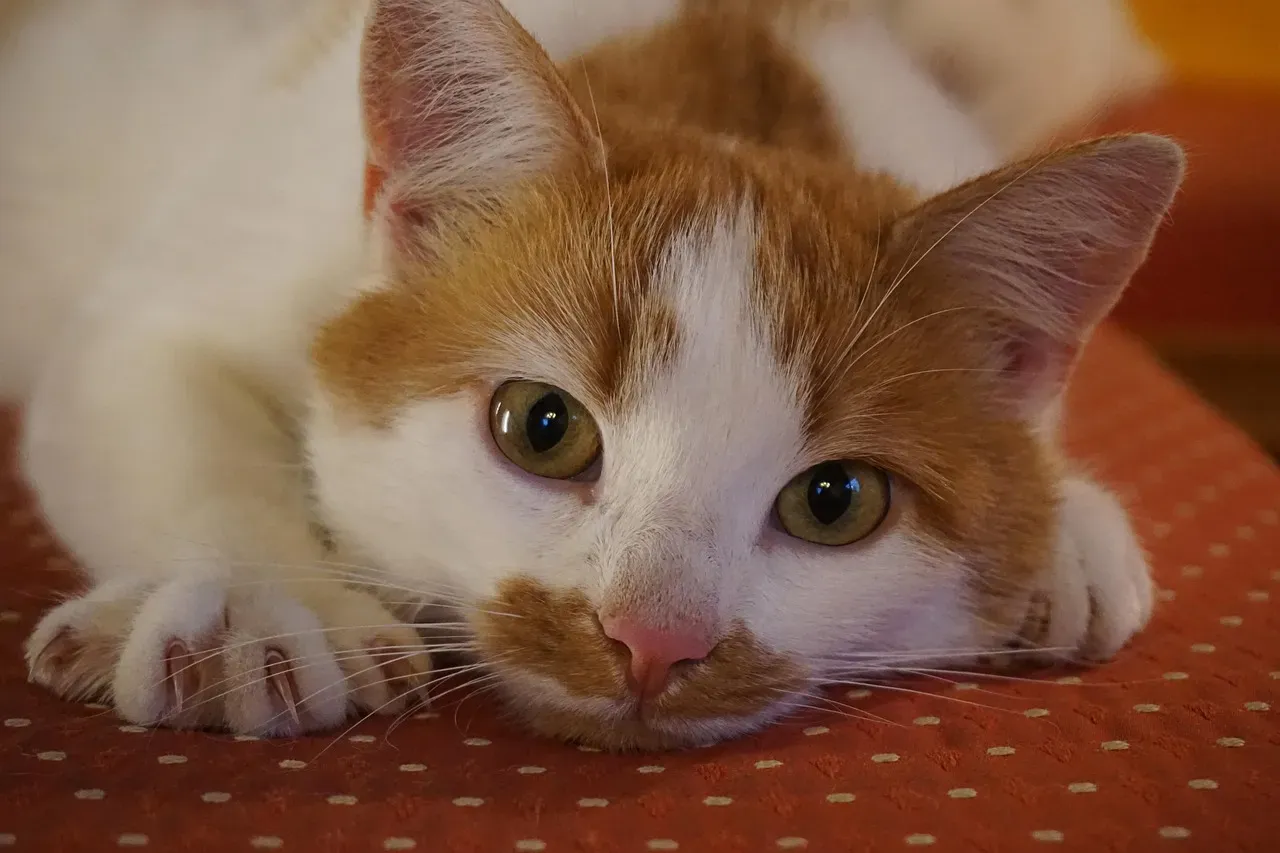
Declawing is an extremely painful procedure that does not change a cat’s drive to scratch; instead it causes frustration because they cannot perform an ingrained activity, potentially leading to anxiety and aggression to the point the cat might start to bite. Declawing is banned in many places for good reason.
Never punish your cat in any way for scratching, including loud yelling, spraying them with water, or throwing things at or near your cat. Do not hold your cat by the scratching post and force them to drag their claws on it, as this practice could seriously frighten your cat and teach them to avoid the post completely, and they might decide to avoid you too. Punishment creates fear, not learning.
Conclusion
Protecting your furniture from cat scratches isn’t about stopping a natural behavior. It’s about redirecting it smartly. You’ve got the tools now: sturdy, well-placed scratching posts in materials your cat loves, deterrents on furniture, positive reinforcement, regular nail care, and plenty of enrichment. Patience is your best friend here.
Your cat isn’t the enemy of your décor. With consistent effort and the right approach, you can have both a happy cat and intact furniture. What’s worked best in your home? Have you found a particular trick or product that made all the difference?