Have you ever tried to give your feline friend a bath, only to end up looking like you’ve just wrestled with a tiny, furry tornado? You’re definitely not alone. Here’s the thing: cats and water typically don’t mix well, yet keeping your beloved companion clean remains essential for their health and yours. The good news? There are plenty of effective ways to maintain your cat’s cleanliness without subjecting either of you to the stress of a traditional bath.
Cats bring something special into our lives that’s hard to put into words. They curl up beside us on difficult days, greet us at the door after long hours away, and somehow know exactly when we need their quiet companionship. These remarkable creatures don’t just share our homes; they genuinely improve our well-being in ways both visible and invisible. Let’s explore how you can keep your furry companion fresh and clean while nurturing that beautiful bond you share.
Understanding Why Cats Typically Don’t Need Frequent Baths
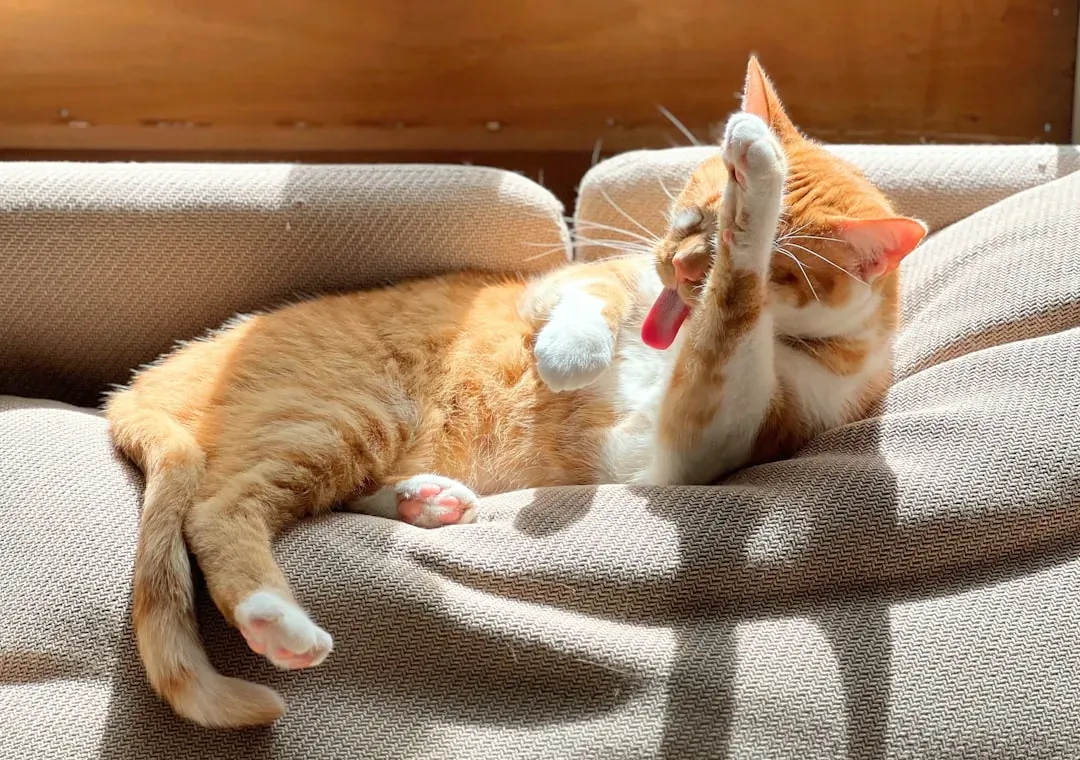
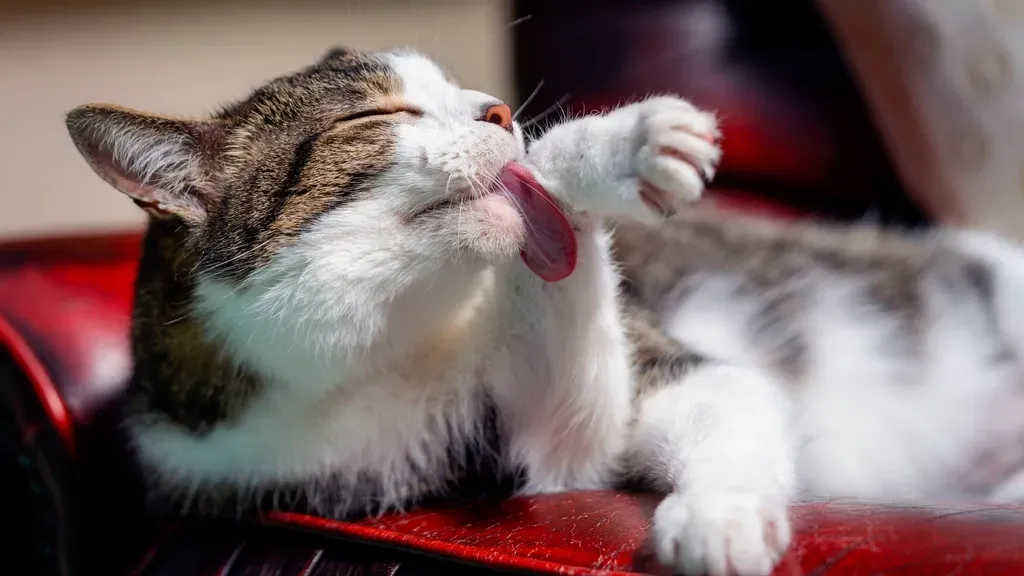
Cats are known for being fastidious groomers, and most spend many hours licking and washing themselves to keep their coats in clean condition. Consequently, most cats never require their owners to bathe them, which is lucky as most cats are not fans of the bathtub! Think about it: your cat’s tongue is actually designed like a natural grooming tool, covered in tiny backward-facing barbs that work wonders at removing dirt and loose fur.
The reason cats evolved to be such meticulous self-groomers goes back thousands of years. Cats are naturally averse to water due to their evolutionary history. Unlike dogs, cats evolved in arid environments where water was scarce. Their fur is designed to insulate them, and getting wet can make them feel cold and uncomfortable. It’s fascinating when you consider how their instincts still guide their behavior today, even in the comfort of your climate-controlled home.
Regular Brushing: Your First Line of Defense
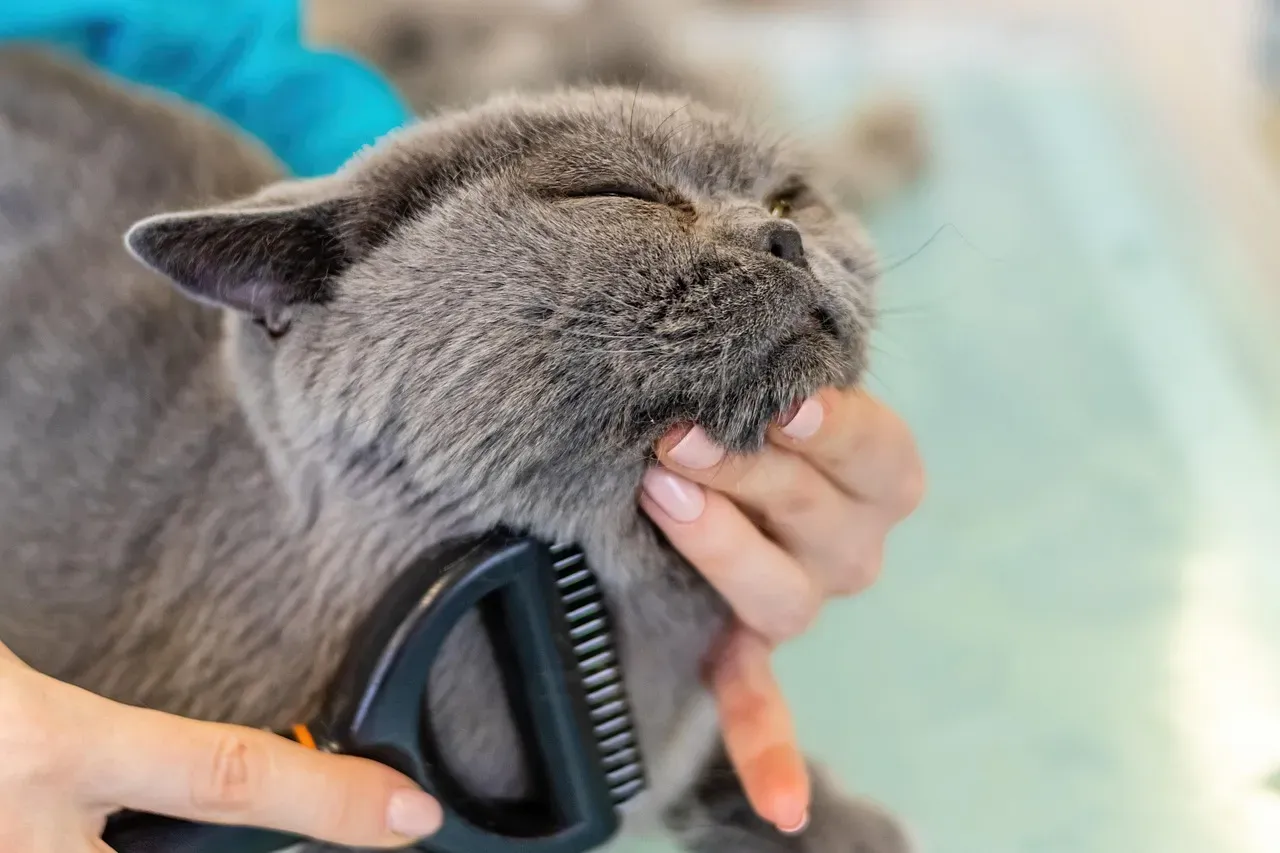
Brushing your cat not only removes dirt, grease and dead hair from her coat, but it helps to remove skin flakes and stimulates blood circulation, improving the overall condition of her skin. I’ve found that making brushing a regular part of your routine transforms it from a chore into a bonding ritual. Your cat learns to expect it, and many actually start to enjoy the attention.
One or two brushings per week will help kitty to keep her healthy glow – and you’ll find that regular sessions are especially beneficial when your cat ages and is no longer able to groom so meticulously on her own. Different cats need different brushing schedules, though. Long-haired beauties might need daily attention, while short-haired cats can often get by with weekly sessions.
The type of brush matters more than you might think. Some cats prefer the feeling of a soft grooming mitt that mimics being petted, while others respond better to traditional brushes or combs. Experiment a bit to discover what your particular cat enjoys most.
Mastering the Art of Dry Shampoo
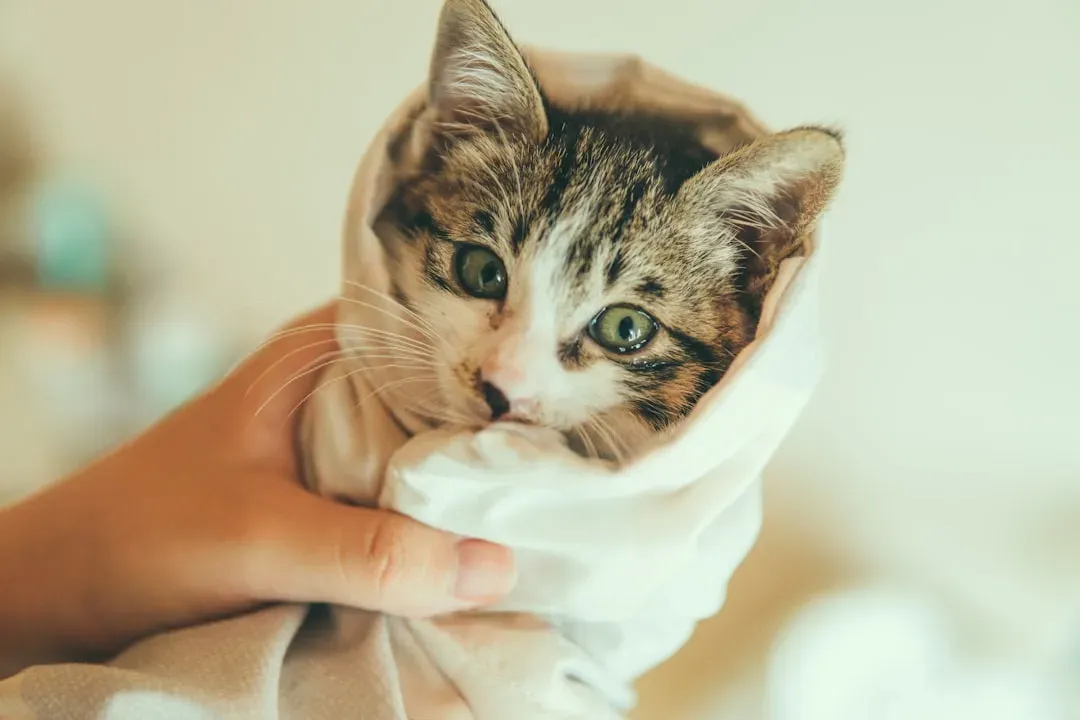
Dry shampoo is a convenient option for cleaning cat fur without water. It comes in powder or foam form and can be applied directly to the fur. Gently massage the dry shampoo into the coat, focusing on areas that are particularly dirty or greasy. After application, use a brush or comb to remove the product along with any dirt or debris. The process is remarkably straightforward once you get the hang of it.
Here’s a pro tip: start with small amounts. You can always add more dry shampoo if needed, but using too much creates a dusty mess that’s harder to brush out. Work in sections, being patient and methodical. Your cat will appreciate your gentle approach, and you’ll get better results than rushing through the process.
Pet Wipes: Quick Fixes for Everyday Messes
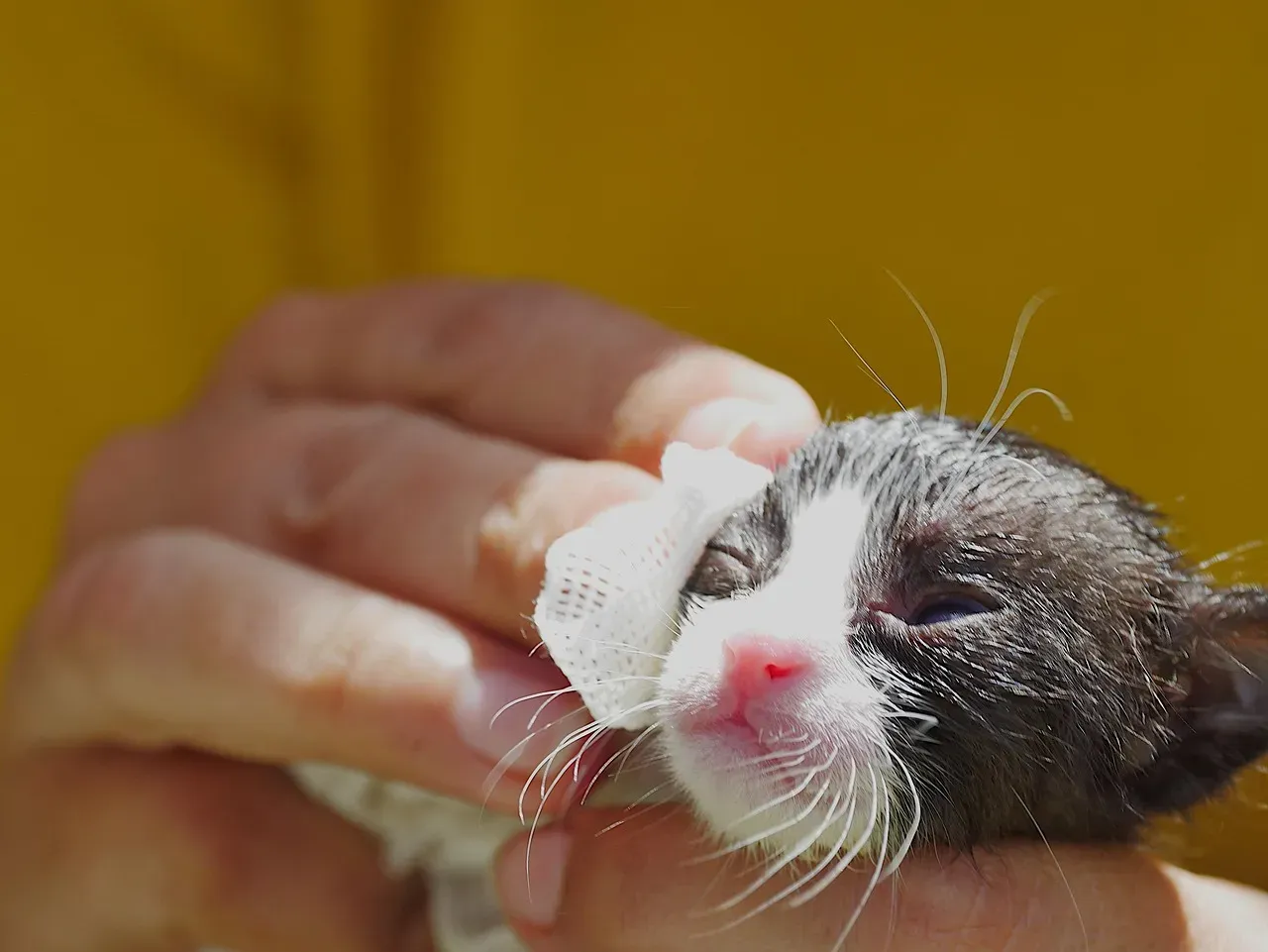
Pet wipes are a convenient and effective way to clean your cat without water. Choose wipes that are specifically designed for cats and free from harsh chemicals. Gently wipe your cat’s fur, paying special attention to areas that are prone to getting dirty, such as the paws, underbelly, and around the tail. Keep a container of these handy near your door if your cat goes outside, or in your grooming area for quick cleanups.
The beauty of pet wipes lies in their versatility. Muddy paws after exploring? A quick wipe solves it. Something sticky in the fur? Wipes handle it without drama. They’re especially useful for spot cleaning when your cat has gotten into something questionable but doesn’t need a full grooming session.
The Damp Cloth Method for Gentle Cleaning
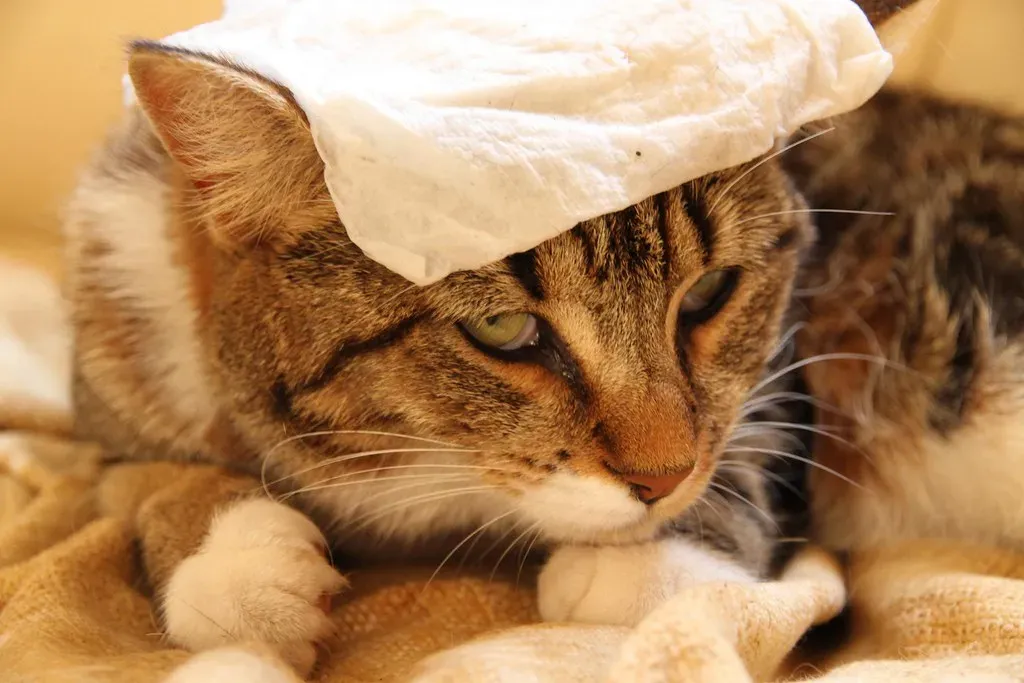
Often, using a soft cloth soaked in warm water will be enough to remove most dirt. The only time you would need to bathe your cat is if they have something potentially toxic in their fur. Sometimes the simplest solutions work best, and this method proves it beautifully.
If your cat is only slightly dirty, you can use a damp cloth to clean them. Wet a soft cloth with warm water and wring it out so that it is damp but not dripping. Gently wipe your cat’s fur, focusing on areas that need cleaning. This approach works wonderfully for cats who are particularly nervous about grooming, since it feels similar to being petted. The warmth of the cloth can actually be quite soothing.
Creating a Positive Grooming Environment
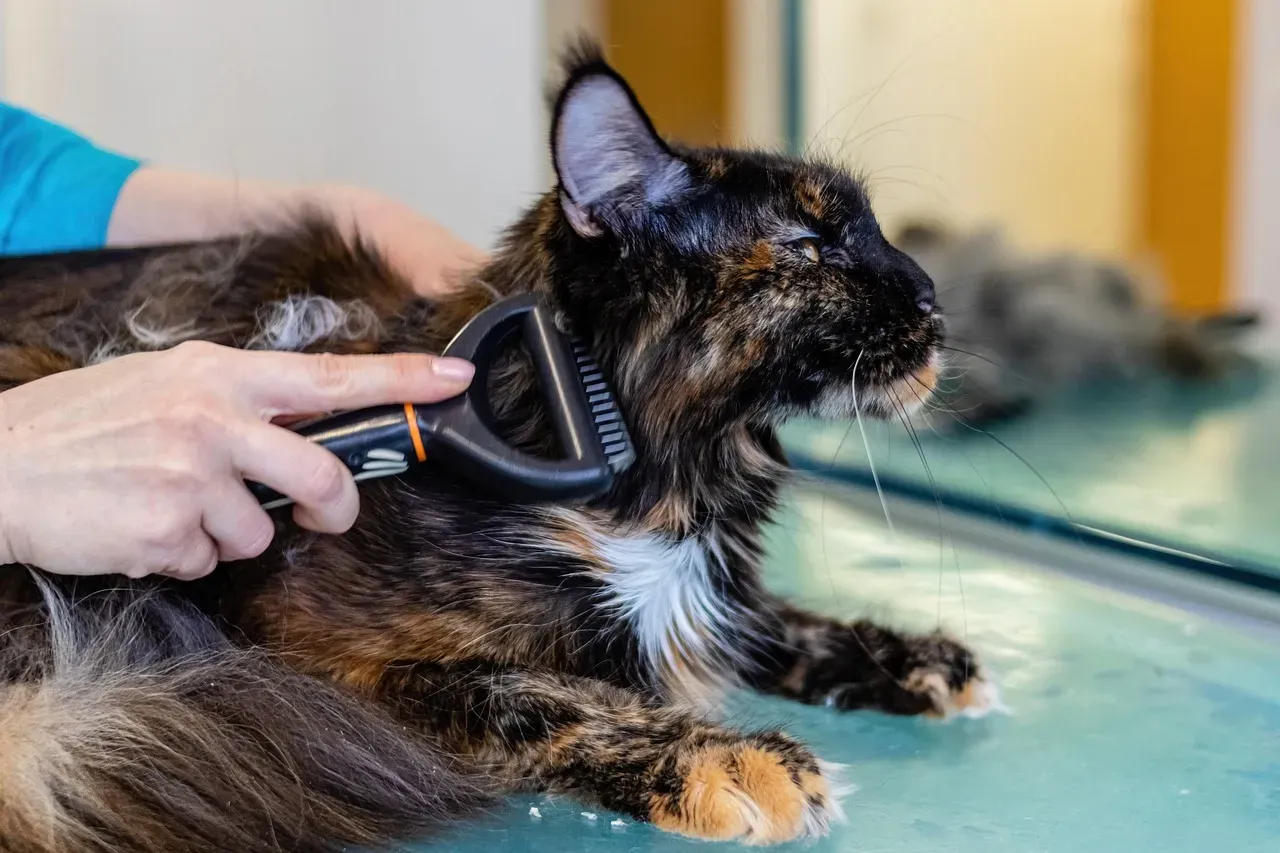
Establishing a positive association with grooming is crucial for success. Start with short sessions and gradually increase duration as your cat becomes more comfortable. Choose a quiet space where your cat feels secure, and always use gentle, calm movements. The environment you create makes all the difference between a pleasant experience and a stressful one.
Consider the timing carefully. Right after a meal when your cat is relaxed, or following a vigorous play session when they’re tired, often works best. Avoid trying to groom your cat when they’re in a playful or agitated mood. Speaking softly throughout the process helps too, as does offering treats at intervals to create positive associations.
Setting up a dedicated grooming spot in your home helps your cat know what to expect. It could be a comfortable mat in a quiet corner, or perhaps a spot near a sunny window where they already like to spend time. Consistency breeds comfort.
Maintaining Clean Living Spaces
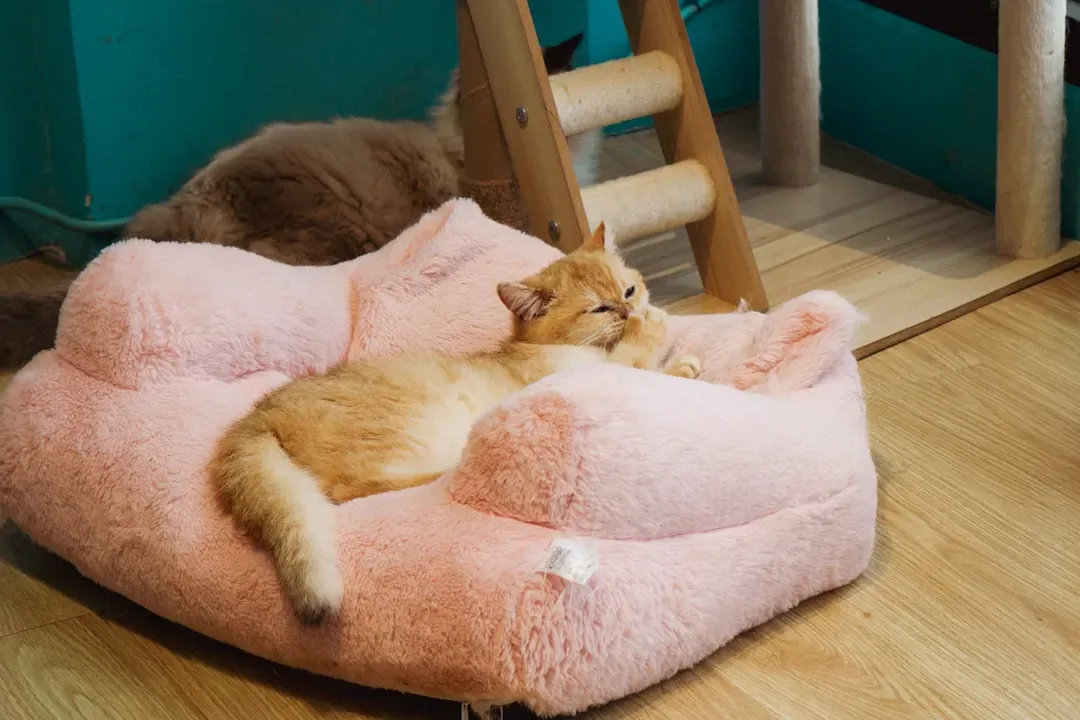
Keeping your cat’s environment clean is just as important as cleaning your cat itself. Regularly wash your cat’s bedding, clean their litter box, and vacuum areas where they spend a lot of time. A clean environment will help to reduce the amount of dirt and debris that gets onto your cat’s fur. It’s remarkable how much this indirect approach contributes to your cat’s overall cleanliness.
Think of it as a partnership between you and your cat’s natural grooming instincts. When their environment stays clean, they stay cleaner naturally. Fresh bedding smells better and feels better, encouraging your cat to spend more time grooming themselves in their favorite spots.
Special Considerations for Senior and Overweight Cats
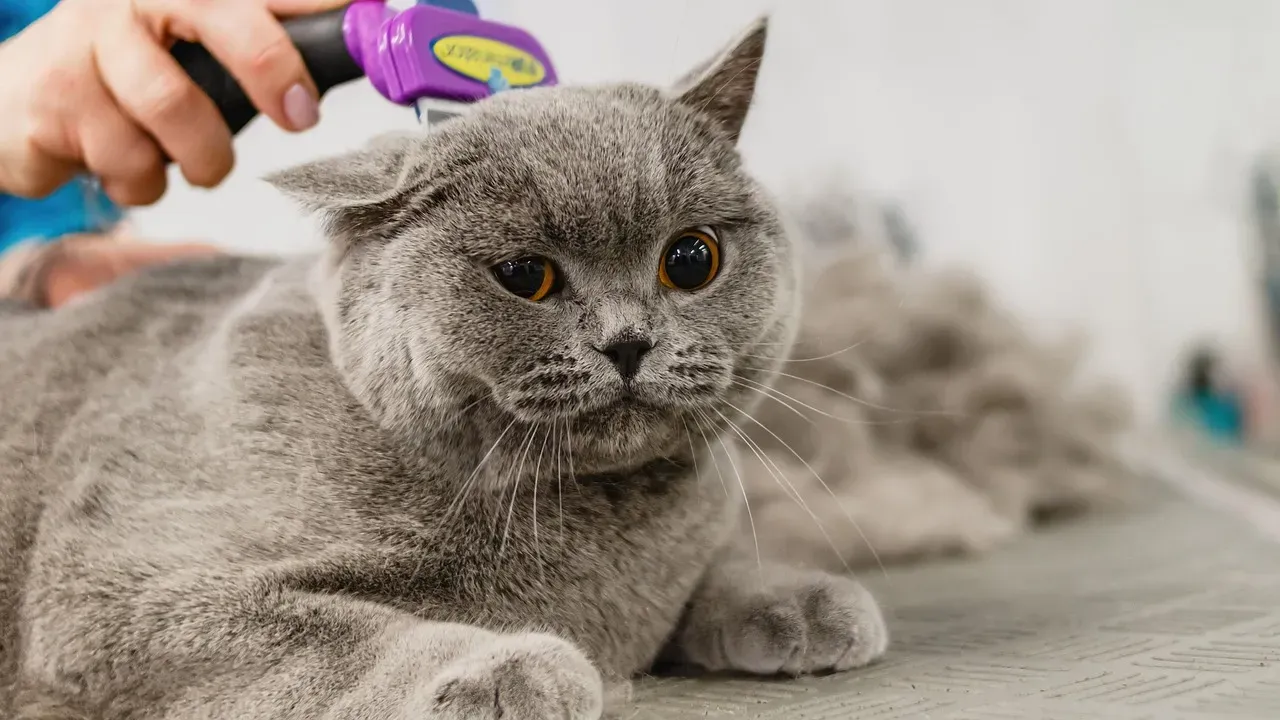
If you have an overweight cat or senior cat that cannot groom itself, you will need to take a more active role in keeping him clean. These cats may need combing daily or at least several times a week. Age and mobility issues change the equation significantly, requiring you to step up your grooming assistance.
Cats carrying a few extra pounds may have trouble reaching some areas of their bodies. If your cat isn’t keeping themselves as clean as usual, it could be because they physically can’t. Bathing them will keep them clean and help them feel better. Pay particular attention to the areas under the tail and around the back legs, where cats with limited flexibility struggle most. Being their helper in these moments strengthens your bond immeasurably.
When Professional Help Becomes Necessary
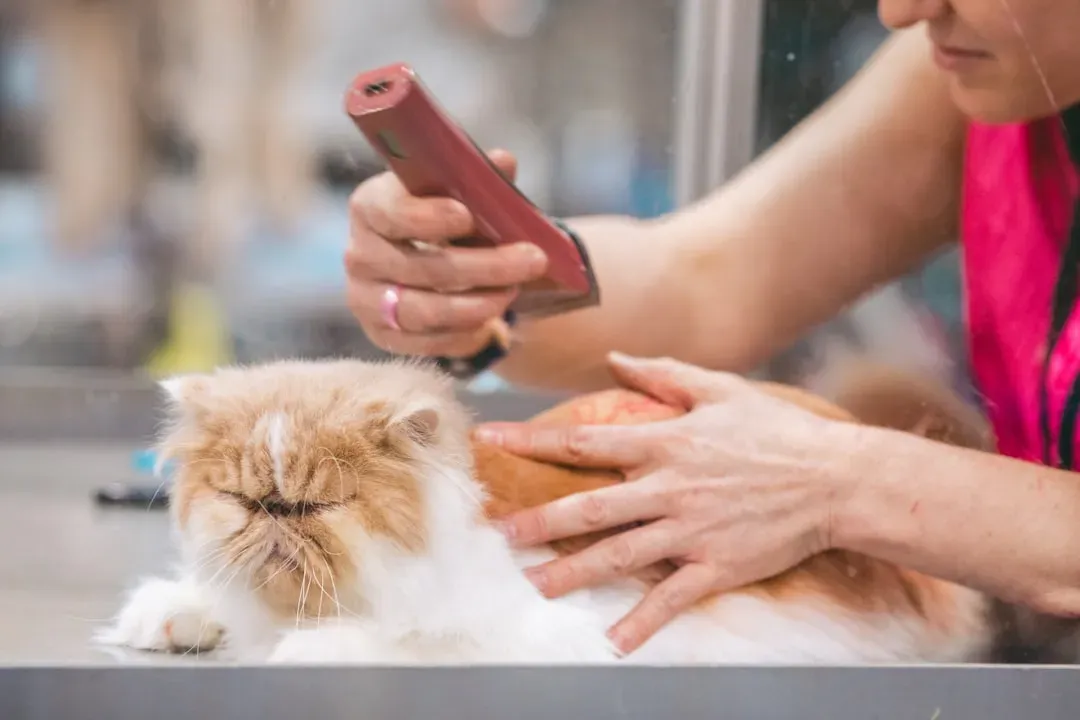
If you’re unsure about how to clean your cat’s fur or if your cat has specific grooming needs, consider seeking professional help. A professional groomer or veterinarian can provide expert advice and services tailored to your cat’s requirements. They can also recommend products and techniques that are safe and effective for your cat’s fur type and skin condition. There’s absolutely no shame in calling in the experts.
Sometimes cats develop severe matting that’s uncomfortable or even painful, or they might have skin conditions requiring specialized care. Professional groomers have tools and techniques that make difficult jobs manageable, and they can often handle anxious or aggressive cats more safely than owners can at home.
Conclusion
Keeping your cat clean without the drama of a traditional bath is entirely achievable with the right techniques and a bit of patience. Regular brushing, strategic use of dry shampoo and pet wipes, gentle damp cloth cleanings, and maintaining a clean environment all work together to keep your feline friend fresh and healthy. Remember that grooming isn’t merely a maintenance task but a meaningful way to strengthen the extraordinary bond you share with your cat.
The time you invest in learning your cat’s preferences, creating positive grooming experiences, and gently caring for their cleanliness pays dividends in trust, affection, and mutual well-being. Your cat depends on you for their care, and in return, they offer companionship that enriches your life in countless ways. What has your experience been with grooming your cat? Have you discovered any tricks that work particularly well with your feline friend?