How to Make a Nervous Cat Trust You for Life
Most cat owners think a jumpy, hide-under-the-bed cat just needs "time" to come around. Veterinary behaviorists say that's only half true - and doing nothing while you wait can actually make a fearful cat more guarded, not less.
Here's the part nobody tells you: cats don't build trust through affection the way dogs do. They build it through predictability, control, and tiny wins repeated over and over, in an order most owners get backwards. Get the sequence wrong, and even the gentlest cat parent can spend years being merely tolerated instead of truly loved. Here's what feline behavior experts actually say about turning a skittish cat into a lifelong companion who chooses you back.
#1 - Stop Chasing the Trust, Let the Cat Set the Pace
The single biggest mistake nervous-cat owners make is approaching on their own timeline instead of the cat's.
Cats are both predator and prey in the wild, which means their nervous system is wired to treat sudden approaches as a potential threat first and a friendly gesture second. Forcing interaction - even gentle petting - actually resets the trust clock to zero every single time it happens. Behaviorists consistently point to "cat-initiated contact" as the fastest route to a secure bond, meaning you sit still, exist calmly in the same room, and let the cat physically walk over to you.
This looks passive, but it's actually strategic. Every time a nervous cat chooses to approach you without being coaxed, cornered, or picked up, their brain logs it as a safe, low-stakes decision they controlled entirely on their own. Do this enough times and the cat starts associating your presence with safety instead of uncertainty. But that's nothing compared to what we found about #2.
#2 - The Slow Blink Is a Real Trust Signal, Not a Cute Myth
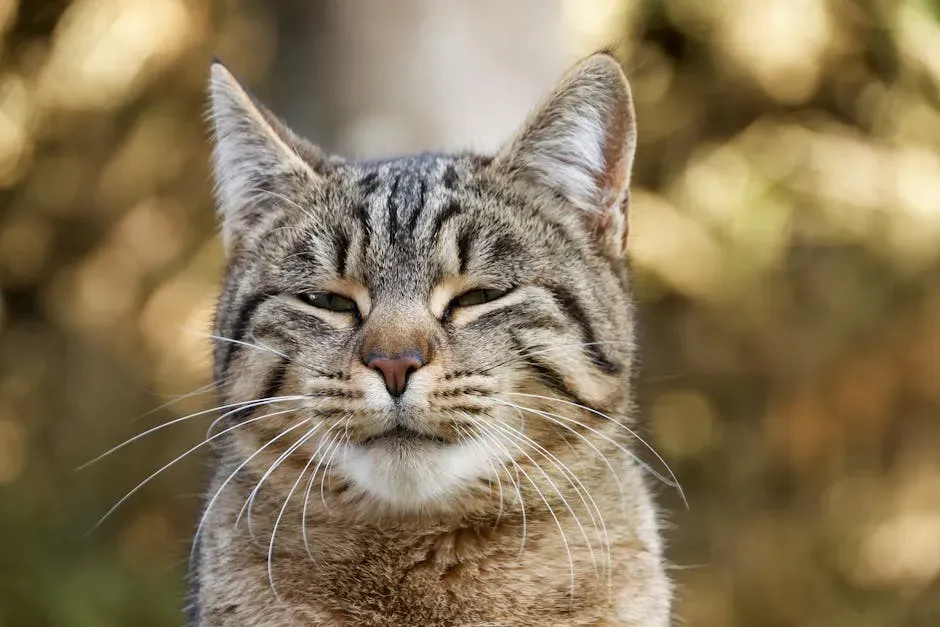
Most people treat the "cat slow blink" as an internet meme. It's actually a documented feline communication signal, and it might be the single easiest trust tool on this entire list.
In cat-to-cat interactions, prolonged eye contact reads as a challenge or threat, while slow, deliberate blinking signals the opposite - non-aggression and calm. Researchers who study human-cat interaction have found that cats are more likely to approach a stranger who slow-blinks at them than one who simply stares. That makes it one of the only pieces of "cat body language" you can consciously perform to send a message the cat genuinely understands.
To use it, wait until the cat glances your way, then relax your face, half-close your eyes, and hold the blink a beat longer than normal before looking away. Repeat this daily, paired with a calm voice, and a nervous cat starts learning your gaze isn't a threat. Combine it with the wrong body posture, though, and it won't matter at all. Here's why #3 changes everything.
Fast Facts
- Slow blinking has been studied by psychologists at the University of Sussex and Portsmouth as a genuine feline communication signal.
- Cats in that research were more likely to approach a human who slow-blinked at them first.
- The signal often works both ways - many cats slow-blink back once they feel comfortable.
- It's one of the only pieces of natural cat body language a human can intentionally replicate.
#3 - Get Low, Get Small, and Never Loom
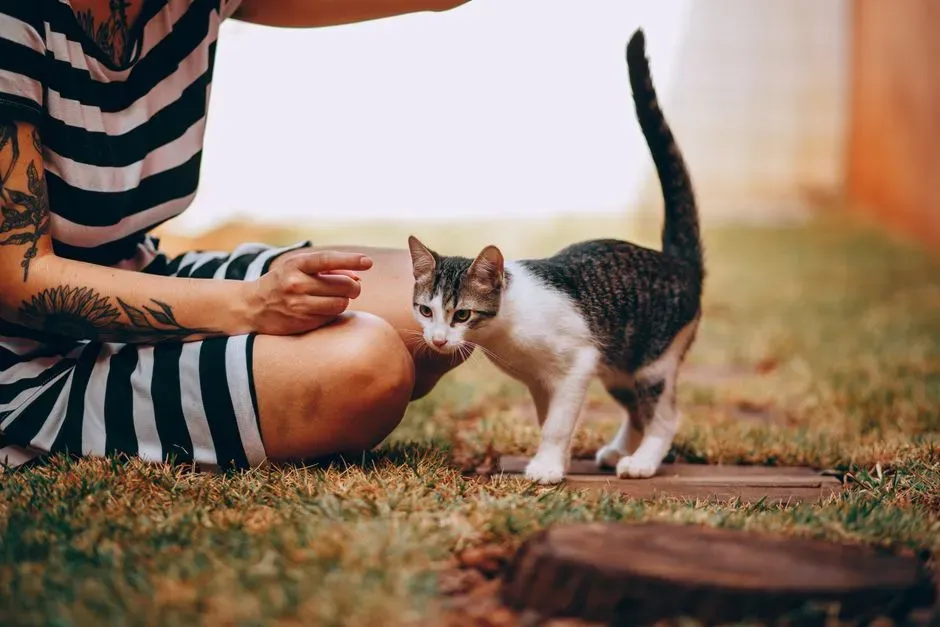
Height and posture communicate predator status to a cat faster than words ever could.
Standing over a nervous cat, reaching down from above, or moving quickly toward them mimics the exact silhouette of a predator closing in. Sitting or crouching so you're at or below the cat's eye level removes almost all of that perceived threat instantly. It's one of the fastest ways to lower a cat's stress response during those first shaky interactions.
It's not just about height - sideways positioning matters too. Facing a nervous cat head-on can feel confrontational, while turning your body slightly to the side and avoiding direct forward motion mimics the relaxed posture cats use with each other. Many owners unknowingly undo weeks of progress simply by leaning over the cat to say hello. Get this part right, and the next step - scent - becomes far easier to introduce.
#4 - Let Scent Do the Introduction Before Touch Ever Does
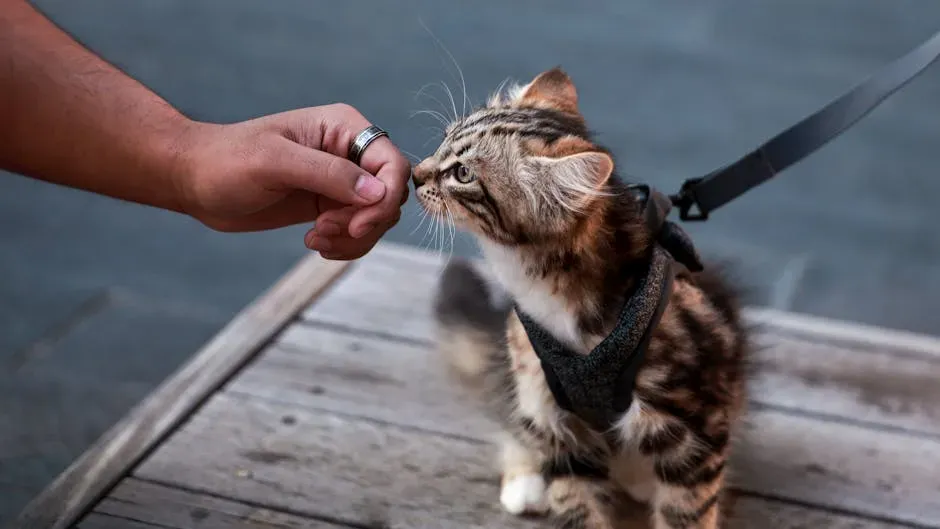
Cats build their entire map of "safe versus unsafe" through scent long before they ever trust visual or physical cues.
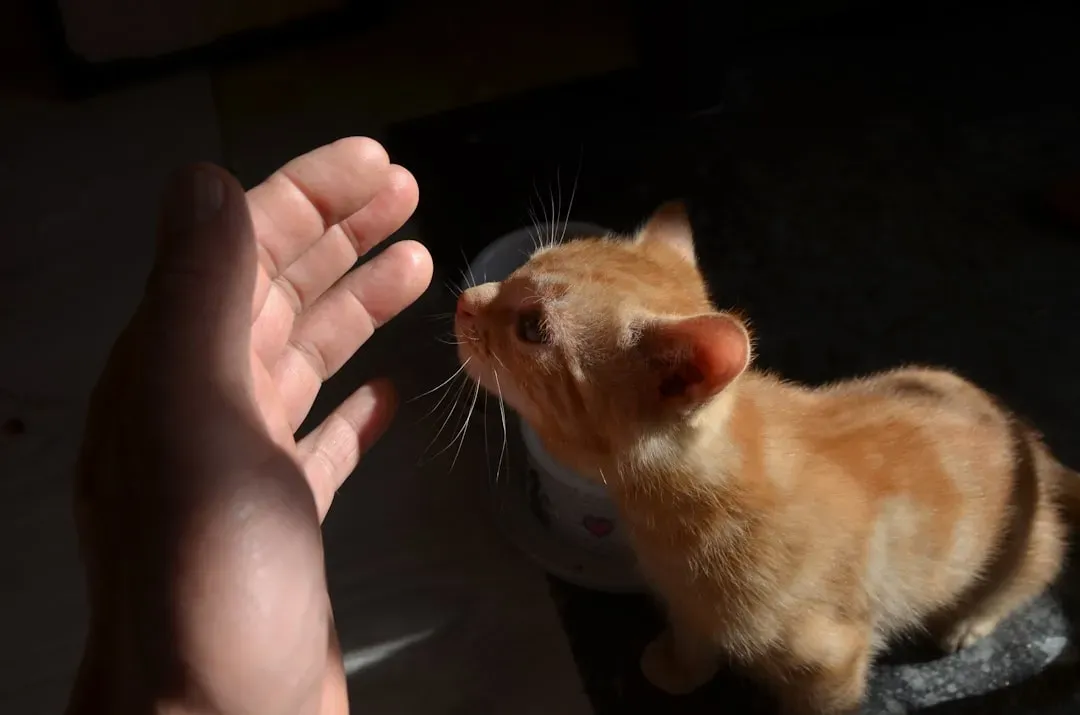
A nervous cat is essentially deciding, on a chemical level, whether you smell like danger or familiarity. Offering a closed fist for the cat to sniff - rather than an open hand reaching toward their face - lets them gather information on their own terms without feeling cornered. This tiny gesture respects the cat's primary sense and turns a potentially scary interaction into a controlled investigation instead.
Scent-based trust building extends beyond your hands. Leaving a worn t-shirt near their bed, avoiding strong perfumes or unfamiliar cleaning products, and letting the cat rub their cheek on your belongings - which deposits their own scent back onto you - all reinforce the same idea: you are part of their safe environment now. Once scent trust is established, food becomes your most powerful tool, but only if you use it correctly.
#5 - Hand-Feeding Works, But Timing Is Everything
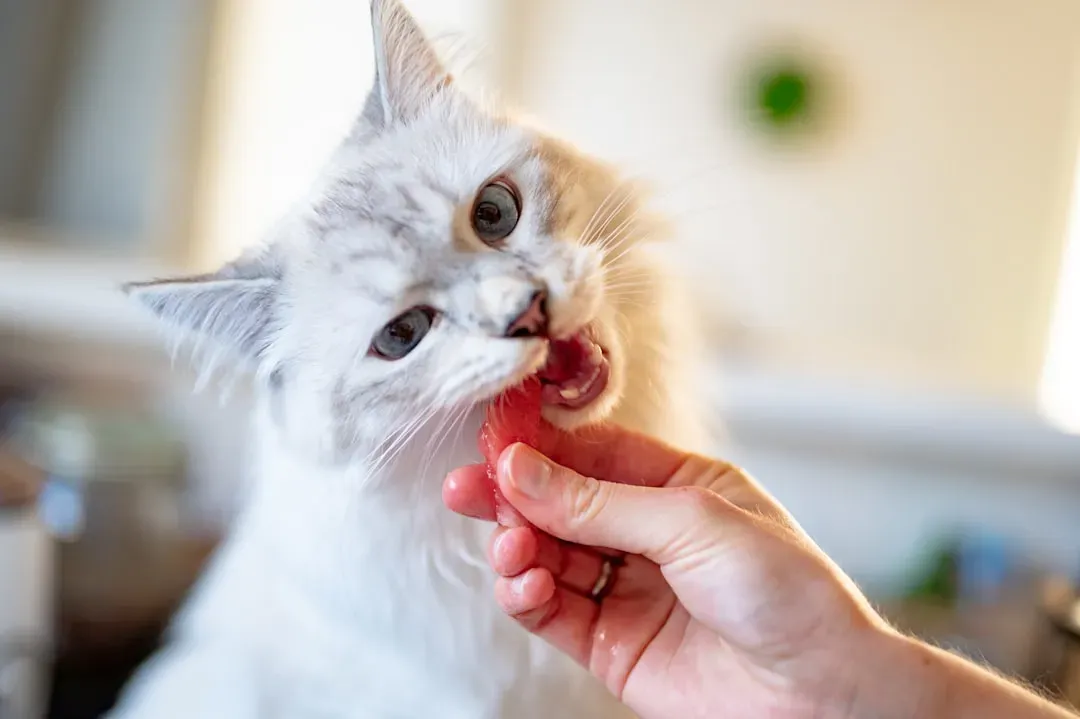
Food is one of the strongest trust-building tools available, but most owners burn through its potential without realizing it.
Simply leaving food in a bowl doesn't create an association between you and safety - it just teaches the cat that food appears. Hand-feeding small, high-value treats at a distance the cat is comfortable with, then very gradually shortening that distance over days or weeks, directly links your presence to a positive outcome. It's a well-documented technique in fear-based behavior modification for cats.
The mistake most people make is moving the distance too fast, which spikes anxiety and undoes progress in seconds. Behaviorists recommend keeping each session short, ending on a successful bite rather than pushing for "one more inch," and never following the cat if they retreat mid-session. This teaches the nervous system that approaching you always ends well - never with pressure. But hand-feeding alone won't fix everything if you're making the next mistake.
#6 - Direct Eye Contact Isn't Always Affection, It's Often a Threat
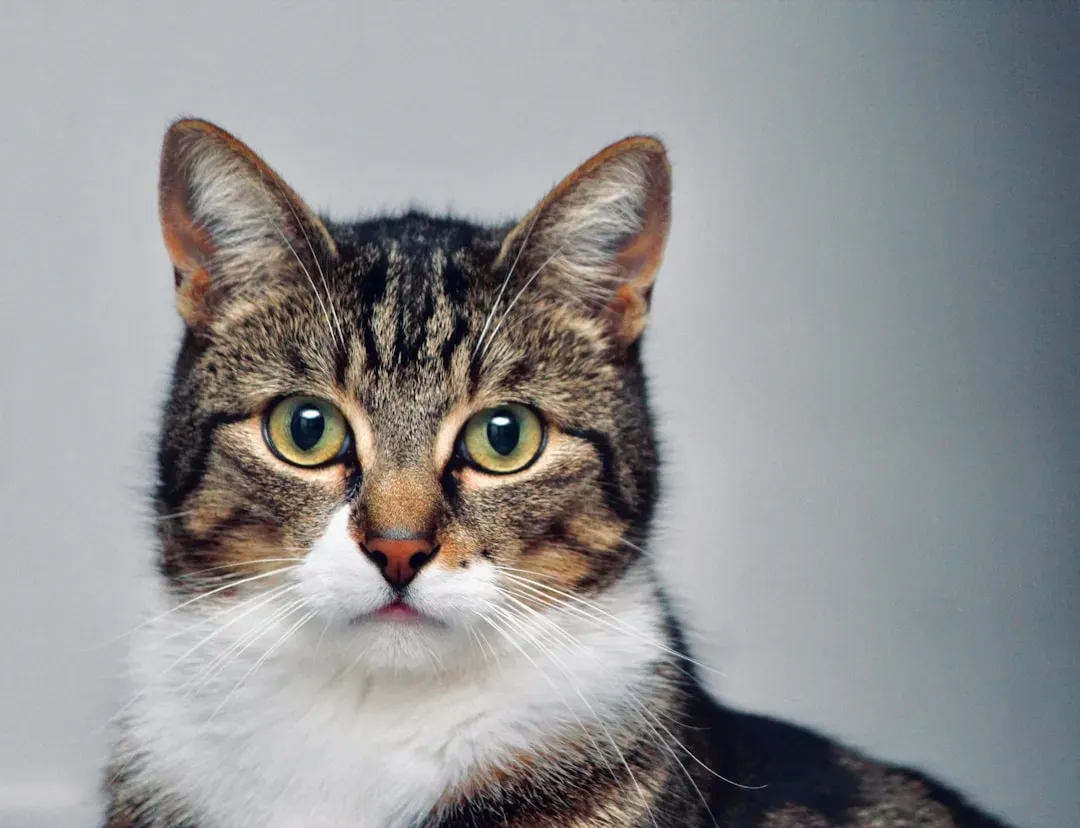
Many new cat owners instinctively stare at a nervous cat while talking to it softly, assuming that's comforting. It's often the opposite.
Sustained, direct staring is one of the most common threat displays in the animal kingdom, and cats are no exception. A nervous cat locking eyes with a human for more than a second or two often interprets it as a challenge rather than a greeting, especially early in the relationship before trust exists. This is one reason shy cats freeze or flee when strangers lean in and stare to "say hi."
Instead, behaviorists suggest keeping your gaze soft, glancing away periodically, and letting the cat observe you in profile rather than head-on. Talking in a low, even tone while avoiding a fixed stare mimics how cats interact with humans they already trust. Get the eyes right, and you also need to get the environment right - which brings us to hiding spots.
#7 - A Safe Hiding Spot Isn't Coddling, It's Essential Infrastructure
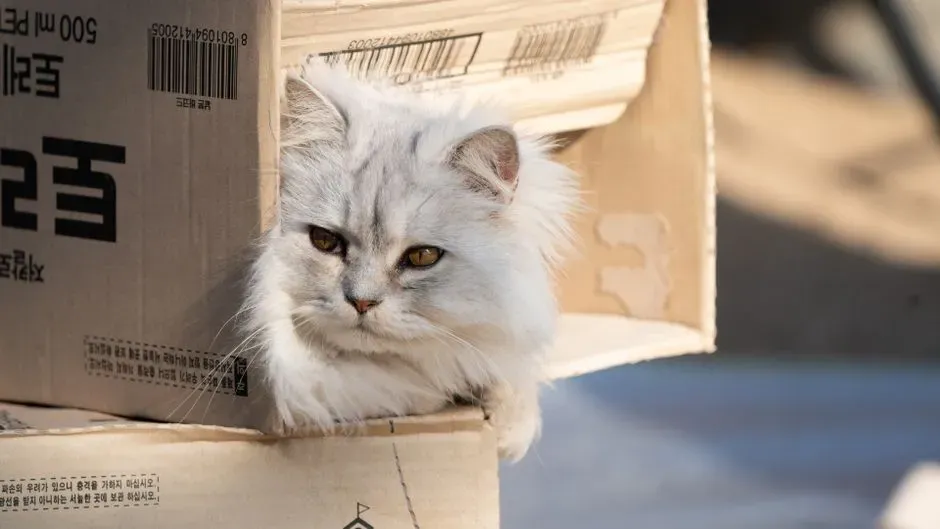
Some owners worry that giving a nervous cat somewhere to hide will make them more antisocial. The research says the opposite.
Cats with access to a den-like hiding space show measurably lower stress indicators than cats without one, because the option to retreat reduces the constant low-grade anxiety of feeling exposed. A covered bed, box, or elevated perch the cat can escape to on demand often accelerates trust-building rather than slowing it down, because the cat isn't operating from a baseline of chronic vigilance.
Critically, this hiding spot should never be disturbed, reached into, or used to "coax the cat out." It needs to remain a guaranteed safe zone at all times, or the cat loses the one space where they feel fully in control. Once that safety net exists, the next layer of trust comes from something deceptively simple: routine.
At a Glance
- Ideal hiding spots are covered, slightly elevated, and away from heavy foot traffic.
- A plain cardboard box with one opening often works as well as a pricey cat cave.
- Never reach into or relocate the spot while the cat is inside it.
- Cats with a reliable retreat tend to explore more of the home over time, not less.
#8 - Predictability Beats Affection in the Early Stages
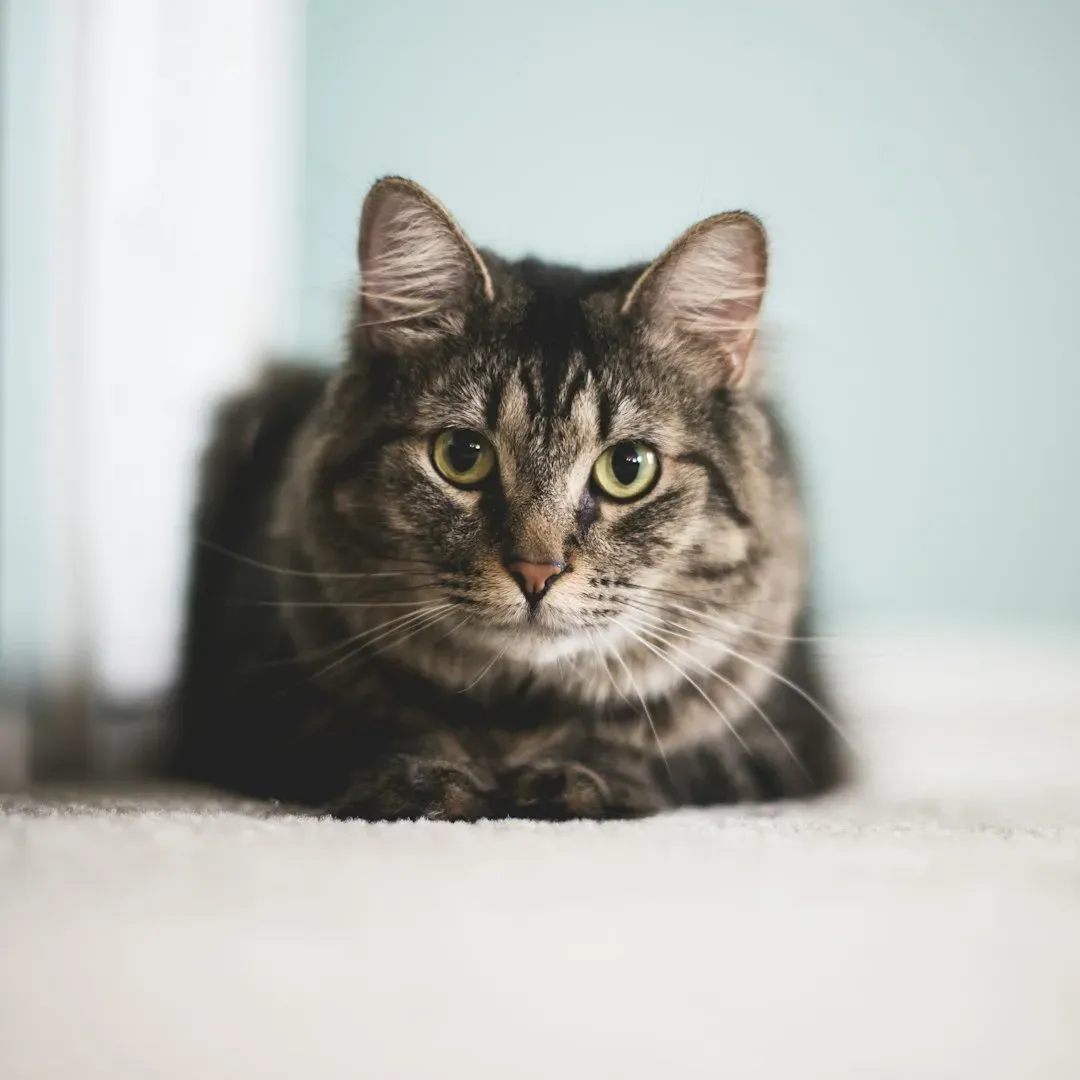
A nervous cat doesn't need constant cuddling to bond with you - they need to know what happens next.
Cats are highly sensitive to disruptions in routine, and unpredictable schedules are a major driver of chronic stress in the species. Feeding, play, and quiet interaction at roughly the same times each day gives a fearful cat a mental map of safety they can rely on, which matters more than the amount of physical affection they receive.
This is why cats in stable, predictable households often warm up faster than cats in chaotic ones, even with less direct interaction. Consistency signals that the environment - and by extension, you - is not a source of surprises. Once a nervous cat trusts your rhythm, the next hurdle is teaching them to trust your hands specifically.
#9 - Let the Cat's Body Come to Your Hand, Not the Other Way Around
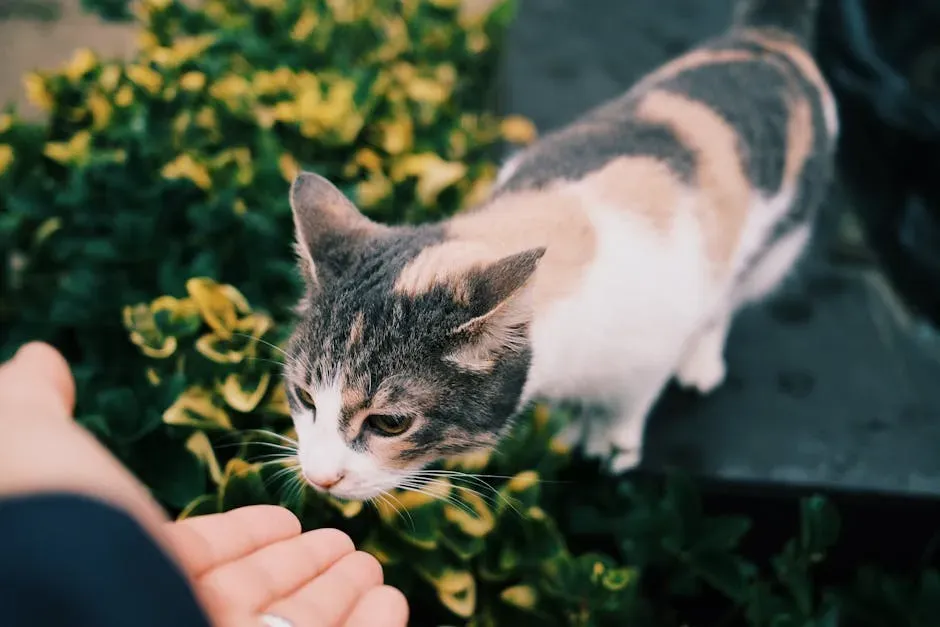
Reaching toward a cat's face is one of the most common trust-breaking gestures owners make without even realizing it.
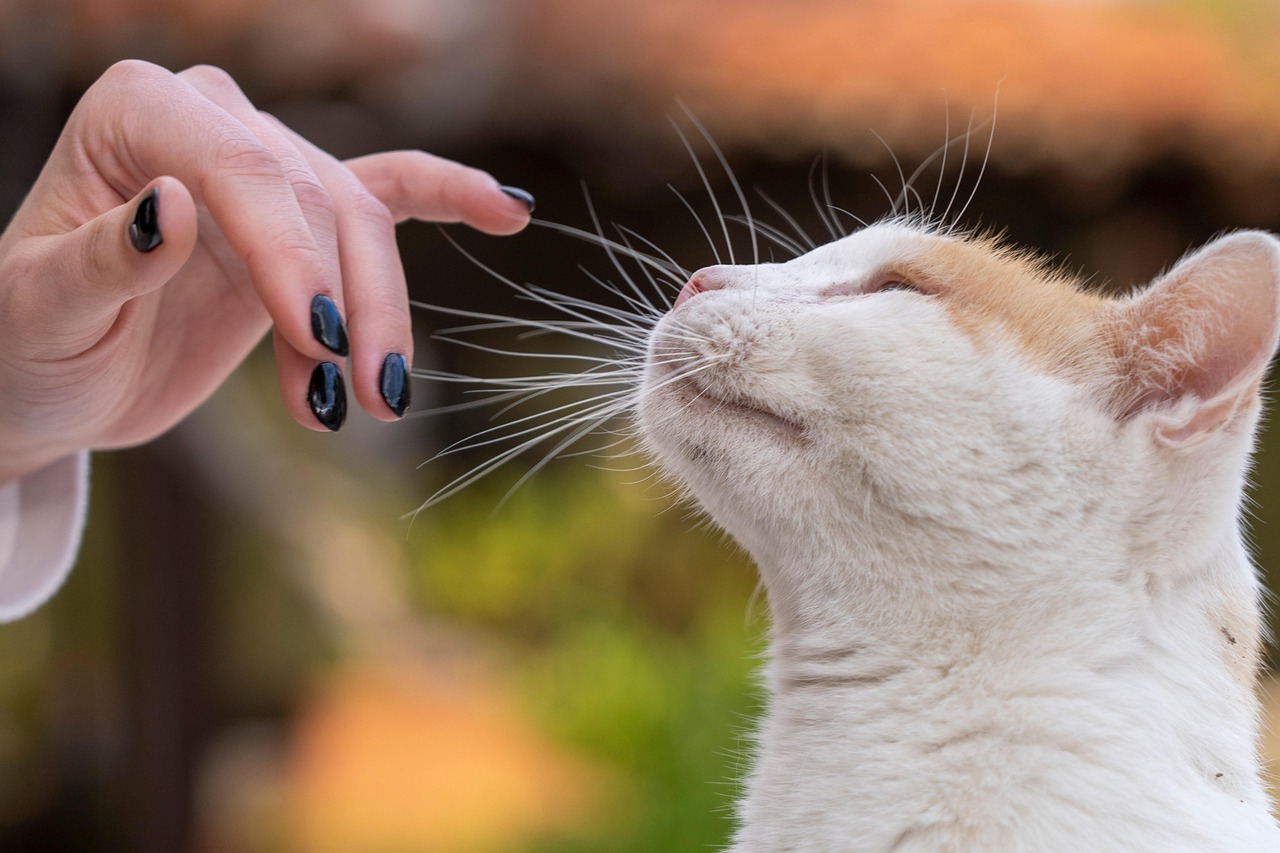
Cats naturally initiate contact by rubbing their cheek or head against something - this is called bunting, and it's a deliberate act of depositing their scent. Offering a still, low hand and waiting for the cat to rub against it themselves builds far more trust than petting the cat first, because it flips the entire interaction into something the cat controls from start to finish.
Over time, this technique trains a nervous cat to seek out touch instead of merely tolerating it. Owners often report that cats who were untouchable for months eventually initiate head-butts and cheek rubs entirely on their own once this pattern becomes familiar. With physical trust building underway, play becomes the next powerful accelerator.
#10 - Play Isn't Just Fun, It's a Trust-Building Simulation
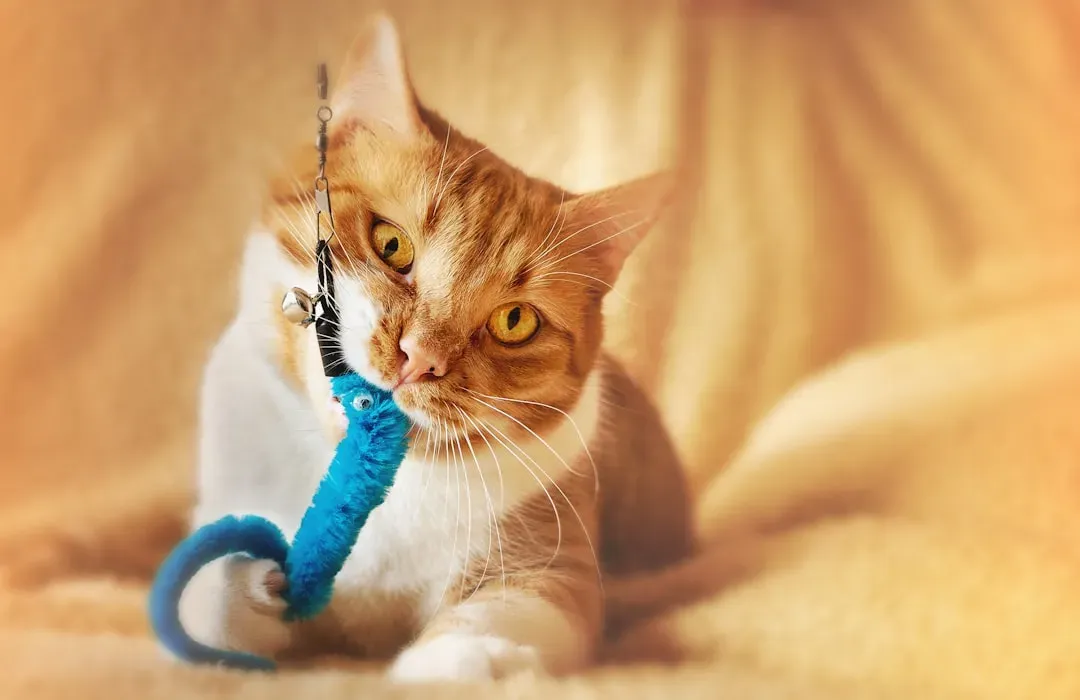
Interactive play mimics hunting behavior, and hunting success is deeply tied to a cat's sense of confidence and control.
Wand toys, feather teasers, and anything that lets the cat "catch" something at the end of a session tap directly into predatory satisfaction, which lowers overall anxiety. A nervous cat who successfully hunts during play with you starts associating your presence with competence and safety rather than fear, according to feline behavior specialists who use play therapy in shelter rehabilitation programs.
The key is ending every session with a "catch" - never pack up mid-chase, since an unresolved hunt can actually leave a cat more keyed up, not less. Short, frequent sessions work better than long ones, especially early on. Once play trust is solid, many owners try to rush the next stage - physical affection - and that's exactly where things often go wrong.
Why It Stands Out
- Play taps into genuine predatory instinct, not just entertainment or exercise.
- Ending on a real "catch" mimics a successful hunt and lowers residual stress.
- Short five- to ten-minute sessions tend to outperform long, drawn-out play with nervous cats.
- Consistent play routines double as bonding time and physical enrichment in one step.
#11 - Forcing Affection Is the Fastest Way to Undo Months of Progress
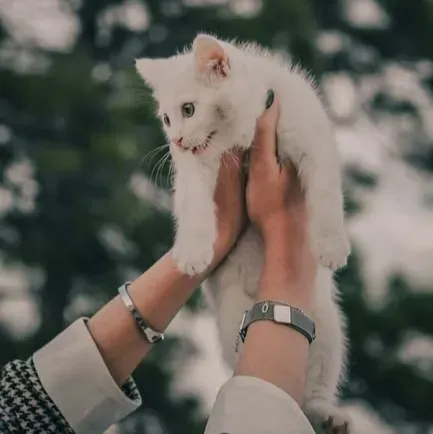
This is one of the more controversial points on this list, but experienced behaviorists are blunt about it: picking up or restraining a nervous cat before they're ready can erase weeks of careful trust-building in a single incident.
Many owners assume physical affection is the goal of trust-building, when it's actually the result of it. A cat who is picked up, held, or cornered before they feel secure often files that entire relationship under "unpredictable and dangerous," even if every other interaction beforehand was gentle. This single moment can set the relationship back further than months of good behavior can fix.
The uncomfortable truth many cat owners don't want to hear: some cats may never enjoy being picked up, and that's not a failure on your part. Respecting that boundary - rather than pushing for the "normal" affection you see in other pets - is often what finally lets a nervous cat relax fully around you. Reading their signals correctly is what determines whether you're helping or hurting.
#12 - Tail and Ear Signals Tell You Exactly When to Stop
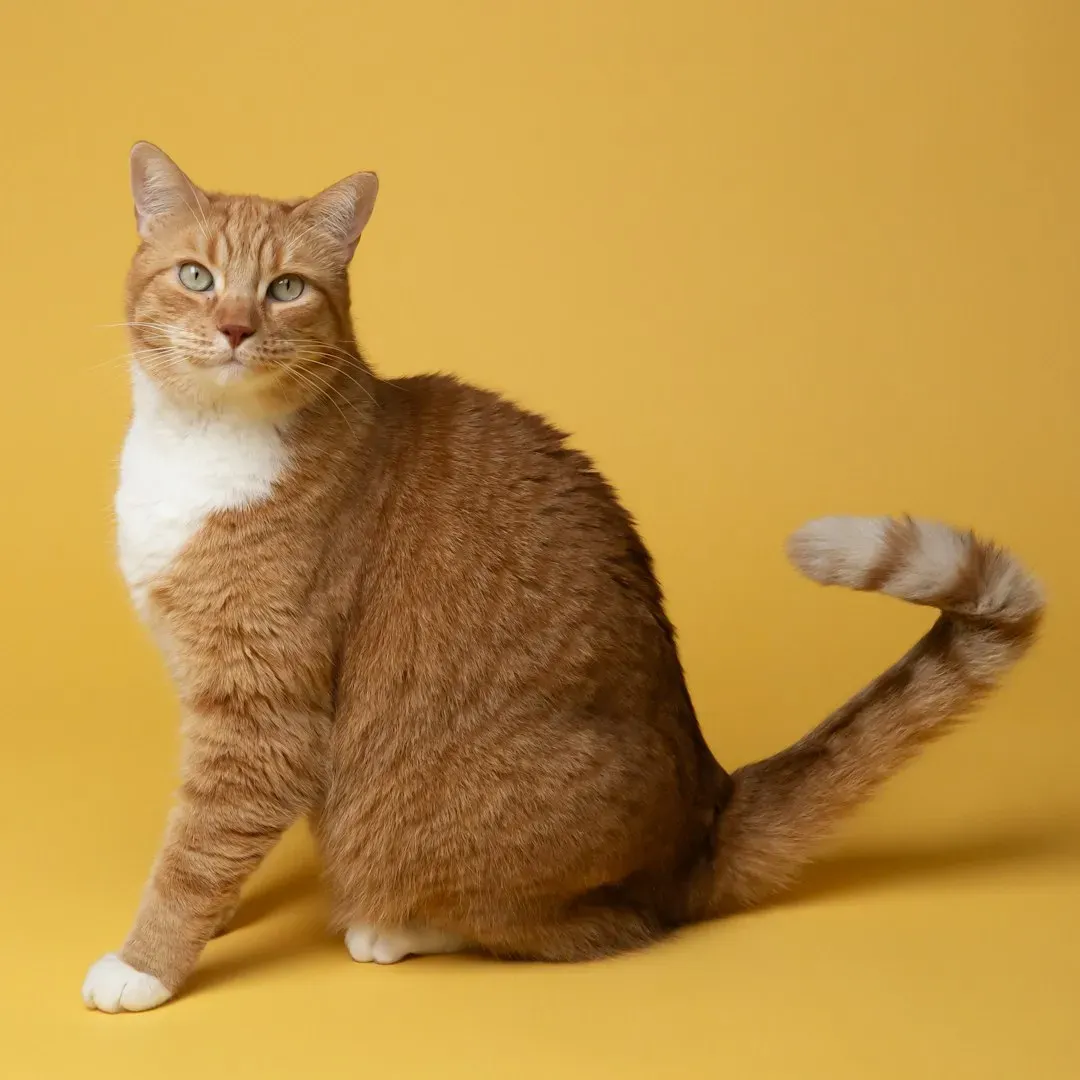
Most people wait for a cat to hiss or swat before backing off. By then, you've already missed several earlier warning signs.
A cat's tail and ears communicate stress long before aggression does. A tail that begins twitching, flicking, or thumping - even slowly - is one of the clearest early signs that an interaction needs to end immediately, and ears rotating sideways or flattening slightly often appear even earlier. Learning to read these subtle cues prevents the kind of accidental overstepping that quietly damages trust.
Owners who stop before the cat shows obvious distress are rewarded with faster long-term progress, because the cat learns that you respect their limits without being told twice. This single skill - knowing when to walk away - often matters more than anything else on this list. And that leads to the final, most important truth about trust-building with a nervous cat.
Quick Compare
- Early warning: ears rotate slightly sideways, tail tip flicks once or twice.
- Escalating warning: tail thumps repeatedly, ears flatten further back.
- Late warning: dilated pupils, low growl or freeze, body tensed and lowered.
- Best response at any stage: stop and step back at the first sign, not the last.
#13 - Trust Is Cumulative, and It Compounds Slower Than You Think
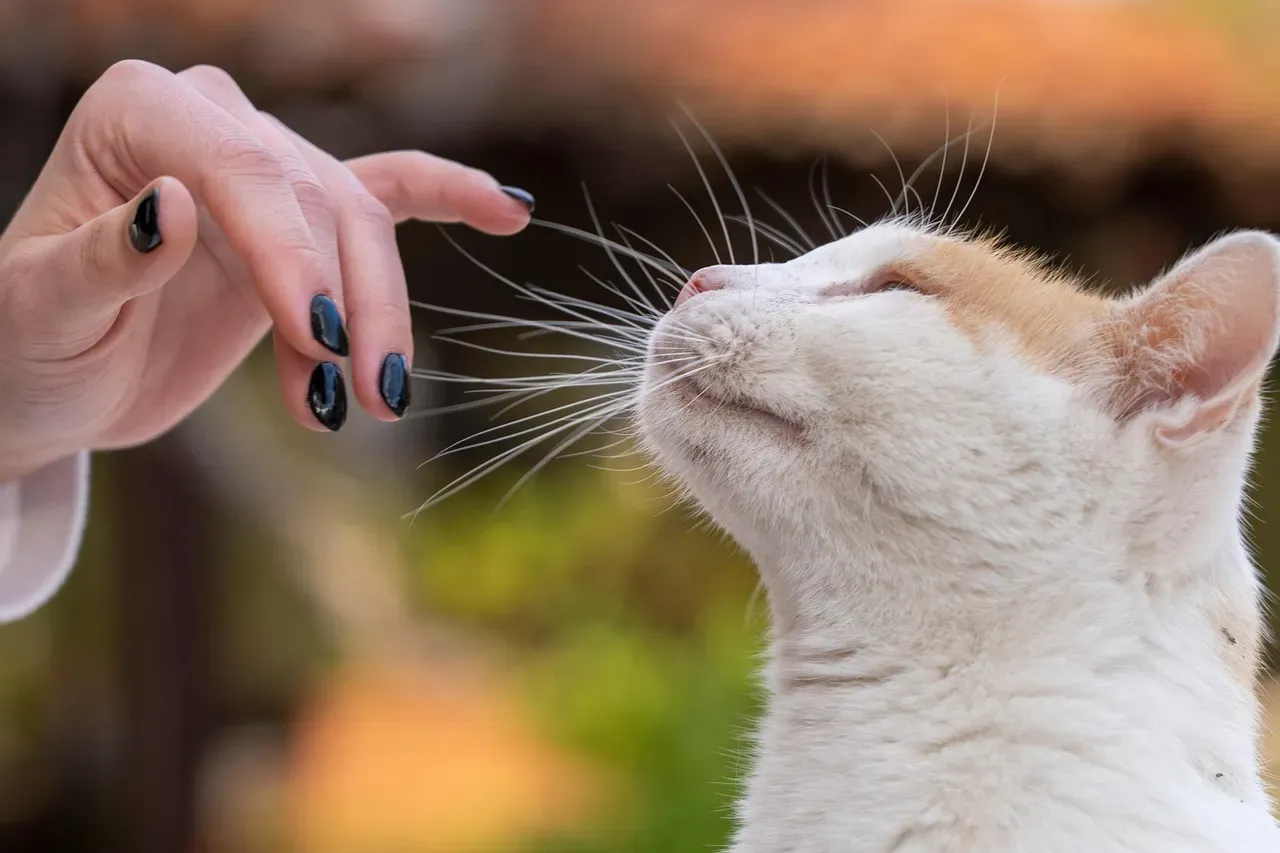
The final and most overlooked truth: trust with a nervous cat isn't built in days or weeks. It's built in hundreds of tiny, unremarkable moments most owners don't even notice happening.
Behaviorists who work with fearful and previously feral cats often describe trust as a savings account rather than a light switch. Every respected boundary, every ignored slow-blink opportunity, and every rushed interaction either deposits into or withdraws from that account, and it can take months before a cat's behavior visibly reflects the balance. This is why so many owners give up right before the breakthrough happens.
The cats that eventually become the most devoted, affectionate companions are frequently the ones who took the longest to trust in the first place, because once that trust is earned rather than assumed, it tends to be far more durable. Patience isn't just a nice idea here - it's the actual mechanism the entire process runs on.
The Bottom Line
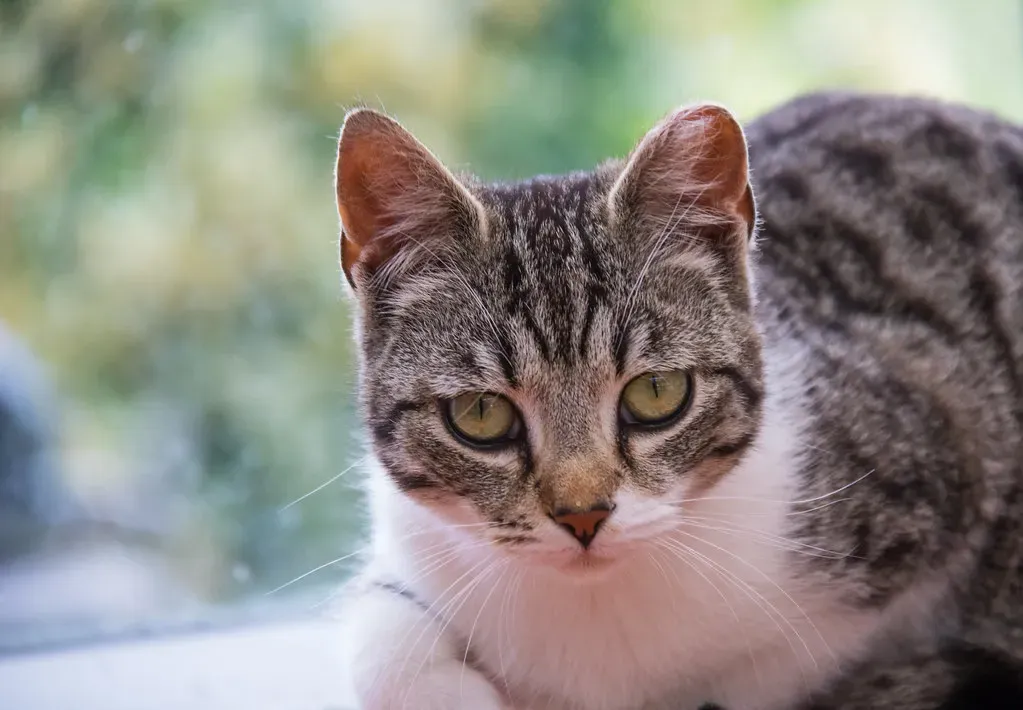
The uncomfortable truth is that most nervous cats aren't "bad" or "broken" - they're simply responding rationally to being rushed, loomed over, or handled before they were ready. Trust with a fearful cat is built through control, predictability, and hundreds of small respected boundaries, not affection forced early.
The owners who get this right stop treating trust-building like a timeline and start treating it like a language - one where slow blinks, low postures, and patience speak louder than cuddles ever could. We think the biggest myth in pet ownership is that a scared cat "just needs love." It needs safety first, and love is simply what shows up once safety has been earned. Do you agree, or has a nervous cat in your life proven this wrong? Tell us in the comments.