Your cat isn’t just rubbing against your legs because they love you, though that’s part of it. They’re painting an invisible map across your home, one that only they can read. Every time your feline friend headbutts the corner of your couch or scratches that spot on the doorframe, they’re engaged in an ancient ritual of communication that predates human civilization. These behaviors might seem random or affectionate to us, but to your cat, they’re essential survival tactics encoded in their DNA.
It’s fascinating how something so invisible to our eyes holds such monumental importance to theirs. Territory marking isn’t just about claiming space. It’s about creating safety, managing stress, and navigating a world where smell and chemical signals speak louder than words ever could.
The Chemical Language Your Cat Speaks

Pheromones are chemicals that are released by an animal that causes some sort of response in an animal of the same species. Your cat produces these invisible messages from various glands scattered across their body, and they’re constantly leaving chemical breadcrumbs throughout your home. Think of it as a secret language written in molecules that only other cats can fully understand.
Your cat’s facial pheromone secretions contain up to 40 different chemicals. Each one carries specific information about your cat’s identity, emotional state, and intentions. All cats use a special organ called the vomeronasal organ (VNO) to recognise pheromone messages in their environment. It is in the roof of their mouth. When detecting pheromones, your cat will slightly open their mouth and pull back their lips (known as a flehmen response). You’ve probably seen your cat make that funny face with their mouth slightly open. They’re not being weird; they’re reading messages we can’t even perceive.
Scent Glands: The Hidden Communication Network
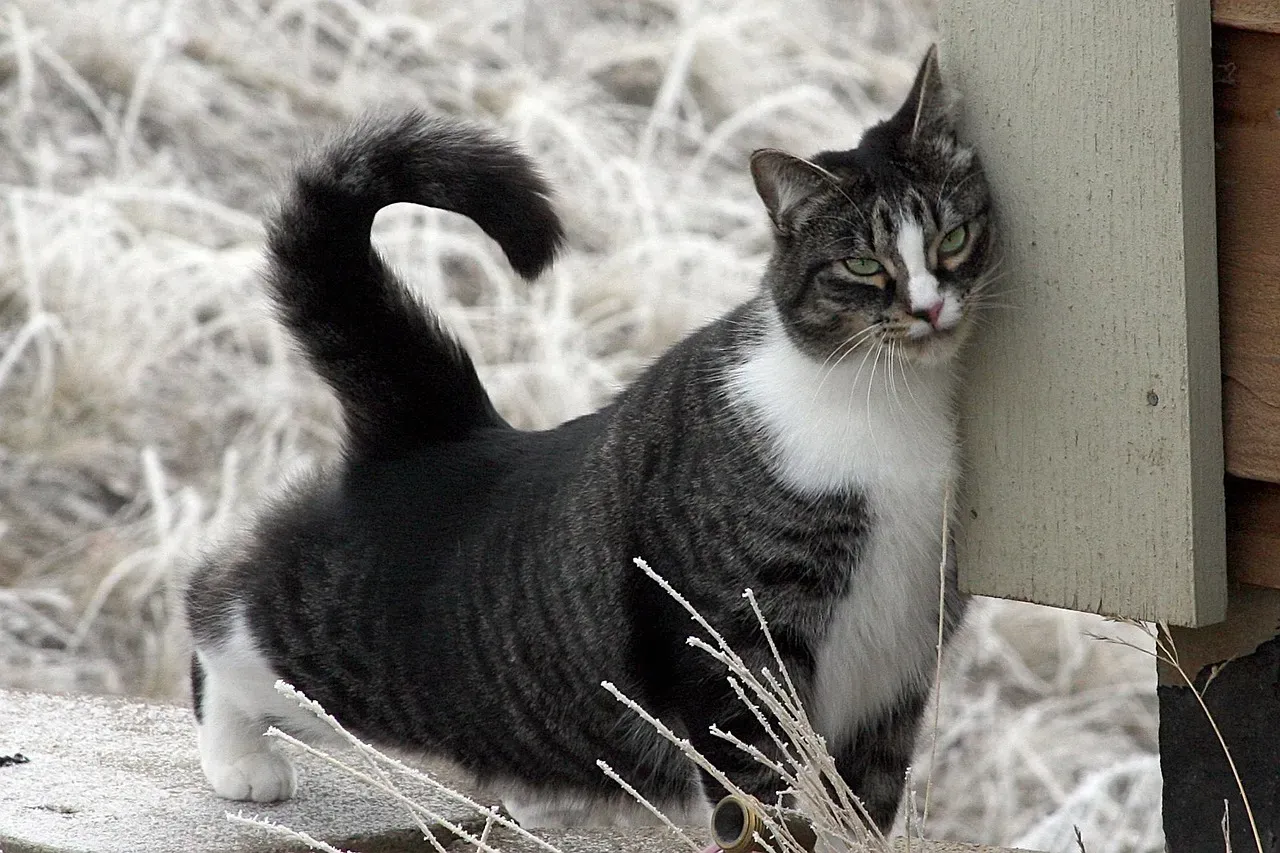
Cats will mark with scent glands on their feet, cheeks, face and tail as well as with urine. Your cat is essentially walking around with multiple broadcasting stations built into their body. There are several scent glands located on felines that deposit pheromones when a cat rubs against an object. This includes the cheek and perioral gland areas, which consist of several structures that secrete pheromones around the chin, cheeks, and lips.
The paw pads hold another secret. These pheromones come from tiny glands on all four of your cat’s feet, called interdigital glands, that give off a strong scent when the paw is stretched and the claws are extended. So when your cat stretches and kneads on your lap, they’re not just being cute. They’re marking you as part of their territory, claiming you as their own in the most affectionate way possible.
Why Territorial Marking Is Actually About Survival
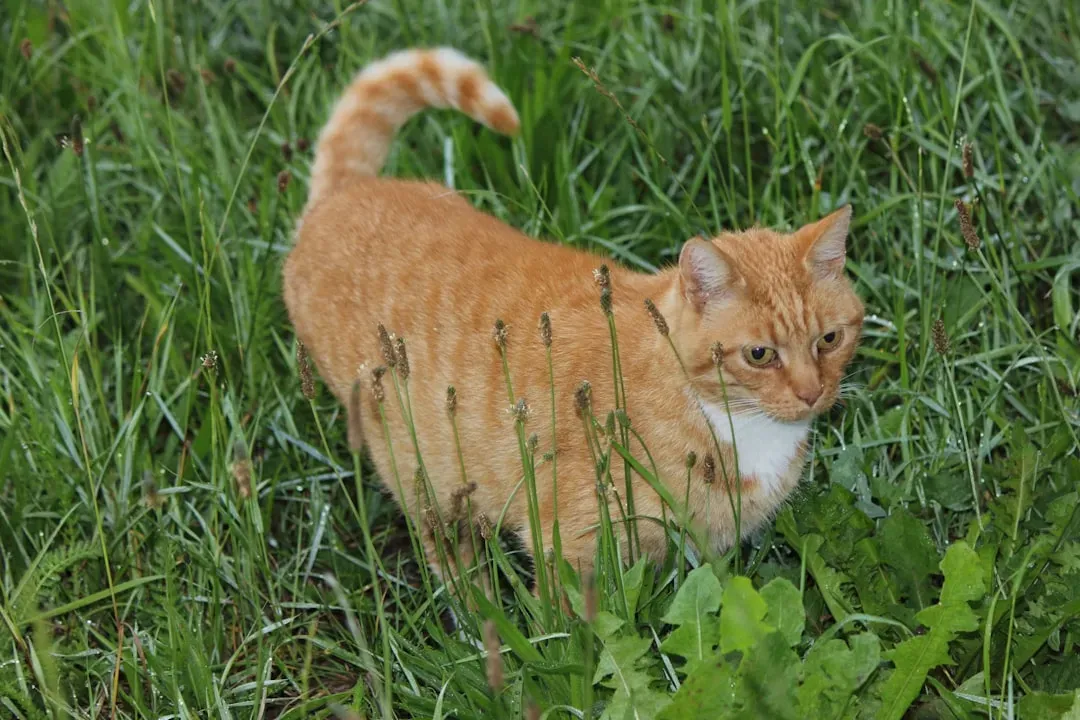
Experts believe that cats developed marking behaviors to minimize contact with other cats, thus enhancing their odds of survival. Here’s the thing: cats are both hunters and hunted. They need to know where they are, who else is around, and whether an area is safe before they commit to staying there. Marking is a more permanent form of communication than either postures or vocalizations. It allows the cat to leave olfactory and visual messages that remain long after the communicator has gone.
This isn’t about being aggressive or territorial in the way we might think. It is important to understand that messages communicated in this manner are often not meant to be aggressive, intimidating or done spitefully. Your cat is simply trying to create a predictable, safe environment where they know what to expect. It’s less about keeping others out and more about feeling secure within.
The Art of Facial Rubbing and Bunting
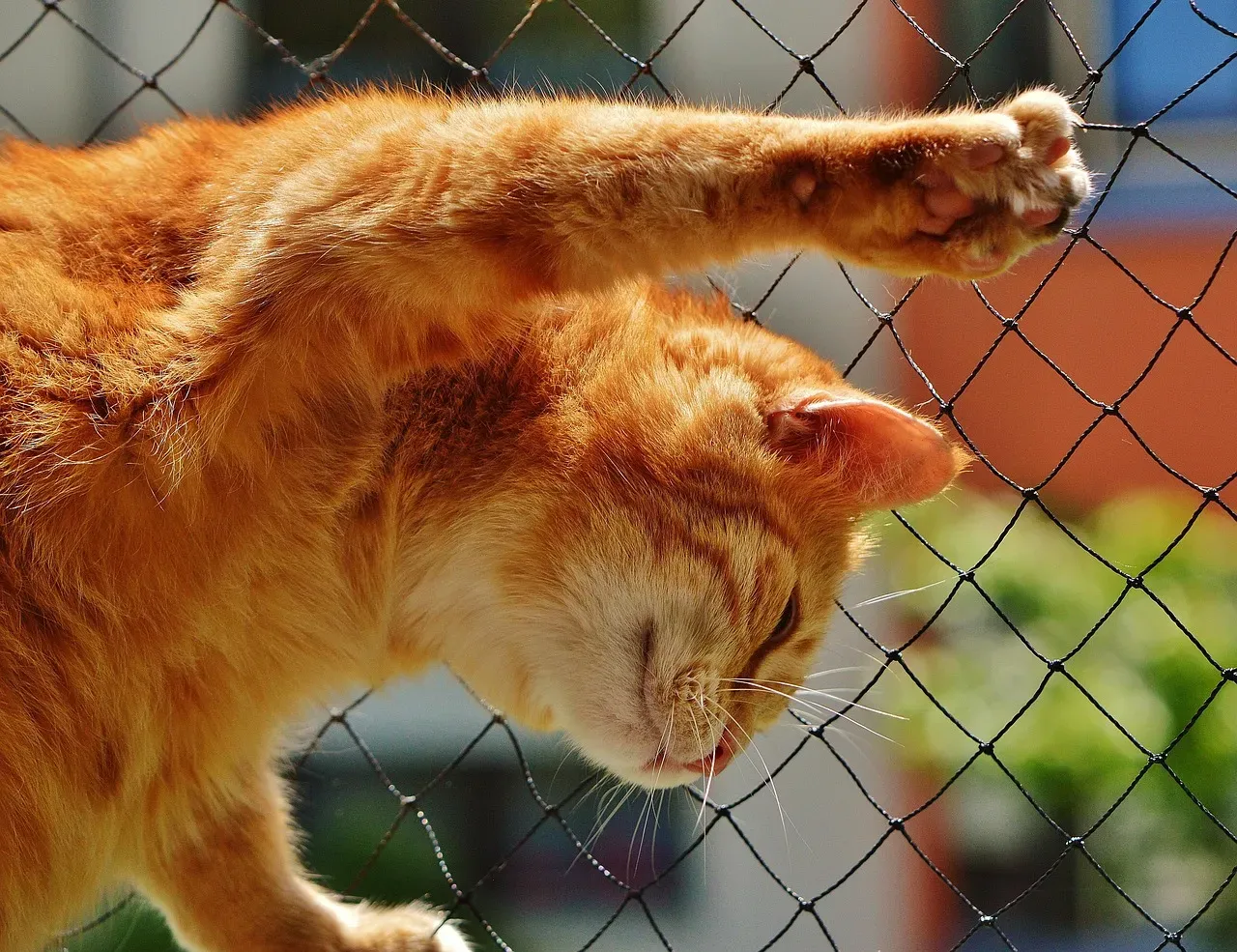
On people, as well as familiar dogs and cats, a cat might rub its face to deposit scent, which identifies those marked as belonging to a specific group. When your cat rubs their cheeks on your hand or headbutts your face, they’re doing something incredibly meaningful. They’re essentially saying, “You’re one of us.” Friendly cats will often rub on and groom each other, mixing their scents. Scent is primarily how cats recognize each other, and physical contact through rubbing helps to create a “group scent,” reassuring all the cats in the home that you belong together.
The feline facial pheromone is a comforting pheromone. It provides a sense of reassurance for cats in their environment. This behavior isn’t random. Your cat is actively building a shared scent profile that identifies you as family. Feline facial pheromone F3 is a chemical commonly released through object rubbing. It is thought to be important in a cat’s ability to orient itself within its environment and know where it is in relation to its surroundings. It is a territorial signal, in that cats mark the spaces they frequently use. This may help to emotionally soothe the cat, such that being closer to the scent may increase a sense of security and belonging, while reducing anxiety.
Scratching: More Than Just Claw Maintenance
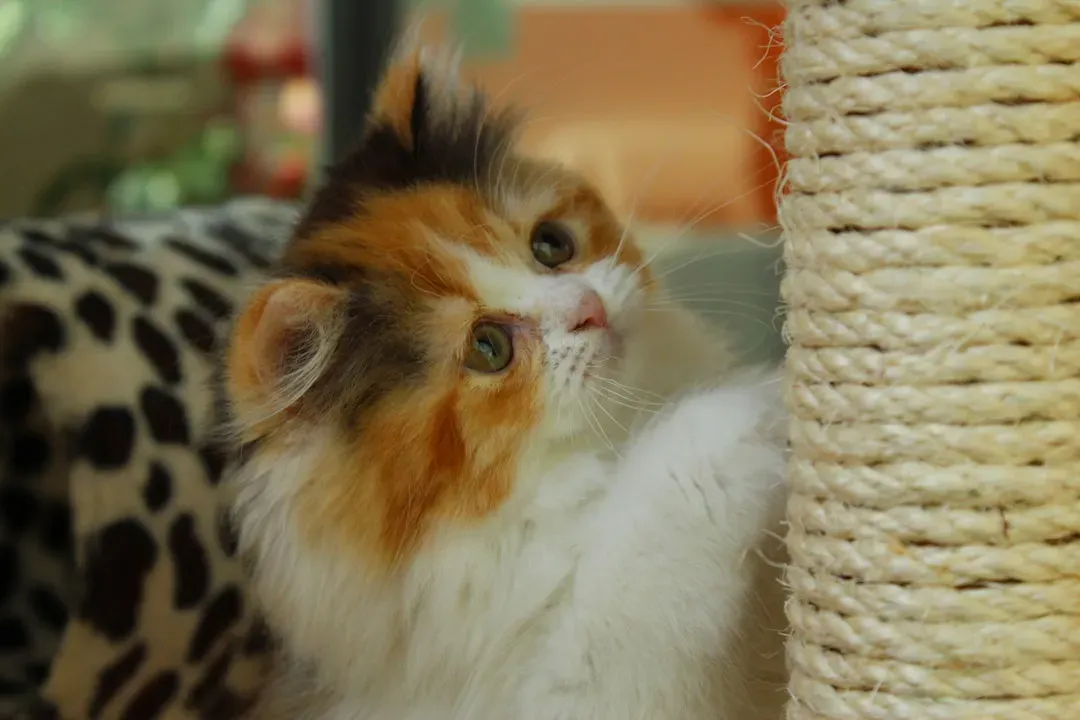
In cats, the main functions of scratching are self-maintenance (e.g., claw sharpening and muscle stretching) and communication (e.g., visual and scent marking of territorial boundaries). Every time your cat attacks that scratching post or, unfortunately, your favorite armchair, they’re doing double duty. When a cat scratches a surface, the glands in his feet release pheromones and, in addition, the claw marks serve as long-lasting visual communication.
Honestly, scratching is one of the most misunderstood cat behaviors. Favorite places cats scratch to mark are commonly used entrances and exits to the home; the main front door entrance; their favorite sleeping areas; and any boundary that they feel is being challenged in some way. Your cat isn’t trying to destroy your furniture out of spite. They’re strategically marking high-traffic areas to reinforce their sense of ownership and security in their environment.
Urine Marking and Spraying: The Controversial Territory Claim
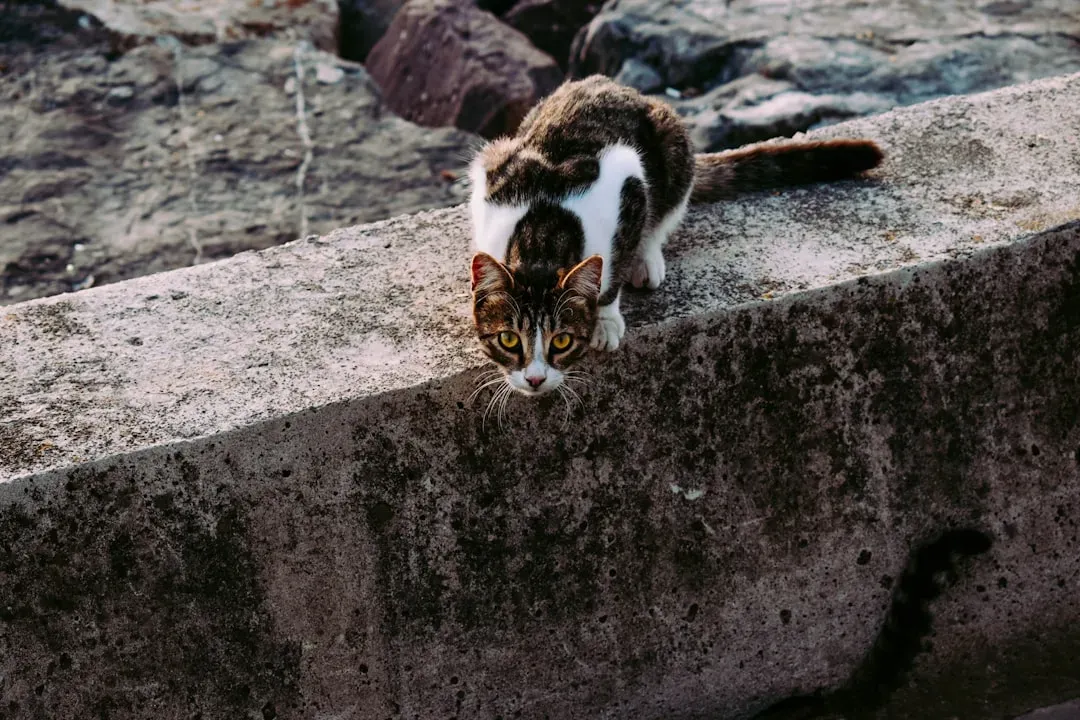
Cats use urine to communicate with other cats about territory, mating readiness, and emotional security. Let’s be real, this is the marking behavior that drives most cat owners up the wall. Urine marking is most common in intact (non-neutered) male cats. When an intact male sprays urine, it will have the characteristic “tom cat” odor that is strong and pungent. Neutering will change the odor, and may reduce the cat’s motivation for spraying, but approximately 10% of neutered males and 5% of spayed females will continue to spray.
Most scientific studies about territorial marking have determined it is most often associated with social/relationship problems between cats within or outside the household, such as social standing amongst inter-household cats or seeing new cats outside the window. In addition to this, marking can be associated with sexual attraction. When other cats sniff urine marks, they use the pheromones to gain information. It tells them who is nearby (and how long ago), the cat’s gender, sexual status, and hierarchical status. It’s like leaving a detailed résumé on a wall that only other cats can read.
Stress Triggers That Amplify Marking Behavior
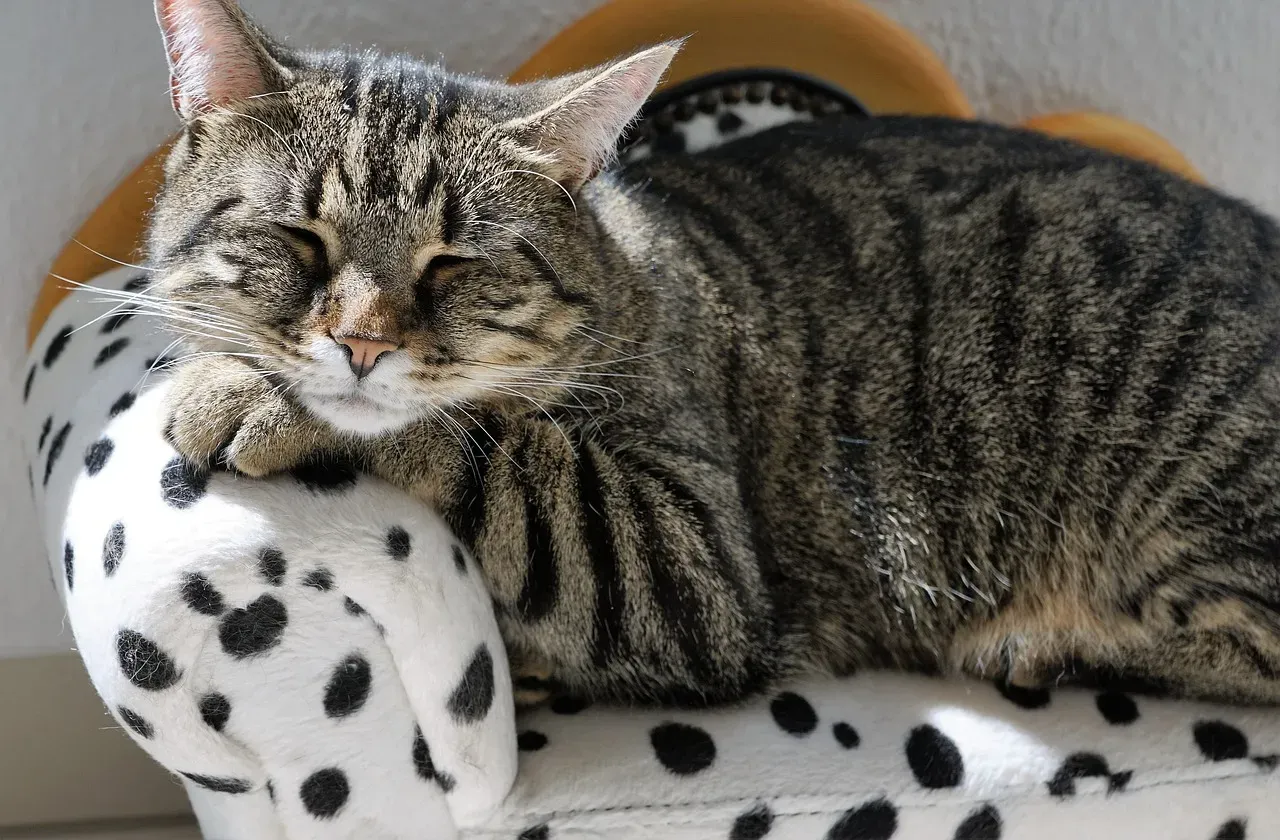
Any time an indoor cat feels threatened or distressed, he may leave a mark to affirm the location of a safe territory. A change in household routine, the addition of a person or pet, or even a remodeling project can trigger anxiety and marking. Your cat’s invisible boundaries become even more important when their world feels unpredictable. Moving furniture around, bringing home a new baby, or even having guests over can send your cat into overdrive mode.
It seems that cats are soothed by the presence of their own pheromones. When everything feels chaotic, your cat will mark more frequently to reassure themselves. Frustration can also trigger marking. It seems that cats are soothed by the presence of their own pheromones. For example, a hungry cat that is faced with an empty food bowl or an indoor/outdoor cat that is waiting for a door to open may spray urine, usually close to the source of frustration. It’s their way of creating a bubble of familiarity in an uncertain world.
Multi-Cat Households and Territory Negotiations
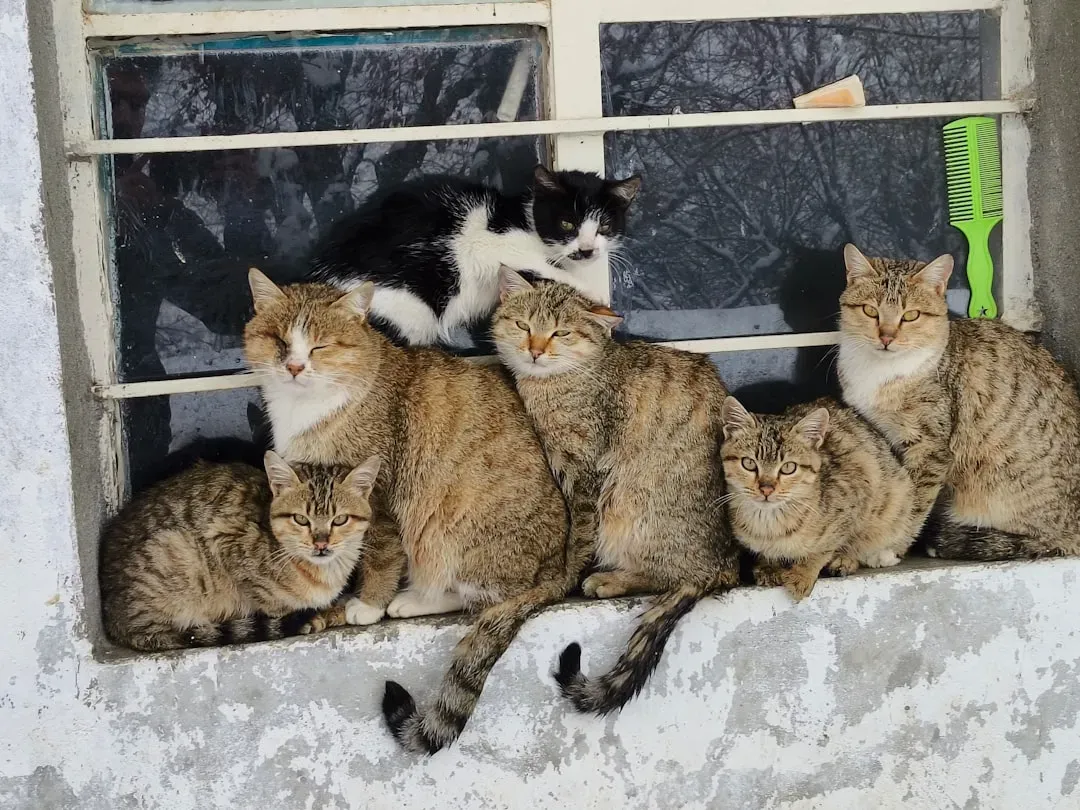
In order to prevent a lot of territorial marking behaviors, the core territory of each individual cat needs to be protected and nurtured by the cat’s owner, especially in a household with multiple pets. This includes providing adequate sleeping spaces, bathroom areas, food and water, and play time. Living with multiple cats is like running a small United Nations. Each cat needs their own space, resources, and sense of security, or tensions will rise.
Typically, in a multi-cat home, the cat with the highest levels of stress and anxiety is the one spraying. It’s not always the dominant cat marking everything. Sometimes it’s the anxious one trying desperately to carve out a safe zone. In multi-cat households, each cat should have one litterbox. In addition to one litterbox per cat, an additional box should be provided as well; if you have 3 cats, keep 4 litterboxes. Litterboxes should be separated and not placed within the same area as each other. This isn’t just about cleanliness; it’s about respecting each cat’s need for territory.
How Understanding Marking Improves Your Cat’s Quality of Life
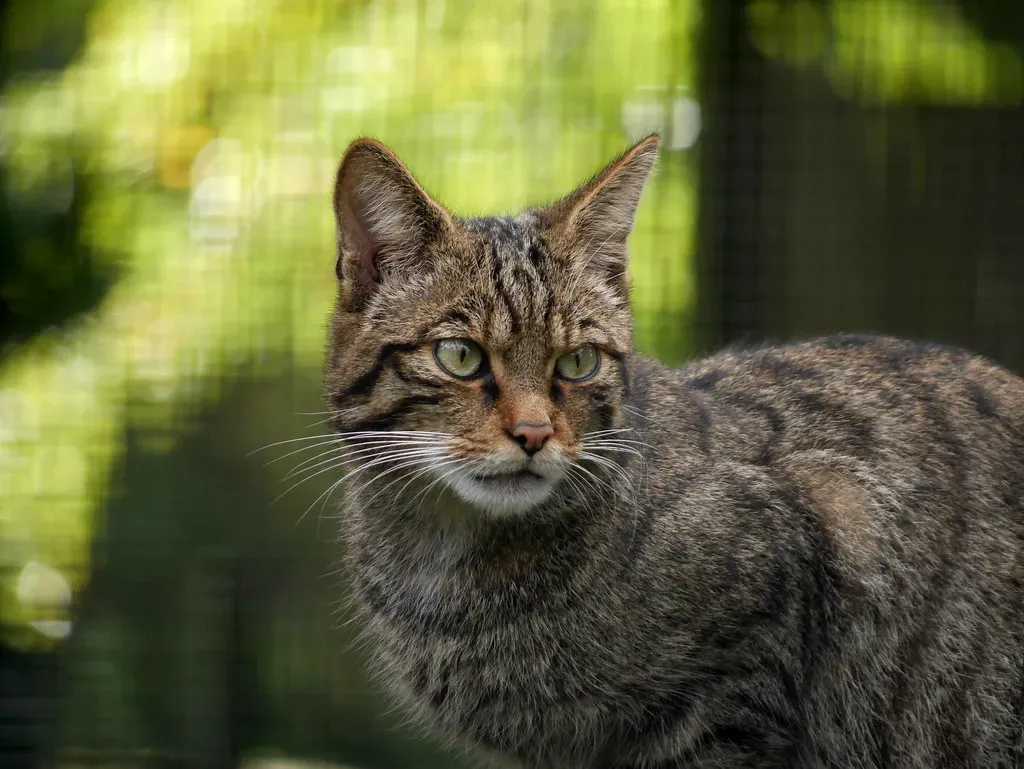
When you understand what your cat is really doing with all that rubbing, scratching, and occasional spraying, you can work with their instincts instead of against them. All cats want to feel secure in their homes, and marking their territory helps them feel reassured that the area is safe. Providing appropriate outlets like scratching posts in strategic locations, maintaining consistent routines, and respecting their need for personal space can dramatically reduce stress-related behaviors.
Research shows that cats living in environments with appropriate resources and minimal territorial disputes have 40% lower cortisol levels, the primary stress hormone. Cats who feel secure use litter boxes appropriately, maintaining healthy urination patterns and reducing urinary tract infection risks. Proper environmental enrichment and reduced anxiety improve overall quality of life, leading to more confident, social cats. The invisible boundaries your cat creates aren’t just abstract concepts. They directly impact their physical and mental health.
Conclusion: Respecting the Invisible Map

Your cat’s territorial marking behaviors reveal a sophisticated communication system that evolved over thousands of years. Every facial rub, every scratch mark, every carefully placed pheromone deposit is part of an intricate map that helps your cat navigate their world with confidence. These invisible boundaries matter profoundly to them, shaping how secure, relaxed, and content they feel in your shared space.
By recognizing and respecting these behaviors rather than punishing them, you’re acknowledging your cat’s fundamental needs. You’re creating an environment where they can thrive, not just survive. What do you think about your cat’s marking behaviors now? Have you noticed patterns you never understood before? The invisible boundaries are there whether we see them or not, silently shaping the emotional landscape your cat lives in every single day.