Have you ever watched your cat sniff their food bowl, only to walk away with that unmistakable look of disdain? One day they devour every bite of their favorite meal, and the next, they refuse to even acknowledge it exists. You’re not alone in this culinary conundrum. Cats have developed quite the reputation for being finicky eaters, but what’s really going on behind those mysterious eyes when they approach their food bowl? There’s actually a fascinating science behind your feline’s particular preferences.
Let’s dive into the intriguing world of feline taste and smell to discover what truly makes your cat tick at mealtime.
The Surprising Truth About Your Cat’s Taste Buds
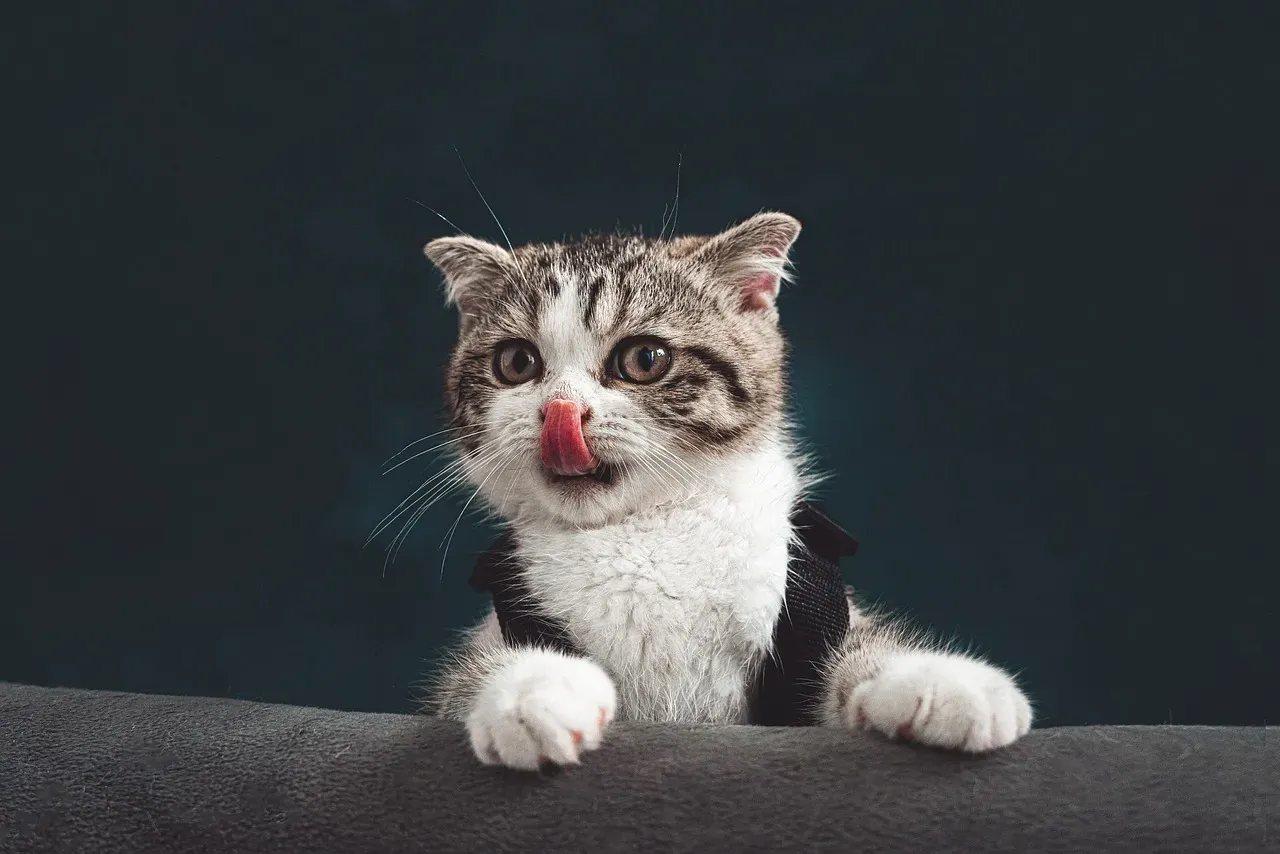
Here’s something that might shock you. Your cat has around 470 taste buds compared to your 9,000. That’s right, roughly about one-twentieth of what you possess. Because they possess far fewer taste buds, their sense of taste is not as well-developed as yours.
This limited taste bud count means your cat experiences food completely differently than you do. While you might savor the complex flavors in a gourmet meal, your feline friend is working with a much simpler palate. Think of it like watching a movie in black and white versus full color. The experience is there, but the richness differs dramatically.
Why Your Cat Can’t Taste That Birthday Cake
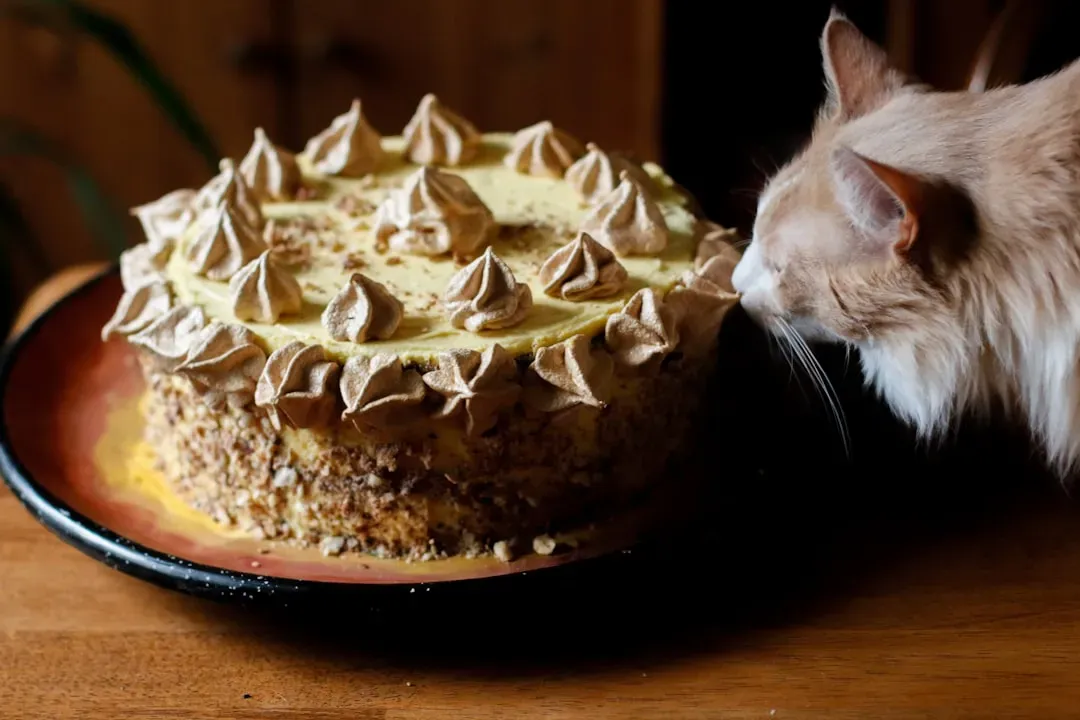
Cats lack taste receptors for sweetness. This isn’t just a minor quirk. All cats have a 247-base-pair deletion in the Tas1r2 gene, and one of the two genes necessary to make the sweetness receptor got permanently switched off millions of years ago.
So when your cat seems interested in your ice cream, they’re not tasting the sugar at all. They might be attracted to the fat content, the texture, or some other component entirely. This genetic mutation happened way back in feline evolution and has shaped the way every modern cat experiences food. Honestly, it makes you wonder if they’re missing out or if we’re the ones overthinking dessert.
The Superpower Your Cat Has That You Don’t
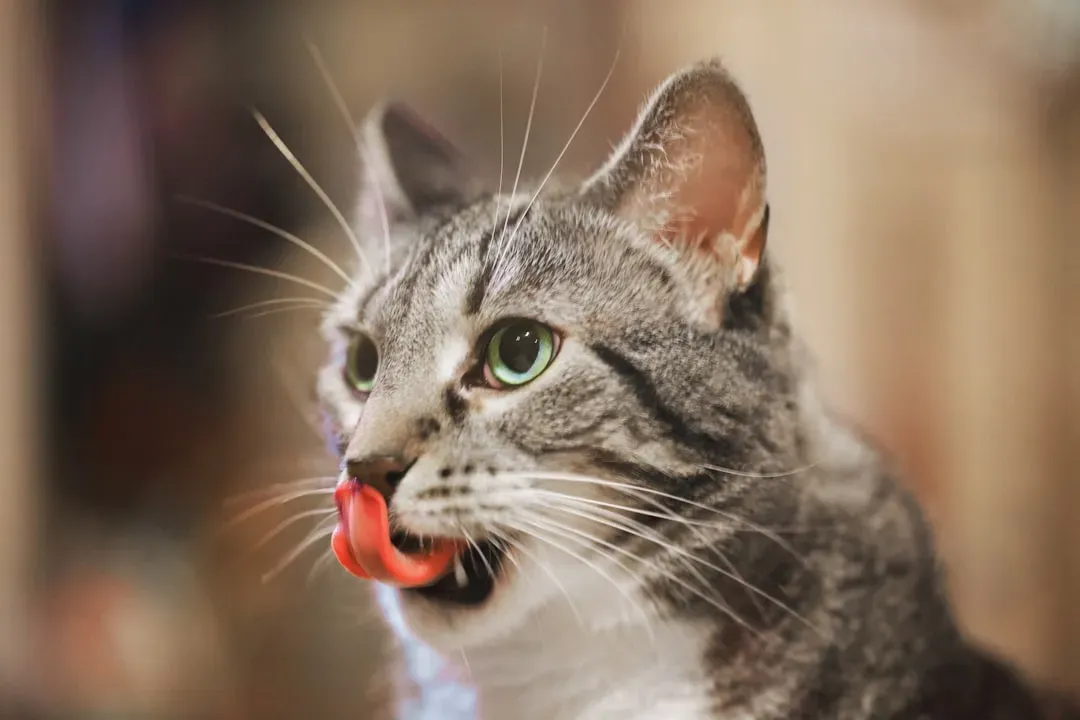
Before you feel too sorry for your sweet-deprived kitty, consider this remarkable ability. Cats have taste receptors for AMP (adenosine monophosphate), derived from ATP – the compound that supplies the energy in every living cell – and this seems to signal meat. You can’t taste this at all.
This specialized receptor allows cats to detect meat in ways we simply cannot comprehend. Cats possess taste receptors for umami, the savory taste associated with amino acids like glutamate, and this sensitivity to umami flavors is essential for cats to detect protein-rich sources in their diet. It’s like they have a built-in meat detector that guides them toward exactly what their carnivorous bodies need.
When Smell Becomes More Important Than Taste
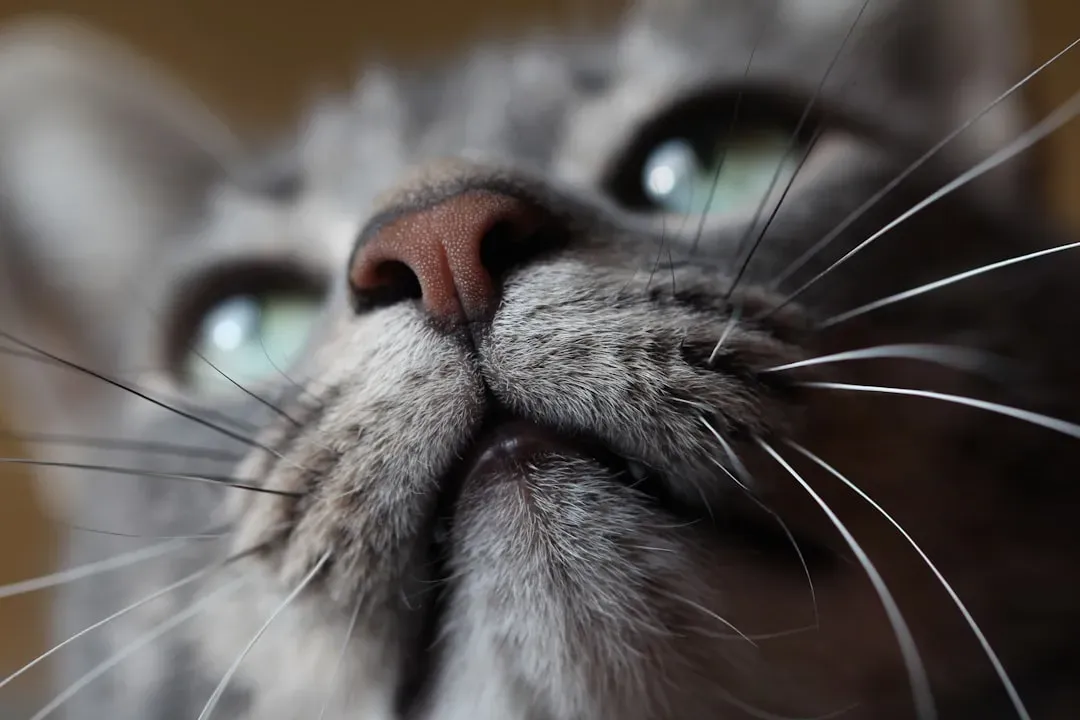
Cats make up for their taste deficiency with a superior sense of smell, and their most powerful response to food is through smell, not taste. Let’s be real, this changes everything about how we should think about feeding cats.
A cat’s nose contains up to 200 million olfactory receptors, while you only have about 5 million. One nasal branch quickly delivers inhaled odors to the olfactory region, allowing for fast detection. When your cat refuses their food, they might not be rejecting the taste at all – they’re rejecting the smell. Cats need to smell what they eat, which is why many of them won’t eat canned cat food straight out of the refrigerator, and they need to like what they smell, which is why many will not eat food that has been sitting out for a long time.
The Temperature Game That Changes Everything
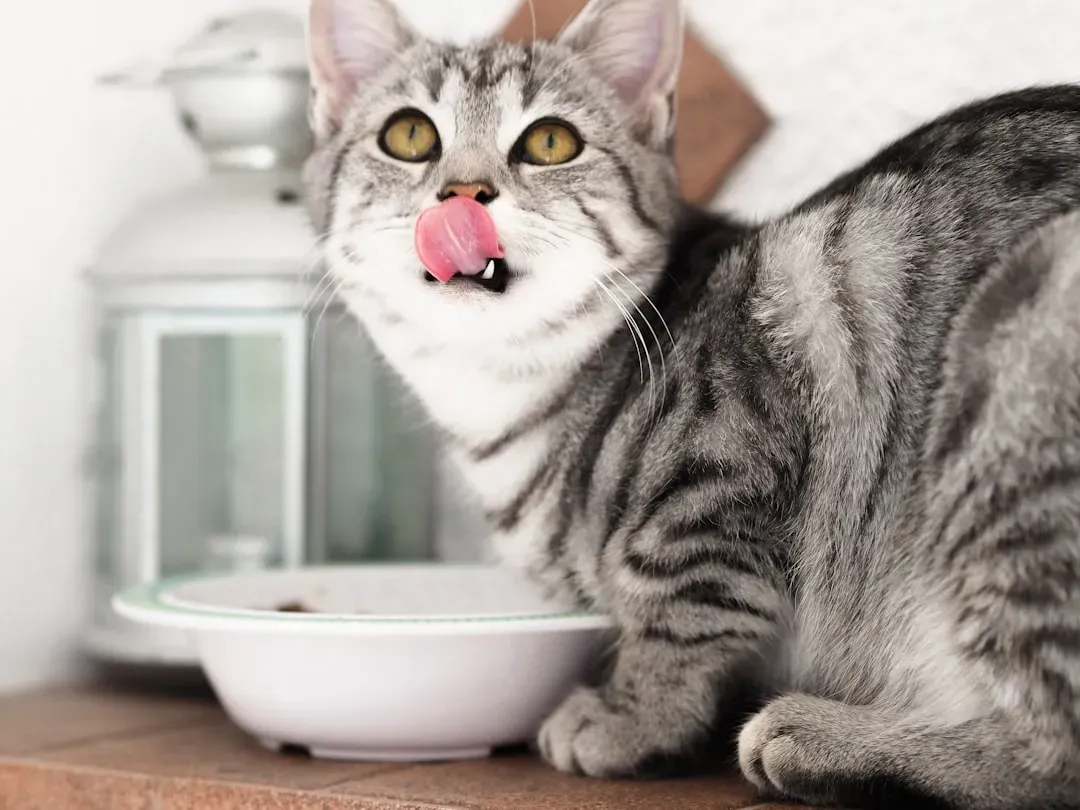
Most cats prefer their food at ‘mouse temperature’, between 100-102°F, which makes sense when you think about the fact that cats are obligate carnivores. Room temperature or slightly warmed food releases more aromatic compounds that appeal to your cat’s powerful nose.
Volatile compounds released by cat foods change with temperature, and a compound related to palatability, hexanoic acid, increased as the product heated above room temperature. So that picky eater you’re dealing with? Try warming their food slightly, and you might see a completely different response. Just don’t microwave it – warm it gently in warm water instead.
Texture Matters More Than You Think
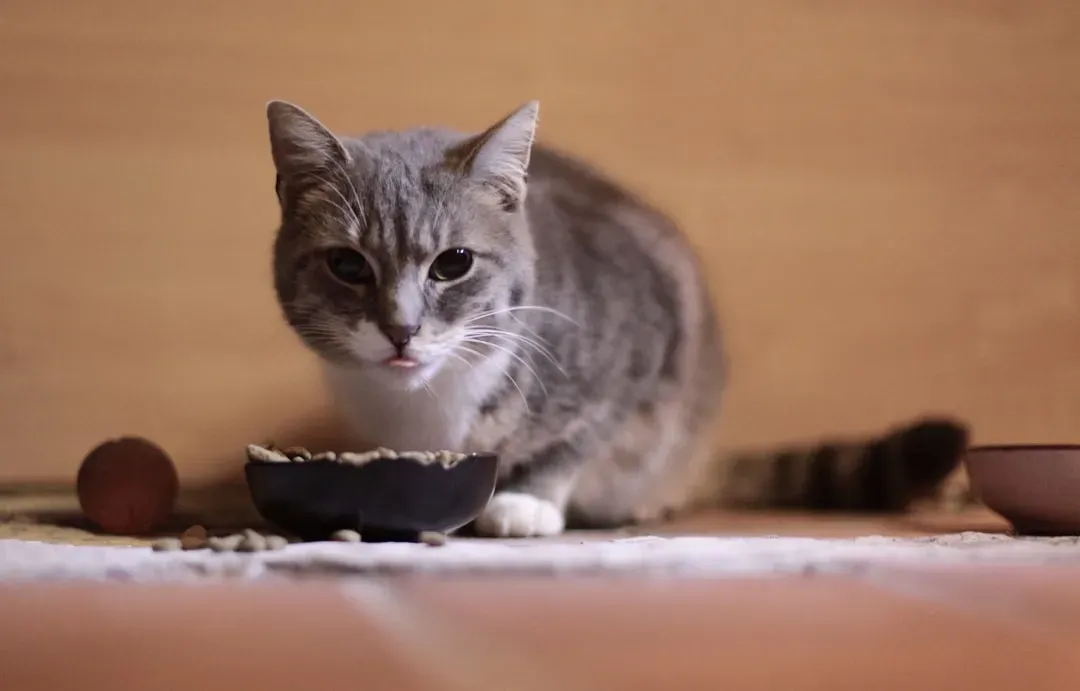
You might assume your cat cares most about flavor, but texture plays an enormous role in their food preferences. What a cat finds ‘tasty’ is influenced by many factors other than taste because cats have fewer taste buds than humans or dogs, so factors like temperature, smell or mouthfeel become much more proportionally relevant to them.
The ease with which cats pick up a food and the way it feels in the cat’s mouth plays a big part in whether they will make a meal of what is being served in the food bowl. Some cats love smooth pâté, while others prefer chunky bites or shredded textures. Most cats seem to prefer softer wet options over dry kibble, and it is very common for cats to not eat wet food that has been out all day and has started to dry up. Finding your cat’s preferred texture might require some trial and error, but it’s worth it.
The Hidden Reasons Behind Finicky Eating
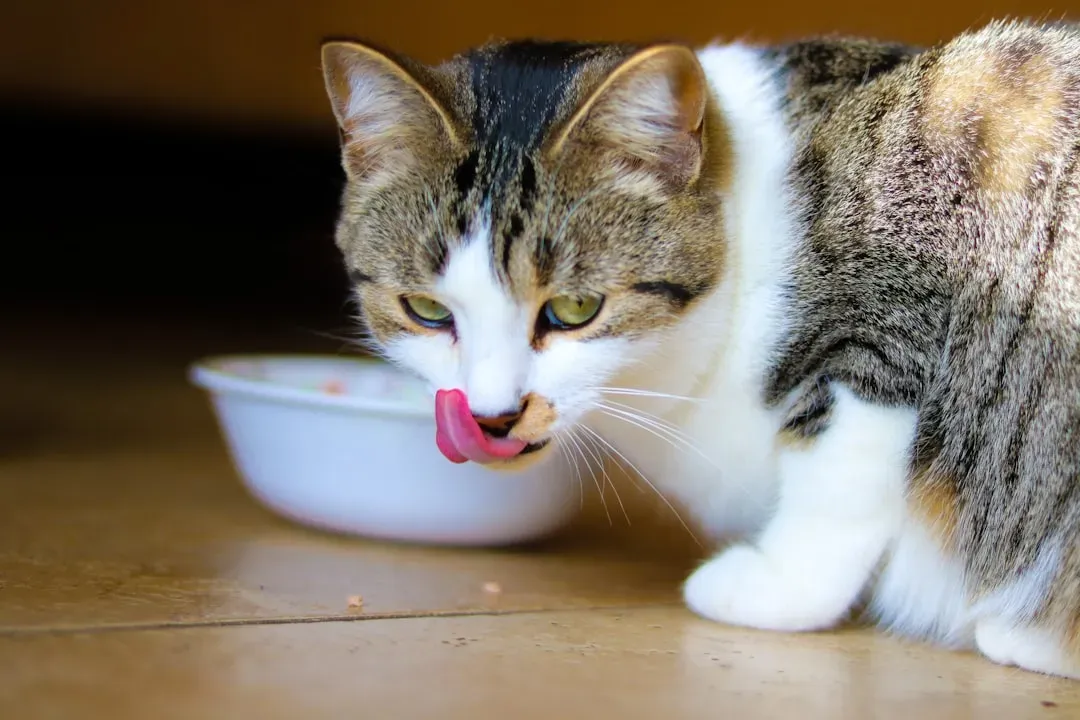
Cats evolved to hunt and eat prey, so they have keen senses to help them track down fresh food and avoid spoiled food, with texture, smell and temperature all affecting a cat’s decision to eat. This isn’t pickiness – it’s survival instinct hardwired into their DNA.
Something is preventing a cat’s natural feeding behaviors when they’re finicky, and it can be any number of things from simply not liking the food to being too frightened to eat. Medical issues can also play a huge role. If your cat has suddenly become a picky eater, most of the time there’s a medical reason, including kidney disease, gastrointestinal issues, dental disease, limb pain, respiratory infections, and heart disease. Never ignore a sudden change in eating habits.
The Learned Behavior Nobody Talks About
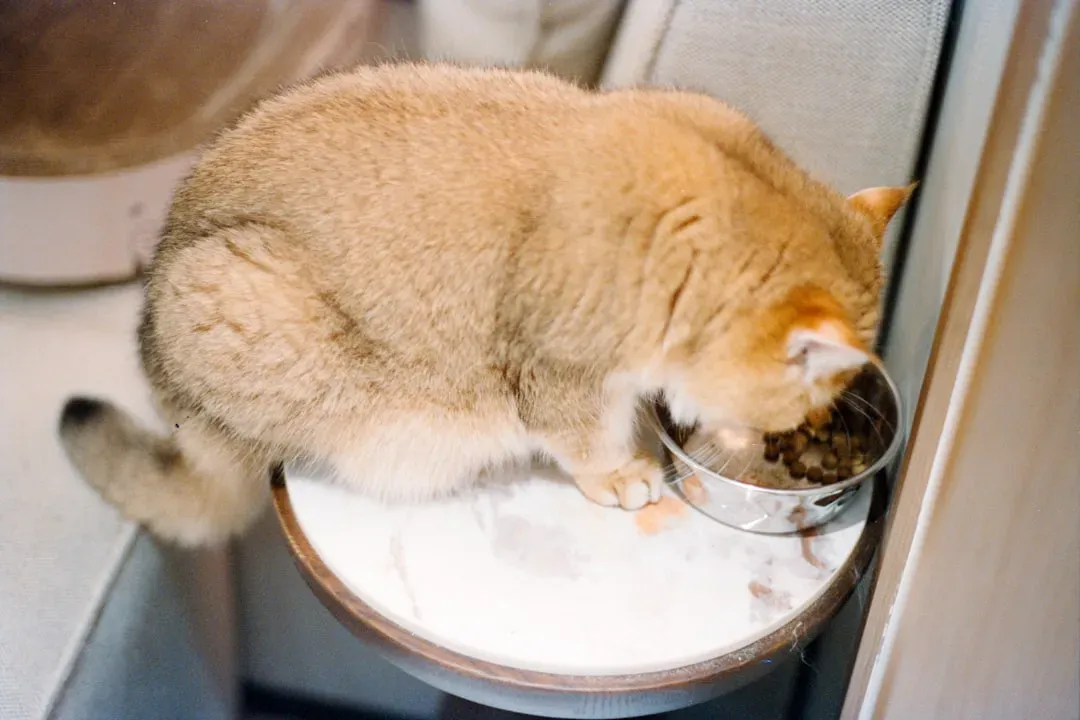
According to many behaviorists, finickiness is a learned behavior and not an inborn one, and cats will happily eat the same food twice a day for their entire lives, provided it’s nutritionally complete and tastes good enough. Here’s the thing: we might actually be creating picky eaters.
If you mix in chicken, tuna or other tasty morsels to get kitty to eat, you’ve now increased your cat’s taste expectations and she’ll be less likely to eat food without the added yummies. Sometimes consistency is actually what your cat needs, not variety. Cats are heavily influenced by the foods they eat as kittens, and when cats are kittens, they’re learning whether different foods are good or bad for them, often taught by their moms, so cats build up these food preferences or aversions.
Environmental Factors You’re Probably Overlooking
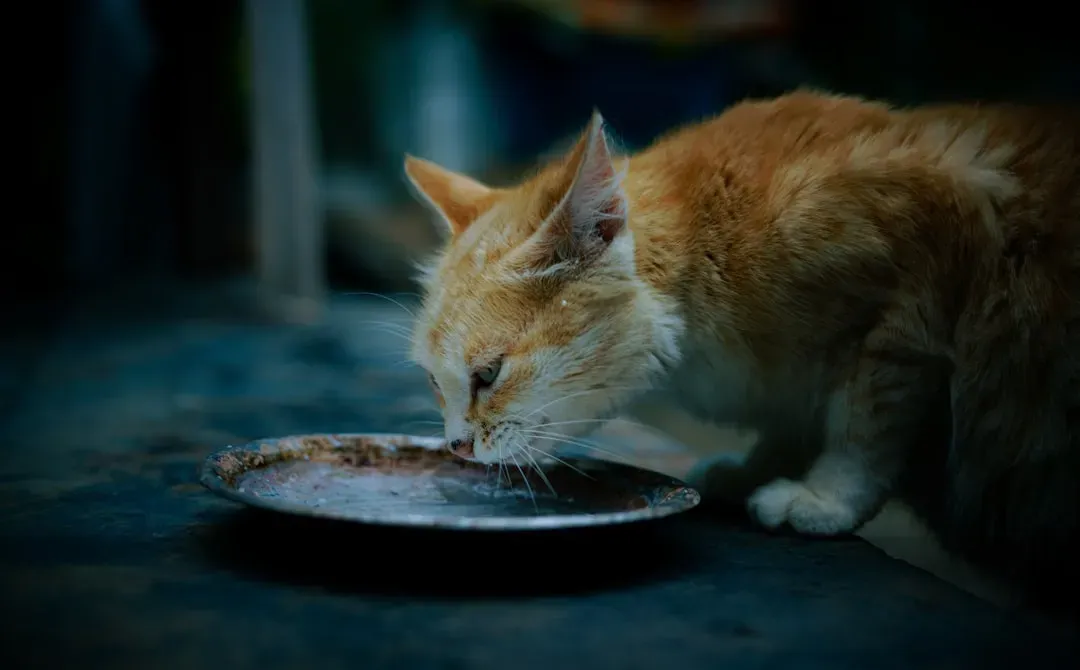
Location, location, location. It’s not just important in real estate. Creating an ideal eating space for your cat can help her feel more comfortable during her meals, including placing her food bowl in a quiet area and restricting access from other animals when she is eating.
Sometimes just breaking a cat’s routine can put a cat off its food, especially true with indoor cats who often perceive change as a threat. Have you recently moved their bowl? Changed the type of dish? These seemingly minor adjustments can have major impacts on whether your cat will eat. Some cats even need an audience while eating, while others want complete privacy.
Understanding the Bitter Truth
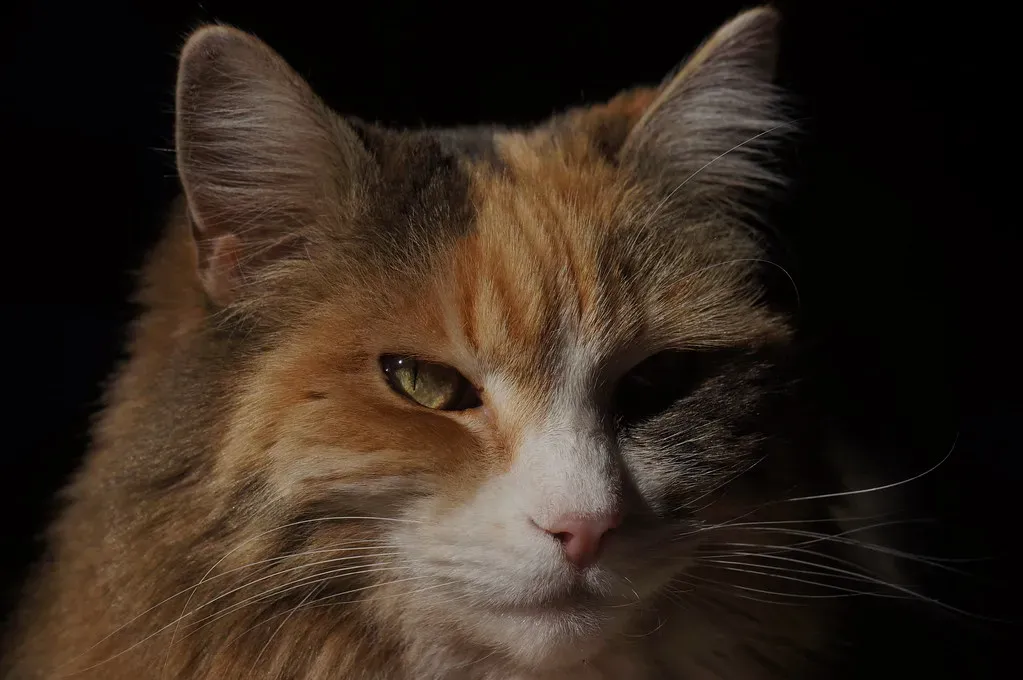
Cats possess taste receptors for bitterness, serving as a protective mechanism against potentially harmful substances in their environment, with receptors known as TAS2Rs helping cats avoid ingesting toxic or spoiled foods. This sensitivity is actually protecting them.
When your cat refuses to take their medication, this bitter detection system is likely working overtime. Veterinarians often recommend masking bitter tastes in medications with palatable flavors like tuna or chicken, but not all cats respond equally, as individual preferences vary, with some cats tolerating a flavored paste while others might detect the underlying bitterness and refuse it. I think this explains a lot about those frustrating vet visits.
What This All Means for Feeding Your Cat
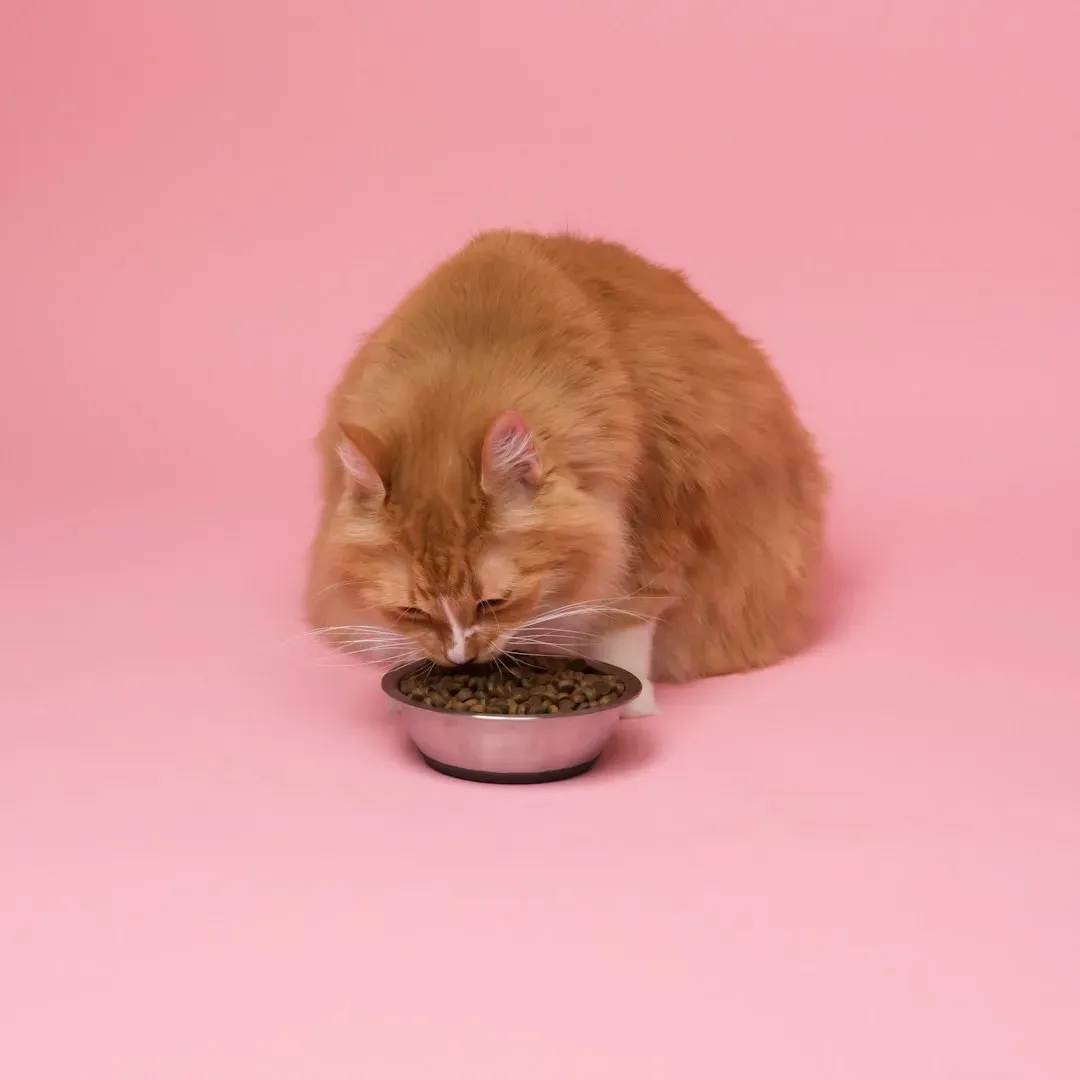
Understanding your cat’s unique sensory experience changes how you should approach mealtime. Cats prefer warm food as the aroma beckons to them, and if your cat is a picky eater, make sure you stick to umami flavors and always warm up the food. Focus on high-protein, meat-based options since that’s what their taste receptors are designed to detect.
Pay attention to freshness, temperature, and texture. Food fed directly from the refrigerator is unappealing because cats aren’t scavengers and they use their nose to determine if the temperature indicates whether it’s safe to eat, and if the food is cold, it could indicate to the cat that it’s not very fresh, plus cold food releases less aroma. Small changes in how you serve their food can make an enormous difference in whether they’ll actually eat it. Sometimes it’s not about finding the perfect food – it’s about serving the food they already like in a way that appeals to all their senses.
Your cat isn’t trying to be difficult when they turn their nose up at perfectly good food. They’re simply experiencing the world through a completely different sensory lens than you are. With fewer taste buds but a remarkably powerful sense of smell, a preference for warm food at prey temperature, and an inability to taste sweetness, your feline friend is navigating mealtime in a way that’s deeply connected to their evolutionary past as hunters. Next time your cat rejects their dinner, remember – they might not be picky at all. They’re just being magnificently, authentically cat.
What unexpected things have you discovered about your cat’s eating habits? Have you found any surprising solutions to their finicky behavior?