Your feline friend might seem like they’re just lounging around, soaking up sunbeams and demanding treats. Yet beneath that seemingly aloof exterior lies something far more profound. Have you ever noticed how your cat seems to know things you don’t? The way they position themselves just so when visitors arrive? Or how they suddenly become your shadow during times of stress?
The truth is, your cat might be far more protective than you realize. Studies suggest that cats are attached to their owners. They not only rely on people for their food and water but also for comfort and security. This deep emotional connection drives behaviors that many of us dismiss as mere coincidence. So let’s dive into the fascinating world of feline guardianship and discover whether your cat has been quietly standing guard all along.
They Become Your Personal Shadow
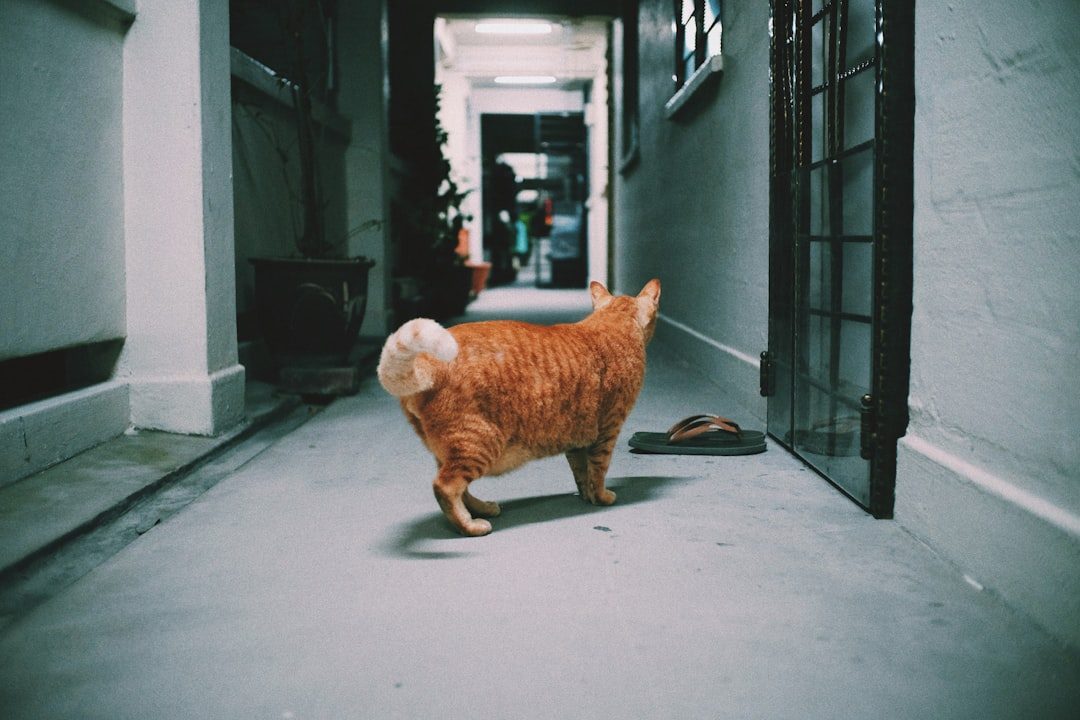
Have you noticed your cat following you from room to room with an intensity that feels different from their usual curiosity? If your cat suddenly turns into a “Velcro cat”, refusing to leave your side and following you wherever you go, it could be a sign of protection. This behavior, known as shadowing, isn’t just about seeking attention.
This behavior, known as shadowing, is a clear protective instinct. Your cat is monitoring your safety and positioning themselves to intercept any potential threats. When cats sense something unusual in their environment or detect emotional distress in their humans, they often respond by maintaining closer proximity than usual.
If you are feeling anxious or fearful, your cat may sense this and stick closer to you. In addition, a cat’s senses are more finely tuned than ours, allowing them to hear, smell, or see things we can’t. If your cat feels something is amiss, they may get clingy for their own protection as well as yours.
Their Ears Tell a Story of Vigilance
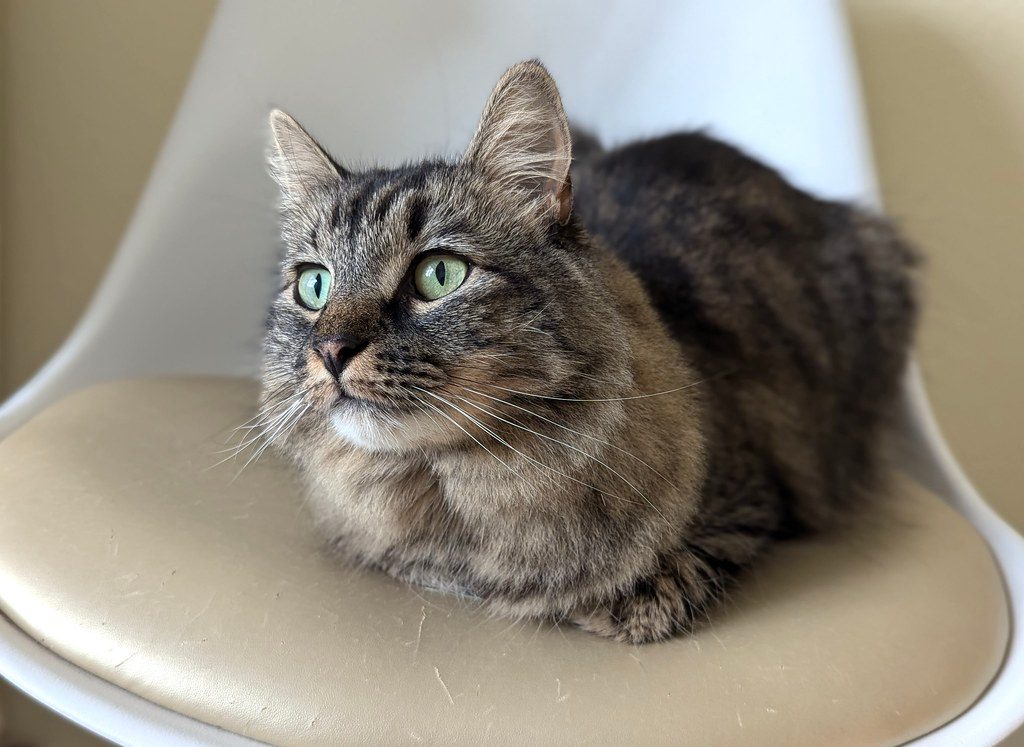
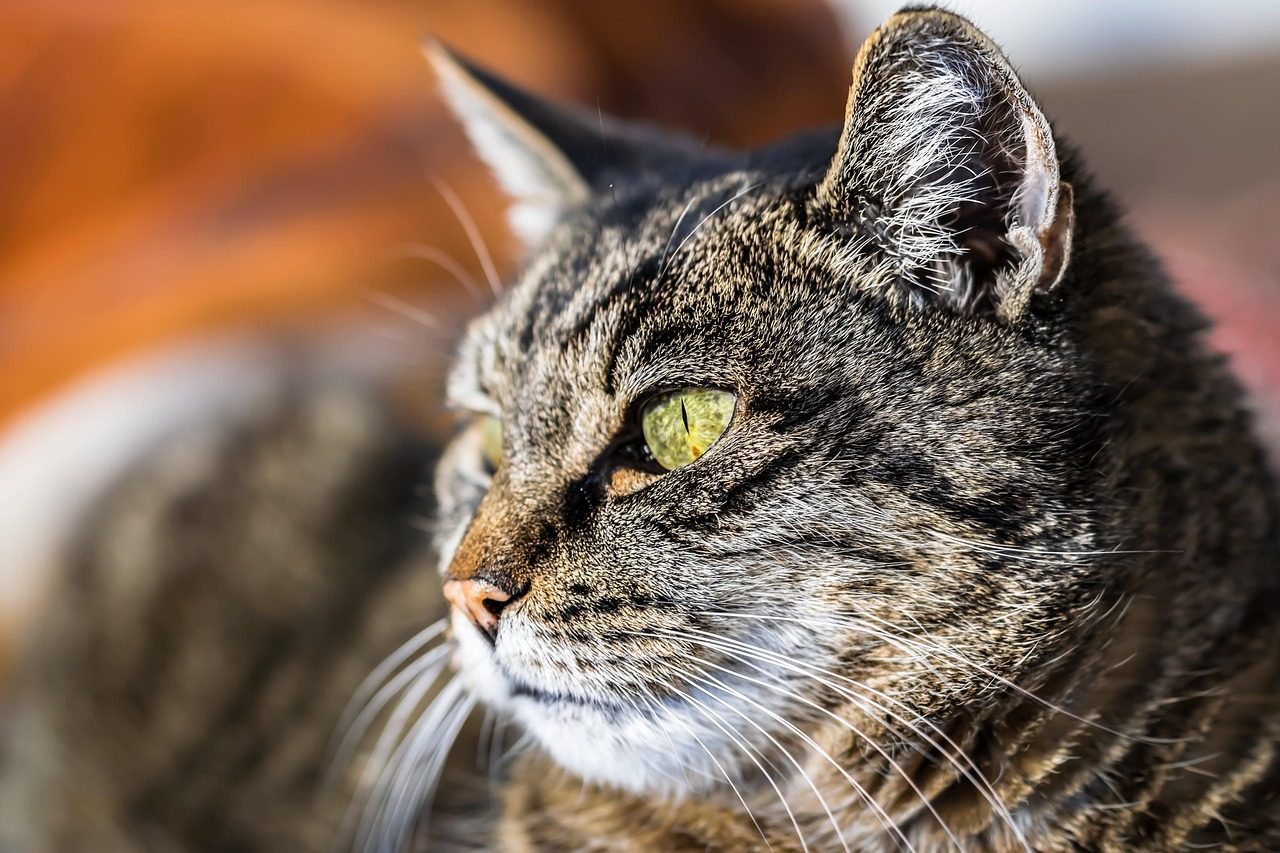
Watch your cat’s ears closely, especially when they’re near you during potentially stressful situations. When cats want to pay attention to something, they will often point their ears toward that object, person, or event. It helps them hear a bit better and gives them the focus they need to act if necessary. If your cat is trying to protect you from something they think is dangerous, they will likely act in this manner.
This alert ear positioning serves as your cat’s early warning system. Alert, forward-facing ears indicate vigilance, while flattened ears signal readiness to defend. Their acute hearing allows them to detect sounds and movements that escape human notice entirely. Think of your cat as a living security system, constantly scanning their environment for potential threats to their territory, which includes you.
Sometimes this vigilance can seem misplaced to us humans. Your cat might remain on high alert because of something as simple as an unusual sound outside. Still, this behavior demonstrates their commitment to monitoring your shared space for anything that seems out of place.
They Position Themselves Between You and Perceived Threats
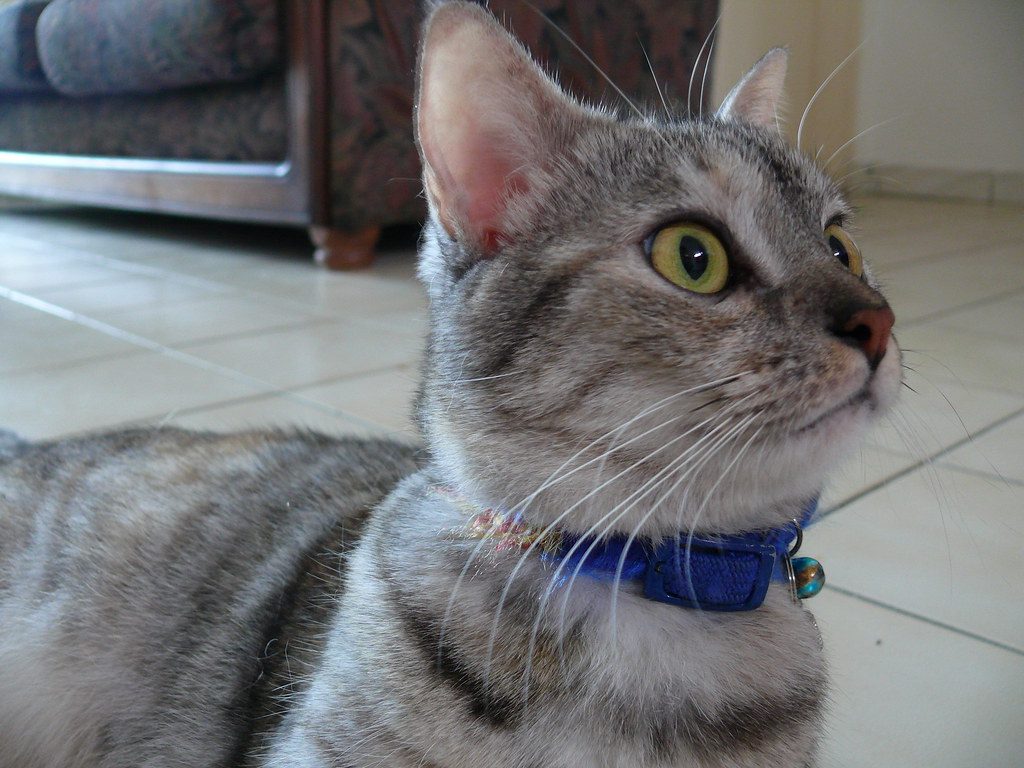
One of the most telling protective behaviors occurs when your cat deliberately places themselves between you and whatever they perceive as a threat. Common protective signs include puffed-out fur, positioning themselves between you and perceived threats, following you around, alert posturing, and warning vocalizations like growling or hissing. This strategic positioning isn’t accidental.
A protective cat will maintain their ground and face the threat, while a scared cat typically tries to retreat. Protective cats also tend to stay close to their owners rather than hide. Whether it’s a stranger at the door, an unfamiliar animal, or even something as innocuous as a delivery person, your cat may step directly into the line of sight between you and the perceived danger.
This behavior stems from deep territorial instincts combined with their emotional attachment to you. Your cat views you as part of their family unit, and protecting family members is a natural response when they sense potential danger.
Their Eyes Dilate and Stay Fixed on Threats
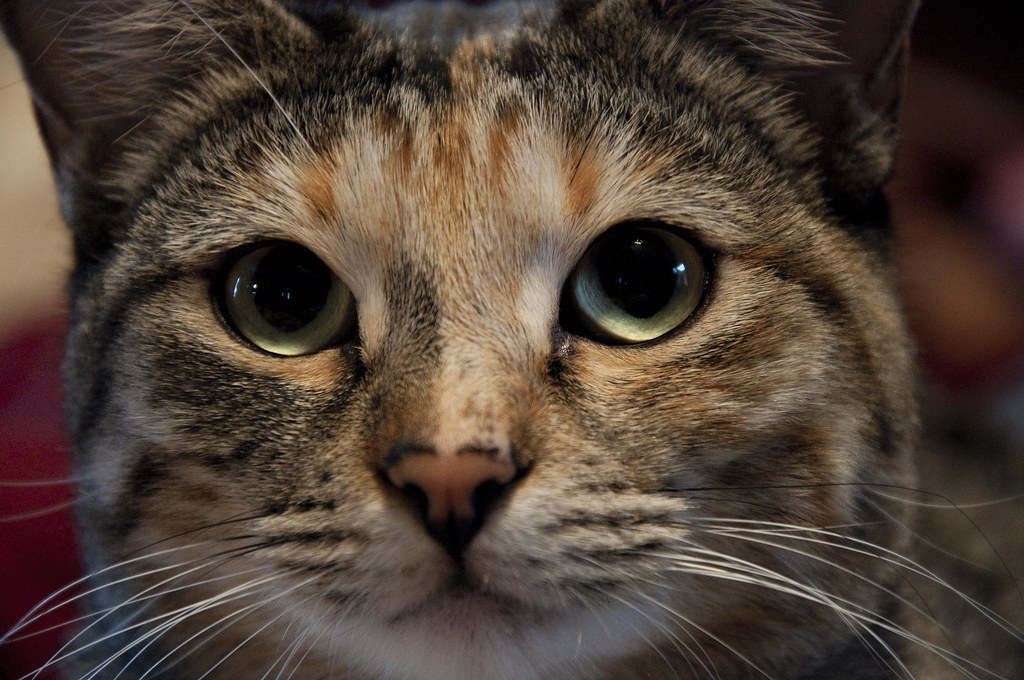
Cats that are concentrating, alert, frightened, or hunting often have dilated eyes. Their eyes dilate when there is something that they really need to pay attention to. It helps them track movement and see a bit better, which your cat may feel is important when trying to protect you.
When your cat’s pupils suddenly become large and dark while they’re focused on something specific, they’ve shifted into high-alert mode. This physiological response helps them gather more visual information about potential threats. You might notice this happening when unexpected visitors arrive or when your cat detects something unusual in their environment.
The intensity of their gaze often accompanies this dilation. A protective cat will maintain unwavering focus on whatever has caught their attention, ready to react if the situation escalates. However, it’s important to note that dilated pupils can also indicate medical issues, so persistent changes warrant veterinary attention.
They Sleep Near You for Strategic Reasons
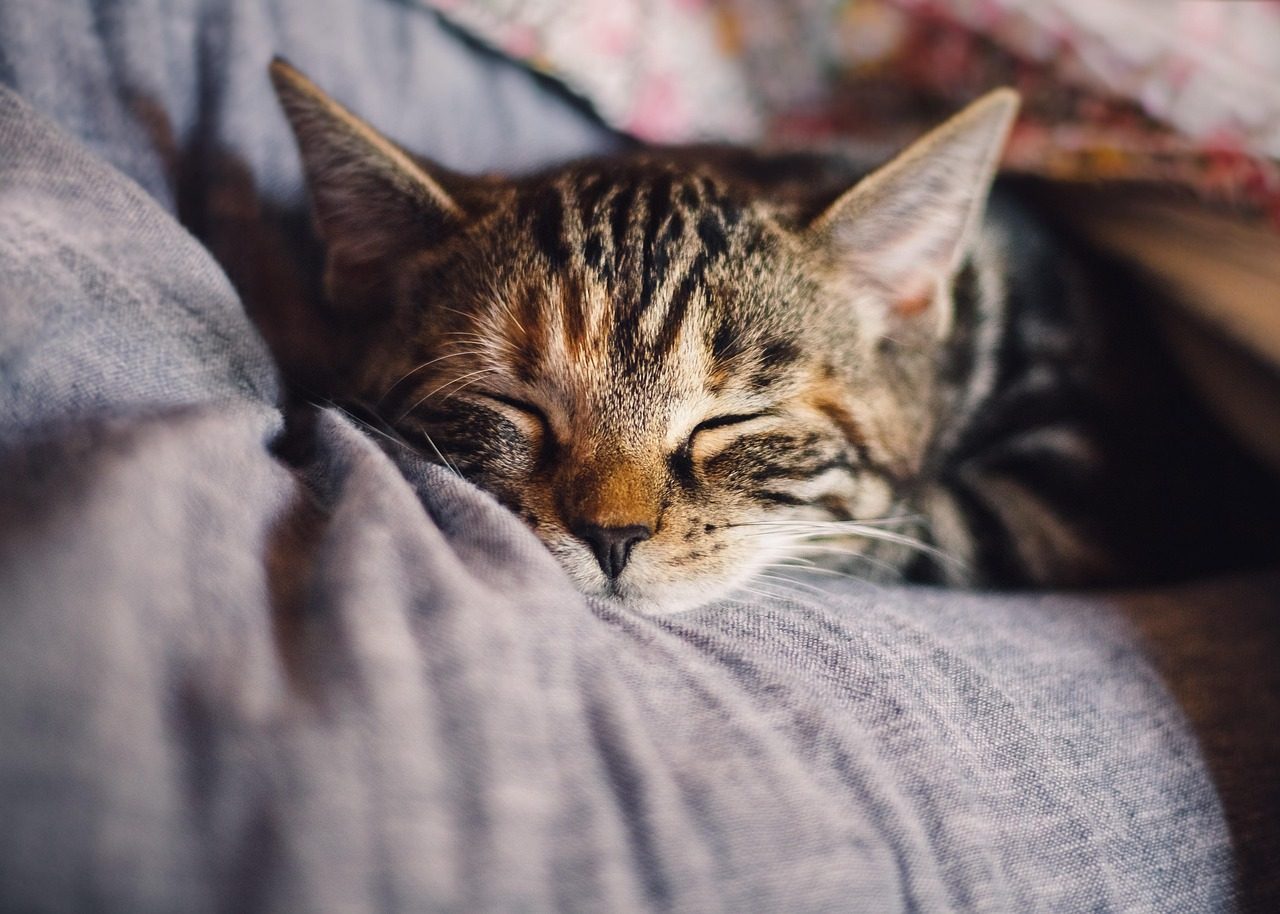
Your cat’s choice to sleep near you isn’t just about warmth and comfort. Cats know they’re vulnerable when they sleep, so sleeping with you means they can protect themselves better from danger. Sleeping near the foot of the bed gives your cat a good view of the room so that they will be alerted at the first hint of trouble, and they can alert you or escape in any direction if needed.
This means your cat isn’t just sleeping at your feet for comfort – they may also see themselves as your personal night watch. As Rochlitz notes, “Cats often choose sleeping positions that maximize both comfort and vigilance, a behavior likely rooted in their predatory and defensive instincts.” Their strategic positioning allows them to monitor the environment while maintaining proximity to you.
Since cats are always poised for action, it makes sense that they’d seek extra protection by curling up next to their owner. You give your cat an extra level of security during sleep, a time when they’re most vulnerable. This mutual protection arrangement benefits both of you, even though you might not realize your role in this nighttime security system.
Their Tail Movements Signal Protective Mode
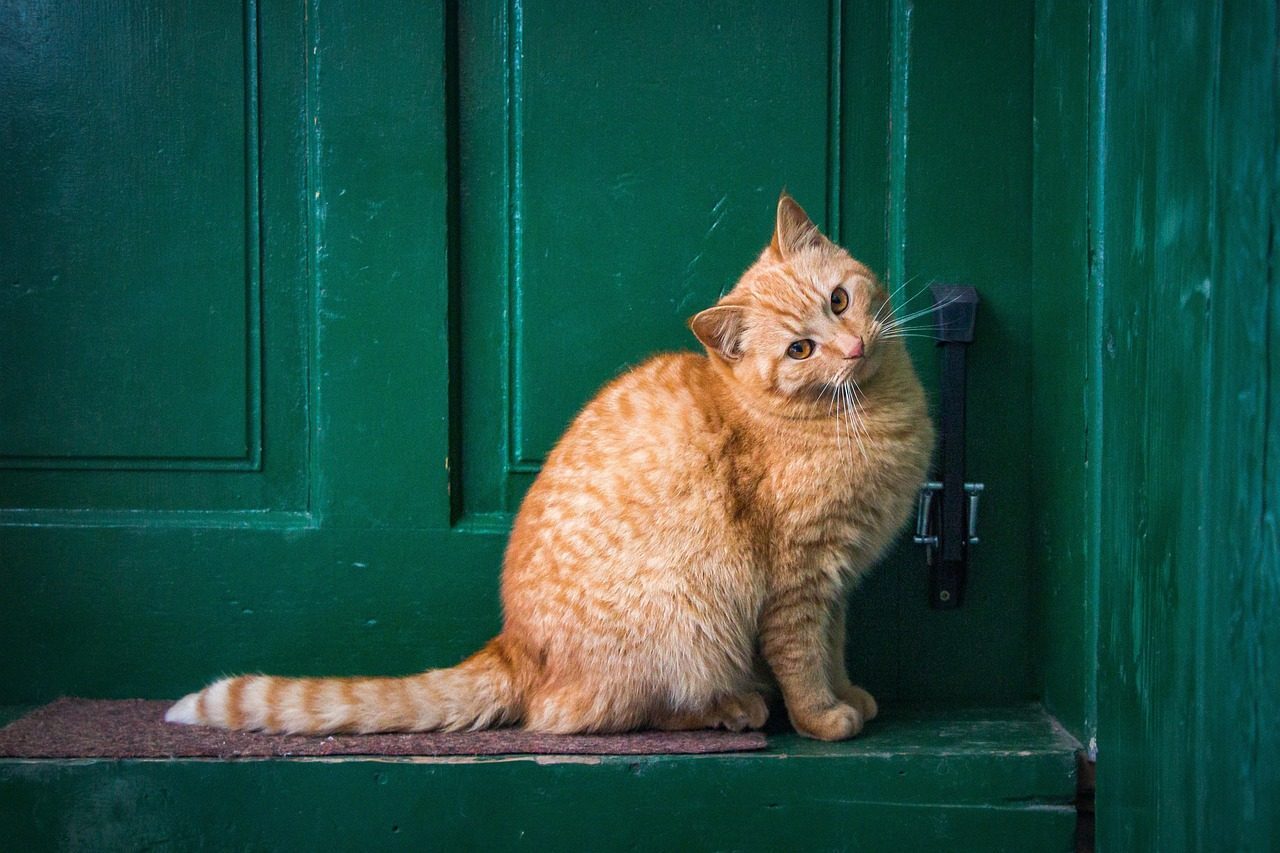
When a dog wags their tail, it’s usually (but not always) a sign of happiness. When a cat does it, it usually means the opposite. A cat’s tail is one of the most expressive parts of their body. Fast, aggressive tail movements are a sign that a cat is worked up and could indicate that they’re ready to engage and protect you.
Pay attention to rapid, sharp tail movements or when your cat’s tail becomes bushy and puffed up. A lashing tail with puffed fur shows agitation and warning, while a low-held tail indicates defensive posturing. These tail signals often precede more dramatic protective behaviors.
Quick and sharp tail movements are usually a sign that your cat is paying very close attention to something. Typically, you see these tail movements when your feline is “hunting.” However, they will also pop up when they are trying to protect against something. Usually, these tail movements will occur when your cat is looking at the thing they’re trying to protect you from. Understanding these subtle communications helps you recognize when your cat has detected something worth their concern.
They Make Warning Vocalizations
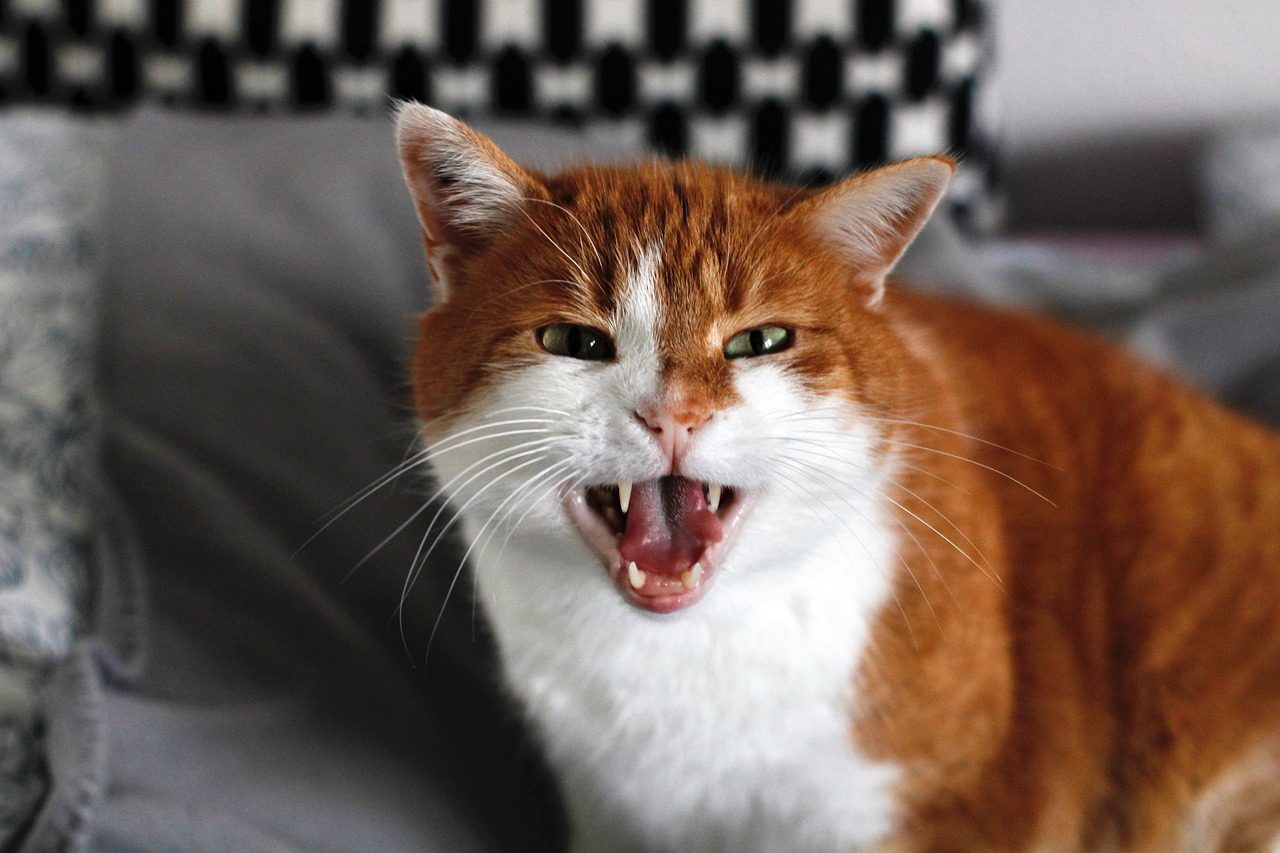
However, your cat may vocalize in other ways to demonstrate aggression or protection. Growling and hissing are two familiar sounds that show your cat is agitated. These aren’t the gentle purrs and chirps you’re used to hearing during cuddle time.
When your cat produces these warning sounds, they’re communicating that they’ve identified a threat and are prepared to defend their territory. The intensity and duration of these vocalizations often correlate with the level of threat they perceive. A brief hiss might indicate mild concern, while sustained growling suggests serious protective intent.
These vocal warnings serve multiple purposes. They alert you to potential danger while simultaneously attempting to deter the perceived threat. Your cat is essentially saying, “I see you, I’m watching, and I’m ready to act if necessary.” Learning to distinguish between different types of vocalizations helps you understand when your cat is in protective mode versus simply expressing other needs.
They Exhibit Puffed-Up Fur and Defensive Postures
Cats often puff up their tails or even the fur on their whole body in response to a threat. By doing this, they make themselves look bigger and hopefully scarier to a potential enemy. The goal is to prevent a fight by frightening off the threat instead. Officially, this behavior is called piloerection and is a reflexive response in the cat, controlled by the nervous system.
The most noticeable sign is piloerection – when their fur stands on end, particularly along their spine and tail. This defensive posture makes them appear larger and more intimidating to potential threats. This dramatic physical transformation often accompanies other protective behaviors.
Most cats will arch their backs, stand sideways, do an almost crab-like walk, and hop on stiff legs. All these signs are designed to make the cat look large and threatening toward the intruder. While this might look amusing to us, it represents your cat’s serious attempt to protect their territory and family without resorting to actual physical confrontation.
They Show Heightened Awareness During Vulnerable Times
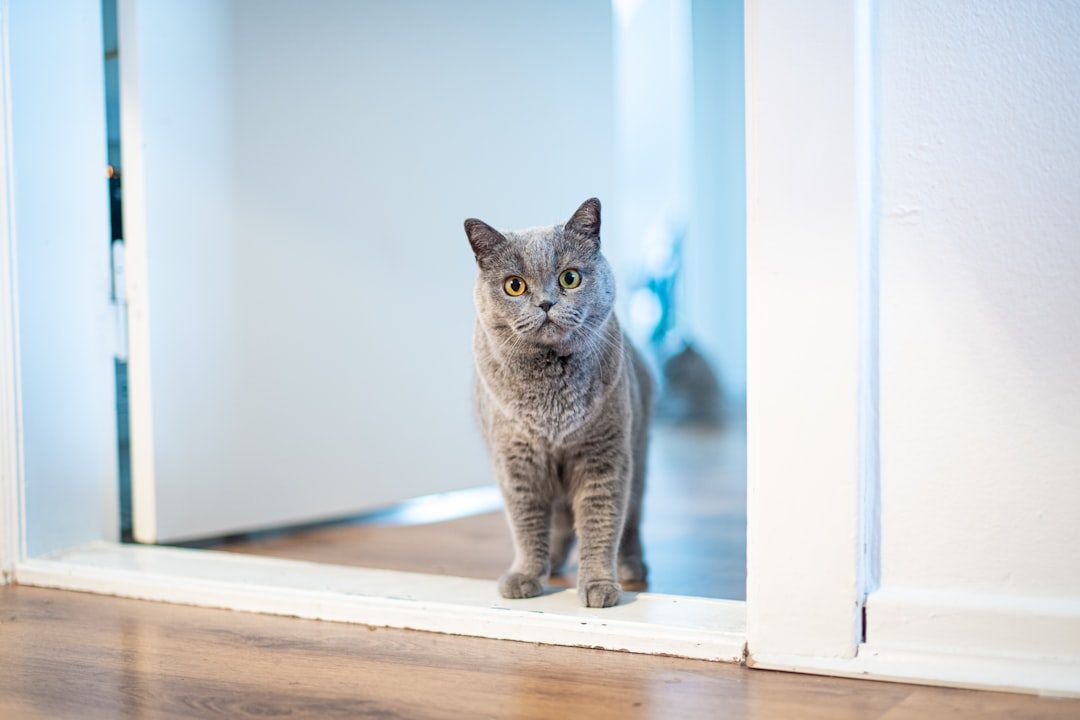
The acts of urinating and defecating are vulnerable times for cats: They must remain stationary, and the smell of urine and feces may attract predators. So your cat may want to stay with you in the bathroom to protect you. This explains their insistence on bathroom supervision.
Guarding is a normal protective behavior that is often a display of affection, accompanied by purring, kneading, head butting, and licking. Your cat recognizes that certain activities leave both of you temporarily vulnerable, prompting them to maintain closer vigilance during these times.
This protective behavior extends beyond bathroom visits. You might notice increased attention when you’re sleeping, sick, or engaged in activities that require your full concentration. Often, cats may lay nearby in a seemingly comfortable manner but they will appear to be unusually uptight and tense. In these cases, you can typically tell that something is wrong. Your cat’s protective instincts kick into high gear when they sense you’re in a potentially vulnerable state.
What do you think about these subtle signs of feline protection? Have you noticed any of these behaviors in your own cat? These protective instincts reveal the depth of the bond between cats and their humans, suggesting that your feline companion might be watching over you more carefully than you ever imagined.