You’ve probably woken up at some point in the night and found your cat sitting perfectly still at the foot of the bed, eyes wide open, staring into the darkness. It’s a little eerie and, depending on your imagination, either reassuring or unsettling. Most people laugh it off. A few wonder if their cat is actually doing something purposeful.
The truth sits somewhere between instinct and genuine connection. Cats aren’t guard dogs, and nobody’s pretending they are. Still, there’s more to that quiet, watchful presence beside you at night than a simple preference for a warm spot. What your cat does while you sleep is shaped by millions of years of evolution, territorial instinct, sensory biology, and a real emotional bond with you.
The Territorial Instinct That Never Switched Off
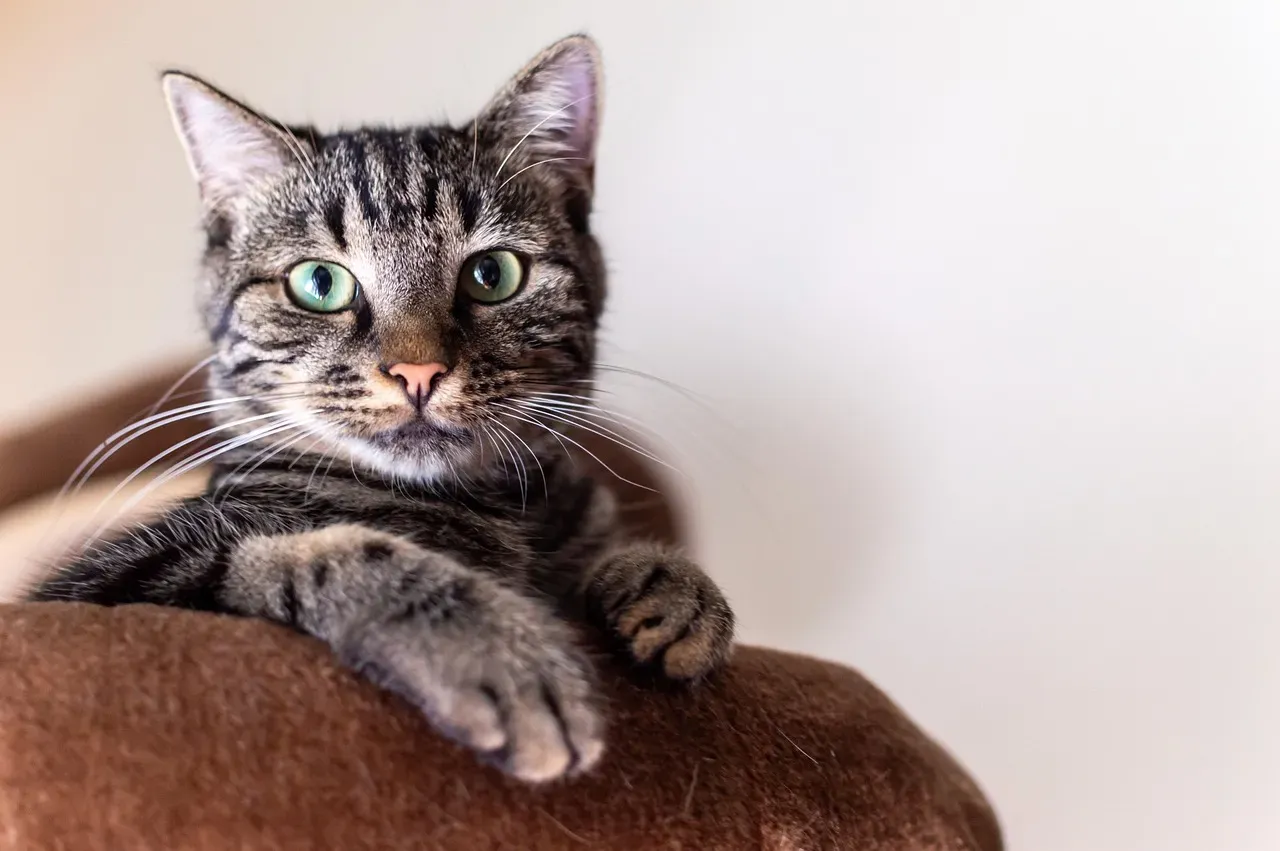
Cats are territorial by nature. As they stake a claim on their surroundings, they exhibit behaviors to ensure their territory remains uncompromised, and they often stay alert, especially at night, to ward off potential intruders. Your bedroom isn’t just a room to your cat. It’s a core part of the territory they’ve claimed, and you’re at the center of it.
Cats’ territorial nature and evolutionary development as both predator and prey species give them natural guarding instincts. Their acute senses and strong bonds with owners drive them to monitor and respond to potential threats, even though their protective style differs from dogs. So when your cat plants themselves near the door at night, it’s not random. There’s a logic to it.
What Their Senses Can Actually Detect

Humans and cats have a similar range of hearing on the low end of the scale, but cats can hear much higher-pitched sounds, up to 64 kHz, which is 1.6 octaves above the range of a human, and 1 octave above the range of a dog. That means while you’re deep in REM sleep, your cat is picking up on sounds you’d never register.
Cats have a highly specialized sense of smell, excellent vision, and very sensitive hearing, which helps them quickly detect changes in their surroundings. Cats can also sense vibrations in the ground through their paw pads and detect atmospheric pressure changes with their whiskers. Put simply, your sleeping cat is operating a sensory system that’s genuinely impressive by any standard.
How Cats Position Themselves to Watch Over You
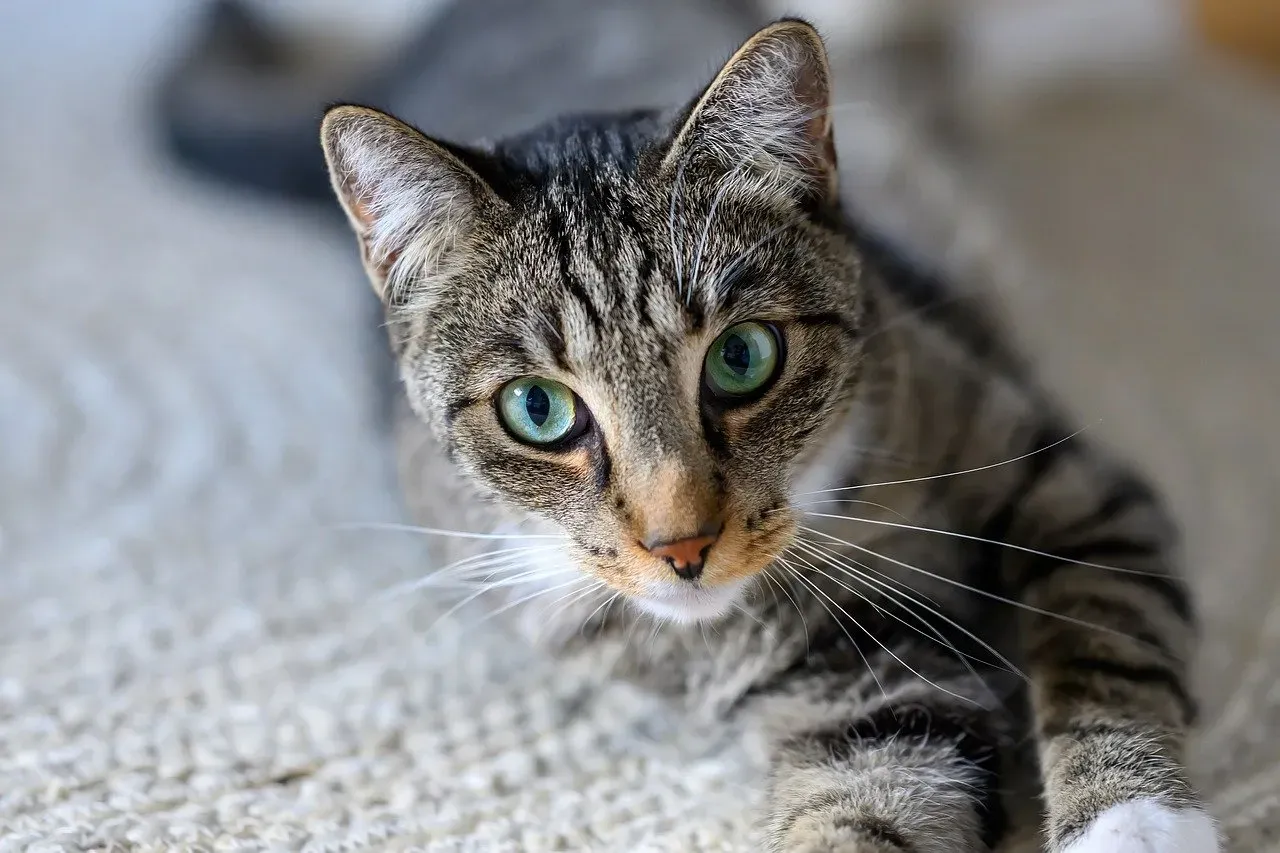
Many cats choose sleeping positions that allow them to monitor their surroundings while staying close to their owners. Their superior night vision and acute hearing enable them to detect disturbances long before humans notice them. The spot your cat picks is rarely accidental. They’re thinking strategically, even if only by instinct.
Cats know they’re vulnerable when they sleep, so sleeping with you means they can protect themselves better from danger. Sleeping near the foot of the bed gives your cat a good view of the room so that they will be alerted at the first hint of trouble, and they can alert you or escape in any direction if needed. That positioning reveals a cat working out the best odds for both of you.
The Bond That Keeps Them Close

Most cats tend to bond more closely with one member of the household. Generally speaking, the cat will gravitate toward the one they deem their person. They are very sensitive to sounds and smells and can even be comforted by your scent and the rhythm of your breathing and heartbeat. That quiet comfort is mutual, even if your cat won’t admit it.
Cats have proven to form strong emotional attachments to their owners, and if they are the type to sleep in a human bed, they’ll be most likely to choose the bed of their closest bond. Your cat isn’t just near you by coincidence. You’ve earned that trust, and they respond to it physically, every single night.
How Cats Have Alerted Owners to Real Danger
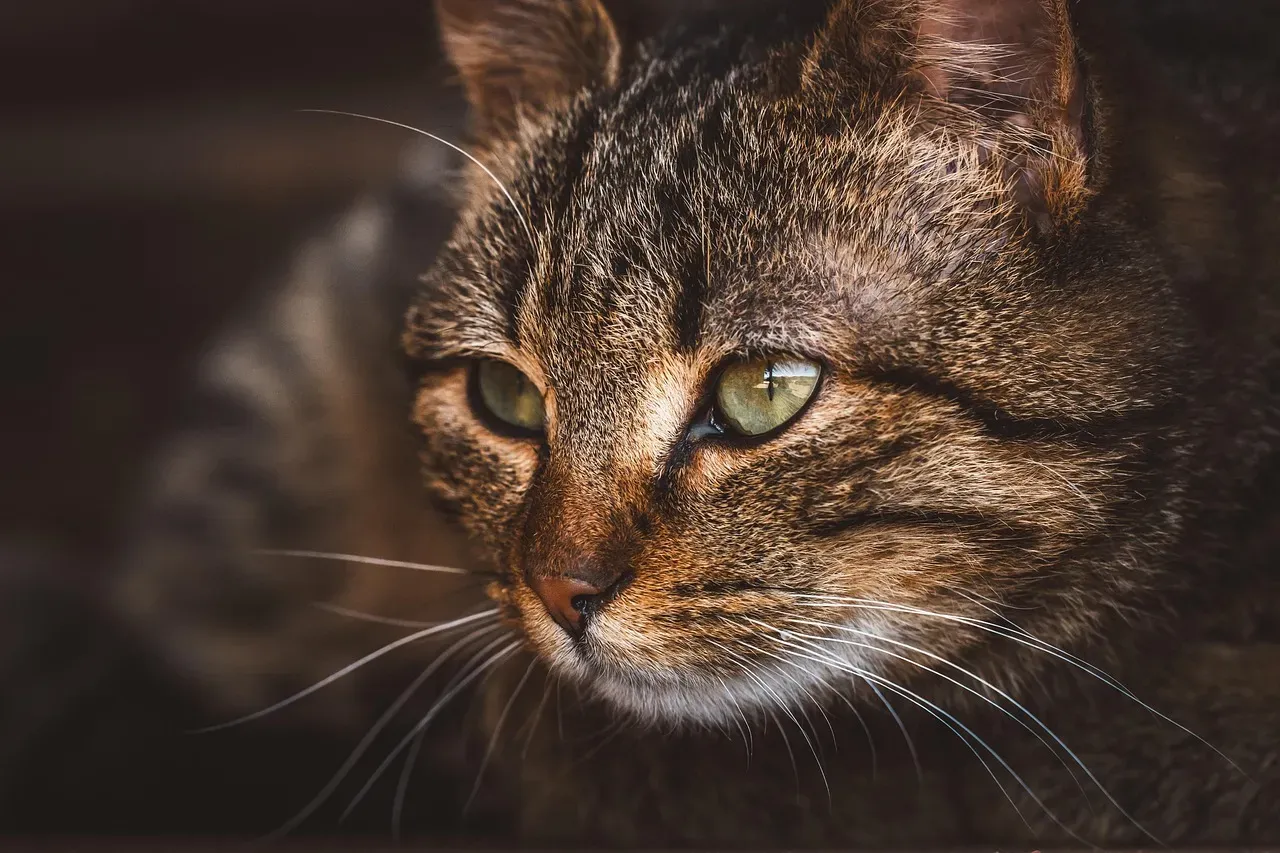
Cats can warn their owners of dangers while sleeping. Their acute senses allow them to detect environmental threats, intruders, or emergencies before humans notice them. Many documented cases show cats alerting their owners to fires, medical emergencies, and other dangerous situations. These aren’t folk tales. They’re credible accounts backed by real consequences.
Sam Felstead was saved by her cat Billy in the early morning. Sam woke up covered in sweat, unable to move, and feeling a shooting pain down her right side. Billy, normally a quiet and solitary cat, was meowing loudly on Sam’s chest, refusing to leave her side. Sam was later diagnosed with a mild heart attack and a blocked artery. It’s a striking reminder that a cat’s attention to your physical state can mean something real.
Warmth, Comfort, and Something Beyond Guarding

Cats sleep near their owners for multiple reasons, including protection, warmth, comfort, and emotional security. This behavior demonstrates trust and a desire to monitor their environment while staying close to their bonded human companion. Guarding and comfort aren’t opposites. For cats, they seem to come as a package.
For cats, snuggling against their owner provides a stress-relieving effect. The warmth of your body, combined with your familiar scent and heartbeat, helps regulate their mood and lower anxiety. If your cat suddenly becomes more affectionate, it could be their way of seeking comfort during times of change or uncertainty. Nighttime closeness is as much about their needs as it is about yours.
The Role of Personality and Individual Variation

Cats with naturally curious or vigilant personalities, or those who’ve had protective experiences with their humans, may be more likely to act as guardians. Some cats are simply more sensitive to changes in energy or atmosphere, making them more attuned to threats or disturbances around them. Every cat is different, and that matters when you’re trying to read their behavior honestly.
While cats can protect you while you sleep, you shouldn’t necessarily expect them to, as their ideas of protection are a bit different than yours. Each cat is an individual, and how protective they may be will vary. Expecting your cat to behave like a tiny security officer every night would be setting the bar in the wrong place entirely.
What Your Cat’s Nighttime Behavior Is Really Telling You
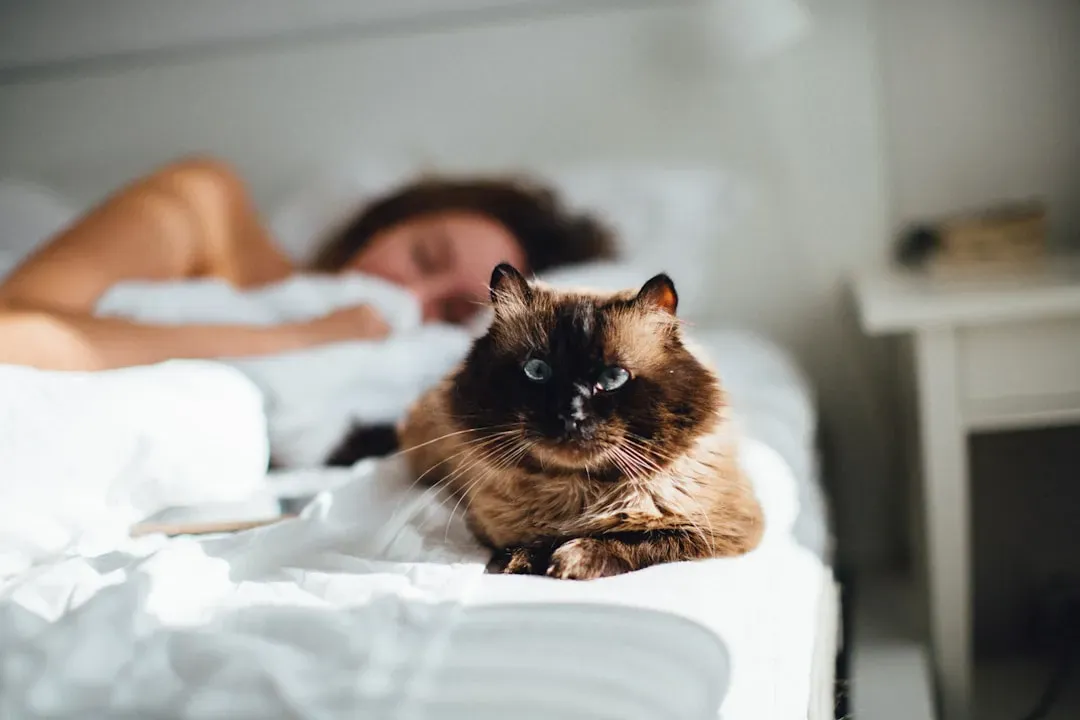
When your cat suddenly starts sleeping on you, it’s often an expression of trust, warmth-seeking, or emotional attachment. Cats, though independent by nature, also crave safety and familiarity, and their favorite human often provides both. Reading that behavior correctly changes how you relate to your cat in a meaningful way.
Sleeping is a vulnerable activity for cats. Choosing to do so near you indicates they trust you with their safety. Sleep can be a vulnerable time, and cats instinctively gravitate toward places where they feel safe. By choosing to sleep near a familiar human, cats not only find warmth and comfort, they also benefit from a sense of security that reinforces their bond. That trust runs in both directions, whether or not you’re awake enough to notice it.
How to Strengthen Your Cat’s Protective Instincts
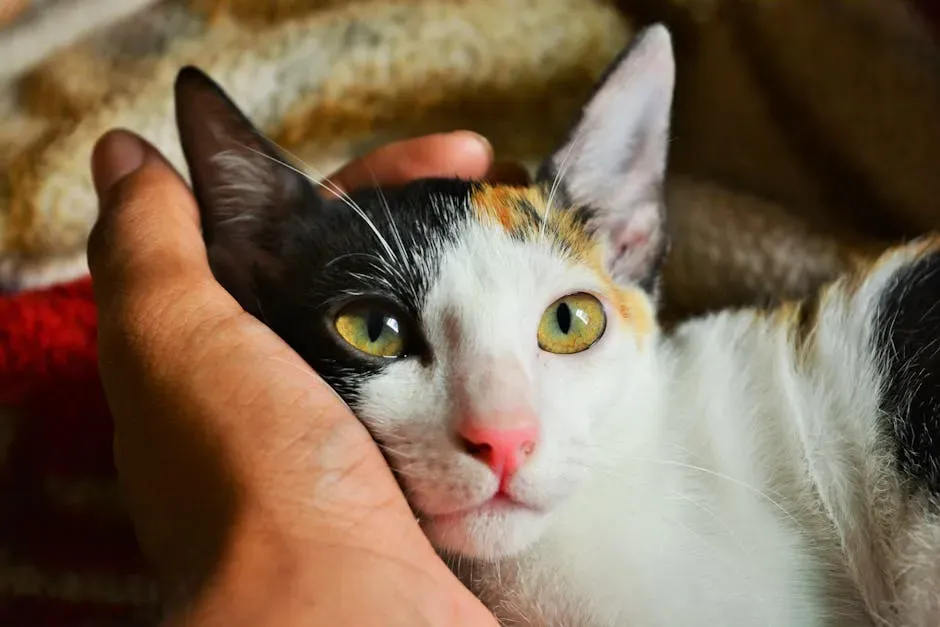
Cats often have similar personalities and behaviors as their humans. If you’re protective and loving towards your cat, that means they will likely feel or act the same way toward you. The relationship genuinely shapes how a cat shows up for you, including at night.
If you want your cat to help provide a feeling of safety while you sleep, there are a few steps you can take. First, ensure your cat is well-trained, which helps to ensure they don’t do anything that disturbs your rest. Second, ensure your cat has plenty of toys and activities available during the day, so they don’t become bored or restless at night. A stimulated, bonded cat is a more attentive companion once the lights go out.
Conclusion

Your cat probably isn’t standing watch over you the way a soldier guards a post. The science is clear that their motivations are layered: instinct, territory, warmth, attachment, and yes, a genuine sensitivity to your state and surroundings. While cats may not be conventional guardians like dogs, they do offer a unique form of protection through their natural instincts, acute senses, and emotional bonds with their owners. Understanding and appreciating these protective behaviors can help strengthen the special relationship between cats and their human companions.
The more accurate picture is this: your cat chooses to be near you at night because you’re part of what makes the world feel safe to them. And in return, those extraordinary senses are pointed outward, watching your shared space while you rest. That quiet presence on the edge of the bed isn’t nothing. It’s actually a lot.