Most people can recognize when a dog is happy. The whole-body wagging makes it hard to miss. Cats, though, are a different story. Their emotional signals are quieter, layered, and easy to misread if you don’t know what you’re looking at. The tail, in particular, is doing far more work than most owners realize.
Cats use their tail movements, along with their eyes, ears, and body postures, to communicate. Think of it as a constant, real-time broadcast of your cat’s inner state. Learning to tune in to that broadcast can shift your entire relationship with the animal living in your home.
The Anatomy Behind the Movement
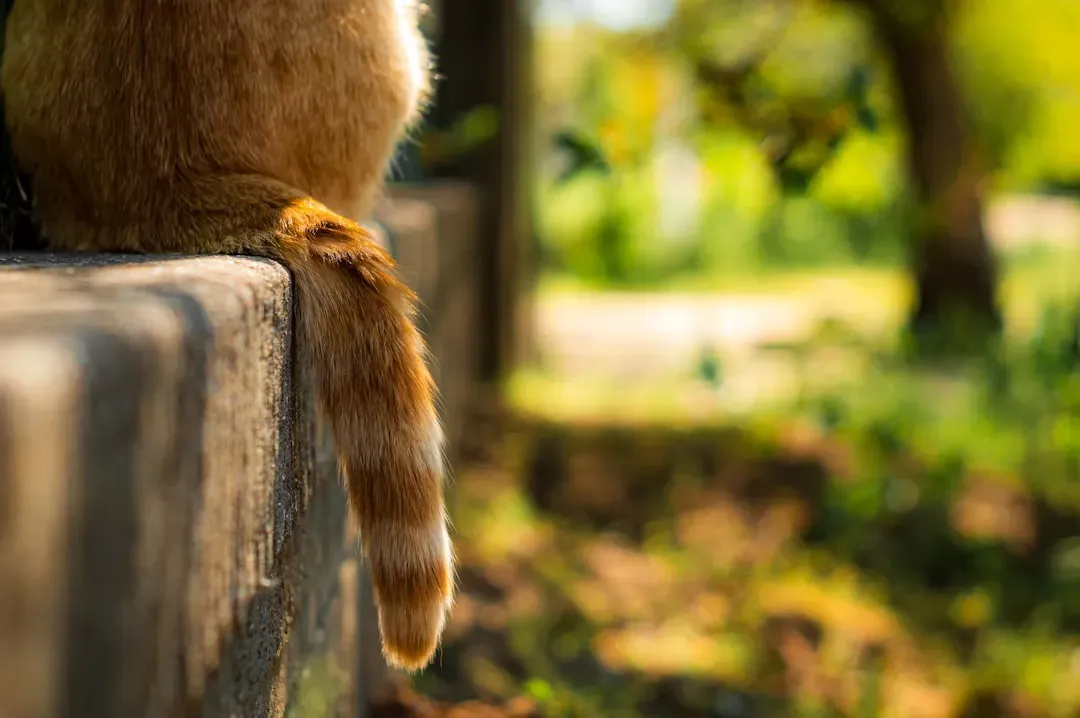
Your cat’s tail is not simply a furry appendage attached to the end of its spine. A cat’s tail is remarkably flexible, thanks to its unique anatomy. It consists of 18 to 23 small bones, known as caudal vertebrae, which interlock like a chain, enabling the tail to move in many directions.
When a cat experiences an emotion, its brain sends signals to muscles in the tail through the pudendal nerve, which connects tail muscles to the central nervous system. This means what you’re seeing when your cat moves its tail is a near-instant physical expression of neurological activity. The emotional state and the tail movement are genuinely connected.
A cat’s tail contains up to 23 vertebrae, which are an extension of the spine. It’s made up of bone, muscles, tendons, and nerves, all working together to provide flexibility, balance, and communication. Because of this intricate connection to the spinal cord, the tail isn’t just sensitive – it’s vital.
The Tail-Up Greeting: Confidence in Plain Sight
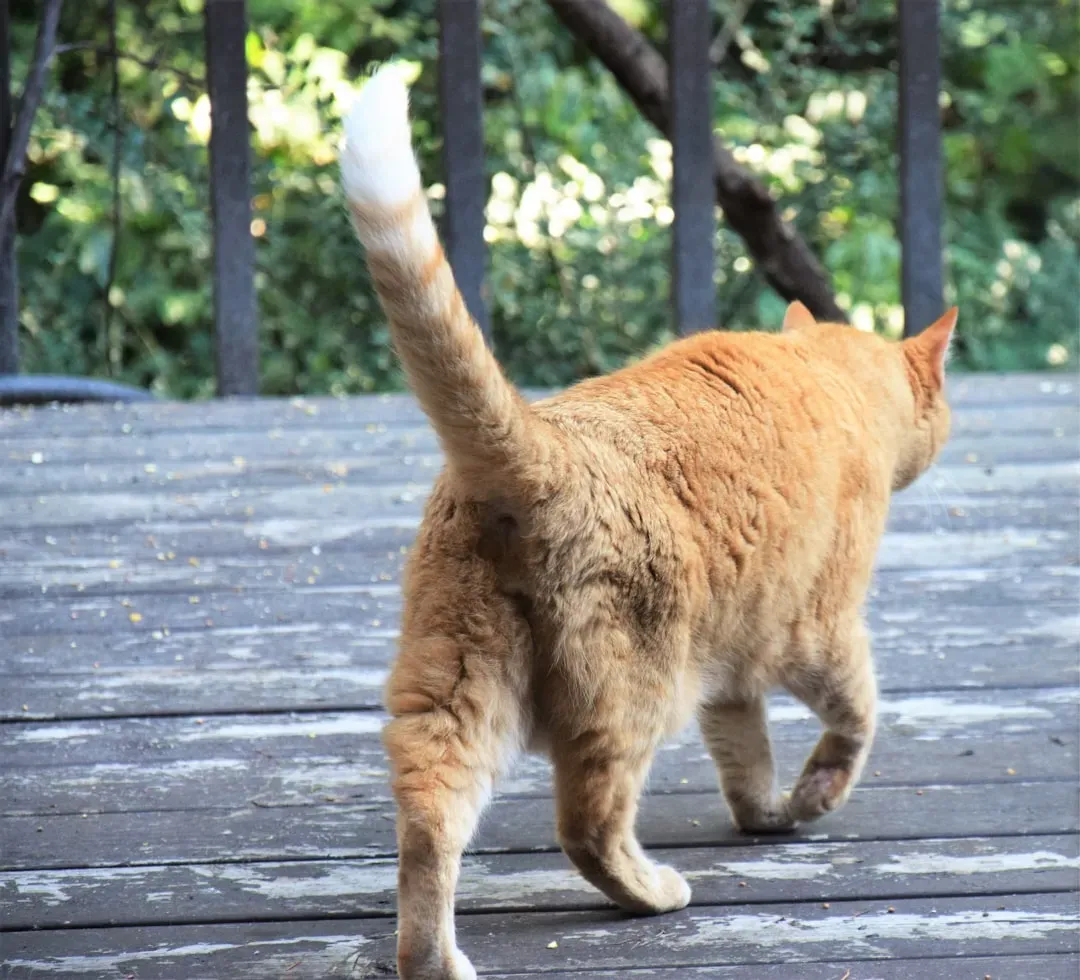
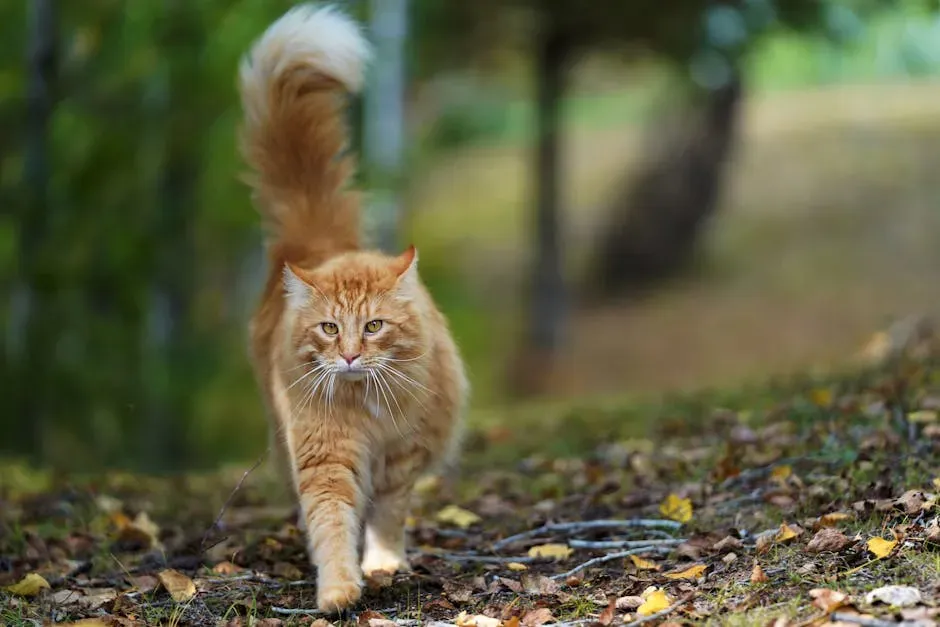
When a cat’s tail is upright, they are feeling social and confident, and are approaching in a friendly manner. You’ll notice this most when your cat trots over at feeding time or when you come home after a few hours away. The tail going straight up is essentially the feline equivalent of opening its arms.
The upright tail greeting seems to be unique to domesticated cats. Wild cats don’t use the “tail up” signal during friendly interactions, suggesting this behavior developed specifically during the domestication process as cats evolved to communicate with humans. In other words, your cat isn’t just tolerating your presence. It developed a new signal, specifically for you.
The Question Mark Tail: An Invitation to Play
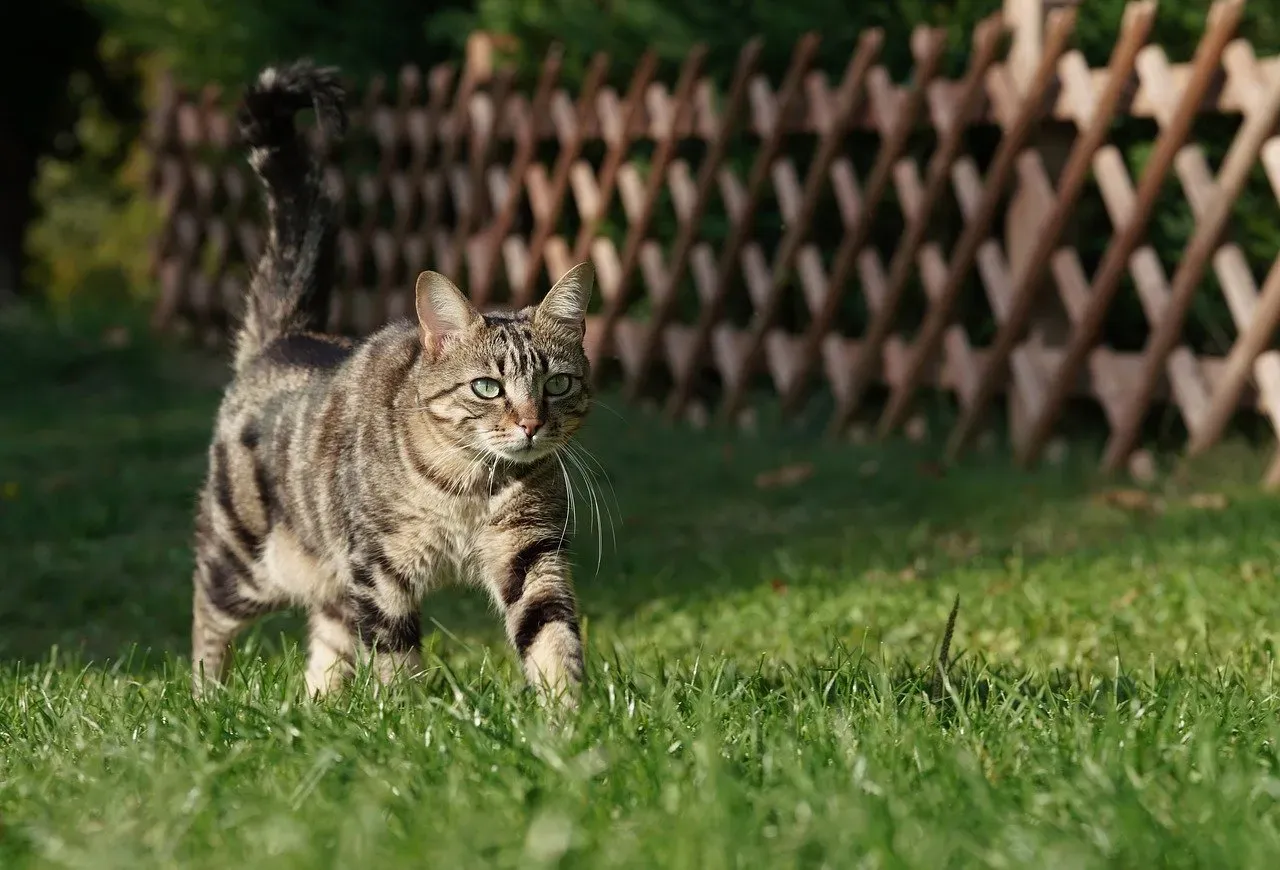
When a cat bends its tail in the shape of a question mark, this is good news, especially if you have a few minutes to spare and some cat toys at the ready. That’s because the question mark-shaped tail position is a cat’s way of asking, “Would you like to play?” It’s one of the more charming and easy-to-read signals in the cat communication toolkit.
Cats may also move the tip of their tails back and forth with the question mark changing orientations, which is an even more intense play signal. When you see the curved tip and a slight quiver to go with it, your cat isn’t ambivalent. It’s genuinely enthusiastic. This is a great moment to reach for that wand toy or crinkle ball sitting in the corner.
The Puffed-Up Tail: Fear or Fury, Often Both
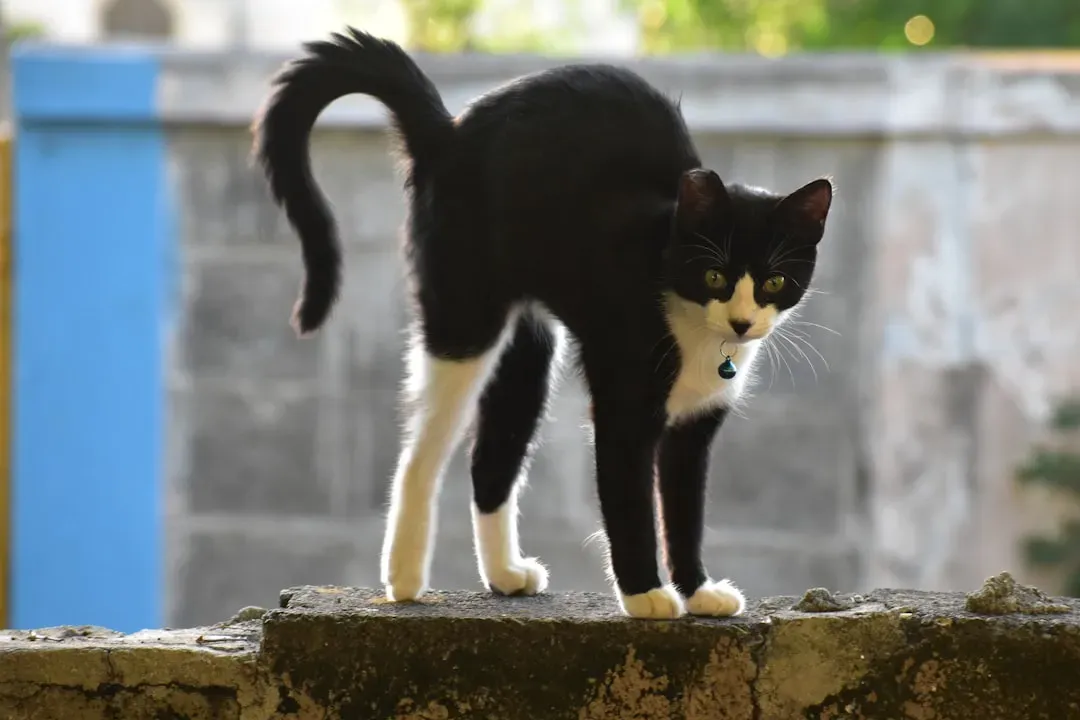
A puffed-out tail, often two or three times the size of a normal one, is either a sign of a very excited cat or one that is scared and ready for a fight. A feline may also have hair raised on their back to make them appear larger and a more formidable opponent. It’s an indication of high emotions that can go either way.
If your cat assumes the classic angry cat posture with a puffed tail and arched back, then they are startled or frightened by a sudden, severe threat. Your cat’s hair stands on end so that they can appear to be bigger than they are. This defensive reaction indicates that your cat wishes to be left alone. This tail position is often triggered by feeling threatened by other animals in the yard, dogs approaching, visitors in the home, or sudden noises.
The Thrashing and Lashing Tail: Back Off Now
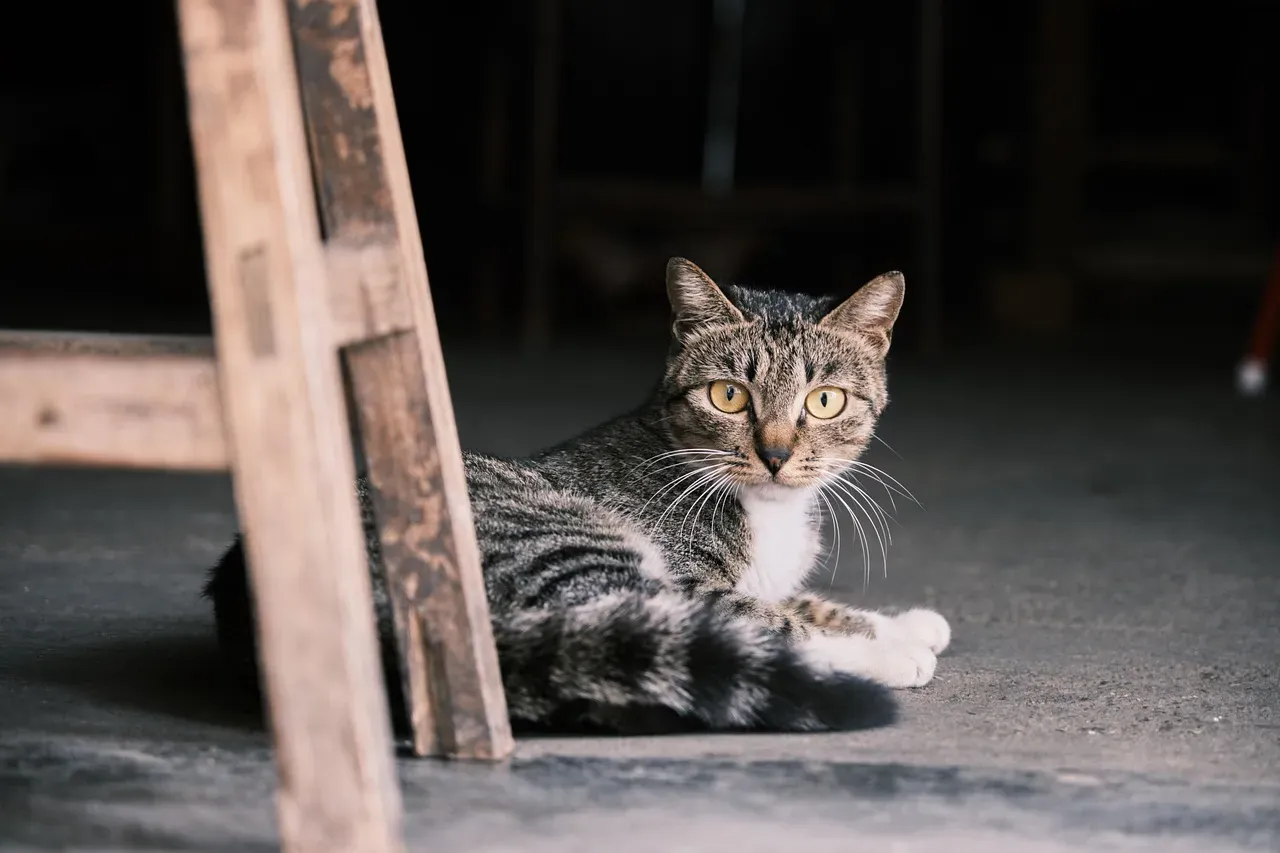
A lashing or swishing tail is similar to a wagging tail, but with more speed and strength, like a whip. This indicates a higher level of emotion, and a prelude to more dramatic action. It also acts as a warning to other cats and people not to come any closer. If you’re petting your cat and the tail starts moving faster, take that seriously.
Pay attention to a change in tail positions as well as accompanying body language that indicate a mood shift. For example, your cat is enjoying being petted around the head and neck, but as you begin to stroke along the spine and base of tail, the tail starts lashing. What was relaxing and enjoyable has transitioned to being either too stimulating or even painful. Learning to notice this shift in real time will save you a few scratches over the years.
The Tucked Tail: Submission, Fear, or Pain
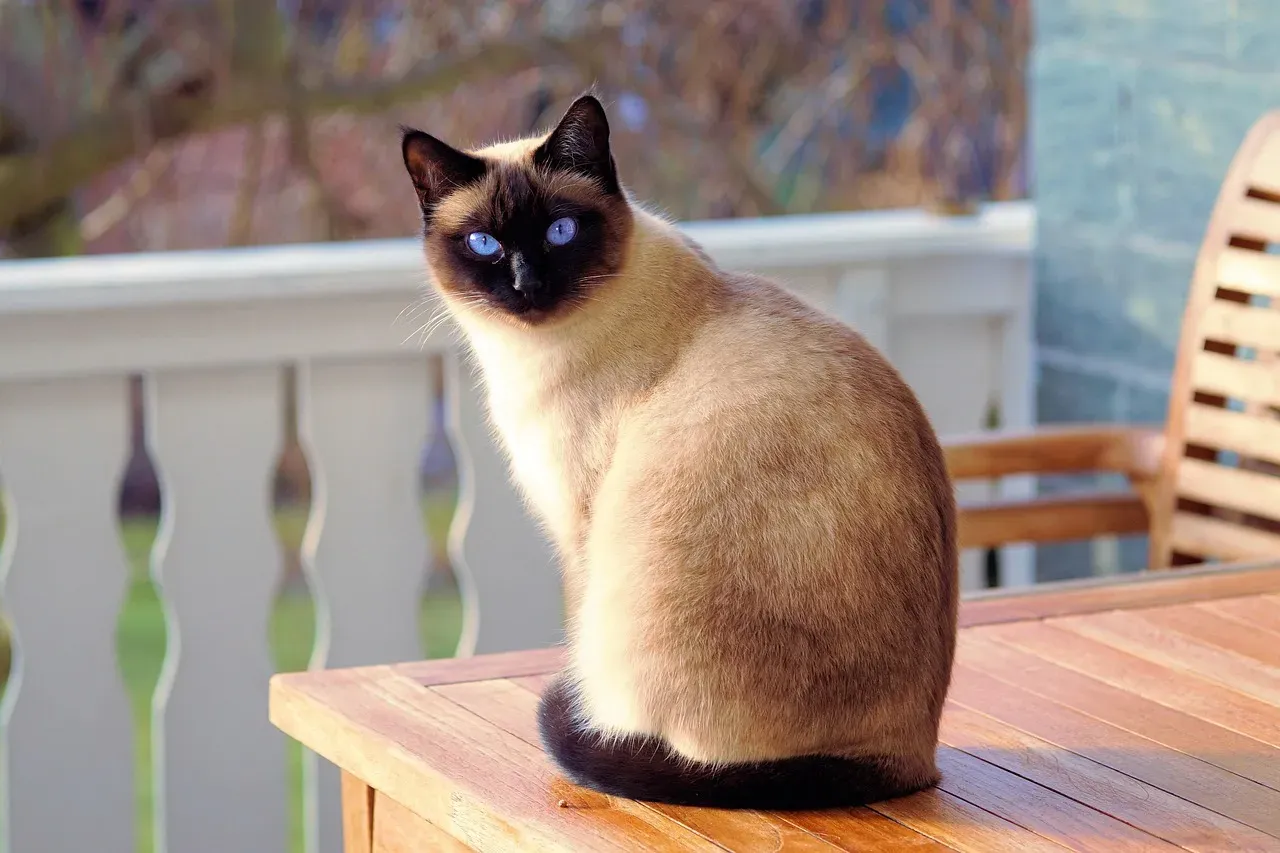
When a cat tucks their tail under their body or wraps it around themselves, this can be a sign of uncertainty that may indicate feelings of fear and submission. This is especially true when this tail position is accompanied with wide eyes, dilated pupils and flattened ears. The more signals overlap, the more certain you can be that your cat is uncomfortable.
A cat who has tucked the tail between the hindlegs is very frightened. This is a submissive posture where the cat is trying to appear small and non-threatening. Don’t assume though that this posture says it’s safe to approach. If there’s no means of escape, the frightened cat may display defensive aggression. Giving the cat space in these moments is always the better choice.
The Tail Wrap: A Chemical Hug
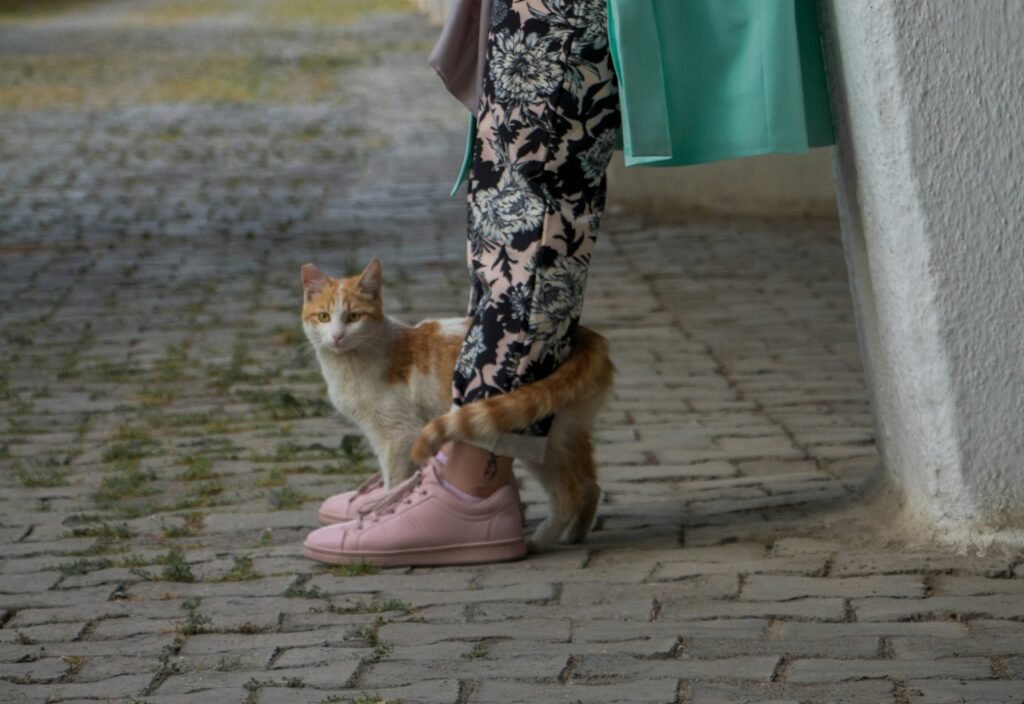
Just as we greet one another with handshakes or hugs, cats may greet by curling their tails around people and by intertwining their tails with other cats. Tail wrapping is an affiliative behavior that demonstrates a willingness to interact. When your cat curls its tail around your ankle, it’s choosing to make contact in one of the most deliberate ways it can.
At a biological level, a cat’s tail includes scent glands, so the tail is being used to swap scents with the other creature. It’s their way of deepening your bond by showing how comfortable they are with you, and it also allows for scent sharing – a cat’s way of marking their trusted territory. So that little leg wrap isn’t just affection. It’s also your cat quietly claiming you as its own.
The Slow Swish Versus the Rapid Flick: Context Is Everything
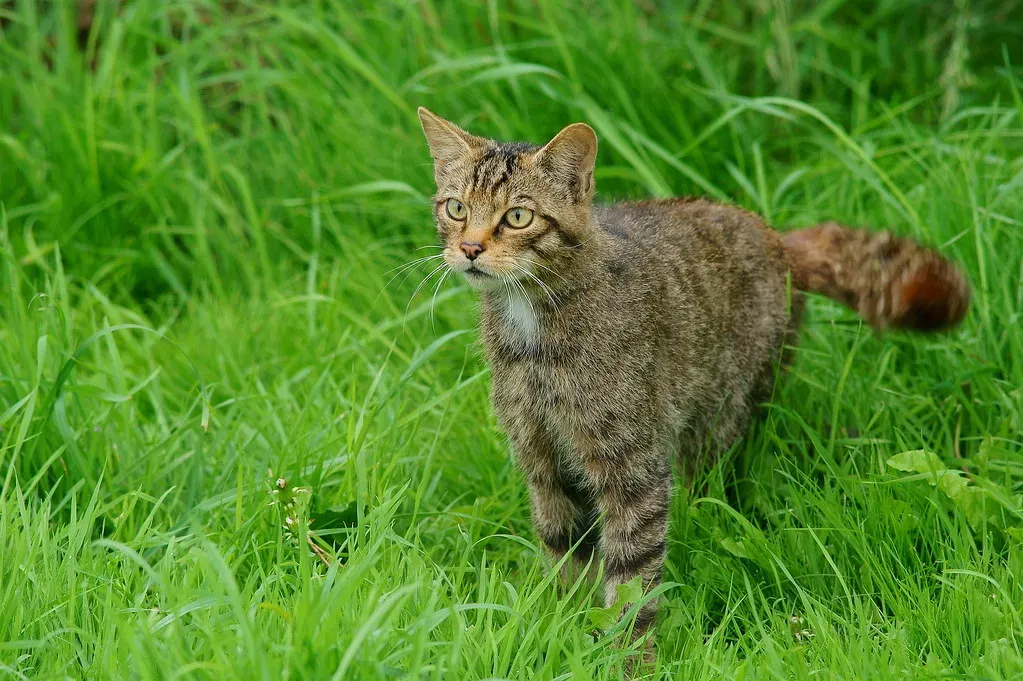
Swishing tails slowly from side to side in a soft, fluid manner indicate cats who are relaxed, calm and perhaps mildly interested in something. Just let these purring machines hang out and enjoy life. If that swishing changes to just the tip of the tail flicking, your cat is ready to play with you or a toy. Speed and intensity matter enormously here.
Cats who are engaged in hunting behaviors, whether real or play, will often flick their tails as they watch their prey. If you’re using an exciting cat toy and your cat is going crazy for it, chances are there’s some tail flicking going on before they pounce. In this situation, tail flicking is a sign of stimulation and alertness. The same motion can mean irritation or excitement, so you’ll want to read the surrounding signals too.
When the Tail Signals a Health Problem
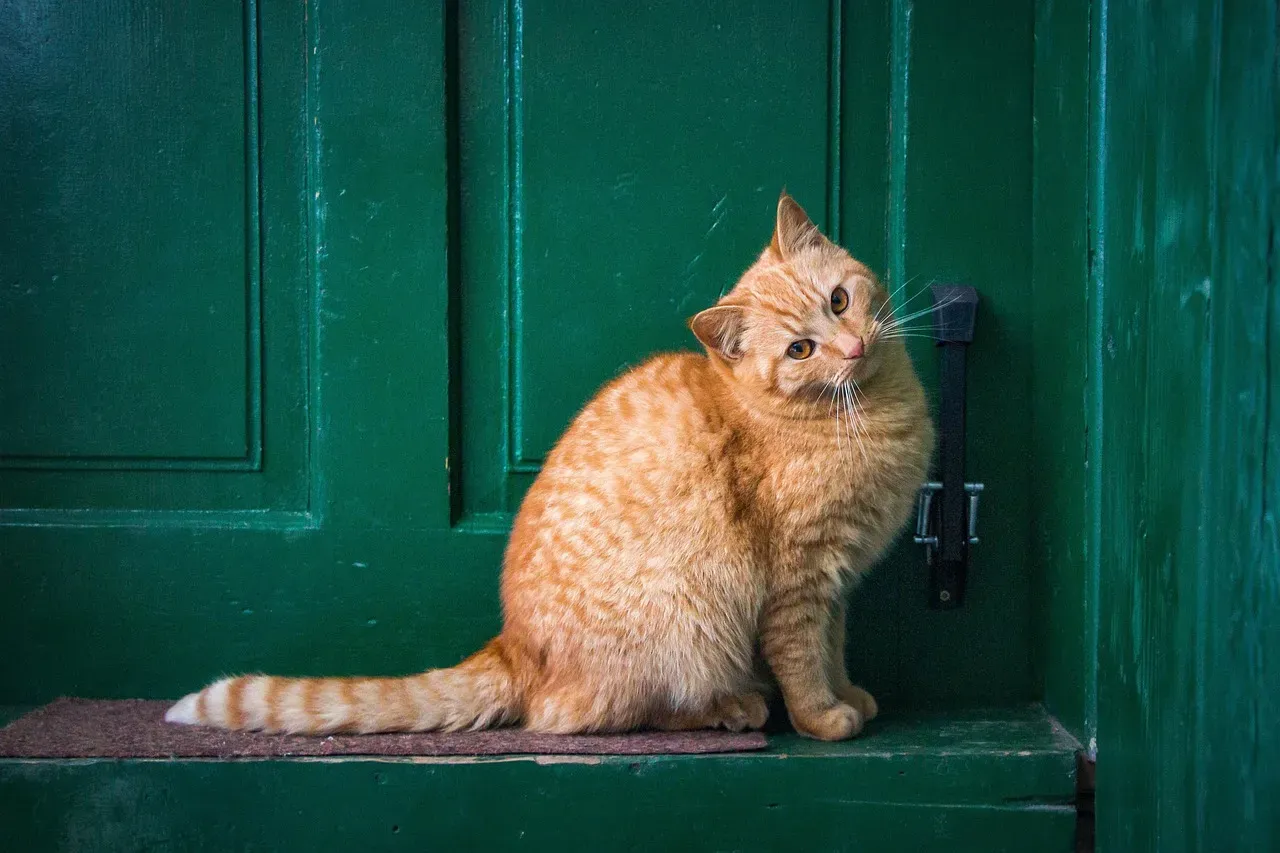
A drooping tail often indicates something is wrong. Felines have between 20 and 23 bones in their tails. This extension of their spine is vulnerable to injury. A cat holding it in an unnatural position may have fractured or otherwise injured it somehow. Other clues that something is wrong are often behavioral, such as the animal crying out or avoiding contact because of the pain.
When the cat tucks its tail underneath the body or the side, it means fear or submission. It can also mean the cat is experiencing some form of pain or illness. It helps in detecting any disease they might have at an early stage. This is one of the most practical reasons to pay attention to your cat’s tail signals: they can alert you to a health issue that might otherwise go unnoticed for days.
Reading the Whole Picture, Not Just the Tail
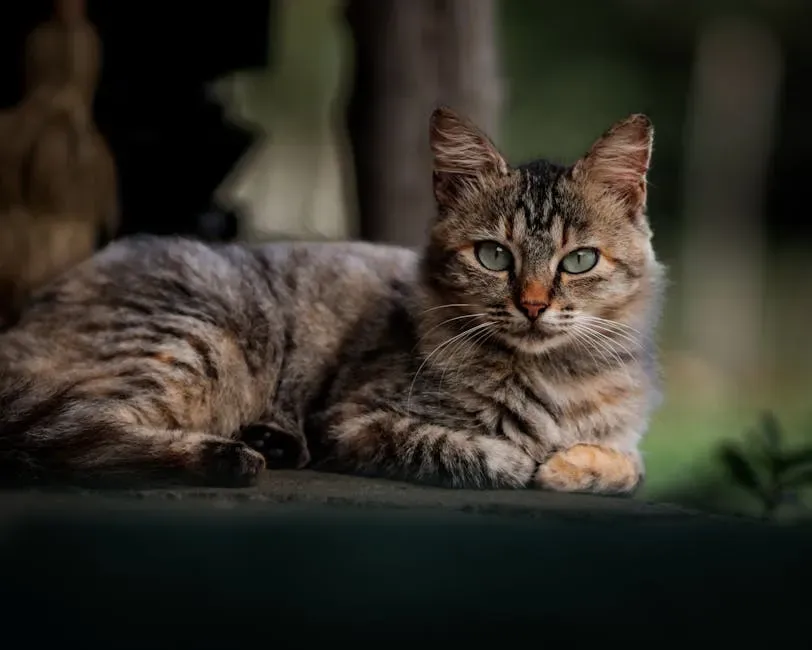
Very often the position of the tail and the facial expressions are analyzed separately. However, all these movements should be considered together as yielding particular “configurations” within the body as a whole. A tail pointing straight up means something very different when paired with relaxed ears versus when paired with dilated pupils and a crouched body.
Cats rarely communicate with just one signal. Instead, they combine ears, eyes, tails, and posture into a full message. For example, forward ears combined with an upright tail and a slow blink signal a relaxed, friendly cat, while pinned ears combined with dilated pupils and a lashing tail signal agitation. Your job as an observant owner is simply to notice all the signals at once, not in isolation.
Conclusion: What You Gain When You Pay Attention
Your cat is not being mysterious for the sake of it. It’s communicating constantly, through a system refined over thousands of years of evolution and further shaped by the process of domestication. Reading your cat’s body language will help you determine how your kitty feels about particular interactions and identify the situations or environments that make them happy or cause fear.
If you learn to accurately read body language signals and respect what your cat is telling you, it will create trust and strengthen the bond you share. The tail is perhaps the most honest part of your cat’s body. It doesn’t perform, it doesn’t filter, and it doesn’t hide. Once you know what to look for, every room your cat walks into becomes a conversation you’re finally able to hear.
Kristina is a young writer from India. An arts graduate and an avid content creator, Kristina is passionate about animals and wildlife. She enjoys exploring topics related to pet care, animal behavior, conservation, and nature, combining thorough research with engaging storytelling.