Somewhere in the world right now, a lion is roaming the savannah, completely unaware that a country in Europe just decided its life matters more than a wall decoration. That might sound dramatic, but that is essentially what happened when Belgium made history with a sweeping legislative ban on the import of hunting trophies from endangered species. It is the kind of news that makes you stop scrolling and actually feel something.
This is not just a political headline. It is the result of years of campaigning, public pressure, and hard-fought legislative battles. The road to this moment was longer than most people realize, and the implications stretch far beyond Belgium’s borders. Let’s dive in.
A Unanimous Vote That Sent Shockwaves Through the Conservation World
Some laws squeak through on a narrow majority. This one did not. Belgium’s Parliament voted unanimously in favour of the bill prohibiting the import of hunting trophies from endangered species into the country. That kind of consensus in a modern parliament is rare, almost extraordinary, and it speaks volumes about where public sentiment stands on this issue.
This historic move, following nearly two years since the Parliament’s initial call for such a ban, will protect revered species such as lions and rhinos. It is worth pausing on that timeline. The initial resolution was passed back in March 2022, meaning advocates had to push, lobby, and fight for roughly two years before the ban finally crossed the finish line as real, enforceable law.
On December 18, 2025, the Constitutional Court upheld the law banning the import of certain hunting trophies, rejecting an appeal, according to the Royal Belgian League for the Protection of Birds. That ruling effectively sealed the deal. No loopholes, no rollbacks. The ban stands.
What Species Does the Ban Actually Protect?
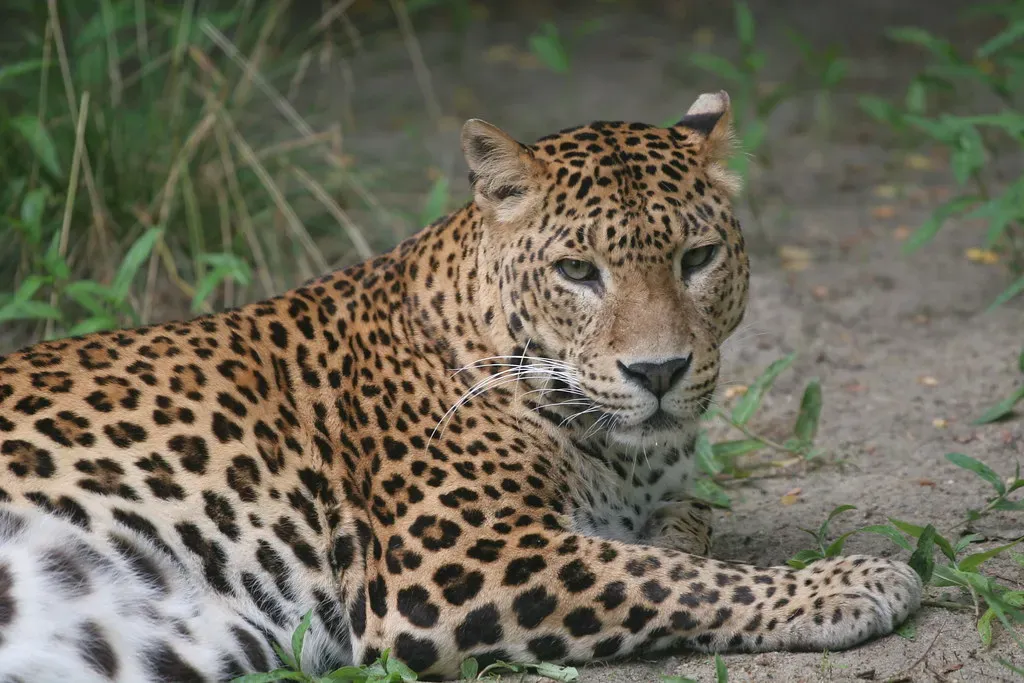
Here is where things get both hopeful and sobering at the same time. Before the ban, Belgium imported trophies of species vulnerable to extinction such as hippopotamuses, cheetahs and polar bears. The new law will stop the import of hunting trophies from many species currently at risk, including jaguars, cheetahs, leopards, some brown bears, Cape mountain zebra, chimpanzees, African elephants, African lions, southern white rhinos, hippos and argali sheep. That is a remarkably wide safety net.
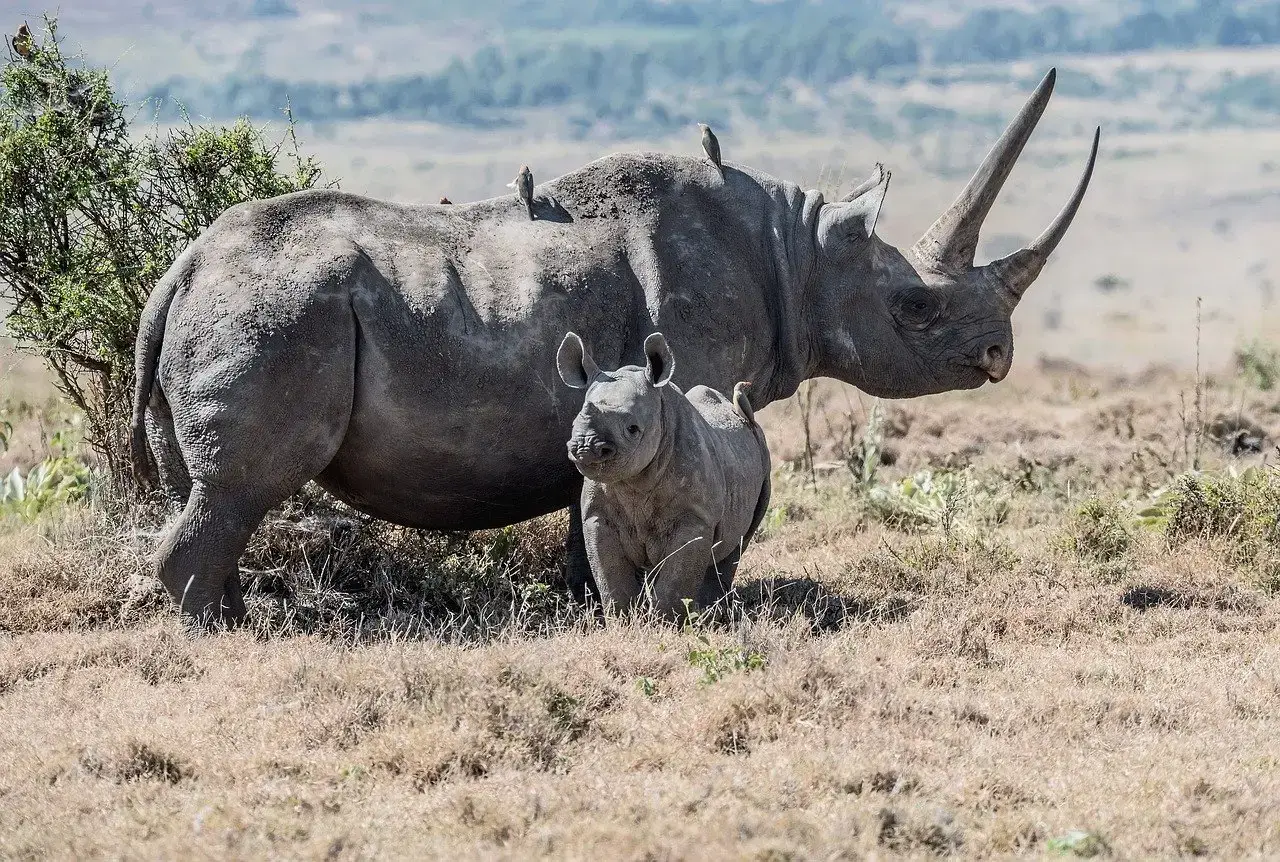
Many of the targeted species, such as African elephants, rhinoceros and leopards, are facing the risk of extinction and play crucial roles in maintaining healthy ecosystems and biodiversity. Think of it like removing a single key thread from a tightly woven fabric. Pull it out, and the whole thing begins to unravel. These animals are not just impressive to look at; they are ecological anchors.
The Public Pressure That Made This Happen
Politicians rarely lead on issues like this without being pushed. Honestly, that is just the reality of how things work. In Belgium’s case, the public had been making its voice heard loudly for years. According to the results of a survey by Ipsos commissioned by Humane Society International/Europe, 91% of Belgians oppose trophy hunting and 88% support the prohibition of importing any kind of hunting trophy at all. Those numbers are staggering.
The team’s work led to a unanimously supported parliamentary resolution in 2022 that became a legislative proposal approved by the federal government’s Council of Ministers in July 2023. Advocacy groups like Humane Society International/Europe worked closely with Belgian lawmakers for years to translate public outrage into actual policy. It is a reminder that sustained, organized pressure does work, even when it takes longer than anyone wants.
Why Trophy Hunting Is a Conservation Crisis, Not Just an Ethical Debate
Let’s be real. Some people still frame trophy hunting as a personal lifestyle choice. The science tells a different story. Trophy hunters prefer to kill the largest, most physically impressive animals, whose loss can cause steep declines in populations. Added to other threats, trophy hunting glorifies the killing of rare animals for little more than bragging rights and a trophy decoration. When you consistently remove the biggest, strongest individuals from a gene pool, you weaken the entire species over time. It is basic biology.
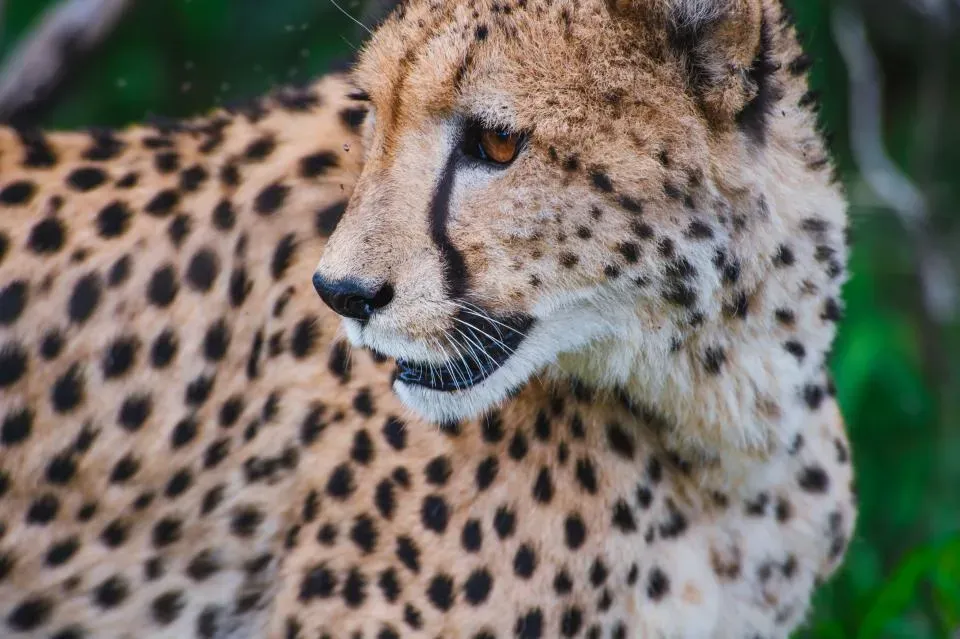
According to an HSI/EU report, the EU is the second largest importer of hunting trophies after the United States, with an average of roughly 3,000 trophies imported in the period between 2014 and 2018. The EU was also the largest importer of cheetah trophies, with nearly 300 cheetah trophies imported into the EU during that same period. Those figures are hard to wrap your head around. Cheetahs are already one of the most vulnerable big cats on Earth, and yet demand for their body parts as wall hangings kept climbing.
Belgium’s Role in a Growing European Movement
Belgium is not acting in isolation. It is joining a growing chorus of European nations that have decided enough is enough. Belgium is not the first country to take action against this practice. Neighboring countries have already led the way, with the Netherlands banning trophies of over 200 species in 2016, and France banning imports of lion trophies in 2015. There is a clear momentum building across the continent.
The European Union is the second-largest importer of hunting trophies in the world, after the U.S., and Belgium is the 13th-largest hunting trophy importer of internationally protected species in Europe. That context matters. Belgium may not be the biggest player in the trophy trade, but its symbolic and political weight inside the EU is significant. The ban in Belgium sends a positive signal in support of the adoption of a similar ban in neighboring France, where a cross-party Assembly bill proposal to ban the import of hunting trophies of protected species is currently being pursued by lawmakers.
What Comes Next: The Push for an EU-Wide Ban
Belgium’s victory is meaningful, but conservationists are clear that it is not the finish line. Advocates in Europe are pushing for an EU-wide ban on the import of hunting trophies from endangered and protected species, while across the Atlantic, similar efforts urge stricter regulation of trophy imports. An EU-wide ban would be transformative in scale, covering dozens of member states and cutting off one of the world’s largest trophy import markets in one sweeping move.
Before full implementation, the legislation requires royal sanction, after which it will be published in the official gazette and come into force. The procedural steps are nearly complete. Belgium’s stance is a powerful one at this critical time, and it strengthens the case for an EU-wide ban on the import of hunting trophies from endangered and protected species, an action consistent with the opinions of a majority of citizens across the EU’s member states. The door is now wide open for the rest of Europe to follow.
A Turning Point the World Needed
Belgium’s trophy hunting import ban is one of those rare moments where law, science, and public values finally align. It did not happen overnight. It took years of relentless advocacy, a willing parliament, and a public that simply refused to stay silent. Trophy hunting, a colonial pastime celebrating the killing of wild animals for bragging rights, is incompatible with the biodiversity ambitions of the European Commission as well as the views of EU citizens.
The animals protected by this law cannot thank anyone. They will simply continue to live, to roam, to breathe. Maybe that is the point. Their survival is not a reward for good policy. It is the whole reason the policy exists in the first place. Belgium got that right. The question now is whether the rest of the world is paying attention.
What do you think? Should the European Union move toward a continent-wide ban on trophy hunting imports? Share your thoughts in the comments below.