The Netherlands – A nation long committed to progressive animal protection policies implemented a significant restriction on January 1, 2026, prohibiting new ownership of Sphynx and Scottish Fold cat breeds to address inherent health risks.
Health Concerns Drive the Policy Shift
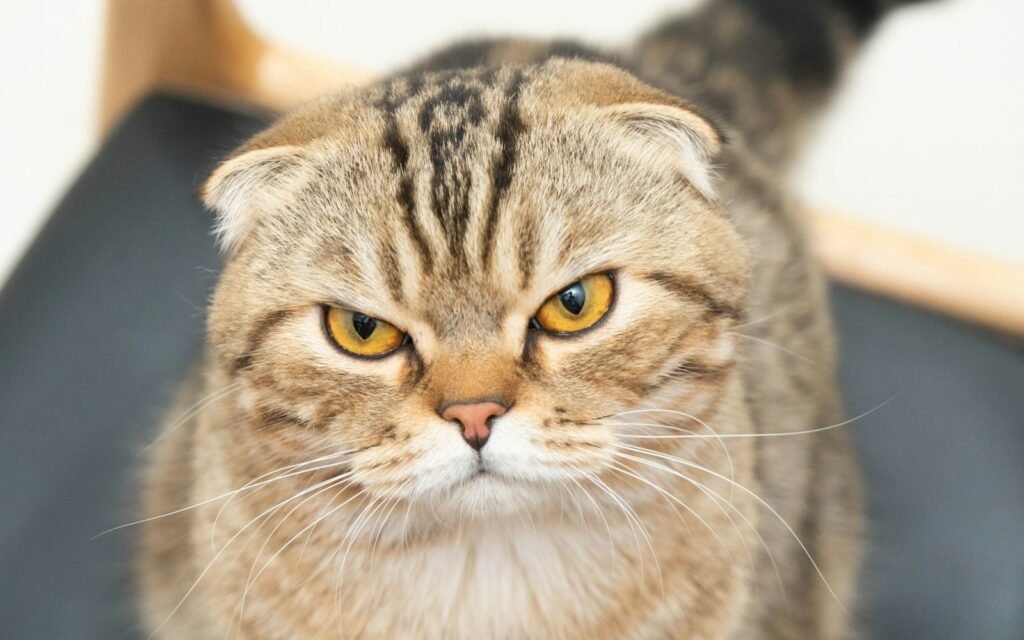
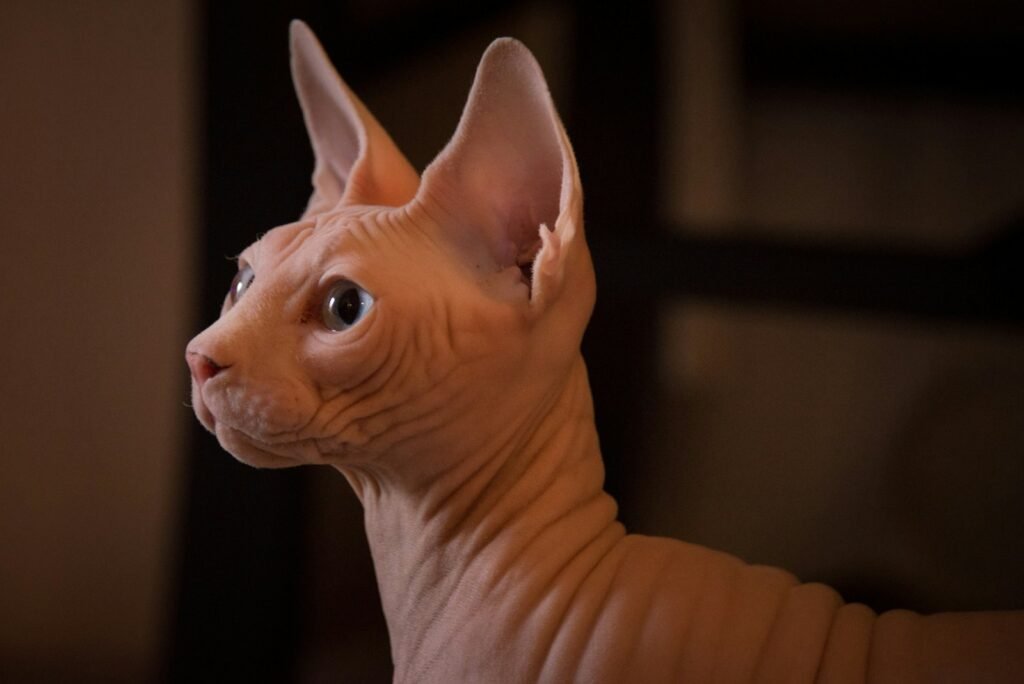
The decision stems from longstanding worries about the physical traits that define these breeds. Scottish Fold cats possess ears that fold due to a genetic mutation affecting cartilage, which often leads to painful joint issues and arthritis throughout their lives. Sphynx cats, lacking fur, face chronic skin problems, increased susceptibility to infections, and the need for constant warmth to prevent hypothermia.
Authorities emphasized that these conditions cause unnecessary suffering, prompting the extension of a breeding ban established in 2014. The new rules target cats born after January 1, 2026, or those without mandatory microchips, ensuring that only pre-existing pets remain legal. This approach allows current owners to care for their animals without disruption while curbing the cycle of health-compromised breeding.
Enforcement and Penalties in Place
Violations carry substantial consequences, with fines reaching €1,500 for individuals attempting to acquire or keep prohibited cats. Officials plan to enforce the law through routine checks and reports from veterinarians and shelters. The Ministry of Agriculture, Nature and Food Quality oversees implementation, collaborating with animal welfare organizations to educate the public.
Existing owners face no immediate changes; their pets can live out their natural lives under current care. However, resale or transfer of these cats now falls under scrutiny, pushing breeders underground if they persist. This measure builds on prior restrictions, such as those on brachycephalic dogs in 2023, signaling a broader push toward ethical pet selection.
Reactions from Owners and Experts
Cat enthusiasts in the Netherlands expressed mixed feelings about the ban. Many supported the welfare focus but lamented the loss of these affectionate breeds, known for their unique appearances and personalities. Social media discussions highlighted concerns over black-market risks, where unregulated sales could worsen health issues.
Veterinarians welcomed the policy, noting frequent treatments for breed-specific ailments in their practices. One clinic reported that folded-ear cats often required pain management from a young age. The ban encourages adoption of healthier mixed breeds or alternatives without extreme traits, potentially reducing veterinary costs for families over time.
Global Implications and Alternatives
The Netherlands’ action has sparked international debate on breed regulations. Neighboring countries like Belgium monitor the situation closely, considering similar steps amid rising awareness of designer pet harms. In contrast, places with lax laws continue to popularize these breeds, often ignoring long-term consequences.
For those seeking cat companions, the policy promotes exploration of robust options. Consider these healthier alternatives:
- British Shorthair: Sturdy build with minimal genetic issues.
- American Shorthair: Adaptable and low-maintenance coat.
- Domestic Shorthair: Rescued mixes offering diverse traits without breeding risks.
- Maine Coon: Large but generally healthy, with no extreme features.
- Abyssinian: Active and elegant, free from fold or hairless mutations.
This list underscores the abundance of loving felines available through shelters and ethical breeders.
Key Takeaways
- The ban protects cats from painful genetic conditions tied to their distinctive looks.
- Current owners retain rights, but new acquisitions face strict penalties.
- Shifting to healthier breeds supports broader animal welfare goals worldwide.
As the Netherlands sets a precedent in prioritizing feline well-being over aesthetics, pet lovers worldwide ponder the balance between beauty and health in animal companionship. What steps should other countries take to ensure ethical breeding? Share your thoughts in the comments.