It’s one of those stories that makes you laugh and then immediately think, “wait, is my cat doing that too?” A rescue cat named Dennis captured hearts online after his family decided enough was enough. At a hefty 14.5 pounds, it was time for a diet. What happened two months later, though, nobody saw coming. Spoiler: the scale did not deliver good news.
There’s something universally relatable about watching a beloved pet totally outsmart you. Dennis managed to do exactly that. So let’s dive into the full story, what it reveals about feline weight loss, and why getting a cat to actually slim down is far harder than it sounds.
Meet Dennis: The Rescue Cat Who Had Other Plans
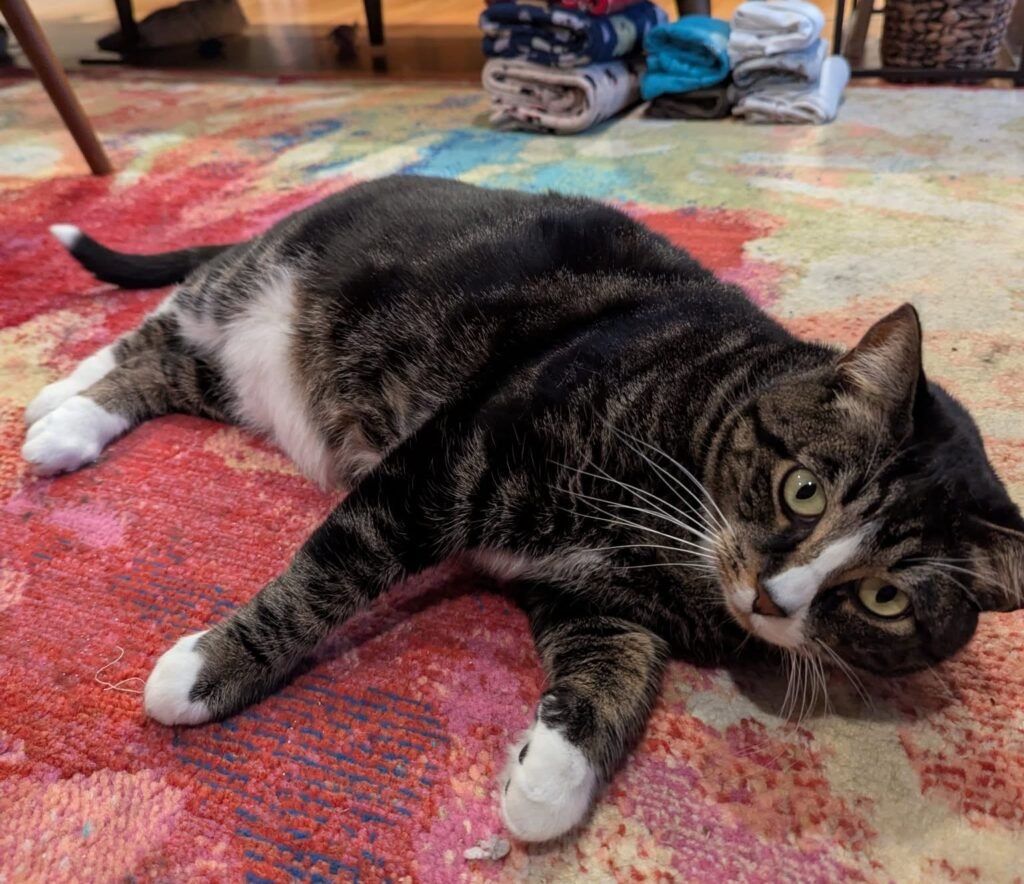
In a post shared on Threads by user @that.map.guy.craig, the owner introduced his rescue cat, Dennis, and the challenge of keeping him at a healthy weight. Dennis was not exactly what you’d call a lean, athletic feline. He was round, grumpy, and apparently very committed to staying that way.
Dennis tipped the scale at 14.5 pounds, prompting the household to cut back his food and begin a weight-loss plan. The owner joked that Dennis was “large and in charge in a bad way.” Honestly, the name alone fits. Dennis has the energy of someone who knows exactly what he wants and simply refuses to accept any alternative.
A rescue cat and his owners are learning that dieting isn’t always straightforward. And as Dennis would prove in the weeks ahead, “not straightforward” was something of an understatement.
The Two-Month Weigh-In That Shocked Everyone
Here’s where the story takes its wild turn. The family had done everything they thought was right. Portions were controlled, meals were monitored, and hope was high. Then came the two-month weigh-in.
Even with careful monitoring and portion control, Dennis proved to be a determined eater. At his two-month check-in, the family got a surprise: the scale revealed that Dennis had gained weight, reaching 16 pounds. A full 1.5 pounds heavier. That’s not a diet – that’s the opposite of a diet.
The owner replied to his post, explaining that Dennis is a bit grumpy and, in all likelihood, had been sneaking food from the family’s other cat. It was a classic case of household sabotage – except the saboteur was the very cat they were trying to help. I think most cat owners who read this immediately glanced suspiciously at their own pets.
Why Cat Weight Loss Is Genuinely Difficult
For many pet parents, the viral moment highlights just how complicated feline weight loss can be – even with the best intentions. This is something that catches a lot of people off guard. You cut the portions, you stay consistent, and yet nothing seems to work. What gives?
The Cummings School of Veterinary Medicine says that about roughly three in every five cats are overweight, and this can cause several problems including diabetes, urinary disease, osteoarthritis, and other conditions that can shorten and worsen quality of life. That statistic is genuinely alarming when you think about how many cats are curled up on couches right now, blissfully unaware of the health risks piling up.
There are a variety of non-medical factors that have been shown to predispose animals to obesity. These include early-onset obesity, old age, a sedentary lifestyle (especially common for indoor cats), competition for food, and a free-fed diet as opposed to meal-fed. Dennis, with his grumpy personality and access to another cat’s bowl, was practically a textbook case.
The Health Stakes: Why Dennis Needs to Slim Down
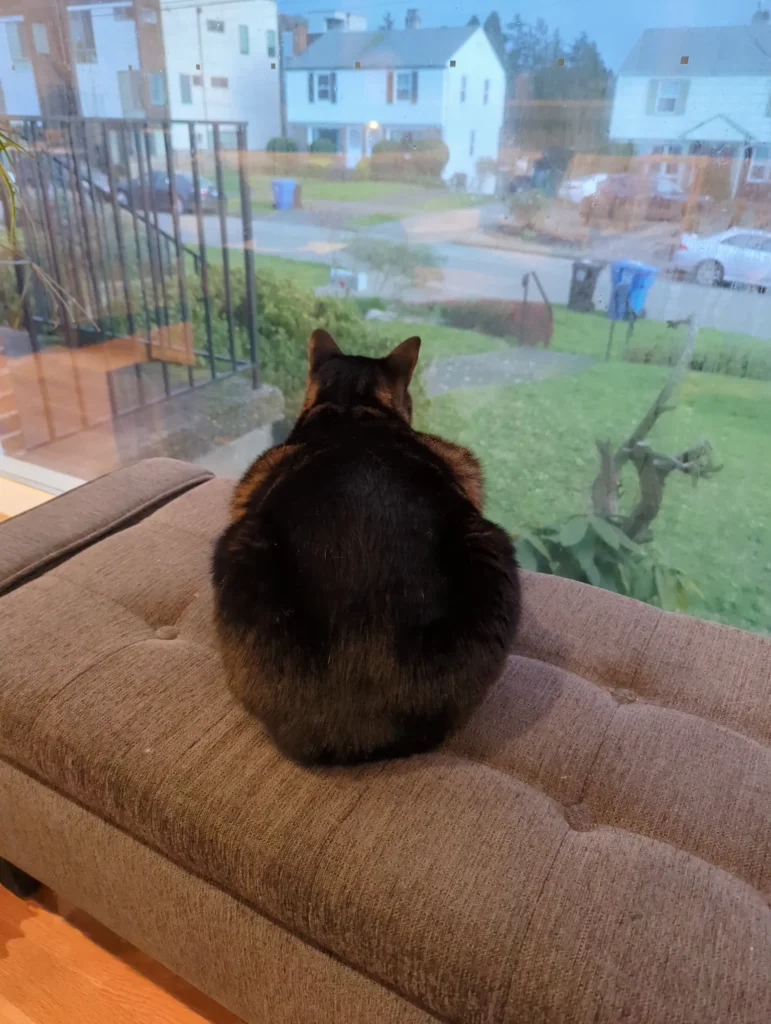
While Dennis’ story is humorous, maintaining a healthy weight is crucial for a cat’s overall well-being. An article from Catster states felines should weigh between 8 and 10 pounds, though this can vary by breed. At 16 pounds and climbing, Dennis is well above that range by almost any measure.
Overweight pets are at risk for a variety of health problems, including skin infections, high blood pressure, heart disease, immune suppression, diabetes mellitus, orthopedic and arthritic disorders, and some forms of cancer. Overweight cats are often prone to hepatic lipidosis (fatty liver disease) and lower urinary tract problems as well. These aren’t small inconveniences. They can seriously shorten a cat’s life.
Maintaining a healthy weight helps prevent diabetes, arthritis, and urinary disease, as well as reduce overall quality of life. It’s worth repeating: excess weight isn’t just a cosmetic issue for cats. It’s a real medical concern that owners need to take seriously, no matter how cute the extra fluff looks.
How to Actually Get a Cat to Lose Weight
Let’s be real – it’s not as simple as just feeding less. Vets are pretty clear on this. You should never put an obese cat on a diet without veterinary supervision, as too rapid weight loss, or weight loss with inappropriate food, can be quite dangerous. This is something many owners skip entirely, assuming a smaller portion of the same old kibble will do the trick. It won’t.
The typical minimum weight loss per month for a healthy adult cat is about half a pound. Ideally, weight reduction should aim for losing closer to one pound per month. Slow and steady really is the only safe approach here. Think of it like a marathon, not a sprint – and your cat has absolutely no interest in running either.
Weighing your pet monthly is recommended, especially during the first three months. If you do not observe the expected weight loss within 90 days, some aspect of the weight reduction program likely needs to be changed. In a multi-cat household like Dennis’s, that also means addressing the very real possibility of one cat raiding another’s bowl.
Multi-Cat Households: A Dieting Nightmare
Dennis’s situation is one of the trickiest scenarios for pet owners trying to manage a cat’s weight. When there’s more than one animal in the home, controlling exactly who eats what becomes genuinely complicated. It’s a bit like trying to diet when someone keeps leaving open pizza boxes on the counter. Temptation is everywhere.
Replacing free-feeding with measured, scheduled meals is one key strategy. Crucially, consistency matters most: everyone in the household needs to follow the same feeding and play plan. In Dennis’s case, that clearly means making sure his feline housemate’s food is fully out of reach during and after meal times.
Cutting calories too quickly can also be dangerous for cats. Gradual reduction is especially important for heavier cats. If a cat doesn’t eat for as little as two to three consecutive days, whether due to stress, illness, or changes to diet, they can develop a life-threatening form of liver disease known as hepatic lipidosis. This is why going cold turkey on portions is never the answer, no matter how determined the owner might feel after a shocking weigh-in.
Dennis and the Diet That Went Sideways
Dennis may have gone viral for all the wrong reasons, but his story touches on something deeply real for millions of pet owners. Weight management in cats is not just about reducing portions. It involves separating feeding areas, monitoring every meal, working with a vet, and accepting that your cat might be far more resourceful than you ever imagined.
The good news is that with the right plan, patience, and perhaps a locked food bowl, cats like Dennis absolutely can get to a healthier weight. It just takes consistency, strategy, and maybe a little less trust in the “good boi” act.
Dennis is still out there, living his best life at 16 pounds, probably eyeing his housemate’s bowl right now. The real question is: will his owners outsmart him? What would you do if your rescue cat completely sabotaged their own diet? Tell us in the comments below.